

















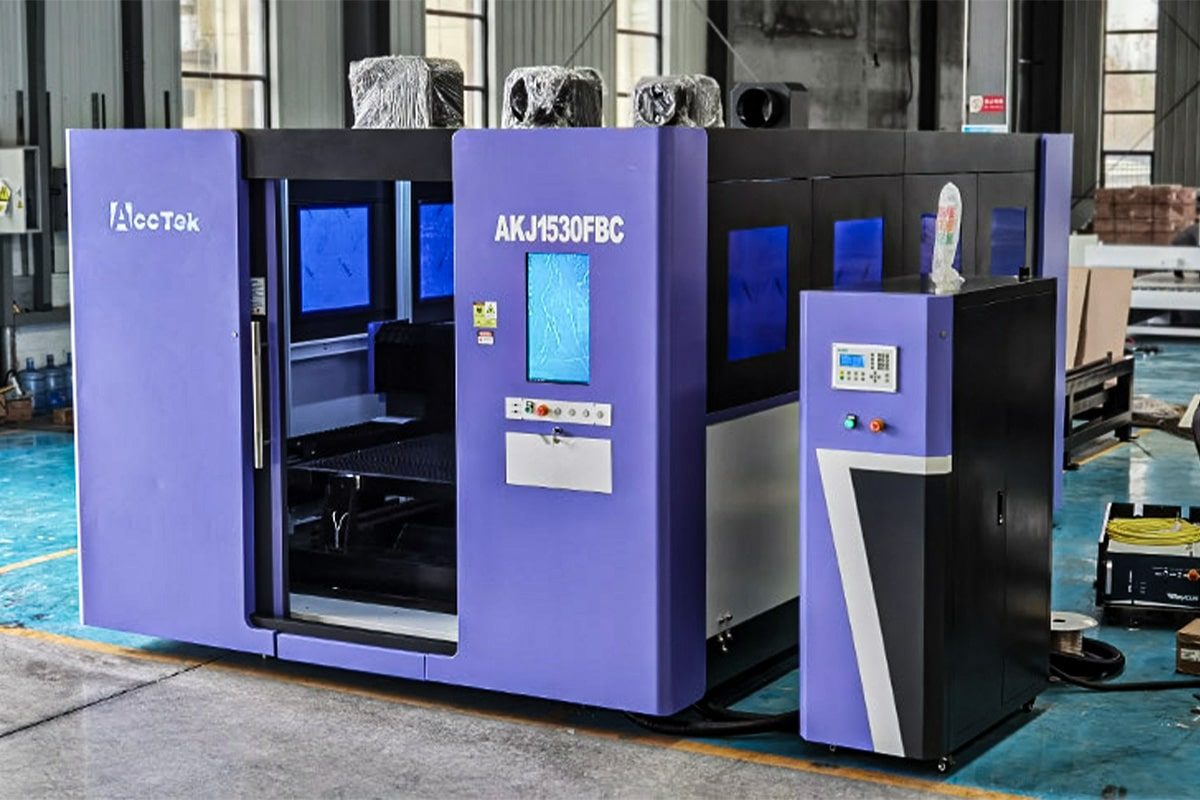
Are Chinese Laser Cutting Machines Good?
This issue has been a hot topic of discussion among overseas buyers. Some have bought and used them successfully, finding them extremely cost-effective; others have encountered problems and paid a heavy price for their investment. Under the same label of “Chinese laser cutting machine,” there are actually huge differences—from entry-level machines costing a few thousand dollars to high-end industrial equipment costing hundreds of thousands of dollars, from unknown small factories to globally influential brands like Bond Laser. Comparing them directly is inherently unfair.
This article doesn’t aim to give you a simple “good” or “bad” answer, because there isn’t one. However, we can clearly explain the factors affecting quality, lay out the advantages and disadvantages, and tell you specifically how to choose and use it. After reading this, you should be able to form a more practical judgment about Chinese laser cutting machines.
目次
The Current State of the Chinese Laser Cutting Machine Market
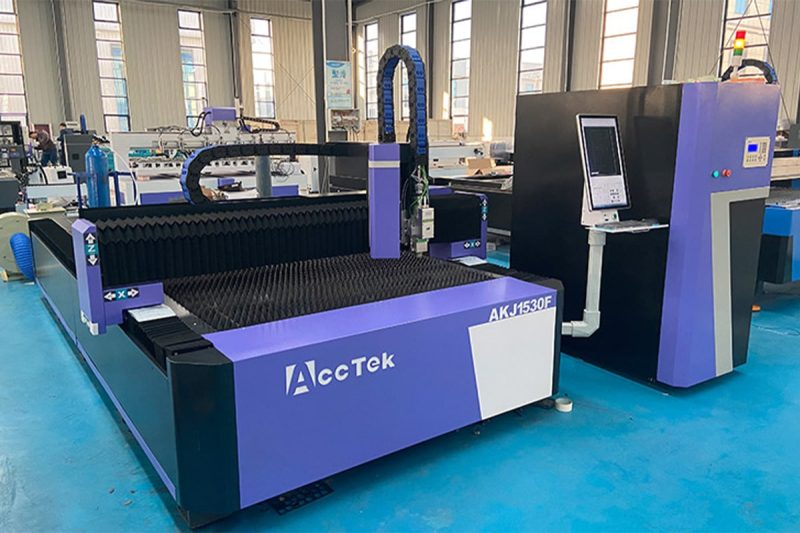
Let’s start with some figures to help establish a basic understanding. According to market research data, the global レーザー切断機 market is projected to grow at an annual rate of 9.5% from 2025, reaching $8.72 billion by 2029. Where does China stand in this market? In terms of market growth rate, China ranks first globally with an annual growth rate of 10.3%, making it one of the fastest-growing major markets. It is also the world’s largest manufacturer and exporter of laser cutting machines.
This is not just about scale. Over the past two decades, China’s laser industry has gradually evolved from a “technology follower” to a “global innovation participant.” These Chinese brands now hold a significant share of the global laser market, and some of their technical specifications are already competitive with German and Japanese brands.
However, this also highlights the complexity of the issue: the brand and product quality of the Chinese laser cutting machine industry vary greatly. Understanding this difference is key to judging whether “Chinese laser cutting machines are good or not.”
Advantages of Chinese Laser Cutting Machines
Cost-Effectiveness Is the Most Direct Advantage
This is the first difference that all buyers notice. For ファイバーレーザー切断機 with equivalent configurations, Chinese brands are typically priced at 30%-60% of German or Japanese brands. Take a medium-power (3kW) fiber laser cutting machine as an example:
- European brands: typically $250,000-$600,000;
- Japanese brands: $200,000-$400,000;
- Mainstream Chinese brands: $80,000-$200,000;
- Mid-to-low-end Chinese brands: $30,000-$80,000.
This price difference doesn’t solely stem from a decline in quality; it’s largely a result of different manufacturing cost structures—China’s labor costs, land costs, and supply chain costs are significantly lower than those in Europe and Japan. This means you can buy higher-powered equipment for less money, or allocate the saved budget elsewhere.
For small and medium-sized enterprises (SMEs), this advantage is particularly tangible. Many small metal processing plants in Europe and America were only able to incorporate laser cutting into their production processes for the first time thanks to the emergence of Chinese laser cutting machines; otherwise, the equipment costs would have been prohibitive.
Breadth of Choice and Customization Capabilities
The product selection offered by the Chinese market is unparalleled by any other country. Power ranges from 40W to 60kW, table sizes from 300×200mm to 12000×3000mm, and various combinations of CO2, fiber, UV, and green lasers are available.
More importantly, there’s the customization capability. Most large-scale laser cutting machine manufacturers in China can adjust configurations to meet customer needs—changing the laser generator to a different power, adjusting the table size, adding an automatic loading and unloading system, or integrating with a customer-specified control system. This flexibility typically comes at a high customization premium with European brands, but Chinese manufacturers generally offer it as a standard service.
This is invaluable for buyers with specific application needs. For example, if you need a high-power laser welding machine specifically for cutting copper pipes and aluminum, or a non-standard table cutting machine capable of handling extra-long workpieces, Chinese manufacturers have the flexibility to meet these requirements.
Technological advancements continue to improve
Many people with negative impressions of “Made in China” often refer to experiences from ten years ago or even earlier. Today, the situation is vastly different. Take laser generators as an example. IPG (USA) once almost monopolized the high-end fiber laser generator market. However, the rise of Chinese brands like Raycus Laser and Chuangxin Laser not only broke this monopoly but also drove down prices across the entire industry. Today, a Chinese laser cutting machine using a Raycus or Chuangxin laser generator achieves a considerably high level of power stability and lifespan.
In the control system field, the user experience and stability of domestic systems such as PA8000, NC-Studio, and Cypcut are also rapidly improving. Some high-end models are beginning to incorporate AI-assisted cutting optimization, real-time monitoring, and remote diagnostics—features that were only available from high-end European brands five years ago. By 2026, the Chinese laser cutting machine industry will be one of the fastest innovating globally. This isn’t marketing rhetoric; it’s based on actual data, evident in the number of patent applications, technical paper publications, and the frequency of new product launches.
Disadvantages of Chinese Laser Cutting Machines
When discussing advantages, it’s crucial to address disadvantages; this is a responsible attitude towards buyers.
Significant Gaps in Brand and Quality
This is the most important background information for understanding Chinese laser cutting machines. China has many laser cutting machine manufacturers, but the quality levels vary greatly. Top-tier Chinese manufacturers offer products of quality comparable to leading global brands, with comprehensive after-sales service, timely technical support, and equipment exported to Europe, America, and Japan that meets local safety certification requirements.
The dozens of mid-tier manufacturers offer generally reliable products. The main differences lie in after-sales response speed, spare parts supply efficiency, and the quality of technical documentation. These are reasonable choices for buyers with some maintenance capabilities.
The numerous small factories at the bottom rely solely on low prices for competition. These machines often use inferior parts, substandard components, and exaggerated technical specifications. After-sales service is practically nonexistent. When problems arise, it’s common to encounter situations where it’s difficult to find support, parts are unavailable, or the machine cannot be repaired. Therefore, the question of “Are Chinese laser cutting machines good or bad?” largely boils down to “Which company’s machine did you buy?”
Consistency in Quality Control
Even products from the same manufacturer, different batches, and different production lines may exhibit differences in detailed quality. Laser cutting machines are precision equipment; the processes of optical path calibration, guide rail precision, and electrical wiring directly impact the final user experience.
There is an inherent tension between large-scale production and strict quality management. Some Chinese manufacturers, during rapid capacity expansion, have failed to keep pace with their quality control systems, resulting in differences in user experience between different machines of the same model. This inconsistency poses a real risk for companies reliant on stable equipment output.
Issues with After-Sales Support and Warranty Coverage
This is the most frequently cited pain point by overseas buyers and a real challenge.
When a machine is operating in a Chinese factory, technicians can arrive on-site within a day or even hours if a problem arises. However, the same machine shipped to Europe, North America, or Southeast Asia is a completely different story. Spare parts transportation time, visa and travel arrangements for technicians, and communication delays due to time differences—all these can turn a problem that could be resolved quickly into weeks of downtime losses.
Many Chinese manufacturers claim to offer “global after-sales service,” but the actual quality of service varies greatly. Some manufacturers have established local service outlets or partner systems in major export markets, resulting in relatively timely after-sales responses; however, many more rely on remote video guidance, which proves inadequate when on-site replacement of parts is required.
Language and Communication Barriers
This issue shouldn’t be exaggerated, but it shouldn’t be ignored either. Confirming technical specifications, understanding contract terms, and communicating after-sales issues—these steps incur additional friction costs when language barriers exist.
Large manufacturers typically have dedicated English-speaking sales and technical support teams, making the experience relatively smooth. However, the foreign language communication skills of small and medium-sized manufacturers vary greatly. Sometimes, what you thought were clearly defined requirements turn out to be different from what you expected upon delivery; such situations are not uncommon.
Key Factors Affecting the Quality of Laser Cutting Machines in China
If you’ve decided to purchase a laser cutting machine from China, understanding where the quality differences come from will help you make a better choice.
Laser Generator Brand and Model
The laser generator is the most crucial component of the entire machine, determining the stability of power output, lifespan, and final cutting quality. Currently, mainstream choices include:
- IPG (USA): The global benchmark for high-end fiber laser generators, offering excellent power stability and long lifespan, but at a high price, with high component costs.
- Raycus Laser: A leading brand of fiber laser generators in China, offering high cost-performance, stable quality, and a good reputation in the global market. It’s currently the standard option for many Chinese laser cutting machines.
- MAX Photonics: Another mainstream laser generator brand in China, with a complete product line and good technical capabilities.
- nLIGHT (USA): A mid-to-high-end option, performing excellently in some high-power applications.
When purchasing, be sure to confirm the brand and model of the laser generator; don’t just accept vague descriptions like “original laser.” You have the right to know the specific brand, model, rated power, and lifespan of a device that claims to be equipped with an “imported laser generator.”
Control System Quality
The control system determines the user experience, motion accuracy, and stability of the equipment. Mainstream control system options include:
- PA (PowerAutomation, a Bystronic subsidiary): High-end, highly stable, and with a good reputation in the European market.
- Cypcut/Cyplus (Baichu Electronics): A mainstream domestic control system with complete functions, a user-friendly interface, and widely used in many Chinese brand models.
- N-Drive (Keplin): Stable performance and a certain market share.
The quality of the control system directly affects the accuracy of the cutting path, the smoothness of acceleration and deceleration, and the ability to handle complex graphics. This parameter is worth inquiring about when requesting a quote.
Mechanical Structure and Core Components
A good laser cutting machine relies on a good mechanical structure. Several aspects are key:
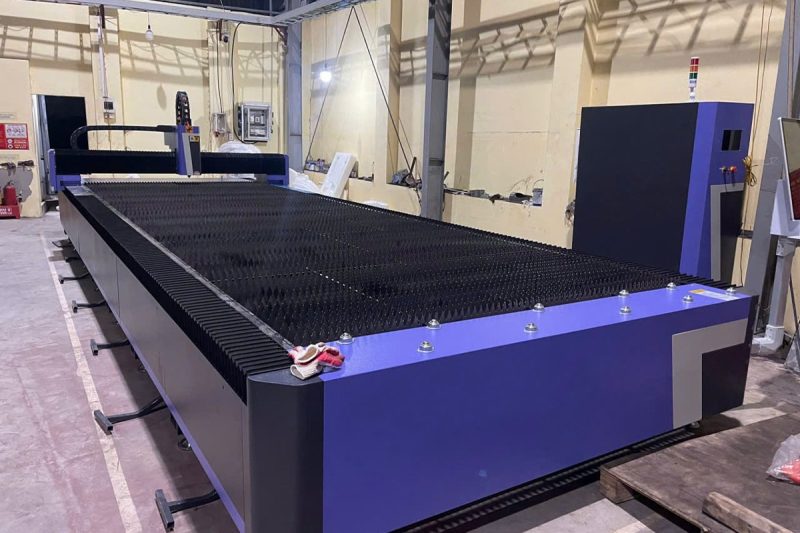
- Layer and Gantry: Welded cast iron or thick steel plate welded structures are recommended. A well-aged bed offers good rigidity and minimal deformation. Some low-cost machines use thin-plate welding, which is prone to deformation after long-term use, affecting cutting accuracy.
- Guide Rails and Ball Screws: The brand (HIWIN, THK, etc.) and specifications of the linear guide rails directly affect motion accuracy and lifespan.
- Gearboxes and Servo Motors: Servo systems from brands like Delta and Inovance are reliable choices among domestically produced machines; top-of-the-line models typically use Japanese brands like Panasonic and Yaskawa.
- Optical Components: The quality of the focusing lens, collimating lens, and protective lens affects beam quality and cutting effect. Good optical components come from Germany, the US, or Japan; inferior ones use low-end domestic components. This aspect is not easily discernible during procurement, but the differences become increasingly apparent over long-term use.
Manufacturer Size and Systematization
Larger manufacturers with higher levels of systematization typically possess: more comprehensive quality management processes (ISO 9001 certification is just a basic requirement), a more stable supply chain, and more systematic training and technical support capabilities.
This doesn’t mean that products from smaller factories are necessarily bad, but statistically speaking, large-scale production coupled with a robust QC system leads to higher product consistency and stronger problem-solving capabilities.
Important Considerations When Buying a Chinese Laser Cutting Machine
Having covered the advantages, disadvantages, and factors affecting quality, let’s discuss how to actually buy one.
Thoroughly Research the Manufacturer's Background
Don’t just rely on official websites and product catalogs; these can be easily manipulated. More valuable sources of information include:
- Searching for genuine user feedback on independent forums like Reddit (especially r/lasercutting and r/metalworking) and Practical Machinist.
- Find companies or individuals on LinkedIn who have already used the brand’s equipment and directly ask about their experiences.
- Checking the manufacturer’s certifications (CE, FDA, CSA, etc.) in key export markets; these certifications require genuine third-party audits.
- Understanding the company’s establishment date, registered capital, and employee size, this basic information can indirectly reflect the company’s stability.
Request Sample Cutting Tests
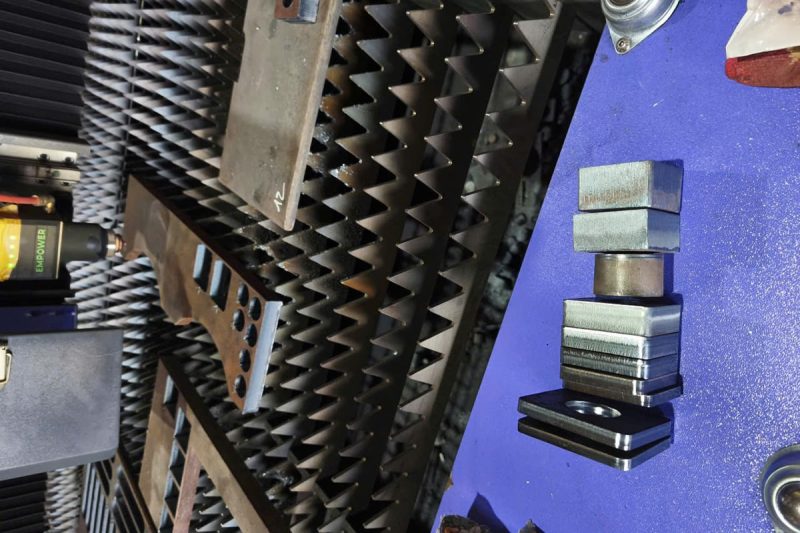
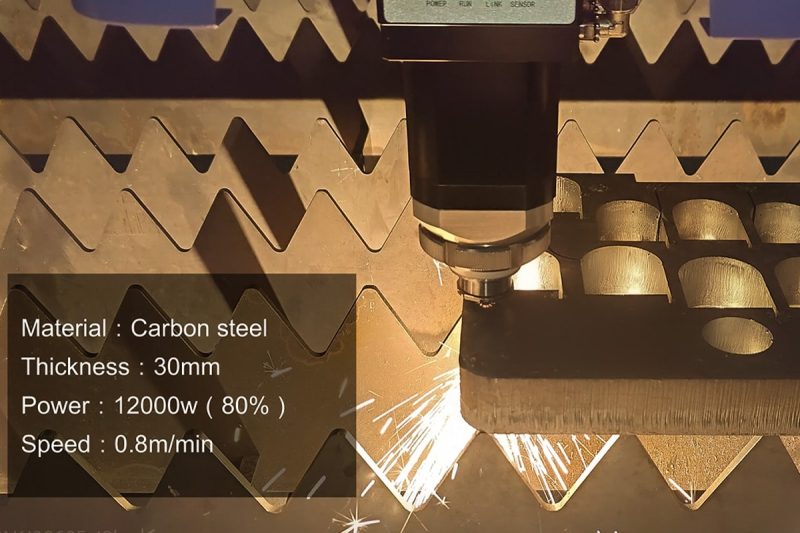
Before making large-scale purchasing decisions, it’s perfectly reasonable to request a cut sample of the material you actually need to process from the manufacturer. Reputable manufacturers will usually provide this proactively; a manufacturer hesitant to do so is a warning sign.
If possible, send your own material to the manufacturer and have them cut it using the machine model you’re considering purchasing, then send you the sample for inspection. The perpendicularity of the cut section, surface roughness, and dimensional accuracy can all be measured with simple tools; no specialized testing equipment is required.
Detailed Evaluation of Warranty Terms and After-Sales Arrangements
This should be clearly discussed before signing the contract; don’t wait until problems arise to address them. The following should be clearly defined:
- What is the warranty period for the entire machine? What is the warranty period for the laser generator alone? (Laser generators generally have a 1-2 year warranty; please confirm this.) If a malfunction occurs during the warranty period, will an engineer be dispatched to your location, will remote guidance be provided, or will you need to ship the equipment back to China?
- Are there any authorized local service partners in your area? What are their contact details?
- Are the commonly used spare parts (protective lenses, nozzles, focusing lenses, etc.) in stock, and what is the delivery time?
- Is a remote diagnostic service provided? How does it work?
These details should be written into the contract, rather than remaining only on the salesperson’s verbal promises.
Take Factory Visits Seriously
If the purchase amount is substantial (generally exceeding $30,000-$50,000), a personal factory visit is worth considering. This is not just a social activity to build trust, but a crucial opportunity to obtain genuine information. During the visit, focus on observing:
- The cleanliness and management standards of the production workshop.
- The skill level of assembly workers (welding craftsmanship, wiring neatness, assembly precision).
- The actual implementation of quality control procedures (not just a showroom demonstration).
- The number of orders in production, at full production capacity, indicates genuine market demand.
- Spare parts inventory – sufficient spare parts inventory reflects the company’s emphasis on after-sales service.
If a personal visit is not possible, request a video tour or have a local inspection agency conduct an on-site assessment.
Confirming Safety and Compliance Standards
This is especially important for buyers in Europe and the US. Laser equipment has safety and compliance requirements in all major markets:
- EU: CE certification is a basic requirement for entering the EU market; compliance with the Machinery Directive (MD 2006/42/EC) and the Low Voltage Directive (LVD) is also necessary.
- US: The FDA has classification requirements for laser products; laser radiation safety must comply with CDRH regulations; OSHA has general requirements for industrial safety.
- Canada: CSA certification
- Australia: SAA certification
Reputable manufacturers can provide the corresponding certification documents. If a manufacturer cannot provide CE certification or related documents, it may not be legally usable in EU countries and may also pose safety risks to your company.
Maximizing the Value of Chinese Laser Cutting Machines: Usage Tips
Buying the right equipment is only the first step; proper use is equally important.
Establish a Standardized Daily Maintenance System
Laser cutting machines are not simply “bought and left idle.” The quality of daily maintenance directly determines their lifespan and long-term cutting quality. Core maintenance items include:
Daily Inspection
- Check for contamination of the protective lens (this is one of the most common causes affecting cutting quality)
- Confirm that the cooling water level and temperature are within the normal range
- Check for leaks in the gas path
- Clean away splashes and dust around the cutting head
Weekly Inspection
- Clean the optical path components (using special lens cleaning paper and isopropyl alcohol; do not use ordinary paper towels or cloths)
- Check the lubrication of the guide rails and add grease if necessary
- Check the tension of the drive belt
- Verify the focal position of the cutting head
Monthly/Quarterly Deep Maintenance
- Comprehensively inspect the laser generator cooling system and replace the coolant (it is recommended to replace with distilled water or special coolant every 3-6 months)
- Check for loose electrical wiring and connectors
- Calibrate the laser optical path
- Comprehensively test the motion accuracy of each axis
Maintenance requirements vary depending on the equipment. Carefully read the accompanying maintenance manual and follow the manufacturer’s recommended schedule.
Invest in High-Quality Consumables and Spare Parts
For consumables such as protective lenses, focusing lenses, and nozzles, some buyers tend to look for the cheapest alternatives. While this logic seems to save money on the surface, it often leads to greater hidden losses—inferior protective lenses reduce laser transmittance, resulting in lower cutting quality; mismatched nozzles affect the assist gas flow field, degrading edge quality; and inferior focusing lenses may suffer thermal damage with prolonged use, necessitating replacement of the primary lens.
The cost difference between high-quality consumables is not as large as imagined, but their impact on cutting quality is significant. Purchase original consumables from the equipment manufacturer or its designated suppliers, or choose reputable third-party brands; don’t just focus on price.
Invest Time in Thorough Process Debugging
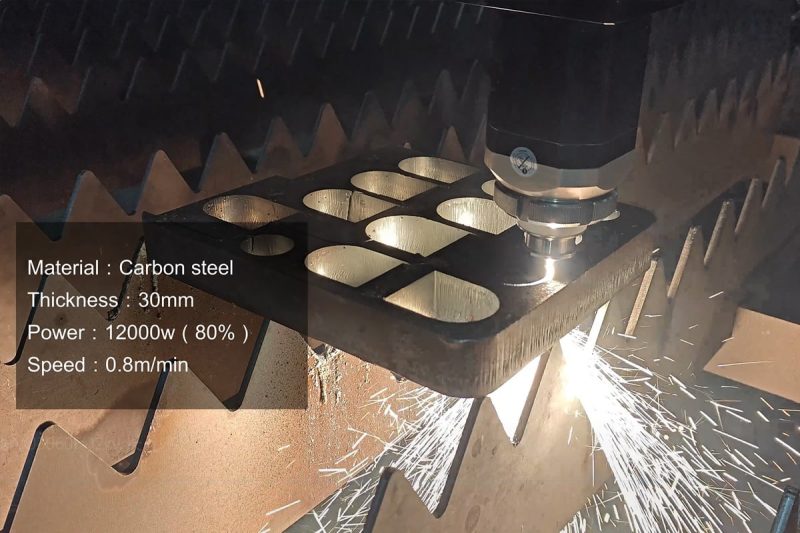
Many users, after receiving a new machine, directly apply the manufacturer’s parameter table to production. The parameter table is a starting point, not an end point. Different material batches, different assist gas purities, and different ambient temperatures and humidity levels will all affect the optimal cutting parameters.
Spend time conducting process experiments, systematically testing the core parameters such as power, speed, focal position, and gas pressure to find the optimal settings for your specific materials and application scenarios, and record them. This initial investment can yield significant returns on later production quality and efficiency.
Make good use of manufacturer-provided training and support resources
Most large-scale Chinese laser cutting machine manufacturers offer training services—some provide on-site training at the factory, some offer online video tutorials, and some have technical manuals and FAQ databases. These resources are sometimes overlooked by buyers, but they are actually quite valuable.
Manufacturers’ technical support teams usually have the deepest understanding of their own products. When encountering issues related to parameter tuning or troubleshooting, contacting the manufacturer’s technical support first is the most efficient option. Don’t wait until problems accumulate before contacting them; ask questions anytime during daily use—maintaining good communication also helps to get a better response when larger problems arise.
Continuous software and control system updates
Laser cutting machine control software is not something you install and then forget about. Manufacturers continuously release updates to fix known issues, optimize cutting algorithms, and add new features. Regularly checking and updating the control software is a simple and effective way to keep the equipment in optimal condition.
If your business is expanding, your existing control software or nesting software may need to be upgraded to a higher version or a more specialized solution. Professional nesting software such as Lantek, SigmaNEST, and Hypertherm’s ProNest can significantly improve material utilization and reduce waste. For mass production, the saved material costs can quickly cover the software investment.
Purchasing Recommendations for Different Needs
Having discussed the theory at length, let’s conclude with some more practical advice.
If this is your first time purchasing a laser cutting machine and you have a limited budget, don’t just focus on price; at least choose a brand with a certain market reputation. A budget of $30,000-$50,000 can buy a basically reliable medium-power machine, but be prepared: machines in this price range usually require more independent maintenance capabilities, and after-sales support is relatively limited.
If your production has high stability requirements, prioritize brands with local service support, or invest more in higher-end Chinese brands, which have more comprehensive service systems overseas. If possible, sign a maintenance service contract to ensure controllable equipment downtime.
If you need to cut challenging materials (銅, アルミニウム, チタン alloys, etc.), these applications have higher requirements for the power stability and beam quality of the laser generator. It is recommended to choose a model equipped with a high-end series laser generator from IPG or Raycus, and request cutting samples of the material for verification.
If you are using the equipment in the EU or North American market, CE or FDA compliance is not optional; it is mandatory. Before making a purchase, confirm that the manufacturer can provide complete compliance documentation and understand the specific safety regulations in your region.
まとめ
Purchasing laser cutting machines from China is essentially a balancing act between “cost-effectiveness” and “trust costs.”
The advantages are obvious: significant cost-effectiveness and rapid technological iteration. However, the disadvantages are equally real: vast differences in market quality, and the ability to provide effective overseas after-sales support is a core pain point for long-term use. If you can identify manufacturers who truly value brand reputation, you’ve already won half the battle. For example, in the process of providing customized solutions for various industries globally, AccTek レーザー, with its expertise in precision assembly and continuous technical support, has gradually become the “best solution” on the list of many rational buyers.
Choosing a reputable partner with transparent and standardized contract terms and maintenance systems is key to bridging the gap between cost-effectiveness and reliability. If you want to avoid the hassle of repeated research, focusing directly on established brands that have been tested in the global market often yields more certain returns.

連絡先
- [email protected]
- [email protected]
- +86-19963414011
- No. 3 ゾーン A、Lunzhen 工業地帯、玉城市、山東省。
レーザー ソリューションを入手する