

















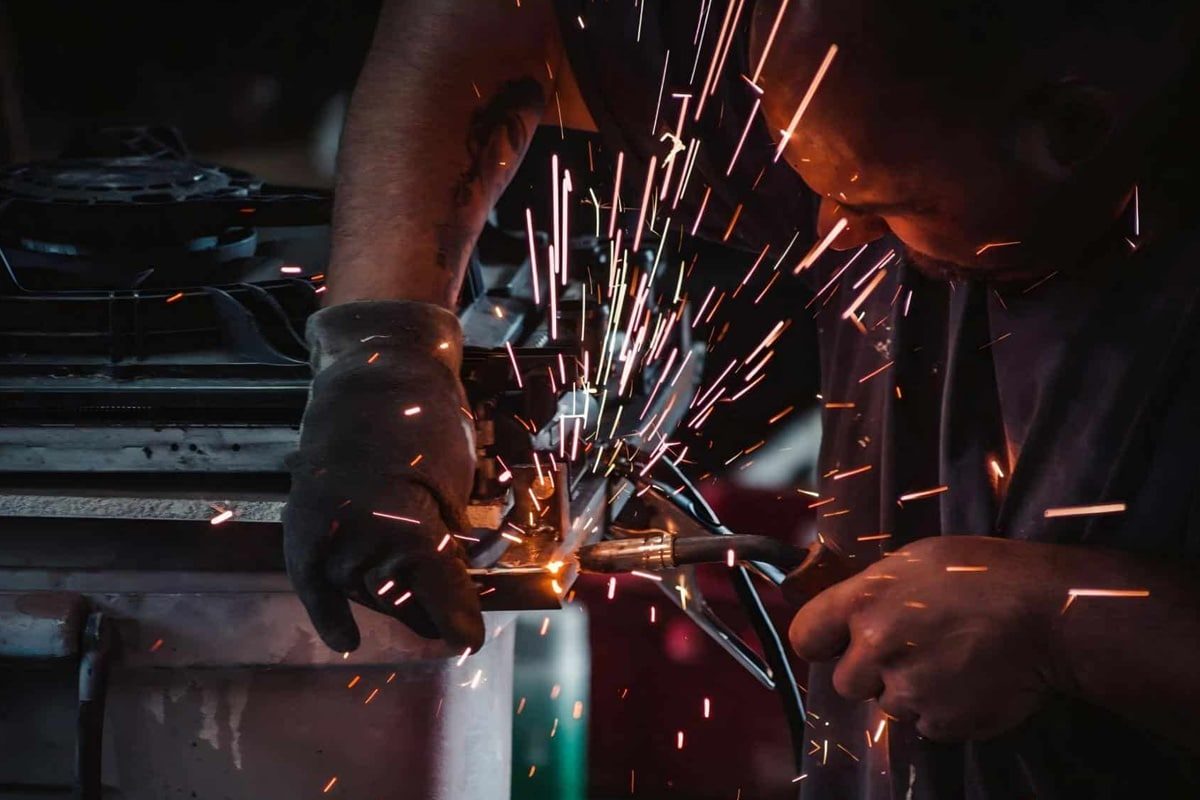
Optimize Laser Welding Process Parameters for Various Applications
Against the backdrop of modern manufacturing’s continuous upgrade towards higher precision, higher consistency, and automation, laser welding is gradually replacing traditional welding processes, becoming an indispensable key technology in high-end manufacturing. From automotive body structural components to aerospace precision parts, from medical device micro-components to electronic and microelectronic products, laser welding significantly improves product performance and production efficiency due to its advantages, such as non-contact processing, controllable heat input, and stable weld quality. However, laser welding is not a “one-size-fits-all” approach; different materials, structures, and industries have fundamentally different requirements for welding results.
In actual production, many manufacturers often encounter problems such as unstable welds, insufficient penetration, spatter, or thermal deformation after introducing fiber laser welding or pulsed laser welding equipment. The root cause is not insufficient equipment performance, but rather a mismatch between laser welding parameter settings and the application scenario. Variables such as laser power, pulse parameters, welding speed, and focal point position are interdependent; any unreasonable parameter setting will directly affect the final weld quality.
Therefore, optimizing laser welding parameters for different applications has become a core issue for improving weld consistency, weld strength, and overall production efficiency. Scientific parameter optimization can not only improve the appearance and internal quality of welds but also effectively reduce energy consumption, decrease rework rates, and enhance the stable operation of automated production lines. This is particularly important for manufacturing enterprises pursuing large-scale production and long-term cost control.
This article will focus on the theme of “Optimizing Laser Welding Parameters for Different Applications,” systematically analyzing the core components of laser welding parameters, exploring the key factors affecting parameter optimization, and proposing practical laser welding parameter optimization strategies based on typical industry applications such as automotive, aerospace, medical devices, and electronics manufacturing. This will help manufacturers fully unleash the true potential of laser welding technology in the face of complex and ever-changing production demands.
목차
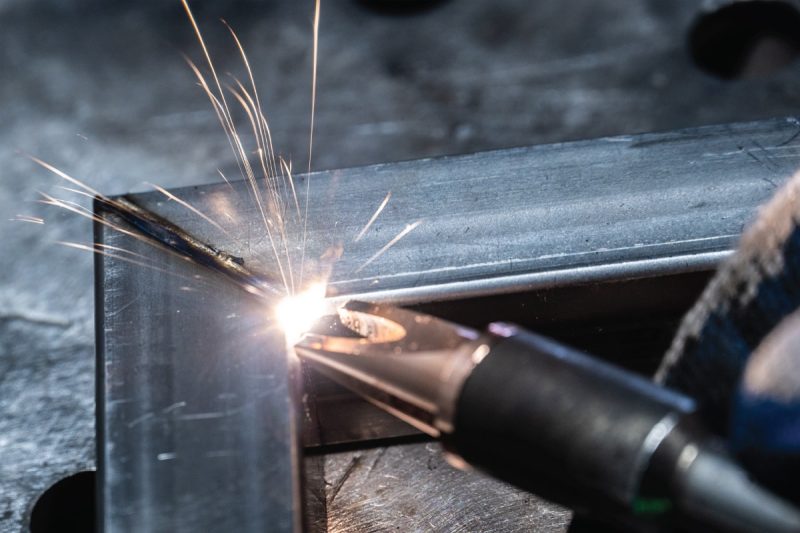
Understanding Key Parameters in Laser Welding
In laser welding applications, equipment performance is only the foundation; the core factor determining weld quality and stability lies in the scientific setting and matching of laser welding parameters. Whether in continuous fiber laser welding or pulsed laser welding, different parameters do not exist independently but work together to influence the formation of the weld pool, weld geometry, and final mechanical properties.
A lack of systematic understanding of laser welding parameters often leads to unstable welding, poor weld consistency, and even increased production costs. Therefore, before formally discussing parameter optimization strategies for different industries, it is necessary to conduct an in-depth analysis of the key parameters of laser welding and their mechanisms of action.
Laser Welding Power
Laser power is the core parameter determining the welding energy input level and is the primary factor affecting weld penetration and width. In laser welding, laser power directly relates to whether the material can reach a stable melting state.
When laser power is insufficient, it is difficult to form a complete weld pool, and common problems include incomplete fusion, insufficient weld strength, or welding interruptions. While setting the power too high can achieve greater penetration, it can also easily lead to defects such as increased spatter, porosity, and material ablation.
In fiber laser welding applications, appropriate power selection requires comprehensive consideration of material thickness, material absorptivity, and welding speed, rather than simply relying on the equipment’s maximum output power. Stable and controllable power output is often more valuable than simply pursuing high power.
Pulse Duration and Pulse Frequency
In pulsed laser welding, pulse duration and pulse frequency are key parameters for controlling instantaneous heat input and weld formation. Pulse duration determines the concentration of energy released by a single pulse, while pulse frequency affects the continuity of the welding process.
Shorter pulse durations help to quickly concentrate energy in a localized area, effectively reducing the heat diffusion range and minimizing the heat-affected zone. This characteristic makes pulsed laser welding particularly suitable for welding thin-walled parts, precision components, and heat-sensitive materials.
When the pulse frequency is too low, discontinuities are likely to occur between weld points; when the frequency is too high, heat may accumulate, weakening the advantages of pulsed welding. Therefore, in practical applications, pulse parameters usually need to be optimized in sync with welding speed and power.
Laser Welding Speed
Welding speed is an important indicator of laser welding efficiency and a key variable affecting weld quality. Welding speed directly determines the amount of energy input received per unit length of weld. In laser welding, excessively fast welding speeds shorten the interaction time between the laser and the material, leading to insufficient molten pool formation and inadequate weld penetration. Conversely, excessively slow welding speeds cause excessive heat accumulation, increasing weld width and the risk of thermal deformation.
In automated laser welding systems, welding speed often needs to be matched with laser power, focal spot position, and path planning to achieve a balance between weld quality and production efficiency.
초점 크기 및 위치
The focal spot size determines the laser spot size, thus affecting the energy density distribution. Smaller focal spots mean higher energy density, suitable for achieving deep penetration laser welding, while larger focal spots are more conducive to obtaining a smooth, uniform weld appearance.
Focus position is equally crucial. Whether the focal spot is located on the material surface, slightly above, or slightly below, it will significantly affect the molten pool morphology and welding stability. By appropriately adjusting the focal spot position, spatter can be effectively reduced, weld formation improved, and welding process stability enhanced. In welding complex structures or multi-layered materials, focal parameters often need to be dynamically fine-tuned according to the actual welding conditions.
Beam Quality and Beam Mode
Beam quality reflects the uniformity and focusability of laser energy distribution, and is a latent factor affecting the consistency of laser welding. Good beam quality helps achieve a stable molten pool morphology and improves welding repeatability.
In high-power fiber laser welding applications, beam mode stability is particularly important. Stable beam output not only improves welding quality but also reduces process debugging difficulty and improves long-term production reliability.
In summary, laser welding parameters are highly correlated. Power determines the energy level, and pulse parameters control the heat input method, welding speed affects energy distribution, while focus and beam quality determine the stability and control ability of the welding process.
Only by fully understanding the mechanisms of each parameter and making systematic adjustments based on specific material properties and application requirements can the advantages of laser welding in terms of high quality, high efficiency, and high consistency be truly realized. This understanding also provides a solid technical foundation for subsequent laser welding parameter optimization strategies for different industry applications.
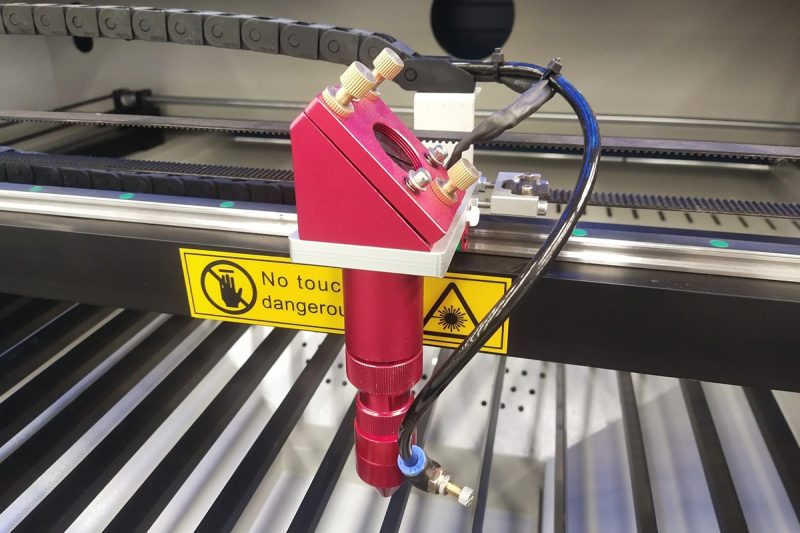
고려해야 할 주요 요소
올바른 CO2 레이저 절단기를 선택하려면 최적의 성능, 효율성 및 특정 제조 요구 사항과의 호환성을 보장하기 위해 다양한 요소를 신중하게 고려해야 합니다. 절단 속도와 레이저 출력부터 소프트웨어 호환성 및 유지 관리 요구 사항에 이르기까지 모든 측면이 의도된 응용 분야에 대한 기계의 적합성에 영향을 미칩니다. 이 단락의 목표는 CO2 레이저 절단기를 선택할 때 고려해야 할 주요 요소를 조명하여 기업과 개인이 요구 사항 및 목표에 부합하는 정보에 입각한 결정을 내릴 수 있도록 하는 것입니다.
절단 속도
예술과 조각
CO2 레이저 절단기의 절단 속도는 재료를 처리할 수 있는 속도를 결정합니다. 절단 속도가 빨라지면 특히 대량 제조 환경에서 생산성이 크게 향상됩니다. 따라서 속도와 절단 품질 사이의 균형을 맞춰야 합니다. 속도가 높을수록 생산 속도가 빨라질 수 있지만 절단 속도가 너무 빠르면 완제품의 정확성과 품질이 저하될 수도 있습니다. 따라서 원하는 속도와 품질의 균형에 맞는 절단 속도를 갖춘 기계를 선택하여 생산 요구 사항을 평가하는 것이 더 유리합니다.
레이저 파워
예술과 조각
레이저 출력은 CO2 레이저 절단기의 절단 성능을 결정하는 데 중요한 역할을 합니다. 레이저 출력이 높을수록 두꺼운 재료를 가공하고 절단 속도가 빨라집니다. 레이저 출력 요구 사항을 평가할 때 작업할 재료 유형과 필요한 절단 깊이를 고려하십시오. 작업 요구 사항을 충족하는 동시에 절단 품질에도 중점을 둘 수 있는 충분한 출력을 갖춘 기계를 선택하십시오. 또한 레이저 출력이 높을수록 더 많은 냉각 시스템과 에너지 소비가 필요할 수 있으므로 기계에 적합한 출력 수준을 선택할 때 이러한 요소를 고려하십시오.
레이저 소스
예술과 조각
CO2 레이저 절단기를 선택할 때 레이저 소스의 품질과 유형은 주요 고려 사항입니다. 안정적인 성능과 최소한의 가동 중지 시간을 보장하려면 내구성이 뛰어나고 효율적인 레이저 소스로 유명한 평판이 좋은 브랜드를 선택하세요. 다양한 레이저 소스는 다양한 빔 품질, 안정성 및 수명을 제공할 수 있으며, 연구하고 옵션을 비교하여 요구 사항에 가장 적합한 레이저 소스를 찾을 수 있습니다. 또한 레이저 소스를 선택할 때 유지 관리 요구 사항 및 서비스 가능성과 같은 요소를 고려해야 합니다. 이러한 요소는 기계의 장기적인 신뢰성과 비용 효율성에 영향을 미칠 수 있기 때문입니다.
절단 영역
예술과 조각
CO2 레이저 절단기의 절단 영역에 따라 처리할 수 있는 재료의 최대 크기가 결정됩니다. 생산 요구 사항과 재료 크기를 평가하여 적절한 절단 영역을 갖춘 기계를 선택하십시오. 작업 효율성이나 유연성을 저하시키지 않으면서 가장 큰 예상 작업물을 수용할 수 있는 절단 영역을 갖춘 기계를 선택하십시오. 절단 영역이 크면 기계 설치 공간도 더 크고 초기 투자도 더 많이 필요할 수 있으므로 응용 분야에 가장 적합한 크기를 결정할 때 이러한 요소를 고려하십시오.
정확성과 정밀성
예술과 조각
정확성과 정밀성은 CO2 레이저 절단기의 장점 중 하나입니다. 특히 복잡한 설계와 엄격한 공차가 필요한 응용 분야의 경우 더욱 그렇습니다. 정확하고 일관된 절단 결과를 보장하기 위해 기계의 위치 정확도, 반복성 및 모션 제어 시스템을 평가합니다. 정확성과 반복성을 향상시키는 데 도움이 되는 선형 인코더 및 서보 모터와 같은 기능을 찾아보세요. 또한 빔 품질 및 안정성과 같은 요소도 고려해야 합니다. 이러한 요소는 절단 프로세스의 전반적인 정확도에도 영향을 미칠 수 있기 때문입니다.
소프트웨어 호환성
예술과 조각
소프트웨어 호환성은 CO2 레이저 절단기의 기능을 극대화하는 데 도움이 될 수 있습니다. 기계가 업계 표준 설계 소프트웨어와 파일 형식을 지원하여 기존 작업 흐름에 원활하게 통합될 수 있는지 확인하십시오. CAD/CAM 소프트웨어와의 호환성으로 설계부터 생산까지 효율적인 프로세스가 가능하며, 직관적인 제어 인터페이스로 작동 및 프로그래밍 작업이 단순화됩니다. 특정 응용 프로그램 요구 사항과의 호환성을 보장하기 위해 기계의 소프트웨어 기능과 호환성을 평가하십시오.
유지보수 및 지원
예술과 조각
정기적인 유지 관리는 CO2 레이저 절단기의 서비스 수명과 최적의 성능을 보장하는 데 도움이 됩니다. 안정적인 기술 지원과 쉽게 사용할 수 있는 예비 부품을 갖춘 기계의 우선순위를 지정하여 가동 중지 시간을 최소화하고 생산성을 극대화하십시오. 유지 관리 및 지원 서비스를 평가할 때는 서비스 계약, 교육 프로그램, 원격 진단 기능 등의 요소를 고려하세요. 또한 발생할 수 있는 문제가 즉시 해결되도록 제조업체의 보증 범위 및 서비스 응답 시간에 대해 문의하세요.
보안 기능
예술과 조각
CO2 레이저 절단기를 작동할 때는 안전이 최우선입니다. 안전 인터록, 밀폐된 작업 영역, 레이저 빔 가드 등 포괄적인 안전 기능을 갖춘 기계를 찾으십시오. 이러한 기능은 사고 위험을 줄이고 작업 중에 작업자를 보호하는 데 도움이 됩니다. 또한 작업장 안전을 더욱 강화하기 위해 비상 정지 버튼, 도어 센서, 배기 시스템과 같은 추가 안전 기능을 갖춘 기계를 고려하십시오.
비용과 예산
예술과 조각
CO2 레이저 절단기를 평가할 때는 초기 투자 비용, 운영 비용 및 장기 투자 수익을 고려하십시오. 총 소유 비용을 결정하려면 소모품, 유지 관리, 교육 등의 추가 비용을 고려하세요. 예산 제약을 평가하고 특정 요구사항을 충족하는 특징과 기능의 우선순위를 지정하세요. 초기 비용도 고려해야 하지만 선택한 기계가 제공하는 장기적인 가치와 이점도 평가하여 투자가 비용 효과적인지 확인해야 합니다.
사용자 친근성
예술과 조각
사용자 친화적인 기계는 원활한 작동을 보장하고 생산성을 극대화합니다. 직관적인 제어, 간단한 설정 및 유지 관리 절차, 포괄적인 교육 및 지원 리소스와 같은 기능을 찾아보세요. 명확한 안전 기능과 인체공학적 디자인을 갖춘 장비는 사용자 경험을 더욱 향상시켜 운전자 만족도와 효율성을 높입니다. 사용자 친화성과 기술 사양을 우선시함으로써 기업은 성능 요구 사항을 충족할 뿐만 아니라 작업 흐름에 원활하게 통합할 수 있는 CO2 레이저 절단기를 선택할 수 있습니다.
이러한 주요 요소(정확도 및 정밀성, 소프트웨어 호환성, 유지 관리 및 지원, 안전 기능, 비용 및 예산)를 신중하게 고려하면 선택한 CO2 레이저 절단기가 특정 요구 사항을 충족하고 성능, 신뢰성 성능 및 성능을 제공하는지 확인할 수 있습니다. 귀하의 애플리케이션 요구 사항을 충족하는 보안.
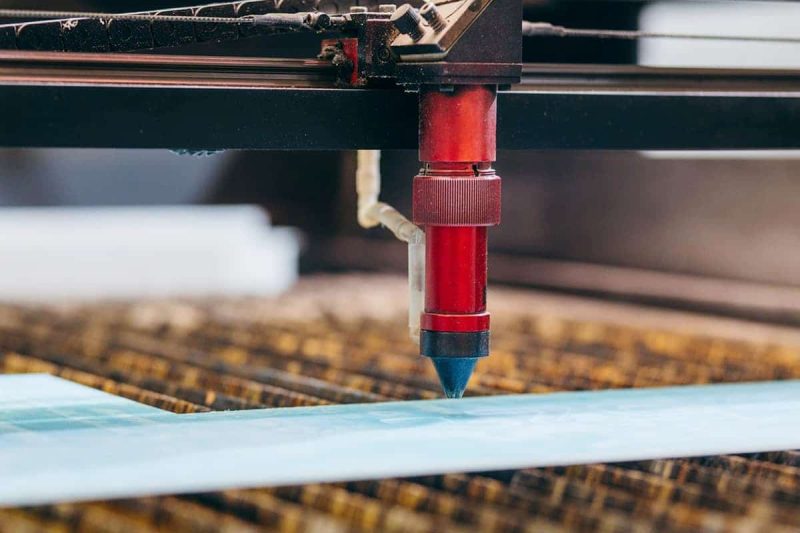
기타 참고 사항
기술 사양과 사용자 친화성 외에도 CO2 레이저 절단기를 선택할 때 고려해야 할 몇 가지 주요 요소가 있습니다.
브랜드 평판
예술과 조각
제조업체나 브랜드의 명성은 많은 비중을 차지합니다. 평판이 좋은 브랜드를 선택하면 신뢰성뿐 아니라 품질과 일관된 성능도 보장됩니다. 고객 리뷰, 사용후기, 업계 보고서를 포함한 광범위한 연구를 통해 브랜드 평판과 실적에 대한 귀중한 통찰력을 얻으세요.
보증 및 판매 후 지원
예술과 조각
CO2 레이저 절단기를 선택하기 전에 제조업체가 제공하는 보증 범위와 판매 후 지원을 평가해야 합니다. 포괄적인 보증은 귀하에게 마음의 평화를 제공할 뿐만 아니라 예상치 못한 문제로부터 귀하의 투자를 보호합니다. 또한 신속한 애프터 서비스 지원을 통해 운영 중에 발생하는 모든 기술적 문제를 신속하게 해결하여 가동 중지 시간을 최소화하고 생산성을 극대화합니다.
향후 확장 및 업그레이드
예술과 조각
향후 확장 및 업그레이드 가능성을 고려하는 것이 중요합니다. 변화하는 생산 요구 사항을 충족하기 위해 확장 가능하고 추가 액세서리 또는 모듈과 호환되는 CO2 레이저 절단기를 선택하십시오. 귀하의 기계가 귀하의 비즈니스에 적응하고 성장할 수 있도록 증가된 레이저 출력 또는 고급 소프트웨어 기능과 같은 사용 가능한 업그레이드 옵션에 대해 문의하십시오.
이러한 추가 고려 사항을 기술 사양 및 사용자 친화성과 결합함으로써 기업은 현재 요구 사항을 충족할 뿐만 아니라 향후 확장 계획을 보완하여 투자 수익을 극대화하고 장기적인 보장을 보장하는 CO2 레이저 절단기를 선택할 때 정보에 입각한 결정을 내릴 수 있습니다. 성공.
요약하다
적합한 CO2 레이저 절단기를 선택하는 것은 중요한 결정이며 다양한 요소를 신중하게 고려해야 합니다. 이 기사에서는 CO2 레이저 절단 기계를 선택할 때 기업과 개인이 평가해야 하는 주요 측면을 포괄적으로 논의합니다. 절단 속도, 레이저 출력, 절단 영역과 같은 기술 사양부터 사용자 중심 요소와 같은 사용자 친화적이고 브랜드 평판에 이르기까지 각 측면이 특정 응용 분야에 대한 기계의 적용 가능성을 결정합니다. 또한 이 기사에서는 선택한 기계의 원활하고 효율적인 경험을 보장하기 위한 보증, 판매 후 지원, 향후 확장 및 업그레이드 가능성의 중요성도 강조합니다. 이러한 요소를 깊이 고려함으로써 기업은 CO2 레이저 절단 기술 분야의 요구 사항, 목표 및 장기 성장 계획을 충족하는 현명한 결정을 내릴 수 있습니다.
제조 및 제조 요구 사항에 맞게 CO2 레이저 절단 기술의 힘을 활용할 준비가 되셨습니까? 얇은 재료에 대한 정밀 절단을 원하든 두꺼운 기판을 쉽게 처리하든, 당사 팀은 귀하의 요구 사항을 충족하는 맞춤형 솔루션을 제공하기 위해 왔습니다. 지금 저희에게 연락하여 귀하의 레이저 절단 요구 사항에 대해 논의하고 당사의 솔루션이 귀하의 목표 달성에 어떻게 도움이 될 수 있는지 알아보십시오. 최대 절단 두께, 재료 호환성 또는 맞춤형 절단 요구 사항에 대해 질문이 있는 경우 당사 팀은 모든 단계에서 전문적인 지침과 지원을 제공할 준비가 되어 있습니다.

연락처 정보
- [email protected]
- [email protected]
- +86-19963414011
- No. 3 Zone A, Lunzhen Industrial Zone, Yucheng City, Shandong Province.
레이저 솔루션 받기