














How does the choice of laser type affect marking capabilities?
With the manufacturing industry increasingly emphasizing product traceability, anti-counterfeiting labels, and brand consistency, laser marking has evolved from an “optional process” into a standardized production step. Compared to inkjet printing, etching, or labeling, laser marking offers advantages such as high permanence, no consumables, high precision, and ease of automation integration. It can achieve clear, wear-resistant, and tamper-proof marking effects without contacting the workpiece, and is widely used in metal parts, electronic components, medical devices, plastic products, and packaging industries.
However, different laser marking technologies differ fundamentally in wavelength, energy absorption mechanisms, and material adaptability. Fiber lasers are more suitable for metals and some engineering plastics, CO2 lasers are mainly used for non-metallic materials, while UV lasers excel in “cold processing” characteristics, making them suitable for precision applications that are extremely sensitive to heat effects. Inappropriate selection can lead to insufficient marking contrast, blurred edges, or even failure to image, and may also increase rework costs and affect delivery cycles. This article will systematically analyze the working principles, core advantages, and typical application scenarios of various laser marking technologies to help users make scientific and reliable equipment selection decisions in actual production.
Оглавление
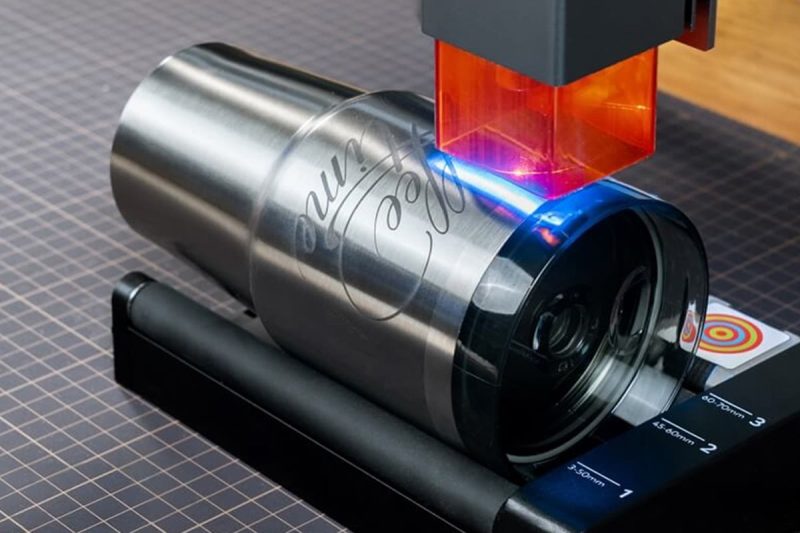
Laser Marking Technology Fundamentals
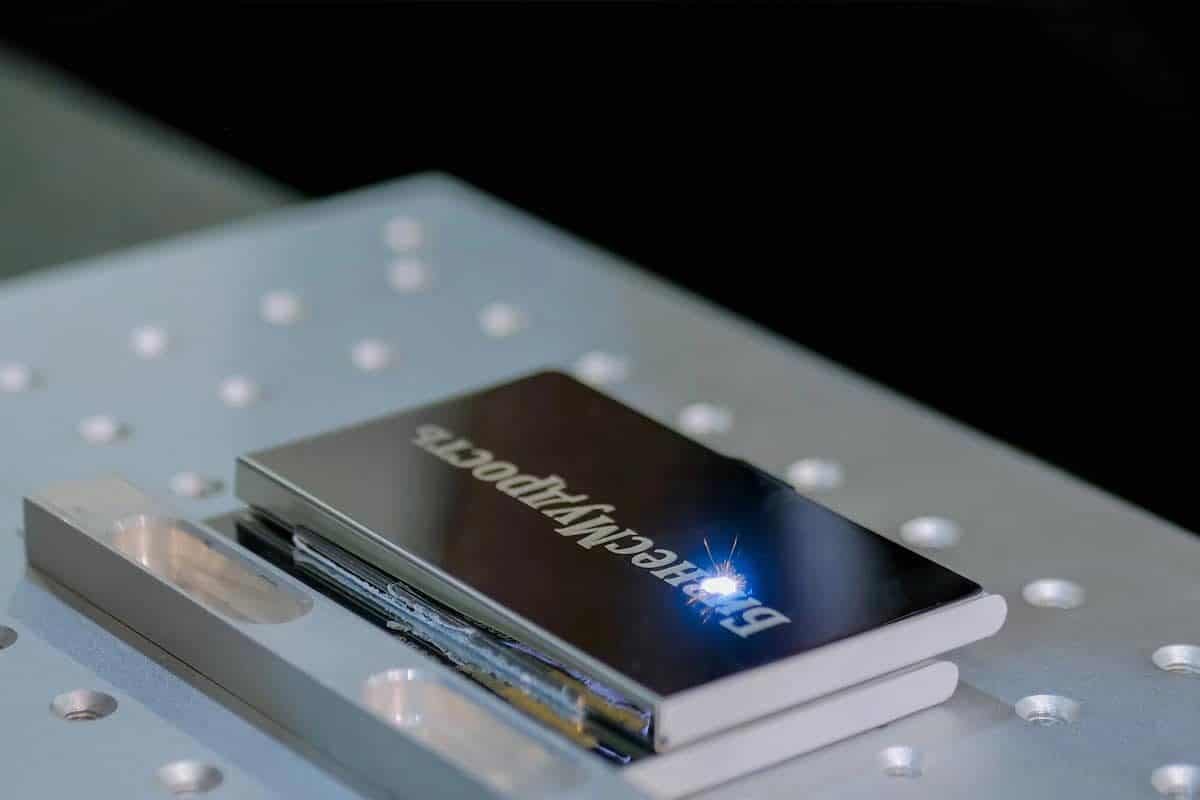
Laser marking utilizes a high-energy-density laser beam to interact with a material surface, leaving permanent marks through evaporation, oxidation, discoloration, or ablation. Compared to traditional screen printing, inkjet printing, or mechanical engraving, laser marking offers significant advantages such as non-contact operation, no consumables, high permanence, and high precision, making it a standard feature in modern manufacturing.
Laser Marking Process Principle
The essence of laser marking is the energy exchange between the laser and the material. When a laser beam is focused on a material surface, the local energy density can reach millions of watts per square centimeter, instantly raising the temperature to above the melting point or even boiling point. Depending on the material’s properties and laser parameters, it may melt, evaporate, oxidize, or break chemical bonds, macroscopically manifesting as depressions, bumps, discoloration, or coating removal, forming identifiable patterns or text.
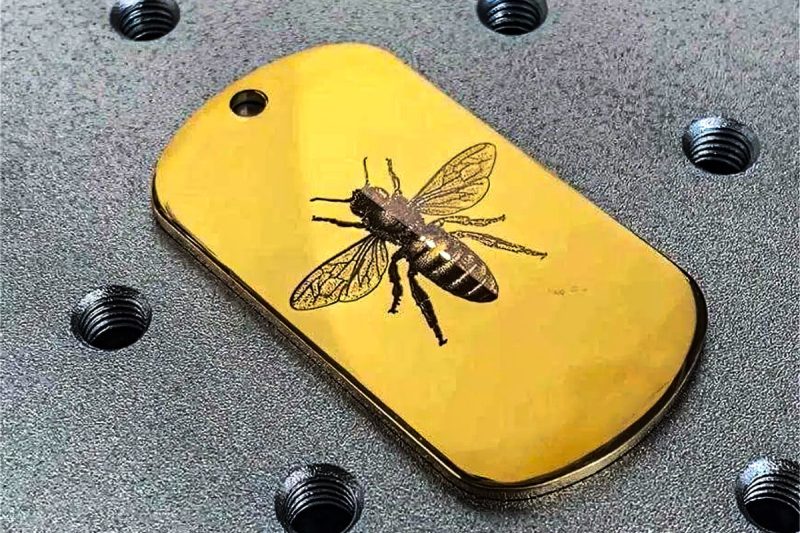
Different marking methods are suitable for different applications. Engraving creates indentations by evaporating the material, typically with a depth of 0.1 to 1 millimeter. The marking is very durable but slower. Etching removes less material, reaching depths of 0.001 to 0.01 mm, and is fast but has slightly lower wear resistance. Annealing does not remove material but instead oxidizes and discolors the metal surface through localized heating, resulting in smooth markings that do not affect dimensions, making it suitable for precision parts. Color change uses lasers to alter the material’s color, such as carbonizing plastics to turn them black or creating color interference effects on titanium surfaces.
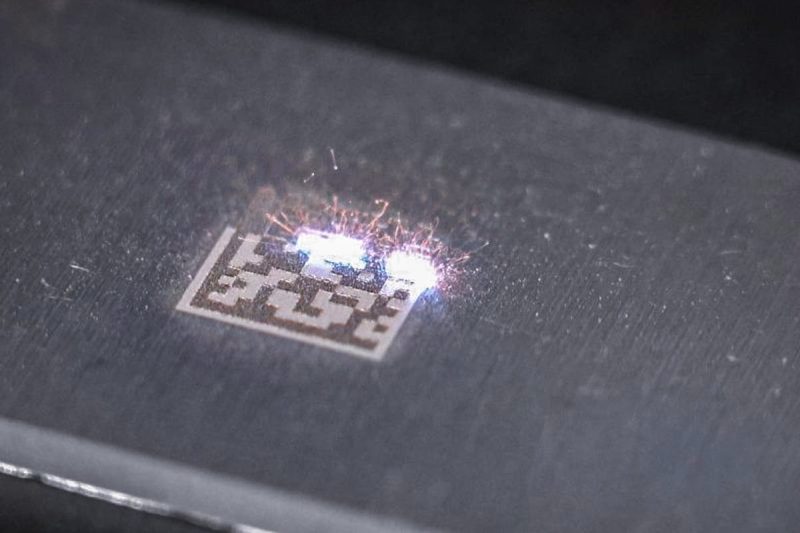
Laser marking has a wide range of applications. VIN codes, production dates, and batch numbers on automotive parts; model numbers, serial numbers, and QR codes on electronic products; traceability markings on medical devices; material and inspection marks on aerospace parts; and brand logos and decorative patterns on consumer goods all utilize laser marking extensively. Market data from 2026 shows that the laser marking market is projected to reach $4.182 billion, with an annual growth rate exceeding 6%, of which fiber lasers account for 47.2% of the market share, becoming the most mainstream choice.
Ключевые параметры, влияющие на возможность маркировки
Wavelength is the primary factor determining the interaction between the laser and the material. Different materials have vastly different absorption rates for different wavelengths of laser light; selecting the correct wavelength is crucial for efficient marking. For example, metals absorb 30-40% of a 1064nm fiber laser, but less than 5% of a 10600nm CO2 laser. Plastics and organic materials are the opposite; they absorb CO2 lasers well but may be transparent to fiber lasers. UV lasers have wavelengths as short as 355nm, and almost all materials can absorb them, but their power density and thermal effects vary.
Pulse duration affects processing accuracy and thermal impact. Traditional nanosecond laser pulses have widths of tens to hundreds of nanoseconds, allowing time for energy conduction to the surrounding material, resulting in a heat-affected zone. Picosecond and femtosecond ultrashort pulse lasers, with pulse widths on the order of trillions of a second, evaporate the material before it can conduct heat, resulting in minimal thermal impact and enabling “cold processing.” Ultrashort pulses are suitable for heat-sensitive materials and ultra-fine marking, but the equipment is expensive.
Power determines marking speed and depth. High-power lasers can rapidly evaporate materials, improving production efficiency. Modern fiber laser marking machines range in power from 20 watts to 100 watts. 20 watts are suitable for general marking, 50-60 watts for deep engraving, and 100 watts for high-speed marking or processing thick coatings. However, higher power is not always better; excessive power may burn through thin materials or cause deformation. A balance between speed and quality must be struck based on the specific application.
The combination of frequency and energy provides process flexibility. Pulse frequency determines the number of pulses per unit time. Higher frequencies produce finer surfaces, suitable for intricate patterns. Lower frequencies have higher energy per pulse, suitable for deep marking or difficult-to-process materials. Fiber lasers with MOPA (Master Oscillator Power Amplifier) technology allow independent adjustment of frequency and pulse width, enabling color marking, deep engraving, and ultra-fine processing, representing a technological trend towards 2026.
The Importance of Choosing the Right Laser Type
The choice of laser type directly affects marking results and production efficiency. A correct choice ensures clear and durable markings and smooth production; a wrong choice may result in no markings, poor marking quality, or even damage to the workpiece. Furthermore, laser marking machines represent a significant investment, ranging from tens of thousands to hundreds of thousands of yuan; choosing the wrong type means wasted money and time.
Material compatibility is paramount. Different lasers are suitable for completely different material ranges, determined by their physical properties, which cannot be solved simply by adjusting parameters. Fiber lasers are the preferred choice for metal marking, CO2 lasers dominate the non-metallic market, and UV lasers are geared towards precision and all materials. Clearly defining the material to be marked is the starting point for selection.
Application requirements determine the technology approach. If only surface marking is required, speed and cost are priorities, and conventional fiber lasers or CO2 lasers can be chosen. For extremely high precision, no heat-affected zones, or color effects, UV lasers or MOPA fiber lasers may be necessary. In demanding industries such as medical devices and aerospace, it is better to invest in high-end equipment than to compromise on critical marking.
Long-term costs must also be carefully calculated. The initial purchase price is only the first step; operating costs include electricity, consumables, maintenance, and downtime losses. Fiber lasers are virtually maintenance-free, with a lifespan exceeding 100,000 hours, resulting in very low long-term costs. CO2 lasers require periodic replacement of the laser tube and optical lenses, leading to higher operating costs. A full lifecycle cost analysis should be conducted when selecting a laser, not just based on the listed price.
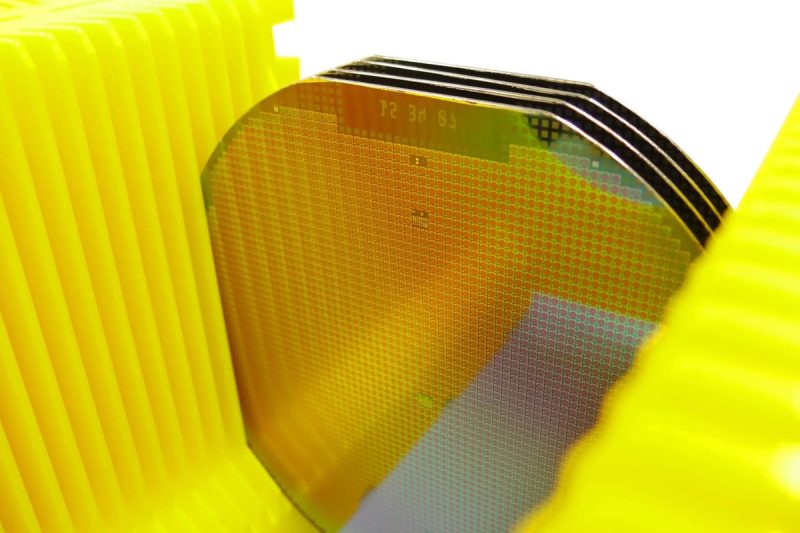
Comparison of Mainstream Laser Marking Technologies
The most widely used lasers on the market are fiber lasers and CO2 lasers, each with its unique advantages and applicable scenarios. A thorough understanding of their characteristics is essential for making an informed choice.
CO2 Laser Marking Technology
CO2 lasers use carbon dioxide gas as the laser medium, emitting infrared laser light with a wavelength of 10.6 micrometers. This wavelength is in the long band of the infrared spectrum and is strongly absorbed by most non-metallic materials, making it particularly suitable for marking organic materials. CO2 laser technology is mature, has a long history of application, and occupies an important position in the field of non-metallic marking.
The working principle of CO2 lasers is relatively simple. A mixture of CO2, nitrogen, and helium is filled into a sealed laser tube. High-voltage discharge excites CO2 molecules, generating stimulated emission. After being amplified by a resonant cavity, the laser light is transmitted to the marking head through a mirror and focused onto the workpiece surface by a focusing lens. The entire system requires water or air cooling for heat dissipation, and the tube lifespan is typically between 2000 and 10000 hours.
CO2 laser marking has distinct characteristics. It offers good beam quality and uniform energy distribution, making it suitable for large-area patterns and text. CO2 lasers offer high marking speeds, capable of marking hundreds to thousands of characters per second. They produce excellent marking results on most non-metallic materials, with high contrast and sharp edges. Particularly on wood, paper, and fabric, CO2 lasers have virtually no competitors.
However, CO2 lasers also have significant limitations. Direct marking on metallic materials is virtually impossible because metals reflect 10.6-micron laser light with extremely low absorption. While marking can be done after applying a special coating to the metal surface, the process is cumbersome and limits applications. The laser tube has a limited lifespan and requires regular replacement, representing ongoing operating costs. Furthermore, CO2 laser systems are relatively bulky and consume relatively high amounts of energy.
The primary application areas for CO2 lasers are in the non-metallic industries. In the packaging industry, CO2 lasers are used to print production dates and batch numbers on cardboard boxes and plastic bottles. In the wood products industry, they are used for engraving decorative patterns, creating handicrafts, and personalized gifts. In the leather industry, they are used for marking trademarks and decorative patterns. In the glass and ceramics industry, they are used for creating artwork. In the clothing industry, they are used for engraving patterns on denim and leather. In the food industry, they are used for marking outer packaging. In these areas, CO2 lasers offer high cost-effectiveness and are a mature and reliable choice.
Fiber Laser Marking Technology
Fiber lasers use rare-earth-doped optical fibers as the gain medium, emitting near-infrared laser light with a wavelength of 1064nm. This wavelength is strongly absorbed by metals, making fiber lasers an ideal choice for metal marking. The light emitted from the pump laser diode is injected into the fiber, generating laser light within the fiber, which is then directly transmitted to the marking head, resulting in a simple and reliable system.
The advantages of fiber laser marking are significant. High absorption rate in metal materials, excellent marking contrast, and clear, durable markings. Excellent beam quality, capable of focusing to extremely small spots for ultra-fine marking, with characters as small as 0.1 mm. Electro-optical conversion efficiency exceeding 30%, three times that of CO2 lasers. Extremely long lifespan; the pump diode can operate for over 100,000 hours, requiring virtually no maintenance.
Applications of fiber lasers focus on metal marking. The automotive industry marks traceability codes on parts, the electronics industry identifies chip models, medical devices are marked with UDI codes, and the jewelry industry engraves patterns. MOPA fiber lasers offer a greater parameter adjustment range, enabling special processes such as color marking and deep engraving, making them a choice for high-end applications.
Overall, CO2 lasers and fiber lasers have clearly defined roles for different material systems. CO2 lasers are technologically mature and cost-effective in marking non-metallic materials, making them suitable for large-area, high-speed packaging and processing applications. Fiber lasers, on the other hand, have become the mainstream choice for marking metals and high-precision materials due to their high absorption rate for metallic materials, excellent beam quality, and ultra-long lifespan. Clearly defining material properties and process requirements is key to making the right decision between these two mainstream laser marking technologies.
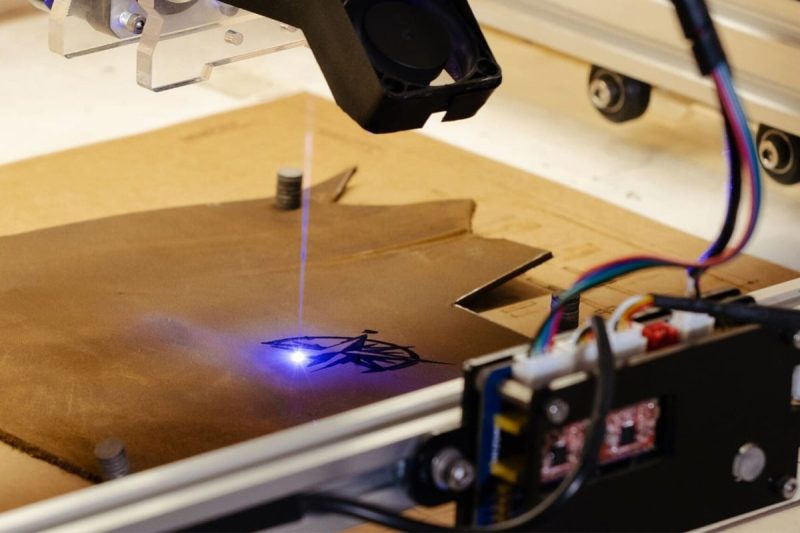
Performance Comparison of Different Laser Types
Choosing a laser type requires a comprehensive evaluation from multiple dimensions, not just a single indicator. Marking speed, accuracy, material adaptability, and cost-effectiveness must all be considered.
Скорость и эффективность маркировки
Fiber lasers have a significant speed advantage in marking metals; a 50-watt fiber laser can mark thousands of characters per second, and complex QR codes can be marked in just 1-3 seconds. CO2 lasers are also fast on non-metallic materials, suitable for large-area shallow engraving. Practical applications require a balance between speed and quality, finding the highest speed that meets quality requirements.
Accuracy and Marking Quality
Fiber laser spot diameters can be as small as 20-30 micrometers, with positioning accuracy of ±0.01 mm, capable of marking text as small as 0.1 mm. CO2 laser spot diameters are typically 100-200 micrometers, with an accuracy of ±0.05 mm, sufficient for most non-metallic applications. Marking quality also includes contrast, consistency, and durability, which vary greatly depending on the application.
Material Compatibility Analysis
Fiber lasers offer the best compatibility with metallic materials, including stainless steel, carbon steel, aluminum alloys, copper alloys, and titanium alloys, enabling various effects such as annealing, etching, deep engraving, and color marking. They can also mark some engineering plastics, but the results are not as good as with CO2 lasers.
CO2 lasers are primarily used on non-metallic materials, including wood, paper, leather, rubber, acrylic, glass, and ceramics, allowing for engraving, cutting, and marking. However, they are almost impossible to directly mark on metals. Transparent materials and special semiconductor materials typically require UV laser treatment.
Cost-Effectiveness Considerations
The most obvious difference lies in the initial purchase cost. Entry-level волоконно-лазерные маркировочные машины start at 20,000-30,000 yuan, mid-power 50-watt models cost 50,000-80,000 yuan, and high-end MOPA models can reach 100,000-200,000 yuan. Машины для лазерной маркировки CO2 are relatively cheaper, with 30-watt models costing 20,000-40,000 yuan and 100-watt models costing 60,000-100,000 yuan. However, this is just the equipment price; supporting facilities such as fume extraction systems, workbenches, and power regulators must also be considered.
Operating costs differ even more significantly. Fiber lasers have high electro-optical conversion efficiency; a 50-watt laser actually consumes only about 500 watts of power, and the total power, including cooling and control systems, is less than 1 kilowatt. CO2 lasers are less efficient; a 100-watt laser can consume 3-5 kilowatts. Based on industrial electricity prices, the annual electricity cost difference can reach several thousand yuan. Furthermore, CO2 lasers require regular replacement of the laser tube (2000-10000 hours lifespan, costing several thousand to tens of thousands of yuan) and cleaning of the lenses, while fiber lasers are essentially maintenance-free.
Labor costs must also be factored in. Both types of lasers are similarly difficult to operate and have user-friendly software interfaces, allowing ordinary workers to operate them after training. However, the stability and maintenance-free nature of fiber lasers means less downtime and maintenance calls, indirectly saving labor costs.
The return on investment period depends on the application intensity. For high-volume applications, although the initial investment for fiber lasers is slightly higher, the lower operating costs and faster speed may allow for a payback period of 1-2 years. For low-volume or occasional use, CO2 lasers, with their lower initial investment, may be more suitable. A detailed return on investment analysis is necessary, comprehensively considering equipment depreciation, operating costs, and the benefits of increased capacity and improved quality.
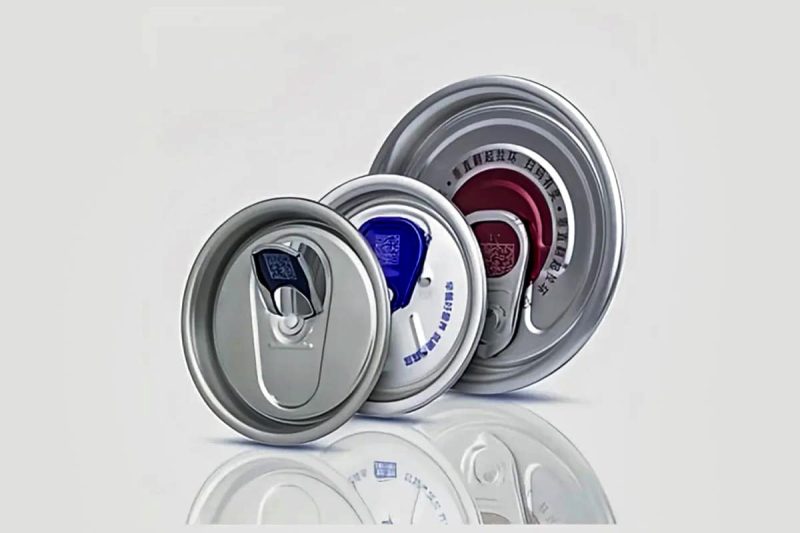
Key Factors Influencing Laser Selection
After clarifying the principles and characteristics of different laser marking technologies, the real challenge lies in translating technical parameters into a specific solution suitable for one’s own production. In actual selection, the choice of laser type is not determined by a single factor, but rather by the combined effects of material properties, marking requirements, production environment, and the company’s long-term planning. Ignoring any one of these factors can lead to equipment that is “usable but not effective,” even limiting subsequent business development.
Material Type Analysis
Material is the primary factor in laser selection and also the area most prone to misjudgment. For metallic materials, fiber lasers are almost universally considered the preferred solution. Stainless steel marking is clear and has high contrast; color effects can be achieved through parameter adjustment or MOPA technology. Non-ferrous metals such as aluminum alloys and brass have high absorption rates and stable marking. Titanium alloys can achieve high-value-added color marking under fiber lasers, widely used in medical and high-end manufacturing fields.
The situation for plastic materials is relatively complex. Engineering plastics such as ABS, PC, and PE can use both fiber lasers and CO2 lasers, but the effects produced by the two are significantly different. Fiber lasers are more suited for “ablation-type” marking, suitable for applications requiring permanence and abrasion resistance; while CO2 lasers produce softer color variations on some plastics. For transparent plastics and acrylics, CO2 lasers
Organic materials are a traditional strength of CO2 lasers. Wood, bamboo, leather, fabric, and paper have extremely high absorption rates at the 10.6μm wavelength, resulting in high marking and engraving efficiency, natural edges, and almost no additional processing. In ceramic and glass applications, CO2 lasers can meet the needs for simple marking; however, for applications requiring higher precision, edge quality, and thermal impact resistance, UV lasers are often the better solution.
Defining Marking Requirements
Clearly defining “what kind of marking is needed” is more important than “what kind of laser to use.” The first requirement is depth. For surface marking used solely for identification, almost any laser type can handle the task, with speed being a primary consideration. However, scenarios involving anti-counterfeiting, wear resistance, or long-term outdoor use require deeper engraving depths, placing higher demands on laser power and energy density.
Secondly, clarity and precision are crucial. Applications such as QR codes, microtext, and intricate patterns are extremely sensitive to spot size and heat-affected zone. UV lasers, with their shorter wavelength and smaller focused spot, offer significant advantages in fine marking and high-density information labeling.
Furthermore, special effects requirements directly influence technology selection. For example, color marking, 3D embossing, and controllable oxide layer effects typically require MOPA fiber lasers or more advanced parameter control capabilities. These demands are increasingly common in electronics, medical, and high-end brand signage.
Production Environment Considerations
Laser equipment ultimately serves production, not the laboratory. Output and cycle time dictate equipment form. Small-batch, multi-variety production is suitable for desktop or semi-automatic marking machines, while large-volume continuous production requires fully automated systems integrated with production lines, and even robotic loading and unloading.
Environmental conditions are equally crucial. High temperatures, high dust levels, and high vibrations can affect the stability and lifespan of laser systems, necessitating careful consideration of cooling methods, protection levels, and structural design during the selection process. Furthermore, export-oriented equipment must meet relevant safety and certification requirements, such as CE and FDA approvals; otherwise, delivery and use may be affected.
Selecting laser marking equipment is essentially a comprehensive decision-making process, not simply a matter of comparing parameters. Material compatibility determines the technological approach, marking requirements define the performance floor, the production environment affects system stability, and budget and long-term planning relate to the return on investment cycle. Only by comprehensively evaluating these factors can a truly “suitable, not expensive” solution be selected.
In practical applications, forward-looking selection is paramount. Choosing upgradeable and scalable platform-based equipment not only meets current needs but also reserves space for future business growth. This is precisely the value of professional laser equipment manufacturers—providing not only equipment but also sustainable solutions.
Practical Recommendations for Choosing the Right Laser Type
After theory and analysis, how do you translate that into specific selection decisions? The following best practices can improve the scientific rigor and reliability of your decisions.
System Assessment and Needs Analysis
List all materials and products to be marked, including existing and foreseeable future needs. The material list should be as detailed as possible: material, thickness, surface treatment, and batch size. Don’t just consider your current main products; also allow for business expansion. If the materials are concentrated on either metal or non-metal, the selection is relatively simple; if the range is wide, you may need multiple lasers or a versatile option like a UV laser.
Clearly Define Marking Content and Quality Standards. Is it simple numerical dates, or complex QR codes and patterns? What is the minimum character size? Are color or special effects required? Refer to industry standards and customer specifications to quantify quality requirements. Clear standards allow you to assess whether different lasers can meet your needs, avoiding purchases that don’t meet requirements.
Assess Production Volume and Cycle Time. How many pieces will be marked per day? What is the allowable average marking time per piece? Is integration into the production line necessary? Production volume assessments should include margins, considering future growth and equipment utilization (generally, it should not exceed 80%). For high-volume production, speed is key, requiring a high-power, fast laser; for low-volume production, flexibility and versatility are more important.
The budget includes not only the purchase price but also estimated operating costs. Electricity costs should be calculated based on local industrial electricity prices, and maintenance costs should be referenced from the equipment supplier’s data. Labor costs should consider the personnel needed for operation and maintenance. Downtime losses should not be ignored; while high-reliability equipment is more expensive, the reduced downtime losses can quickly recoup the price difference. Conducting a 5- or even 10-year Total Cost of Ownership (TCO) analysis will show the long-term impact of different choices.
Consulting experts for advice
Laser equipment suppliers are important sources of information. They are experienced, have seen various application scenarios, and can provide practical advice. However, be aware that salespeople may tend to recommend high-end models; objectively assess whether your needs are truly met. It’s best to consult multiple suppliers, compare their solutions and quotes, and avoid biased information.
Requesting a sample marking is the best way to verify effectiveness. Most laser suppliers offer free or low-cost sample marking services; send several representative samples for them to try with different lasers. After receiving the samples, carefully inspect the quality using a magnifying glass or microscope, and test their durability in a real-world environment. If possible, request the supplier to demonstrate the marking process, observing the speed and difficulty of operation.
Industry trade shows and technical forums are excellent learning opportunities. Trade shows showcase the latest laser technologies, provide live demonstrations, and allow for comparisons of different brands. Exchange usage experiences with peers to understand which brands are reliable and which pitfalls to avoid. Technical forums and user groups provide firsthand user feedback, far more credible than advertising claims.
Third-party technical consulting is worth considering for significant investments. Professional laser application engineers can provide objective evaluations, unaffected by brand specifics. They can help develop technical specifications, evaluate bidding proposals, and even assist with acceptance testing. While consulting fees are an additional cost, the value of avoiding flawed decisions may far outweigh the consultation fee.
Long-term operational optimization
Regularly evaluate marking quality and efficiency. Establish a quality inspection system, randomly sample markings, and test indicators such as contrast, sharpness, and depth. Record marking time, calculate actual efficiency, and compare it with expectations. If a decline in quality or efficiency is found, promptly investigate the cause, which could be parameter drift, optical component contamination, or mechanical wear.
Parameter optimization is a means of continuous improvement. Laser marking involves numerous parameters: power, speed, frequency, pulse width, and fill spacing, each affecting the results. Don’t be satisfied with initial settings; find the optimal combination through system testing. For new materials or products, parameters need to be redeveloped. Software typically provides parameter libraries to manage and save validated parameters, avoiding redundant testing.
Ensuring consistent operator training is crucial. Although laser marking machines are easy to operate, standardized training is still necessary. Operating procedures, software usage, troubleshooting common problems, and safety precautions must all be covered. Regular assessments ensure operators maintain their skills. Good operating habits can extend equipment life and reduce malfunctions.
Preventive maintenance is more important than troubleshooting. Develop a maintenance plan according to the manufacturer’s recommendations, regularly cleaning optical components, checking the cooling system, and calibrating the galvanometer. Establish equipment records, documenting uptime, maintenance history, and fault logs. This data can predict potential problems, allow for the preparation of spare parts, and avoid unplanned downtime.
Keeping up with industry developments and technological upgrades is essential. Laser technology is constantly advancing, with new laser sources, better software, and more intelligent control methods emerging. Pay attention to supplier product updates and assess the necessity and benefits of upgrades. Sometimes software upgrades unlock new features, while hardware upgrades can bring significant performance improvements. Maintain communication with your suppliers to obtain the latest information and technical support.
Краткое содержание
The choice of laser type directly determines the marking effect and application boundaries. Fiber lasers, with their high efficiency, high precision, long lifespan, and low maintenance costs, have become the mainstream solution in metal marking. CO2 lasers still possess irreplaceable advantages in non-metallic materials, with mature, stable, and reliable technology. UV lasers, with their “cold processing” characteristics, cover almost all materials, making them particularly suitable for precision and heat-sensitive applications, but their equipment cost is relatively high. Different lasers have different focuses in terms of material adaptability, marking precision, and investment cost.
In actual selection, no single laser can meet all application scenarios. Enterprises need to conduct a systematic evaluation considering material type, marking precision requirements, production cycle time, operating environment, and budget. By clearly defining needs, communicating in-depth with professional suppliers, and conducting sample testing, selection risks can be significantly reduced, and the long-term return on equipment investment can be improved. As manufacturing moves towards precision and digitalization, new technologies such as MOPA, ultrashort pulses, and intelligent control are continuously expanding the application boundaries of laser marking.
Как профессиональный производитель лазерного оборудования, Актек Лазер offers complete solutions covering fiber, CO2, and UV laser marking, helping companies select the right model for their specific applications. We focus not only on equipment performance but also on stability, process compatibility, and long-term value. Whether it’s traceability of metal parts, marking on non-metallic packaging, or high-precision marking needs, we are committed to using reliable laser technology to enhance our customers’ product added value and brand competitiveness.

Контактная информация
- [email protected]
- [email protected]
- +86-19963414011
- Зона № 3 А, промышленная зона Лунчжэнь, город Юйчэн, провинция Шаньдун.
Получить лазерные решения