

















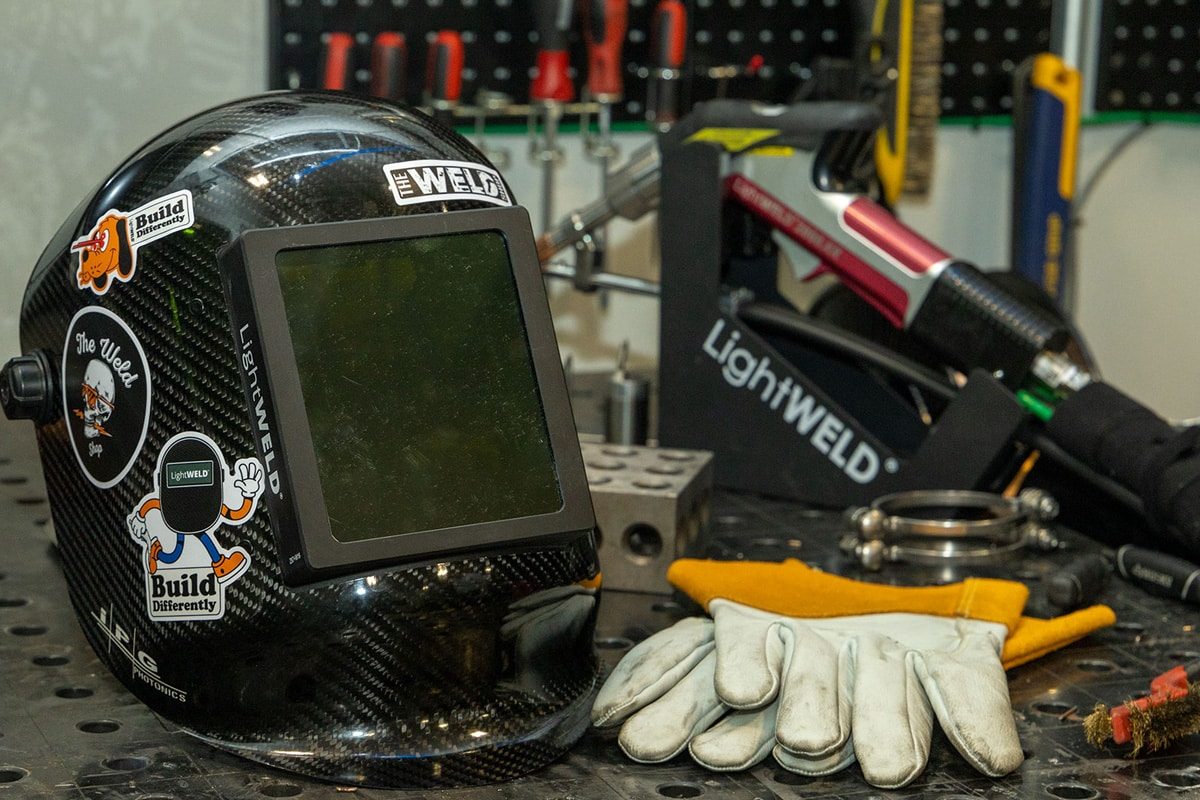
Does Laser Welding Require a Welding Mask?
In modern manufacturing, laser welding, with its significant advantages such as high precision, high efficiency, and low heat-affected zone, is gradually replacing traditional welding methods and becoming an indispensable core technology in the metalworking industry. High-precision fiber laser welders and flexible, convenient handheld laser welders have been widely used in automotive manufacturing, sheet metal processing, electronic equipment, mold repair, and even the processing of high-end aviation components, bringing unprecedented efficiency improvements and quality assurance to industrial production.
However, with the widespread adoption of laser welding technology, a potential safety hazard has also emerged: the intense light, ultraviolet radiation, and infrared radiation generated by the high-energy laser beam during the welding process can cause serious damage to the operator’s eyes and skin without proper protection. Surprisingly, in their pursuit of efficiency and precision, many operators overlook a key question: “Does laser welding require a welding mask?”
In fact, the answer is clear: it is necessary, and it is the first line of defense for operator safety. Proper protection not only protects your eyes from laser damage but also prevents skin burns and respiratory damage. Proper use of a welding mask, combined with other protective measures, allows you to enjoy the efficiency and precision of laser welding while minimizing potential risks.
This article will delve into the basic concepts of laser welding, common safety risks, and how to choose the right laser welding helmet for safe and efficient work. Whether you’re a beginner or an experienced welder, you’ll find practical safety guidance and purchasing advice.
สารบัญ
ทำความเข้าใจเกี่ยวกับการเชื่อมด้วยเลเซอร์
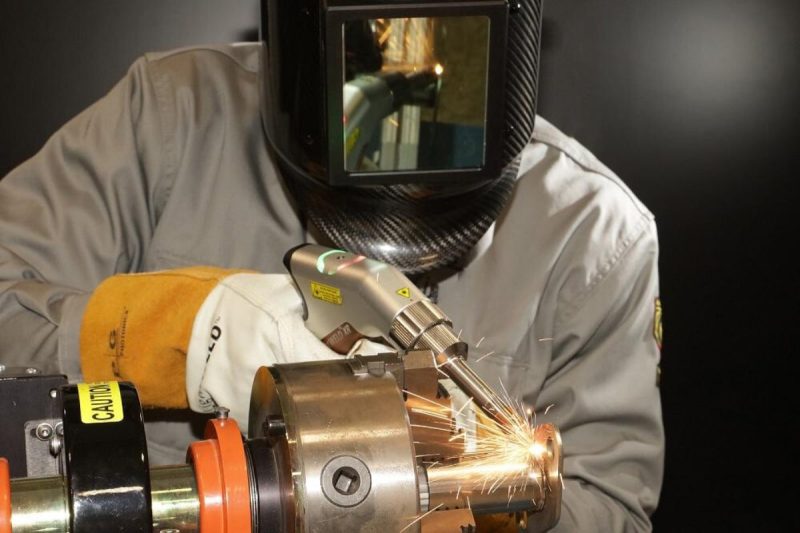
Laser welding is an advanced welding technology that utilizes a high-energy-density laser beam as a heat source. Using a high-precision optical system, the laser beam is focused onto the workpiece surface, causing the metal to melt and solidify rapidly in an extremely short time, resulting in a high-strength, narrow weld.
Compared to traditional welding, laser welding boasts a distinct non-contact process, eliminating direct contact with the workpiece and requiring no additional filler material. This results in a cleaner and more controllable welding process, significantly reducing material contamination caused by contact or arcing.
Currently, the most common process in industrial production is continuous laser welding. This method delivers a continuous and stable laser energy output, making it suitable for high-volume, high-speed welding applications such as automotive parts, sheet metal casings, stainless steel products, and machinery frames. Continuous laser welding produces uniform welds, deep penetration, and aesthetically pleasing results, making it ideal for applications requiring high weld strength and aesthetics.
ข้อดีของการเชื่อมด้วยเลเซอร์
Compared to traditional methods such as arc welding, argon arc welding, or spot welding, fiber เครื่องเชื่อมเลเซอร์ offer several significant advantages:
- Non-contact welding, eliminating electrode contamination: During welding, the laser beam directly impacts the metal surface, eliminating the need for consumables such as welding rods and electrodes. This fundamentally eliminates weld contamination and ensures a pure and consistent weld.
- Beautiful welds with no secondary polishing required: Laser welding requires minimal heat input, resulting in smooth, flat welds with minimal thermal deformation. In most cases, polishing and polishing are unnecessary, significantly reducing post-processing steps.
- Automated and robotic welding: Laser welding machines can be easily integrated with robotic arms, automated production lines, and vision positioning systems to achieve high-precision automated welding, improving production efficiency and consistency.
- Applicable to a wide range of metal materials: Whether สแตนเลส, เหล็กกล้าคาร์บอน, อลูมิเนียม, ทองแดง, or galvanized sheet, continuous laser welding delivers stable welds with high weld strength and excellent sealing, making it widely applicable in the metal fabrication industry.
Overall, laser welding represents the future of modern metal joining technology. Its high energy density, high welding precision, and excellent compatibility with a wide range of metals make it a powerful alternative to traditional welding technologies.
In particular, companies adopting continuous fiber laser welding machines can significantly improve production efficiency and weld quality while also achieving improved appearance and energy efficiency, providing a more stable and economical solution for the manufacturing industry.
Safety Risks of Laser Welding
Although laser welding technology is renowned in industrial manufacturing for its high efficiency, high precision, and excellent weld quality, it also carries potential safety risks that warrant attention. The laser beam itself possesses extremely high energy density. Combined with the intense light radiation, metal vapor, plasma clouds, and high-voltage electrical systems involved in the welding process, these risks pose potential risks to the operator’s eyes, skin, and respiratory system.
Therefore, understanding and preventing these risks when using fiber laser welders or handheld laser welders is essential for ensuring safe production.
Exposure to Ultraviolet Radiation
During laser welding, the laser beam generates intense ultraviolet radiation when interacting with the metal surface. Prolonged exposure to the weld area without wearing protective glasses or a welding mask can cause corneal burns or photoelectric ophthalmia (commonly known as “welder’s eye”), manifesting as stinging, tearing, and blurred vision.
In addition, UV exposure can cause redness, swelling, burns, or pigmentation on exposed skin. Even brief exposure can cause irreversible eye damage, making protection essential.
Exposure to Infrared Radiation
Unlike ultraviolet radiation, infrared radiation has a longer wavelength and greater penetrating power, capable of penetrating deeper into the skin and even into the inner tissues of the eye. Prolonged exposure to infrared radiation may cause health problems such as retinal damage, skin burns, and long-term pigmentation.
In continuous laser welding, because the beam energy is stable and concentrated, the infrared radiation intensity is higher. Therefore, operators must use welding masks or laser-specific protective goggles that meet laser grade standards to prevent chronic damage caused by accumulated heat.
Plasma and Fume Generation
When a high-temperature laser beam interacts with a metal surface, it instantly vaporizes part of the material, forming a high-temperature plasma cloud. This releases metallic fumes and chemical gases, such as nickel, chromium, zinc, and aluminum vapor. If these tiny particles are inhaled into the lungs, they can easily cause respiratory inflammation, metal fume fever, or chronic lung disease.
In enclosed or poorly ventilated environments, fume concentrations can rapidly increase, affecting not only welding quality but also potentially posing a long-term threat to operator health. Therefore, local exhaust systems or laser fume extraction equipment must be used to reduce the concentration of harmful substances in the air.
อันตรายจากไฟฟ้า
Laser welding equipment typically operates at high voltage and power. Improper operation and maintenance can pose a risk of electric shock or short circuits. This is especially true with handheld laser welders, where cables and water cooling systems are frequently connected. Inadequate protection or poor grounding can easily lead to electrical leakage.
Thus, electrical safety regulations should be strictly adhered to during daily operation:
- Ensure proper grounding of the equipment.
- Regularly inspect cables, cooling lines, and control systems;
- Avoid operating in humid environments.
Overall, while laser welding offers high efficiency and precision, it also carries risks from optical radiation, electrical, and chemical hazards. Neglecting operator protection can lead to acute or chronic health damage.
Thus, when promoting laser welding equipment (especially fiber laser welders), companies should strengthen safety training and the provision of protective equipment to ensure that every operator can efficiently complete welding tasks in a safe and controlled environment. Safe production is the first step to efficient welding.
Protective Measures for Laser Welding
With the widespread use of fiber laser welders and handheld laser welders in industrial manufacturing, laser welding safety issues are receiving increasing attention. While high-energy-density laser beams deliver high-precision welding results, they can also pose risks such as optical radiation, thermal burns, and inhalation hazards.
Therefore, to ensure operator safety and health, strict adherence to laser safety standards and a comprehensive safety strategy combining “personal protection + engineering protection + management protection” is essential.
Welding Masks and Safety Glasses
Of all protective measures, eye and face protection are paramount. The visible, ultraviolet, and infrared light generated during laser welding can cause irreversible damage to vision, so laser masks or glasses that meet international safety standards are essential.
- Wavelength matching is crucial: Different types of laser welders (such as fiber lasers and CO2lasers) operate with different wavelengths, and the protective lenses used must effectively absorb laser energy in specific wavelength bands. For example, fiber lasers typically operate in the 1064 nm wavelength band, so lenses with a corresponding OD (optical density) rating should be selected.
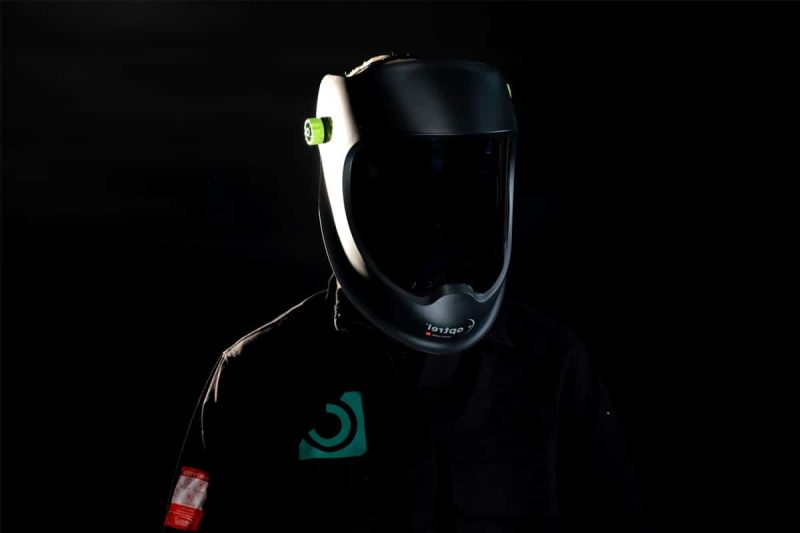
- Full-face protection is superior to partial protection: Compared to goggles that only cover the eyes, full-face masks protect both the face and neck, preventing laser scatter and burns.
- Auto-dimming function: Some high-end welding helmets are equipped with an automatic light-sensing filter that automatically adjusts the brightness according to laser intensity, improving work efficiency and visual comfort.
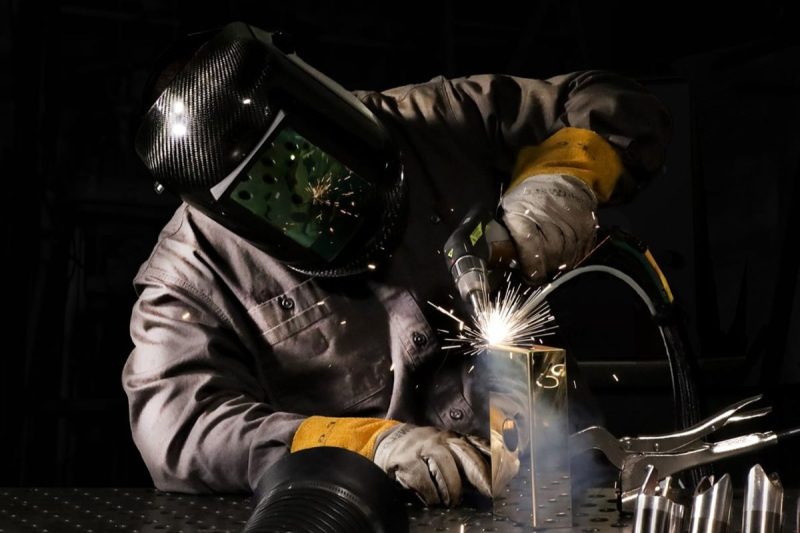
Properly used, a protective mask not only protects against burns from intense laser light but also shields against welding spatter, smoke irritation, and thermal radiation, providing the operator with the most direct safety barrier.
Other Personal Protective Equipment
In addition to a face mask, operators should also wear other personal protective equipment to address the multifaceted safety risks of welding:
- Flame-resistant work clothes and high-temperature gloves: Made of flame-retardant fabric, they effectively protect against high-temperature metal spatter and thermal radiation.
- Protective shoes and gaiters: Non-slip and heat-resistant soles protect the feet from burns from hot metal debris.
- Respiratory protection mask: In environments with high concentrations of smoke or metal vapor, wear a filtering respirator or use an air purification system to prevent the inhalation of harmful particulate matter.
- Hearing and arm protection: Some laser welding machines generate noise and vibration when operating at high speeds. Therefore, earmuffs and sleeves may be appropriate.
Appropriate use of PPE is not only necessary to comply with regulations but also fundamental to ensuring welding quality and personnel safety.
Engineering Controls and Ventilation
Personal protection alone is not enough to eliminate laser hazards on the production site. Engineering controls should be implemented to mitigate risks at the source:
Ventilation and fume exhaust systems: Install local fume exhaust or centralized exhaust systems in the welding area, along with filtration equipment, to effectively remove metal fumes and harmful gases, maintaining clean air.
Safety isolation and warning systems:
- Use protective shielding or enclosed welding chambers to prevent laser scattering into non-operating areas.
- Install automatic doors, warning lights, and laser interlocks to automatically prevent personnel from entering the danger zone during welding.
- Equipment maintenance and regular inspections: Regularly inspect the laser optical system, cooling piping, and grounding circuits to ensure stable, safe, and reliable equipment operation.
- Scientific engineering controls can minimize laser radiation and fume dispersion without compromising production efficiency.
Laser welding safety precautions go beyond simply wearing a mask; they encompass a comprehensive safety system. From eye protection and personal protective equipment to ventilation and fume extraction and engineering isolation, every aspect directly impacts operator health and production stability. While ensuring efficient production, establishing comprehensive laser safety regulations, and selecting appropriate laser protective masks and glasses not only enhances workplace safety but also demonstrates a company’s commitment to its employees and professionalism.
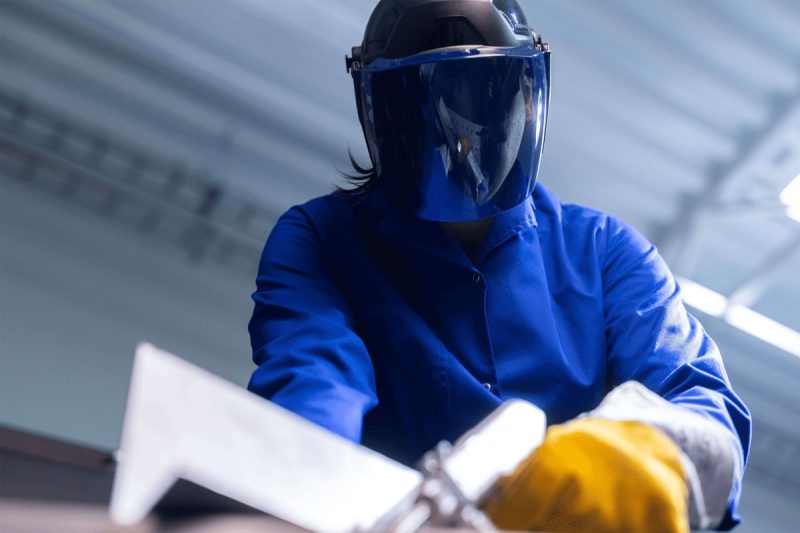
Laser Welding Mask Requirements
In laser welding operations, a mask is not only a protective tool but also a critical piece of equipment to ensure operator safety. Due to the extremely high intensity of the optical radiation generated during laser welding, especially the concentrated laser energy in the 1064nm wavelength band of fiber laser welding machines, a lack of effective protection can easily cause eye burns or skin damage. Therefore, choosing a high-quality, standard-compliant laser protective mask is crucial. The following four aspects are key indicators for evaluating the quality of a laser welding mask.
การป้องกันดวงตา
Eye protection is the primary priority in laser protection. A welding mask must effectively block specific wavelengths of visible light, ultraviolet light, and infrared light to prevent direct damage to the retina and cornea. For mainstream fiber laser welding machines, the laser wavelength is concentrated around 1064nm. Therefore, when selecting a mask, ensure that the lens has a high optical density protection rating for this wavelength band.
In addition, high-quality laser protective lenses should maintain excellent visibility and color reproduction while ensuring safety, allowing the operator to clearly observe the welding area and avoid operational errors caused by poor vision. Some high-end models also feature an auto-darkening filter that automatically adjusts brightness in response to welding light intensity, further enhancing ease of use and safety.
Skin Protection
Many operators focus solely on their eyes when it comes to protection, overlooking the risk of skin burns from laser and thermal radiation. Welding helmets should provide full face coverage, ideally extending to the neck or even above the shoulders, to prevent burns from laser light reflections or hot metal splashes.
The helmet material should also be heat-resistant, flame-resistant, and scratch-resistant to ensure stability and reliability in high-intensity welding environments. For extended use, opt for models with thermal insulation lining or UV-resistant coatings for even better protection.
Comfort and Fit
A good wearing experience is essential for efficient welding. A qualified laser protective mask should strike a balance between protective performance and wearer comfort:
- Lightweight design: Reduces neck strain during prolonged wear.
- Adjustable headband and support structure: Adapts to various head shapes, preventing slippage and pressure.
- Breathable padding and anti-fog lenses: Maintain ventilation and clear vision, preventing sweat and heat from affecting work efficiency.
For operators who weld for long periods of time, comfort not only impacts the work experience but also directly affects concentration and weld quality.
Durability and Quality
Laser welding environments are typically hot and dusty, placing extremely high demands on the mask’s wear resistance and structural strength. For this reason, protective products certified to international safety standards should be preferred, such as:
- ANSI Z87.1 (American National Standard);
- EN207/EN208 (European Union Laser Protection Standard);
- GB/T 3609.1 (Chinese Protective Eyewear Standard);
These certifications ensure that the product meets industrial application requirements in terms of optical protection, mechanical strength, and heat resistance. Furthermore, when purchasing in bulk, businesses should consider brand reputation and after-sales support. High-quality masks often feature replaceable filters and maintainable construction, making them more economical over the long term.
In summary, an excellent laser welding mask must not only provide reliable optical protection but also balance wearer comfort and structural durability. For varying working conditions and welding intensities, choosing a professional protective mask that is internationally certified and matched to the equipment’s wavelength is key to ensuring operator safety and improving production efficiency. When using high-power equipment like fiber laser welding machines, never underestimate the importance of personal protection—the right mask can often mean the difference between safety and accidents.
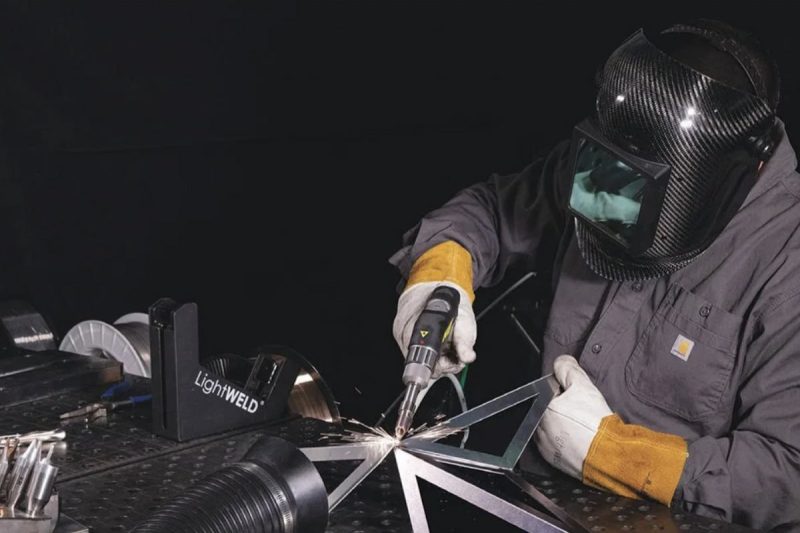
How to Choose the Right Laser Welding Helmet
During laser welding, a high-quality welding helmet is not only a crucial piece of safety equipment but also a crucial tool for ensuring work efficiency and visual comfort. With the widespread use of laser welding technology, a wide variety of protective helmets are available on the market, with varying quality. Therefore, understanding the key factors to consider when choosing a suitable laser welding helmet is crucial. The following will explain how to choose the most suitable laser welding helmet from multiple perspectives.
Choosing Based on Laser Type
Different laser devices—such as CO2 lasers, fiber lasers, and Nd: YAG lasers—have significantly different output wavelengths, resulting in varying degrees of impact on the eyes and skin. For example, fiber lasers typically have a wavelength of around 1064nm, while CO2 lasers have a wavelength of 10.6μm, requiring completely different levels of protection. Before purchasing, carefully check the wavelength protection range (optical density, OD) on the mask or lens manual to ensure it matches the equipment.
Check Safety Standards
A high-quality welding helmet must comply with international safety standards. This not only verifies its protective performance but also demonstrates the manufacturer’s expertise. Common certifications include:
- EN207/EN208 (EU standards): rigorously test the transmittance and damage threshold of laser protective eyewear;
- ANSI Z87.1 (US standard): ensures that eye protection equipment meets industrial-grade requirements for optical performance and impact protection;
- GB/T 3609.1 (Chinese standard): specifies the performance parameters of laser protection filters and face shields.
Choosing a face shield that meets these standards maximizes laser operating safety.
Features and Adjustability
Modern welding helmets often feature auto-darkening filters (ADFs), which quickly dim the field of view during laser emission to prevent eye burns while maintaining a clear field of view for ease of operation when not welding. In addition, an adjustable headband, lightweight design, ventilation, and anti-fog features are all important factors influencing wearing comfort and the overall work experience.
View user reviews and professional advice
Before purchasing, consult user feedback from industry experts or experienced welders. Reading actual user reviews can help you determine a product’s true performance in terms of durability, clarity, and responsiveness. Prioritize brands with a strong reputation in the laser industry, such as 3M, Uvex, and Honeywell, to ensure long-term, reliable, and safe protection.
ต้นทุนและความคุ้มค่า
Although high-performance masks are more expensive, their advantages in protection, comfort, and longevity make them more cost-effective in the long run. Cheaper products often suffer from issues like unstable filter quality and insufficient light transmittance, potentially failing to provide adequate protection during critical moments. Investing in a reliable protective mask is a long-term guarantee for operator safety and health.
The key to choosing a laser welding mask lies in matching the laser wavelength, ensuring compliance with the required protection level, ensuring comfort, and ensuring reliable certification. A suitable mask not only effectively prevents laser burns but also reduces visual fatigue during prolonged welding, thereby improving welding quality and work efficiency. For users who value safety and professionalism, choosing a brand with international certifications is the most reliable investment.
สรุป
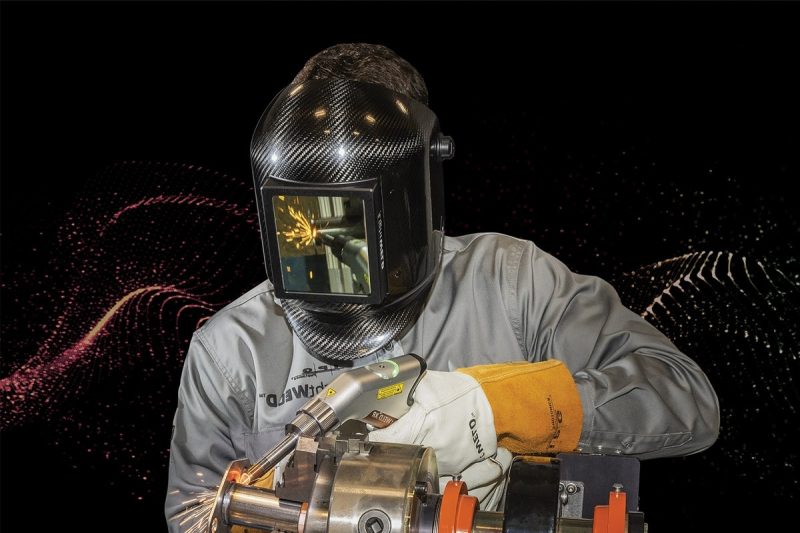
Laser welding, as an efficient, precise, and highly automated joining process in modern manufacturing, is increasingly being adopted by companies in metal processing, automotive manufacturing, mold repair, and precision manufacturing. Its advantages, such as high energy density, low heat input, and smooth welds, significantly improve production efficiency and weld quality. However, the high intensity and invisible nature of laser energy also pose safety risks, such as eye and skin burns, and welding fume hazards. Therefore, cultivating safety awareness and mastering proper protective measures are essential for every welding operator.
In actual operations, choosing the right laser welding mask and protective glasses is the first line of defense for operators. Qualified protective equipment not only effectively blocks laser radiation of specific wavelengths, but also reduces visual fatigue and improves operator precision. Furthermore, comprehensive ventilation systems, engineering safeguards, and standardized operating procedures are essential; together, they form the core of a laser welding safety system. Only by prioritizing safety can companies fully leverage the advantages of laser technology and achieve high-quality, sustainable production.
If you are looking for laser welding solutions that combine high performance and safety, แอคเทค เลเซอร์ is a trusted partner. We offer a wide range of fiber laser welding equipment and handheld laser welding systems that comply with international safety standards such as EN, ANSI, and GB/T. These systems are equipped with intelligent temperature control, protective interlocks, and highly stable light sources. We consistently adhere to a design philosophy of “safety first, efficiency first” to help you achieve more efficient, precise, and safer production. Choosing us means choosing expertise and security.

ข้อมูลติดต่อ
- [email protected]
- [email protected]
- +86-19963414011
- หมายเลข 3 โซน A เขตอุตสาหกรรม Luzhen เมือง Yucheng มณฑลซานตง
รับโซลูชันเลเซอร์