

















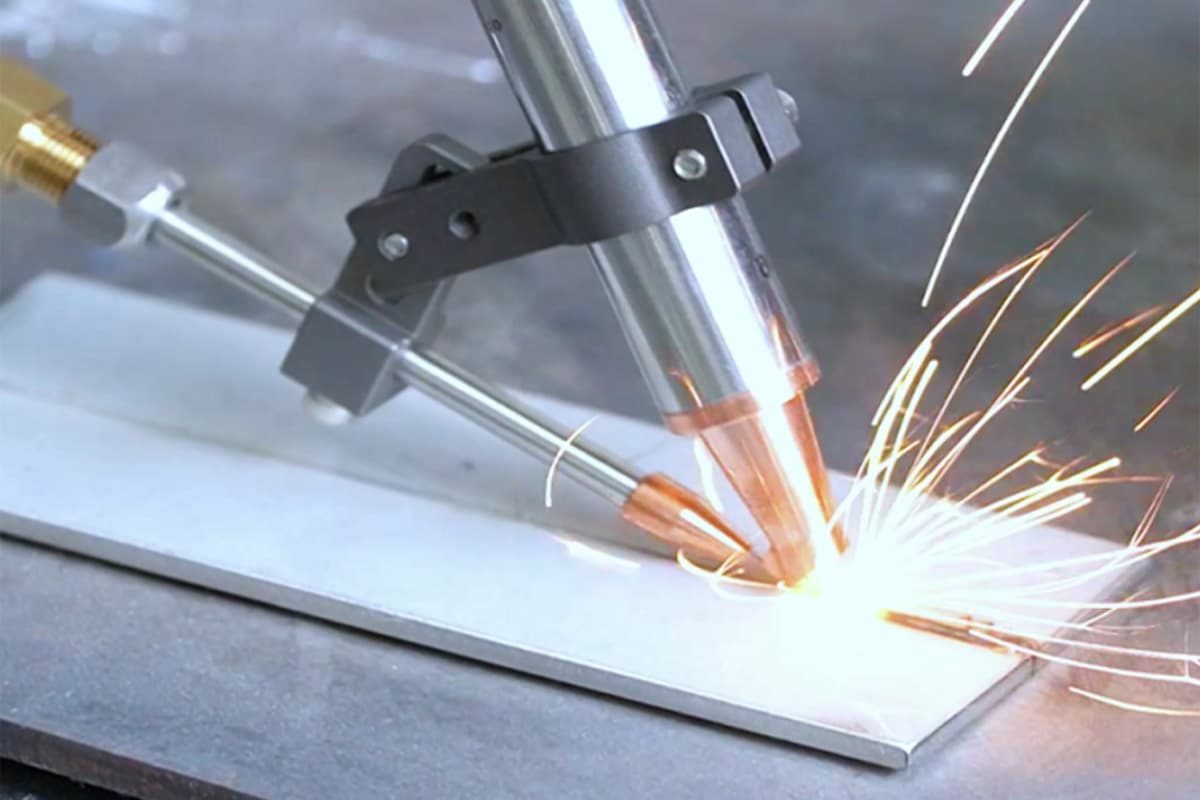
Как выбрать мощность лазерной сварки?
Laser welding has emerged as one of the most precise, efficient, and versatile joining technologies in modern manufacturing. From micro-electronics to heavy structural components, the laser’s ability to concentrate enormous amounts of energy into a tiny spot enables welds of exceptional quality, speed, and repeatability. Yet despite its technological sophistication, the practical performance of any laser welding operation ultimately comes down to one of the most fundamental decisions an engineer must make: how much power to use.
Selecting the correct laser welding power is not a straightforward lookup exercise. It requires a nuanced understanding of the physics of laser-material interaction, the thermal properties of the workpiece, the desired weld geometry, process speed, and the capabilities of the laser system itself. Too little power produces incomplete fusion, cold laps, and structural weakness. Too much power causes burn-through, spattering, excessive distortion, and metallurgical damage. Getting it right the first time — and maintaining that precision across thousands of production cycles — is what separates expert welders from novices.
This guide provides a comprehensive examination of all the factors that influence laser welding power selection. It covers the fundamental physics of laser-material interaction, the role of welding modes, the influence of material properties, the relationship between power and speed, the importance of beam quality and optics, shielding gas effects, joint design considerations, and practical strategies for process development. Whether you are setting up a laser welding cell for the first time or optimizing an existing production line, this article will help you make better, more informed power decisions.
Оглавление
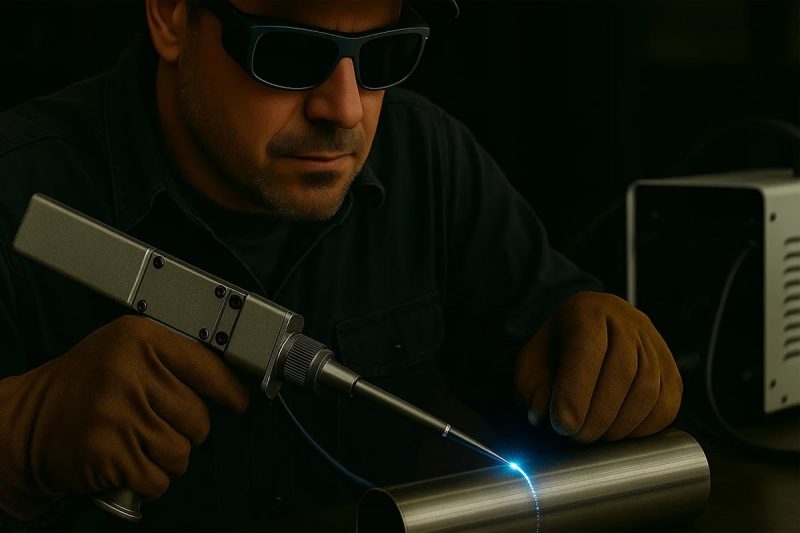
Understanding the Physics of Laser Welding
Before diving into practical selection criteria, it is essential to understand what laser power actually does when it interacts with a metal workpiece. The laser beam delivers photons to the material surface, where they are either absorbed, reflected, or transmitted. In metals, absorption dominates, and the absorbed energy is converted to heat through electron-phonon interactions on a timescale of picoseconds to nanoseconds.
At low power densities, the surface heats up and begins to melt in a shallow, roughly hemispherical pool. Heat flows into the surrounding material primarily by conduction, and the weld bead is wider than it is deep. This is known as conduction-mode welding. As power density increases beyond a critical threshold — typically around one megawatt per square centimeter — the surface temperature reaches the boiling point of the metal. At this point, the material begins to vaporize, creating a column of metal vapor called a keyhole. The keyhole, stabilized by the radiation pressure of the laser and by the vapor pressure of the evaporating metal, acts like a light trap, dramatically increasing the effective absorptivity from as low as twenty percent to over ninety percent. This transition from conduction to keyhole welding fundamentally changes the energy coupling efficiency and the achievable weld depth-to-width ratio.
Power selection is therefore not simply about delivering enough energy to melt the metal. It is about controlling the power density at the material surface — which is a product of both the total power and the beam spot size — to achieve the desired welding mode and weld geometry. A fiber laser delivering five kilowatts through a one-hundred-micron fiber and focused to a tight spot behaves very differently from the same power delivered through a coarser beam path with a larger focal spot.
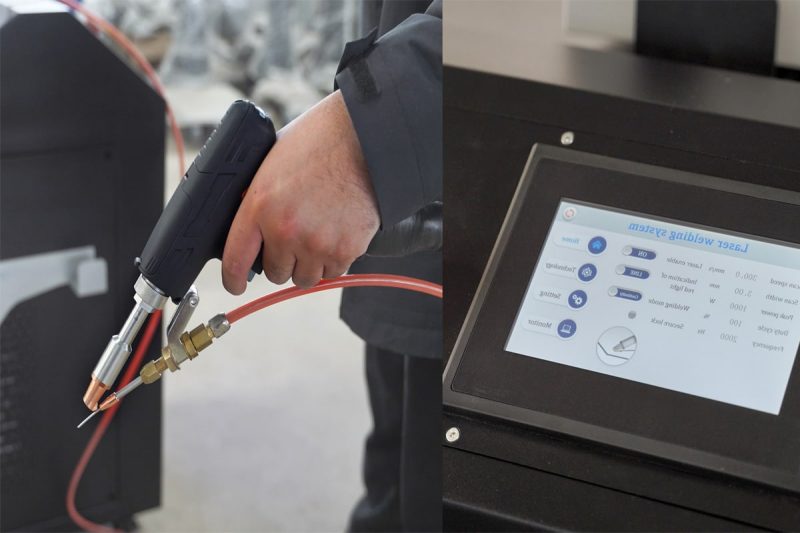
Welding Modes and Their Power Requirements
Laser welding does not operate in a single mode; rather, depending on power density and heat input method, it is categorized into three primary operating modes. The conduction mode relies on surface heating and thermal conduction to form a weld seam, making it suitable for thin sheets and precision welding applications where aesthetic requirements are stringent. The keyhole mode achieves high-aspect-ratio welding by creating a deep-penetrating vapor channel, which serves as the mainstay for industrial welding of medium- to thick-plate materials. Pulsed laser welding, conversely, decouples peak power from average power to generate high instantaneous power density with extremely low total heat input, rendering it ideal for welding heat-sensitive or miniature components. The power requirements for these different modes vary significantly—ranging from a few hundred watts for the conduction mode to several kilowatts or higher for the keyhole mode; consequently, engineers must carefully select the appropriate welding mode and power parameters based on the material type, plate thickness, and specific process objectives.
Сварка в режиме проводимости
Conduction mode welding operates at power densities below the keyhole threshold. The weld pool is formed by surface heating and conductive heat flow into the substrate. Typical power densities range from roughly ten kilowatts to one megawatt per square centimeter. Because the energy coupling efficiency is lower and there is no keyhole to focus the laser energy deep into the material, conduction welds are characterized by a low depth-to-width ratio, typically less than one.
Conduction mode is most useful for thin sheet materials, cosmetic welds where surface appearance is critical, joining dissimilar metals where a controlled, shallow heat input is needed, and applications where spatter and porosity must be minimized. Typical power levels for conduction mode welding range from one hundred watts for very thin foils to around two thousand watts for sheets up to about two millimeters thick. Because the weld pool is relatively calm and the process is stable, conduction mode welding is often preferred for precision applications such as medical device manufacturing and electronics assembly.
Сварка методом замочной скважины
Keyhole mode welding is the workhorse of industrial laser welding for thicker materials. Once the keyhole is established, the absorptivity of the laser energy increases dramatically, and the weld penetrates deeply into the material with a very high depth-to-width ratio, sometimes exceeding ten to one. This makes keyhole welding exceptionally efficient for joining thick sections with a single pass and minimal heat input compared to arc welding processes.
However, keyhole welding introduces its own challenges. The keyhole is inherently unstable — it oscillates, collapses, and reforms continuously during welding. When the keyhole collapses faster than the surrounding liquid metal can fill the void, porosity is formed. Managing keyhole stability through careful power selection, beam oscillation, or the use of dual-beam configurations is one of the key challenges in high-power laser welding.
Power requirements for keyhole welding depend strongly on material thickness and welding speed, but as a general guideline, keyhole welding of steel typically requires power levels of one to ten kilowatts for material thicknesses from one to ten millimeters. Aluminum, with its higher thermal conductivity and reflectivity, may require fifty percent or more additional power for comparable penetration.
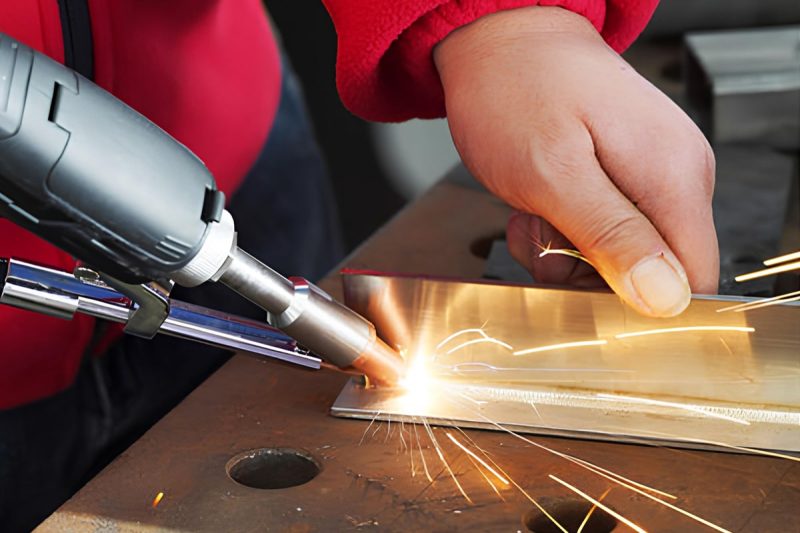
The Role of Material Properties
The intrinsic physical properties of the material itself exert a decisive influence on the selection of laser welding power. Absorptivity and reflectivity directly determine the amount of laser energy that can be coupled into the workpiece; copper and aluminum, for instance, exhibit extremely low absorptivity in the near-infrared spectrum at room temperature (merely 2%–10%), yet once the material begins to melt, this absorptivity undergoes a dramatic surge—a nonlinear transition that renders the power window exceptionally sensitive.
Thermal conductivity, conversely, dictates the rate at which heat dissipates from the weld zone into the surrounding material: the high thermal conductivity of copper and aluminum necessitates higher power inputs to sustain the weld pool, whereas the low thermal conductivity of stainless steel and titanium alloys tends to induce heat accumulation and deformation. The melting point, in conjunction with the latent heat of fusion, collectively determines the total energy required to transition the material from a solid to a liquid state—a requirement that varies drastically across different alloy systems.
Furthermore, surface condition and pretreatment cannot be overlooked, as oxide layers, coatings, grease, and moisture can all alter the actual absorptivity and introduce defects such as porosity and spatter. Given that these four categories of material factors are intricately coupled, engineers must engage in a comprehensive trade-off analysis when formulating power parameters, rather than evaluating any single attribute in isolation.
Absorptivity and Reflectivity
One of the most significant material-related factors in laser welding power selection is absorptivity — the fraction of incident laser energy that is absorbed by the material surface rather than reflected away. For most solid metals at room temperature, absorptivity at near-infrared wavelengths (around one micron, typical for fiber and Nd:YAG laser generators) ranges from about five percent for highly polished copper to around thirty-five percent for oxidized steel.
Aluminum is a particularly challenging material because of its high reflectivity and high thermal conductivity. The absorptivity of polished aluminum at one-micron wavelength is only around five to ten percent at room temperature, meaning that ninety to ninety-five percent of the laser power may be reflected away before welding even begins. However, once the material begins to melt, absorptivity rises dramatically, and the transition can be abrupt. This behavior makes aluminum welding power selection especially tricky — not enough power and the material never reaches the melting threshold; slightly too much and the rapid transition can cause spattering and instability.
Copper presents even greater challenges, with room-temperature absorptivity at one micron wavelength of only about two to five percent. Green laser generators with wavelengths around five hundred nanometers offer much higher absorptivity for copper — around forty percent — and are increasingly being used for copper welding in battery and electronics applications. When selecting power for copper welding with a near-infrared laser, engineers must account for the initial low absorptivity and provide sufficient power to initiate melting before the absorptivity transition occurs.
Теплопроводность
Thermal conductivity governs how quickly heat flows away from the weld zone into the surrounding material. High-conductivity materials like copper and aluminum dissipate heat so rapidly that the laser must supply energy faster than it can conduct away, requiring higher power levels for a given spot size and speed compared to low-conductivity materials like stainless steel and titanium.
Нержавеющая сталь has a thermal conductivity roughly fifteen to twenty times lower than copper. This means that for a given set of welding parameters, stainless steel will develop a much larger melt pool with far less power than copper. The low thermal conductivity of stainless steel also means that heat accumulates near the weld zone, which can be advantageous for deep penetration but problematic if it causes excessive distortion, sensitization in austenitic grades, or changes in the alloy composition near the fusion boundary.
Melting Point and Latent Heat
Materials with higher melting points naturally require more energy to reach the liquid state. Tungsten, with a melting point of around 3,422 degrees Celsius, requires orders of magnitude more laser power for a given weld size than tin, which melts at only 232 degrees Celsius. The latent heat of fusion — the energy required to complete the phase change from solid to liquid at the melting point — also varies significantly between materials and must be accounted for in precise heat balance calculations.
In practice, most industrial laser welding involves steel alloys, алюминий alloys, titanium alloys, nickel-based superalloys, and copper alloys. Each of these material families has distinct thermal properties that require different power strategies, and within each family, specific alloy compositions can shift the optimal power range by ten to thirty percent.
Surface Condition and Preparation
The condition of the material surface at the point of laser incidence has a profound effect on energy coupling and therefore on the effective power delivered to the weld zone. Surface oxides, coatings, roughness, and contamination all affect absorptivity. An oxidized steel surface absorbs significantly more laser energy than a freshly polished surface of the same alloy. Zinc coatings on galvanized steel present particular challenges because zinc vaporizes at a much lower temperature than steel, and the resulting vapor pressure can disrupt the weld pool and cause porosity, spattering, and humping.
For consistent power selection and process repeatability, surface preparation is not optional — it is a fundamental process variable. Oil, grease, and moisture can cause hydrogen porosity, while surface scale and oxides can cause inclusions. Establishing a standard surface cleanliness protocol and factoring the expected surface condition into the power selection process is essential for production stability.
The Relationship Between Power, Speed, and Heat Input
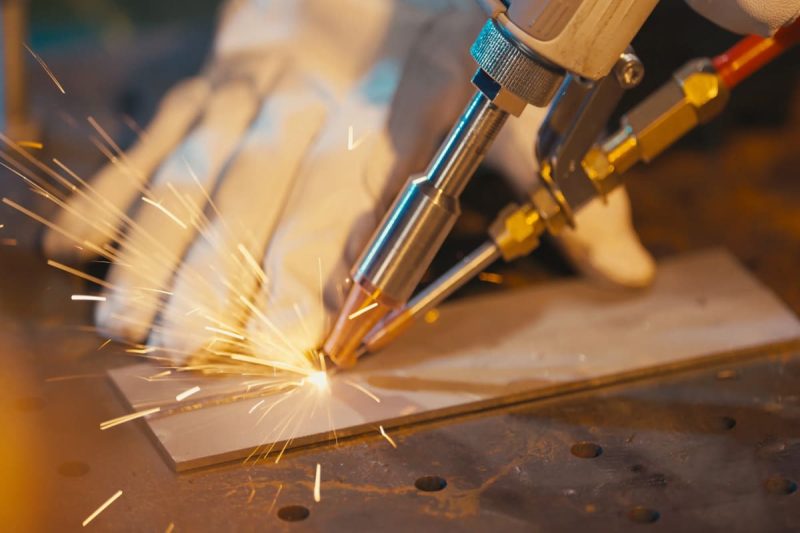
Power and welding speed are inseparable parameters in laser welding. The fundamental measure of energy delivered to the workpiece per unit length of weld is called the linear heat input, expressed in joules per millimeter. It is calculated simply by dividing the laser power in watts by the welding speed in millimeters per second. This relationship means that the same heat input can be achieved with many different combinations of power and speed, and understanding this flexibility is key to optimizing the process.
However, it would be an oversimplification to assume that any combination of power and speed giving the same linear heat input will produce the same weld. The actual weld geometry and quality depend on how the energy is delivered over time, not just the total amount. At higher speeds and proportionally higher powers, the weld pool is elongated, the solidification rate is faster, and there is less time for dissolved gases to escape, which can increase porosity susceptibility. At lower speeds with proportionally lower powers, the weld pool is more circular, the thermal cycle is slower, and there is a greater risk of grain coarsening in the heat-affected zone.
In practice, higher speeds are generally preferred in production environments because they reduce cycle time and heat input per part, minimizing distortion. This pushes the required power upward. Modern high-power fiber laser generators capable of delivering ten to twenty kilowatts of continuous power have enabled welding speeds that were inconceivable with older CO2 and Nd:YAG systems, and these high-speed processes have their own distinct power optimization requirements.
When changing welding speed during process development, it is important to adjust power simultaneously to maintain the target heat input, then fine-tune based on weld cross-section analysis. A five-percent increase in speed without a corresponding power increase will typically reduce penetration depth noticeably, particularly in keyhole welding, where the keyhole depth is sensitive to power density.
Beam Quality, Spot Size, and Power Density
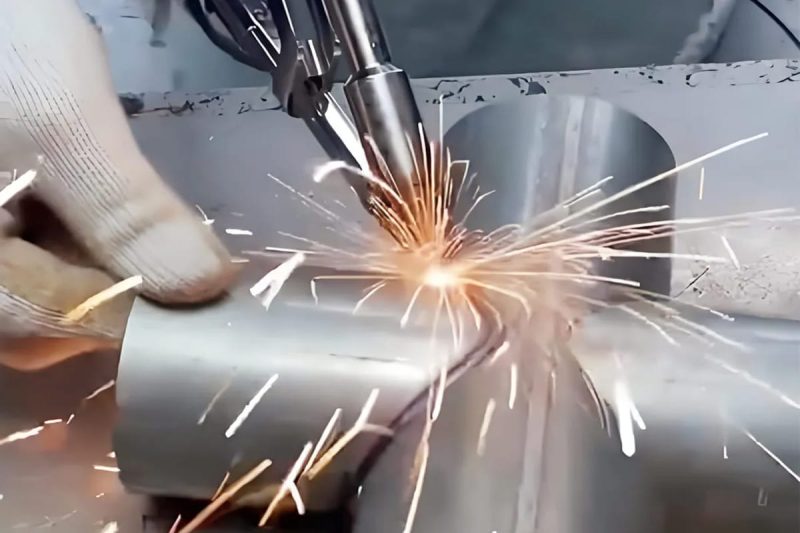
Total laser power is only one part of the equation. How that power is concentrated at the workpiece surface — the power density — is equally, if not more, important. Power density is determined by the focal spot size, which in turn depends on the beam quality of the laser, the focusing optics, and the working distance.
Beam quality is typically expressed as the beam parameter product or M2 value. A perfect Gaussian beam has an M2 of one, meaning it can be focused to the theoretical diffraction limit. Fiber laser generators with small core diameters can achieve M2 values of one to two, enabling very tight focal spots and extremely high power densities even at moderate power levels. CO2 laser generators and disk laser generators can also achieve excellent beam quality. In contrast, diode laser generators used for heat treatment or brazing typically have poor beam quality with M2 values of tens or hundreds, and can deliver power over only relatively large spot sizes.
For a given optical system, the focal spot size bears a linear relationship to the M2 value. Doubling the M2 value results in a corresponding doubling of the achievable minimum focal spot diameter; this implies that the achievable minimum focal spot area increases fourfold, thereby causing the achievable maximum power density to decrease to one-quarter of its original value. In other words, if a 10 kW laser source with an M2 value of 4 and a 2.5 kW laser source with an M2 value of 1 are both focused to their respective minimum spot sizes, the power density delivered by the former will be equivalent to that of the latter.
Therefore, when selecting power for laser welding applications, engineers must evaluate available power levels in conjunction with the achievable focal spot size and power density. In keyhole welding, a laser source with seemingly lower power but exceptional beam quality often delivers superior welding performance compared to a higher-power source with inferior beam quality. Conversely, for large-area brazing or heat treatment applications, the high total power provided by a large focal spot is precisely the desired characteristic, while beam quality is of less critical importance.
Defocusing—the deliberate operation of a laser source at a position offset from its minimum focal spot—is a highly effective technique frequently employed to facilitate the transition from keyhole mode to conduction mode, or to increase weld width. By implementing defocusing, the focal spot size is enlarged and the corresponding power density is reduced; this enables a single laser source to flexibly switch between the aforementioned welding modes in accordance with specific application requirements. This characteristic introduces greater flexibility into the laser power selection process, as the effective power density applied to the workpiece can be adjusted simply by varying the defocus amount, without the need to alter the laser source’s total output power.
Material Thickness and Weld Joint Configuration
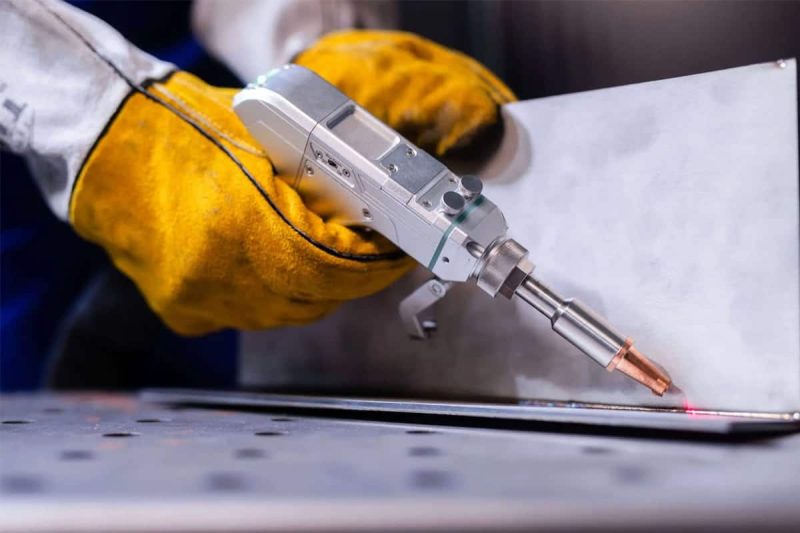
Material thickness and joint configuration constitute the most direct structural variables in the design of laser welding power. Thickness determines the minimum energy input required to achieve full penetration; empirical evidence suggests that, for steel, full-penetration welding typically requires approximately 1 kilowatt of laser power per millimeter of plate thickness—though this benchmark must be validated against the specific material grade and process parameters in use.
From a geometric perspective, the joint configuration dictates the efficiency of energy utilization: butt joints exhibit the highest energy efficiency when the gap between workpieces is minimal, whereas the presence of any gap necessitates an increase in power or a reduction in welding speed to compensate. Lap joints require the laser to simultaneously penetrate the upper layer and achieve sufficient fusion with the lower layer, thereby demanding higher power levels than butt joints of equivalent thickness. T-joints and fillet welds, conversely, impose more stringent requirements on beam alignment and power stability due to the asymmetrical heat conduction properties of the components on either side of the joint. Overall, material thickness and joint design collectively define the geometric boundaries for power selection; engineers must therefore strike a balance among joint efficiency, melt depth control, and overall weld quality.
Thickness as a Primary Driver
Material thickness is one of the most direct drivers of required laser power. For full-penetration welding, the laser must deliver enough energy to melt through the entire thickness of the joint. In single-pass keyhole welding, the penetration depth scales approximately with power-to-speed ratio for a given beam quality and spot size. As a rough empirical guideline that has proven useful across many industrial applications, achieving full penetration in steel requires roughly one kilowatt of laser power per millimeter of material thickness at typical production welding speeds. This guideline should always be verified experimentally for specific material grades, laser systems, and joint designs.
For partial-penetration welds, lower power can be used, but the penetration depth must still be sufficient to achieve the required mechanical performance. In structural applications, minimum penetration requirements are typically specified as a fraction of the thinner material thickness in the joint.
Joint Design and Gap Tolerance
The joint design significantly influences power requirements. Butt joints with minimal gap allow the most efficient use of laser power, as all the energy goes into melting and fusing the adjacent material. However, even small gaps — particularly in keyhole welding — can cause the laser to pass through the joint without delivering energy to the workpiece walls, dramatically reducing effective penetration. For gapped joints, power typically needs to be increased and speed reduced to compensate, or filler wire must be added to bridge the gap.
Lap joints, where one sheet lies on top of another, are common in automotive and appliance manufacturing. In a lap joint, the laser must melt through the top sheet and into the bottom sheet to create a true fusion weld. The required power is therefore higher than for a butt joint of equivalent top-sheet thickness because additional energy must be delivered to the lower mating surface. The interface between the two sheets also poses a risk of vapor entrapment, particularly if there are coatings present, and power management is critical for controlling the weld quality.
T-joints and fillet welds require careful attention to power distribution because the beam must melt material from both components simultaneously. Edge effects and the geometry of the heat sink can cause asymmetric melting if the beam is not properly aimed and if the power is not sufficient to maintain a stable melt pool across both members.
Shielding Gas and Its Effect on Power Requirements
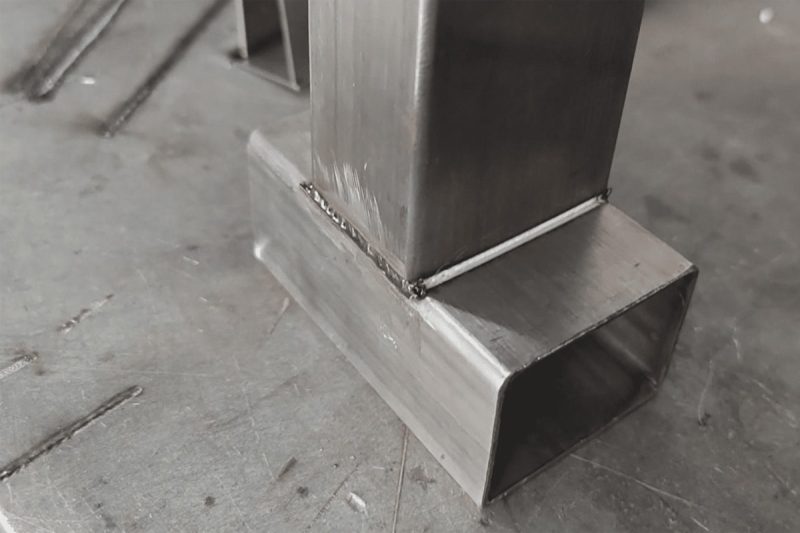
Shielding gas serves multiple functions in laser welding: it protects the molten metal from atmospheric contamination, suppresses plasma formation above the weld pool, and, in some cases, modifies the thermal gradient at the material surface. The choice of shielding gas and flow rate directly affects how efficiently the laser energy is coupled into the workpiece and therefore influences the effective power available for welding.
At high power levels, particularly in CO2 laser welding, a plasma plume can form above the keyhole. This plasma absorbs and scatters the laser beam, reducing the energy reaching the workpiece — a phenomenon known as plasma shielding. Helium, with its high ionization potential, is very effective at suppressing plasma formation and is the preferred shielding gas for high-power laser welding when maximum energy coupling is critical. However, helium is significantly more expensive than argon, and its use must be justified by the quality and performance requirements of the application.
Argon, the most widely used shielding gas in laser welding, is less effective at plasma suppression but provides excellent oxidation protection and is much more economical. For most fiber and disk laser welding applications, where plasma formation is less of an issue due to the shorter wavelength and different energy coupling mechanism, argon provides adequate protection and energy coupling. Nitrogen can be used for stainless steel welding in applications where the formation of a small amount of nitride is acceptable, and it offers cost savings over argon. Air cooling or no shielding is sometimes used for materials that naturally form protective oxide layers, such as titanium, but only when contamination risk is carefully managed.
When transitioning from helium to argon shielding, it may be necessary to increase laser power by five to fifteen percent to compensate for the slightly reduced energy coupling efficiency. Engineers who optimize their process with one shielding gas and then switch to another without adjusting power often observe unexpected changes in weld quality, illustrating how tightly these parameters are coupled.
Practical Power Ranges for Common Materials
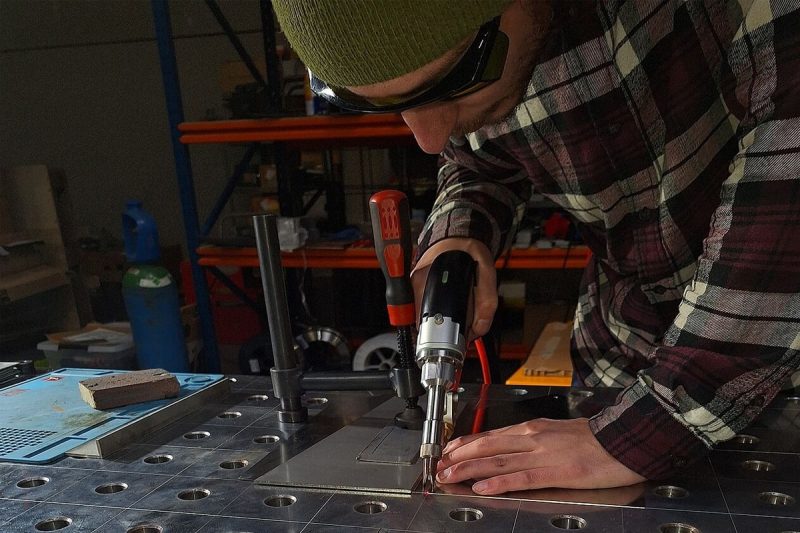
Different materials exhibit significant variations in laser power requirements, and understanding these variations is crucial for process design. Here’s a breakdown of typical power requirements based on material type and thickness:
Carbon Steel and Low-Alloy Steel
Углеродистая сталь and low-alloy steel are typically easy to weld using laser technology due to their moderate absorptivity and favorable thermal properties. For thin sections, such as those between 0.5 mm and 1 mm, laser power in the range of 200 to 800 watts is sufficient, operating in conduction mode. For automotive applications, such as body-in-white lap welding, power levels between 3 and 8 kilowatts are standard. For thicker sections, between 5 mm and 15 mm, multi-kilowatt systems ranging from 5 to 20 kilowatts are necessary to ensure good penetration and weld quality.
Нержавеющая сталь
Laser welding of stainless steel is particularly effective because of its low thermal conductivity, which allows heat to remain localized, creating narrow, deep welds with minimal heat-affected zones. For sections up to 3 mm thick, power requirements typically range from 500 watts to 3 kilowatts. When welding thicker sections, particularly in aerospace and industrial applications, power needs increase, often requiring 5 kilowatts or more for sections thicker than 5 mm.
Алюминиевые сплавы
Aluminum alloys require higher power levels due to their high reflectivity and thermal conductivity. For thin sheets, especially in electronics and packaging, power levels of 1 to 3 kilowatts are commonly used. However, for thicker sections such as those found in automotive structural components, power needs typically rise to 4 to 8 kilowatts. For heavy aerospace components, power levels exceeding 10 kilowatts may be necessary to achieve sufficient penetration and proper weld formation.
Титановые сплавы
Titanium alloys share similar power requirements with stainless steel, but the welding process requires strict atmospheric shielding to prevent contamination. For thin foils, power levels starting at 500 watts are sufficient, whereas aerospace components, typically thicker than 3 mm, require several kilowatts of power for effective welding.
Медь и медные сплавы
Медь and its alloys pose a significant challenge in laser welding due to their high reflectivity and thermal conductivity, requiring much higher power compared to steel for the same thickness. For thin foils, laser power can start at around 1 kilowatt, but for medium-thickness bus bars, power requirements may reach 10 kilowatts or higher. The use of green laser sources, which offer better absorption in copper, has been beneficial, particularly for applications in electronics and battery manufacturing.
Nickel-Based Superalloys
Nickel-based superalloys, commonly used in aerospace turbine components, present challenges due to their narrow welding process window. These alloys typically require moderate power levels, similar to stainless steel, but with extremely precise control. Power selection must carefully balance full fusion with control over the thermal cycle to prevent hot cracking, making the process window particularly narrow, especially in thicker sections.
The power requirements for welding different materials are directly linked to their thermophysical properties, such as absorptivity, thermal conductivity, and weldability. Carbon steels and stainless steels offer relatively flexible welding parameters, whereas aluminum and copper alloys demand significantly higher power levels due to their reflective and conductive properties. Titanium and nickel-based superalloys require precise control of power and environmental conditions, but they don’t need excessively high power levels compared to aluminum or copper. Therefore, the challenge in laser welding is not just selecting the right power level, but understanding how power interacts with material characteristics to ensure effective welds.
Power Modulation and Advanced Techniques
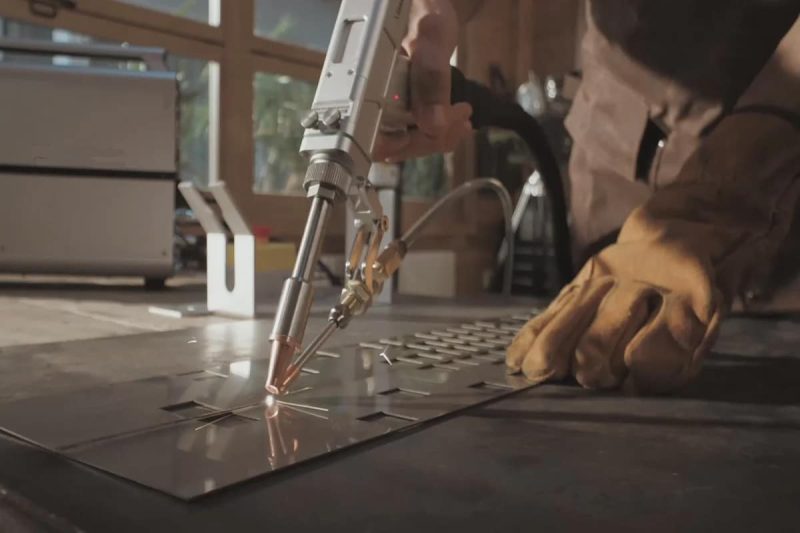
Laser power is not a static, singular parameter; rather, it can be precisely shaped across both temporal and spatial dimensions through a variety of modulation techniques. Power ramping—which involves gradually varying power levels during the initiation and termination phases of welding—effectively suppresses hot cracking and crater shrinkage, thereby serving as a fundamental safeguard for process stability. Beam oscillation utilizes high-frequency scanning to distribute energy over a wider area; without increasing total power output, this technique mitigates keyhole instability, reduces porosity, and enhances gap-bridging capabilities. Dual-beam and multi-beam configurations, conversely, spatially allocate power to distinct functional zones—typically for preheating and fusion—thereby fundamentally altering the thermal cycle characteristics. Such configurations are particularly well-suited for welding materials susceptible to hot cracking and for fabricating high-performance structural components.
Power Ramping
Power ramping — gradually increasing or decreasing laser power at the start and end of a weld — is a simple but highly effective technique for managing the thermal shock of weld initiation and the formation of craters or hot tears at weld termination. At the beginning of a weld on a cold workpiece, the thermal mass of the material must be brought up to welding temperature quickly, but if the full power is applied instantaneously, the rapid temperature gradient can cause cracking in susceptible materials. A linear or exponential power ramp over ten to fifty milliseconds at the weld start reduces this thermal shock while still achieving the target penetration quickly.
At the weld end, a downslope allows the weld pool to solidify gradually, reducing the size and depth of the end crater and minimizing the risk of solidification cracking. Weld end craters are a common source of failure in fatigue-loaded structures, and proper power downsloping is a straightforward technique for managing this risk.
Beam Oscillation
Beam oscillation — using a scanning mirror or galvanometer to rapidly oscillate the focused laser spot in a circular, sinusoidal, or other pattern transverse to the welding direction — has become an important technique for improving weld quality and bridging ability without simply increasing power. By spreading the energy over a slightly wider area at high frequency, oscillation reduces peak keyhole instability, decreases porosity, widens the weld bead to bridge small gaps, and improves the weld profile.
From a power selection perspective, beam oscillation effectively changes the energy distribution. For a given total power, oscillation reduces the local power density at any instant in the cycle, which can push the process from keyhole to conduction mode or to a transitional mode. Engineers who add beam oscillation to an existing process will often need to increase laser power to maintain the same weld penetration, or may intentionally use oscillation to enable a more stable, shallower weld at the same power level.
Dual-Beam and Multi-Beam Configurations
Advanced laser welding systems can split the beam or use multiple independent beams to deliver power in specific spatial patterns. A common configuration uses two spots aligned in the welding direction, with the leading spot preheating the material and the trailing spot performing the actual keyhole welding. This preheating reduces the thermal gradient between the weld zone and the surrounding material, which can reduce hot cracking susceptibility and improve penetration stability.
In dual-beam configurations, the power split between the two beams must be optimized along with the spatial separation and the welding speed. The leading beam typically carries twenty to forty percent of the total power for preheating, while the trailing beam carries the majority for fusion. This power allocation must be tuned based on the material, thickness, and desired weld geometry.
The core value of power modulation techniques lies in expanding the single dimension of “total power” into a set of multi-dimensional process variables that can be freely combined across time, space, and beam mode. This implies that when engineers encounter welding quality issues, simply increasing the power is often not the only solution; instead, adjusting the distribution pattern, temporal rhythm, or spatial geometry of the power delivery can frequently yield superior results at a lower cost. Mastering these modulation techniques represents the critical leap required to transition from merely “knowing how to use laser welding” to achieving true “mastery of laser welding process design.”
Process Development and Parameter Optimization
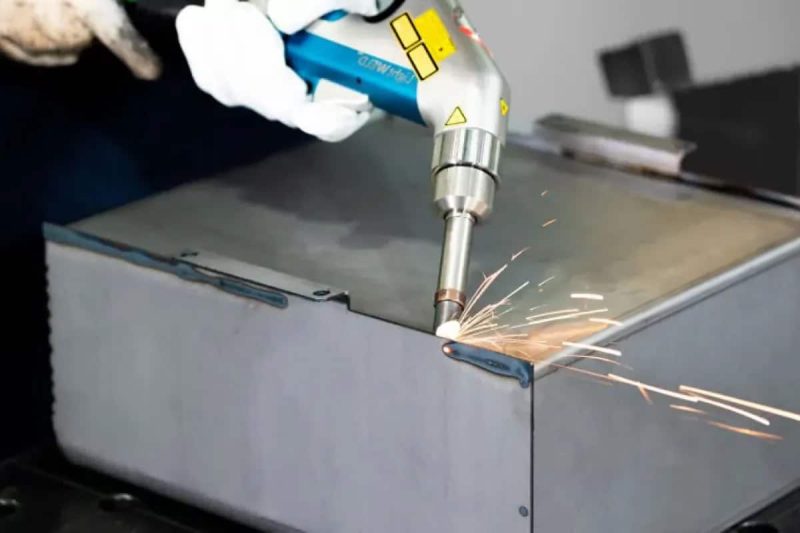
The optimization of laser welding parameters should not rely on empirical estimation but rather adhere to a structured experimental workflow. Power and speed scans constitute the initial step in process development, delineating a feasible process window within a two-dimensional power-speed space. The boundaries of this window are defined jointly by insufficient fusion and burn-through, accompanied by spatter; the optimal operating point should be situated at the center of this window to ensure robustness. When multiple parameters are coupled, Design of Experiments (DOE) methods can efficiently reveal their interactive effects, while modern digital laser systems are capable of automatically executing complex experimental matrices. During the mass production phase, real-time monitoring and adaptive control—by acquiring signals such as back-reflected light, plasma spectra, thermal images, and acoustic emissions—dynamically compensate for process disturbances, such as fluctuations in material surface conditions and variations in gap width, thereby elevating power control from static settings to a closed-loop response.
Structured Experimental Approach
Selecting the optimal laser welding power for a new application should follow a structured experimental approach rather than relying solely on rules of thumb or literature values. Every combination of laser system, material, joint design, fixturing, and shielding environment is unique, and empirical validation is always required.
The first step is to estimate a starting power range based on the material type, thickness, and desired welding mode, using available guidelines and literature as a starting point. A power sweep at a fixed speed — welding a series of short beads at incrementally increasing power levels — provides a rapid overview of the process window. Metallographic cross-sections of each bead reveal how penetration depth, weld width, and defect population change with power, enabling the identification of a working range.
The second step is a speed sweep at the target power level to explore the effect of heat input variation. Together, the power sweep and speed sweep define a two-dimensional process window in power-speed space. The boundaries of this window are defined on the low side by insufficient penetration or lack of fusion, and on the high side by burn-through, excessive spatter, or unacceptable weld geometry. The optimal operating point should be in the center of this window, providing maximum robustness to process variation.
Design of Experiments
For applications where multiple parameters interact — such as power, speed, focal position, beam oscillation frequency and amplitude, and shielding gas flow rate — a formal design of experiments approach is highly recommended. Statistical methods such as fractional factorial designs or response surface methodology allow the effects of all key parameters to be assessed efficiently, revealing interactions that would be missed by single-variable studies.
Modern laser welding systems with digital control interfaces can be programmed to execute complex DOE run matrices automatically, reducing the time required for process development. The response variables — typically weld depth, weld width, porosity count, surface roughness, and tensile or shear strength — are then analyzed statistically to identify the factor settings that optimize the target response while maintaining acceptable values for all other responses.
Monitoring and Adaptive Control
In production environments, maintaining consistent weld quality requires more than simply setting a fixed power level. Process variations — including fluctuations in laser output power, changes in material surface condition, joint gap variation due to part-to-part dimensional variability, and thermal effects on fixturing — can shift the process away from the optimal parameter set. Real-time monitoring and adaptive control systems address this challenge by measuring weld quality indicators in real time and adjusting laser power or other parameters to compensate.
Common monitoring signals include back-reflected light from the weld zone, optical emission spectroscopy of the plasma plume, thermal imaging of the weld pool, and acoustic emission from the keyhole. By correlating these signals with weld quality parameters established during qualification, the monitoring system can detect anomalies and trigger either an alarm or an automatic power adjustment to restore the process to the target operating point.
The essence of process development lies in establishing reliable parameter boundaries amidst uncertainty. An optimal power value derived from a single experiment does not equate to a robust process parameter; the true objective of optimization is to identify an operating range that remains insensitive to various types of disturbances. DOE methods systematize this process, while real-time monitoring extends the benefits of this optimization to every single weld produced in production. The convergence of these three elements—structured experimentation, statistical optimization, and closed-loop control—forms a complete closed loop for modern laser welding process development, representing the indispensable pathway for transitioning from laboratory-scale processes to mass production.
Safety Considerations in Laser Power Selection
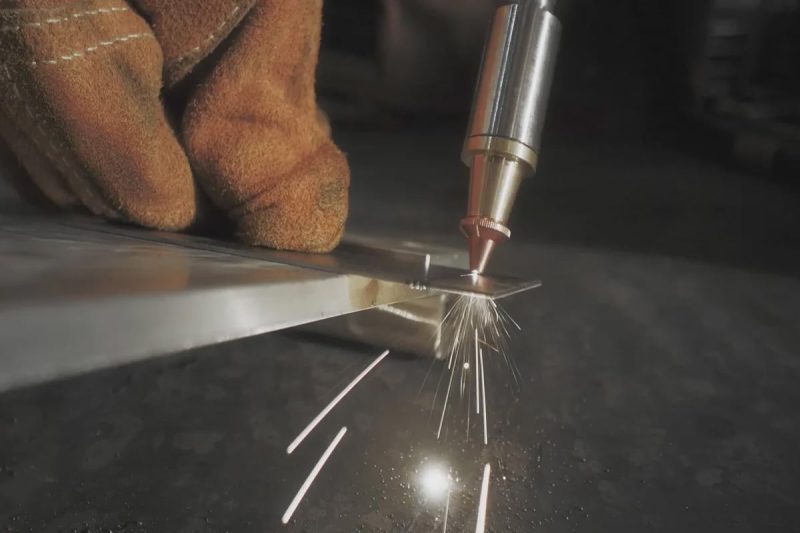
Higher laser power brings not only greater welding capability but also greater potential for harm. Laser safety is a non-negotiable consideration in power selection and system design. All laser welding systems operating above Class 1M safety thresholds — which encompasses virtually all industrial welding laser generators — must be operated with appropriate engineering controls, including interlocked enclosures, beam stops, laser safety eyewear, and training for all operators and maintenance personnel.
When the selected laser power level necessitates the use of a higher-class laser source or requires a system upgrade, an assessment of the associated safety implications must be integrated as an integral part of the selection process. For instance, a fiber laser source operating at a wavelength of 1 micron with an output power of up to 10 kilowatts produces a beam that is invisible to the human eye; should this beam—or its reflection—strike an unprotected eye, it will instantly cause severe and irreversible retinal damage. Furthermore, as power levels increase, the risk of fire hazards rises commensurately; consequently, in high-power operating environments, the control and management of molten metal spatter and welding fumes become particularly critical.
Fume extraction is particularly important in high-power laser welding. The metal vapor and spatter generated by keyhole welding at multiple kilowatts can create significant airborne particulate and fume concentrations. Materials such as galvanized steel, stainless steel, and various coated or plated materials generate fumes that pose serious health risks, including metal fume fever, chronic respiratory disease, and in the case of hexavalent chromium from stainless steel, carcinogenic exposure. Higher power levels require more robust fume extraction systems with appropriate filtration.
Economic Considerations and Power Efficiency
The choice of laser power level also has direct economic implications. Higher-power laser systems cost more to purchase, more to operate, and more to maintain than lower-power systems. Operating costs include electrical power consumption, cooling water consumption, and consumable costs such as protective windows and fibers. A system operating at ten kilowatts with a wall-plug efficiency of thirty percent draws over thirty kilowatts of electrical power at full output, which translates to significant energy costs in continuous production.
However, the economic analysis must also account for the productivity advantages of higher power. Faster welding speeds enabled by higher power reduce cycle time per part, which can significantly reduce the cost per weld even if the hourly operating cost of the system is higher. For high-volume production, the capital investment in a higher-power system is often recovered rapidly through improved throughput.
The energy efficiency of the laser system itself constitutes another critical factor. The wall-plug efficiency of modern fiber and disk lasers typically ranges between 30% and 50%—a figure that significantly outperforms the typical 10% to 15% efficiency levels of traditional carbon dioxide (CO2) lasers. When comparing the total process costs across different laser technologies and power levels, it is imperative to incorporate wall-plug efficiency into the analysis.
Furthermore, from the perspective of efficiency, the laser power output should be matched to actual process requirements as closely as possible. For instance, utilizing a 10 kW laser source at a 20% power output to weld thin sheet materials is less efficient than using a 2 kW laser source operating at full power to accomplish the same task. Whether viewed from the standpoint of energy utilization efficiency or beam quality, operating a laser source near its rated power is invariably preferable to operating it at a significantly derated level.
Common Mistakes in Laser Welding Power Selection
Even experienced engineers make predictable errors in selecting laser welding power. Awareness of these common pitfalls can help avoid costly process development delays and production problems.
One of the most frequent mistakes is treating power as the only adjustable parameter while holding speed constant. Power and speed are coupled parameters, and the best weld is rarely achieved by maximizing power alone. Engineers who progressively increase power, seeking better penetration, often find that they have moved into an unstable regime with excessive spatter, burn-through, or keyhole porosity before recognizing that a combined increase in both power and speed would have yielded better results.
Another common error is neglecting to qualify the process over the full range of expected material variability. Material from different suppliers, or even different heats from the same supplier, can have variations in composition, surface condition, and microstructure that shift the optimal power by ten to twenty percent. A process qualified on a single material lot may perform poorly on subsequent production material if the power window is narrow.
Ignoring the thermal history of the workpiece is another pitfall. The first weld on a cold part behaves differently from subsequent welds on a pre-warmed part. In multi-pass welding or in high-volume production with short cycle times, the heat accumulated from previous welds can shift the optimal power for subsequent passes. Preheat from fixturing, ambient temperature changes between winter and summer, and the difference between welding at the start and end of a production shift are all sources of process drift that require managed power margins.
Finally, many engineers underestimate the importance of focal position accuracy. A shift in focal position by even half a millimeter — due to thermal expansion of the focusing head, part height variation, or workpiece warping during welding — can change the spot size significantly and shift the operating power density across the keyhole threshold. Power selection must include a focal position tolerance analysis to ensure that the process remains within specification across the expected range of part height variation.
Подведем итог
Selecting the right laser welding power is both a science and an engineering art. It requires a solid foundation in the physics of laser-material interaction, a detailed understanding of the thermal and optical properties of the specific material being welded, knowledge of the joint design and its tolerance requirements, awareness of the laser system’s beam quality and focusing capabilities, and practical experience in translating theoretical knowledge into robust production processes.
The key principles are these: power must be selected in conjunction with speed, spot size, and focal position to achieve the desired power density and heat input. Material properties — especially absorptivity, thermal conductivity, and melting point — are primary drivers of the required power level. The welding mode, whether conduction, keyhole, or pulsed, defines the power density range and the achievable weld geometry. Shielding gas, joint design, and surface condition all modulate the effective energy coupling and must be considered when establishing a power set point.
Advanced techniques such as power modulation, beam oscillation, and adaptive control extend the capability of any given laser system and allow power to be managed dynamically in response to real process conditions. Structured process development using experimental design methodology and rigorous metallographic evaluation is the most reliable path to finding a robust operating window.
As laser technology continues to evolve—with the ceaseless emergence of high-brightness fiber lasers, ultrashort-pulse systems, multi-wavelength capabilities, and increasingly sophisticated real-time control systems—the options available to laser welding engineers will become ever more abundant. Nevertheless, a rigorous approach to power selection—one grounded in physical principles, substantiated by experimental validation, and fully cognizant of the complexities inherent in laser-material interactions—will remain the cornerstone of achieving high-quality laser welding for the foreseeable future.
Whether you are welding thin stainless steel foils in a medical device clean room or joining thick aluminum structural members in a shipyard, the careful and informed selection of laser welding power is the single most important decision you will make in setting up your process. The investment in understanding and optimizing this fundamental parameter pays dividends in weld quality, process stability, production efficiency, and, ultimately, the performance and safety of the welded product.
Получите решения для лазерной сварки
Selecting the right laser welding power is only one part of building a successful welding process. Choosing the right equipment partner is equally important. As a professional manufacturer of intelligent laser equipment, we are committed to providing customers around the world with high-performance, reliable, and cost-effective laser welding solutions tailored to their specific production needs.
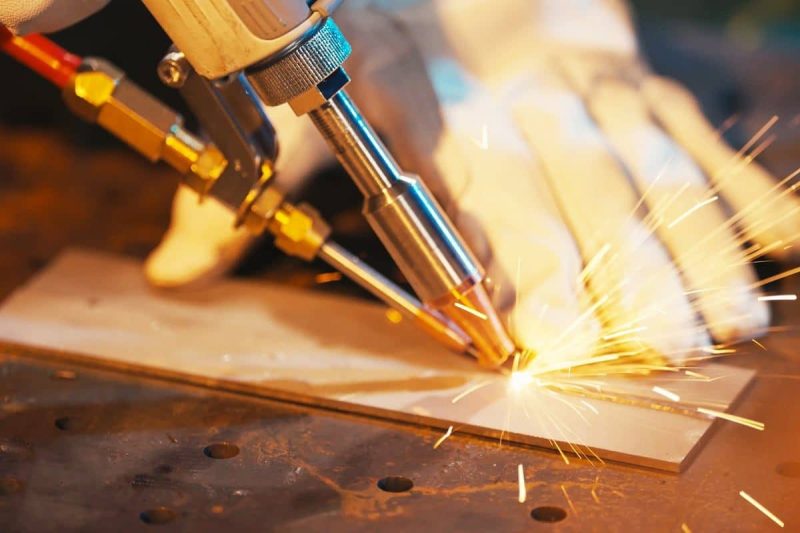
AccTek Laser offers a comprehensive range of laser welding machines — including ручные лазерные сварочные аппараты, автоматические лазерные сварочные аппараты, and robotic laser welding systems — covering power configurations from entry-level units to high-power industrial systems. Whether you are welding thin stainless steel components in the medical device industry, joining aluminum structural parts in the automotive sector, or performing precision copper welding in battery and electronics manufacturing, we have the equipment and expertise to match the right power level and system configuration to your application.
Beyond hardware, we provide full-spectrum technical support throughout the entire project lifecycle. From the initial consultation and application evaluation stage — where our engineers assess your material type, thickness, joint design, and production volume to recommend the optimal power range and system configuration — through installation, commissioning, operator training, and ongoing after-sales service, we stand behind every machine we deliver.
Our engineering team can also assist with process parameter development, helping customers establish robust welding windows for power, speed, focal position, and shielding gas that ensure consistent weld quality across full production runs. For customers with complex or non-standard welding requirements, Актек Лазер offers customized solution development and sample testing services, so you can verify performance before committing to a full production investment.
If you are looking for a laser welding solution that combines precision, productivity, and long-term reliability, contact us today to speak with a laser welding specialist and request a free application consultation.

Контактная информация
- [email protected]
- [email protected]
- +86-19963414011
- Зона № 3 А, промышленная зона Лунчжэнь, город Юйчэн, провинция Шаньдун.
Получить лазерные решения