
















Вредна ли лазерная пылеудаление для человека?
Laser dust removal technology has rapidly gained traction across a wide range of industries — from automotive manufacturing and aerospace engineering to electronics production and cultural heritage restoration. As companies seek faster, more precise, and more environmentally responsible alternatives to traditional cleaning methods, laser systems have emerged as a compelling solution. However, as with any advanced industrial technology, one critical question inevitably arises before adoption: Is laser dust removal harmful to humans?
This is not a question to be dismissed or minimized. In industrial environments where workers interact with laser systems on a daily basis, the health and safety of operators, maintenance personnel, and bystanders must be thoroughly understood. Decision-makers, procurement managers, and safety officers all need accurate, evidence-based answers before integrating this technology into their workflows.
The good news is that when laser dust removal systems are properly designed, correctly installed, and responsibly operated, the risks to human health are manageable and, in many cases, significantly lower than those associated with conventional dust removal methods such as sandblasting, chemical cleaning, or dry abrasive techniques. Nevertheless, the risks are real and should not be ignored. Laser radiation exposure, the release of fine airborne particles and hazardous fumes, thermal effects, and acoustic byproducts all present potential hazards that require proper engineering controls, protective equipment, and operator training.
This comprehensive guide is designed to give industrial buyers, engineers, and safety professionals a complete picture of the health considerations associated with laser dust removal. We will explore how the technology works, what the scientific and regulatory communities say about its risks, how those risks compare to alternative methods, and — most importantly — what concrete steps you can take to ensure that laser dust removal is implemented safely in your facility.
Whether you are evaluating laser cleaning systems for the first time or seeking to upgrade your existing safety protocols, this guide provides the detailed, authoritative information you need to make informed decisions with confidence.
Оглавление
What Is Laser Dust Removal?
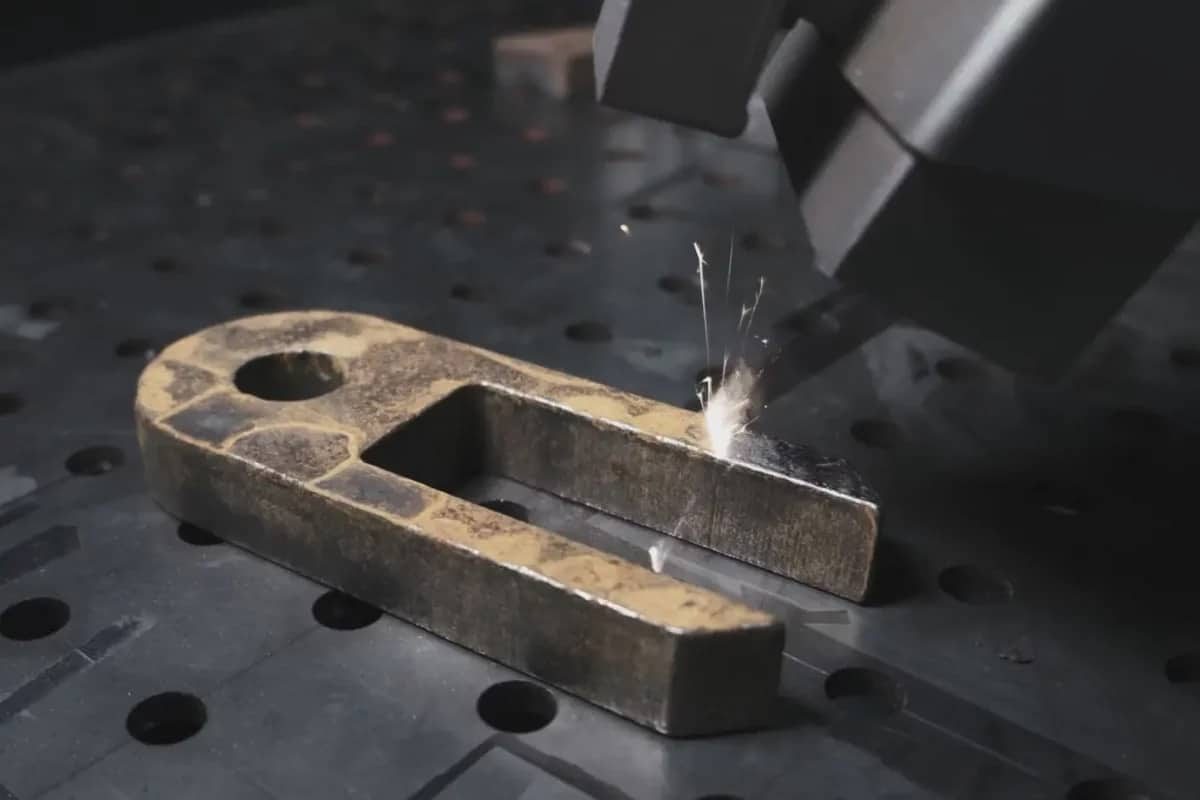
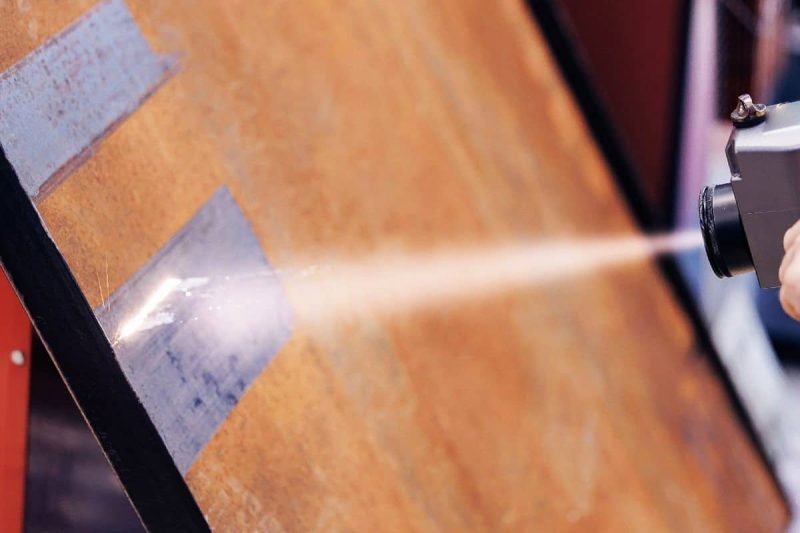
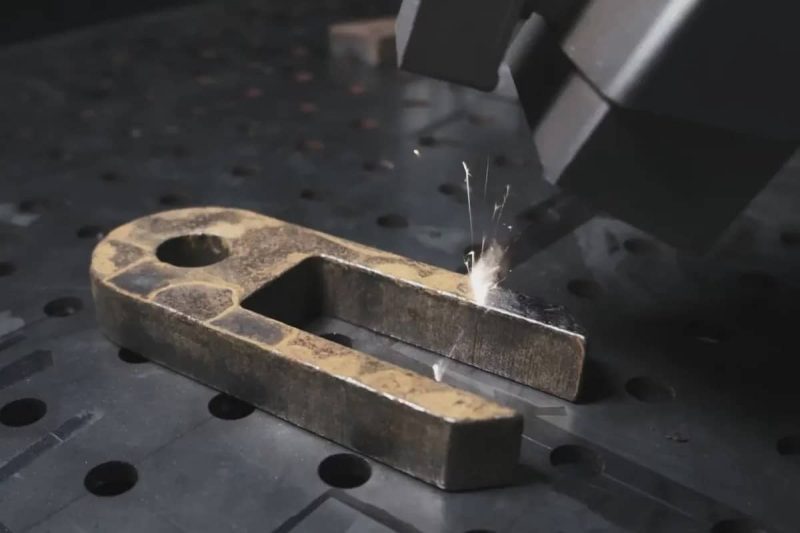
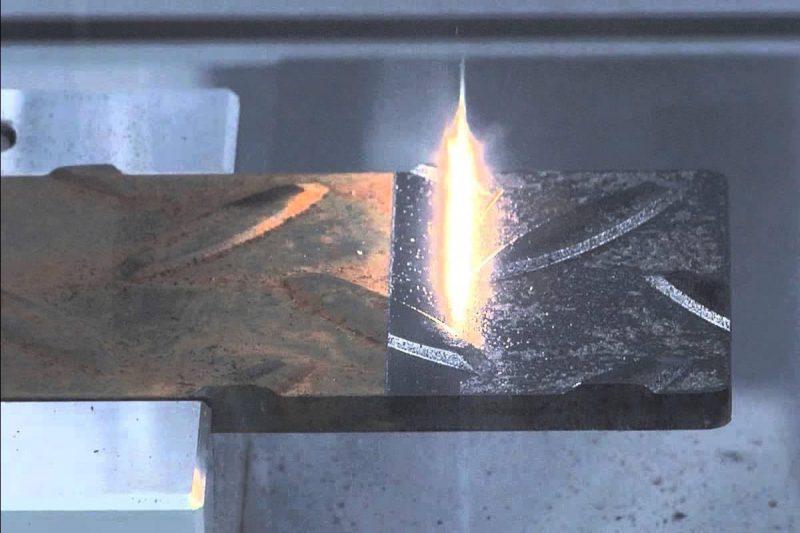
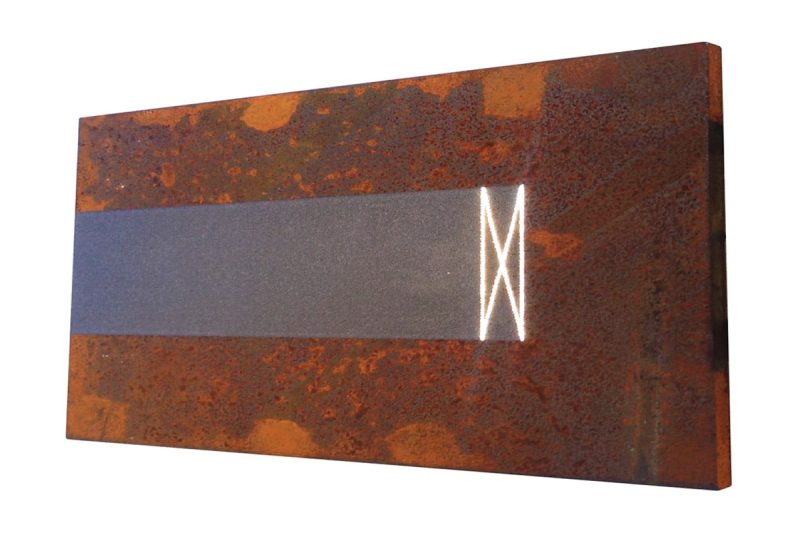
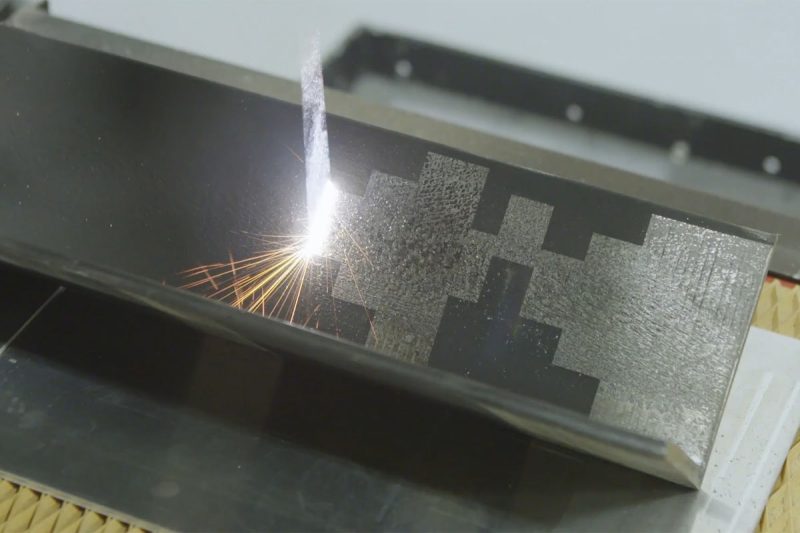
Laser dust removal, also commonly referred to as laser cleaning or laser surface cleaning, is a non-contact material processing technique that uses high-energy pulsed or continuous-wave laser beams to remove contaminants, dust, oxides, rust, paint, coatings, and other unwanted substances from the surface of a material. Unlike mechanical abrasion or chemical dissolution, laser cleaning works by directing concentrated light energy at a surface, causing contaminants to absorb the energy and either evaporate, sublimate, or be ejected from the substrate through processes known as ablation and photodecomposition.
The laser beam is precisely controlled in terms of wavelength, pulse duration, repetition rate, and energy density — parameters that are carefully tuned to match the specific contaminant and substrate combination. This precision makes laser cleaning highly selective: it can remove a thin layer of rust or oxide from a metal surface without damaging the underlying material, or strip paint from a composite panel without affecting the structural integrity of the part.
Laser dust removal systems range from compact handheld units used for delicate restoration work to large, robotic, fully enclosed industrial systems capable of processing heavy manufacturing components at high throughput. The technology is used across industries, including automotive, shipbuilding, aerospace, semiconductor manufacturing, nuclear decommissioning, art conservation, and food packaging.
One of the most appealing attributes of laser cleaning is its environmental profile. Because it requires no consumable abrasive media and typically eliminates the need for chemical solvents, it produces far less secondary waste than many traditional cleaning methods. This aligns well with the sustainability goals of modern manufacturers and positions laser dust removal as a forward-looking technology. However, its interaction with materials — particularly the generation of fine particles and fumes during ablation — is precisely where its primary human health considerations originate.
Laser dust removal, also commonly referred to as laser cleaning or laser surface cleaning, is a non-contact material processing technique that uses high-energy pulsed or continuous-wave laser beams to remove contaminants, dust, oxides, rust, paint, coatings, and other unwanted substances from the surface of a material. Unlike mechanical abrasion or chemical dissolution, laser cleaning works by directing concentrated light energy at a surface, causing contaminants to absorb the energy and either evaporate, sublimate, or be ejected from the substrate through processes known as ablation and photodecomposition.
How Does Laser Dust Removal Work?
To understand the health risks associated with laser dust removal, it is first necessary to understand the physical mechanisms at play during the cleaning process. When a laser beam strikes a contaminated surface, several phenomena can occur depending on the energy density, pulse duration, and the optical properties of both the contaminant and the substrate.
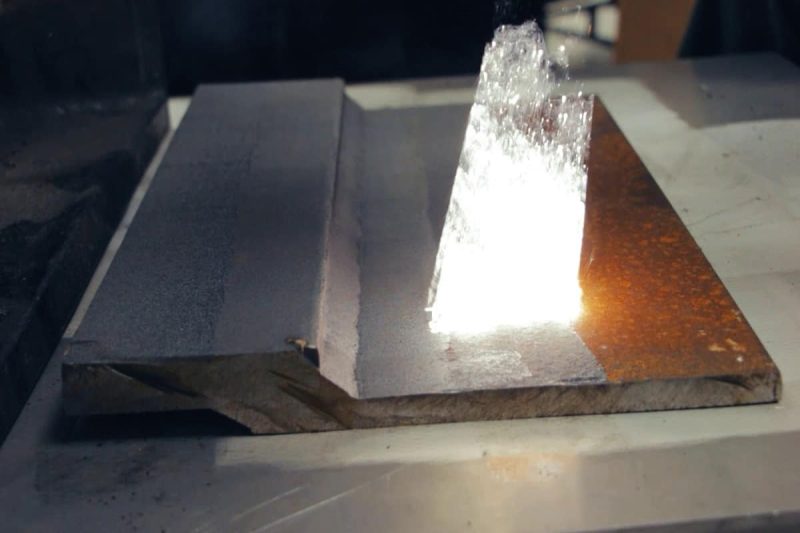
The primary mechanism is laser ablation. In this process, the contaminant absorbs the laser energy more readily than the underlying substrate — a selectivity that is engineered through careful choice of laser wavelength and pulse parameters. As the contaminant absorbs energy, it heats rapidly, undergoes phase transitions, and is expelled from the surface. Depending on the material, this ejection can take the form of vaporization, spallation (mechanical fragmentation), photochemical decomposition, or a combination of all three.
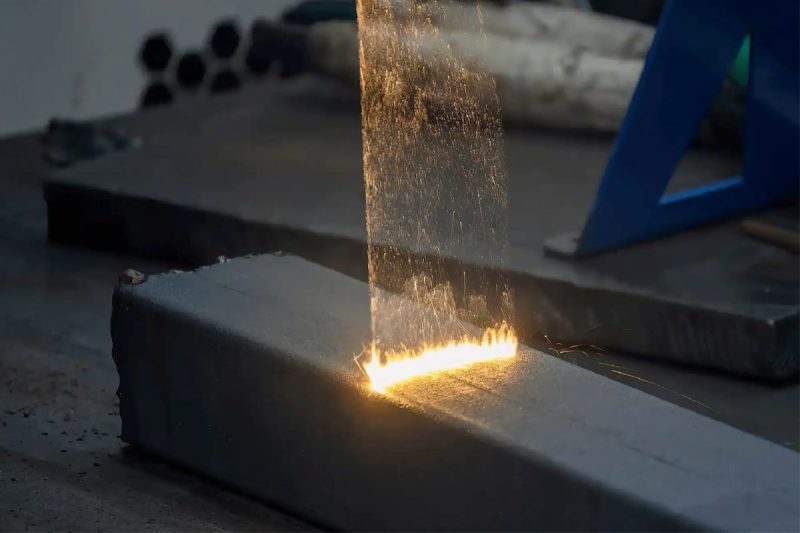
A secondary process is the formation of a plasma plume. At very high laser energy densities, the ablated material and surrounding air can become ionized, forming a brief plasma cloud above the surface. This plasma can emit ultraviolet radiation, visible light, and heat, all of which represent additional safety considerations in the immediate vicinity of the cleaning zone.
From the perspective of human health, the most consequential output of the laser ablation process is the generation of airborne particles and gaseous byproducts. As contaminants are vaporized or fragmented, they release ultrafine particles — often in the nanometer to micrometer size range — into the surrounding air. Depending on the material being cleaned, these particles may include metal oxides, carbon compounds, volatile organic compounds (VOCs), or other hazardous substances.
Understanding these physical outputs is essential for designing appropriate engineering controls and establishing safe working conditions. It is not the laser beam itself that represents the greatest risk to most workers in a properly configured facility — it is the secondary byproducts of the ablation process that demand rigorous attention.
Вредна ли лазерная пылеудаление для человека?
This is the central question, and it deserves a thorough, nuanced answer. The short answer is: laser dust removal carries real but manageable health risks when proper precautions are taken. The technology is not inherently more dangerous than many other industrial processes, and in several respects it is considerably safer than the methods it replaces. However, specific hazards exist that must be understood and controlled.
Health risks from laser dust removal fall into four primary categories: laser radiation exposure, airborne particle and fume inhalation, thermal and fire hazards, and acoustic noise. Each of these categories carries its own risk profile, affected populations, and mitigation strategies.
Laser Radiation Risks
The most obvious hazard associated with any laser system is, undoubtedly, the laser beam itself. Industrial-grade laser cleaning systems typically operate within the infrared spectrum (where Nd: YAG and fiber lasers most commonly utilize a wavelength of 1064 nm), or within the visible and ultraviolet spectral bands (primarily found in certain excimer lasers and green laser systems). Different wavelengths pose distinct risks to the human body.
Infrared laser radiation at 1064 nm is particularly hazardous to the eyes because it is invisible to the naked eye and does not trigger the natural blink reflex. A brief, accidental exposure to a focused infrared laser beam can cause severe and permanent retinal damage before the operator even becomes aware of the exposure. At very high power levels, skin burns are also possible, though the threshold for skin damage is considerably higher than for eye damage.
Ultraviolet laser radiation—such as that emitted by excimer lasers used in certain precision cleaning applications—presents a distinct set of risks. UV radiation is strongly absorbed by the cornea and lens of the eye, making it a primary cause of cataracts and photokeratitis (a painful inflammation of the cornea akin to sunburn). Furthermore, UV radiation can penetrate the skin; prolonged and repeated exposure may lead to DNA damage, thereby theoretically increasing the risk of developing skin cancer.
In open-beam or semi-enclosed systems, the risk of direct exposure to the laser beam is most significant. Conversely, in fully enclosed automated systems—where the laser source operates within a protective enclosure equipped with interlocked safety doors (or access panels)—operators are never directly exposed to laser radiation during normal operation. However, risk levels rise during activities such as equipment maintenance, optical path alignment, and troubleshooting; for this very reason, the presence of a professionally trained Laser Safety Officer (LSO) and the strict enforcement of Lockout/Tagout (LOTO) procedures constitute indispensable, critical elements of any laser safety management program.
Laser systems are classified according to international standards (IEC 60825-1 in Europe and ANSI Z136.1 in the United States) into Classes 1 through 4 based on their potential to cause harm. Most industrial laser cleaning systems fall into Class 4 — the highest hazard class — because of their high power output. This classification does not mean the systems are unsafe; rather, it means they require the highest level of administrative and engineering controls to be used safely.
Appropriate laser safety eyewear (also called laser protective eyewear or LPE) with optical density (OD) ratings matched to the specific wavelength and power level of the laser is a non-negotiable requirement for personnel working in any environment where Class 3B or Class 4 laser radiation may be present. It is equally important that eyewear is inspected regularly for damage and replaced when the optical density can no longer be assured.
Airborne Particle and Fume Hazards
The generation of airborne particles and fumes during laser ablation is arguably the most significant and widely relevant health hazard for workers in laser dust removal environments. This is because, unlike direct beam exposure — which can be largely eliminated through engineering controls such as enclosures and interlocks — the generation of particles is an inherent byproduct of the cleaning process itself.
When contaminants such as rust, paint, grease, organic residues, or composite coatings are ablated by the laser, they are released into the air as a complex mixture of particles and gases. The particle size distribution typically spans several orders of magnitude, from coarse particles (greater than 10 micrometers in aerodynamic diameter) down through fine particles (PM2.5, less than 2.5 micrometers) and ultrafine or nanoparticles (less than 0.1 micrometers, also referred to as 100 nanometers).
This distinction in particle size is critically important from a health perspective. Coarse particles are efficiently filtered by the nose and upper respiratory tract and are generally cleared by the body’s natural mucociliary mechanisms. Fine particles (PM2.5) can penetrate deeper into the lungs and reach the alveolar region, where they can cause inflammation and impair gas exchange. Ultrafine nanoparticles are of greatest concern because they can bypass lung defenses entirely, enter the bloodstream, and potentially reach the brain, heart, and other organs. The health effects of chronic nanoparticle exposure are an active area of research, and while definitive long-term data is still emerging, there are sufficient evidence to treat nanoparticle exposure as a serious occupational health hazard.
The chemical composition of the particles generated depends entirely on the material being cleaned. Cleaning lead-based paint generates lead-containing particles, which are highly toxic even in small quantities. Cleaning galvanized steel releases zinc oxide fumes, which can cause metal fume fever — a flu-like illness characterized by chills, fever, muscle aches, and headache. Ablating chromium-containing alloys or stainless steel can release hexavalent chromium compounds, which are classified as known human carcinogens by the International Agency for Research on Cancer (IARC) and are subject to strict occupational exposure limits in most jurisdictions. Cleaning epoxy or polymer-based coatings releases volatile organic compounds and isocyanates, which are potent respiratory sensitizers.
The gaseous byproducts of laser ablation add another layer of complexity. Ozone (O3) is generated when high-energy laser radiation — particularly in the UV range — interacts with ambient oxygen. Ozone is a powerful oxidant that irritates the respiratory tract, causes chest tightness and coughing at low concentrations, and can cause serious lung damage at elevated levels. Carbon monoxide (CO), nitrogen oxides (NOx), and hydrogen fluoride (HF, when fluorinated polymers are involved) are among the other potentially hazardous gases that can be produced depending on the substrate and contaminant.
The control of airborne particles and fumes from laser dust removal is accomplished primarily through local exhaust ventilation (LEV) — a system that captures the laser plume and fume cloud at or very near the source and draws it through a filtration system before the air is either recirculated or exhausted to the outdoors. An effective LEV system for laser dust removal typically incorporates multiple filtration stages: a pre-filter to capture coarse particles, a high-efficiency particulate air (HEPA) filter rated to capture at least 99.97% of particles 0.3 micrometers in diameter, and an activated carbon stage to adsorb gaseous contaminants, including VOCs and ozone. For applications involving highly toxic materials such as lead, hexavalent chromium, or radioactive contaminants, additional specialized filtration may be required.
The positioning and airflow rate of the LEV system are critical to its effectiveness. If the capture hood is positioned too far from the ablation zone, or if the airflow rate is insufficient to overcome the momentum of the laser plume, significant quantities of fume and particles can escape capture and enter the operator’s breathing zone. Computational fluid dynamics (CFD) modeling and empirical airflow measurements are valuable tools for validating LEV system performance in specific installation geometries.
Thermal and Fire Hazards
Laser dust removal processes involve the delivery of concentrated energy to a surface, and thermal hazards are an inherent part of any such process. The ablated material expelled from the surface during cleaning is often incandescent — briefly glowing at very high temperatures — and can travel as sparks or molten droplets for distances of several centimeters to several meters, depending on the laser power and the material properties.
In environments where flammable materials, solvents, dust accumulations, or combustible gases are present, these sparks represent a genuine fire and explosion risk. Industrial facilities where laser cleaning is used must assess this risk carefully and implement appropriate hot work controls, including the removal of combustible materials from the work area, use of fire-resistant shielding and curtains, availability of fire suppression equipment, and permit-to-work systems where applicable.
For operators, thermal hazards manifest primarily as the risk of skin burns from accidental direct beam exposure or from contact with hot workpieces following laser treatment. Appropriate personal protective equipment (PPE), including flame-resistant (FR) clothing and heat-resistant gloves for workpiece handling, addresses these risks.
Noise and Acoustic Risks
Although less commonly discussed than radiation or particle hazards, the acoustic environment in laser dust removal operations deserves consideration. High-power pulsed laser systems generate a characteristic crackling or popping sound during ablation — the acoustic signature of rapid material ejection and plasma formation. In enclosed production environments, this noise, combined with the sound of ventilation systems, compressed air supplies, and other industrial equipment, can contribute to elevated noise levels that may exceed occupational exposure limits over the course of a working shift.
Routine noise level assessments should be conducted in any facility where laser cleaning is performed, and hearing protection should be provided where noise levels exceed regulatory thresholds. Many jurisdictions set the action level for hearing protection programs at 85 dB(A) averaged over an 8-hour workday, with mandatory hearing protection required above 90 dB(A).
Who Is Most at Risk?
Not all personnel in a laser dust removal environment face the same level of risk. The risk profile varies significantly depending on an individual’s role, proximity to the laser system, duration of exposure, and the nature of the materials being processed.
Laser operators who work directly with handheld or semi-automated laser cleaning systems face the highest cumulative exposure to all categories of hazard: laser radiation, particles, fumes, thermal effects, and noise. These individuals require the most comprehensive training and the full suite of PPE appropriate to the specific hazards present.
Maintenance technicians who perform beam alignment, optics cleaning, filter replacement, and system servicing face elevated laser radiation risks — particularly during tasks that require accessing the beam path — as well as potential exposure to accumulated contaminated material inside the fume extraction system, which can concentrate hazardous substances over time.
Bystanders and other workers in the same facility face lower but non-negligible risks, particularly if engineering controls such as enclosures and LEV systems are inadequate. Stray reflections from partially reflective surfaces, fugitive fume emissions from overwhelmed filtration systems, and noise propagation can all affect workers who are not directly involved in the laser cleaning operation.
Supervisors, managers, and visiting personnel who enter the laser-controlled area without proper training and PPE are also at risk, which is why clearly defined laser-controlled areas with appropriate warning signs, access controls, and entry procedures are essential elements of a laser safety program.
Laser dust removal is a manageable industrial process, but it presents four primary categories of health hazards: laser radiation, airborne particles, thermal/fire risks, and acoustic noise. The most critical concerns are invisible infrared beam exposure, which can cause permanent retinal damage, and the inhalation of toxic ultrafine particles (nanoparticles) generated during ablation. Chemical risks vary by substrate, potentially releasing carcinogens like hexavalent chromium or lead. To ensure safety, facilities must implement a multi-layered defense: using high-OD laser safety eyewear, installing local exhaust ventilation (LEV) with HEPA and carbon filters, and establishing strict “hot work” protocols to prevent fires. With proper engineering controls and PPE, the technology is often safer than traditional chemical or abrasive methods, but rigorous training and system maintenance remain non-negotiable for operator health.
Safety Standards and Certifications
The regulatory and standards landscape for laser safety and industrial air quality is extensive and varies by jurisdiction. Understanding the key standards relevant to laser dust removal is essential for buyers evaluating equipment and for safety professionals designing safe operating environments.
IEC 60825-1, published by the International Electrotechnical Commission, is the internationally recognized standard for laser product safety. It defines the laser classification system (Classes 1 through 4), specifies the technical requirements for laser product labeling, and provides guidance on safety measures for different laser classes. Equipment sold in the European Union must comply with this standard as part of the CE marking process.
In the United States, the American National Standards Institute (ANSI) standard Z136.1 — Safe Use of Lasers — is the primary guidance document for laser safety programs. ANSI Z136.1 defines the maximum permissible exposure (MPE) levels for eyes and skin at various wavelengths and pulse durations, establishes the concept of the nominal hazard zone (NHZ), and provides detailed guidance on engineering controls, administrative controls, and PPE selection. The ANSI Z136 series includes additional standards for specific application environments, including Z136.3 for healthcare settings and Z136.9 for manufacturing environments.
Occupational exposure limits (OELs) for airborne contaminants generated during laser cleaning are governed by a combination of national workplace health regulations and guidance from organizations such as the American Conference of Governmental Industrial Hygienists (ACGIH), which publishes annual threshold limit values (TLVs) for hundreds of specific substances, and the National Institute for Occupational Safety and Health (NIOSH) in the United States.
The European Union’s Chemical Agents Directive (2000/39/EC) and the Carcinogens and Mutagens Directive (2004/37/EC) establish binding occupational exposure limit values for substances including hexavalent chromium compounds, lead, and other hazardous materials that may be generated during laser ablation.
For laser cleaning equipment manufacturers, CE marking under the Machinery Directive (2006/42/EC) and the Low Voltage Directive (2014/35/EU) confirms that the equipment has been designed and tested in accordance with applicable safety requirements. Buyers in export markets outside Europe should verify that equipment carries the relevant national certifications, such as FDA 510(k) clearance for certain laser products in the United States or CCC certification in China.
When evaluating laser dust removal equipment, buyers should request documentation confirming the laser class designation, a copy of the manufacturer’s safety data and risk assessment, details of the fume extraction system’s filtration efficiency and rated airflow, information on available safety interlocks and emergency stop functions, and confirmation that the equipment complies with applicable local and international standards.
How to Safely Operate Laser Dust Removal Equipment
Establishing a safe laser dust removal operation requires a systematic approach that combines engineering controls, administrative controls, and personal protective equipment in a hierarchical framework known as the hierarchy of hazard controls. Engineering controls — measures that physically eliminate or reduce the hazard at the source — are always prioritized over administrative controls (policies and procedures) and PPE, which are considered the last line of defense.
The first and most important engineering control is enclosure. Fully enclosed laser cleaning systems, in which the laser process takes place inside a protective housing with interlocked access panels, eliminate the risk of direct beam exposure for operators working outside the enclosure during normal operation. When fully enclosed systems are not practical — for example, in large-scale or in-situ cleaning applications where the workpiece cannot be moved into an enclosure — partial enclosures, laser curtains, and beam stops must be used to limit the extent of the laser-controlled area.
Local exhaust ventilation is the second critical engineering control, addressing the particle and fume hazards generated by the ablation process. As described in the earlier section on particle hazards, an effective LEV system must be properly designed, positioned, and maintained to provide reliable capture of the laser plume. Filter elements — particularly HEPA filters — must be inspected and replaced on a schedule that ensures their efficiency does not degrade below rated performance. Filter replacement itself is a potentially hazardous task if the captured material is toxic, and appropriate PPE and disposal procedures must be in place.
From an administrative standpoint, the appointment of a qualified Laser Safety Officer (LSO) is a requirement under both ANSI Z136.1 and the laser safety regulations of many countries. The LSO is responsible for overseeing all aspects of the facility’s laser safety program, including hazard evaluation, control implementation, personnel training, medical surveillance, and incident investigation. The LSO must be knowledgeable about laser physics, the biological effects of laser radiation, applicable regulations, and practical safety measures.
All personnel who work with or near laser cleaning systems must receive training appropriate to their role before they are permitted to enter the laser-controlled area. Operator training should cover the operating principles of the specific laser system, the nature and location of all hazards, the function and use of all safety controls and emergency stop mechanisms, the correct use and care of all required PPE, and the procedures to follow in the event of an incident or emergency. Training records should be maintained, and training should be refreshed on a regular schedule — typically annually — or whenever there is a significant change in the laser system, the materials being processed, or the operating procedures.
Medical surveillance — periodic health monitoring of workers who may be exposed to specific occupational hazards — is required under the regulations of many jurisdictions for workers exposed to laser radiation and certain airborne contaminants. Baseline and periodic eye examinations by a qualified eye care professional are recommended for all laser operators working with Class 3B and Class 4 systems. Respiratory function monitoring may be appropriate for workers with long-term exposure to complex fume mixtures, particularly in applications involving materials with known respiratory hazards.
Personal protective equipment for laser dust removal operators typically includes laser safety eyewear with appropriate optical density for the laser wavelength and maximum power level, a properly fitted N95 or higher respirator (or a powered air-purifying respirator with appropriate filter selection) when the LEV system cannot guarantee adequate control of airborne particles and fumes, flame-resistant (FR) clothing and UV-blocking skin protection when appropriate, and hearing protection where noise levels exceed regulatory thresholds.
Laser Dust Removal vs. Traditional Methods: A Safety Perspective
A balanced assessment of laser dust removal safety must include a comparison with the traditional dust and surface cleaning methods it is often chosen to replace. In many respects, laser cleaning offers significant safety advantages over conventional techniques, and understanding these advantages is an important context for evaluating the technology’s overall risk profile. It is also worth noting that “traditional” does not mean “simpler” from a safety standpoint — many legacy cleaning methods carry severe, well-documented occupational health consequences that have driven regulators and industry leaders to actively seek alternatives.
Sandblasting and Abrasive Blasting
Sandblasting and other abrasive blasting methods generate enormous quantities of airborne particles during operation. The particles include both the abrasive media — which may itself be hazardous — and the fragmented contaminant material dislodged from the substrate. Silica sand, one of the most historically common blasting media, is a well-established cause of silicosis, a progressive, irreversible, and potentially fatal fibrotic lung disease caused by the inhalation of crystalline silica dust. Silicosis has no cure, and tens of thousands of workers worldwide continue to develop the disease each year despite decades of regulatory effort. Many countries have now banned or severely restricted the use of silica sand as a blasting medium, but substitutes such as garnet, steel grit, and coal slag carry their own particle hazard profiles and require equivalent respiratory protection measures.
Beyond the abrasive media itself, the particles generated by abrasive blasting include fragmented paint, rust, and coating material from the workpiece surface. In applications such as bridge maintenance, shipyard work, or industrial plant refurbishment, these particles may contain lead from historical paint layers, chromium compounds from corrosion-resistant coatings, or asbestos from legacy insulation materials — each representing a serious occupational and environmental contamination hazard. Abrasive blasting operations are also among the noisiest activities in industrial settings, frequently exceeding 100 dB(A) at the operator’s ear — well above the 85 dB(A) action level and the 90 dB(A) permissible exposure limit established under OSHA regulations and equivalent international standards. The generation and disposal of spent abrasive media creates substantial secondary waste streams that must be sampled, classified, and managed as potentially hazardous material under environmental regulations.
Chemical Cleaning Methods
Chemical cleaning methods — including acid pickling, solvent degreasing, alkaline washing, and phosphate conversion coating — introduce a different but equally serious set of risks. Workers handling concentrated acids and alkalis face the risk of severe chemical burns to the skin and eyes, and toxic vapor inhalation from volatile solvents and acid fumes is a persistent hazard in poorly ventilated workspaces. Many of the solvents historically central to industrial degreasing operations — including trichloroethylene, perchloroethylene, and methylene chloride — are now classified as confirmed or probable human carcinogens by IARC and are subject to stringent use restrictions or outright bans in the European Union and an increasing number of other jurisdictions. Even where these solvents remain legally permitted, the administrative burden of maintaining compliant exposure monitoring programs, waste disposal documentation, and regulatory reporting has made them economically unattractive for many manufacturers.
Chemical cleaning also generates liquid waste streams that require treatment before discharge or off-site disposal. Rinse waters contaminated with heavy metals, spent acid baths, and solvent-laden waste are regulated as hazardous waste in most jurisdictions, and the liability associated with improper disposal is considerable. The total cost of chemical cleaning — when regulatory compliance, waste management, and liability exposure are fully accounted for — is frequently higher than it first appears.
Other Conventional Methods
Dry ice blasting uses solid carbon dioxide pellets propelled at high velocity to dislodge surface contaminants. While it eliminates abrasive media waste, it introduces risks of CO2 asphyxiation in enclosed or poorly ventilated spaces, as the sublimating dry ice rapidly elevates ambient CO2 concentrations. Cryogenic handling risks — including cold burns from contact with dry ice at −78.5°C — are also relevant. Ultra-high-pressure water jetting, used for scale removal and surface preparation in heavy industry and marine environments, presents severe ergonomic hazards from the reaction forces of high-pressure hoses, as well as risks of injection injuries — a medical emergency in which water penetrates the skin at pressures exceeding a few hundred bar. Ultrasonic cleaning, while effective for precision components, generates aerosols of the cleaning fluid that may contain dissolved contaminants, and the ultrasonic transducers produce significant acoustic energy that, at high power levels, can contribute to occupational noise exposure.
The Laser Advantage in Context
Compared to all of these methods, laser dust removal produces no abrasive media waste, requires no chemical solvents, and generates a relatively contained volume of fume and particle byproduct that — with a properly designed and maintained local exhaust ventilation system — can be efficiently captured and filtered at the source. The noise levels from машины для лазерной очистки are generally lower than those from abrasive blasting and comparable to or lower than those from high-pressure water jetting. The precision and selectivity of laser cleaning reduce the risk of over-processing and unintended substrate damage, which in turn reduces the likelihood of creating secondary hazards through uncontrolled material removal or structural weakening of the workpiece.
From a waste management and environmental compliance standpoint, laser cleaning is markedly simpler. The primary waste output is the filtered fume extraction media — HEPA filters and activated carbon cartridges — which must be disposed of appropriately based on the hazard classification of the captured material, but which represent a far smaller volume and simpler waste stream than the spent media and liquid waste generated by abrasive or chemical methods.
It is important to be clear that this comparison does not position laser cleaning as risk-free. The hazards described earlier in this guide — laser radiation, airborne nanoparticles, fume toxicity, and fire risk — are genuine and must be controlled rigorously. However, for most industrial cleaning applications, when the full occupational health and safety burden of each method is honestly evaluated across the entire operating lifecycle — including worker exposure, waste management, regulatory compliance, and long-term liability — laser dust removal consistently emerges as a technically superior and occupationally safer alternative to the methods it is replacing.
Industry Applications and Their Specific Safety Profiles
The safety considerations for laser dust removal are not uniform across all applications. The specific hazards present depend heavily on the materials being cleaned, the scale of the operation, and the environment in which the cleaning takes place. Understanding how safety requirements vary across key industry sectors helps buyers and safety professionals calibrate their controls appropriately. In the automotive industry, laser cleaning is widely used for pre-weld surface preparation, paint stripping for vehicle maintenance and collision repair, and cleaning of precision components such as fuel injectors and brake calipers. The primary fume hazards in automotive applications depend on the coatings and materials involved — paint stripping generates VOCs and isocyanates, while cleaning galvanized steel body panels releases zinc oxide fumes. Automotive production environments are typically well-equipped with general ventilation infrastructure, but a dedicated LEV for laser cleaning workstations is still essential.
In the aerospace sector, laser cleaning is used for the removal of paint, corrosion products, and adhesive residues from aluminum alloys, titanium, and composite structures. Aluminum oxide and titanium oxide particles are the primary particle hazards, and beryllium — present in some aerospace aluminum alloys — represents a special high-toxicity concern that mandates the highest levels of engineering controls and personnel monitoring.
In electronics manufacturing, laser cleaning is used for precision removal of flux residues, oxides, and contamination from PCBs, connectors, and semiconductor substrates. The particle sizes generated in precision electronics cleaning tend to be very fine — including a high proportion of nanoparticles — and the chemical complexity of the materials being ablated can be significant. Specialized nanoparticle filtration and cleanroom-compatible LEV systems are important in these environments.
In nuclear decommissioning and remediation, laser cleaning is used to remove radioactive contamination from structural surfaces, enabling significant reductions in the volume of radioactive waste requiring disposal. This application demands an additional layer of radiological safety controls on top of standard laser safety measures, including radiation monitoring, strict contamination control procedures, and specialized waste handling.
In art conservation and heritage restoration, laser cleaning is used to remove soiling, biological growth, and inappropriate past restoration materials from stone, metal, painted surfaces, and manuscripts. While the power levels and particle generation rates are much lower than in industrial applications, the importance of controlling the fine-particle environment in conservation studios — where both conservators and objects are at risk — remains significant.
Краткое содержание
Laser dust removal is a powerful, precise, and increasingly indispensable technology in modern industrial cleaning and surface preparation. Like all high-energy industrial processes, it presents real health and safety challenges that must be taken seriously and addressed through a comprehensive, systematic approach. But to answer the fundamental question directly: laser dust removal is not inherently harmful to humans when it is properly designed, correctly installed, and responsibly operated.
The primary health risks — laser radiation to the eyes and skin, inhalation of airborne particles and fumes, thermal hazards, and noise — are well understood, scientifically characterized, and addressed by established international safety standards and regulatory frameworks. Engineering controls such as beam enclosures, interlocked access panels, and local exhaust ventilation with HEPA and activated carbon filtration address the most significant hazards at the source. Administrative controls, including trained Laser Safety Officers, comprehensive operator training programs, and rigorous lockout/tagout procedures, provide the procedural framework for safe daily operation. Personal protective equipment — laser safety eyewear, respiratory protection, and flame-resistant clothing — serves as the final line of defense for individual workers.
Compared to many of the traditional cleaning and dust removal methods that laser technology replaces — including silica sandblasting, chlorinated solvent cleaning, and chemical stripping — laser dust removal often represents a significant improvement in the occupational health and safety profile of industrial cleaning operations, as well as a reduction in secondary waste generation and environmental impact.
The key takeaway for industrial buyers and safety professionals is that the technology’s safety record is a function of implementation quality, not an inherent property of the laser itself. A poorly configured, inadequately ventilated, and improperly supervised laser cleaning operation is genuinely hazardous. A well-designed, properly equipped, and professionally managed laser cleaning facility is safe, productive, and responsible. The investment in proper engineering controls, training, and safety infrastructure is not merely a regulatory compliance obligation — it is the foundation upon which productive, sustainable, and legally defensible laser cleaning operations are built.
As with any strategic capital investment in industrial equipment, the decision to adopt laser dust removal technology should be made with complete information. This guide has aimed to provide that information on the safety dimension. For technical specifications, application suitability, regulatory compliance documentation, and integration support, we invite you to consult with our engineering team.
Получите решения для лазерной очистки
If you are evaluating laser dust removal technology for your facility, you already understand that the right solution is more than just a laser source — it is a complete system engineered for your specific application, material, throughput requirements, and safety environment. Актек Лазер designs and supplies laser cleaning systems for a wide range of industrial applications, backed by deep application engineering expertise and a commitment to safety that goes beyond minimum regulatory compliance.
Our laser dust removal solutions are available across a spectrum of configurations, from compact and portable handheld systems designed for maintenance and restoration work to fully automated, high-throughput production line systems with integrated fume extraction, real-time process monitoring, and robotic beam delivery. All of our systems are engineered to meet or exceed the requirements of IEC 60825-1, CE Directive compliance, and the applicable occupational health standards of your target market.
We understand that adopting a new surface cleaning technology involves more than a purchase decision. It requires thorough application testing to confirm the laser parameters that achieve the desired cleaning result without substrate damage, a safety risk assessment for your specific facility and materials, integration with your existing production workflow and quality management systems, and training for your operators and safety personnel. Our application engineering team is available to support all of these requirements, from initial feasibility testing in our demonstration laboratory through to on-site commissioning, operator training, and ongoing technical support.
We also understand that our customers operate in global markets with diverse regulatory environments. Our documentation package for each system includes the technical files required to support CE marking, laser class certification, and the safety data sheets needed by your internal environmental health and safety team. Where specific local regulatory requirements apply — whether in the European Union, North America, Southeast Asia, or the Middle East — our team has the experience to support your compliance process.
Safety is not a feature we add at the end of the design process — it is a design requirement that shapes every aspect of our laser cleaning systems from the ground up. If you are ready to explore how laser dust removal can transform your cleaning process — safely, efficiently, and sustainably — we invite you to contact us today to schedule a consultation, request a system demonstration, or discuss your specific application requirements with one of our laser cleaning specialists. Связаться с нами now to receive a customized laser dust removal solution proposal tailored to your industry, materials, and safety requirements. Our team typically responds within one business day, and we are proud to serve customers in over 120 countries worldwide.

Контактная информация
- [email protected]
- [email protected]
- +86-19963414011
- Зона № 3 А, промышленная зона Лунчжэнь, город Юйчэн, провинция Шаньдун.
Получить лазерные решения