CO2 Laser Power and Cutting Performance
This article explains how CO2 laser generator wattage from 60W to 600W affects cutting speed, depth, and material capability, and clarifies when higher power delivers real gains and when it
| Model | AKJ6040 | AKJ9060 | AKJ1390 | AKJ1610 | AKJ1318 | AKJ1325 | AKJ1530 |
|---|---|---|---|---|---|---|---|
| Cutting Range | 600*400mm | 900*600mm | 1300*900mm | 1600*1000mm | 1300*1800mm | 1300*2500mm | 1500*3000mm |
| CO2 Laser Power | 80-600W | ||||||
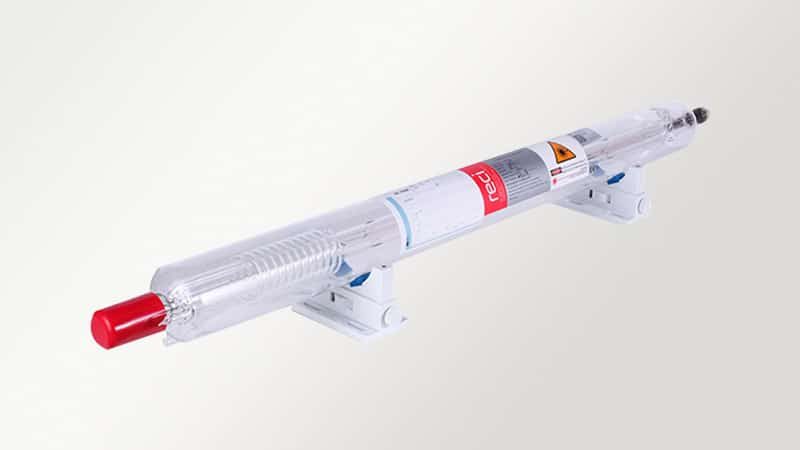
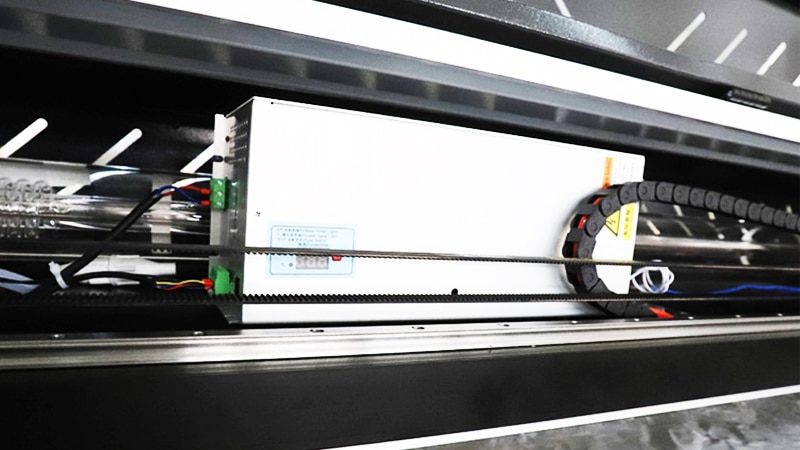
| CO2 Laser Tube | Reci/Yongli/SLW/EFR | ||||||
| Transmission System | Belt Drive | ||||||
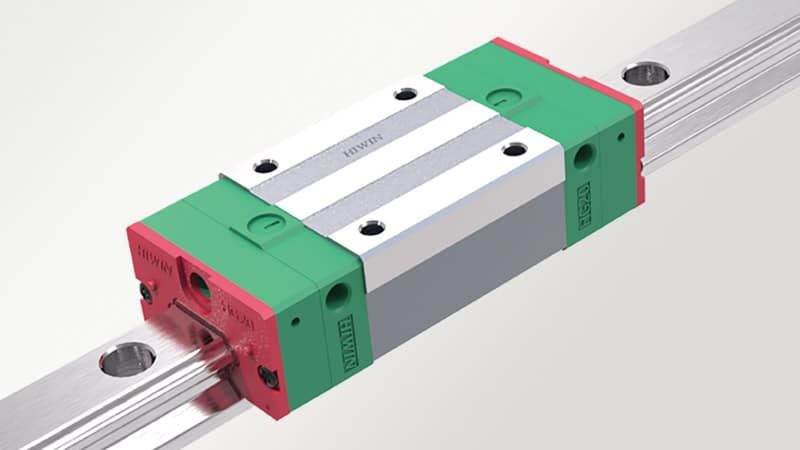
| Linear Guide Rail | HIWIN | ||||||
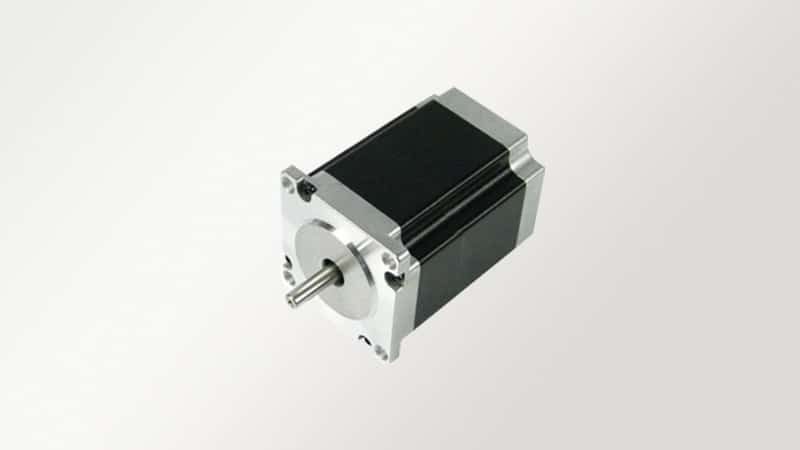
| Motor Type | Stepper Motor | ||||||
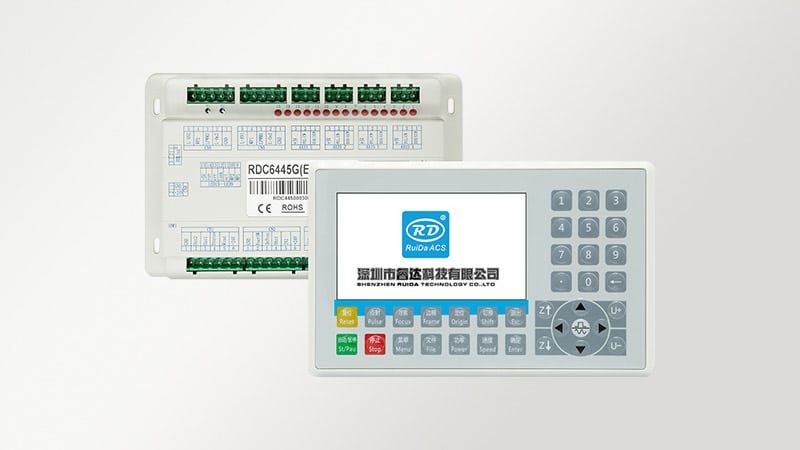
| Control System | RuiDa | ||||||
| Min line width | ≤0.15mm | ||||||
| Position accuracy | 0.01mm | ||||||
| Repetition accuracy | 0.02mm | ||||||
| Max Cutting speed | 150mm/s | ||||||
| Max Engraving Speed | 300mm/s | ||||||
| Voltage and Frequency | 220v/50HZ, 110V/60HZ | ||||||
| Graphic Format | PLT, DXF, BMP, JPG, AI, etc | ||||||
| Working Environment | 0-45℃ | ||||||
| Operating Humidity | 5-95% | ||||||
| Comparison Item | Laser Cutting | CNC Routing | Oscillating Knife Cutting | Waterjet Cutting |
|---|---|---|---|---|
| Cutting Principle | Uses a focused laser beam to cut Delrin with heat energy | Uses a rotating router bit to remove material | Uses a vibrating blade to slice thin sheets | Uses high-pressure water, sometimes with abrasive |
| Cutting Accuracy | High accuracy for thin Delrin sheets and detailed shapes | High accuracy for rigid Delrin boards and machined parts | Moderate accuracy, mainly for simple thin-sheet shapes | High accuracy, especially for thicker plates |
| Edge Quality | Smooth edges are possible, but heat may cause melting or darkening | Clean mechanical edge, often suitable for functional parts | Clean edge on thin sheets, but limited on hard panels | Smooth edge, but parts may need drying and cleaning |
| Heat Effect | Produces heat, so Delrin may melt, discolor, or deform | Low heat, mainly from tool friction | No thermal damage | Almost no thermal damage |
| Fume Control | Requires strong exhaust and filtration because Delrin can release irritating fumes when heated | Produces chips and dust, requiring dust collection | Produces little dust and no heat fumes | Produces wet waste and possible slurry |
| Suitable Thickness | Best for thin to medium Delrin sheets | Suitable for thin to thick Delrin boards | Best for very thin sheets or flexible plastic films | Suitable for thick Delrin plates |
| Cutting Speed | Fast for thin sheets and repeated patterns | Fast and stable for thicker rigid plastic parts | Fast for simple thin-sheet cutting | Slower setup, but stable for thick materials |
| Detail Cutting | Excellent for small holes, curves, slots, and fine profiles | Limited by router bit diameter, but strong for precision machining | Limited by blade size and turning radius | Good, but very small details can be difficult |
| Kerf Width | Very narrow cutting gap | Wider kerf due to tool size | Narrow kerf | Narrow to medium kerf |
| Tool Wear | No physical cutting tool contacts the material | Router bits wear and need replacement | Blades wear and need replacement | Nozzle, seals, and pump parts wear over time |
| Burr Formation | Usually low, but melted edges may appear if parameters are poor | Burrs or rough edges may require deburring | Low burr formation on thin sheets | Low burr formation, but wet edges may need cleaning |
| Material Fixing | Simple for flat sheets, often using honeycomb or vacuum support | Requires firm clamping or vacuum holding | Requires stable flat support | Requires water-resistant support and anti-movement control |
| Setup Time | Short setup after laser parameters are prepared | Requires tool selection, clamping, and feed-speed adjustment | Simple setup for thin sheet materials | Longer setup due to water pressure and tank preparation |
| Dust And Waste | Low solid waste, but smoke and gas must be managed | Produces Delrin chips and dust | Very little solid waste | Produces water, slurry, and possible abrasive waste |
| Noise Level | Relatively quiet, but exhaust system adds noise | High noise from spindle and cutting action | Low to medium noise | High noise from pump and waterjet stream |
| Maintenance Needs | Laser optics, exhaust, filters, and motion parts need regular care | Router bits, spindle, dust system, and guide rails need care | Blades, cutting mat, and drive system need care | Pump, nozzle, seals, water system, and abrasive system need care |
| Operating Cost | Low tool cost, but ventilation and filtration add cost | Medium cost due to bit wear and chip handling | Low cost for thin sheet cutting | Higher cost due to pump power, water, parts, and abrasive |
| Production Flexibility | Easy to switch designs by changing digital files | Flexible, but tool changes and fixturing may be needed | Flexible for simple thin-sheet profiles | Flexible, but setup and water handling are more complex |
| Best Applications | Thin Delrin sheets, precision templates, spacers, small parts, and detailed profiles | Thick Delrin boards, gears, bushings, fixtures, plates, and machined components | Thin sheets, simple outlines, gaskets, and light-duty plastic parts | Thick plates or projects where heat and tool stress must be avoided |
| Main Limitation | Delrin laser cutting needs careful fume control and parameter settings to reduce melting and odor | Tool marks, chips, vibration, and bit wear | Not ideal for thick or hard Delrin boards | Higher machine cost, wet processing, and slower setup |

AccTek Laser integrates advanced laser technology into its cutting machines to deliver high precision, stable performance, and efficient cutting results. Their systems use reliable laser sources and optimized control systems, ensuring that operators achieve consistent cuts with minimal material waste. This innovation also helps in enhancing material quality while reducing the risk of thermal damage during the cutting process.
AccTek Laser offers a broad selection of laser cutting machines with different power levels and configurations to suit diverse application requirements. Customers can choose from compact, portable systems for small-scale operations to large industrial machines for high-volume cutting tasks. This makes it easy to find the right solution for cutting metal sheets, plastics, ceramics, and more, ensuring versatility for various industries.
AccTek Laser machines are built using top-quality components sourced from globally recognized suppliers. This includes durable laser sources, cutting-edge scanning systems, and reliable control electronics. By using premium parts, AccTek Laser enhances machine stability, extends service life, and ensures consistent performance under demanding operating conditions, ultimately reducing maintenance needs.
AccTek Laser provides flexible customization options to meet specific customer needs. Machine features like laser power, cutting speed, cooling systems, and automation integration can be tailored to suit different production environments and application requirements. This flexibility ensures that customers achieve optimal cutting performance, productivity, and cost-efficiency.
AccTek Laser offers comprehensive technical support throughout the entire purchase and operation process. Their experienced team assists with machine selection, installation, operation training, and troubleshooting. This level of support helps customers seamlessly adapt to laser cutting technology, ensuring smooth operations and quick issue resolution when necessary.
With years of experience serving customers globally, AccTek Laser provides dependable international service and support. They offer detailed documentation, remote assistance, and responsive after-sales service to help customers maintain their machines and minimize downtime. This ensures that customers can continue their operations with minimal disruptions, enhancing long-term productivity and customer satisfaction.
This article explains how CO2 laser generator wattage from 60W to 600W affects cutting speed, depth, and material capability, and clarifies when higher power delivers real gains and when it
Explore which materials CO2 laser generators cut most effectively, what parameter adjustments each material requires, which materials must be avoided entirely, and how to maintain safe cutting operations across every
This article examines CO2 laser cutting machines, covering how they work, their key advantages and disadvantages, a direct comparison with fiber laser generators, and guidance on when to choose each
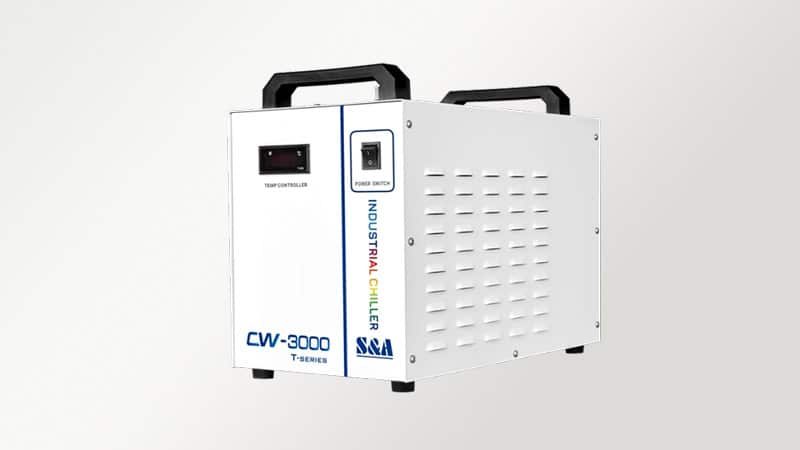
This article examines how cooling systems impact laser cutting machine performance, covering heat generation, cooling types, key parameters, effects on cutting quality, reliability, energy efficiency, and maintenance best practices.
Yes, Delrin can be cut with a laser cutting machine. Delrin is a thermoplastic material known for its excellent mechanical properties, low coefficient of friction, and dimensional stability. Laser cutting is a popular delrin processing method because it enables precise cuts without physical contact, minimizing distortion or material loss.
When Delrin is cut with a laser cutting machine, a focused laser beam heats and vaporizes the material, creating narrow cuts with high precision. When cutting, laser parameters (such as laser power, cutting speed, focal length, etc.) need to be properly adjusted according to the thickness and characteristics of the Delrin sheet to be cut. This is for the cutting process to be efficient and produce clean edges without excessive melting or charring.
As with any laser cutting process, it is critical to follow safety guidelines and ensure proper ventilation to manage fumes generated during cutting. Additionally, testing and parameter adjustments may be required to optimize the cutting process for a particular thickness and design.
The maximum thickness of Delrin that a laser can effectively cut depends on a variety of factors, including laser power, beam quality, and the capabilities of a particular machine. In general, Delrin is a thermoplastic that is relatively easy to cut with a laser due to its low melting point and thermal properties.
CO2 laser generators are commonly used to cut plastics such as Delrin. Generally, you can achieve clean cuts on Delrin up to 25-30mm thick. Thicknesses beyond this range may result in reduced cut quality due to increased heat absorption and longer processing times.
These thickness ranges are approximate and actual cutting energy may vary depending on the specific laser cutting machine, laser power, quality of optics, and desired cutting speed. Additionally, thicker materials may require slower cutting speeds and may result in a more pronounced heat-affected zone along the cut edge.
It is recommended to consult the laser cutting machine manufacturer or supplier before purchasing for specific advice on cutting Delrin in various thicknesses. Testing samples of Delrin material at different thicknesses can help determine the best settings and limits for the laser-cutting machine you are using.
While laser cutting is a versatile and precise method for working with Delrin materials, there are some drawbacks and challenges associated with laser cutting Delrin. Here are some potential disadvantages:
Despite these potential drawbacks, lasers remain a valuable method for cutting Delrin materials to achieve precision cuts and complex designs. Many of these disadvantages can be mitigated through appropriate machine setup, careful parameter selection, and suitable post-processing techniques. Thoroughly understand the limitations and challenges associated with laser cutting Delrin and work with an experienced professional or expert in laser cutting technology to achieve the best results.
Laser-cutting Delrin is safe if proper precautions are taken. Delrin is a thermoplastic widely used for its high strength, low friction, and excellent dimensional stability. When laser cutting Delrin, there are several important factors to consider to ensure safety:
Laser cutting any material involves some risk, so it is important to fully understand the properties of the material you are working with and follow the safety guidelines provided by the laser cutting machine manufacturer. If you do not have laser cutting experience, consider consulting an expert or professional with experience in laser cutting Delrin.
Maintenance requirements for Delrin laser cutting machines help ensure equipment longevity, accuracy, and safety. Specific maintenance requirements may vary depending on the type of laser cutting machine, manufacturer’s recommendations, and intensity of use. However, here are some general maintenance guidelines for Delrin laser-cutting machines:
Maintenance requirements may vary depending on the specific make and model of the laser cutting machine. Always refer to the manufacturer’s documentation and guidelines for the most accurate and relevant maintenance instructions. Proper maintenance not only prolongs the life of the machine but also helps to improve the quality and safety of the cutting process.
Reducing heat conduction in laser-cut Delrin materials helps prevent excessive melting, charring, and heat-related deformation. Here are some strategies to help minimize heat transfer during laser cutting:
Achieving the proper balance between cutting speed, laser power, and other parameters may take some trial and error. It is possible to thoroughly test your approach on scrap material before working on your final project. Additionally, consulting an expert or laser-cutting machine manufacturer can provide valuable insight into achieving the best results for laser-cutting Delrin while minimizing heat-related issues.
When laser cutting Delrin (also known as POM or acetal), it’s essential to take several safety precautions to protect yourself and others, as well as to prevent damage to equipment and ensure the quality of the cut. Here are some key precautions to consider:
By following these safety precautions, you can minimize the risks associated with laser cutting Delrin and create a safe working environment for yourself and others involved in the process.
Laser-cutting Delrin offers high precision and versatility, making it suitable for a wide range of complex designs. However, as with any manufacturing process, there are practical limits to the level of sophistication that can be achieved. Here are some factors to consider when evaluating the complexity of a laser-cut Delrin design:
While laser cutting Delrin offers great flexibility in design complexity, these factors must be considered and work within practical limitations to ensure a successful outcome. Working with an experienced laser-cutting professional and conducting thorough testing and prototyping can help optimize your design for laser-cutting Delrin while achieving the desired level of complexity.
4 reviews for Delrin Laser Cutting Machine
Hugo –
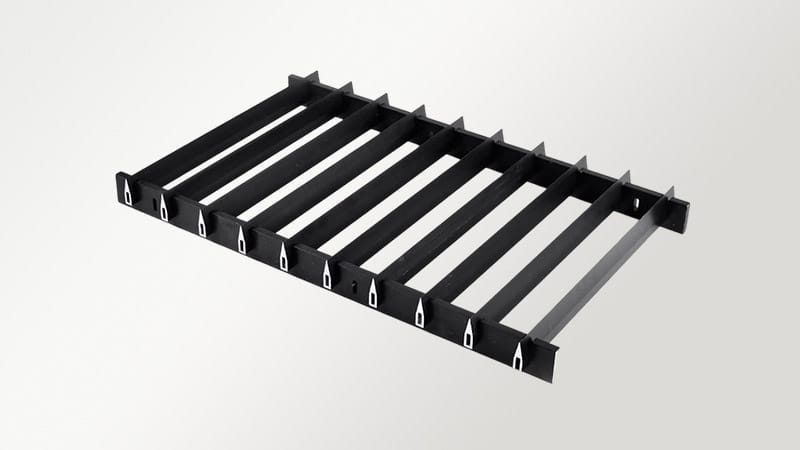
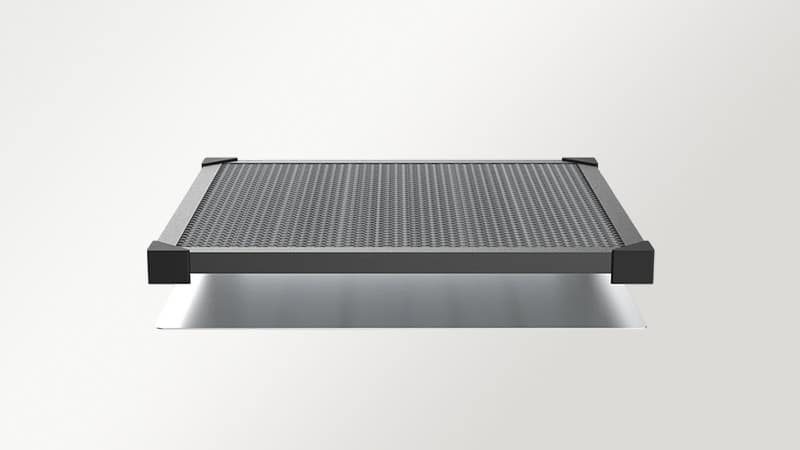
We use this CO2 laser cutting machine for producing detailed wooden parts, and it has been a reliable machine in our shop. The aluminum strip worktable helps reduce burn marks on the underside, which saves time during finishing. The control system is simple to understand, so even new workers can operate it without much trouble. The cutting head delivers smooth edges, and the results stay consistent across long production runs. The machine runs steadily with very little vibration, which helps maintain accuracy. It has been dependable for daily use and fits well into our existing workflow without adding complexity.
Ingrid –
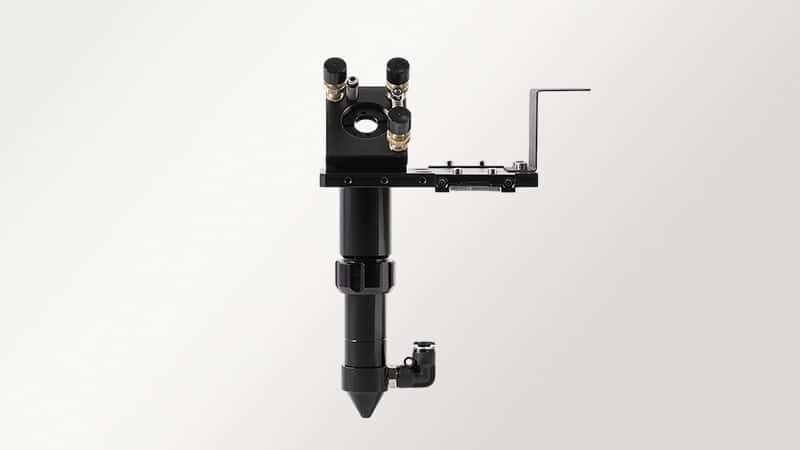
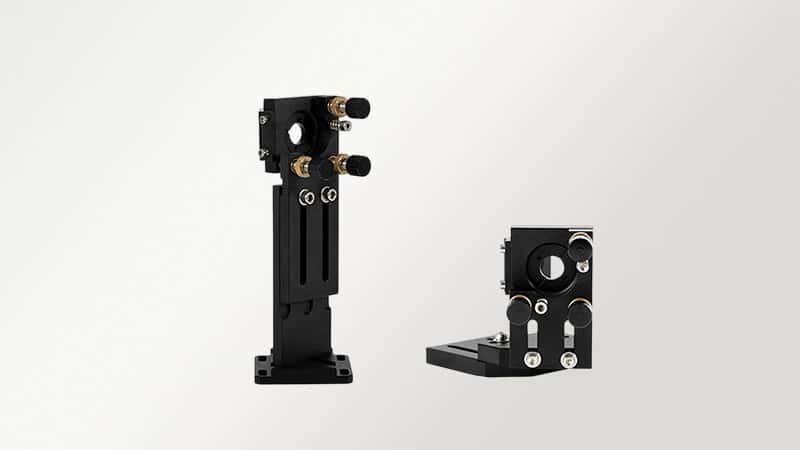
I design and produce acrylic display products, and this CO2 laser cutting machine has worked well for my needs. The cutting head provides clean and smooth edges, which reduces the need for polishing after cutting. The mirror and lens system seems stable, since I don’t have to adjust it often. The control system is easy to manage, and switching between different designs is quick. I also like how quietly the machine runs during operation. It has been reliable for both small projects and larger batches, making it a useful tool in my daily work.
Greta –
I create decorative products using different materials, and this CO2 laser cutting machine has been a reliable tool for my work. The cutting head is precise, allowing me to produce detailed patterns with clean edges. The machine is easy to operate, and I didn’t need much time to learn how to use it. I also like how consistent the results are across different materials. It runs smoothly and feels stable during operation. It has been reliable for daily use and helps me complete both custom and batch orders efficiently.
Jonas –
From an operator’s perspective, this machine is straightforward and dependable. The stepper motor provides accurate positioning, which is important for repeat jobs. The guide rails move smoothly, and there is no noticeable shaking during operation. The control system responds well, and we don’t encounter many errors during production. The machine runs consistently, even during long shifts. It’s a practical solution for daily work and doesn’t require constant adjustments or supervision.