

















Introduction
Types of Mixed Laser Cutting Machines


Mixed Laser Cutting Power Selection
Mixed Laser Cutting Materials
- Carbon Steel
- Mild Steel
- Stainless Steel
- Alloy Steel
- Tool Steel
- Spring Steel
- Galvanized Steel
- Aluminum
- Aluminum Alloys
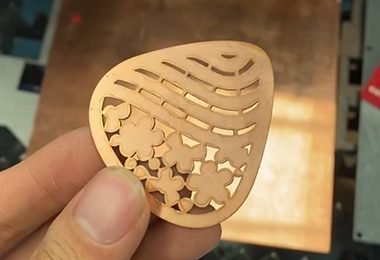
- Copper
- Brass
- Bronze
- Titanium
- Nickel
- Nickel Alloys
- Magnesium
- Zinc
- Tungsten
- Molybdenum
- Gold
- Silver
- Platinum
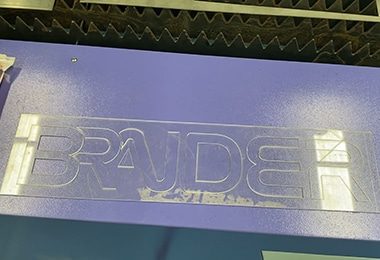
- Acrylic
- Polycarbonate
- Polypropylene
- Polyethylene
- ABS Plastic
- Nylon
- Delrin
- PET
- PVC
- Wood
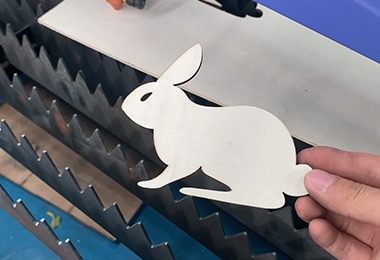
- Plywood
- MDF
- Hardwood
- Softwood
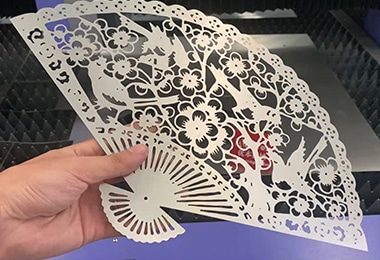
- Paper
- Cardboard
- Leather
- Fabric/Textiles
Applications of Mixed Laser Cutting Machines
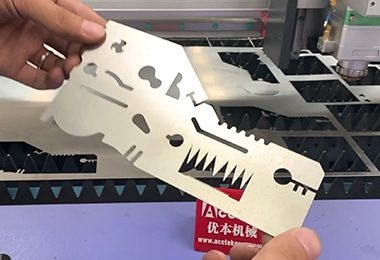
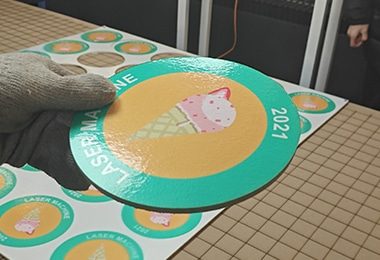
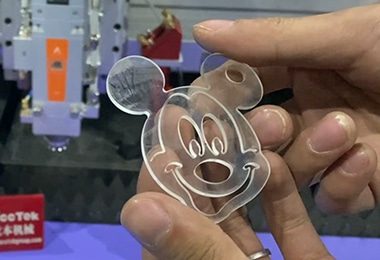
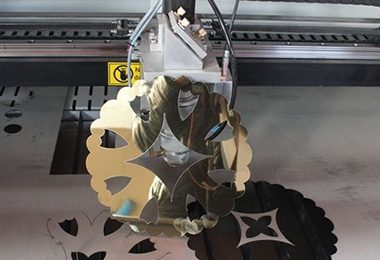
Comparison with Traditional Cutting
| Comparison Item | Mixed Laser Cutting | Plasma Cutting | Flame Cutting | Waterjet Cutting |
|---|---|---|---|---|
| Edge Transparency | Clear and clean, ideal for transparent materials like acrylic | Rough, often needs post-processing | Rough edges, especially with thicker metals | Smooth but requires more finishing for transparency |
| Material Cracking Risk | Minimal, non-contact cutting prevents cracking | Higher risk, especially with brittle materials | Moderate risk, especially with thicker materials | Minimal, as there’s no heat involved |
| Kerf Width (Detail Capability) | Very narrow, ideal for intricate designs | Wider kerf, limits detail capability | Wide kerf, limiting intricate detail | Moderate kerf, better for larger designs |
| Noise Level | Low, quiet operation | High, noisy due to cutting process | Very high, can be disruptive | Moderate, but still considerable noise from pumps |
| Dust and Fume Production | Minimal dust, controlled environment | High dust and fumes, requires ventilation | High fumes and heat require proper ventilation | Minimal, as it uses water to prevent dust |
| Mold/Die Costs | No molds or dies required, flexible design | Requires molds for certain shapes, increases cost | Requires molds, adds to initial setup costs | No molds or dies needed, flexible cutting |
| Versatility for Different Plastic Thicknesses | Handles a wide range of plastic thicknesses with high precision | Limited to thinner materials, struggles with thicker plastics | Limited to specific thickness ranges, more suited for metals | Great for various thicknesses but slower on thicker plastics |
| Material Compatibility | Works on metals, plastics, wood, acrylic, leather, and more | Best for metals, limited with plastics and other materials | Best for metals, limited for non-metals | Works on a wide variety of materials, including metals and plastics |
| Speed for Thin Materials | Very fast, ideal for quick production | Fast, especially for metals | Moderate speed for thin metals | Slow for thin materials, especially plastics |
| Speed for Thick Materials | Moderate, depends on material and thickness | Very fast for thicker metals | Fast, especially for thick materials like steel | Slow for thicker materials, especially metals |
| Post-processing Needs | Minimal, clean cuts, especially for plastics | High, often requires deburring and finishing | High, rough edges often require finishing | Moderate, requires cleaning after cutting |
| Heat Affected Zone (HAZ) | Minimal, no thermal impact on materials | Large HAZ, causing material distortion | Large HAZ, can cause warping | No HAZ, maintains material integrity |
| Material Distortion | Minimal, perfect for thin and delicate materials | High risk of material distortion and warping | Moderate distortion due to heat input | Minimal, as there is no heat involved |
| Cost of Equipment | Higher initial investment but cost-effective long term | Moderate initial cost, but higher operating costs | Moderate to high initial cost | High initial cost due to water system and pump maintenance |
| Material Thickness Limit | Excellent for a wide range of thicknesses, both thin and thick | Limited to thicker metals, not ideal for plastics | Works well on thicker materials, especially metals | Works for all thicknesses, but slower on thicker materials |
| Speed for Thin Materials | Very fast, ideal for quick production | Fast, especially for metals | Moderate speed for thin metals | Slow for thin materials, especially plastics |
| Speed for Thick Materials | Moderate, depends on material and thickness | Very fast for thicker metals | Fast, especially for thick materials like steel | Slow for thicker materials, especially metals |
| Post-processing Needs | Minimal, clean cuts, especially for plastics | High, often requires deburring and finishing | High, rough edges often require finishing | Moderate, requires cleaning after cutting |
| Heat Affected Zone (HAZ) | Minimal, no thermal impact on materials | Large HAZ, causing material distortion | Large HAZ, can cause warping | No HAZ, maintains material integrity |
| Material Distortion | Minimal, perfect for thin and delicate materials | High risk of material distortion and warping | Moderate distortion due to heat input | Minimal, as there is no heat involved |
| Cost of Equipment | Higher initial investment but cost-effective long term | Moderate initial cost, but higher operating costs | Moderate to high initial cost | High initial cost due to water system and pump maintenance |
| Material Thickness Limit | Excellent for a wide range of thicknesses, both thin and thick | Limited to thicker metals, not ideal for plastics | Works well on thicker materials, especially metals | Works for all thicknesses, but slower on thicker materials |
| Cut Quality for Complex Designs | Excellent for intricate cuts and detailed engraving | Good for simple designs, struggles with complexity | Moderate, better for straight cuts than intricate designs | Good, but slower for complex patterns |
| Setup Time | Quick setup, ideal for small batches and quick adjustments | Moderate, requires setup for each new part | Longer setup time for thicker materials | Moderate, depends on material and cutting complexity |
| Environmental Impact | Low impact, minimal waste and emissions | High environmental impact due to fumes and energy use | Significant environmental impact due to fuel use and fumes | Low environmental impact, as it uses water and does not produce fumes |
| Automation Capability | Very high, easily integrated into automated production systems | Limited automation capability | Limited automation capability | High automation potential with proper setup |
Why Choose AccTek Laser
Advanced Laser Technology
AccTek Laser integrates advanced laser technology into its cutting machines to deliver high precision, stable performance, and efficient cutting results. Their systems use reliable laser sources and optimized control systems, ensuring that operators achieve consistent cuts with minimal material waste. This innovation also helps in enhancing material quality while reducing the risk of thermal damage during the cutting process.
Wide Range of Machine Options
AccTek Laser offers a broad selection of laser cutting machines with different power levels and configurations to suit diverse application requirements. Customers can choose from compact, portable systems for small-scale operations to large industrial machines for high-volume cutting tasks. This makes it easy to find the right solution for cutting metal sheets, plastics, ceramics, and more, ensuring versatility for various industries.
High-Quality Components
AccTek Laser machines are built using top-quality components sourced from globally recognized suppliers. This includes durable laser sources, cutting-edge scanning systems, and reliable control electronics. By using premium parts, AccTek Laser enhances machine stability, extends service life, and ensures consistent performance under demanding operating conditions, ultimately reducing maintenance needs.
Customization and Flexible Solutions
AccTek Laser provides flexible customization options to meet specific customer needs. Machine features like laser power, cutting speed, cooling systems, and automation integration can be tailored to suit different production environments and application requirements. This flexibility ensures that customers achieve optimal cutting performance, productivity, and cost-efficiency.
Professional Technical Support
AccTek Laser offers comprehensive technical support throughout the entire purchase and operation process. Their experienced team assists with machine selection, installation, operation training, and troubleshooting. This level of support helps customers seamlessly adapt to laser cutting technology, ensuring smooth operations and quick issue resolution when necessary.
Reliable Global Service
With years of experience serving customers globally, AccTek Laser provides dependable international service and support. They offer detailed documentation, remote assistance, and responsive after-sales service to help customers maintain their machines and minimize downtime. This ensures that customers can continue their operations with minimal disruptions, enhancing long-term productivity and customer satisfaction.
Customer Reviews
Related Resources

CO2 Laser Cutting Machines: Advantages, Disadvantages, and When to Use Them
This article examines CO2 laser cutting machines, covering how they work, their key advantages and disadvantages, a direct comparison with fiber laser generators, and guidance on when to choose each

The Impact of Cooling Systems on Laser Cutting Machine Performance
This article examines how cooling systems impact laser cutting machine performance, covering heat generation, cooling types, key parameters, effects on cutting quality, reliability, energy efficiency, and maintenance best practices.

What Training or Expertise Is Needed to Operate a Laser Cutting Machine Effectively?
This article explores the training and expertise needed to operate laser cutting machines effectively, covering core skills, technical training, safety compliance, CAD knowledge, and hands-on experience for professionals.

Environmental Considerations and Regulations for Operating CO2 Laser Cutting Machines
Learn the key environmental considerations and regulations for CO2 laser cutting machines, including emissions, ventilation, waste management, OSHA, EPA, and global compliance standards.
Frequently Asked Questions
How Much Do Mixed Laser Cutting Machines Cost?
- Entry-Level Mixed Laser Cutting Machines: Small-format machines with moderate CO2 and fiber laser power (typically 40–60W CO2 and1000–1500W fiber) are suitable for light-duty production, hobbyist work, or small businesses producing mixed-material products. Cutting beds are usually compact, around 300×200 mm to 600×400 mm. Prices for these entry-level units typically range from $8,000 to $15,000, offering a cost-effective solution for small-scale mixed-material cutting and engraving.
- Mid-Range Mixed Laser Cutting Machines: For medium-sized workshops or small production facilities, machines with higher CO2 (80–150W) and fiber (1500–3000W) laser power and larger beds (900×600 mm to 1300×900 mm) are popular. These units can handle thicker metals, larger wooden panels, and complex designs efficiently. Mid-range mixed lasers generally cost between $15,000 and $40,000, often including features like autofocus, rotary attachments, or enhanced ventilation.
- Industrial and Large-Format Mixed Laser Cutting Machines: High-power mixed laser cutting systems (150–300W CO2 and 3000–600W fiber) with cutting beds exceeding 1500×1000 mm are designed for mass production, metal fabrication, and large-scale mixed-material projects. These machines offer faster cutting speeds, automated material handling, and advanced safety systems. Industrial mixed laser cutting machines can range from $40,000 to over $120,000, depending on customization, dual-head configurations, or fully enclosed setups.
- Additional Costs: Beyond the base price, operators should consider auxiliary equipment such as smoke extraction systems, water chillers for CO2 lasers, compressed air supplies for air assist, software for nesting and path optimization, and routine maintenance consumables like lenses, mirrors, and replacement laser tubes. These operational costs can add several thousand dollars to total ownership.
What Is The Maximum Thickness Of Mixed Laser Cutting Machines?
- CO2 Laser Cutting (Wood, Plastics, Leather): CO2 lasers excel at cutting organic materials like wood, acrylic, MDF, leather, and certain plastics. For thin to medium-density wood, such as plywood or MDF, standard CO2 lasers (80–150W) can cut up to 12–18 mm thick sheets cleanly, while higher-power industrial units (200–300W) may cut wood up to 25–30 mm thick. Thicker materials may require multiple passes, slower cutting speeds, or risk charring and edge deformation. Plastics like acrylic typically allow cuts up to 15–20 mm in thickness, depending on density and quality.
- Fiber Laser Cutting (Metals): Fiber lasers in mixed systems are optimized for metals such as stainless steel, aluminum, brass, and copper. The maximum thickness achievable depends on laser power and metal type. For example, 1500W fiber lasers can cut mild steel up to 4–6 mm, stainless steel up to 2–4 mm, and aluminum around 1–2 mm. Higher-power fiber lasers (4,000W–6,000W) can cut mild steel up to 10–15 mm and stainless steel up to 8–12 mm, though clean edges often require precise focus, protective gas, and slower speeds. Thin metals below 2 mm are generally cut efficiently at higher speeds with smaller wattage lasers.
What Auxiliary Equipment Are Needed For Mixed Laser Cutting Machines?
- Fume Extraction and Filtration Systems: Cutting wood, plastics, or coated materials produces smoke, dust, and VOCs, while fiber lasers can emit metal particulates when cutting metals. A high-capacity exhaust system with HEPA and activated carbon filters is essential to remove both organic fumes and metallic dust. Airflow sensors may be included to alert operators if the extraction drops below safe levels.
- Air Assist Systems: Air assist nozzles provide a focused stream of compressed air to the cutting area, preventing flare-ups, reducing edge charring in wood and plastics, and removing molten metal or debris during fiber laser cutting. Adjustable pressure helps optimize cuts for different materials and thicknesses.
- Cooling Systems: CO2 laser tubes require stable cooling, typically via water chillers or circulation systems, to prevent overheating and maintain consistent laser output. Fiber lasers are generally air-cooled but may also require temperature-controlled environments for high-power or industrial setups. Monitoring devices for temperature, water flow, and coolant levels protect the machine and prolong component life.
- Material Handling Equipment: Depending on the scale of production, loading tables, roller conveyors, or automated lifts facilitate safe handling of wood panels, acrylic sheets, and metal plates. This reduces the risk of damage, increases efficiency, and supports precise positioning on the cutting bed.
- Rotary and Specialty Fixtures: Rotary attachments are used for cylindrical or round materials, enabling 360-degree engraving or cutting. Additional jigs or clamps may be needed for irregular shapes or multi-material assemblies.
- Dust and Debris Collection: Shop vacuums or collection bins help capture offcuts, sawdust, and metal shavings, maintaining a clean workspace and reducing fire or contamination risks.
- Software and Control Accessories: Compatible CAD/CAM software, nesting tools, and monitoring systems optimize cutting paths for both CO2 and fiber lasers, ensuring precise results and minimal material waste. Backup drives and monitoring screens also support workflow continuity.
What Safety Features Do Mixed Laser Cutting Machines Have?
- Enclosed Cutting Chambers: Most mixed laser cutting machines have fully enclosed work areas with interlocked doors. The enclosure prevents direct exposure to both CO2 and fiber laser beams, contains sparks, and limits smoke and debris. Opening the doors automatically shuts down the laser, preventing accidental injury.
- Emergency Stop Buttons: Strategically placed emergency stop (E-stop) buttons allow operators to immediately cut power to both the laser and motion system. These buttons are essential in situations such as flare-ups, mechanical jams, or fire hazards. Industrial systems may include multiple E-stops around the machine for easy access.
- Smoke and Fume Extraction Monitoring: Mixed laser cutting machines produce smoke from wood and plastics, and fine metallic particulates when cutting metals. Integrated exhaust systems with HEPA and activated carbon filters are often equipped with airflow sensors. If extraction falls below safe levels, the machine can pause operation to protect operators and prevent contamination of optics.
- Air Assist Systems: Air assist nozzles blow a focused stream of compressed air to prevent flare-ups, reduce charring on wood or plastics, and clear molten metal during fiber laser cutting. This system minimizes fire risks and improves edge quality.
- Cooling and Overheat Protections: CO2 laser tubes require water cooling, and fiber lasers often need controlled temperature environments. Sensors monitor temperature, coolant flow, and laser tube conditions. If overheating or insufficient cooling is detected, the system automatically stops operation to prevent damage or fire.
- Fire Detection and Suppression: Advanced mixed laser cutting machines may include flame sensors or smoke detectors near the cutting bed. These systems alert operators to sparks or ignition and can trigger automatic suppression measures in high-risk environments.
- Laser Power and Motion Safety: Software limits prevent exceeding maximum power levels, cutting speeds, or movement ranges. Overcurrent detection, mechanical error monitoring, and software interlocks help prevent accidents or material damage.
- Electrical and Grounding Protections: Proper grounding, fuses, and surge protection prevent electric shock and equipment damage. Fault alarms notify operators of any electrical issues.
How To Choose Suitable Mixed Laser Cutting Machines?
- Material Compatibility: First, evaluate the materials you plan to cut. CO2 lasers are ideal for wood, acrylic, leather, and most plastics, while fiber lasers excel at metals like stainless steel, aluminum, brass, and copper. A mixed machine should provide sufficient laser power in both CO2 and fiber modules to handle your material thickness and density. For projects involving multi-material designs, ensure the machine can switch between laser types efficiently.
- Laser Power and Cutting Thickness: Determine the maximum material thickness you need to cut. Higher-power CO2 lasers (150–300W) can cut thicker wood or acrylic up to 25–30 mm, while fiber lasers from 1500W to 3,000W can handle metals from thin sheets up to 20–25 mm. Selecting a machine with appropriate power avoids incomplete cuts, slow production, or edge defects.
- Work Area and Size: Consider the size of your workpieces. Mixed laser cutting machines come with varying bed sizes, from small desktop units to industrial systems exceeding 1500×1000 mm. Ensure the bed accommodates your largest projects while leaving room for material handling and automation accessories.
- Precision and Quality Requirements: Check the machine’s motion system, optical components, and resolution. High-precision machines provide clean edges, minimal kerf, and detailed engraving, which is critical for decorative items, signage, or prototypes.
- Auxiliary Systems and Safety Features: Ensure the machine includes robust fume extraction, air assist, cooling systems, and safety interlocks. These systems protect operators, prevent fire hazards, and maintain consistent cutting quality across materials.
- Budget and Maintenance: Consider not just the purchase price, but also operational costs like filters, laser tube replacements, cooling systems, and electricity. Industrial machines offer higher throughput and precision but come with higher upfront and maintenance costs.
- Software and Control: Ensure the machine supports compatible CAD/CAM software, nesting tools, and dual-laser operation. Efficient software improves material utilization, reduces waste, and simplifies complex multi-material projects.
How To Maintain Mixed Laser Cutting Machines?
- Laser Tube and Source Care: The CO2 laser tube requires stable cooling, typically via water chillers or circulating systems. Operators should check coolant levels, ensure the water is free from minerals or contaminants, and monitor temperature to prevent overheating, which can shorten tube life or cause inconsistent power output. Fiber lasers are more robust but still require monitoring for temperature and stability, especially in high-power industrial systems.
- Optics Maintenance: Mirrors, lenses, and focusing heads are sensitive to dust, smoke, and debris. Cleaning should be done regularly using appropriate lens cleaners and lint-free wipes. Misaligned optics can reduce cutting efficiency or cause incomplete cuts, so periodic alignment checks are recommended.
- Motion System and Mechanics: Linear rails, belts, lead screws, and bearings need regular inspection and lubrication. Dust, fume residue, or offcuts can accumulate along rails, causing jerky movements or reduced accuracy. Tension on belts should be checked, and pulleys and bearings should be replaced if worn to maintain precise cutting paths.
- Air Assist and Ventilation Systems: Both CO2 and fiber laser operations require effective airflow to remove smoke, dust, and molten material. Ducts, filters, and fans should be inspected and cleaned regularly. HEPA and activated carbon filters need replacement when saturated to maintain extraction efficiency and protect operator health.
- Software and Electronics: Keep the control software and firmware updated to ensure compatibility with design files and machine hardware. Inspect wiring and connectors for signs of wear, overheating, or corrosion, and verify that emergency stops and interlocks function correctly.
- Routine Cleaning and Inspection: Keep the cutting bed clear of debris and offcuts. Regularly check for residue build-up on the laser head, bed, or surrounding surfaces. Test small cuts on scrap material to verify power output and cut quality.
- Preventive Scheduling: Implement daily, weekly, and monthly maintenance routines to cover optics, laser tubes, cooling systems, motion components, and safety devices. Proper logs help track wear and prevent unexpected downtime.
What Training Is Required To Operate Mixed Laser Cutting Machines?
- Laser Safety Training: Mixed laser cutting machines combine high-powered CO2 and fiber lasers, both of which pose significant hazards. Operators must learn the risks of Class 4 lasers, including eye and skin damage, and understand proper safety measures. Training covers the use of laser-specific safety glasses, machine interlocks, emergency stops, and fire prevention strategies, especially when cutting flammable materials like wood or plastics.
- Material Knowledge: Operators are trained to identify the types of materials they will cut, including wood, acrylic, leather, and metals. They learn how thickness, density, coatings, and adhesives affect laser settings, cut quality, and safety. Understanding which materials produce toxic fumes, like PVC or certain synthetic rubbers, is essential for safe operation.
- Machine Operation: Hands-on training includes powering the machine, switching between CO2 and fiber lasers, adjusting power, speed, and pulse frequency, and focusing the beam. Operators learn to load materials, secure sheets, and use air assist and fume extraction systems. Software training is included, covering CAD/CAM design, cut path optimization, and nesting for efficient material use.
- Ventilation and Fume Management: Operators learn to monitor and maintain fume extraction systems, ensuring smoke and particulates from both organic and metallic materials are properly removed. Training covers filter replacement, airflow monitoring, and safety alarms for insufficient extraction.
- Maintenance and Troubleshooting: Training includes routine maintenance tasks such as cleaning optics, checking mirror alignment, lubricating motion components, and monitoring cooling systems. Operators also learn to identify and correct common defects like incomplete cuts, edge charring, or kerf irregularities.
- Emergency Procedures and Compliance: Operators are taught how to respond to fires, chemical exposure, or laser malfunctions. Training also includes regulatory compliance with occupational safety standards for laser operation, ventilation, and fire safety.
- Certification and Supervised Practice: Many facilities require operators to pass competency assessments or supervised trials to confirm skill and safety awareness. Continuous practice helps reduce material waste and ensures consistent cutting across diverse materials.
What PPE Is Required To Operate Mixed Laser Cutting Machines?
- Laser Safety Glasses: Both CO2 (10.6 μm) and fiber lasers (typically 1,064 nm) emit high-powered beams capable of causing permanent eye damage. Operators must wear laser-specific safety glasses rated for the wavelengths used. Even with enclosed machines, glasses are essential when opening doors, adjusting optics, or performing maintenance.
- Respiratory Protection: Cutting wood, plastics, composites, or metals produces smoke, fumes, and fine particulate matter. Respirators or masks with N95 or higher particulate filtration, combined with VOC filters for fumes from adhesives, coatings, or metals, are recommended. Proper ventilation and extraction systems are still necessary, but PPE provides an additional layer of protection.
- Gloves: Heat-resistant gloves, such as leather or nitrile, protect hands from hot edges, molten metal splatter, and sharp offcuts. Gloves are particularly important when handling freshly cut wood, acrylic, or metal sheets directly from the bed.
- Protective Clothing: Non-flammable, long-sleeved clothing made of cotton or fire-resistant fabrics protects skin from sparks, heat, or small debris. Synthetic fabrics should be avoided as they can melt upon contact with hot material. Fire-resistant aprons may also be used in high-volume or industrial operations.
- Foot Protection: Closed-toe shoes are mandatory, with steel-toed footwear recommended in industrial environments to protect against heavy sheets, offcuts, or dropped tools.
- Hearing Protection: While mixed laser cutting machines are generally quieter than mechanical cutters, high-power fiber lasers and auxiliary systems like extraction fans can generate elevated noise levels. Earplugs or earmuffs may be necessary in louder workshops.
- Maintenance PPE: Additional protection, such as chemical-resistant gloves, face shields, or goggles, may be required when cleaning lenses, mirrors, or handling coolant and solvents.