


















Materials That Cannot Be Cut by Laser Cutting Machines
This guide identifies materials that should never be laser cut due to safety hazards or poor quality outcomes, explains why, and recommends safer alternative cutting methods for each.
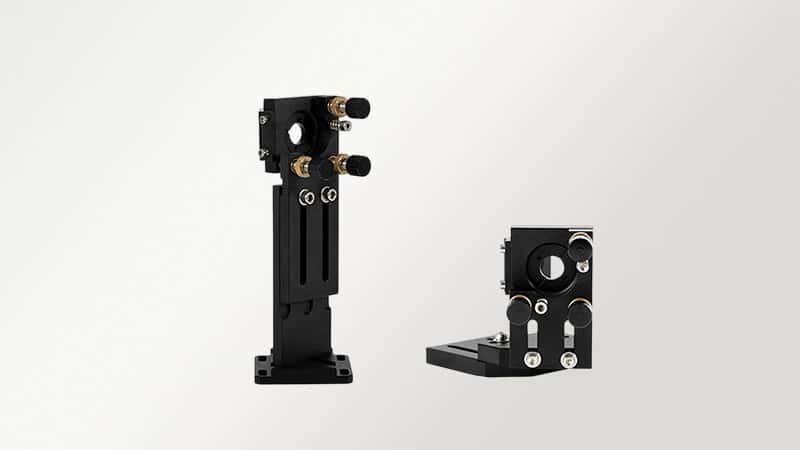
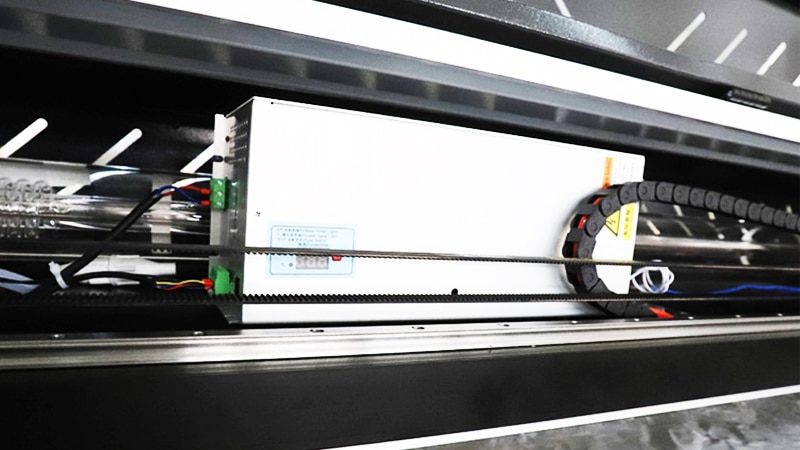
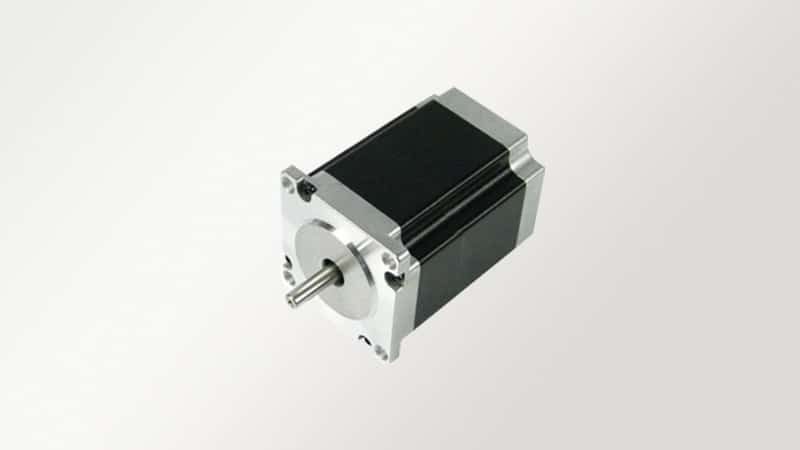
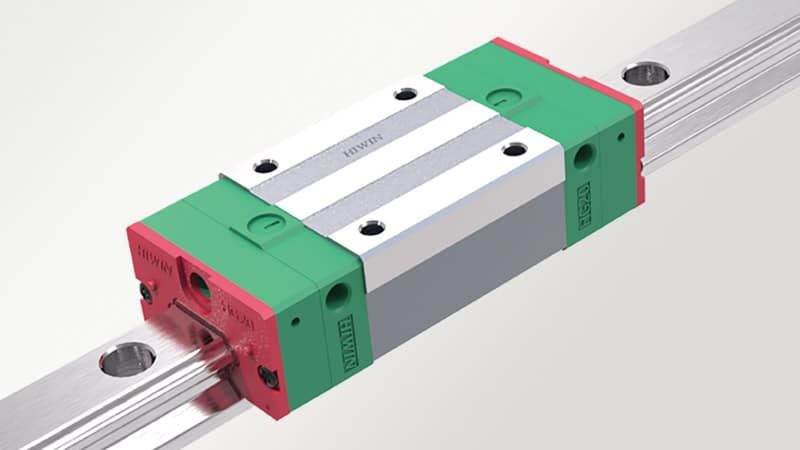
| Model | AKJ6040 | AKJ9060 | AKJ1390 | AKJ1610 | AKJ1318 | AKJ1325 | AKJ1530 |
|---|---|---|---|---|---|---|---|
| Cutting Range | 600*400mm | 900*600mm | 1300*900mm | 1600*1000mm | 1300*1800mm | 1300*2500mm | 1500*3000mm |
| CO2 Laser Power | 80-600W | ||||||
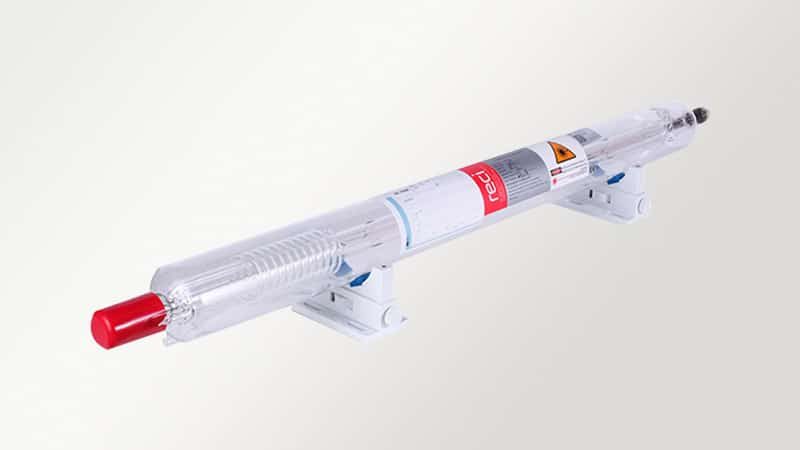
| CO2 Laser Tube | Reci/Yongli/SLW/EFR | ||||||
| Transmission System | Belt Drive | ||||||
| Linear Guide Rail | HIWIN | ||||||
| Motor Type | Stepper Motor | ||||||
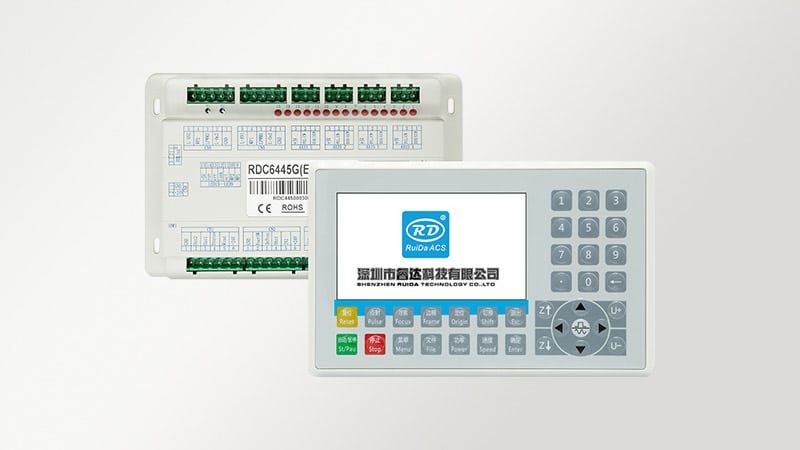
| Control System | RuiDa | ||||||
| Min line width | ≤0.15mm | ||||||
| Position accuracy | 0.01mm | ||||||
| Repetition accuracy | 0.02mm | ||||||
| Max Cutting speed | 150mm/s | ||||||
| Max Engraving Speed | 300mm/s | ||||||
| Voltage and Frequency | 220v/50HZ, 110V/60HZ | ||||||
| Graphic Format | PLT, DXF, BMP, JPG, AI, etc | ||||||
| Working Environment | 0-45℃ | ||||||
| Operating Humidity | 5-95% | ||||||
| Comparison Item | Laser Cutting | CNC Routing | Oscillating Knife Cutting | Waterjet Cutting |
|---|---|---|---|---|
| Cutting Principle | Uses a focused laser beam to cut fabric with heat energy | Uses a rotating cutting tool to remove material | Uses a vibrating blade to slice fabric | Uses high-pressure water, sometimes with abrasive |
| Cutting Accuracy | High accuracy for curves, patterns, holes, and detailed designs | Poor suitability for soft fabric because the material can move or wrap | Good accuracy for straight lines and simple patterns | Good accuracy, but fabric handling can be difficult |
| Edge Quality | Can create clean, sealed edges on synthetic fabrics | May cause pulling, fraying, or rough edges | Clean edge, but fraying may occur on some fabrics | Clean cut, but fabric becomes wet and may distort |
| Heat Effect | Produces heat; synthetic fabrics may seal, while natural fabrics may darken | No direct thermal damage | No thermal damage | Almost no thermal damage |
| Fraying Control | Excellent for polyester, nylon, and other synthetic fabrics because edges can be sealed | Poor fraying control | Depends on fabric type and blade sharpness | Low fraying, but wet edges need drying |
| Fume Control | Requires exhaust and filtration, especially for coated or synthetic fabrics | Produces lint, fibers, and dust | Produces little dust, but may create fabric lint | Produces wet waste and possible slurry |
| Suitable Thickness | Best for single-layer or controlled multi-layer fabric cutting | Not suitable for most soft fabric cutting | Suitable for single-layer and multi-layer fabric cutting | Suitable for thick textiles, composites, and special materials |
| Cutting Speed | Fast for detailed patterns and digital production | Slow and unstable for flexible fabrics | Fast for simple shapes and garment patterns | Slower setup and drying process |
| Detail Cutting | Excellent for lace, embroidery patterns, small holes, and decorative shapes | Limited by tool diameter and fabric movement | Limited by blade size and turning radius | Good, but small details may be affected by water force |
| Kerf Width | Very narrow cutting gap | Wider kerf due to tool size | Narrow kerf | Narrow to medium kerf |
| Tool Wear | No physical blade contacts the fabric | Router bits wear and are not ideal for fabric | Blades wear and need replacement | Nozzles, seals, and pump parts wear over time |
| Burr Or Fiber Pulling | No burrs, but scorch marks may appear on some materials | Fiber pulling and wrapping are common | Possible fiber pulling if the blade is dull | Low fiber pulling, but water pressure may disturb soft fabric |
| Material Fixing | Requires flat support, vacuum hold-down, or conveyor feeding | Requires strong holding, but fabric can still shift | Requires vacuum table or conveyor support | Requires water-resistant support and careful positioning |
| Setup Time | Short setup after laser parameters and patterns are prepared | Long setup and poor stability for fabric | Simple setup for common textile cutting | Longer setup due to water pressure, tank, and drying needs |
| Dust And Waste | Low solid waste, but smoke and odor must be managed | Produces lint, loose fibers, and possible tool waste | Produces little solid waste | Produces water, wet fibers, and possible abrasive waste |
| Noise Level | Relatively quiet, but exhaust system adds noise | High noise from spindle and cutting action | Low to medium noise | High noise from pump and waterjet stream |
| Maintenance Needs | Laser optics, exhaust, filters, conveyor, and motion parts need regular care | Router bits, spindle, dust system, and guide rails need care | Blades, cutting mat, conveyor, and drive system need care | Pump, nozzle, seals, water system, and abrasive system need care |
| Operating Cost | Low tool cost, but ventilation and filtration add cost | Not cost-effective for most fabrics | Low to medium cost due to blade replacement | Higher cost due to pump power, water, parts, and drying |
| Best Applications | Apparel patterns, technical textiles, synthetic fabrics, labels, embroidery patches, lace, and decorative cutting | Rarely used for fabric; better for rigid boards and panels | Garment patterns, upholstery, leather-like textiles, and simple fabric shapes | Thick textiles, composites, and materials that must avoid heat |
| Main Limitation | Natural fabrics may scorch, and coated fabrics need proper fume control | Not suitable for soft, flexible fabric cutting | Blades wear and may fray some fabrics | Wet processing, higher cost, and possible fabric distortion |
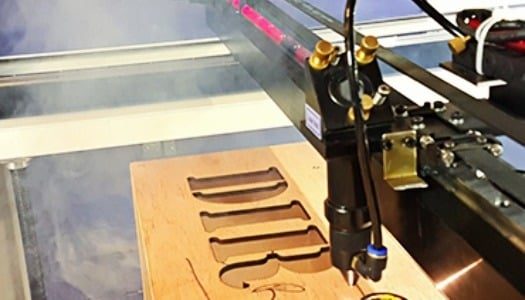

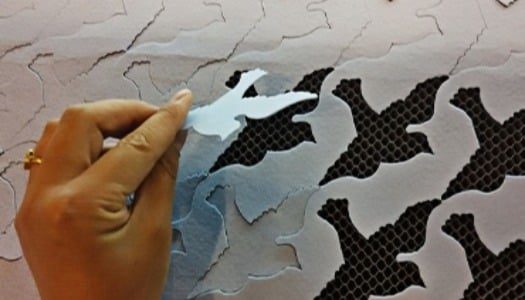
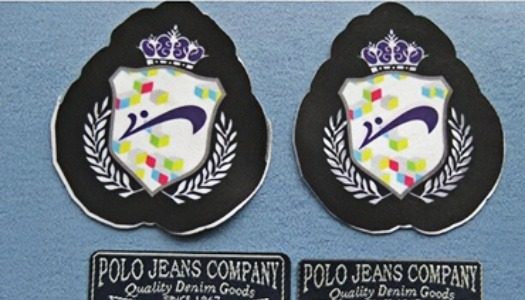

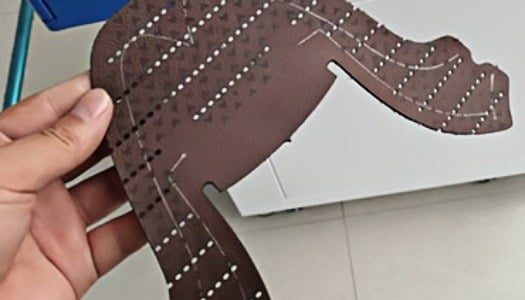
AccTek Laser integrates advanced laser technology into its cutting machines to deliver high precision, stable performance, and efficient cutting results. Their systems use reliable laser sources and optimized control systems, ensuring that operators achieve consistent cuts with minimal material waste. This innovation also helps in enhancing material quality while reducing the risk of thermal damage during the cutting process.
AccTek Laser offers a broad selection of laser cutting machines with different power levels and configurations to suit diverse application requirements. Customers can choose from compact, portable systems for small-scale operations to large industrial machines for high-volume cutting tasks. This makes it easy to find the right solution for cutting metal sheets, plastics, ceramics, and more, ensuring versatility for various industries.
AccTek Laser machines are built using top-quality components sourced from globally recognized suppliers. This includes durable laser sources, cutting-edge scanning systems, and reliable control electronics. By using premium parts, AccTek Laser enhances machine stability, extends service life, and ensures consistent performance under demanding operating conditions, ultimately reducing maintenance needs.
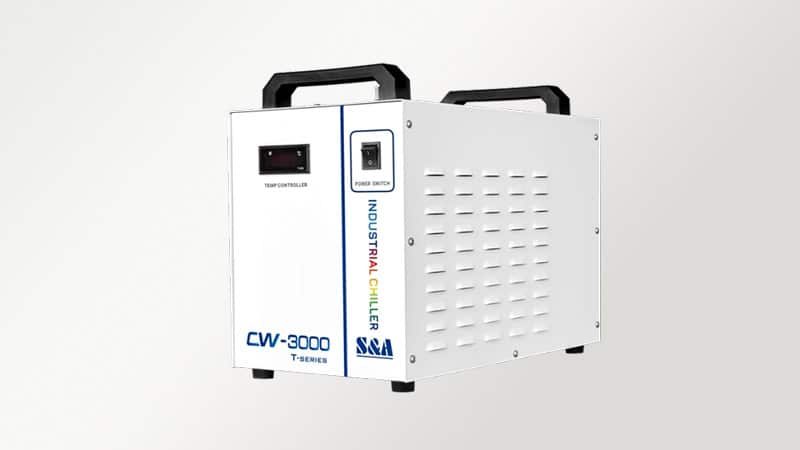
AccTek Laser provides flexible customization options to meet specific customer needs. Machine features like laser power, cutting speed, cooling systems, and automation integration can be tailored to suit different production environments and application requirements. This flexibility ensures that customers achieve optimal cutting performance, productivity, and cost-efficiency.
AccTek Laser offers comprehensive technical support throughout the entire purchase and operation process. Their experienced team assists with machine selection, installation, operation training, and troubleshooting. This level of support helps customers seamlessly adapt to laser cutting technology, ensuring smooth operations and quick issue resolution when necessary.
With years of experience serving customers globally, AccTek Laser provides dependable international service and support. They offer detailed documentation, remote assistance, and responsive after-sales service to help customers maintain their machines and minimize downtime. This ensures that customers can continue their operations with minimal disruptions, enhancing long-term productivity and customer satisfaction.
This guide identifies materials that should never be laser cut due to safety hazards or poor quality outcomes, explains why, and recommends safer alternative cutting methods for each.

This guide covers all materials that CO2 and fiber laser cutting machines can process, explains how wavelength determines compatibility, and helps you choose the right laser generator for your application.

This article covers the essential safety precautions for operating a CO2 laser cutting machine, from radiation and fire risks to fume extraction, PPE, machine features, and routine maintenance checks.

This article explains how CO2 laser generator wattage from 60W to 600W affects cutting speed, depth, and material capability, and clarifies when higher power delivers real gains and when it
Yes, you can use a laser cutting machine to cut fabric. Fabric laser-cutting machines are specifically designed for this purpose and are widely used in the textile and clothing industries. It uses a focused CO2 laser beam to heat and vaporize fabric along a specific path, resulting in clean, accurate cuts.
The fabric laser cutting machines are versatile and can cut a wide range of fabrics, including natural fibers like cotton and silk, synthetic materials like polyester and nylon, and even more complex textiles like leather and felt. It excels at creating complex designs, patterns, and shapes, making it a valuable tool in industries that require precision and customization, such as apparel manufacturing, interior decoration, and fashion design.
However, safety precautions must be taken when using a fabric laser-cutting machine. Operators should wear appropriate protective equipment, such as laser safety glasses, to protect their eyes from laser radiation. Additionally, appropriate ventilation and exhaust systems should be installed to eliminate fumes generated during cutting.
The cost of a fabric laser cutting machine can vary greatly depending on a variety of factors, including the machine’s brand, model, size, features, and additional features. Here are some general price ranges for fabric laser-cutting machines to help you know what to expect:
It’s important to note that these are approximate price ranges only, and actual prices may vary based on factors such as machine specifications, supplier or manufacturer, geographic location, and any other accessories or support packages that come with the machine. Additionally, the initial purchase cost is only one aspect of the total cost of ownership, and you should also consider ongoing expenses such as maintenance, electricity, and laser consumables like lenses and mirrors.
When considering purchasing a fabric laser-cutting machine, it is important to evaluate your specific needs, throughput, and budget. It is recommended to thoroughly research the features and functionality of the machine to ensure it meets your requirements. Additionally, consider factors like warranty and customer support when making your decision.
Laser-cutting fabric can be considered a sustainable option in many ways compared to traditional cutting methods, but this also depends on various factors and how the technology is used. Here are a few things to consider when assessing the sustainability of laser-cut fabrics:
While laser-cutting fabrics offer sustainability advantages, other factors that may affect the overall sustainability of the production process must be considered:
Laser-cutting fabric may be a more sustainable option compared to some traditional cutting methods because it reduces material waste, increases energy efficiency potential, and reduces chemical use. But to maximize sustainability, factors such as energy, machine maintenance, and the selection of sustainable materials must be considered. Furthermore, sustainability is a multifaceted concept involving environmental, social, and economic aspects, thus requiring a holistic approach to assess the overall impact of laser cutting in a specific context.
While CO laser cutting is a highly versatile and accurate method of cutting fabric, it does have some drawbacks and limitations that need to be considered:
Despite these drawbacks, CO2 laser cutting remains a popular choice for fabric cutting due to its high precision, versatility, and ability to handle a variety of fabric types. Many limitations can be solved or minimized with appropriate equipment, settings, and techniques. Evaluating your specific needs and understanding the characteristics of the fabric you are working with can help determine whether CO2 laser cutting is the right choice for your application.
Laser cutting can be used on a variety of fabrics, but certain materials are better suited to this cutting method due to their compatibility with laser technology. Fabrics best suited for laser cutting usually have certain properties that make the cutting process more efficient and produce clean, precise results. Here are some fabrics that are great for laser cutting:
While these fabrics are generally suitable for laser cutting, specific settings, power levels, and cutting speeds may need to be adjusted based on the thickness and composition of the material. Additionally, safety measures and proper ventilation must be considered when using a laser to cut fabric, as fumes may be generated during the cutting process. Ultimately, the choice of laser-cut fabric depends on the intended application and design requirements. Test cutting a sample material can help determine the best settings to achieve the desired results.
Laser-cutting fabric is safe if proper precautions and safety measures are taken. But like any tool or process, laser cutting has potential risks that should be managed to minimize the risks associated with using a laser cutting machine. Here are some considerations for using a laser-cutting machine on fabric:
By following these safety precautions and guidelines, you can safely cut fabric with a laser cutting machine. It is recommended to consult the manufacturer of your laser cutting equipment for specific safety advice, as requirements may vary depending on the design and capabilities of the machine. Additionally, local regulations and safety standards should always be followed when operating a laser-cutting machine.
Several factors affect the speed and efficiency of laser-cutting fabric:
By carefully considering and optimizing these factors, manufacturers can achieve faster and more efficient laser cutting of fabrics, thereby increasing the productivity and quality of fabric-based production processes.
Safety is critical when laser cutting fabrics due to the potential for fire hazards and exposure to harmful fumes. Here are some basic security measures to consider:
By implementing these safety measures, operators can minimize the risks associated with laser cutting fabrics and create a safer work environment for themselves and others nearby.
4 reviews for Fabric Laser Cutting Machine
Wesley –
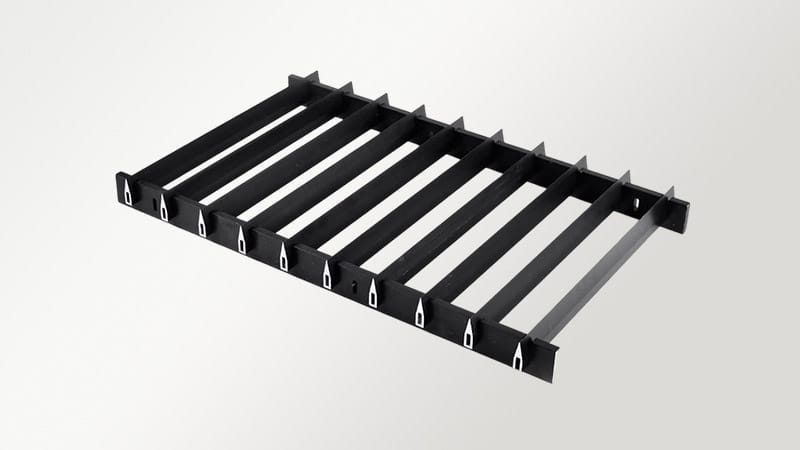
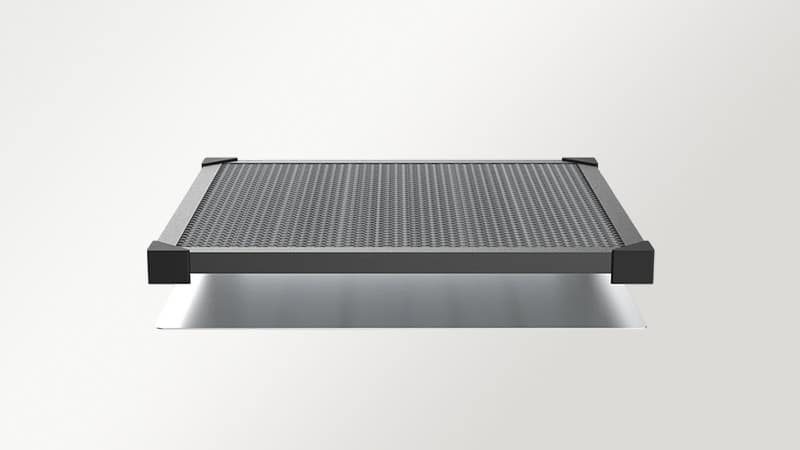
We’ve been using this machine in our workshop for a few months, and it has been a solid addition. The control system is easy to understand, and new staff can learn it quickly. The aluminum strip worktable helps improve cutting quality by reducing marks on the underside. The machine runs smoothly, and the overall operation feels stable. It doesn’t require much maintenance, which is important for our daily work. It has been dependable and supports our production needs well.
Xenia –
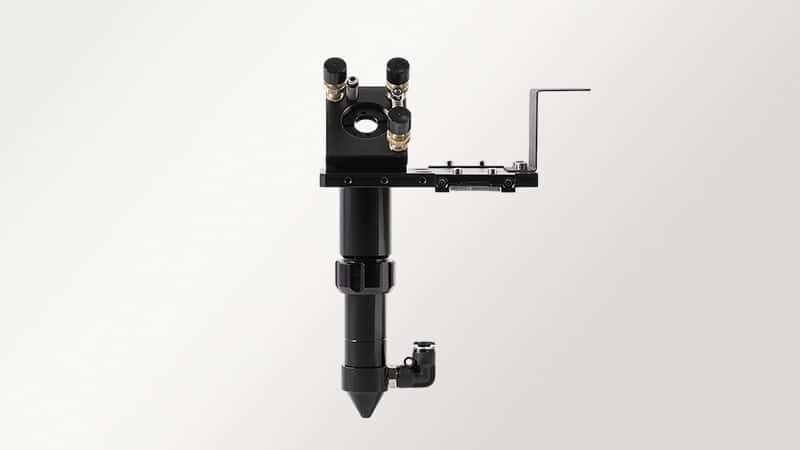
I run a small craft studio, and this CO2 laser cutting machine has helped improve both quality and efficiency. The cutting head is precise, allowing me to create detailed designs with clean edges. The machine is easy to operate, and I was able to learn it quickly. I also like how consistent the results are across different materials. It runs smoothly and feels stable during operation. It has been reliable for daily use and helps me complete orders on time.
Zara –
I run a small engraving studio, and this CO2 laser cutting machine has been a dependable tool for daily work. The cutting head delivers clean and detailed results, even on more intricate designs. The control system is easy to understand, which makes it simple to get started without much training. I also like how stable the machine feels during long engraving sessions. The mirror and lens system seems well aligned, so I don’t need to adjust it often. It runs smoothly with low noise, which is helpful in a small workspace. Overall, it has been reliable and consistent for my business needs.
Yusuf –
In our production line, we need machines that can run consistently, and this one has done a good job. The stepper motor provides steady and accurate movement, which is important for repetitive tasks. The guide rails are smooth, and there is very little vibration during cutting. The control system is easy to manage, and it helps reduce errors during operation. The machine runs reliably even during long shifts. It has become an important part of our daily workflow.