

















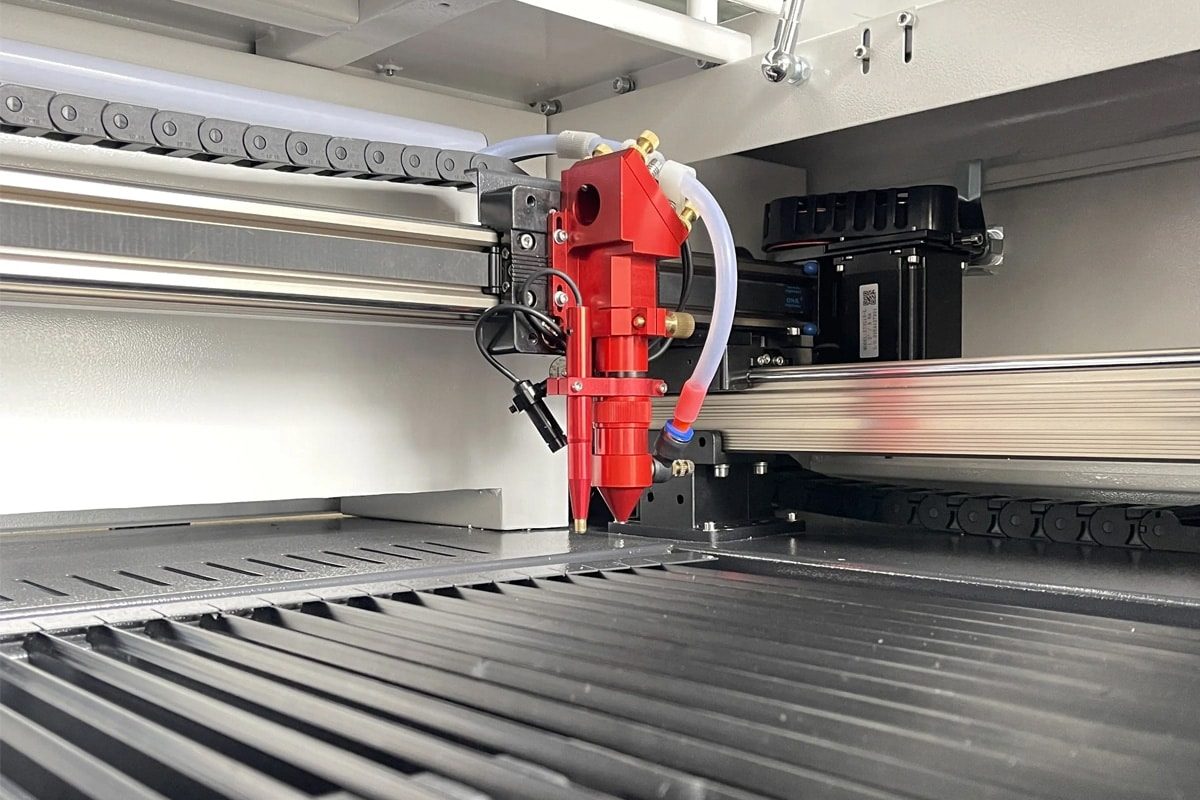
Environmental Considerations and Regulations for Operating CO2 Laser Cutting Machines
CO2 laser cutting machines are among the most versatile and widely deployed tools in modern industrial manufacturing. From sheet metal fabrication and signage production to textile cutting, woodworking, and electronics manufacturing, CO2 laser systems deliver the combination of speed, precision, and material flexibility that has made them a cornerstone of manufacturing operations across virtually every sector of industry. As the technology has matured and system costs have declined, CO2 laser cutting has moved from specialist installations in large industrial facilities to small and medium-sized workshops, makerspaces, and even studio environments — dramatically expanding the population of operators who need to understand their environmental and regulatory obligations.
With this broader adoption has come a corresponding need for greater awareness of the environmental impact of CO2 laser cutting operations. Laser cutting is not a passive process. Every time a laser beam interacts with a workpiece, it deposits concentrated energy that causes material to melt, vaporize, combust, or decompose. The gaseous and particulate byproducts of these reactions are released into the surrounding environment unless actively captured and managed. Depending on the material being cut, these byproducts may include toxic gases, carcinogenic compounds, heavy metal particulates, fine respirable dust, and volatile organic compounds — all of which pose risks to operator health, surrounding community air quality, and regulatory compliance.
At the same time, CO2 laser systems are significant consumers of electrical energy, and the operational choices made by facility managers — from laser generator duty cycle and assist gas selection to cooling system design — have meaningful implications for energy consumption and carbon footprint. Waste streams generated by laser cutting operations, including scrap material, spent filtration media, and used assist gas cylinders, must be managed in compliance with applicable environmental regulations.
The regulatory landscape governing these environmental impacts is complex and multi-layered, spanning federal occupational safety and environmental protection standards, state and local air quality and zoning regulations, and international standards for equipment certification and workplace health. Understanding this landscape is essential for any organization operating CO2 laser cutting equipment — not only to achieve and maintain regulatory compliance, but to protect the health of workers, minimize environmental liability, and position the operation as a responsible member of its community.
This guide provides a comprehensive, practical overview of the environmental considerations and regulatory requirements relevant to CO2 laser cutting machine operation. It is intended for facility managers, safety officers, procurement specialists, and equipment operators who need authoritative, actionable information to guide their environmental compliance programs.
Table of Contents
Understanding CO2 Laser Technology
Before examining the environmental implications of CO2 laser cutting, it is useful to establish a clear technical understanding of how the technology works and why its material interaction characteristics give rise to the specific environmental challenges it presents.
The Principles of CO2 Laser Generation
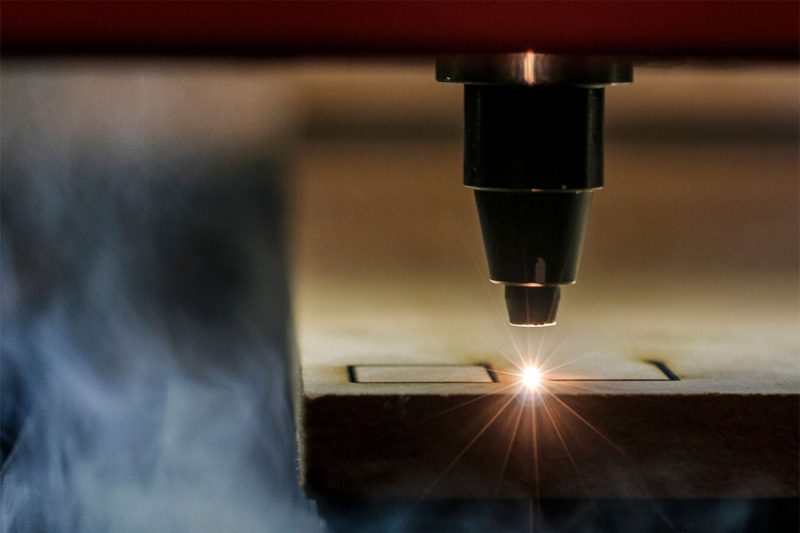
CO2 lasers belong to the class of gas lasers and are capable of generating coherent infrared radiation with a wavelength of 10.6 micrometers—a wavelength situated deep within the infrared region of the electromagnetic spectrum, far beyond the range visible to the human eye. The laser medium consists of a gas mixture—primarily composed of carbon dioxide (CO2), nitrogen (N2), and helium (He)—contained within a resonant cavity. Electrical energy is utilized to excite the nitrogen molecules within the gas mixture; subsequently, these nitrogen molecules transfer their vibrational energy to the CO2 molecules through inelastic collisions, thereby elevating the CO2 molecules to an excited energy level. As these excited CO2 molecules relax (return) to their ground state, they emit characteristic photons with a wavelength of 10.6 micrometers. The helium within the gas mixture serves as a “heat sink,” responsible for dissipating excess thermal energy from the gas and thereby maintaining the high efficiency of the laser generation process.
The emitted photons are amplified by repeated reflection between the resonator mirrors, producing a powerful, coherent laser beam that is extracted through a partially reflective output coupler mirror. This beam is then delivered to the workpiece through a beam path that may include folding mirrors, a beam expander, and a focusing lens — typically made from zinc selenide (ZnSe), a material that is transparent at 10.6 micrometers — which concentrates the beam to a small focal spot at the workpiece surface.
Why are CO2 laser generators particularly suitable for cutting?
The 10.6 micrometer wavelength of CO2 laser radiation is strongly absorbed by a very wide range of non-metallic materials — including wood, acrylic, leather, rubber, textiles, paper, cardboard, glass, ceramics, and many engineering polymers — because the molecular vibration frequencies of organic compounds and oxide materials are well-matched to this wavelength. This broad material absorptivity is the primary reason the CO2 laser generators dominate non-metal cutting applications.
In contrast, polished metal materials typically exhibit extremely high reflectivity toward lasers with a wavelength of 10.6 microns. Precisely for this reason, in modern manufacturing workshops, near-infrared fiber lasers—which operate at shorter wavelengths—have largely supplanted CO2 lasers as the dominant technology for metal cutting. Nevertheless, when paired with reactive assist gases (such as oxygen)—which supply additional chemical energy to the cutting zone—CO2 lasers remain highly competitive in the cutting of thin sheet metal, particularly stainless steel and low-carbon steel.
In a laser cutting process, the focused beam delivers sufficient energy density at the focal spot to rapidly melt, vaporize, or combust the workpiece material along the programmed cutting path. An assist gas — typically compressed air, nitrogen, or oxygen — is coaxially directed through the cutting nozzle to expel molten material from the kerf, cool the cut edge, and (in the case of oxygen) provide chemical energy through exothermic oxidation reactions that increase cutting speed and capacity.
Power, Beam Delivery, and System Configurations
The power output of CO2 laser cutting systems is tailored to material thickness and application needs. Desktop units typically range from 30 to 100W, ideal for hobbyists and light signage. For industrial production, the power range generally concentrates between 100 and 600W, providing optimal performance for cutting wood, acrylics, and leather. While higher power systems exist, the 30-600W range remains the industry standard for most non-metal fabrication, offering the best balance of precision, speed, and cost-efficiency.
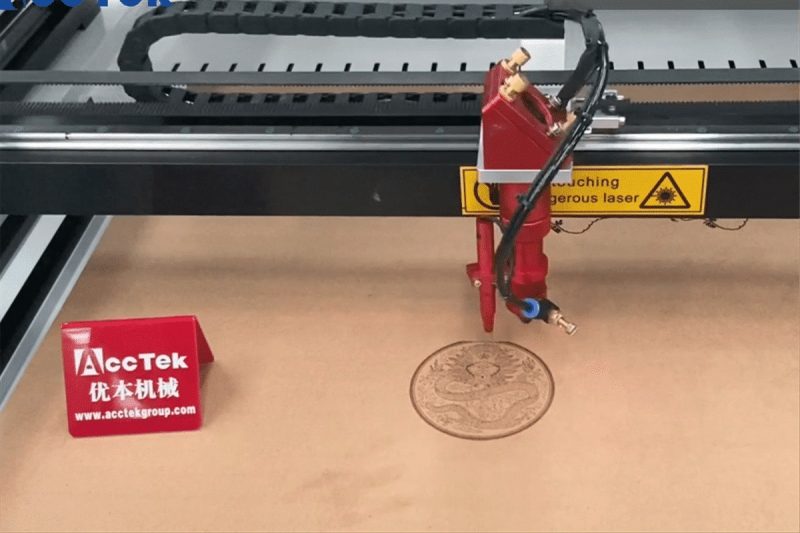
The system configuration also varies considerably. Gantry systems, in which the laser cutting head moves over a stationary workpiece on an X-Y gantry, are the most common configuration for flat-bed cutting applications. Tube laser systems incorporate rotary axes to enable cutting of structural profiles and hollow sections. Galvanometric scanning systems use high-speed steering mirrors to deliver the beam at very high speeds for marking and engraving applications. Each configuration has its own energy consumption profile, fume generation characteristics, and operational footprint.
A CO2 laser generator is a type of gas-phase laser that utilizes electrical energy to excite nitrogen molecules. These nitrogen molecules then transfer their vibrational energy to CO2 molecules via inelastic collisions, causing the latter to transition to an excited state. When the CO2 molecules subsequently relax back to their ground state, they emit characteristic infrared photons with a wavelength of 10.6 micrometers. Helium serves as a heat sink to dissipate excess thermal energy, thereby ensuring the system operates efficiently. This specific wavelength is readily absorbed by non-metallic materials—such as wood, acrylic, leather, textiles, and ceramics—because the molecular vibrational frequencies of organic compounds and oxides align closely with it; this characteristic has established the CO2 laser generator as the dominant technology in non-metallic cutting. Although metals exhibit high reflectivity at this wavelength, when paired with reactive assist gases (such as oxygen), CO2 laser generators remain competitive in the cutting of thin-sheet metals. CO2 laser cutting systems span a wide power range, extending from desktop-class units of 30–100 watts to high-power, industrial-grade systems exceeding 4–20 kilowatts. Key configurations include gantry-style systems (optimized for flat-sheet cutting), tube laser systems (designed for cutting profiles and tubing), and galvanometer scanning systems (utilized for marking and engraving); each configuration possesses distinct characteristics regarding energy consumption, fume and dust generation, and operational footprint.
Environmental Impacts of CO2 Laser Cutting Machines
The environmental impacts of CO2 laser cutting operations fall into three primary categories: airborne emissions from the laser-material interaction, energy consumption from the laser system and its ancillary equipment, and solid and liquid waste generation from the cutting process and its support systems.
Each of these three impact categories has distinct physical characteristics, affects different environmental receptors (workers, the surrounding community, and the broader environment), and is governed by different regulatory frameworks and mitigation strategies. A comprehensive environmental management approach for a CO2 laser cutting facility must address all three categories in an integrated way.
Harmful Gas and Particle Emissions
The most immediately significant environmental impact of CO2 laser cutting is the generation of airborne contaminants — gases, vapors, and particulate matter — produced when laser energy interacts with the workpiece material. The nature and quantity of these emissions depend primarily on the material being cut, and the range of materials processed by CO2laser generators spans an enormous diversity of chemical compositions, each with its own emission profile.
When cutting wood and wood-based materials — including MDF, plywood, and engineered lumber — the CO2 laser combusts and pyrolyzes the lignocellulosic structure of the wood, generating a complex mixture of combustion gases (carbon monoxide, carbon dioxide), volatile organic compounds (formaldehyde, acetaldehyde, acrolein, benzene, toluene, and polycyclic aromatic hydrocarbons among others), and fine wood smoke particles rich in organic carbon. Formaldehyde and acetaldehyde are recognized as probable and possible human carcinogens, respectively, by IARC. Polycyclic aromatic hydrocarbons (PAHs), some of which are classified as known human carcinogens, are consistently detected in wood smoke from laser cutting operations.
Cutting acrylic (polymethylmethacrylate, PMMA) generates methyl methacrylate (MMA) monomer as the primary thermal decomposition product, along with CO and CO2, and smaller quantities of other organic compounds. MMA has an occupational exposure limit (OEL) of 50 ppm (8-hour TWA) under OSHA standards and is an irritant to the eyes, skin, and respiratory tract at elevated concentrations. However, the emission profile from acrylic cutting is relatively simple and well-characterized compared to many other materials.
Cutting PVC (polyvinyl chloride) is one of the most hazardous laser cutting operations from an emissions standpoint. Thermal decomposition of PVC releases hydrogen chloride (HCl) gas — a severe respiratory irritant that causes chemical burns to the airways at concentrations well below immediately dangerous to life and health (IDLH) levels — along with dioxins and furans (polychlorinated dibenzo-p-dioxins and dibenzofurans), some of the most toxic anthropogenic compounds known, classified as known human carcinogens. For this reason, cutting PVC with CO2 laser generators is widely condemned as a practice by laser safety organizations, and many responsible equipment manufacturers explicitly prohibit it in their operating manuals and warranty conditions. Some jurisdictions have enacted specific regulations governing or prohibiting the cutting of chlorinated polymers.
Cutting polycarbonate, ABS, and other engineering thermoplastics generates complex mixtures of VOCs, including phenol, styrene, bisphenol A, and acrylonitrile — compounds with varying degrees of toxicity and regulatory significance. Nylon (polyamide) cutting generates caprolactam vapors, which, while of lower acute toxicity than HCl or dioxins, still require adequate ventilation control.
Cutting rubber and elastomers can generate sulfur dioxide (SO2) and other sulfur compounds from vulcanized rubber, as well as nitrosamines from nitrogen-containing rubber additives — compounds with well-established carcinogenicity.
Cutting or engraving coated metals introduces additional emission complexity. Chromate conversion coatings on aluminum generate hexavalent chromium (CR(VI)) compounds — classified as known human carcinogens and subject to strict OELs of 0.1 mg/m³ ceiling (and lower action levels) under current OSHA standards. Lead-containing paints or solders release lead fumes. Zinc-coated (galvanized) steels generate zinc oxide fumes, which cause metal fume fever — a flu-like acute illness — at concentrations above the OEL.
The particle size distribution of emissions from laser cutting spans from coarse particles (greater than 10 micrometers) down through fine (PM2.5) and ultrafine nanoparticles (below 100 nanometers). Nanoparticles are of particular health concern because they can penetrate deep lung tissue, enter the bloodstream, and reach distal organs. Research into the long-term health effects of occupational nanoparticle exposure is ongoing, but the precautionary principle strongly supports treating nanoparticle exposure as a serious hazard requiring rigorous engineering control.
Energy Consumption
CO2 laser cutting systems are massive consumers of electrical energy. The laser source itself—whether a sealed CO2 laser tube, a gas-flow RF-excited laser generator, or a high-power axial fast-flow laser generator—not only consumes electricity during the laser discharge process, but its associated power supply electronics, beam delivery and motion control systems, control computer, and cooling system also require electrical power. For high-power industrial CO2 laser generators, the overall electro-optical conversion efficiency (i.e., the ratio of optical output power to electrical input power) typically falls between 10% and 20%; this implies that 80% to 90% of the electrical energy consumed by the laser generator is ultimately converted into waste heat, which must be dissipated by the cooling system—a system that is, in itself, a significant energy-consuming component.
In addition to the laser source, CO2 laser cutting systems require compressed air or assist gas delivery systems, fume extraction and filtration systems, and climate control for the facility. When all ancillary systems are included, the total energy consumption of an operating CO2 laser cutting installation can be two to three times the nameplate power of the laser source alone.
In the context of decarbonization commitments and rising energy costs, the energy consumption of laser cutting operations is increasingly a subject of attention for facility managers. Operational strategies to reduce energy consumption — including optimized nesting to minimize cutting path length and material waste, duty cycle management to reduce idle power consumption, and selection of efficient assist gas delivery systems — can yield meaningful reductions in both energy cost and carbon footprint.
Waste Generation
CO2 laser cutting operations generate several categories of solid and liquid waste that require appropriate management. Material offcuts and skeleton waste — the lattice of scrap material remaining after parts have been cut from sheet stock — constitute the bulk of the solid waste stream by mass. Depending on the material, this scrap may be recyclable (metal scrap, clean acrylic offcuts), compostable or general waste (clean wood offcuts), or hazardous waste (scrap from cutting lead-containing, chromate-coated, or other toxic materials).
Spent filtration media from the fume extraction system represent a particularly important waste stream from a regulatory standpoint. HEPA filters and activated carbon cartridges that have been used to filter laser cutting fumes may be classified as hazardous waste under federal and state regulations if the captured material includes listed hazardous substances. Facilities that cut materials generating regulated emissions — such as chromate-coated metals, lead-containing materials, or beryllium alloys — must characterize their spent filter waste through analytical testing and dispose of it accordingly.
Assist gas cylinders require return to the gas supplier under deposit arrangements or disposal as compressed gas containers, and any contaminated coolant water from the laser cooling system must be managed as liquid waste in accordance with applicable drain discharge regulations.
The environmental impact of CO2 laser cutting machines falls primarily into three categories: First, air emissions—the gases, vapors, and particulate matter generated during the interaction between the laser and the material vary depending on the material being processed. Cutting wood produces carcinogens such as formaldehyde, acetaldehyde, and polycyclic aromatic hydrocarbons (PAHs), as well as wood smoke particulates; cutting PVC releases hydrogen chloride gas and highly toxic carcinogenic dioxins and furans (a practice that is therefore widely prohibited); and cutting coated metals may generate hexavalent chromium, lead fumes, or zinc oxide fumes. The particle sizes of these emissions range from coarse particulates to ultrafine nanoparticles capable of penetrating deep into the lungs and entering the bloodstream. Second, energy consumption—the electro-optical conversion efficiency of a CO2 laser generator is merely 10% to 20%; when factoring in the cooling system, auxiliary gas system, fume extraction and filtration system, and temperature control system, the total energy consumption of the entire apparatus can reach two to three times the rated power of the laser source itself. Third, waste generation—this includes scrap offcuts and skeletal waste (which may be classified as recyclable materials, general waste, or hazardous waste), as well as spent filters and activated carbon cartridges from the fume extraction system (which must be disposed of as hazardous waste if they have captured harmful substances such as hexavalent chromium, lead, or beryllium). Additionally, auxiliary gas cylinders and contaminated cooling water require management in accordance with relevant regulations.
Environmental Precautions for Operating CO2 Laser Cutting Machines
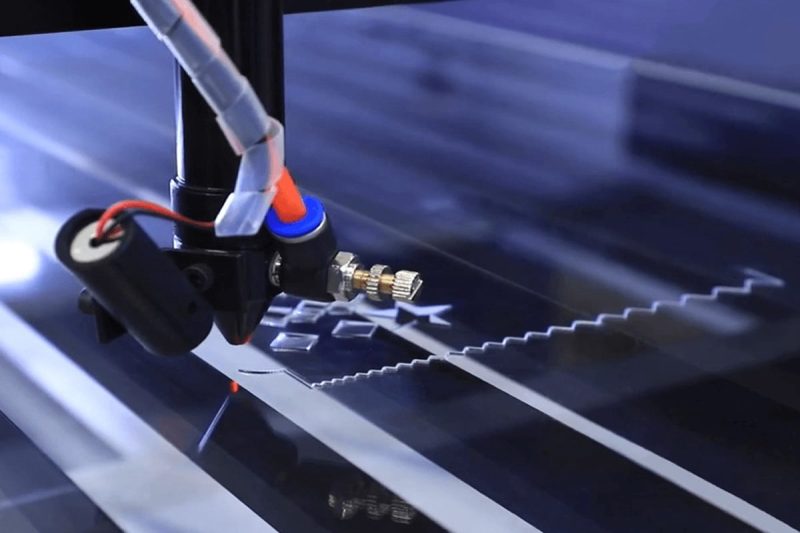
Managing the environmental impacts of CO2 laser cutting requires a systematic approach that addresses each impact category through a combination of engineering controls, operational practices, and administrative measures.
Ventilation and Fume Extraction
Ventilation is the single most critical engineering control for managing airborne emissions from CO2 laser cutting. The goal of a ventilation system is to capture laser cutting fumes and particles at or near the point of generation and remove them from the operator’s breathing zone and the facility air before they can accumulate to harmful concentrations. Achieving this goal reliably requires careful design, installation, and maintenance of the extraction system.
Local exhaust ventilation (LEV) — in which air is drawn from the cutting zone directly into the filtration system through a capture hood or integrated extraction plenum — is far more effective than dilution ventilation (in which the entire facility air is replaced frequently) because it captures contaminants before they disperse into the room air. Virtually all modern CO2 laser cutting systems designed for indoor industrial use are equipped with integral LEV connections, and the use of external dilution ventilation alone — without LEV — is generally inadequate to protect operator health for anything beyond the most intermittent, low-power applications cutting benign materials.
The filtration system connected to the LEV should provide multi-stage filtration appropriate to the emission profile of the materials being cut. A minimum configuration for most applications consists of a pre-filter to capture coarse particles, a HEPA filter rated to H14 or higher efficiency (capturing at least 99.995% of particles at the most-penetrating particle size), and an activated carbon stage to adsorb gaseous contaminants, including VOCS and organic acids. For applications generating acid gases (HF, HCl, SO2), the carbon stage must be impregnated with a base such as potassium carbonate or potassium iodide to provide chemisorption capacity for these compounds. For applications generating highly toxic substances such as dioxins, CR(VI) compounds, or radioactive materials, additional specialized filtration stages and more frequent filter monitoring and replacement are required.
The airflow rate of the LEV system must be matched to the size of the cutting enclosure and the emission rate of the laser process. The system must maintain a sufficient inward air velocity at all openings in the enclosure — typically a minimum of 0.5 to 1.0 meters per second at the enclosure face — to prevent fume from escaping into the room. The airflow rate should be verified by measurement at commissioning and rechecked periodically, particularly after filter replacement (which increases airflow resistance) or changes in the cutting envelope.
For facilities that exhaust filtered air to the outdoors, the local authority having jurisdiction may require an air discharge permit specifying maximum allowable emission rates for specific pollutants. Facilities that recirculate filtered air within the building must verify that the filtration system provides sufficient removal efficiency for all contaminants generated to maintain indoor air concentrations below applicable occupational exposure limits, even during continuous operation.
Material Selection and Substitution
The most effective way to reduce the environmental and health impacts of CO2 laser cutting emissions is to avoid cutting materials that generate highly hazardous emissions. This principle — known as elimination or substitution in the hierarchy of hazard controls — should be applied as the first line of defense before relying on engineering controls or PPE.
As discussed earlier, cutting PVC generates dioxins, furans, and HCl, making it one of the most hazardous CO2 laser cutting operations. Wherever possible, PVC components should be replaced with alternative materials — acrylic, polycarbonate, or polyester — that can achieve the desired functional performance without generating chlorinated combustion byproducts. Similarly, cutting materials with chromate coatings, lead-containing finishes, or beryllium content should be avoided or minimized where alternative surface treatments or material specifications can meet the performance requirements.
When material substitution is not possible, material characterization should precede the establishment of the ventilation and waste management program. Cutting trials with air sampling — measuring airborne concentrations of target contaminants at the operator’s breathing zone under representative operating conditions — should be conducted to verify that the engineering controls in place provide adequate protection before production cutting begins.
Energy Efficiency Measures
Reducing the energy consumption of CO2 laser cutting operations benefits both the facility’s operational cost and its environmental footprint. Several practical measures can meaningfully reduce energy consumption without compromising productivity.
Nesting optimization — the use of advanced CAM software to pack parts as efficiently as possible onto each sheet, minimizing both material waste and cutting path length — reduces the total laser-on time required to process a given quantity of parts and therefore reduces both energy consumption and cumulative fume generation. Many modern nesting software packages incorporate energy consumption estimates as an optimization criterion alongside material utilization, enabling the operator to balance productivity, material efficiency, and energy use.
Laser parameter optimization—the process of selecting a combination of laser power and cutting speed for each specific material and thickness that simultaneously meets required cutting quality standards and minimizes energy consumption—helps avoid a common inefficiency: overdriving the laser generator at unnecessarily high power levels. Such overdriving not only wastes energy but also increases the thermal stress placed on the laser source and generates an excessive amount of smoke and fumes per unit length of cut. By establishing and regularly updating a parameter library—maintained through periodic cutting quality tests conducted on new material samples—production settings can be kept in an optimal state, thereby effectively compensating for the gradual decline in output power that occurs as the laser tube ages.
Power management—specifically, measures such as automatically switching to standby mode during idle periods between operations to reduce the laser generator’s energy consumption, and scheduling non-productive activities (such as equipment maintenance and setup adjustments) during off-peak electricity hours—can significantly lower energy costs; the energy-saving benefits are particularly pronounced for facilities operating under a “time-of-use” electricity pricing model.
Waste Management Practices
Effective waste management for CO2 laser cutting requires a clear classification of the waste streams generated, an understanding of the regulatory requirements applicable to each, and a practical system for collection, storage, and disposal that is followed consistently by all personnel.
Material scrap should be segregated by material type at the point of generation and stored in clearly labeled containers. Metal scrap from clean cutting operations — without toxic coatings or contamination — is typically recyclable through established scrap metal channels. Acrylic scrap may be accepted by specialist plastic recyclers. Wood and MDF offcuts can generally be disposed of as general solid waste or, for clean wood, composted or used as biomass fuel, provided that the material has not been treated with preservatives or coatings that would render it a regulated waste.
Spent filter media must be handled with appropriate PPE to prevent exposure to the concentrated contaminants they contain. Facilities should maintain records of filter replacement dates and the materials cut since the previous filter change, as this information is required to determine the appropriate waste classification and disposal route. Where the waste classification is uncertain, analytical testing of spent filter media by an accredited laboratory provides the definitive answer.
Environmental protection measures for CO2 laser cutting machines require a systematic approach, primarily encompassing the following: First, ventilation and fume extraction: A Local Exhaust Ventilation (LEV) system should directly capture fumes at the cutting zone and be equipped with a multi-stage filtration unit. The minimum configuration must include a coarse-particle pre-filter, an H14-grade (or higher efficiency) HEPA filter capable of capturing over 99.995% of particulates, and an activated carbon layer designed to adsorb volatile organic compounds (VOCs) and organic acids. The system must maintain an inward airflow velocity of at least 0.5 to 1.0 meters per second across all openings in the cutting workspace to prevent fume dispersion. Second, material selection and substitution: One should, whenever possible, avoid cutting materials that generate highly hazardous emissions—such as PVC (which produces dioxins, furans, and hydrogen chloride), or materials containing chromate coatings, lead-based coatings, or beryllium components—opting instead for alternative materials such as acrylic or polycarbonate. Third, energy efficiency measures: Energy consumption and carbon footprint should be minimized by optimizing nesting layouts to reduce material waste and cutting path lengths; optimizing laser parameters to select the lowest effective power and speed combination; and implementing power management strategies (including automatic power reduction during standby periods). Fourth, waste management practices: Scrap materials must be sorted by type at the point of generation (e.g., metal scraps are recyclable; clean wood can be composted or utilized as biomass fuel; and spent filtration media containing captured hazardous substances must be disposed of as hazardous waste). Furthermore, records of filter replacements and information regarding the materials cut should be maintained to facilitate the proper classification and disposal of waste.
Regulatory Framework for CO2 Laser Cutting Operations
The regulatory landscape for CO2 laser cutting operations is multi-layered, encompassing federal occupational safety and health regulations, federal and state environmental protection requirements, equipment safety standards, and local zoning and air quality rules. Navigating this landscape requires an understanding of which regulations apply to a given operation based on its location, industry sector, scale, and the materials being processed.
No single regulation governs all aspects of CO2 laser cutting environmental compliance. Instead, operators must comply with a matrix of overlapping requirements from multiple agencies and jurisdictions. Federal requirements establish a baseline that applies nationwide, while state, regional, and local requirements may be more stringent and must be independently verified for each facility location.
OSHA Regulations
OSHA’s General Duty Clause (Section 5(a)(1) of the OSH Act) requires employers to provide employees with a workplace free from recognized hazards that are causing or likely to cause death or serious physical harm. This broadly applicable requirement means that even in the absence of a specific OSHA standard addressing a particular hazard — for example, nanoparticle exposure from laser cutting fumes, for which no specific permissible exposure limit (PEL) currently exists — employers have a legal obligation to identify and control the hazard if it is recognized by the industry or the scientific community as a potential health risk.
OSHA’s Air Contaminants Standard (29 CFR 1910.1000) establishes PELs for hundreds of specific substances that may be present in workplace air, including many of the compounds generated during laser cutting. Key PELs relevant to CO2 laser cutting include those for formaldehyde (0.75 ppm TWA, 2 ppm STEL, with an action level of 0.5 ppm), hexavalent chromium compounds (0.005 mg/m³ TWA action level, 0.1 mg/m³ PEL), lead (0.05 mg/m³ TWA action level), and total particulate matter (15 mg/m³ for total dust, 5 mg/m³ for respirable fraction).
OSHA’s Hazard Communication Standard (29 CFR 1910.1200) requires employers to maintain Safety Data Sheets (SDS) for all hazardous chemicals in the workplace and to train employees on the hazards associated with the chemicals they work with. For CO2 laser cutting operations, the SDS requirement applies to the assist gases used (oxygen, nitrogen), cleaning chemicals, and any materials identified as generating regulated substances during cutting.
OSHA’s Respiratory Protection Standard (29 CFR 1910.134) establishes requirements for respiratory protection programs where engineering controls alone cannot reduce airborne contaminant concentrations to below applicable PELs. A compliant respiratory protection program includes hazard assessment, selection of appropriate respirator types, fit testing, training, and a written program administered by a qualified program administrator.
EPA Regulations
The Environmental Protection Agency (EPA) regulates environmental emissions — air, water, and land — from industrial operations under a suite of statutes and implementing regulations. CO2 laser cutting facilities may be subject to EPA requirements under the Clean Air Act, the Resource Conservation and Recovery Act (RCRA), and potentially other statutes depending on the scale and nature of their operations.
Under the Clean Air Act, facilities that emit regulated air pollutants above specified threshold quantities are subject to permitting requirements under either the Title V Major Source program (for facilities emitting above major source thresholds) or the minor source permitting programs administered by state agencies. Whether a given CO2 laser cutting facility requires an air emission permit depends on the types and quantities of regulated pollutants emitted, which in turn depend on the materials processed, the cutting volume, and the efficiency of the emission control system. Facilities that cut significant quantities of materials generating hazardous air pollutants (HAPs) — as defined in Section 112 of the Clean Air Act — may be subject to National Emission Standards for Hazardous Air Pollutants (NESHAP) requirements.
RCRA establishes the framework for the management of solid and hazardous waste in the United States. As discussed in the waste management section, spent filtration media from laser cutting operations may be classified as RCRA hazardous waste depending on their contaminant content. Facilities generating hazardous waste above threshold quantities are subject to generator requirements, including waste characterization, manifesting, storage time limits, and disposal through licensed treatment, storage, and disposal facilities (TSDFs).
State, Regional, and Local Regulations
State environmental agencies — operating under delegated authority from EPA or under independent state environmental statutes — administer air quality permitting programs and may establish emission standards more stringent than federal requirements. Some states have adopted their own hazardous air pollutant lists and emission standards that go beyond the federal NESHAP requirements. California’s South Coast Air Quality Management District and Bay Area Air Quality Management District, for example, have emission rules and permit requirements that are among the most stringent in the world and apply to laser cutting operations above relatively low threshold emission rates.
Local zoning and building regulations may restrict certain types of industrial activity, impose noise and emission limits, or require specific ventilation and fire suppression systems in facilities where laser cutting is conducted. Building permits for new laser cutting installations typically require review of the ventilation system design by the local building authority, and some jurisdictions require independent commissioning verification of the ventilation system performance before operations begin.
International Regulatory Standards
For operations outside the United States, or for facilities that supply products to international markets, a different set of regulations and standards applies. In the European Union, workplace air quality is regulated by the Chemical Agents Directive (2000/39/EC) and the Carcinogens and Mutagens Directive (2004/37/EC), which establish binding occupational exposure limit values for substances including benzene, formaldehyde, hexavalent chromium, and other compounds generated during laser cutting. The EU’s Industrial Emissions Directive (2010/75/EU) requires large industrial installations to apply Best Available Techniques (BAT) for emission control, with reference documents (BREFs) providing technical guidance on BAT for specific industrial sectors.
Laser equipment itself is subject to CE marking requirements under the Machinery Directive (2006/42/EC) and the Low Voltage Directive (2014/35/EU) in the EU, and to equivalent national product safety certification requirements in other jurisdictions. The laser classification and safety labeling requirements of IEC 60825-1 apply globally as the international standard for laser product safety.
The regulatory framework for CO2 laser cutting operations is multi-layered, encompassing federal, state, local, and international regulatory requirements. In the United States, federal-level regulation is primarily governed by OSHA (Occupational Safety and Health Administration) and EPA (Environmental Protection Agency): OSHA’s General Duty Clause requires employers to provide workplaces free from recognized hazards, the Air Contaminants Standard (29 CFR 1910.1000) establishes Permissible Exposure Limits (PELs) for formaldehyde, hexavalent chromium, lead, total particulate matter and other substances, the Hazard Communication Standard mandates maintenance of Safety Data Sheets (SDS) and employee training, and the Respiratory Protection Standard requires implementation of respiratory protection programs when engineering controls are insufficient; EPA administers permitting requirements under the Clean Air Act for facilities emitting regulated pollutants above threshold quantities (including Title V permits for major sources and minor source permits), facilities cutting materials that generate Hazardous Air Pollutants (HAPs) may also be subject to National Emission Standards for Hazardous Air Pollutants (NESHAP), while the Resource Conservation and Recovery Act (RCRA) requires facilities generating hazardous waste above threshold quantities to conduct waste characterization, complete manifests, and dispose of waste at licensed facilities. At the state, regional, and local levels, state environmental agencies may establish emission standards more stringent than federal requirements (such as California’s South Coast and Bay Area Air Quality Management Districts, whose rules are among the most stringent in the world), while local zoning and building regulations may restrict types of industrial activities and require ventilation system design review and commissioning verification. At the international level, the European Union establishes occupational exposure limits through the Chemical Agents Directive and the Carcinogens and Mutagens Directive, the Industrial Emissions Directive requires large facilities to apply Best Available Techniques (BAT), laser equipment must comply with CE marking requirements, and the IEC 60825-1 standard applies globally as the international standard for laser product safety.
Best Practices for Environmentally Responsible CO2 Laser Cutting Operations
Beyond regulatory compliance, organizations that operate CO2 laser cutting equipment with a genuine commitment to environmental responsibility implement a set of best practices that go beyond minimum legal requirements and create a culture of continuous improvement in environmental performance.
Regular Maintenance and Inspection
The performance of all environmental control systems — fume extraction, filtration, cooling, and assist gas delivery — depends on their being maintained in good working order. A structured preventive maintenance program, with scheduled inspection and servicing intervals based on the manufacturer’s recommendations and the operational conditions of the specific facility, is the foundation of reliable environmental control.
Fume extraction systems require particular attention. Filter loading increases airflow resistance over time, reducing the airflow through the extraction system and potentially compromising its ability to maintain adequate capture velocity at the cutting enclosure. Pressure differential gauges or electronic airflow monitors should be installed to provide a continuous indication of filter loading status, and filters should be replaced before they reach the end of their service life rather than only when a failure is detected.
Laser optics — particularly the focusing lens and output window — accumulate contamination from the cutting process over time, reducing beam quality, increasing the risk of thermal damage to the optics, and potentially altering the beam focus position and energy density at the workpiece, with consequences for both cut quality and fume generation rate. Regular inspection and cleaning of optical components, following manufacturer procedures, maintains consistent process performance.
Personal Protective Equipment
While engineering controls — enclosures, LEV, and filtration — are the primary means of protecting operators from laser cutting fumes and radiation, personal protective equipment (PPE) provides an important additional layer of protection, particularly during maintenance activities, setup operations, and other tasks that may involve exposure to hazards not fully controlled by engineering measures.
Laser safety eyewear with appropriate optical density for the CO2 laser wavelength (10.6 micrometers) is mandatory for any personnel who may be exposed to direct or reflected laser radiation. Standard safety glasses are not adequate protection against laser radiation — dedicated laser protective eyewear rated to the applicable wavelength and power level is required.
Respiratory protection — at minimum an N95 filtering facepiece respirator, and a powered air-purifying respirator (PAPR) with appropriate filter cartridges for operations involving highly toxic emissions — should be available and used by operators during activities where the LEV system may not provide full protection, such as loading and unloading workpieces while the enclosure is open or performing maintenance on the fume extraction system.
Training and Education
The effectiveness of all environmental and safety controls ultimately depends on the knowledge and behavior of the people operating and maintaining the laser cutting system. A comprehensive training program for all personnel who work with or near the laser cutting equipment should cover the types of hazardous emissions generated by the materials being cut, the function and correct use of all engineering controls, the requirements for and correct use of PPE, the emergency procedures in case of fire, spill, or equipment failure, the waste management requirements for all waste streams generated, and the regulatory reporting and record-keeping obligations of the facility.
Training should be conducted at initial employment and refreshed annually, or whenever there is a significant change in the materials being cut, the equipment configuration, or the applicable regulatory requirements. Training records should be maintained as documentation of compliance with OSHA training requirements.
Compliance Monitoring and Continuous Improvement
Regulatory compliance is not a one-time achievement but an ongoing obligation that requires active monitoring, documentation, and periodic review. Facilities should maintain a compliance calendar that tracks all regulatory filing, reporting, and renewal deadlines, and should designate a responsible individual — the environmental health and safety (EHS) manager or an equivalent role — to ensure that these obligations are met.
Environmental responsibility in CO2 laser cutting relies on a proactive strategy centered on rigorous maintenance, comprehensive protection, and continuous education. Beyond basic compliance, facilities must implement structured preventive maintenance for filtration and optics to ensure peak efficiency and minimal emissions. Providing specialized PPE—such as wavelength-specific safety eyewear and respiratory protection (N95 or PAPR)—is essential during setup and maintenance. Furthermore, establishing an ongoing training culture and conducting periodic air quality monitoring allows organizations to identify performance drift early. This holistic approach not only ensures a safer workplace but also drives long-term environmental sustainability through the integration of EHS management and process optimization.
Summary
Operating a CO2 laser cutting machine responsibly in today’s regulatory and environmental context requires a level of knowledge, planning, and operational discipline that goes well beyond simply learning to run the machine. The environmental impacts of CO2 laser cutting — airborne emissions of gases, vapors, and particles; energy consumption; and waste generation — are real, significant, and subject to a comprehensive framework of federal, state, and local regulations that impose specific obligations on facility operators.
The good news is that the technology and knowledge needed to manage these impacts effectively are well-established and accessible. Properly designed local exhaust ventilation with multi-stage filtration can achieve very high removal efficiency for the full range of contaminants generated by CO2 laser cutting, protecting both operator health and ambient air quality. Thoughtful material selection and substitution can eliminate some of the most hazardous emission sources. Energy efficiency measures can meaningfully reduce the operational carbon footprint of laser cutting activities. Structured waste management programs can ensure that all waste streams are handled in compliance with applicable regulations, minimizing environmental liability.
The regulatory framework, though complex, establishes a clear and structured set of requirements. When properly understood and systematically implemented, these requirements form the foundation of a defensible compliance program. Standards set by OSHA for occupational health, along with the EPA’s regulations on air quality and waste management, and the additional layers of state and local rules, should not be viewed as arbitrary burdens. Rather, they reflect a broader societal consensus: that workers and communities are entitled to protection from the environmental impacts of industrial activities.
Organizations that invest in understanding and meeting these requirements — and that go beyond minimum compliance to implement genuine best practices — gain advantages that extend beyond regulatory compliance. They protect their workers from occupational illness, reduce their liability exposure, strengthen their relationships with regulators and community stakeholders, and position themselves as responsible operators in an industry where environmental credentials are increasingly scrutinized by customers and investors alike.
Whether you are establishing a new CO2 laser cutting operation or reviewing the environmental management program of an existing facility, the framework, technologies, and practices described in this guide provide the foundation for an approach that is both environmentally responsible and operationally excellent.
Get CO2 Laser Cutting Solutions
If you are evaluating CO2 laser cutting equipment for a new installation, upgrading an existing system, or seeking to improve the environmental performance of your current laser cutting operation, our team of laser cutting engineers and application specialists is ready to support you with the technical expertise and product portfolio you need.
Our CO2 laser cutting systems are engineered to meet the demands of industrial production environments across a wide range of applications and materials, from thin-gauge sheet metal fabrication and precision acrylic cutting to large-format woodworking and technical textile processing. All of our systems are designed with environmental responsibility as a core engineering requirement — not an afterthought. Integral fume extraction connections, energy-efficient laser sources, and optimized beam delivery systems are standard features, and we offer a range of integrated fume extraction and filtration solutions matched to the specific emission profiles of the materials our customers process.
AccTek Laser understands that selecting and implementing a CO2 laser cutting system involves navigating complex environmental and regulatory requirements that vary by facility location, industry sector, and material portfolio. Our applications engineering team includes specialists with deep experience in occupational health and safety, air quality compliance, and waste management for laser cutting operations, and we can provide detailed guidance on the ventilation and filtration requirements, PPE specifications, and regulatory compliance documentation relevant to your specific application.
Every system we supply comes with a comprehensive commissioning package that includes ventilation system performance verification, operator training on environmental and safety requirements, and documentation support for your internal EHS management system and any applicable regulatory permit requirements. Our service and support network spans more than 120 countries, providing local technical support, preventive maintenance programs, and regulatory compliance assistance wherever your facility is located.
Contact our team today to schedule a consultation, request a system demonstration, or discuss your specific environmental compliance requirements. We respond within one business day and are committed to helping you build a CO2 laser cutting operation that delivers outstanding productivity, quality, and environmental responsibility in equal measure.

Contact information
- [email protected]
- [email protected]
- +86-19963414011
- No. 3 Zone A, Lunzhen Industrial Zone,Yucheng City , Shandong Province.
Get Laser Solutions