

















What Factors Affect Laser Welding Efficiency?
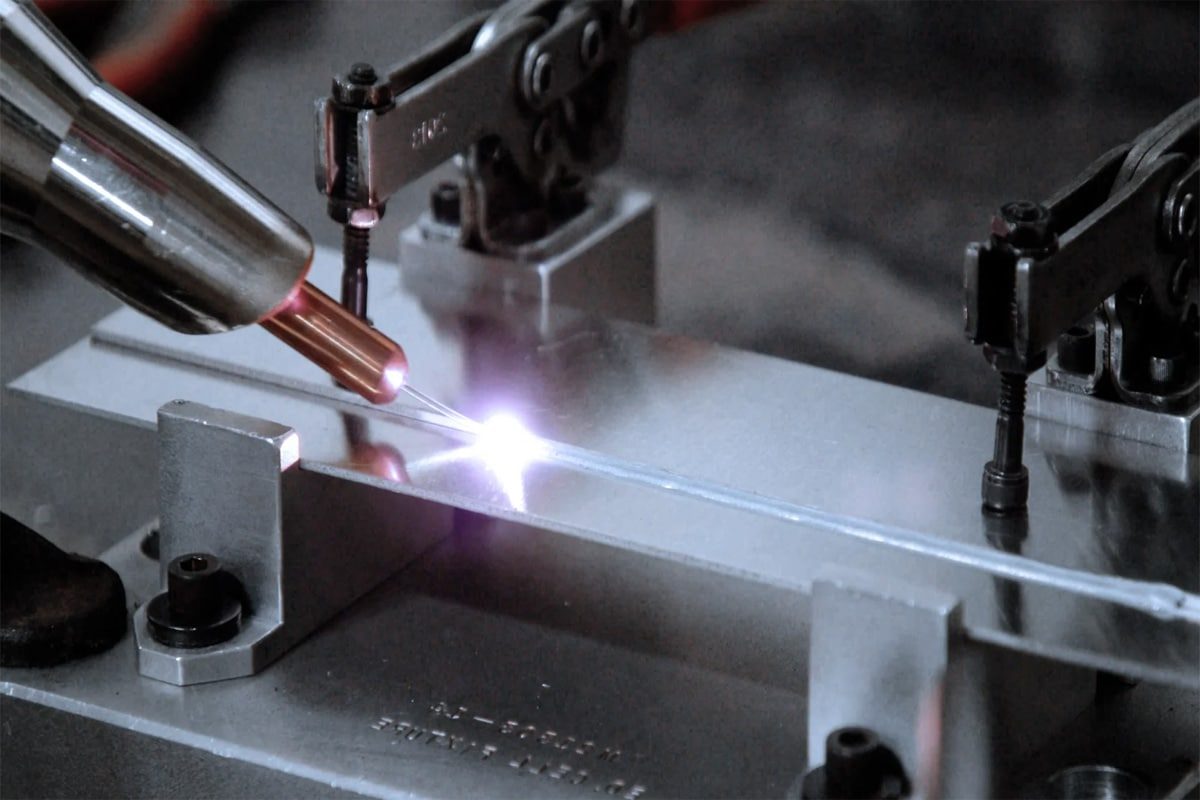
Laser welding has become one of the most revolutionary technologies in modern manufacturing, transforming industries by offering exceptional speed, precision, and versatility that traditional welding methods struggle to match. By focusing an intense beam of coherent light onto a small focal area, laser welding machines can achieve energy densities exceeding 10⁶ W/cm², allowing metals to melt and fuse nearly instantaneously. The result is a narrow, deep weld with a minimal heat-affected zone, making laser welding indispensable across various industries, including automotive, aerospace, medical devices, and consumer electronics.
At the heart of laser welding lies the ability to direct the output of a laser generator through optical components, energy density at the focal point exceeds a critical threshold, the material absorbs the energy, rapidly converting it to heat, causing localized melting. In deep-penetration (keyhole) mode, the resulting vaporization creates a cavity that allows the beam to penetrate deeper into the material, producing a high depth-to-width ratio that distinguishes laser welds from those produced by conventional arc welding methods. In contrast, conduction mode uses lower power densities to melt only a shallow pool, creating smooth, cosmetically superior welds ideal for thin or reflective materials.
However, achieving optimal laser welding efficiency requires more than just activating the laser. Efficiency, defined as the ability to achieve consistent weld quality at the highest sustainable production rates with minimal waste, rework, and energy consumption, is influenced by a range of factors. These include the laser welding machine’s characteristics, the laser generator’s output, material properties, joint design, beam delivery system, shielding gas, environmental conditions, and operator expertise. Even slight deviations from ideal conditions — such as a minor shift in focal position or a thin oxide layer — can lead to defects or reduced production speed. This article offers a comprehensive analysis of the factors influencing laser welding machine efficiency and provides practical strategies to optimize performance, tackle challenges, and identify the right industrial solutions for various applications.
Table of Contents
Fundamental Principles of Laser Welding
Before examining the factors that govern efficiency, it is essential to establish a clear understanding of how laser welding works — specifically, how laser energy is converted into the heat that drives material joining, and why efficiency is so central to achieving reliable, high-quality welds at an industrial scale.
How Laser Energy Is Used to Join Materials
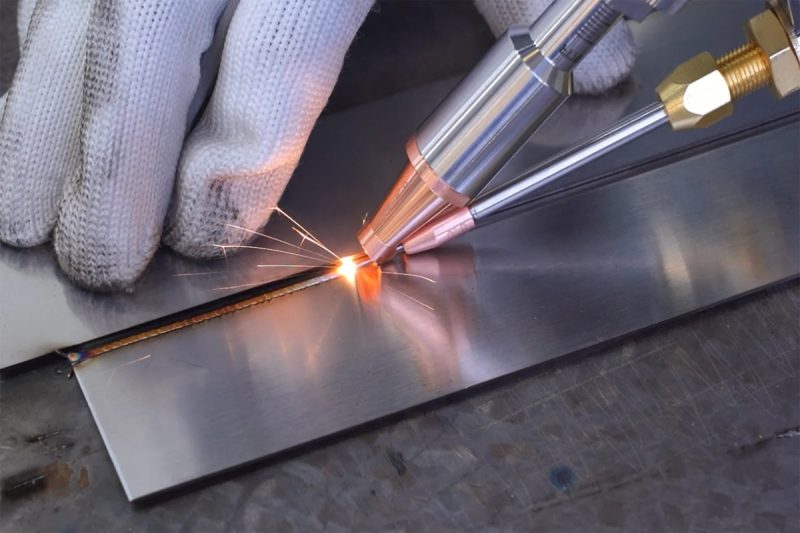
A laser generator produces a beam of highly coherent, monochromatic light. In industrial laser welding, the most widely used sources are fiber laser generators, which emit at a wavelength of approximately 1,064 nm, and CO2 laser generators, which emit at 10.6 µm. The beam is transmitted through fiber optic cables in the case of fiber laser generators, or through a series of precision mirrors for CO2 systems, to a welding head equipped with focusing optics. These optics converge the beam to a spot, typically 0.1 to 1.0 mm in diameter, where the power density reaches the levels required for melting.
At the workpiece surface, the absorbed laser energy raises the local temperature almost instantaneously. In conduction-mode welding, the power density is kept below the vaporization threshold; heat conducts into the material from the surface, creating a shallow, wide molten pool that solidifies into a smooth, rounded bead. This mode is preferred for thin sheets, delicate components, and applications where surface appearance is critical. In keyhole-mode (deep-penetration) welding, the power density exceeds the vaporization threshold. The metal at the focal point vaporizes explosively, generating high-pressure metallic vapor that excavates a narrow, deep cavity — the keyhole — surrounded by a thin liquid metal wall. The laser beam is absorbed along the entire depth of this cavity through multiple reflections, enabling penetration depths far beyond what conduction heating alone could achieve. As the laser beam advances along the joint, the liquid metal flows around the keyhole and solidifies in the wake, forming a dense, narrow weld bead with a depth-to-width ratio that can exceed 10:1 in high-power applications.
The Importance of Efficiency for Achieving High-Quality Welds
Efficiency in laser welding is a multidimensional concept. It encompasses energy efficiency — the fraction of laser power that is actually absorbed by the workpiece and converted into useful heat rather than reflected, scattered, or lost to the surrounding environment. It encompasses process efficiency — the ability to complete welds at the highest possible speed without introducing defects such as porosity, cracking, undercut, or incomplete fusion. And it encompasses system efficiency — the overall productivity of the welding cell, including the time consumed by fixturing, part loading and unloading, and any downstream rework or inspection.
All three dimensions are tightly coupled. Poor energy efficiency forces the use of higher laser power than the process actually requires, increasing energy costs, accelerating thermal wear of optical components, and enlarging the heat-affected zone. Poor process efficiency leads to slower travel speeds, multiple weld passes, or frequent rejects, all of which directly reduce output and raise unit cost. Poor system efficiency means that even a technically excellent weld process yields disappointing overall productivity because non-value-added time dominates the production cycle.
Laser welding converts the coherent output of a laser generator into highly concentrated thermal energy at the workpiece, enabling two fundamental welding modes: conduction and keyhole. Achieving industrial-grade efficiency across energy, process, and system dimensions simultaneously requires a disciplined understanding and control of every variable in the process chain — the subject of the sections that follow.
Factors Affecting Laser Welding Efficiency
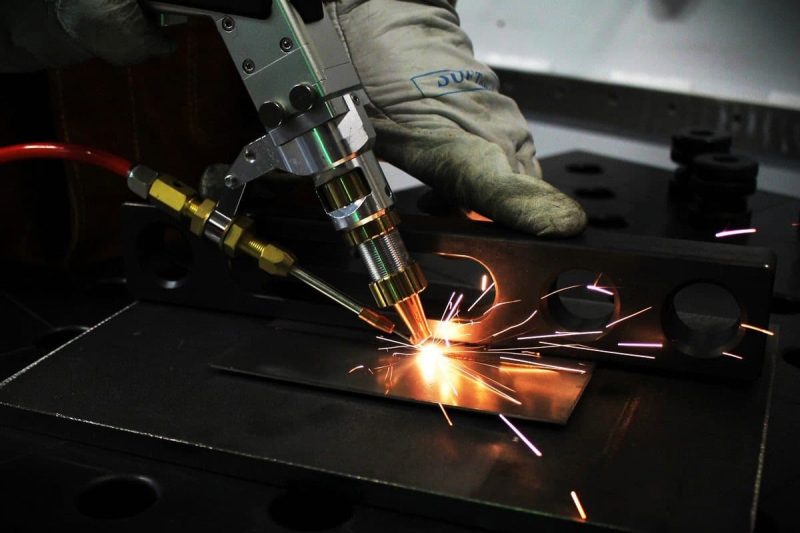
The efficiency of a laser welding process is determined by the interplay of multiple categories of variables, each of which can either amplify or undermine the performance achieved by the others. This section examines these factors systematically, from the laser generator parameters at the heart of the process outward to the human and environmental conditions surrounding it.
Laser Parameters
Laser Power
Laser power is the most fundamental process variable, governing the total energy delivered to the workpiece per unit time. Insufficient power results in incomplete fusion, shallow penetration, or incomplete melting of the base material, leading to weak, defect-prone joints. Excessive power causes burn-through, excessive spatter, enlarged heat-affected zones, and potentially damaging reflections from highly reflective materials. The optimal power level is a function of material type, thickness, thermal conductivity, and the target welding speed — and must be determined through systematic process development for each new application. In high-volume production, even a 5–10% deviation from the optimized power level can measurably increase defect rates and scrap.
Beam Focus and Focal Position
The focal position — specifically, the location of the beam’s minimum spot diameter (beam waist) relative to the workpiece surface — has a profound effect on power density and therefore on penetration mode and depth. When the focal point coincides with the surface (zero defocus), maximum power density is achieved, maximizing penetration depth. Positive defocus (focal point above the surface) reduces power density and broadens the weld pool, which can be advantageous for bridging small gaps or improving cosmetic appearance. Negative defocus (focal point below the surface) can increase the effective coupling efficiency in keyhole mode for some materials. For a given laser generator and optical configuration, even a shift of ±0.5 mm from the optimized focal position can reduce penetration depth by 20–30% or cause the welding mode to transition from keyhole to conduction, fundamentally changing the weld character and compromising joint strength.
Pulse Frequency and Duration
In pulsed laser welding — commonly used for thin sheets, precision joints, and heat-sensitive materials — the pulse frequency (the number of pulses per second, measured in Hz) and pulse duration (the length of each pulse, measured in milliseconds) jointly determine the peak power, average power, and the thermal cycle experienced by the material between pulses. Higher pulse frequencies with shorter durations tend to produce smoother weld beads with lower heat input per pulse, reducing the risk of distortion and cracking in sensitive materials. Lower frequencies with longer pulse durations allow more time for heat to conduct into the material, increasing penetration per pulse but also increasing the risk of heat accumulation and base-material distortion in multi-pass applications. In continuous-wave (CW) laser welding, pulse shaping is replaced by direct modulation of output power — a technique increasingly used to manage keyhole stability and reduce porosity in aluminum and copper welding.
Material Properties
Material Type
Different metals and alloys interact with laser energy in fundamentally different ways, creating vastly different process efficiency challenges. Steel — particularly low-carbon and stainless grades — has relatively high laser absorptivity at fiber laser wavelengths and good weldability, making it the most straightforward material to weld efficiently. Aluminum alloys present a greater challenge: their high reflectivity (absorptivity at 1,064 nm as low as 5–10% at room temperature), high thermal conductivity, and wide solidification range make them susceptible to keyhole instability, porosity, and hot cracking. Copper is even more reflective and thermally conductive, requiring high peak power to initiate keyhole formation and careful parameter control to maintain stable melting. Titanium and nickel superalloys generally weld more easily from a laser coupling standpoint, but require rigorous shielding gas protection to prevent oxidation and contamination. The selection and optimization of laser generator type, wavelength, and power for a given material is therefore a critical efficiency driver.
Material Thickness
Material thickness directly determines the required penetration depth and, therefore, the minimum laser power and the appropriate welding strategy. Thin sheets (below 1–2 mm) demand precise power control to avoid burn-through; even a momentary power spike can punch through the material. Thick plates (above 8–10 mm) typically require multi-pass strategies, groove preparation, or hybrid laser-arc approaches to achieve full-depth fusion. The efficiency penalty for mismatching laser power to material thickness can be severe: too little power on thick material forces slower travel speeds or multiple passes, while too much power on thin material increases scrap and post-weld distortion correction costs.
Surface Condition
The surface condition of the workpiece — including cleanliness, roughness, oxide layer thickness, and the presence of coatings, lubricants, or contaminants — significantly affects the fraction of incident laser energy that is absorbed rather than reflected. A clean, oxidized (dark) surface absorbs laser energy more efficiently than a polished, oxide-free one. Conversely, oil films, drawing lubricants, zinc coatings, and galvanized layers can volatilize violently during welding, generating spatter and porosity, destabilizing the keyhole, and contaminating the weld pool. Surface preparation — mechanical cleaning, chemical degreasing, or laser cleaning — is therefore not merely a cosmetic step but a direct efficiency and quality enabler. In many automated production environments, inline surface preparation stations are integrated upstream of the welding cell to ensure consistent surface conditions at every weld location.
Joint Design and Fit-Up
Joint Geometry
The geometry of the joint — butt, lap, T-joint, fillet, corner — influences the ease of achieving full penetration, the accessibility of the weld zone to the laser beam, and the structural efficiency of the completed joint. Butt joints offer the most direct path to full-penetration welds but impose the strictest fit-up requirements. Lap joints are more tolerant of surface variation but introduce shear stress concentrations at the interface. T-joints and fillets require careful beam positioning and often benefit from beam oscillation or twin-spot configurations to ensure adequate fusion at the root. Selecting the right joint geometry for the application — accounting for both structural requirements and laser process constraints — is a fundamental step in maximizing welding efficiency.
Gap Width and Alignment
Autogenous (no-filler) laser welding is extraordinarily sensitive to joint gap. Because no external material is introduced to bridge the gap, any opening wider than approximately 10% of the plate thickness will result in an incomplete, undersized, or discontinuous weld bead. Misalignment — lateral offset or angular deviation between the two workpiece faces — has a similarly detrimental effect, as it shifts the joint line relative to the laser beam axis and disrupts the symmetric distribution of heat into both sides of the joint. In practice, maintaining acceptable fit-up tolerances requires precision machining of mating faces, careful part handling to avoid distortion during storage and transport, and the use of appropriate fixturing during welding.
Fixturing and Clamping
The role of the fixturing system extends beyond simply holding parts in position. A well-designed fixture must maintain the required joint gap and alignment throughout the entire welding cycle — including the period during which thermal distortion is actively pulling the parts out of position. It must provide adequate thermal mass to prevent the fixture itself from overheating and deforming, must allow unobstructed beam access to the joint, and must be designed for rapid loading and unloading to minimize non-productive time per cycle. In high-volume production, dedicated, application-specific fixtures are a significant capital investment — but they are also a decisive factor in achieving consistent weld quality and high process efficiency, cycle after cycle.
Beam Delivery System
The beam delivery system encompasses all the optical and mechanical components between the output aperture of the laser generator and the workpiece surface: fiber cables (in fiber laser systems), collimating optics, beam shaping elements (such as wobble mirrors or diffractive optical elements), focusing heads, and protective windows. The efficiency of this system is determined by the cumulative transmission loss through each optical element — a clean, well-aligned system may transmit 95% or more of the laser generator’s output power to the workpiece; a system with contaminated or misaligned optics may transmit significantly less, reducing effective process power without any corresponding reduction in energy consumption.
Beyond simple transmission efficiency, the beam delivery system also determines beam quality — the ability of the focused beam to maintain a small, well-defined spot size and a stable focal position across the full welding travel range. High-quality, diffraction-limited beams produce the smallest spots and the highest power densities, enabling faster welding speeds and deeper penetration for a given laser generator output. Beam quality degradation — from fiber damage, thermal lensing in dirty optics, or mechanical vibration of the focusing head — manifests as increased spot size, reduced penetration, and inconsistent weld width. Regular inspection, cleaning, and calibration of all beam delivery components is therefore a maintenance priority with direct production efficiency implications.
Shielding Gas and Atmosphere Control
The Role of Shielding Gas
Shielding gas serves multiple functions in laser welding, all of which contribute to weld quality and process efficiency. Its primary role is to exclude atmospheric oxygen and nitrogen from the molten pool and the solidifying weld metal, preventing oxidation, nitridation, and the associated porosity, embrittlement, and corrosion susceptibility that these reactions cause. Argon and helium are the most commonly used shielding gases for laser welding of metals; nitrogen is occasionally used for stainless steel, but can cause nitridation in other alloys. The gas flow rate, nozzle geometry, and standoff distance must be optimized to ensure complete coverage of the weld zone without generating turbulent flow that can entrain atmospheric air or disturb the molten pool.
A secondary but equally important function of shielding gas is the suppression of the laser-induced plasma plume — a cloud of ionized metallic vapor and gas that forms above the keyhole during deep-penetration welding. If the plasma plume is allowed to grow unchecked, it can partially absorb and scatter the incoming laser beam, reducing the effective power reaching the workpiece and causing unstable keyhole behavior. Helium is particularly effective at plasma suppression due to its high ionization potential; argon provides better coverage but is less effective at plasma control. In many high-power fiber laser welding applications, a side-assist gas jet — directed at the keyhole opening from an oblique angle — is used specifically to suppress the plasma plume and stabilize the keyhole.
Atmosphere Control
In specialized applications — particularly welding of titanium, refractory metals, or other highly oxidation-sensitive materials — standard nozzle-based shielding is insufficient, and the entire welding operation must be conducted inside a controlled atmosphere chamber filled with high-purity argon or nitrogen. Glove-box welding chambers provide complete atmospheric exclusion and are standard practice in aerospace and medical device manufacturing for titanium components. In less demanding situations, trailing shields and backing bars with shielding gas channels provide supplementary coverage of the solidifying weld and the back side of the joint, further reducing oxidation risk and improving weld integrity.
Process Control and Monitoring
Real-Time Feedback Systems
Modern laser welding systems increasingly incorporate real-time process monitoring capabilities that can detect and respond to process disturbances within milliseconds. Camera-based monitoring systems image the molten pool and keyhole opening, extracting geometry and intensity data that correlate with penetration depth, bead width, and the presence of defects such as humping or keyhole collapse. Photodiode arrays monitor the intensity of the plasma plume and the thermal emission from the weld pool, providing fast-response signals that can trigger parameter adjustments or part rejection flags before defective welds leave the welding station. Optical coherence tomography (OCT) systems can measure keyhole depth in real time with sub-millimeter resolution, enabling closed-loop control of penetration depth — a capability of particular value for safety-critical joints where under-penetration is a fundamental failure mode.
Automation and Robotics
The integration of laser welding with robotic motion systems and automated part handling represents one of the most powerful efficiency multipliers available in modern manufacturing. Six-axis articulated robots allow the welding head to follow complex three-dimensional joint paths with high repeatability, eliminating the spatial constraints that would limit a gantry-based system. Collaborative robot systems can share workspace with human operators, enabling flexible automation of medium-volume production without the capital investment of a fully enclosed robotic cell. Automated part loading and unloading systems eliminate the idle time between welds, maximizing the fraction of each production shift during which the laser generator is actually producing welds rather than waiting. In fully automated cells, overall equipment effectiveness (OEE) values of 85% or higher are achievable — compared to 50–60% in manually loaded systems.
Quality Assurance Measures
Upstream quality assurance measures — including dimensional inspection of incoming parts, verification of surface cleanliness, and confirmation of fixture seating — prevent defective inputs from reaching the welding station in the first place, eliminating the wasted laser time and rework cost associated with welding parts that were never going to produce acceptable joints. Downstream inspection, using X-ray, ultrasonic testing, or dye penetrant methods depending on the application, provides statistical process control data that enables early detection of systematic drift before it produces a large batch of rejects. Integrated quality management systems that link inspection data to process parameter logs enable root-cause analysis and continuous process improvement — a virtuous cycle that compounds efficiency gains over time.
Environmental Factors
Ambient Temperature
The ambient temperature of the production environment affects laser welding efficiency through several pathways. The laser generator itself generates significant heat during operation; its cooling system — whether water-cooled or air-cooled — must maintain the resonator and optical components within their rated temperature range to ensure stable output power and beam quality. In hot summer conditions or poorly ventilated facilities, cooling system performance can degrade, leading to thermally induced power drift or, in severe cases, triggering thermal protection shutdowns. The workpiece temperature also matters: cold workpieces in winter conditions may require higher initial power to achieve keyhole ignition, while preheated workpieces in summer or near heat treatment furnaces may be more susceptible to heat-affected zone widening and distortion. Maintaining the production environment within a stable, moderate temperature range — ideally 18–25°C — benefits both equipment reliability and process consistency.
Gas Atmosphere and Contamination Control
Airborne particulates, metal fumes, and chemical vapors in the welding environment can contaminate optical surfaces — particularly the protective window at the bottom of the welding head — at a rate that depends directly on their concentration. A contaminated protective window absorbs laser energy, heats up, and can crack catastrophically, destroying the entire focusing head assembly. Even partial contamination reduces beam transmission and degrades beam quality. Effective fume extraction, positioned to capture the plume at source without disturbing the shielding gas flow, is the primary defense against optical contamination. In facilities where multiple welding or cutting stations operate simultaneously, overall air quality management — through both local extraction and general ventilation — is a system-level efficiency requirement that protects the entire equipment fleet.
Operator Skill and Training
Even in highly automated laser welding systems, human operators remain the critical interface between the process and its environment. Operators are responsible for loading and fixturing parts correctly, verifying shielding gas connections and flow rates, monitoring process indicators during production, performing routine maintenance tasks such as protective window replacement and lens cleaning, and recognizing the early warning signs of process drift — subtle changes in plasma plume color, bead appearance, or spatter pattern that experienced eyes can detect long before automated systems raise an alarm.
The gap in production efficiency between well-trained and poorly trained operators can be enormous. An experienced operator can identify a drift in focal position from the appearance of the weld bead and correct it before a full shift of parts is scrapped; an inexperienced operator may not notice the problem until a downstream inspection catch reveals an entire batch of defective welds. Training programs for laser welding operators should cover laser safety (mandatory, given the Class 4 hazard classification of industrial laser generators), material science fundamentals, process parameter relationships, equipment maintenance procedures, and practical troubleshooting for the most common failure modes encountered in the specific production environment. Certification programs, supervised practice periods, and cross-training between different product variants all contribute to building the robust operator capability that sustains high process efficiency over the long term.
Laser welding efficiency is governed by a hierarchy of interacting factors that spans the full process chain. Laser generator parameters set the energy envelope within which the process operates; material properties determine how efficiently that energy is absorbed and how the material responds; joint design and fit-up govern whether the right amount of energy reaches the right location; the beam delivery system determines how faithfully the laser generator’s output is translated into useful power at the workpiece; shielding gas and atmosphere control protect the weld from degradation during and after solidification; process monitoring and automation systems maintain process stability and maximize productive utilization; environmental factors establish the boundary conditions within which the entire system operates; and operator skill determines how effectively all these elements are brought together in day-to-day production. No single factor dominates in isolation — it is the coordinated optimization of all of them together that defines true process efficiency.
Techniques to Improve Laser Welding Efficiency
Understanding the factors that affect laser welding efficiency is the foundation; systematically applying optimization techniques to address them is the path to measurable improvement. This section reviews the most impactful techniques available to engineers and production managers seeking to raise the efficiency ceiling of their laser welding operations.
Beam Shaping and Advanced Optics
Conventional Gaussian beams concentrate the highest power density at the very center of the spot, which can destabilize the keyhole in deep-penetration welding and cause irregular weld geometry. Modern beam shaping techniques — including diffractive optical elements (DOEs), twin-spot optics, and ring-mode fiber laser generators that produce an annular beam profile — redistribute the energy within the spot in ways that stabilize the keyhole, widen the processing window, and improve tolerance to small variations in focal position and joint gap. Wobble welding, in which the focused spot is oscillated laterally at high frequency across the joint, effectively widens the weld bead without reducing travel speed, improving gap bridging capability, and reducing the fit-up tolerance requirements for butt joints.
Hybrid Laser-Arc Welding
Hybrid laser-arc welding combines a laser beam with a conventional arc welding process — typically MIG (Metal Inert Gas) or TIG (Tungsten Inert Gas) — in a single, co-located heat source. The laser generator provides deep penetration and high travel speed, while the arc process contributes additional heat, filler metal, and tolerance for joint gaps and surface variation. The result is a process that combines the speed and penetration efficiency of laser welding with the gap-bridging and metallurgical flexibility of arc welding — achieving travel speeds and joint thicknesses that neither process can reach independently. Hybrid welding has become standard practice in shipbuilding, pipeline welding, and heavy structural fabrication, where it delivers productivity gains of 3–5× compared to conventional arc welding while maintaining the weld quality required by demanding structural codes.
Real-Time Adaptive Control
Closed-loop process control systems that continuously sense the state of the welding process and adjust parameters in real time represent the frontier of laser welding efficiency technology. Systems that modulate laser power in response to OCT-measured keyhole depth maintain constant penetration through variations in material thickness, surface condition, and heat accumulation along the joint. Systems that detect keyhole instability through photodiode monitoring and respond with millisecond-scale power adjustments can suppress porosity formation before it occurs, rather than detecting it after the fact through costly non-destructive inspection. As the cost of sensor systems and processing hardware continues to fall, real-time adaptive control is transitioning from a capability reserved for the most demanding aerospace applications to a broadly accessible efficiency tool for medium and high-volume production.
Process Parameter Optimization Through Design of Experiments
Systematic Design of Experiments (DoE) methodology provides a statistically rigorous framework for identifying the optimum combination of process parameters — laser power, welding speed, focal position, shielding gas flow rate, and others — across the multidimensional parameter space that defines the process window. Rather than varying one parameter at a time while holding all others constant (a slow and statistically unreliable approach), DoE methods vary multiple parameters simultaneously in structured experimental matrices, enabling the interactions between parameters to be characterized and the true optimum to be identified with a fraction of the experimental effort. The resulting process window maps define the boundaries within which production can proceed with confidence, and provide a quantitative basis for establishing process control limits and responding to out-of-control signals.
Preventive Maintenance Programs
A structured preventive maintenance program — covering daily inspection and cleaning of protective windows, weekly alignment verification and cleaning of focusing optics, monthly checks of fiber cable integrity and cooling system performance, and quarterly calibration of laser generator output power — is among the most cost-effective efficiency interventions available. Optical components that are allowed to degrade gradually reduce effective process power and beam quality, masking parameter drift that may only be detected when quality problems emerge. Replacing protective windows on a fixed schedule rather than waiting for failure eliminates the risk of catastrophic window damage (which can destroy the entire focusing head) and ensures consistent beam transmission throughout the production run.
Improving laser welding efficiency is an ongoing, multi-front effort that combines advanced technology (beam shaping, adaptive control), systematic methodology (DoE-based parameter optimization), hybrid process integration, and disciplined operational practices (preventive maintenance). The most effective improvement programs address all these fronts concurrently, recognizing that the largest gains come not from maximizing any single technique in isolation but from the compounding effect of simultaneous progress across the entire process chain.
Challenges and Limitations
Despite its formidable technical capabilities, laser welding is not without significant challenges and inherent limitations. Recognizing these clearly — and understanding which applications are genuinely well-suited to laser welding versus those where alternative processes may be more appropriate — is essential for making sound investment and engineering decisions.
High Capital Investment
Industrial laser welding systems — particularly high-power fiber laser generators with robotic motion, real-time monitoring, and automated part handling — represent a substantial capital investment that can reach hundreds of thousands or even millions of dollars for fully integrated production cells. This capital intensity means that the economic justification for laser welding typically requires high production volumes, high value-added products, or process capability requirements (precision, low distortion, automation compatibility) that cannot be met by less expensive alternatives. For low-volume, highly variable production, the capital cost may not be recoverable within a commercially viable payback period.
Tight Fit-Up and Tolerance Requirements
As discussed in detail in the previous section, autogenous laser welding imposes extremely demanding joint fit-up tolerances that require precision machining of mating faces, careful part handling, and high-accuracy fixturing. These upstream requirements add cost and complexity to the production system, and any failure to maintain them consistently results directly in weld defects. For applications involving formed or cast components with inherent dimensional variation, the fit-up requirements of autogenous laser welding may be very difficult to achieve reliably at production volumes, potentially favoring filler-wire laser welding or hybrid processes instead.
Sensitivity to Reflective and Thermally Conductive Materials
Highly reflective, highly thermally conductive metals — particularly copper and aluminum in their polished, oxide-free state — present fundamental challenges for laser welding efficiency. A significant fraction of the incident laser energy is reflected rather than absorbed, requiring higher laser generator output power to achieve the same effective process power. The reflected energy, if not managed through proper optical protection, can damage the laser generator or delivery optics. Meanwhile, the high thermal conductivity of these materials means that heat disperses rapidly away from the focal spot, making it difficult to sustain the local temperature required for keyhole formation and stable deep-penetration welding. Specialized laser generator wavelengths (such as green or blue laser generators for copper), advanced beam delivery strategies, and careful surface preparation can mitigate these challenges, but they add system complexity and cost.
Porosity and Cracking in Specific Alloys
Certain alloy systems — particularly high-strength aluminum alloys of the 2xxx and 7xxx series, zinc-coated steels, and some nickel superalloys — are inherently susceptible to weld porosity and solidification cracking under laser welding conditions, due to their wide solidification ranges, the presence of low-boiling-point alloying elements (zinc, magnesium), or their microstructural response to rapid thermal cycling. While careful process optimization, the use of filler wire, and the application of shielding gas can reduce the severity of these issues, they cannot always eliminate them. For the most demanding applications — safety-critical structural joints in aerospace or pressure-retaining components in nuclear systems — the residual risk of these defect types may require supplementary inspection measures, slower welding speeds, or alternative joining processes.
Laser welding’s challenges — high capital cost, demanding fit-up requirements, sensitivity to reflective materials, and susceptibility to certain alloy-specific defects — are real and must be weighed carefully against its advantages in any application selection decision. These limitations do not diminish the technology’s enormous value in the applications for which it is genuinely suited; rather, they define the boundaries within which that value can be reliably realized and help guide engineers toward the process configurations and material combinations that deliver the best outcomes.
Summary
This article has provided a thorough analysis of the critical factors that influence laser welding efficiency, a key element in unlocking the full economic and technical potential of this advanced joining technology. The core principle of laser welding — using a highly concentrated laser beam to generate heat at the workpiece — is simple in theory, but achieving high welding efficiency in practice involves mastering a complex array of interdependent variables.
The efficiency of laser welding is determined by several key factors: the parameters of the laser generator (power, focal position, pulse characteristics), the material properties (type, thickness, surface condition), and the design of the joint and fit-up. Additionally, the beam delivery system, shielding gas, environmental factors, and process monitoring systems all play essential roles in ensuring the process operates smoothly. Operator skill is the final piece of the puzzle, as it integrates all these elements into a stable, productive system.
To improve laser welding efficiency, a multi-pronged approach is necessary. This includes the use of advanced beam shaping, adaptive control technologies, hybrid welding processes, and systematic parameter optimization. Preventive maintenance programs are crucial to preserving the performance of the beam delivery system. At the same time, the limitations of laser welding — such as high capital costs, sensitivity to fit-up, and difficulties with reflective materials — must be considered when selecting applications.
Looking ahead, the future of laser welding technology is promising, with ongoing improvements in laser generator capabilities, real-time process control through AI integration, and the rise of affordable collaborative robotics. These developments are making laser welding more accessible and capable than ever before. Manufacturers who invest in process knowledge, equipment infrastructure, and skilled operators will be well-positioned to leverage these advancements, securing long-term competitive advantages in quality, speed, and cost.
Obtaining a Laser Welding Solution
Finding the right laser welding solution involves more than just purchasing a piece of equipment; it requires a careful analysis of your production needs and the selection of a system that aligns perfectly with your specific requirements. At AccTek Laser, we specialize in providing a comprehensive range of laser welding equipment designed to meet the demands of diverse industries—spanning sectors from automotive manufacturing and aerospace to medical devices and electronics. To begin, clearly define your process requirements—including material types, joint configurations, welding quality standards, production throughput, and facility constraints. Our expert team will guide you through the entire selection process, ensuring that the equipment you choose is a perfect fit for your actual operational needs.
Once your specific requirements have been defined, conducting structured process trials becomes crucial for validating the effectiveness of the welding solution. Our equipment features high-quality fiber laser sources from renowned brands such as Raycus, JPT, and IPG; furthermore, our systems are equipped with advanced control capabilities and real-time monitoring systems. This enables us to conduct in-depth testing and optimize critical parameters—such as laser power, focal position, welding speed, and shielding gas composition—thereby ensuring that your welding process operates with maximum efficiency while meeting the highest quality standards. Through our hands-on guidance and process consulting services, we assist you in achieving the optimal balance between welding speed, quality, and cost-effectiveness.
When evaluating laser welding equipment, the comprehensive performance of the entire system is the decisive factor. At AccTek Laser, we provide not merely a laser source, but a complete, integrated system—encompassing beam delivery optics, motion control platforms, and shielding gas supply systems—to ensure that all components work together seamlessly. We offer comprehensive support throughout the entire lifecycle of the equipment, ranging from pre-sales consultation and system customization to installation, operator training, and robust after-sales service. Committed to a philosophy of continuous improvement, we stand ready to assist you with process optimization, system upgrades, and ongoing technical support. By investing in our comprehensive welding solutions, you gain a trusted partner dedicated to helping you unlock the full potential of laser welding technology.

Contact information
- [email protected]
- [email protected]
- +86-19963414011
- No. 3 Zone A, Lunzhen Industrial Zone,Yucheng City , Shandong Province.
Get Laser Solutions