

















Introduction

Laser Obstacle Removal Power Selection
Laser Obstacle Removal Materials
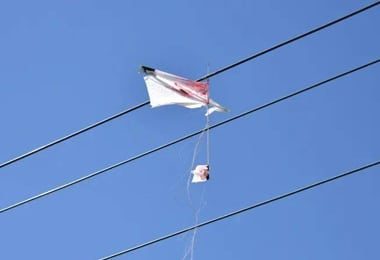
- Nylon Kites
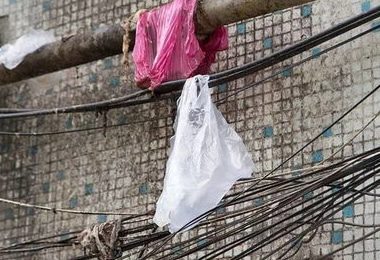
- Plastic Film
- Fishing Lines
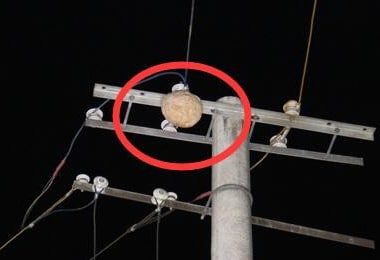
- Bird Nests
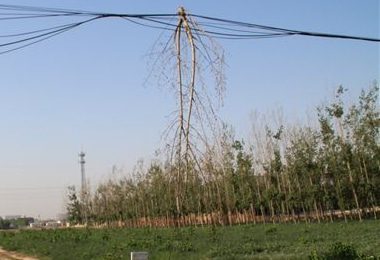
- Tree Branches
- Fabric Banners
- Balloons
- Vine Overgrowths
- Plastic Bottles
- High-Density Plastics
- Animal Nests
- Leaves and Twigs
- Dried Grass or Weeds
- Paper and Cardboard Waste
- Foam Packaging
- Plastic Tarps
- Cloth Rags
- Plastic Bags
- Tissues and Napkins
- Advertising Banners
- Signs and Posters
- Loose Cables/Wires
- Electrical Tape
- Plastic Sunshade Nets
- Plastic Meshes
- Advertising Cloths
- Construction Materials
- Plastic Wrap
- Carpet or Fabric Rolls
- Wooden Planks
- Packaging Materials
- Polyethylene Sheets
- PVC Pipes
- Tree Branches
- Vine Growth
- Aluminum Foil
- Rubber Tires
- Plastic Pallets
- Industrial Sacks
- Broken Safety Equipment
Applications of Laser Obstacle Removers
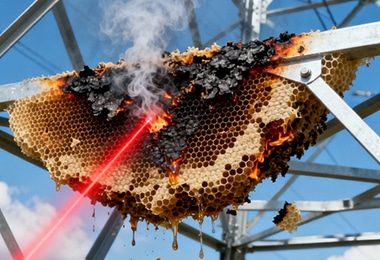
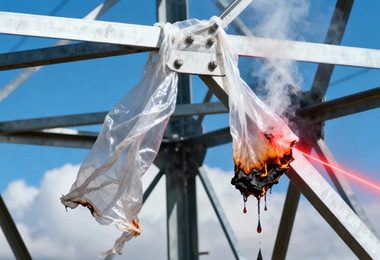
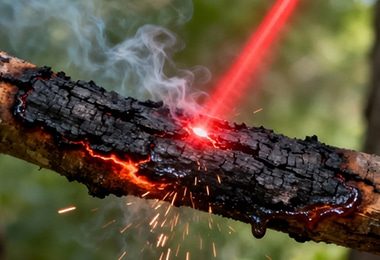
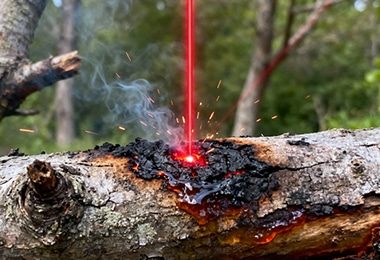
Comparison VS Other Obstacle Removal Technologies
| Comparison Item | Laser Obstacle Removal | Water Jet Cleaning | Infrared Ablation System | Shockwave Removal |
|---|---|---|---|---|
| Effective Range (Distance) | 50-300 meters | Short range (up to 10 meters) | Medium range (up to 50 meters) | Short range (up to 5 meters) |
| Operation Safety | High (no contact with hazards) | Moderate (requires operator proximity) | High (non-contact, but requires thermal safety) | Moderate (requires proximity to hazard) |
| Collateral Damage Risk | Very low | Medium (high-pressure water may cause splashing) | Medium (heat may affect surrounding areas) | High (shockwaves can affect large surrounding areas) |
| Setup Time | Quick setup, minimal adjustments | Long setup time (requires a water source and a high-pressure system) | Moderate setup time (requires thermal calibration) | Long setup time (requires shockwave generator setup) |
| Portability | Portable models available | Less portable (requires water supply and hoses) | Less portable (requires power source and system setup) | Low portability (heavy equipment) |
| Accuracy (Precision) | High (precise, focused beam) | Moderate (depends on water pressure and nozzle precision) | Moderate (heat-based, harder to control in some cases) | Low (hard to focus and control precisely) |
| Weather Sensitivity | Low sensitivity (can work in all weather) | High sensitivity (cannot operate in freezing conditions) | Moderate sensitivity (works best in dry conditions) | High sensitivity (cannot operate in wet or windy conditions) |
| Success Rate for Non-Metallic Debris | High | Moderate | High | Moderate |
| Success Rate for Metallic Debris | Moderate (depends on material type) | Low (ineffective on metals, especially high-density materials) | High (effective on both metals and non-metals) | Low (mostly effective for large debris) |
| Cost of Equipment | High initial cost, low maintenance | Moderate cost, high setup and operation costs | High equipment cost, high operating cost | High initial equipment cost, very high operational costs |
| Operational Cost | Low long-term cost | High due to water and energy consumption | Moderate operational cost | High energy consumption |
| Maintenance Requirements | Low maintenance | High maintenance (water pumps and hoses) | Moderate maintenance (cooling systems and components) | High maintenance |
| Efficiency in Live-Line Operations | Efficient with no need for shutdowns or service interruptions | Not effective for live-line operations | Effective in some live-line scenarios but slower than laser systems | Ineffective for live-line operations |
| Environmentally Friendly | Very low (no chemicals, minimal waste) | High environmental impact (water runoff, waste) | Moderate (uses heat but less waste than a water jet) | High environmental impact (shockwaves may damage the environment) |
| Energy Consumption | Moderate electrical power | High energy consumption | High energy consumption | Very high energy consumption |
| Clearing Speed | Fast | Slow | Moderate | Slow |
| Impact on the Surrounding Area | Minimal impact, targeted removal | High risk of water damage to the surrounding area | Medium risk of collateral heat damage | High collateral damage risk |
| Ease of Use | Easy to operate | Moderate complexity | Moderate complexity | High complexity |
| Training Requirements | Low, basic operation training | Requires significant training | Moderate training required | Intensive training required |
| Noise Levels | Low noise, minimal disturbance | High noise levels | Moderate noise levels | Very high noise levels |
Why Choose AccTek Laser
Advanced Laser Technology
AccTek Laser integrates cutting-edge laser technology into its obstacle removal systems to ensure high precision and effective clearing from a distance. With reliable fiber laser sources and optimized control systems, AccTek provides non-contact operation that delivers consistent results while minimizing damage to surrounding infrastructure.
High-Precision Visual Aiming & Night Vision System
Equipped with high-precision visual aiming and night vision capabilities, AccTek Laser Obstacle Removers ensure accurate obstacle targeting from distances of up to 300 meters, even in low-light or nighttime conditions. This ensures efficient and effective obstacle removal regardless of the time of day or environmental conditions.
Portable & Vehicle-Mounted Dual-Mode Design
AccTek offers a dual-mode design for flexibility in various operational environments. Portable models allow for on-site, quick obstacle clearing, while vehicle-mounted units are perfect for large-scale operations, offering convenience and adaptability for diverse job sites.
Multi-Level Safety Interlocks
AccTek Laser Obstacle Removers are equipped with multi-level safety interlocks that ensure operator protection and prevent accidental exposure to laser energy. These safety features are designed to enhance the operational safety of the system, ensuring compliance with all relevant safety standards.
Intelligent Auto-Focusing Optics
The intelligent auto-focusing optics of AccTek Laser Obstacle Removers automatically adjust the laser focus to match the distance and nature of the obstacle. This automated adjustment ensures high-precision clearing without requiring manual focus adjustments, improving efficiency and reducing the risk of errors.
Comprehensive Field Operation Training
AccTek provides comprehensive field operation training for its customers, ensuring that operators are fully equipped to use the system safely and effectively. From setup to troubleshooting, AccTek’s expert trainers provide hands-on guidance to ensure seamless integration and optimal performance in the field.
Customer Reviews
Related Resources

What Is a Laser Marking Machine Used For?
This article explores what laser marking machines are used for, covering core functions, industry-by-industry applications, material compatibility, and the key advantages driving their adoption across manufacturing sectors.

Materials That Cannot Be Cut by Laser Cutting Machines
This guide identifies materials that should never be laser cut due to safety hazards or poor quality outcomes, explains why, and recommends safer alternative cutting methods for each.

Laser Welding Machine Speed and Productivity
This article examines laser welding machine speed and productivity, covering performance benchmarks, the key factors that influence welding efficiency, and proven strategies to optimize output and reduce cycle times.

Is Laser Cleaning Eco-Friendly?
This article examines whether laser cleaning is eco-friendly, covering its environmental benefits, potential concerns, health risks from fumes and radiation, regulatory standards, and how it compares to traditional cleaning methods.
Frequently Asked Questions
How Do Laser Obstacle Removers Remotely Remove Obstacles?
Laser obstacle removers work by delivering concentrated laser energy to a target from a safe distance, allowing operators to remove or destroy obstructions without direct contact. The process combines precision optics, targeting systems, and controlled energy output to achieve safe and effective removal.
- Remote Targeting and Positioning: These systems are equipped with high-resolution cameras, telescopes, or imaging sensors that allow operators to clearly view the obstacle from the ground or a remote station. Using a control interface, the operator aligns the laser with the target. Some advanced systems also include automatic tracking or stabilization features to maintain accuracy over long distances.
- Energy Delivery Through Focused Laser Beam: Once aligned, the system emits a high-energy laser beam that is focused on a small نقطة on the obstacle. This concentration of energy generates intense localized heat. Depending on the material, the laser can burn, melt, or vaporize the object. For example, organic materials like branches or paper are typically burned away, while plastics may melt or break apart.
- Controlled Material Removal: The operator can adjust parameters such as power, exposure time, and beam focus to control how quickly and effectively the obstacle is removed. This allows for gradual removal, reducing the risk of damage to nearby structures like power lines or equipment. Precision is key, especially in sensitive environments.
- Non-Contact and Safe Operation: Because the process is non-contact, there is no need for workers to physically reach hazardous locations. This significantly reduces risks associated with working at heights, near high-voltage lines, or in unstable environments. The system can be operated from a safe distance, often hundreds of meters away.
- Adaptability to Different Materials: Laser obstacle removers can handle a variety of materials, including wood, plastic, fabric, and light debris. The effectiveness depends on the material’s ability to absorb laser energy. Reflective or highly heat-resistant materials may require higher power or longer exposure.
- Real-Time Monitoring: Operators can monitor the removal process in real time through video feedback. This ensures precise control and allows adjustments as needed to achieve complete removal.
Laser obstacle removers use focused energy, remote targeting, and controlled heating to safely and precisely eliminate obstacles without physical contact.
Can Laser Obstacle Removers Work In Complex Outdoor Weather Conditions?
Laser obstacle removers are designed for outdoor use, but their performance can be affected by complex weather conditions. While they can operate in many environments, efficiency, accuracy, and safety depend on how well the system adapts to external factors.
- Performance in Clear and Mild Conditions: Under normal weather conditions, such as clear skies, low wind, and stable temperatures, laser obstacle removers perform at their best. The laser beam remains stable, targeting is accurate, and energy delivery is efficient. These conditions allow for precise and fast removal of obstacles.
- Impact of Rain and Humidity: Rain, fog, and high humidity can scatter or absorb laser energy, reducing the effectiveness of the beam. Water droplets in the air interfere with transmission, which may lower cutting or burning efficiency. In heavy rain, operations are often paused to maintain safety and effectiveness.
- Effect of Wind: Wind can influence both the laser beam path and the behavior of the target material. Strong winds may cause the obstacle to move, making precise targeting more difficult. Additionally, wind can disperse heat, reducing the laser’s ability to concentrate energy on a single point.
- Dust, Smoke, and Airborne Particles: Outdoor environments with dust, pollution, or smoke can also affect laser performance. Particles in the air may scatter the beam and reduce accuracy. However, most systems are designed to tolerate moderate levels of airborne interference.
- Temperature Extremes: Very high or low temperatures can impact system components, including optics and electronics. Most laser obstacle removers are built to operate within a specified temperature range, and extreme conditions may require protective measures or a temporary shutdown.
- System Design and Adaptation: Modern systems often include stabilization, auto-focus, and real-time monitoring features that help compensate for environmental changes. Protective housings and weather-resistant designs also improve reliability in outdoor conditions.
- Safety Considerations: Adverse weather conditions can increase operational risks. Poor visibility or unstable conditions may affect operator judgment and system control, so safety protocols must be followed carefully.
Laser obstacle removers can work in various outdoor conditions, but their performance is best in stable weather. Challenging environments such as rain, wind, and dust may reduce efficiency and require operational adjustments or temporary suspension.
What Safety Features Do Laser Obstacle Removers Have?
Laser obstacle removers are designed with multiple safety features to ensure safe operation in hazardous environments such as power lines, railways, and elevated structures. Because they use high-energy laser beams, these systems must carefully control exposure, targeting, and operation.
- Remote Operation Capability: One of the primary safety features is the remote control. Operators can control the system from a safe distance, often hundreds of meters away, reducing the need to work at heights or near high-voltage equipment. This significantly lowers the risk of accidents and injuries.
- High-Precision Targeting Systems: Laser obstacle removers are equipped with cameras, telescopes, and aiming systems that allow precise targeting. This minimizes the risk of accidental damage to surrounding infrastructure such as cables, insulators, or nearby equipment.
- Safety Interlocks and Control Systems: Many systems include interlocks that prevent the laser from firing unless all conditions are met, such as proper alignment and system readiness. These safeguards help avoid unintended activation.
- Emergency Stop Functions: An emergency stop (E-stop) button allows operators to immediately shut down the system in case of unexpected situations. This is critical for preventing accidents during operation.
- Beam Control and Power Regulation: Operators can adjust laser power, exposure time, and beam focus to control how much energy is delivered. This helps prevent excessive heating or damage to nearby structures and ensures controlled removal of obstacles.
- Protective Housings and Shielding: The laser source and sensitive components are typically enclosed in protective housings. These protect the equipment from environmental factors and reduce the risk of accidental exposure to laser radiation.
- Real-Time Monitoring: Integrated cameras and display systems allow operators to monitor the removal process in real time. This enables immediate adjustments and ensures that the operation remains within safe limits.
- Warning Systems and Indicators: Visual or audible alerts may be included to indicate when the laser is active. These warnings help keep personnel aware of potential hazards.
- Environmental Safety Considerations: Operators are trained to avoid using the system in unsafe weather conditions or near reflective surfaces that could redirect the beam.
Laser obstacle removers combine remote operation, precise targeting, interlocks, and real-time monitoring to ensure safe and controlled operation in challenging environments.
How To Choose The Right Laser Obstacle Removers?
Choosing the right laser obstacle remover requires careful evaluation of your application, working environment, and performance requirements. These systems vary in power, range, and features, so selecting the right one ensures both efficiency and safety.
- Define the Application Scenario: Start by identifying where and how the system will be used. Applications such as power line maintenance, railway systems, or urban infrastructure each have different requirements. For example, clearing tree branches requires different power levels than removing lightweight debris like plastic or fabric.
- Laser Power and Performance: Laser power determines how effectively the system can remove obstacles. Higher-power systems are better for thicker or more resistant materials, while lower-power units are suitable for lighter debris. Choosing the appropriate power level helps avoid unnecessary energy use and reduces the risk of damaging surrounding structures.
- Operating Distance and Range: Consider the required working distance. Some systems are designed for short-range applications, while others can operate over long distances. Ensure the system can maintain accuracy and effectiveness at your typical operating range.
- Targeting and Imaging System: A high-quality camera and aiming system are essential for precise operation. Look for systems with zoom capabilities, clear imaging, and stable targeting to ensure accurate removal, especially in complex environments.
- Mobility and Portability: Depending on your needs, you may require a portable system for field use or a fixed installation for regular operations. Portable units are useful for maintenance teams, while fixed systems may be better for permanent monitoring locations.
- Safety Features: Ensure the system includes essential safety features such as remote operation, emergency stop functions, interlocks, and warning indicators. These features are critical when working near high-risk environments like power lines.
- Environmental Adaptability: Choose a system designed to operate in your local conditions. Weather resistance, temperature tolerance, and dust protection are important for outdoor applications.
- Ease of Operation and Training: User-friendly controls and intuitive software reduce the learning curve and improve efficiency. Systems with automation or assisted targeting can further simplify operation.
- Maintenance and Support: Consider the availability of technical support, spare parts, and maintenance requirements. Reliable after-sales service ensures long-term usability.
Selecting the right laser obstacle remover involves balancing power, precision, safety, and environmental suitability to match your specific operational needs.
What Training Is Required To Operate Laser Obstacle Removers?
Operating laser obstacle removers requires specialized training that combines technical knowledge, safety awareness, and practical operation skills. Because these systems are often used in high-risk environments such as power lines or elevated structures, proper training is essential.
- Understanding Laser Fundamentals: Operators should first learn how laser systems work, including how focused energy interacts with different materials. Basic knowledge of beam behavior, energy control, and material response helps operators make informed decisions during removal tasks.
- System Operation and Controls: Training includes hands-on use of the equipment, such as powering the system on and off, aligning the laser, adjusting focus, and controlling beam output. Operators must understand how to use remote control systems, cameras, and targeting interfaces to accurately position the laser on the obstacle.
- Targeting and Imaging Skills: Since laser obstacle removers rely heavily on visual systems, operators need to interpret camera feeds and use zoom or stabilization features effectively. Precise targeting is critical to avoid damaging nearby infrastructure.
- Safety Training: Safety is a major component of training. Operators must understand the risks associated with laser radiation, high-voltage environments, and working at a distance. Training includes proper use of safety features such as interlocks, emergency stop systems, and warning indicators. Knowledge of safe operating distances and restricted zones is also essential.
- Environmental Awareness: Operators should be trained to assess weather conditions such as wind, rain, or poor visibility, which can affect performance and safety. Knowing when to operate or suspend work is an important skill.
- Material Recognition: Different materials respond differently to laser energy. Training should include identifying common obstacles, such as branches, plastics, or fabrics, and selecting appropriate power and exposure settings.
- Emergency Procedures: Operators must know how to respond to unexpected situations, such as equipment malfunction or accidental misalignment. Quick access to emergency shutdown procedures is critical.
- Maintenance Basics: Basic maintenance knowledge, including checking optics, cleaning components, and inspecting system stability, helps ensure reliable operation.
- Regulatory and Compliance Training: In some industries, operators may need to follow specific safety standards or certifications, especially when working near power infrastructure.
Operating laser obstacle removers requires training in system operation, targeting, safety, environmental awareness, and basic maintenance to ensure safe and effective use.
What Is The Lifespan of Laser Obstacle Removers?
The lifespan of laser obstacle removers depends on the quality of components, frequency of use, and maintenance practices. These systems are typically built for industrial and outdoor applications, so they are designed to be durable and long-lasting.
- Laser Source Lifespan: The laser source is the core component and largely determines overall longevity. Most laser obstacle removers use fiber or solid-state laser sources, which typically last 30,000 to 100,000 operating hours. This allows for many years of operation, even in regular use. Compared to older laser technologies, these sources require less maintenance and offer greater stability.
- Optical and Targeting Systems: Cameras, lenses, and targeting optics are essential for precision. These components can last 5 to 10 years or more, depending on environmental exposure. Dust, moisture, and debris can affect their lifespan, so regular cleaning and protection are important.
- Mechanical and Structural Components: The housing, mounting systems, and mechanical supports are usually robust and can last 10–15 years or longer. Outdoor-rated systems are often designed to withstand weather conditions such as wind, rain, and temperature changes.
- Electronic and Control Systems: Control units, displays, and internal electronics typically have a lifespan of 8–12 years, depending on operating conditions and power stability. Using surge protection or voltage stabilizers can help extend their life.
- Environmental Influence: Operating conditions play a major role. Systems used in clean, controlled environments tend to last longer, while those exposed to harsh outdoor conditions may experience faster wear. Proper enclosures and weather protection can reduce this impact.
- Maintenance and Usage Patterns: Regular maintenance, such as cleaning optics, checking alignment, and inspecting components, helps extend lifespan. Systems used continuously at high power may experience more wear compared to those used intermittently.
- Practical vs. Functional Lifespan: While the equipment may remain operational for over a decade, some users choose to upgrade earlier to benefit from improved technology, better efficiency, or enhanced safety features.
Laser obstacle removers typically have a lifespan of 10–15 years or more, with the laser source lasting tens of thousands of hours. Proper maintenance and operating conditions are key to maximizing their service life.
What PPE Is Required To Operate Laser Obstacle Removers?
Operating laser obstacle removers requires appropriate personal protective equipment (PPE) to ensure operator safety, especially since these systems are often used in high-risk outdoor environments such as near power lines or elevated structures. Although many operations are performed remotely, PPE is still essential during setup, monitoring, and maintenance.
- Laser Safety Eyewear: The most critical PPE is laser safety glasses designed for the specific wavelength of the system (commonly near-infrared for fiber lasers). These protect the eyes from direct or reflected laser radiation, which can cause serious injury even at a distance.
- Protective Clothing: Operators should wear flame-resistant or non-flammable clothing to reduce the risk of burns or ignition, especially when working with combustible materials like dry branches or debris. Long sleeves and full coverage are recommended.
- Safety Helmet (Hard Hat): In outdoor or industrial environments, especially near power lines or construction areas, a hard hat protects against falling objects or accidental impacts.
- Insulated Gloves: When working near electrical infrastructure, such as power transmission lines, insulated gloves protect against electrical hazards. They are also useful when handling hot or sharp materials after removal.
- Safety Footwear: Steel-toe or reinforced safety boots protect against falling debris and provide stability on uneven terrain. Slip-resistant soles are particularly important for outdoor work.
- Respiratory Protection: Laser removal can generate smoke, fumes, or fine particles, especially when burning organic materials or plastics. In areas with limited ventilation or heavy smoke, masks or respirators with appropriate filters should be used.
- High-Visibility Clothing: In large outdoor work zones, especially near roads or railways, high-visibility vests help ensure operators are easily seen by others, improving overall safety.
- Hearing Protection (If Required): While the laser itself is relatively quiet, auxiliary equipment such as generators or ventilation systems may produce noise, requiring ear protection in some cases.
- Additional Safety Considerations: PPE should always be used alongside system safety features such as remote operation, interlocks, and emergency stop controls. Proper training ensures that all protective equipment is used correctly.
Essential PPE includes laser safety eyewear, protective clothing, helmets, gloves, safety footwear, and respiratory protection to ensure safe operation of laser obstacle removers.
How To Maintain Laser Obstacle Removers?
Maintaining laser obstacle removers is essential to ensure reliable performance, precise targeting, and long service life. Since these systems are often used outdoors and in demanding environments, regular maintenance helps prevent failures and maintain safety.
- Clean Optical Components: Lenses, mirrors, and protective windows must be kept clean to ensure proper beam transmission. Dust, smoke residue, or environmental debris can reduce laser efficiency and accuracy. Use approved cleaning materials and avoid direct contact with optical surfaces.
- Inspect Targeting and Imaging Systems: Cameras, lenses, and aiming devices should be checked regularly for clarity and alignment. Dirt or moisture on camera lenses can affect visibility and targeting precision. Ensure that imaging systems provide a clear and stable view.
- Check the Laser Source and Output Stability: Monitor the laser’s performance for consistent output. Any drop in power or irregular behavior may indicate wear or internal issues. Early detection helps prevent unexpected downtime.
- Maintain Cooling and Ventilation Systems: Although many systems are air-cooled, proper airflow is essential. Ensure that cooling fans and vents are clean and unobstructed. Overheating can damage internal components and reduce system lifespan.
- Inspect Electrical Components: Check cables, connectors, and power supplies for wear, looseness, or damage. A stable electrical system is critical for safe and consistent operation. Using surge protection can help prevent damage from power fluctuations.
- Examine Mechanical Structure and Mounting: Ensure that the system is securely mounted and stable. Outdoor use may expose equipment to vibration, wind, or physical stress. Tighten loose components and check for structural wear.
- Protect Against Environmental Exposure: Since these systems operate outdoors, inspect protective housings and seals. Ensure that the equipment is shielded from rain, dust, and extreme temperatures. Weather-resistant enclosures help extend component life.
- Test Safety Features: Regularly verify that safety systems such as emergency stop buttons, interlocks, and warning indicators are functioning correctly. These features are critical for safe operation.
- Update Software and Calibration: Keep control software updated and perform periodic calibration to maintain targeting accuracy and system performance.
- Follow Maintenance Schedules: Establish a routine maintenance plan based on manufacturer guidelines. Regular inspections and timely servicing reduce the risk of unexpected failures.
Maintaining laser obstacle removers involves cleaning optics, checking systems, ensuring proper cooling, and protecting equipment from environmental factors to ensure safe and efficient operation.