| Main Purpose |
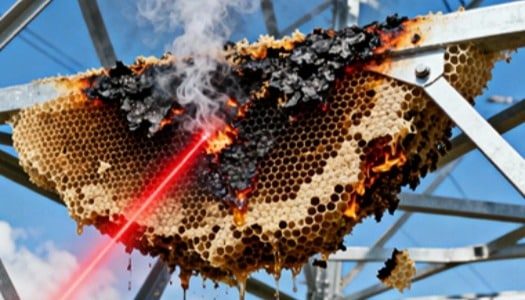
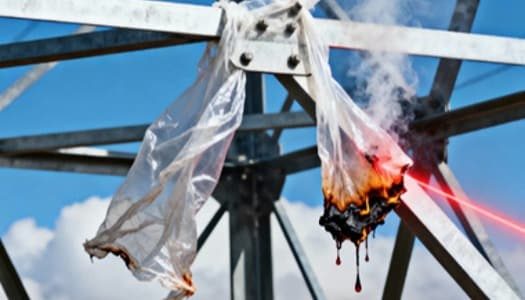
Removes or cuts distant obstacles using focused laser energy |
Creates permanent marks by mechanical impact |
Prints codes, dates, or text using ink |
Uses chemicals to etch marks or patterns |
| Application Type |
Obstacle removal and remote clearing |
Industrial part marking |
Product coding and packaging marking |
Surface marking and controlled etching |
| Working Principle |
Directs high-energy laser light onto the target to heat, cut, burn, or weaken it |
Uses a vibrating pin to strike the surface |
Sprays ink droplets onto the surface |
Uses chemical reaction to remove or discolor material |
| Contact Method |
Non-contact and remote operation |
Direct contact with the workpiece |
Non-contact printing |
Chemical contact with the surface |
| Effective Distance |
Can work from a safe distance depending on system design |
Requires close contact |
Requires close-range printing |
Requires direct surface treatment |
| Obstacle Removal Ability |
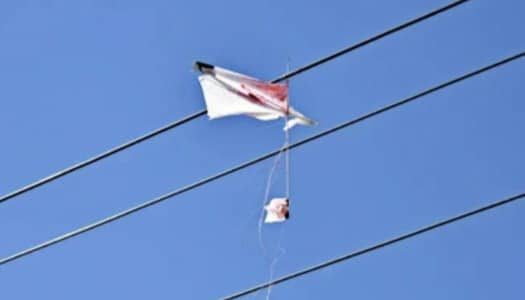
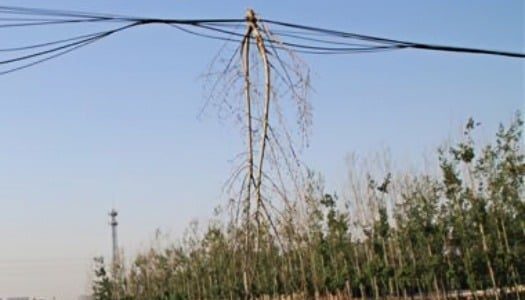
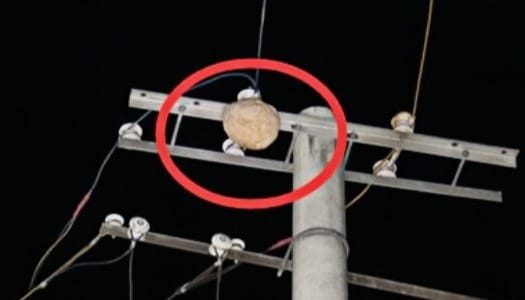
Designed for removing branches, foreign objects, hanging debris, and similar obstacles |
Not suitable for obstacle removal |
Not suitable for obstacle removal |
Not suitable for physical obstacle removal |
| Precision |
High; energy can be focused on selected target areas |
Medium for marking, not for removal |
Medium for printing, not for removal |
High for etched patterns, not for removal |
| Safety Distance |
Allows operators to stay away from dangerous or elevated obstacles |
Operator must work near the part |
Operator must work near the production line |
Operator must handle chemicals near the part |
| Damage To Surrounding Area |
Low when properly aimed and controlled |
Not applicable for obstacle removal |
Not applicable for obstacle removal |
Risk of chemical spread or surface corrosion |
| Automation Potential |
Can be integrated with cameras, gimbals, tripods, vehicles, or robotic systems |
Can be automated for marking lines |
Easy to integrate into packaging lines |
Limited; often needs manual masking and cleaning |
| Portability |
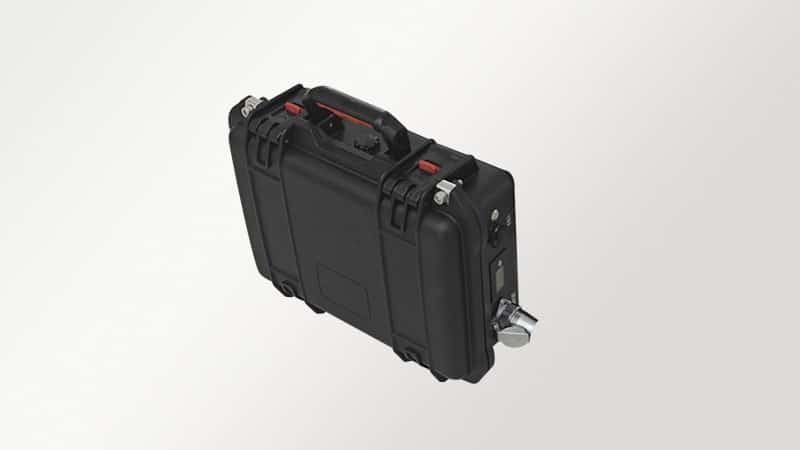
Portable or vehicle-mounted systems are available |
Usually compact but used for marking only |
Compact for printing lines |
Depends on chemical setup and treatment area |
| Consumables |
No blades, abrasives, ink, or chemicals required |
Marking pins wear over time |
Requires ink, solvent, and cartridges |
Requires chemicals, masks, and neutralizers |
| Operating Cost |
Lower consumable cost after purchase |
Low to medium for marking |
Ongoing ink and maintenance cost |
Ongoing chemical and waste treatment cost |
| Environmental Impact |
Little solid waste, but smoke or fumes may need extraction or ventilation |
No chemical waste, but creates vibration and noise |
Produces ink and solvent waste |
Produces chemical waste requiring safe disposal |
| Worker Safety |
Requires laser safety training, protective eyewear, warning zones, and controlled operation |
Requires protection from impact, noise, and moving parts |
Requires safe handling of ink and solvents |
Requires chemical protection, ventilation, and waste control |
| Surface Or Target Limitation |
Works best on materials that absorb laser energy effectively |
Works mainly on metals and hard plastics |
Works on packaging surfaces |
Works only on chemically compatible surfaces |
| Speed |
Fast for targeted removal tasks |
Fast for simple marking, but irrelevant to removal |
Very fast for printing, but irrelevant to removal |
Slow due to masking, reaction, rinsing, and drying |
| Post-Process Cleanup |
Usually limited; may need removal of ash or residue |
Usually no cleanup after marking |
May need drying time |
Requires rinsing, neutralizing, and drying |
| Best Use Scenario |
Remote removal of obstacles in power lines, outdoor facilities, industrial sites, and hard-to-reach areas |
VIN codes, serial numbers, metal tags, and part identification |
Date codes, batch numbers, labels, and packaging marks |
Nameplates, decorative patterns, panels, and etched labels |
| Main Limitation |
Requires strict laser safety control and correct target assessment |
Cannot remove obstacles; only marks surfaces |
Cannot remove obstacles; only prints information |
Cannot remove obstacles; only etches surfaces |
















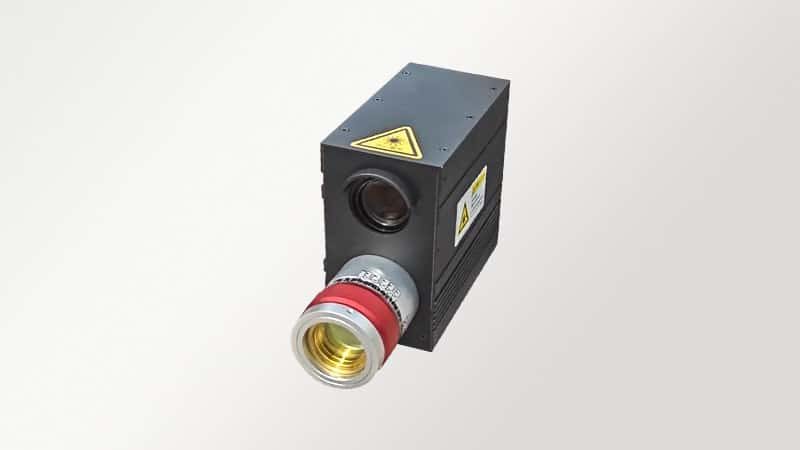
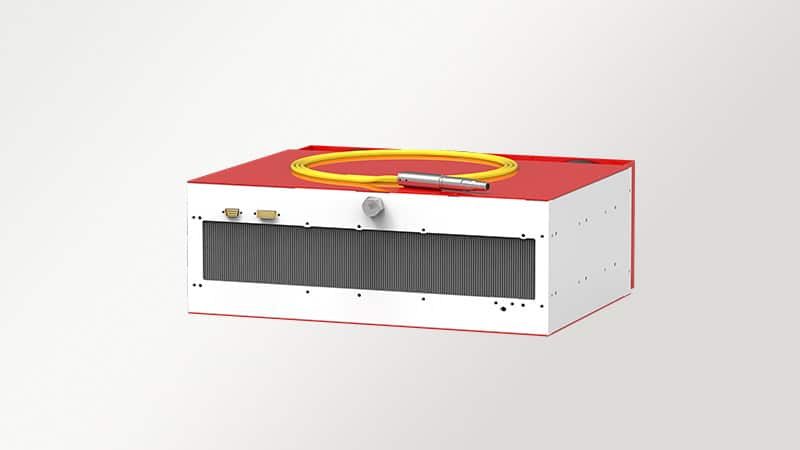
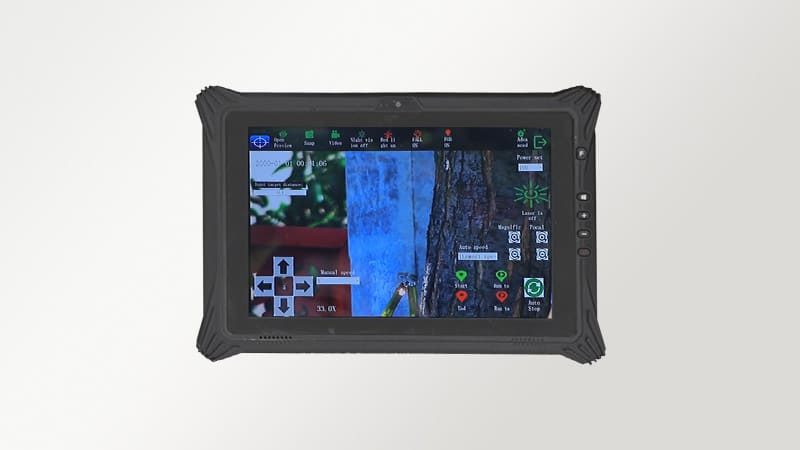
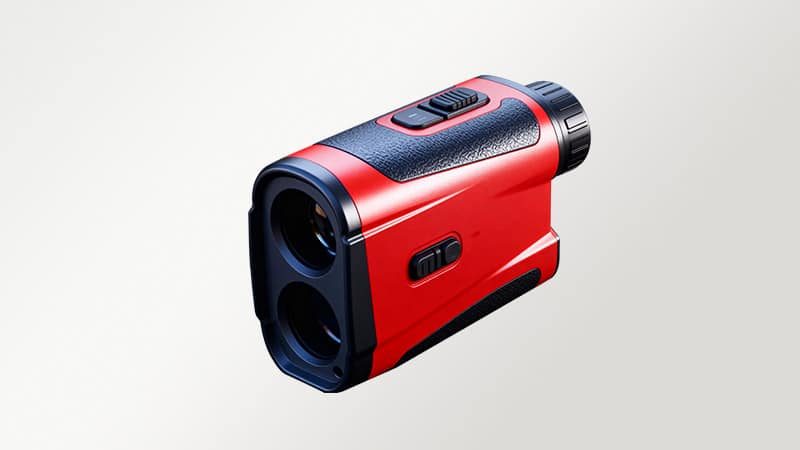



4 reviews for Laser Obstacle Remover
Elena –
Our team uses laser obstacle removers for clearing small obstructions during inspections, and it has been very reliable. The aiming system is precise, and the laser stays focused on the target without drifting. The portable design makes it easy to move between locations, which is important for fieldwork. I also appreciate the battery system since we can swap it quickly and keep working. The controls are responsive and easy to understand. It’s a practical tool that fits well into our workflow and helps us complete tasks more safely and efficiently.
Priya –
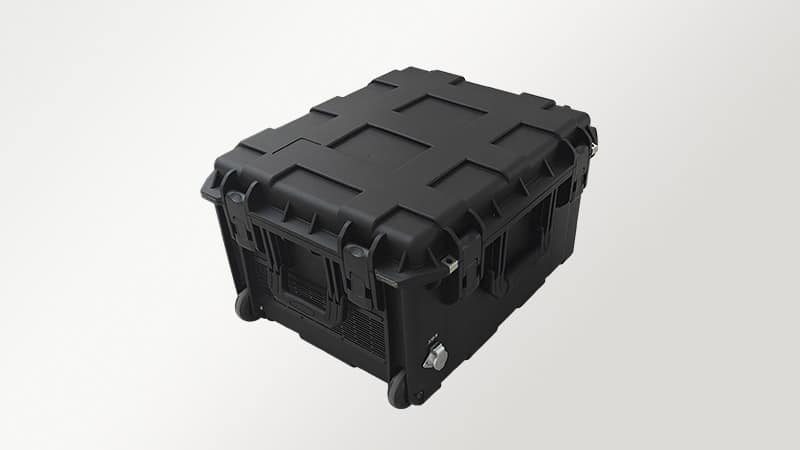
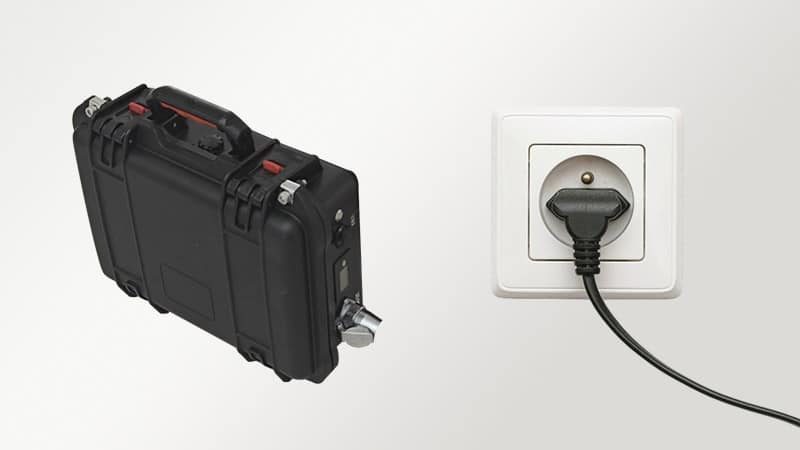
We handle maintenance tasks across multiple sites, so flexibility is key. This laser obstacle remover has been a great addition to our equipment. The suitcase-style design makes transport easy, and setup is quick once we arrive. The rangefinder gives accurate distance feedback, which helps with precise targeting. I also like the safety features, as they reduce risks during operation. The system runs smoothly, and the battery lasts long enough for most jobs. It has made our field operations more efficient and easier to manage.
Marcus –
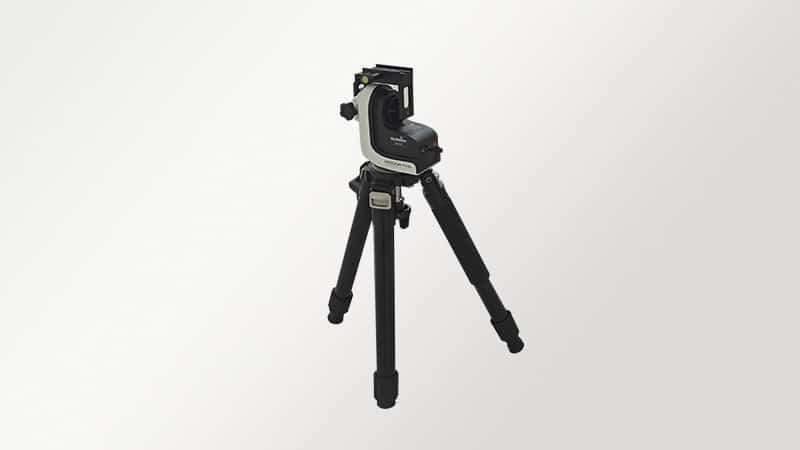
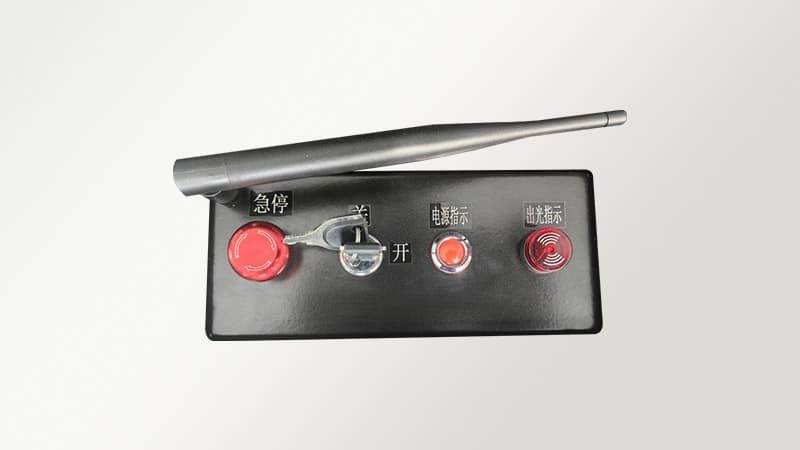
Working along railway lines means dealing with different conditions, so having a portable system is important. This device is easy to move around thanks to its compact design with wheels. The laser output is stable, and it performs well even during longer use. I like how the gimbal keeps everything steady, which helps with accuracy. The remote control is also very useful, especially when we need to keep a safe distance. It’s simple to operate and doesn’t require much training. Overall, it’s a dependable tool for daily maintenance work.
Carter –
We’ve been using laser obstacle removers for clearing debris from power lines, and the mobility has been a big advantage. The luggage-style design makes it easy to transport between sites, and setup doesn’t take long. The gimbal system keeps the laser steady, even when working in uneven outdoor conditions. I also like the remote control feature because it lets us operate from a safe distance. The targeting is accurate, and the rangefinder helps us stay precise. It has improved both safety and efficiency for our team, especially when dealing with hard-to-reach areas.