
















Is Laser Cleaning Eco-Friendly?
As environmental regulations tighten and corporate sustainability commitments deepen, manufacturers and industrial operators are scrutinizing every process in their facilities — not just for efficiency and cost, but for its ecological footprint and impact on worker health. Surface cleaning is one of the most chemically intensive operations in many industries, traditionally relying on sandblasting, acid pickling, solvent degreasing, and high-pressure water jetting. Each of these methods generates significant quantities of hazardous waste, consumes large volumes of materials, and exposes workers to documented health risks. Against this backdrop, laser cleaning has attracted growing attention as a potentially greener alternative.
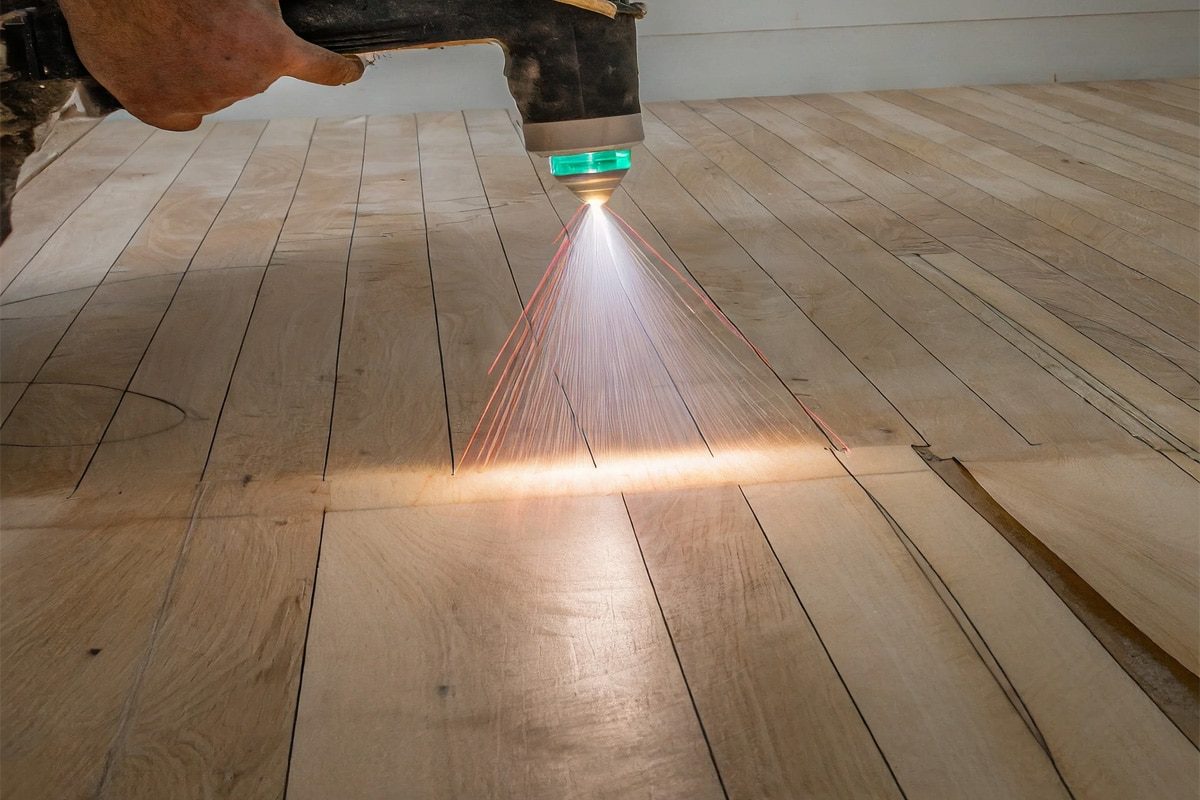
Laser cleaning uses the focused output of a laser generator to remove rust, paint, grease, oxides, and other surface contaminants through a thermal ablation or photomechanical process. Because it requires no sandblasting media, no chemical solvents, and minimal water, it appears on the surface to be a dramatically cleaner technology. Many equipment suppliers describe it as “green,” “chemical-free,” and “eco-friendly,” and in many respects these descriptions are accurate. But the complete environmental and health picture is more nuanced than a simple marketing label suggests.
The reality is that laser cleaning, like every industrial process, has both genuine environmental advantages and genuine concerns that deserve honest examination. The process consumes electrical energy — sometimes substantial amounts for high-power systems. The ablation of contaminated surfaces generates fumes and ultrafine particulates that can be hazardous depending on the substrate and contaminant being cleaned. The fume extraction filters that capture these byproducts become contaminated waste that must be disposed of correctly. And the laser radiation itself — invisible and capable of causing severe and immediate injury — represents a workplace hazard that requires proper engineering controls and operator training.
This article provides a balanced, comprehensive examination of laser cleaning’s environmental profile and health risk landscape. It covers the genuine environmental advantages the technology offers, the concerns and limitations that must be honestly acknowledged, the specific health risks associated with laser fumes and radiation, the regulatory framework that governs these risks, the mitigation measures that bring them under control, and a direct sustainability comparison with the conventional methods that laser cleaning most commonly replaces. The goal is to give facility managers, safety officers, and equipment buyers the complete and accurate information they need to evaluate laser cleaning on its true merits.
Table of Contents
How Laser Cleaning Works
A meaningful assessment of laser cleaning’s environmental and health profile begins with a clear understanding of the physical process — specifically, what happens at the material surface during cleaning and what byproducts that interaction generates. Without this foundation, the subsequent analysis of emissions, risks, and regulatory requirements lacks context.
The Basic Mechanism
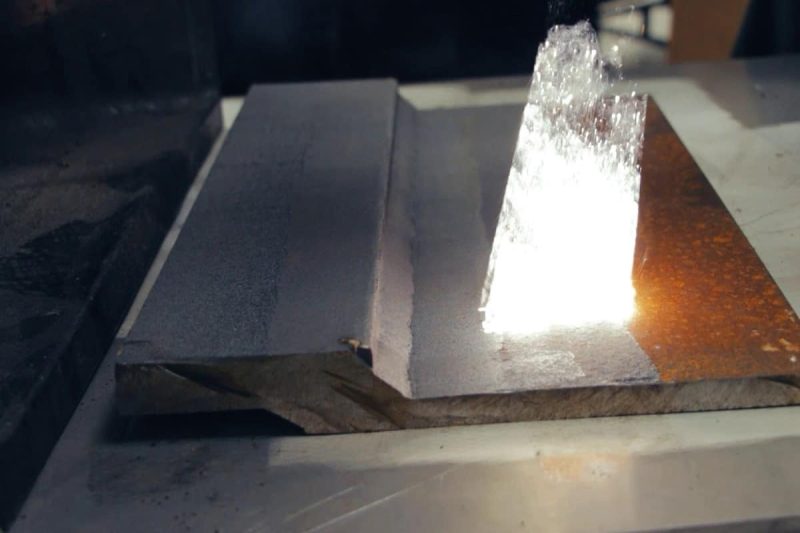
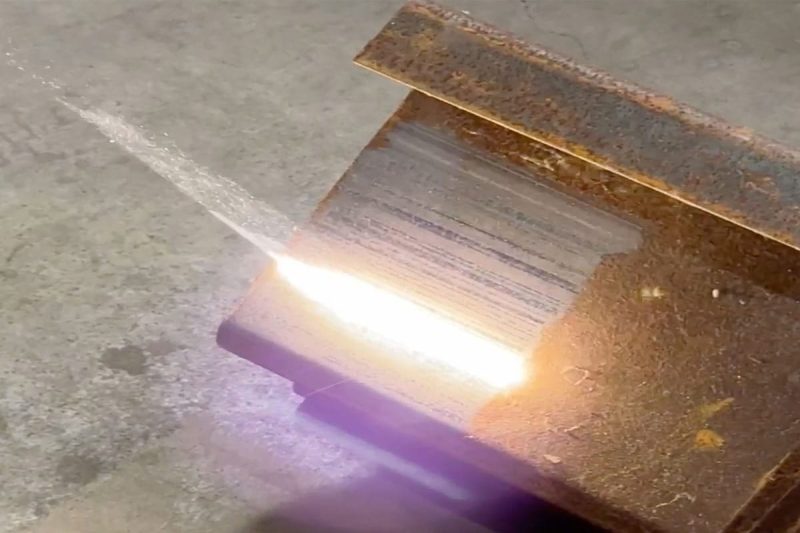
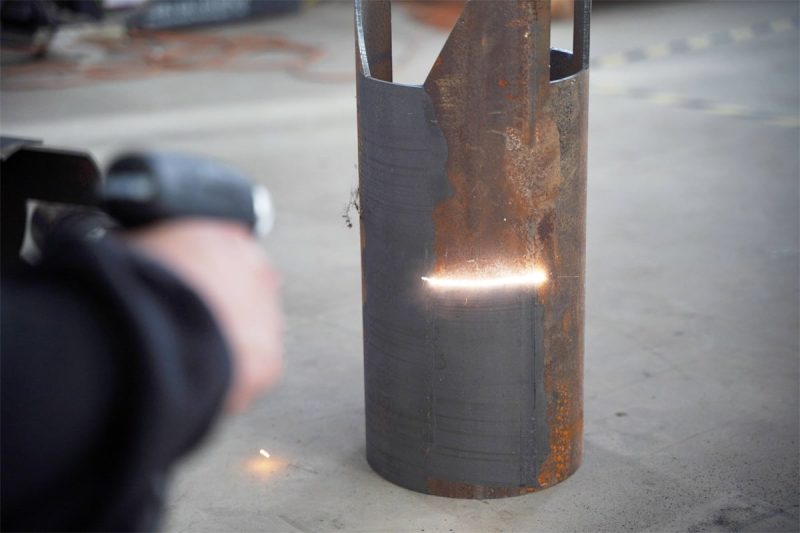
A laser cleaning system directs the beam from a fiber laser generator — operating at a wavelength of approximately 1,064 nanometers for most modern industrial systems — through a scan head that steers the beam rapidly across the target surface. When the focused beam strikes the contaminated surface, it delivers energy at a power density sufficient to cause the contaminant layer to absorb heat far more rapidly than the underlying substrate. This differential absorption causes the contaminant to vaporize, ablate, or experience rapid thermal expansion that mechanically detaches it from the substrate. The process is selective: with appropriate parameter settings, only the contaminant is removed, while the substrate surface remains intact or minimally affected.
The physical removal of the contaminant layer generates a plume of material above the cleaning zone — a mixture of vaporized contaminant, fine solid particles, and in some cases, gaseous decomposition products from organic coatings or binders. This plume is the primary source of both the environmental emissions and the health risks associated with laser cleaning, and its composition depends entirely on what is being removed. Cleaning iron oxide rust from carbon steel produces relatively benign iron oxide particulate; cleaning lead-based paint produces lead fume; cleaning zinc-coated steel produces zinc oxide aerosol. Understanding the contaminant composition is therefore the first and most consequential step in assessing the health and environmental implications of any specific laser cleaning application.
Why the Process Matters for Environmental and Health Assessment
The laser cleaning process matters for environmental and health assessment for two reasons that are sometimes overlooked. First, unlike sandblasting or chemical cleaning — which generate large, visible quantities of spent media, chemical solution, or wastewater — laser cleaning generates relatively small quantities of fume and particulate that are easily underestimated. The absence of obvious bulk waste can create a false impression that no significant emissions are occurring, when in fact fine and ultrafine particulate generation may be substantial during active cleaning cycles. Second, the process generates laser radiation — an invisible, silent hazard that workers may not perceive as dangerous until an injury occurs. Both the fume and the radiation hazard require active engineering controls and management, even in a process that is genuinely far cleaner than the methods it replaces.
Laser cleaning removes contaminants through selective thermal ablation driven by a fiber laser generator, generating a fume plume whose composition reflects the specific contaminant being removed. This plume is the primary source of environmental emissions and worker health risks, and its hazard profile varies substantially with the application. The process also generates laser radiation that requires engineering controls regardless of the material being cleaned. Understanding both hazard sources is the foundation of a responsible laser cleaning operation.
Environmental Benefits of Laser Cleaning
Assessed honestly against the conventional surface cleaning methods it replaces, laser cleaning offers substantial and genuine environmental advantages across several dimensions. These advantages are not merely marketing claims — they reflect measurable reductions in chemical consumption, media waste, water use, and regulatory compliance burden that translate into real environmental benefit.
No Chemical Reagents or Hazardous Waste
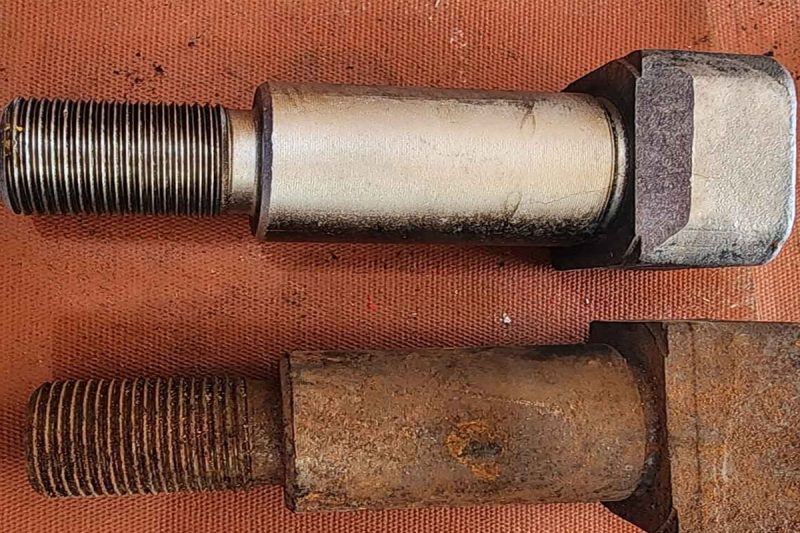
The most significant environmental advantage of laser cleaning is the complete elimination of chemical cleaning agents from the process. Acid pickling — used to remove oxide scale and rust from steel — consumes large volumes of hydrochloric or sulfuric acid and produces spent acid solution and metal salt sludge that require treatment and disposal as hazardous waste under environmental regulations in virtually every jurisdiction. Solvent degreasing — used to remove oils, greases, and organic coatings — relies on chlorinated solvents, acetone, MEK, or other volatile organic compounds (VOCs) that are both hazardous to workers and regulated air emissions. Alkaline cleaning — used in food equipment and pharmaceutical manufacturing — produces high-pH wastewater that requires neutralization and treatment before discharge.
Laser cleaning eliminates all of these chemical inputs and their associated waste streams. The only material input to the process is electricity; the only waste output is the captured fume in the extraction filter. For facilities that currently manage chemical storage, mixing, application, wastewater treatment, and hazardous waste disposal programs, the transition to laser cleaning can represent a dramatic simplification of the environmental compliance burden — fewer regulated chemicals to store and handle, fewer waste manifests to file, and reduced liability associated with chemical spills and wastewater permit violations.
No Abrasive Media Consumption or Disposal
Sandblasting and grit blasting — the most widely used mechanical surface cleaning methods — consume large quantities of abrasive media: steel grit, aluminum oxide, glass bead, garnet, or coal slag, depending on the application. Spent abrasive media becomes contaminated with the surface material it has removed — rust, lead paint, chromium compounds, or other contaminants — and must be characterized and disposed of as hazardous or non-hazardous waste depending on its composition. For facilities cleaning lead-painted structures, spent blasting media is typically classified as hazardous waste with associated disposal costs that can be substantial. Laser cleaning eliminates the purchase, handling, and disposal of blasting media, removing both the direct cost and the environmental liability associated with contaminated media disposal.
Reduced Water Usage
High-pressure water jetting — used for cleaning large structures, heat exchangers, and industrial equipment — consumes large volumes of water and generates contaminated wastewater containing the removed material in suspension. This wastewater must be collected, treated, and discharged in compliance with applicable water quality permits or transported off-site for treatment. In water-scarce regions or facilities with limited wastewater treatment capacity, the water demands of hydrojetting can be a genuine operational constraint. Laser cleaning requires only a small flow of coolant water for the laser generator’s cooling system — entirely internal to the machine and not contaminated by the cleaning process — making its water consumption negligible compared to water jetting.
Lower Carbon Footprint Compared to Conventional Methods
A lifecycle carbon footprint comparison between laser cleaning and conventional methods must account for the energy consumed by the laser generator and its cooling system against the energy embodied in the consumable materials used by competing processes — abrasive media production, chemical synthesis, and water heating and pumping. When these full lifecycle comparisons are made, laser cleaning’s elimination of energy-intensive consumable supply chains frequently results in a lower overall carbon footprint than abrasive or chemical cleaning alternatives, even accounting for the laser generator’s electrical energy consumption. This comparison is most favorable for laser cleaning in applications involving repeated cleaning cycles — where the energy savings from eliminating consumable supply chain emissions compound over time — and least favorable in single-use or very low-frequency cleaning applications where the amortized energy cost of manufacturing the laser cleaning machine itself is a larger fraction of the lifecycle total.
Transportation emissions also contribute to this comparison in ways that are easy to overlook. Sandblasting operations require ongoing deliveries of abrasive media by road freight — typically several tons per week for a high-throughput production blastroom — adding transport emissions to the media production footprint. Chemical cleaning requires deliveries of acid, solvent, or alkaline reagent, along with outbound hazardous waste transport for spent chemical and wastewater disposal. Laser cleaning eliminates both inbound consumable deliveries and outbound waste transport, reducing the logistics-related carbon contribution to near zero for the ongoing cleaning operation. For facilities that are tracking Scope 3 emissions as part of corporate carbon accounting programs, this transport emission reduction can be a meaningful contributor to overall footprint improvement.
Minimal Secondary Contamination of Workpieces
Abrasive blasting leaves residual grit embedded in or adhered to the cleaned surface — a source of secondary contamination that can interfere with subsequent coating adhesion, welding quality, or precision assembly. Chemical cleaning leaves residual reagent on the surface that must be rinsed away, generating additional wastewater and creating the risk of trace chemical contamination affecting downstream processes. Laser cleaning, being a non-contact process that introduces no external material to the workpiece surface, leaves no secondary contamination — the cleaned surface contains only the substrate material, with no embedded particles, residual chemicals, or surface films from the cleaning process itself.
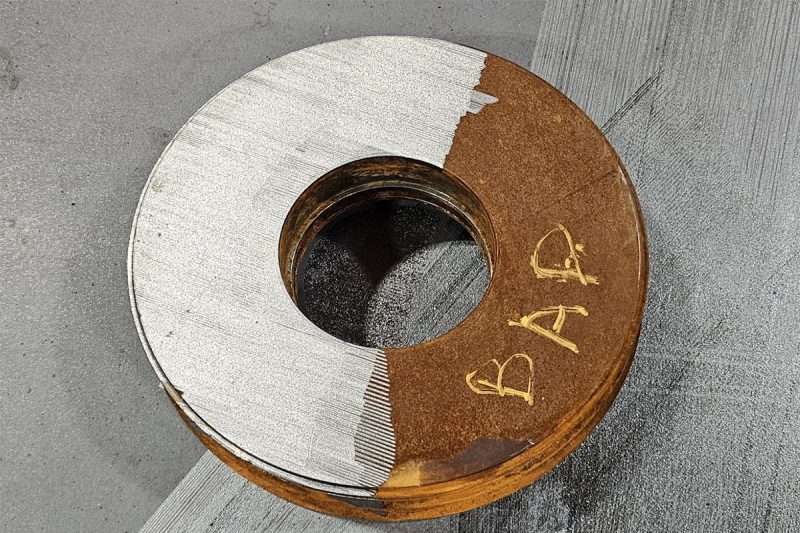
Laser cleaning’s environmental advantages are substantial and well-founded: it eliminates chemical reagents and their hazardous waste streams, removes the consumption and contaminated disposal of abrasive media, dramatically reduces water usage compared to hydrojetting, offers a favorable carbon footprint against conventional methods on a lifecycle basis, and leaves workpiece surfaces free of secondary contamination. These advantages are genuine and represent meaningful environmental benefits for facilities transitioning from conventional cleaning methods.
Potential Environmental Concerns
A complete environmental assessment of laser cleaning cannot focus only on its advantages. Several genuine environmental concerns — primarily related to energy consumption, airborne emissions, filter waste disposal, and end-of-life equipment management — deserve honest acknowledgment and active management.
Energy Consumption of Laser Generators
High-power laser generators used in industrial cleaning applications are significant electrical energy consumers. A fiber laser generator producing 2,000 W of optical output draws approximately 5,000 to 6,500 W of electrical power, accounting for the laser generator’s wall-plug efficiency of 30 to 40 percent. At higher power levels — 6,000 W systems used for heavy industrial cleaning — total system electrical consumption, including the cooling system, can reach 15,000 to 20,000 W during active cleaning cycles. In production environments where the laser cleaning machine operates for many hours per shift, this energy consumption is a measurable fraction of the facility’s overall electricity bill and carbon footprint.
This does not negate laser cleaning’s environmental advantages — the energy comparison must always be made relative to the energy consumed by the alternative process, including the energy embodied in consumable materials — but it means that energy efficiency is a genuine consideration in laser cleaning system specification and operation. Selecting a laser generator with the minimum power level required for the application, using the machine’s standby mode during idle periods, and maintaining the cooling system in good condition to preserve the laser generator’s wall-plug efficiency are practical measures that reduce the energy cost of laser cleaning operations.
Fume and Particulate Emissions During Cleaning
The ablation plume generated during laser cleaning contains a mixture of vaporized material, condensed nanoparticles, and fine particles, and in some cases, gaseous decomposition products from organic coatings. This plume is the primary environmental emission of the laser cleaning process, and its character varies substantially with the application. When cleaning organic coatings such as paint, grease, or epoxy, the plume contains volatile organic compounds — including benzene, toluene, and formaldehyde in some paint formulations — that are regulated air emissions in many jurisdictions. When cleaning metal surfaces, the plume contains metal oxide nanoparticles that can remain airborne for extended periods if not captured. Without effective fume extraction, these emissions escape into the facility environment and potentially into the external atmosphere, creating both worker exposure risks and regulatory compliance issues.
Disposal of Fume Extraction Filter Waste
The ablation plume generated during laser cleaning contains a mixture of vaporized material, condensed nanoparticles, and fine particles, and in some cases, gaseous decomposition products from organic coatings. This plume is the primary environmental emission of the laser cleaning process, and its character varies substantially with the application. When cleaning organic coatings such as paint, grease, or epoxy, the plume contains volatile organic compounds — including benzene, toluene, and formaldehyde in some paint formulations — that are regulated air emissions in many jurisdictions. When cleaning metal surfaces, the plume contains metal oxide nanoparticles that can remain airborne for extended periods if not captured. Without effective fume extraction, these emissions escape into the facility environment and potentially into the external atmosphere, creating both worker exposure risks and regulatory compliance issues.
Disposal of Fume Extraction Filter Waste
The fume extraction filters that capture the cleaning plume become contaminated with the materials removed during cleaning. When these filters are replaced — at intervals ranging from weeks to months, depending on cleaning volume and contaminant type — the spent filters may be classified as hazardous waste if they contain regulated substances such as lead compounds, hexavalent chromium, or other toxic metals. Proper waste characterization — testing filter waste against applicable hazardous waste thresholds — and compliant disposal are environmental obligations that laser cleaning facility managers must address, even though the quantities involved are far smaller than the waste streams generated by sandblasting or chemical cleaning.
Electronic Waste at the End of Machine Life
Laser cleaning machines contain electronic components — control boards, laser generator modules, power supplies, and display screens — that become electronic waste (e-waste) at the end of machine life. E-waste containing lead solder, beryllium in certain electronic components, and other regulated substances must be disposed of through certified e-waste recycling channels rather than general industrial waste streams. This is a small but genuine environmental consideration that responsible machine owners should address through engagement with certified e-waste recyclers when equipment is retired.
Laser cleaning’s environmental concerns — energy consumption of high-power laser generators, fume and particulate emissions during cleaning, contaminated filter waste disposal, and end-of-life electronic waste — are real and require active management. However, they are substantially smaller in scale and complexity than the environmental concerns associated with the chemical and abrasive cleaning methods that laser cleaning most commonly replaces. Honest environmental management of laser cleaning focuses on implementing effective fume extraction, characterizing and properly disposing of filter waste, and optimizing energy efficiency — not on pretending that the process generates no environmental concerns at all.
Health Risks Associated with Laser Cleaning
Worker health protection is as important as environmental management in the responsible operation of a laser cleaning system. Laser cleaning presents two principal categories of health risk — airborne fume and particulate exposure, and laser radiation hazards — each of which requires specific engineering controls and operational disciplines to manage effectively.
Airborne Fumes and Particulates
Metal Fumes
When laser cleaning is applied to metal surfaces, the ablation process vaporizes metal and metal oxide from the surface, which condenses in the plume to form fine and ultrafine particles. The health significance of these particles depends critically on the metal involved. Iron oxide from rust cleaning on carbon steel is a relatively benign nuisance dust at typical exposure levels, causing siderosis — an accumulation of iron particles in the lungs — only at very high chronic exposures. Zinc oxide from galvanized steel cleaning is a well-documented cause of metal fume fever — an acute flu-like illness that resolves within 24 to 48 hours but recurs with each significant exposure. Far more serious are lead fumes from cleaning lead-based paints or lead alloys — lead is a systemic toxin with no known safe exposure threshold, causing neurological, cardiovascular, and renal damage at chronic low-level exposures — and hexavalent chromium compounds from cleaning stainless steel or chromium-containing coatings — classified as a Group 1 human carcinogen that causes lung cancer at sustained low-level inhalation exposures.
Volatile Organic Compounds from Organic Coatings
When laser cleaning removes organic surface coatings — paints, sealants, adhesives, lubricants, and epoxy primers — the thermal decomposition of the organic material generates volatile organic compounds (VOCs) whose composition depends on the specific coating formulation. Many industrial paint formulations contain aromatic solvents, isocyanate curing agents, or epoxy resin components that produce hazardous decomposition products, including benzene, styrene, formaldehyde, and reactive isocyanates when exposed to the high temperatures of the laser ablation zone. Isocyanates are particularly significant from a health standpoint: they are potent respiratory sensitizers that can cause occupational asthma after even brief exposures, and once sensitized, an individual may experience severe asthmatic reactions to concentrations far below occupational exposure limits. This makes isocyanate-generating applications — cleaning polyurethane-coated surfaces in particular — among the most important to assess carefully before beginning production laser cleaning.
Fine and Ultrafine Particulates
The laser ablation process generates particles across a wide size range, but the fraction of greatest health concern is the ultrafine particles — those below 100 nanometers in diameter — that are small enough to penetrate deeply into the alveolar region of the lung, cross into the bloodstream, and distribute to tissues throughout the body. Ultrafine particle generation is a characteristic of high-energy ablation processes and occurs in laser cleaning regardless of the specific material being cleaned. Standard HEPA filtration captures particles above approximately 300 nanometers effectively, but ultrafine particles require specialized filtration — high-efficiency filter media combined with electrostatic precipitation or other sub-100-nanometer collection mechanisms — to achieve adequate worker protection in high-volume cleaning applications.
The quantity of ultrafine particles generated per unit area of cleaned surface increases with laser generator power density and decreases with longer pulse durations that allow more gradual material removal. Pulsed laser cleaning systems — which deliver energy in discrete bursts with controlled peak power and pulse duration — can in some applications, be configured to reduce ultrafine particle generation compared with continuous-wave systems at equivalent average cleaning throughput. This is one reason why pulsed laser generators are preferred not only for their superior cleaning selectivity on sensitive substrates but also for their potentially more favorable airborne particle emission profile in applications where ultrafine particle exposure is a primary health concern.
Laser Radiation Hazards
Direct and Reflected Beam Exposure
Industrial fiber laser generators used in cleaning applications are Class 4 laser devices — the highest hazard classification under international laser safety standards — meaning that their direct beam, specularly reflected beam, and at close range even diffuse reflections are capable of causing immediate and severe biological damage. The 1,064 nm wavelength of fiber laser generators is particularly hazardous to the eye: it is invisible — unlike the visible red alignment beams often associated with laser devices in the public imagination — and it is transmitted by the ocular media to focus on the retina, where the concentrated energy causes immediate and irreversible retinal damage before the blink reflex can provide any protection. A momentary, unprotected exposure to a specular reflection of the cleaning beam can cause permanent vision loss, and this risk exists whenever the beam encounters a highly reflective surface — polished metal, glass, or other specular materials — that redirects the beam in an unexpected direction.
Eye and Skin Injury Risks
The retinal burn risk from fiber laser generators at 1,064 nm is the most serious acute injury hazard in laser cleaning operations, but skin injury from beam exposure is also a real risk at the power densities involved. Direct beam contact with skin causes immediate burns; specular reflections at the power levels used in industrial cleaning can cause burns at distances of several meters from the workpiece. These risks are managed primarily through the machine’s safety enclosure — which contains the beam within the cleaning zone — and through the use of laser-rated safety eyewear with appropriate optical density and wavelength range whenever the enclosure is open for alignment, maintenance, or manual cleaning operations.
Laser Safety Classifications
The Class 4 classification of industrial fiber laser generators used in cleaning applications carries specific regulatory obligations in most jurisdictions: the designation of a qualified Laser Safety Officer (LSO) responsible for overseeing the laser safety program, documented operator training records, a written laser safety plan covering beam hazard zone designation, emergency procedures, and equipment inspection schedules, and the maintenance of safety interlocks in fully functional condition. These are not optional best practices — in workplace safety regulatory frameworks, including OSHA in the United States and equivalent bodies in the EU, UK, and other jurisdictions, they are legal requirements whose violation can result in enforcement action.
Noise and Vibration
Laser cleaning machines generate moderate levels of acoustic noise from the scanning process, cooling fans, and fume extraction systems — typically in the range of 70 to 85 dB(A) at the operator position, depending on the system configuration. This noise level is below the threshold for mandatory hearing protection in most regulatory frameworks (typically 85 dB(A) as an eight-hour time-weighted average), but facilities operating multiple machines simultaneously or in enclosed spaces should assess cumulative noise exposure levels and implement hearing protection programs if warranted. Vibration from laser cleaning machines is generally low, as the process is non-contact and the primary vibration sources are fans and pumps rather than cutting or grinding mechanisms.
Laser cleaning presents two principal health risk categories: airborne fume and particulate exposure — whose severity depends on the specific contaminant being removed, with lead, hexavalent chromium, zinc oxide, and isocyanates representing the most serious hazard materials — and laser radiation hazards from the Class 4 fiber laser generator, whose primary risk is irreversible retinal damage from invisible infrared beam exposure. Both risk categories are manageable through engineering controls: effective fume extraction and filtration for the airborne hazards, and machine enclosures and safety interlocks for the radiation hazard. The risks are real and require active management — but they are not reasons to avoid laser cleaning. There are reasons to implement it correctly.
Regulatory Framework and Compliance
Laser cleaning operations in industrial settings are subject to a layered regulatory framework that addresses worker safety, environmental emissions, and, in some sectors, additional industry-specific quality and safety requirements. Understanding the applicable regulatory landscape is essential for compliance planning and for demonstrating due diligence to insurers, customers, and regulators.
OSHA and Workplace Laser Safety Standards
In the United States, OSHA’s General Duty Clause requires employers to provide a workplace free from recognized hazards. It references the American National Standards Institute (ANSI) Z136.1 standard — Safe Use of Lasers — as the recognized consensus standard for laser safety program requirements. ANSI Z136.1 specifies requirements for the appointment and responsibilities of the laser safety officer, hazard zone designation, engineering and administrative controls, medical surveillance, and training documentation. OSHA’s Hazard Communication Standard (HCS) requires that Safety Data Sheets be maintained for all hazardous substances generated or used in the workplace — including the contaminant materials removed during laser cleaning — and that workers be trained on the hazards of these substances. In the European Union, the Physical Agents (Optical Radiation) Directive establishes exposure limit values for laser radiation and requires employers to assess and control optical radiation exposure in workplaces.
EPA and Environmental Discharge Regulations
In the United States, facilities that conduct laser cleaning operations that generate VOC emissions may be subject to EPA regulations under the Clean Air Act, particularly if cleaning volumes are sufficient to trigger major or minor source thresholds for VOC or hazardous air pollutant (HAP) emissions. Filter waste containing regulated substances — lead, chromium compounds, cadmium, or other listed hazardous wastes — is subject to EPA’s Resource Conservation and Recovery Act (RCRA) regulations, requiring proper characterization, labeling, storage, and disposal through licensed hazardous waste contractors. Similar regulatory frameworks apply in the EU under the Industrial Emissions Directive and the Waste Framework Directive.
Industry-Specific Standards
Several industries impose additional standards on laser cleaning operations beyond the baseline occupational safety and environmental requirements. Aerospace manufacturers operating under AS9100 certification must validate laser cleaning processes as part of their quality management system and maintain process documentation that demonstrates consistent compliance with validated parameters. Medical device manufacturers regulated under the FDA’s Quality System Regulation or ISO 13485 must similarly validate surface cleaning processes for devices whose biocompatibility could be affected by cleaning-induced surface changes. Food processing equipment manufacturers must ensure that laser cleaning does not leave residues or surface modifications that could compromise food contact safety.
Laser cleaning operations are subject to OSHA laser safety and hazard communication requirements, EPA air emission and hazardous waste regulations, and, in many industries, additional sector-specific quality and safety standards. Compliance requires a formal laser safety program with a designated Laser Safety Officer, hazardous waste characterization and disposal protocols for contaminated filter waste, potentially air emission permits or registrations depending on cleaning volume and contaminant type, and industry-specific process validation documentation. These regulatory requirements are manageable but must be addressed proactively rather than reactively.
Mitigation Measures: Making Laser Cleaning Safer and Greener
The health and environmental concerns associated with laser cleaning are not inherent to the technology — they are the result of inadequate controls. Properly specified and maintained mitigation measures bring both categories of risk within acceptable bounds and, in many cases, reduce them below the levels achievable with the conventional methods being replaced.
Fume Extraction and Filtration Systems
An effective fume extraction system is the single most important mitigation measure for both the health and environmental concerns of laser cleaning. The system must be sized to capture the cleaning plume at source — within the cleaning zone — before fumes and particles can disperse into the facility environment. Capture velocity at the cleaning zone must be maintained across the full range of cleaning speeds and laser generator power levels used in production. The filtration system must match the hazard profile of the cleaning application: HEPA filtration for metal oxide particulate from routine metal cleaning, activated carbon filtration for VOC-generating organic coating removal, and specialized filter media for applications involving lead, hexavalent chromium, or other high-toxicity contaminants. Filter performance should be verified periodically — either through airflow measurement or atmospheric sampling — rather than assumed to be adequate based on visual inspection alone.
Personal Protective Equipment
Laser-rated safety eyewear with appropriate optical density and wavelength coverage for the 1,064 nm fiber laser generator wavelength must be worn by all personnel who may be exposed to stray laser radiation during alignment, maintenance, or manual operation with an open machine enclosure. The optical density requirement is not a generic specification — it must be calculated based on the specific laser generator power, beam diameter at the operator position, and the maximum credible exposure scenario. Purchasing general-purpose laser eyewear without verifying its adequacy for the specific laser generator wavelength and power level is a common and dangerous error. Respiratory protection — half-face respirators with cartridges appropriate for the specific fume composition, selected by reference to the Safety Data Sheets for the contaminant materials being removed — should be available and used during any operation that generates elevated fume concentrations, including filter replacement, machine cleaning, and any cleaning of materials with high-toxicity fume profiles such as lead paint or zinc-coated surfaces. Heat-resistant gloves protect against burns from freshly cleaned parts, and safety footwear protects against falling metal components. All PPE selections should be documented in the facility’s laser safety plan and reviewed when the cleaning application changes significantly.
Machine Enclosures and Interlock Systems
The machine’s safety enclosure — which contains the laser beam within the cleaning zone during normal operation — is the primary engineering control for laser radiation hazards. It must be maintained in good condition, with all panels and seals intact, and safety interlocks that stop the laser generator when panels are opened must be tested regularly and repaired immediately if found defective. For manual handheld laser cleaning systems — which do not have a fixed enclosure — operator training in beam hazard awareness, establishment of a designated beam hazard zone, and mandatory use of appropriate PPE by all personnel in the area during cleaning operations are the compensating controls.
Energy Efficiency Optimization
Reducing the energy consumption of laser cleaning operations minimizes both the direct operating cost and the carbon footprint of the process. Practical energy efficiency measures include selecting the minimum laser generator power level that achieves the required cleaning result — avoiding the temptation to specify maximum power for every application — using the machine’s standby mode during production breaks, maintaining the cooling system in good condition to preserve laser generator wall-plug efficiency, and scheduling high-energy cleaning cycles to take advantage of off-peak electricity rates where time-of-use tariffs apply.
Responsible Filter and Waste Disposal
Spent fume extraction filters must be handled as potentially hazardous waste until their composition has been characterized through testing against applicable regulatory thresholds. In applications where the cleaning plume contains regulated substances — lead, hexavalent chromium, cadmium, or other listed hazardous waste constituents — the spent filters should be handled using appropriate PPE, stored in sealed containers, and disposed of through a licensed hazardous waste contractor. Maintaining disposal records that document the waste characterization, the licensed contractor used, and the destination facility demonstrates regulatory compliance and protects the facility from liability in the event of a regulatory audit.
The health and environmental risks of laser cleaning are effectively mitigated through a combination of engineering controls — properly specified fume extraction and filtration, machine safety enclosures, and energy efficiency optimization — and operational disciplines — appropriate PPE, regular system verification, and responsible waste disposal. These measures do not merely reduce risks to acceptable levels; in most applications, they make laser cleaning a safer working environment than the conventional methods it replaces.
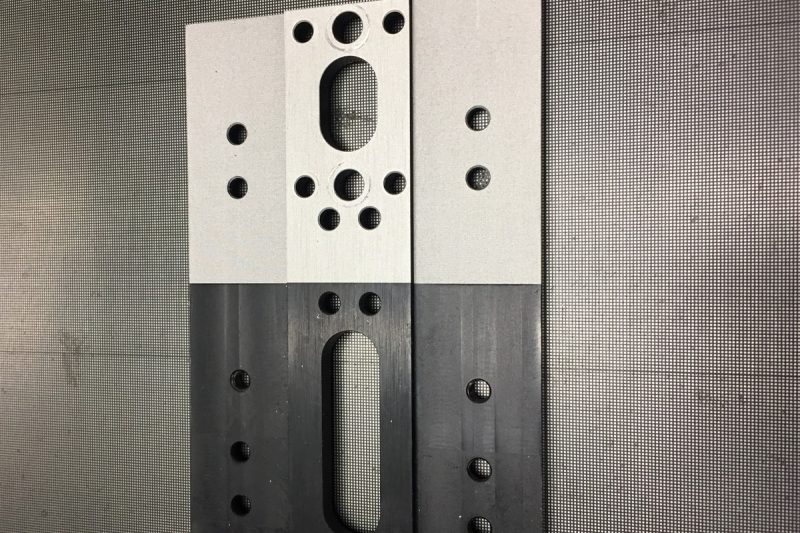
Laser Cleaning vs. Traditional Methods: A Sustainability Comparison
The most meaningful sustainability assessment of laser cleaning is a direct comparison with the conventional methods it most commonly replaces. This section compares laser cleaning against sandblasting, chemical cleaning, and high-pressure water blasting across the environmental and health dimensions examined in this article.
vs. Sandblasting
Sandblasting generates large volumes of spent abrasive media contaminated with the removed surface material — a solid waste stream that is expensive to characterize and dispose of when it contains regulated substances such as lead or chromium from paint removal. The blasting process creates high concentrations of fine dust within and around the blast enclosure, requiring respirators, blast suits, and hearing protection for operators. Media production — particularly for garnet and coal slag abrasives — has its own environmental footprint from mining and processing. Laser cleaning eliminates the abrasive media, generates far smaller quantities of captured fume waste, produces no significant noise beyond fan and cooling equipment, and requires less extensive PPE for the cleaning operation itself. On virtually every sustainability metric, laser cleaning compares favorably with sandblasting for the surface cleaning applications where both technologies are technically viable.
vs. Chemical Cleaning
Chemical cleaning — acid pickling, solvent degreasing, and alkaline washing — generates liquid waste streams containing the cleaning agent, neutralization products, and dissolved contaminants. These waste streams require treatment and disposal as hazardous waste in most jurisdictions, with associated costs, regulatory compliance burdens, and liability. The chemicals themselves require regulated storage, spill containment, employee chemical hygiene training, and emergency response planning. VOC emissions from solvent degreasing are regulated air pollutants requiring permit compliance. Worker exposure to acid mists, solvent vapors, and alkaline aerosols during chemical cleaning operations represents a significant ongoing health risk managed through ventilation, PPE, and biological monitoring programs. Laser cleaning eliminates all of these chemical inputs and associated regulatory obligations, replacing them with a smaller and more manageable set of fume extraction and filter disposal requirements.
vs. High-Pressure Water Blasting
High-pressure water jetting consumes large volumes of water and generates contaminated wastewater containing the removed material in suspension. In many cleaning applications — particularly removal of heavy metal-containing coatings or industrial process residues — this wastewater is a regulated discharge that requires treatment before release to the sewer system or water body, or off-site transport for treatment. The water consumption itself is environmentally significant in water-scarce regions. High-pressure water systems also present significant mechanical injury hazards from the high-pressure stream and associated equipment. Laser cleaning eliminates water consumption almost entirely, generates no wastewater, and removes the mechanical injury hazards associated with high-pressure hydraulic equipment — while achieving equivalent or superior surface cleanliness for most applications.
Laser cleaning demonstrates a consistently favorable sustainability profile compared to sandblasting, chemical cleaning, and high-pressure water blasting across the environmental dimensions of waste generation, chemical use, water consumption, and regulatory compliance burden. Its health risk profile — dominated by fume exposure and laser radiation hazards — is more readily and cost-effectively managed than the chemical exposure, dust inhalation, and physical injury hazards of conventional methods. This comparative advantage is the primary basis for laser cleaning’s growing adoption as the sustainable surface treatment solution of choice in progressive industrial operations.
Conclusion
This article has provided a comprehensive and balanced examination of laser cleaning’s environmental profile, health risks, regulatory framework, and sustainability position relative to conventional surface cleaning methods.
The honest assessment is this: laser cleaning is genuinely one of the most environmentally favorable surface cleaning technologies available for industrial applications. Its elimination of chemical cleaning agents, abrasive blasting media, and large-scale water consumption removes three of the most significant environmental burden categories associated with conventional surface cleaning. Its non-contact operation generates no secondary contamination of workpieces, and its lifecycle carbon footprint compares favorably with media and chemical-intensive alternatives when full supply chain emissions are included. These advantages are real, substantial, and increasingly recognized by environmental regulators and corporate sustainability programs as meaningful differentiators.
At the same time, laser cleaning is not without genuine environmental and health concerns that require responsible management. The electrical energy consumption of high-power laser generators is a real carbon footprint contributor that rewards efficiency-conscious system specification and operation. The fume and particulate plume generated during ablation — particularly when cleaning lead-containing paints, zinc-coated surfaces, or organic coatings containing isocyanates — can present serious health hazards if fume extraction systems are inadequate or incorrectly specified for the contaminant profile. The Class 4 laser radiation from fiber laser generators is an invisible, immediate, and potentially irreversible hazard that demands proper engineering controls and operator training, not passive reliance on equipment warnings alone. Filtering waste from fume extraction systems requires proper characterization and disposal, particularly in applications involving regulated toxic metals.
These concerns do not undermine laser cleaning’s environmental credentials — they define the responsible management framework within which those credentials are sustained. Facilities that implement laser cleaning with properly specified fume extraction, correct PPE, maintained machine enclosures, energy efficiency discipline, and compliant waste disposal consistently achieve both the environmental and health performance that the technology’s genuine advantages make possible.
Get a Laser Cleaning Solution
Building a laser cleaning operation that delivers genuine environmental and health performance — not just on paper but in day-to-day production — starts with the right equipment and the right supplier partnership.
AccTek Laser is a professional laser cleaning machine manufacturer with over a decade of experience serving industrial customers across a wide range of sectors and applications. Its laser cleaning product range includes handheld and portable continuous laser cleaning machines from 1,500 W to 6,000 W, suited to flexible field operations and large-surface industrial cleaning, as well as pulsed laser cleaning machines from 500 W to 2,000 W for precision cleaning of sensitive substrates and delicate coatings — all powered by high-quality fiber laser generators from globally trusted brands, equipped with integrated safety systems including back-reflection protection and thermal management designed for long-term reliability, and certified to CE and FDA standards that confirm compliance with international safety and quality requirements. All systems are available with customized fume extraction integration options, adjustable scanning parameters for application-specific energy optimization, and safety enclosure configurations matched to the production environment. The full-lifecycle service framework covers pre-sales application consultation — including assessment of the fume profile and extraction requirements for the specific cleaning application — professional installation and commissioning, comprehensive operator training covering both process parameters and laser safety protocols, competitive spare parts supply, and responsive after-sales technical support. For any business evaluating laser cleaning as a sustainable alternative to conventional surface treatment methods, the first step is a direct conversation with an application engineer who can assess the specific cleaning requirements, confirm the appropriate fume extraction specification, and recommend the machine configuration that delivers the best combination of cleaning performance, energy efficiency, and workplace safety for the intended application.

Contact information
- [email protected]
- [email protected]
- +86-19963414011
- No. 3 Zone A, Lunzhen Industrial Zone,Yucheng City , Shandong Province.
Get Laser Solutions