

















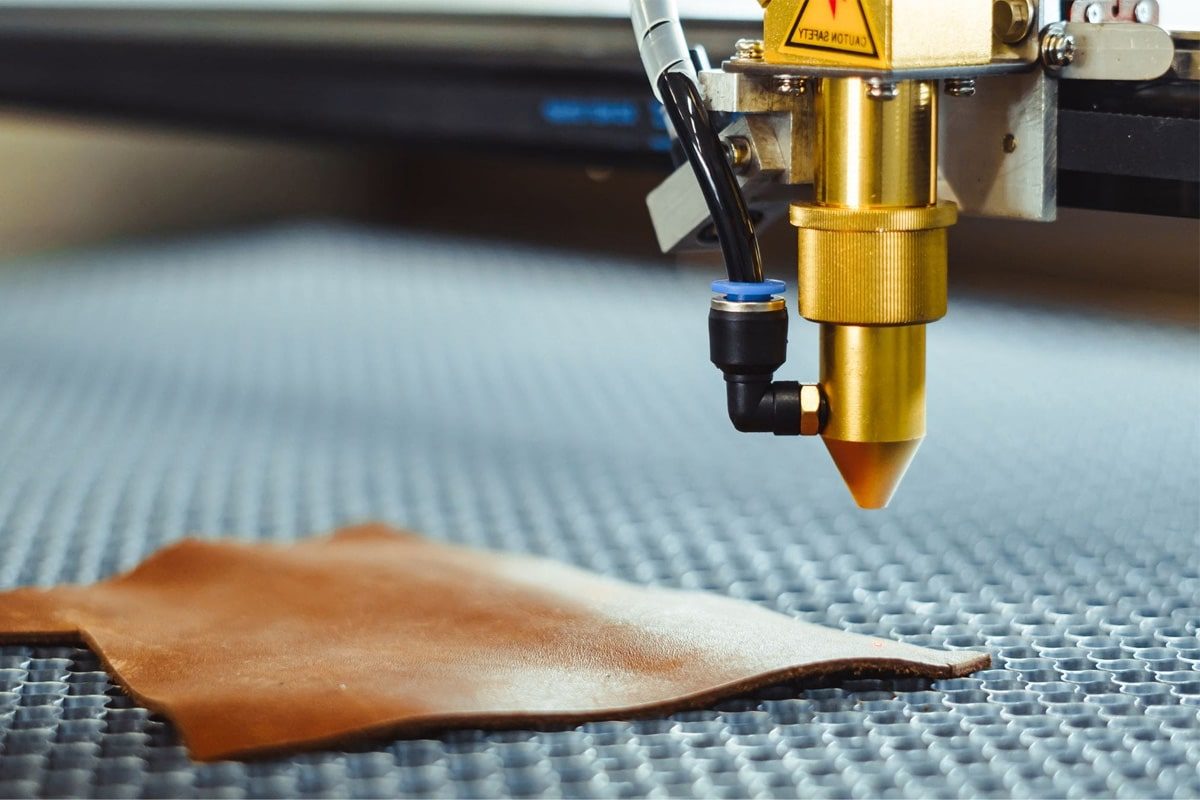
Materials That Cannot Be Cut by Laser Cutting Machines
Laser cutting is one of the most precise, efficient, and versatile material processing technologies available in modern manufacturing and fabrication. By focusing the concentrated output of a laser generator onto a workpiece surface, laser cutting systems can slice through metals, plastics, wood, composites, and a wide range of other materials with a speed and accuracy that mechanical cutting methods cannot match. Its non-contact nature, minimal kerf width, and ability to cut complex geometries directly from digital files have made laser cutting an indispensable process across industries from aerospace and automotive manufacturing to signage, furniture, fashion, and artisan fabrication.
Yet laser cutting is not a universal solution for every material. The same high energy density that makes laser cutting so effective at processing compatible materials can produce dangerous outcomes when applied to the wrong ones. When a laser generator’s beam strikes certain materials, the thermal interaction does not simply melt or vaporize the workpiece cleanly — it triggers chemical decomposition reactions that release toxic, corrosive, or carcinogenic gases and particulates into the working environment. In other cases, the material physically damages the laser cutting system itself through back-reflection of the beam into the optics or laser generator. In still other situations, the material simply does not produce acceptable cut quality — it chars, cracks, melts uncontrollably, or deforms in ways that make laser cutting an inappropriate process choice regardless of safety considerations.
Understanding which materials fall into these restricted categories — and precisely why they are restricted — is not merely a technical curiosity. It is a safety imperative for anyone operating a laser cutting machine, a quality management requirement for any facility producing parts to specification, and a legal compliance obligation in workplaces governed by occupational health and safety regulations. Cutting prohibited materials, even briefly and inadvertently, can expose operators to chemical hazards whose effects may be acute and immediately apparent or chronic and cumulative over months and years of exposure. It can also void equipment warranties, damage expensive optical components, and produce parts that fail to meet quality standards.
This article provides a comprehensive, structured guide to the materials that should not be cut with a laser cutter. It examines the hazardous materials that present the most serious safety risks, the reflective and thermally challenging materials that pose equipment damage risks, the materials that produce poor cut quality regardless of parameter optimization, and the materials that require special precautions rather than outright avoidance. It also addresses how to identify unknown materials before cutting, best practices for safe laser cutting operations, and how to select alternative cutting methods for materials that are incompatible with laser processing.
Table of Contents
How Laser Cutting Interacts with Materials
Before examining which materials should not be laser cut, it is useful to understand the physical principles governing how laser cutting interacts with any material — and why those interactions can produce dangerous or unacceptable outcomes for certain material types.
The Basic Mechanics of Laser-Material Interaction
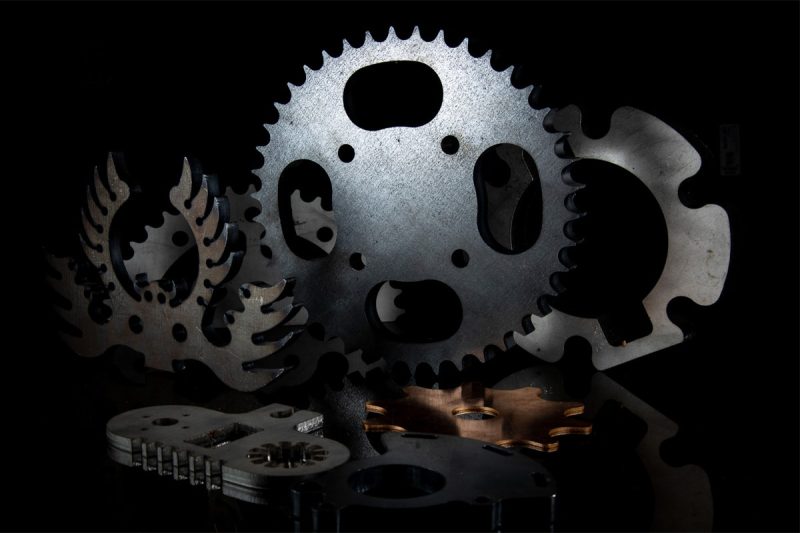
When a laser generator’s focused beam strikes a material surface, the material absorbs the incident photon energy and converts it to heat within an extremely small volume at an extremely high rate. For materials that are well-matched to the laser generator’s wavelength and whose thermal properties support controlled melting or vaporization, this process produces the clean, precise kerf that laser cutting is known for. The material at the focal point melts or vaporizes, an assist gas jet ejects the molten or vaporized material from the kerf, and the surrounding material remains largely unaffected because the energy is so concentrated and the interaction so brief.
The problem arises when the material’s response to this rapid, intense heating is not simple melting or vaporization but chemical decomposition. Many organic polymers, composites, and coated materials contain molecular structures that break down under laser heating into component chemicals that are far more hazardous than the starting material. Polyvinyl chloride releases hydrogen chloride gas. Certain epoxy resins release isocyanates and other reactive organic compounds. Carbon fiber composites release fine respirable carbon particles and resin decomposition products. These byproducts are generated in the laser cutting zone at high concentration and are immediately available for inhalation by the operator — even with fume extraction systems in place — if the extraction system is not specifically designed and rated for the hazardous compound involved.
Why Certain Materials Are Incompatible with Laser Cutting
Material incompatibility with laser cutting falls into three distinct categories. Safety incompatibility describes materials whose thermal decomposition products include toxic, corrosive, or carcinogenic compounds that pose unacceptable health risks to operators and others in the facility. Equipment incompatibility describes materials that damage the laser cutting system itself — typically through high optical reflectivity that returns laser energy back through the delivery system into the laser generator, or through the generation of conductive or abrasive debris that contaminates optical components. Quality incompatibility describes materials that do not produce acceptable cut results regardless of parameter optimization — whether because they crack under thermal stress, melt and re-fuse before solidifying, produce excessive charring, or delaminate and degrade in ways that make laser cutting an inappropriate process choice.
Laser cutting’s effectiveness depends on a controlled thermal interaction between the focused beam and the workpiece material. When that interaction produces chemical decomposition rather than clean vaporization or melting, it can generate toxic or corrosive byproducts that endanger operators, damage equipment, or produce unacceptable cut quality. Understanding which material categories trigger these adverse outcomes is the foundation of safe and effective laser cutting practice.
Hazardous Materials: Safety-Critical Restrictions
The most serious category of laser cutting incompatibility is materials whose processing generates gases or particulates that pose immediate or cumulative health risks to operators. These restrictions are not merely best-practice recommendations — in most occupational health and safety regulatory frameworks, knowingly exposing workers to the chemical hazards generated by cutting these materials constitutes a legal violation. Every laser cutting operator and facility manager must understand this category thoroughly.
PVC and Chlorine-Containing Plastics
Polyvinyl chloride (PVC) is the single most important material to avoid in laser cutting, and the prohibition is absolute. When PVC is heated by a laser generator’s beam, the polymer backbone decomposes and releases hydrogen chloride (HCl) gas at high concentration. Hydrogen chloride is intensely corrosive — it attacks the mucous membranes of the respiratory tract, the eyes, and the skin even at low exposure concentrations, and at higher concentrations can cause pulmonary edema and potentially fatal lung damage. Equally critically, hydrogen chloride in the presence of moisture forms hydrochloric acid, which corrodes the metallic components, mirrors, and lenses of the laser cutting machine with extraordinary speed — a few seconds of cutting PVC can permanently damage optical components that cost thousands of dollars to replace.
PVC is widely used in a variety of industrial and consumer materials — vinyl flooring, signage film, upholstery, weatherstripping, some coated fabrics, and certain cable insulations — and it is not always clearly labeled. Any material suspected of containing PVC must be tested before laser cutting. For cutting PVC and similar vinyl materials, CNC router machines with appropriate tooling and local exhaust ventilation provide a safer mechanical alternative.
Beryllium and Beryllium Alloys
Beryllium metal and alloys containing beryllium — including beryllium copper, which is widely used in electrical contacts and precision springs — must never be processed by laser cutting. When beryllium is heated to the temperatures generated by a laser generator, it produces beryllium oxide particles and fumes that are among the most hazardous industrial airborne contaminants known. Beryllium is a Group 1 carcinogen classified by the International Agency for Research on Cancer (IARC), and chronic beryllium disease (CBD) — a debilitating and potentially fatal lung condition — can develop from very low levels of beryllium dust exposure over time, with no safe lower threshold definitively established. Standard fume extraction systems are not adequate to control beryllium aerosol. Facilities that must cut beryllium-containing materials should use waterjet cutting, which eliminates the thermal decomposition hazard, or machining with appropriate engineering controls for beryllium dust.
Carbon Fiber and Fiberglass
Carbon fiber reinforced polymer (CFRP) and fiberglass reinforced polymer (GFRP) are structural composite materials increasingly used in aerospace, automotive, sporting goods, and industrial applications. Both materials present serious health and quality concerns when laser-cut. When a laser generator’s beam processes carbon fiber or fiberglass composites, it simultaneously ablates the reinforcing fibers and thermally decomposes the polymer matrix resin. The result is a dual hazard: fine respirable fibers — both carbon and glass — that are physically hazardous to the lungs, combined with the decomposition products of the resin system, which typically include styrene, formaldehyde, and other volatile organic compounds that are toxic and in some cases carcinogenic. The laser-cut edges of CFRP also exhibit a heat-affected zone of varying depth in which the matrix resin has been burned away, leaving bare carbon fibers that reduce the mechanical strength of the edge — a quality issue of particular concern for structural applications. CNC router machines fitted with diamond-coated or carbide tooling, combined with effective dust extraction, are the preferred alternative for CFRP and GFRP cutting in most production environments.
Artificial Leather and Vinyl
Artificial leather, synthetic leather, and vinyl-coated fabrics are frequently confused with natural leather and other laser-compatible materials, but they are typically based on PVC or polyurethane substrates that generate hazardous decomposition products when laser cut. PVC-based artificial leather releases hydrogen chloride as described above. Polyurethane-based artificial leather releases isocyanates — highly reactive chemicals that are potent respiratory sensitizers capable of inducing occupational asthma, sometimes at extremely low exposure concentrations. Once sensitized to isocyanates, an individual may experience severe asthmatic reactions to concentrations far below occupational exposure limits. Before cutting any artificial leather or coated fabric with a laser generator, the base material composition must be confirmed. Natural leather and isocyanate-free materials are laser-compatible; PVC- and polyurethane-backed materials are not. CNC oscillating knife cutting machines provide a clean, fume-free alternative for cutting artificial leather and vinyl-coated materials.
Polystyrene and Polypropylene Foam
Foam materials are commonly requested for laser cutting in packaging, display, and model-making applications, but not all foam types are suitable. Polystyrene foam — including expanded polystyrene (EPS, commonly known as Styrofoam) — is particularly problematic. When heated by a laser generator, polystyrene decomposes to release styrene monomer and a range of other aromatic hydrocarbons, several of which are classified as possible or probable human carcinogens. Polystyrene also ignites readily under laser heating, and the resulting flame can propagate through the foam structure rapidly, creating a fire hazard within the machine enclosure. Polypropylene foam produces less acutely toxic fumes than polystyrene but similarly tends to melt and re-fuse rather than cutting cleanly, producing a poor quality edge that makes laser cutting an ineffective process choice even before safety considerations are applied. CNC router or oscillating knife cutting are the preferred methods for polystyrene and polypropylene foam.
Epoxy and Phenolic Resins
Epoxy resins — used as adhesives, coatings, and the matrix material in many fiber-reinforced composites — and phenolic resins — used in electrical laminates, circuit boards, and molded components — both generate hazardous thermal decomposition products when processed by laser generators. Epoxy resin decomposition releases a complex mixture of volatile organic compounds, including bisphenol A, epichlorohydrin, and various reactive amines; several components are classified as sensitizers or potential carcinogens. Phenolic resin decomposition releases formaldehyde, phenol, and other aldehydes and aromatic compounds that are acutely irritating and carcinogenic at sustained exposure levels. Materials containing significant quantities of these resins — printed circuit boards, phenolic laminates, and many composite components — should not be laser cut. Waterjet cutting or CNC machining with appropriate dust control is a safer alternative for these materials.
The most safety-critical laser cutting restrictions apply to PVC and chlorine-containing plastics, beryllium and beryllium alloys, carbon fiber and fiberglass composites, artificial leather and vinyl, polystyrene and polypropylene foam, and epoxy and phenolic resin-containing materials. Each generates chemical byproducts upon laser heating that pose serious respiratory, carcinogenic, or corrosive hazards. These restrictions are not negotiable — they reflect real and severe health risks that proper operator training and facility safety programs must address explicitly, and safe alternative methods such as CNC routing, waterjet cutting, or oscillating knife cutting should be considered for these materials.
Reflective and Thermally Challenging Materials
A second category of laser cutting incompatibility encompasses materials that damage the laser cutting system itself, primarily through high optical reflectivity that returns laser energy back into the beam delivery system and laser generator. This equipment protection concern is distinct from the operator safety concerns of the previous section, but is equally important for the integrity and longevity of the cutting system.
Highly Reflective Metals: Copper, Brass, and Aluminum
Highly reflective metals — particularly polished copper, brass, and aluminum — present a significant equipment protection challenge for fiber laser generators operating at 1,064 nm. At room temperature and in their polished state, these metals can reflect 90 to 98 percent of incident laser radiation rather than absorbing it. The reflected energy does not simply dissipate — a significant fraction returns through the focusing optic and beam delivery system into the laser generator itself, where it can damage the output fiber, the isolator components, and, in severe cases, the gain fiber of the laser generator. This back-reflection damage can be catastrophic and expensive, requiring replacement of the laser generator or major subassemblies.
This does not mean these metals cannot be laser cut — modern high-power fiber laser generators equipped with back-reflection protection systems, and green laser generators whose 532 nm wavelength is better absorbed by copper, can process these materials effectively under the right conditions and with appropriate machine configurations. However, cutting highly reflective metals on laser generators without adequate back-reflection protection, or without proper parameter optimization, risks serious and costly equipment damage. CO2 laser generators, operating at 10.6 µm, are less effective on metals generally, but are not subject to the same back-reflection risk from copper and brass. For general copper and brass cutting without specialized laser equipment, CNC routing or plasma cutting are practical alternatives.
Thick or Hardened Metals Beyond Machine Capacity
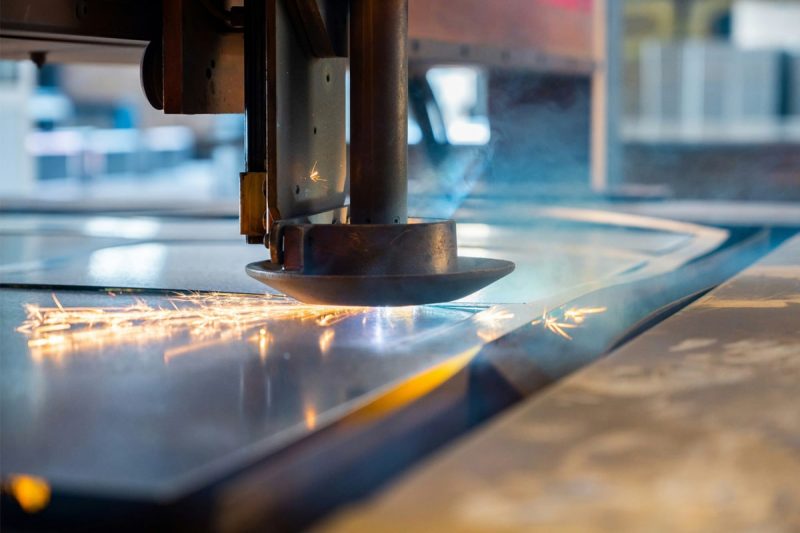
Every laser cutting machine has a rated maximum cutting thickness for each material type, determined by the laser generator’s output power, beam quality, and the assist gas system’s capacity to eject molten material from deep kerfs. Attempting to cut materials that exceed these rated thicknesses does not simply produce a slower, rougher cut — it produces incomplete penetration, excessive dross accumulation, heat buildup that can warp the workpiece and distort the cut geometry, and in extreme cases can cause the assist gas to ignite accumulated molten metal within the kerf, creating a fire hazard. Hardened tool steels and high-alloy steels present additional challenges: their high carbon content and alloying elements change the melt behavior in ways that can produce cracked, hardened cut edges that are dimensionally inaccurate and mechanically weak. For very thick plate cutting or hardened steel, plasma cutting, waterjet cutting, or CNC machining are the appropriate process alternatives.
Highly reflective metals — particularly polished copper, brass, and aluminum — pose a back-reflection risk to fiber laser generators without appropriate protection systems, and their processing requires specific machine configurations and parameter expertise. Attempting to cut materials beyond the laser generator’s rated capacity risks cut quality failures and potential fire hazards. In both cases, alternative cutting processes — CNC routing, plasma cutting, or waterjet — are available and appropriate for applications that exceed the safe operating envelope of the laser cutting system.
Materials That Produce Poor Cut Quality
Beyond safety and equipment protection considerations, a third category of laser cutting incompatibility encompasses materials that simply do not produce acceptable cut quality when processed by a laser generator, regardless of how carefully parameters are optimised. For these materials, laser cutting is not merely hazardous — it is the wrong tool for the job.
Certain Ceramics and Stone
Dense ceramics — alumina, silicon carbide, zirconia — and natural stone materials such as granite, marble, and sandstone are highly resistant to the thermal cutting action of laser generators. These materials have very high melting points, very low thermal conductivity, and a brittle fracture behaviour that makes controlled laser cutting extremely difficult. Rather than melting cleanly in the kerf, ceramic and stone materials accumulate thermal stress at the laser interaction zone, and the concentrated heating causes cracking and chipping that propagate unpredictably through the material. The resulting cuts are rough, inaccurate, and frequently accompanied by cracking or delamination adjacent to the cut line. While specialised laser generators operating at UV wavelengths and very high pulse energies can scribe and microcut certain ceramics in precision electronics applications, these are narrow exceptions that require highly specialised equipment not found in general-purpose laser cutting facilities. For ceramic and stone cutting, waterjet cutting and diamond blade saw cutting are the established and reliable process choices.
Tempered or Laminated Glass
Ordinary glass can be scribed and snap-cut using CO2 laser generators, which are well absorbed by glass at 10.6 µm. However, tempered glass — which has been thermally treated to place its surfaces in compressive stress — cannot be laser cut by any practical method. The internal stress state of tempered glass means that any crack initiation — including that caused by laser heating — propagates instantaneously and catastrophically throughout the entire pane, shattering it into the characteristic small fragments of safety glass. Laminated glass, which bonds multiple glass plies with interlayer films, presents additional challenges because the laser beam must pass through interlayer materials of very different absorptivity than the glass. For glass cutting requirements, conventional diamond-wheel glass cutting tools, waterjet cutting, or specialised glass laser processing equipment operating at controlled parameters are the appropriate alternatives.
Printed Circuit Boards
Printed circuit boards (PCBs) in their assembled form — with electronic components attached — should not be cut with a laser generator. The thermal energy of the laser cutting process is sufficient to damage or destroy the electronic components within and adjacent to the cut zone. Capacitors, integrated circuits, and other surface-mounted components cannot withstand the local temperature excursions associated with laser cutting, and the electrical connections within the PCB itself may be interrupted or short-circuited by the cutting process. For PCB depaneling — separating individual boards from a production panel — specialised UV laser generators operating at controlled low energy levels can be used on bare PCBs without components, but this is a precision application requiring purpose-built equipment and careful parameter control. Mechanical depaneling using routers or specialised V-score and snap systems remains the most widely used method for assembled PCB separation.
Certain ceramics and stones, tempered and laminated glass, and assembled printed circuit boards represent materials where laser cutting produces unacceptable quality outcomes — cracking, shattering, or component damage — regardless of parameter optimisation. These are not materials that laser cutting can handle with careful setup; they are materials for which laser cutting is fundamentally the wrong process. Waterjet cutting, diamond blade cutting, and specialised mechanical depaneling systems are the appropriate alternatives for these applications.
Materials That Require Special Precautions Rather Than Outright Avoidance
Not all problematic materials for laser cutting require absolute avoidance. Several important material categories can be laser cut safely and effectively if specific precautions are observed, appropriate machine configurations are used, and the limitations of the process on that material are understood and managed. This section identifies these materials and the precautions required.
Coated or Painted Metals
Metal substrates with surface coatings — galvanized steel, powder-coated steel, anodized aluminum, and painted metals — can generally be laser cut, but the coating material must be evaluated before processing. Galvanized steel coated with zinc produces zinc oxide fumes during laser cutting that are acutely hazardous — causing metal fume fever at significant exposure levels — and requires robust fume extraction and, in high-volume applications, additional respiratory protection measures. Powder coatings and paints that contain chromium compounds — particularly hexavalent chromium, a potent carcinogen — require that the cutting be performed with extraction systems rated for chromium aerosol and that atmospheric monitoring confirms exposure levels below regulatory limits. Anodized aluminum is generally safer, as the anodized layer ablates cleanly with minimal hazardous byproduct, but the quality of cut through thick anodized layers may require parameter adjustment.
Treated or Composite Wood Products
Natural solid wood is one of the most widely and successfully laser-cut materials with CO2 laser generators. However, several wood-derived products require precautions. Medium-density fiberboard (MDF) contains urea-formaldehyde resin binders that release formaldehyde when heated by the laser generator — formaldehyde is a known human carcinogen and a potent respiratory irritant. Cutting MDF requires effective fume extraction with appropriate filter media, and high-volume MDF cutting operations may require atmospheric monitoring and respiratory protection programs. Plywood containing formaldehyde-based adhesives presents similar concerns, though the exposure is generally lower per unit area than for MDF. Pressure-treated lumber — wood impregnated with copper-chromium-arsenic (CCA) or other preservatives — should not be laser cut without specific assessment of the preservative’s decomposition products, as arsenic and chromium compounds are highly toxic. CNC router machines are well-suited for cutting MDF and treated wood without the thermal decomposition hazard.
Certain Medical-Grade Plastics
Medical-grade plastics — including those formulated with specific stabilizer and additive packages for implant or device applications — may contain compounds that generate hazardous byproducts when laser cut, even though the base polymer would be acceptable. Silicone, for example, generates silicon dioxide particulate when laser cut — a nuisance dust rather than an acutely toxic compound, but one that requires extraction. PTFE (polytetrafluoroethylene, or Teflon) generates perfluorinated decomposition products when heated above its decomposition temperature — some of which are acutely toxic at very low concentrations — and should not be laser cut without specific safety assessment. For medical device applications where material traceability and process validation are required, laser cutting process parameters must be formally validated and the fume generation profile specifically characterized to ensure regulatory compliance.
Coated metals, treated wood products, and certain medical-grade plastics can be laser cut with appropriate precautions — including robust fume extraction, respiratory protection where indicated, and parameter validation — rather than outright avoidance. The key requirement in each case is an informed assessment of the specific material composition and its decomposition products under laser heating, rather than a blanket acceptance or rejection based on the base material category alone. When in doubt, CNC routing remains a reliable, fume-free alternative for many of these materials.
Safe Alternatives for Restricted Materials
For any material unsuitable for laser cutting, there is almost always one or more alternative cutting processes available that can deliver effective, safer, and often higher-quality processing results. Understanding which alternatives to select for various restricted materials helps processing facilities meet diverse client needs while avoiding unacceptable risks to operators.
Waterjet cutting—which utilizes a high-pressure stream of water (typically mixed with abrasive garnet) to cut through materials without generating heat—is the most widely adopted alternative for materials where laser cutting is prohibited due to the risk of thermal decomposition or susceptibility to heat-induced cracking. Because no heat is generated in the cutting zone, waterjet cutting prevents the chemical decomposition reactions that pose safety hazards when laser cutting materials such as PVC, beryllium, carbon fiber, epoxy resins, and similar substances. Waterjet cutting can process virtually any material—including ceramics, stone, tempered glass, composites, and thick metal plates—producing cuts with excellent edge quality and absolutely no heat-affected zone. Its primary limitations are that it is slower than laser cutting when processing thin sheet materials, and the cutting process generates a wet slurry—a mixture of workpiece debris and abrasive—that requires specialized collection and disposal.
CNC Routers—which employ rotating cutting tools to mechanically remove material—serve as an excellent alternative for processing wood products (including MDF and plywood), plastics (including PVC and polycarbonate), composite panels, foam materials (including polystyrene and polyurethane), and soft metals. The CNC routing process does not cause thermal decomposition of the substrate or generate hazardous byproducts; however, the mechanical cutting action does produce dust and debris, necessitating the use of an effective dust collection and extraction system. Within our product lineup, the CO2 laser cutting serves as an excellent complement to the fiber laser cutting; it is specifically designed for cutting non-metallic materials—such as acrylic, natural leather, rubber, and untreated wood—and delivers high-quality cuts with clean kerfs and automatically sealed edges for those organic materials that are not well-suited for fiber laser processing. For artificial leather, vinyl materials, and various types of foam—specifically those materials unsuitable for cutting by any type of laser—CNC oscillating knife cutting systems offer a precision cutting solution that generates no heat. Consequently, in industries such as signage, packaging and printing, and textiles and apparel, this system has become the preferred method for processing flexible materials and composite panels.
Waterjet cutting, CNC engraving, specialized CO2 laser cutting for non-metallic materials, and CNC oscillating knife cutting—these four processes collectively constitute a suite of safe and efficient alternative processing solutions for various material categories deemed “unsuitable for fiber laser cutting.” Selecting the appropriate alternative requires matching the process to specific materials, desired cut quality, production volume, and economic constraints—a task facilitated by the expert application assessment services offered by AccTek.
How to Identify Unknown Materials Before Laser Cutting
In real production environments, operators are frequently presented with materials that are not fully characterized — unmarked stock, customer-supplied materials, reclaimed or surplus materials, and composites whose exact formulation is not documented. Developing reliable practices for identifying unknown materials before laser cutting is an essential safety discipline.
Burn Testing and Material Identification
A controlled burn test — exposing a small sample of the unknown material to a flame source outside the laser cutting machine and observing the characteristics of the flame, smoke, and odor — can provide useful initial screening information. PVC and chlorine-containing plastics produce a distinctive yellow-green flame and emit a sharp, pungent odor of hydrochloric acid. Polyurethane produces a more complex odor and black smoke. Polyester and nylon burn with different flame colors and produce characteristic odors that experienced operators can learn to distinguish. However, burn testing has serious limitations: it requires operator exposure to the combustion products of the sample, and it does not provide definitive identification of complex composites or unknown additive packages. Burn testing should be used as a preliminary screening tool only, and any material that shows indicators of chlorine, isocyanate, or other restricted compounds during burn testing should be rejected for laser cutting immediately.
Consulting Safety Data Sheets
The most reliable method for confirming material suitability for laser cutting is consulting the Safety Data Sheet (SDS) for the specific material from its manufacturer. SDS documents — required by OSHA’s Hazard Communication Standard and equivalent regulations globally — identify the material’s chemical composition and list the thermal decomposition products that are generated when the material is heated. Sections 5 (fire-fighting measures) and 10 (stability and reactivity) of the SDS are the most relevant sections for laser cutting assessment. If the SDS lists hydrogen chloride, isocyanates, beryllium compounds, formaldehyde, or other restricted compounds as thermal decomposition products, the material should not be laser cut. Obtaining SDS documents from the material supplier before processing any new or uncharacterized material is a straightforward and highly reliable safety practice.
It is important to note that SDS documents vary significantly in their level of detail regarding thermal decomposition products. Some SDS documents provide a comprehensive list of decomposition byproducts with associated exposure limits; others provide only generic statements such as “thermal decomposition may produce toxic gases” that offer little specific guidance. When the SDS is insufficiently detailed to confirm material safety for laser cutting, the appropriate response is to contact the material manufacturer directly for more specific thermal decomposition data, or to treat the material as potentially hazardous and select an alternative cutting process. The burden of proof for material safety rests with the operator — a vague or incomplete SDS is not sufficient grounds for assuming a material is safe to laser cut.
When to Consult a Professional
Some material identification and safety assessment questions exceed the knowledge and tools available to typical laser cutting operators and facility managers. When a material’s composition is genuinely unknown and cannot be determined from labeling or SDS documentation, when a material is suspected to contain hazardous components, but the evidence is ambiguous, or when a facility is considering laser cutting a new material category for the first time, consulting a qualified industrial hygienist or occupational health professional is the appropriate course of action. These professionals can arrange laboratory analysis of material samples, assess the adequacy of existing fume extraction and ventilation systems for the proposed application, and provide the documented safety assessment that regulatory compliance and due diligence requirements may demand.
Material identification before laser cutting should follow a tiered approach: visual inspection and labeling review as the first step, burn testing as a preliminary screening tool for uncharacterized materials, SDS review as the definitive chemical assessment method, and professional industrial hygiene consultation for complex or high-stakes material assessment questions. No material should be laser cut without at least a reasonable basis for confidence in its chemical compatibility with the process.
Best Practices for Safe Laser Cutting Operations
Even when materials are correctly identified and incompatible materials are excluded from laser cutting, maintaining safe operating conditions requires ongoing attention to fume extraction, personal protective equipment, and machine safety systems. This section summarizes the operational best practices that underpin safe laser cutting in any production environment.
Ventilation and Fume Extraction Requirements
Effective fume extraction is the primary engineering control for managing the chemical and particulate hazards generated during laser cutting of any material. The extraction system must be sized to capture fumes at the point of generation — within the machine enclosure — before they can escape into the broader facility environment. Extraction airflow must be sufficient to maintain capture velocity at the cutting zone, even as the material type, cutting speed, and laser generator power vary across different jobs. The filtration system must be appropriate for the specific hazards present: HEPA filtration captures fine particulate; activated carbon filtration adsorbs volatile organic compounds; and specialized media are required for acid gases such as hydrogen chloride. Filter media must be changed on schedule — a clogged filter provides little protection while appearing functional. In facilities cutting materials with diverse fume profiles, a multi-stage filtration system with regularly tested performance is the appropriate standard.
The performance of fume extraction systems should be verified periodically — not assumed to be adequate simply because the system is operational. Airflow measurement at the extraction point, filter differential pressure monitoring as an indicator of filter loading, and in high-hazard applications, periodic atmospheric sampling to verify that contaminant concentrations remain below occupational exposure limits are the verification measures that transform a fume extraction system from a passive installation into an actively managed engineering control. Facilities that cut a variety of materials on the same machine should maintain records of which materials have been assessed for fume hazard and what extraction provisions are required for each, enabling operators to verify that the configured extraction system is appropriate before beginning any new cutting job.
Personal Protective Equipment
Personal protective equipment serves as a secondary line of defense when engineering controls do not fully contain airborne hazards. Laser-rated safety eyewear — with optical density and wavelength range matched to the specific laser generator type — must be worn during any procedure that could involve exposure to direct or reflected laser radiation, including alignment, maintenance, and any operation with an open enclosure. Respiratory protection — half-face respirators with appropriate cartridges for the specific hazards present — should be available and worn when performing operations that generate elevated fume concentrations, including filter changes, enclosure cleaning, and any cutting of materials with known fume hazards. Heat-resistant gloves protect against burns from freshly cut parts, which can retain significant heat for several minutes after cutting. Safety footwear protects against the hazard of falling sheet offcuts and finished parts.
Machine Enclosure and Interlock Systems
The laser cutting machine’s safety enclosure — which contains the laser radiation within the cutting zone and prevents operator access during operation — must be maintained in good condition and must never be defeated or bypassed. Safety interlocks that stop the laser generator when enclosure panels are opened or removed are critical protection systems that must be tested regularly and repaired immediately if found to be non-functional. In facilities where multiple laser cutting machines operate simultaneously, the cumulative fume load and noise levels must be managed at a facility level through general ventilation design and acoustic controls, in addition to the machine-level extraction provided at each individual machine.
Safe laser cutting operations depend on three interconnected layers of protection: effective fume extraction sized and filtered for the specific materials being cut, appropriate personal protective equipment for all operators and maintenance personnel, and properly maintained machine enclosures and safety interlock systems. These protections must be actively managed and regularly verified — not treated as one-time installations that can be assumed to be functioning correctly without ongoing inspection and maintenance.
Conclusion
This article has provided a comprehensive guide to the materials that should not be cut with a laser cutter — covering the safety-critical restrictions that protect operator health, the equipment protection considerations that safeguard the laser cutting system, the quality limitations that make certain materials inherently unsuitable for laser processing, and the precautions that enable borderline materials to be handled safely.
The central message is clear: laser cutting is a powerful and versatile technology, but it is not a universal cutting solution. PVC and chlorine-containing plastics, beryllium and its alloys, carbon fiber and fiberglass composites, artificial leather and vinyl, polystyrene and polypropylene foam, and epoxy and phenolic resins all generate hazardous thermal decomposition products that pose serious health risks to operators — risks that are not adequately controlled by standard fume extraction systems and that, in some cases, also cause irreversible damage to the laser cutting machine itself. Highly reflective metals and materials beyond the machine’s rated cutting capacity present equipment protection risks whose consequences range from costly optical component damage to laser generator failure. Certain ceramics, tempered glass, and assembled printed circuit boards simply do not produce acceptable cut quality under laser processing conditions, regardless of parameter optimization.
For every restricted material, safe and effective alternative cutting processes exist — waterjet cutting for thermally sensitive and hard-to-cut materials, CNC router machines for wood products, plastics, and composites, CO2 laser cutting for non-metallic materials such as acrylic and natural leather, and CNC oscillating knife cutting for flexible materials and artificial leather. The availability of these alternatives means that laser cutting restrictions do not translate into production limitations — they translate into the requirement to match the process to the material correctly, which is the foundation of quality manufacturing practice.
Knowing what not to cut is as important as knowing what a laser generator can cut. Operators and facility managers who develop and maintain a thorough understanding of material compatibility, invest in systematic material identification practices, and maintain effective safety systems consistently achieve the combination of operator safety, equipment longevity, and cut quality that makes laser cutting the highly productive and commercially valuable process it has the potential to be.
Get a Laser Cutting Solutionns
Understanding which materials are incompatible with laser cutting — and which alternative processes address those materials — is the analytical starting point for building a complete cutting capability that covers your full range of production requirements safely and effectively. The right equipment partner can help you navigate these choices with the application expertise and product breadth to match the right process to every material in your workflow.
AccTek Laser is a professional laser equipment manufacturer with over a decade of experience serving industrial customers across a wide range of sectors and materials. Its product portfolio spans fiber laser cutting machines from 1,500 W to 20 kW and above for high-speed precision metal cutting; CO2 laser cutting machines for non-metallic materials including acrylic, natural leather, wood, rubber, and fabric where the 10.6 µm wavelength delivers superior edge quality; CNC router machines suited to wood products including MDF and plywood, engineering plastics, and composite panels where mechanical cutting avoids the thermal decomposition hazards of laser processing; laser marking machines, laser welding machines, and laser cleaning machines that extend the laser processing capability across the full manufacturing workflow. All systems are built around high-quality laser generators from globally recognized brands, certified to CE and FDA standards, and supported by a full-lifecycle service framework covering pre-sales application consultation, professional installation and commissioning, comprehensive operator training, competitive spare parts supply, and responsive after-sales technical support. Whether your application calls for a laser generator that maximizes metal cutting productivity, a CO2 system that delivers outstanding quality on non-metallic materials, or a CNC router that safely handles the wood and composite materials that laser cutting cannot, the application engineering team is equipped to recommend the right solution — and to support it throughout its productive life.

Contact information
- [email protected]
- [email protected]
- +86-19963414011
- No. 3 Zone A, Lunzhen Industrial Zone,Yucheng City , Shandong Province.
Get Laser Solutions