MDF Laser Cutting Machine

The MDF laser cutting machine delivers precise, high-quality cutting of MDF and other non-metal materials, featuring a durable worktable, stable CO2 laser, smooth motion, and reliable control.
Home - Laser Cutting Machine - MDF Laser Cutting Machine
MDF Laser Cutting Machine
(4 customer reviews)
$2,700 – $8,000
Model: AKJ
Working Area: 600*400mm, 900*600mm, 1300*900mm, 1600*1000mm, 1800*1000mm, 1300*2500mm, 1500*3000mm
Guide Rail: HIWIN
Laser Tube: Reci, Yongli, EFR, SLW
Laser Power Range: 80-600W
Control Software: Ruida

Product Introduction

The MDF laser cutting machine is engineered for high-precision, efficient, and reliable cutting of medium-density fiberboard (MDF) and other non-metal materials. Its durable aluminum strip worktable provides even support while minimizing burn marks and heat buildup, allowing smoke and debris to pass through for cleaner cuts. At the core, a stable CO2 laser tube delivers consistent infrared laser output, guided by a precise cutting head and dependable mirrors and lenses for accurate beam alignment and smooth edges. The reliable control system coordinates motion, laser power, and cutting paths, ensuring repeatable results even for intricate or large-scale designs. Low-noise belt drive devices, smooth guide rails, and economical stepper motors provide stable, accurate motion with minimal maintenance. Combining precision, efficiency, and durability, this machine is ideal for furniture manufacturing, decorative panel production, model-making, signage, and other industries that demand high-quality, detailed MDF cutting with consistent performance.

Product Configuration

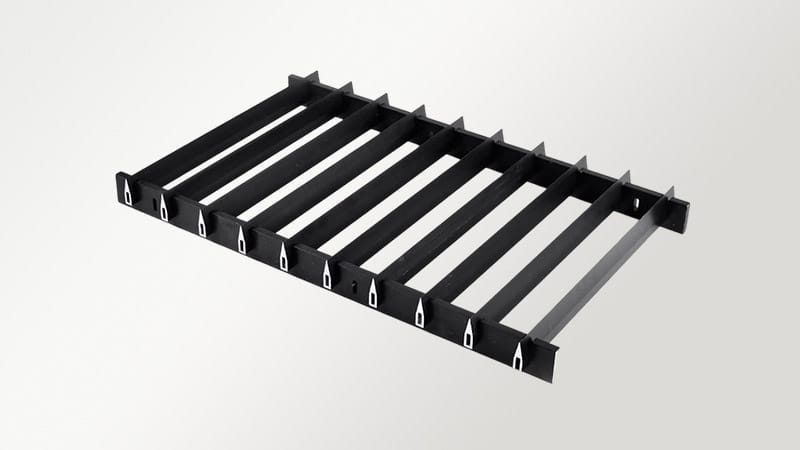
Durable Aluminum Strip Worktable

Durable Aluminum Strip Worktable

The aluminum strip worktable consists of evenly spaced aluminum slats that support materials during CO2 laser cutting. This design reduces surface contact, helping prevent burn marks and heat buildup on the underside of the workpiece. It also allows smoke and debris to pass through easily, improving cutting quality. The corrosion-resistant structure ensures durability and stable performance over extended use.

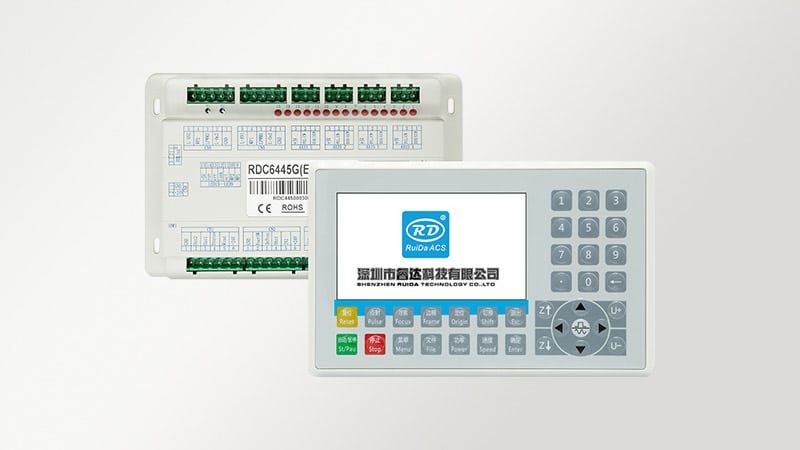
Reliable Control System

The control system manages the operation of the machine by coordinating motion, laser output, and cutting paths. It provides an interface for setting parameters, monitoring performance, and executing precise cutting tasks. The system ensures accurate positioning, smooth operation, and consistent results. Its integrated functions help optimize efficiency and reduce errors during complex or continuous production processes.
Reliable Control System
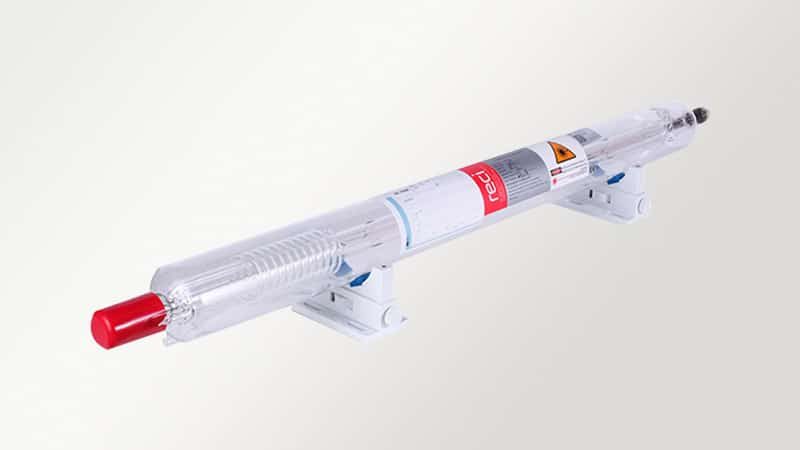
Stable CO2 Laser Tube

Stable CO2 Laser Tube

The CO2 laser tube is the core component that generates the laser beam for cutting and engraving. It uses a gas mixture excited by electrical discharge to produce a stable infrared laser. The structure ensures consistent output power, good beam quality, and efficient energy conversion. Its design supports precise processing of non-metal materials, delivering reliable performance in continuous operation.

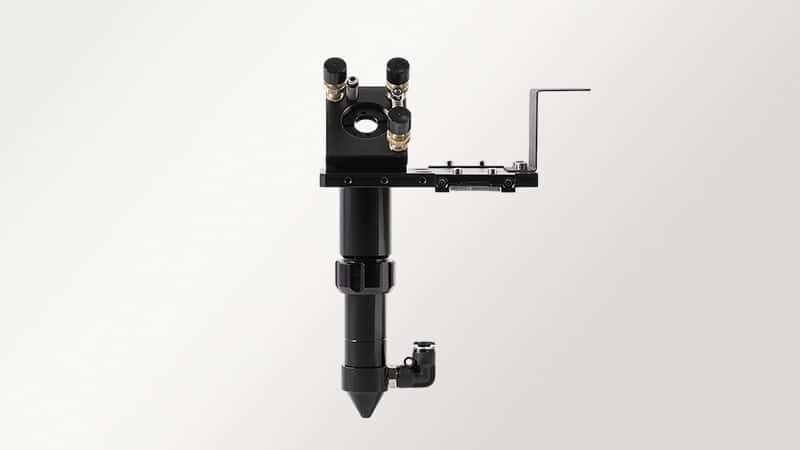
Precise CO2 Laser Cutting Head

The CO2 laser cutting head directs and focuses the laser beam onto the material surface for precise cutting. It integrates focusing lenses, air assist nozzles, and adjustment mechanisms to maintain optimal cutting conditions. The structure ensures accurate beam alignment, smooth edges, and efficient material processing. Its stable design supports consistent performance across various non-metal materials and thicknesses.
Precise CO2 Laser Cutting Head
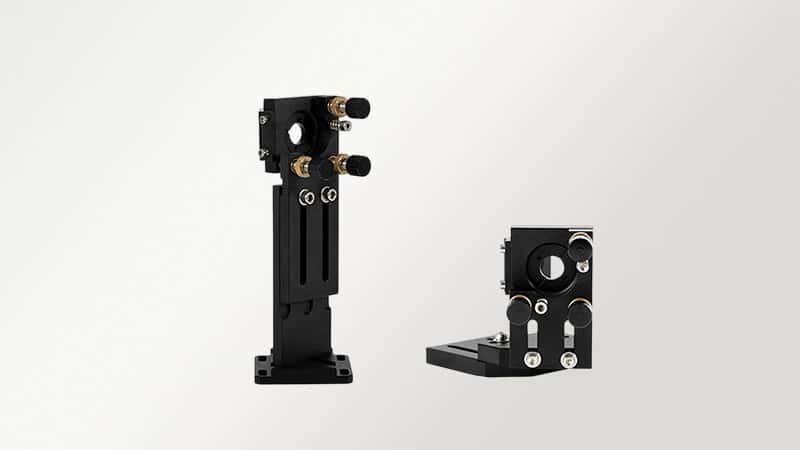
Dependable Mirror And Lens

Dependable Mirror And Lens

The mirror and lens guide concentrate the laser beam within the machine. Mirrors reflect the beam precisely along its path, while the lens focuses it into a fine point for accurate cutting. This structure maintains stable beam transmission, reduces energy loss, and ensures consistent processing quality. Its well-aligned design supports dependable performance in continuous and detailed applications.

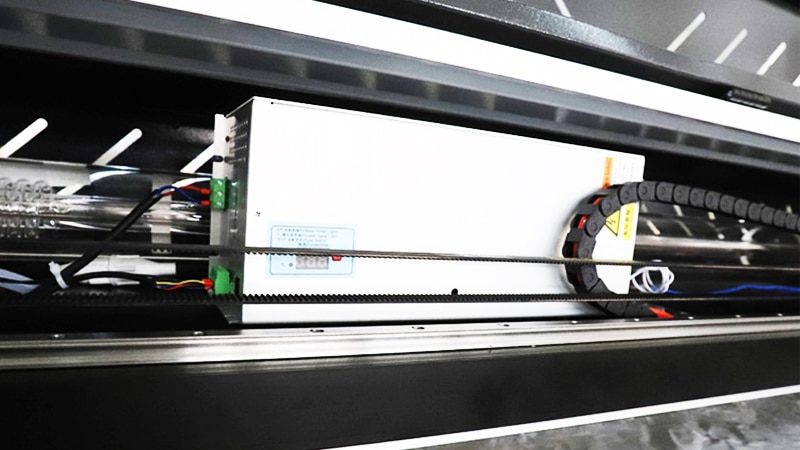
Low-Noise Belt Drive Device

The belt drive device transfers motion in the machine through a belt and pulley system. It enables smooth, low-noise movement and consistent speed during operation. The structure reduces vibration and simplifies maintenance, making it suitable for precise yet moderate-load applications. Its reliable transmission supports stable cutting performance and helps maintain accuracy in routine processing tasks.
Low-Noise Belt Drive Device
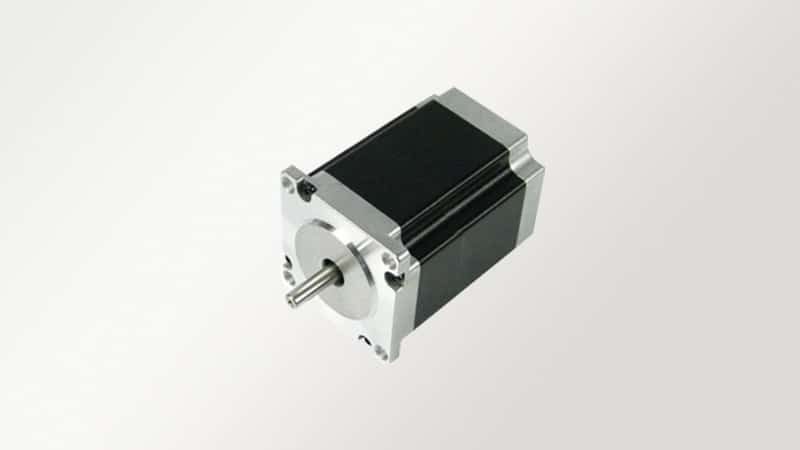
Economical Stepper Motor

Economical Stepper Motor

The stepper motor controls movement in the machine by advancing in fixed, precise increments. This enables accurate positioning and repeatable motion without complex feedback systems. The structure ensures stable performance at moderate speeds, making it suitable for detailed cutting work. Its straightforward design supports consistent operation, low maintenance, and reliable results in routine production tasks.

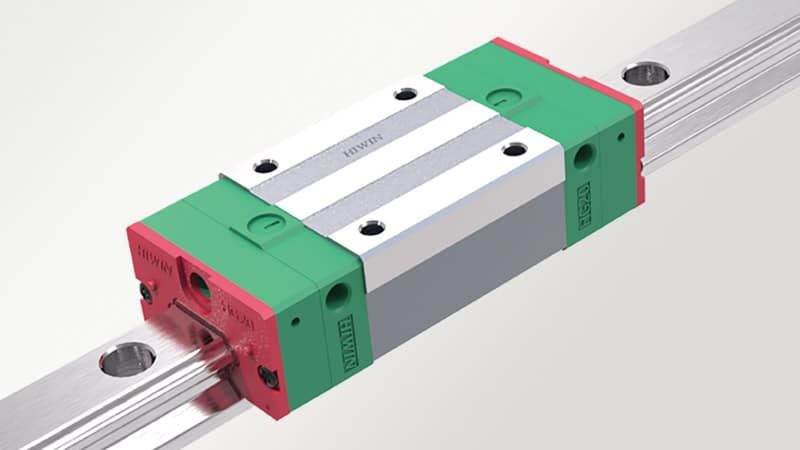
Smooth Guide Rail

The guide rail provides precise linear motion for the moving components of the machine. It ensures smooth travel and accurate positioning of the cutting head during operation. The structure reduces friction and vibration, improving stability and cutting accuracy. Its durable design supports long-term use and consistent performance, even under continuous working conditions.
Smooth Guide Rail

Product Parameters

Model AKJ6040 AKJ9060 AKJ1390 AKJ1610 AKJ1318 AKJ1325 AKJ1530
Cutting Range 600*400mm 900*600mm 1300*900mm 1600*1000mm 1300*1800mm 1300*2500mm 1500*3000mm
CO2 Laser Power 80-600W
CO2 Laser Tube Reci/Yongli/SLW/EFR
Transmission System Belt Drive
Linear Guide Rail HIWIN
Motor Type Stepper Motor
Control System RuiDa
Min line width ≤0.15mm
Position accuracy 0.01mm
Repetition accuracy 0.02mm
Max Cutting speed 150mm/s
Max Engraving Speed 300mm/s
Voltage and Frequency 220v/50HZ, 110V/60HZ
Graphic Format PLT, DXF, BMP, JPG, AI, etc
Working Environment 0-45℃
Operating Humidity 5-95%

Optional Configuration

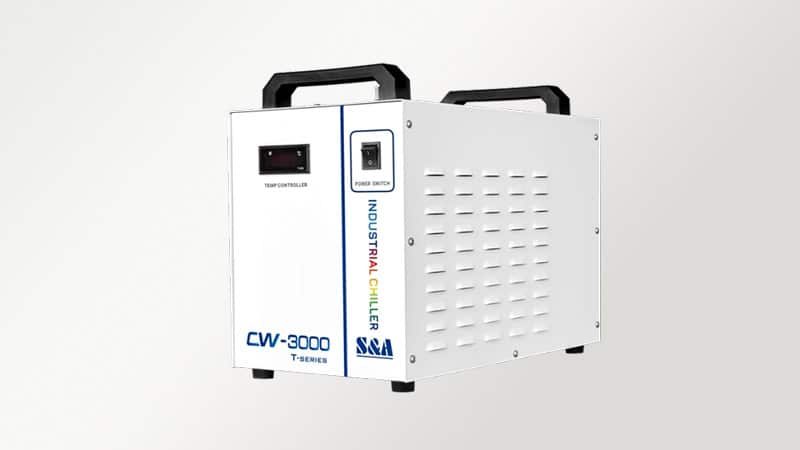
Consistent Industrial Chiller

Consistent Industrial Chiller

The industrial chiller removes heat from the machine by circulating cooled water through critical components. It keeps temperatures within a controlled range, preventing overheating and stabilizing laser output. The system supports long, continuous operation while protecting sensitive parts from thermal damage. Its consistent cooling performance helps maintain cutting accuracy and extends the machine’s service life.

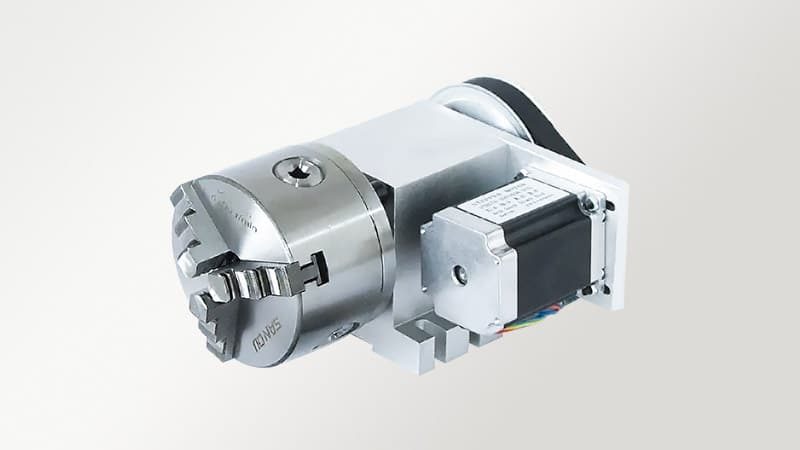
Versatile Rotating Device

The rotating device enables the machine to process cylindrical or tubular materials by rotating the workpiece during operation. It ensures even cutting around the surface, maintaining consistent accuracy and alignment. The structure supports stable rotation and precise control, improving cutting quality for round or curved objects. Its design expands the machine’s capabilities for diverse and specialized applications.
Versatile Rotating Device
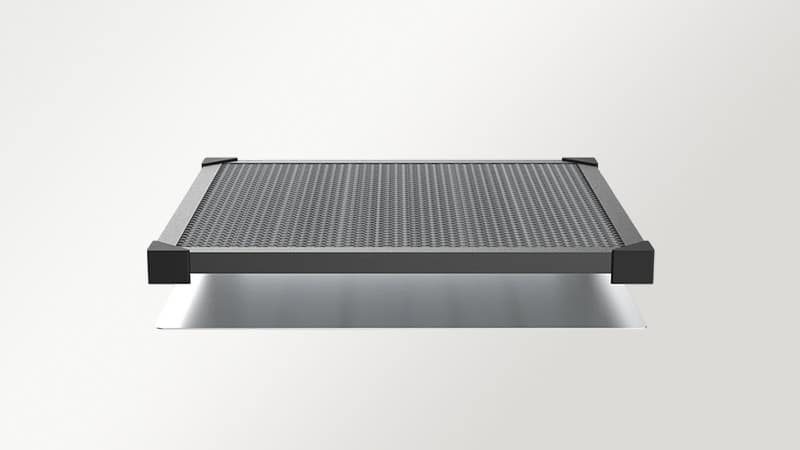
Ventilated Honeycomb Worktable

Ventilated Honeycomb Worktable

The honeycomb worktable features a grid structure that supports materials while minimizing contact during CO2 laser cutting. This design reduces heat buildup and helps prevent burn marks on the underside of the workpiece. Its open cells allow smoke and debris to pass through easily, improving airflow and cleanliness. The structure ensures stable support and consistent cutting results across various materials.

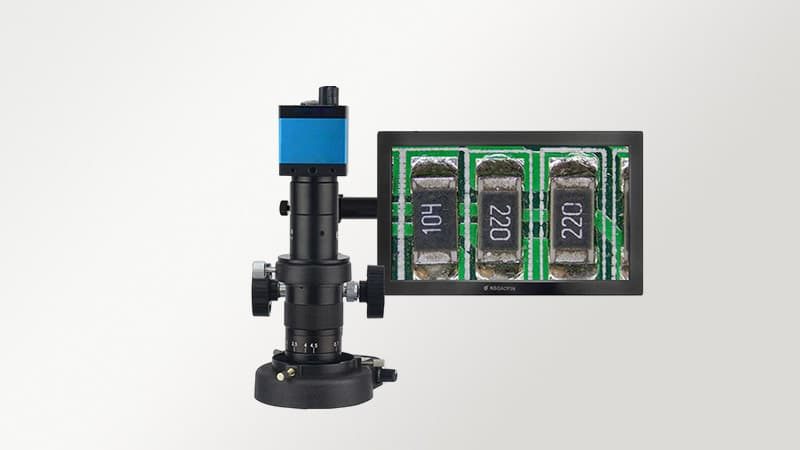
Accurate CCD Camera

The CCD camera provides real-time visual feedback for positioning in the machine. It captures images of the workpiece to detect edges, patterns, and registration marks, guiding accurate cutting paths. The structure reduces manual alignment and improves efficiency. Its precise image recognition ensures consistent results, especially in detailed and contour-based processing tasks.
Accurate CCD Camera

Compared With Other Cutting Methods

Comparison Item Laser Cutting CNC Routing Oscillating Knife Cutting Waterjet Cutting
Cutting Principle Uses a focused laser beam to burn and vaporize MDF Uses a rotating bit to remove MDF material Uses a vibrating blade to slice soft materials Uses high-pressure water, often with abrasive, to erode material
Material Suitability Suitable for MDF boards, thin panels, crafts, models, and decorative parts Very suitable for MDF, especially thicker boards Not ideal for MDF because MDF is rigid and dense Can cut MDF, but rarely used due to water absorption
Cutting Precision High precision for fine patterns and detailed shapes Medium to high precision, limited by tool diameter Low suitability for fine MDF cutting High precision, but not practical for MDF
Edge Quality Smooth but may have darkened or brown edges Clean edge, but may show tool marks May cause tearing or uneven edges Smooth edge, but moisture may affect board quality
Heat-Affected Zone Present because MDF is cut by heat Minimal heat No heat No heat
Cutting Speed Fast for thin and medium MDF sheets Fast for straight cuts and thicker panels Usually slow and ineffective on MDF Slower and less efficient for MDF
Kerf Width Narrow kerf, good for detailed parts Wider kerf due to bit diameter Medium kerf Medium kerf
Thin MDF Performance Excellent for thin MDF, models, signs, and crafts Good, but small parts may move or chip Poor to limited Possible, but water damage risk is high
Thick MDF Performance Limited by laser power and smoke control Excellent for thicker MDF boards Poor Possible, but not cost-effective
Complex Shape Cutting Excellent for letters, logos, slots, curves, and decorative patterns Good, but internal corners are limited by bit radius Limited for MDF Good, but slower and less practical
Surface Finish Non-contact cutting reduces scratches on the top surface Tool contact may leave marks or require clamping Blade pressure may damage the surface Water may stain, swell, or soften MDF
Burr And Chipping Minimal chipping when parameters are correct Possible edge chipping or fiber breakout Higher risk of tearing Minimal chipping, but moisture risk remains
Dust And Smoke Produces smoke and fumes that need extraction Produces a large amount of MDF dust Produces little dust, but not efficient Produces wet waste and slurry
Tool Wear No cutting tool touches the MDF Router bits wear and dull over time Blades wear quickly on dense board Nozzle wear and abrasive consumption
Secondary Processing May need edge cleaning or light sanding for dark edges Often needs sanding to remove tool marks Often needs cleanup due to poor edge quality May need drying and surface repair
Automation Capability Highly suitable for CNC control and batch production Highly suitable for CNC production Automated, but not well matched to MDF Automated, but overkill for MDF processing
Noise Level Low to medium High due to spindle and cutting noise Low to medium High due to pump pressure
Operating Cost Efficient for detailed MDF cutting and small-batch production Efficient for thick boards and heavy cutting Low consumable cost, but poor MDF efficiency High due to water, abrasive, pump maintenance, and cleanup
Best Use Cases MDF signs, models, crafts, packaging templates, decorative panels, and small detailed parts Furniture parts, cabinet panels, grooves, pockets, and thick MDF processing Foam, cardboard, leather, fabric, and flexible sheets Stone, glass, metal, composites, and materials that tolerate water
Overall Advantage Best for detailed, non-contact MDF cutting with high precision and flexible design Best for thick MDF boards, grooves, and heavy material removal Not recommended for most MDF cutting tasks Not commonly used for MDF because moisture and cost reduce practicality

Product Application

The MDF laser cutting machine is ideal for industries and workshops that require high-precision cutting of medium-density fiberboard and other non-metal materials. Its durable aluminum strip worktable supports materials evenly while minimizing burn marks and heat buildup, allowing smooth and clean cuts. The stable CO2 laser tube, precise cutting head, and dependable mirrors and lenses ensure accurate beam alignment and consistent results, even for intricate patterns or detailed designs. This machine is widely used in furniture manufacturing, decorative panel production, signage, model-making, and architectural mock-ups, where precise contours and repeatable quality are critical. Low-noise belt drives, smooth guide rails, and economical stepper motors enable stable motion and efficient workflow, supporting continuous operation with minimal downtime. By combining efficiency, accuracy, and durability, the MDF laser cutting machine provides manufacturers, designers, and creative professionals with a reliable solution for producing high-quality, detailed MDF components at scale.
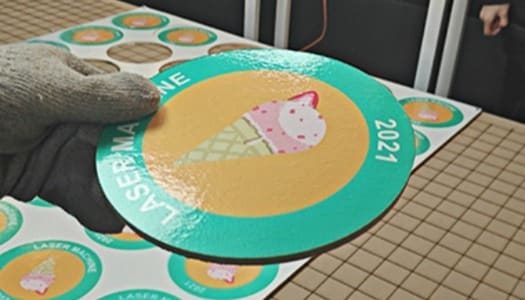
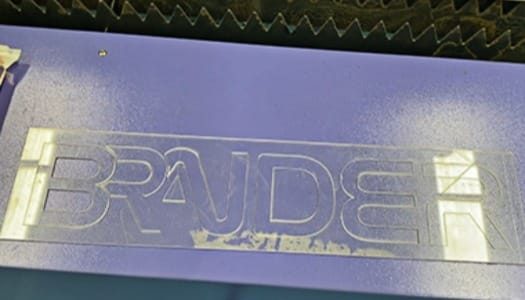
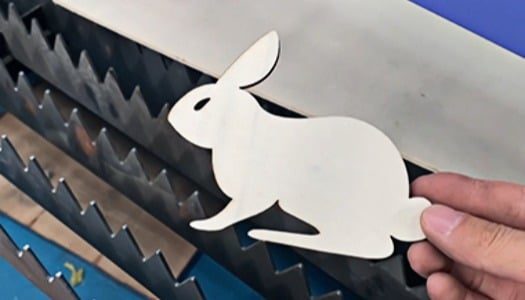
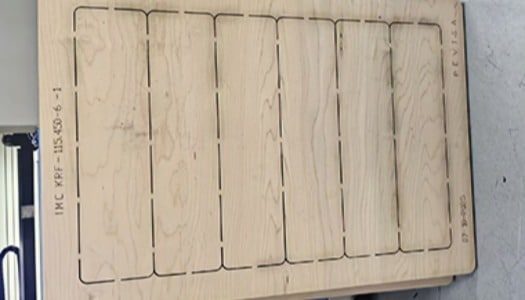
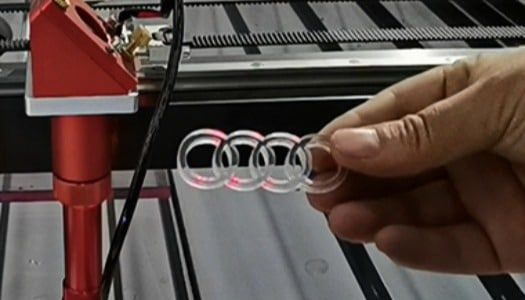
CO2 Laser Cutting Samples

Why Choose AccTek Laser

Advanced Laser Technology

AccTek Laser integrates advanced laser technology into its cutting machines to deliver high precision, stable performance, and efficient cutting results. Their systems use reliable laser sources and optimized control systems, ensuring that operators achieve consistent cuts with minimal material waste. This innovation also helps in enhancing material quality while reducing the risk of thermal damage during the cutting process.

Wide Range of Machine Options

AccTek Laser offers a broad selection of laser cutting machines with different power levels and configurations to suit diverse application requirements. Customers can choose from compact, portable systems for small-scale operations to large industrial machines for high-volume cutting tasks. This makes it easy to find the right solution for cutting metal sheets, plastics, ceramics, and more, ensuring versatility for various industries.

High-Quality Components

AccTek Laser machines are built using top-quality components sourced from globally recognized suppliers. This includes durable laser sources, cutting-edge scanning systems, and reliable control electronics. By using premium parts, AccTek Laser enhances machine stability, extends service life, and ensures consistent performance under demanding operating conditions, ultimately reducing maintenance needs.

Customization and Flexible Solutions

AccTek Laser provides flexible customization options to meet specific customer needs. Machine features like laser power, cutting speed, cooling systems, and automation integration can be tailored to suit different production environments and application requirements. This flexibility ensures that customers achieve optimal cutting performance, productivity, and cost-efficiency.

Professional Technical Support

AccTek Laser offers comprehensive technical support throughout the entire purchase and operation process. Their experienced team assists with machine selection, installation, operation training, and troubleshooting. This level of support helps customers seamlessly adapt to laser cutting technology, ensuring smooth operations and quick issue resolution when necessary.

Reliable Global Service

With years of experience serving customers globally, AccTek Laser provides dependable international service and support. They offer detailed documentation, remote assistance, and responsive after-sales service to help customers maintain their machines and minimize downtime. This ensures that customers can continue their operations with minimal disruptions, enhancing long-term productivity and customer satisfaction.

Related Resources

Are Chinese Laser Cutting Machines Good

Are Chinese Laser Cutting Machines Good?

This article mainly teaches you how to choose a suitable Chinese brand laser cutting machine. If you are also thinking of getting one, please read this article patiently; you will

Customer Testimonials

4 reviews for MDF Laser Cutting Machine

  1. Spencer

    In our sign production shop, we need machines that can keep up with steady orders, and this one has done a good job. The stepper motor provides accurate positioning, which helps with repeat jobs. The guide rails move smoothly, so there’s no shaking during cutting. I also appreciate the worktable design, since it helps prevent heat marks on materials. The machine is not overly complex, which makes it easier to operate and maintain. It has been a dependable option for our daily work, especially when handling medium-sized batches.

  2. Riley

    I work mostly with acrylic sheets, and this CO2 laser cutting machine has been reliable so far. The cuts come out clean, and the edges stay smooth without needing much polishing afterward. The mirror and lens system seems well aligned, since I rarely need to adjust anything. The control system is simple enough to handle, and switching between designs doesn’t take long. I’ve also noticed the machine runs quietly, which makes a difference in a small workspace. It has been consistent during long runs, and I feel confident using it for both simple and detailed projects.

  3. Quentin

    We’ve been running CO2 laser cutting machines in our wood shop for several months, and it has been a steady performer. The aluminum strip worktable really helps reduce burn marks on the underside, which used to slow us down with extra sanding. The control system is clear and easy to use, even for newer staff members. I also like how stable the laser output is during longer jobs. The cutting head produces smooth edges, so we don’t spend much time on finishing. Overall, it fits well into our daily production and hasn’t caused any unexpected downtime.

  4. Tessa

    I run a small handmade goods business, and this CO2 laser cutting machine has helped me improve both quality and speed. The cutting head is precise, allowing me to create detailed designs on wood and leather without rough edges. The control system is easy to understand, even without a technical background. I also like how stable the machine feels during operation. It doesn’t require constant adjustments, which saves time. So far, it has been reliable for daily use, and it supports my growing order volume without adding stress.

Add a review

Your email address will not be published. Required fields are marked *

9 + 2 =

Frequently Asked Questions

What Is MDF?

MDF stands for medium-density fiberboard. It is an engineered wood product made from wood fibers, waxes, and resins that are compressed and heated to form a dense slab. MDF is known for its uniform density and smooth surface, making it a versatile and popular choice for various construction, carpentry, and furniture-making applications.

Despite its many advantages, it’s worth noting that MDF is not suitable for outdoor applications or areas with high humidity, as it can absorb water and swell. Proper sealing and finishing are therefore required to protect MDF from moisture damage.

Yes, MDF (Medium Density Fibreboard) can be laser cut. Laser cutting is an efficient and precise method of cutting MDF into a variety of shapes and designs. The laser beam shines directly onto the MDF surface and heats, melts, or vaporizes the material along the cutting path, resulting in clean, accurate cuts.

Smoke is produced when laser cutting MDF, so proper ventilation and safety precautions are required to maintain a safe working environment. Additionally, the type of laser, its power, and the specific settings used will affect the quality and speed of the cutting process, so adjustments may need to be made depending on the desired results and the characteristics of the MDF used.

Cutting lenses for laser cutting MDF are typically in the range of ±0.1 to 0.5 mm (or approximately ±0.004 to ±0.02 inches). This range covers the typical error range for precise cuts when using a laser cutting machine on MDF material. The exact accuracy within this range depends on the quality of the laser cutting machine, the accuracy of its control system, and the settings used during the cutting process.

High-end laser cutting machines with advanced optics and precise motion control systems can usually achieve the lower end of this accuracy range, while lower-quality machines may only be able to achieve the upper end of the range. However, even at the upper end of the range, laser cutting MDF is still a highly accurate and precise method of achieving complex and detailed cuts.

The thickness of medium-density fiberboard (MDF) that a laser cutting machine can cut depends on a variety of factors, including the power of the laser generator, the capabilities of the specific machine, and the quality of the cut required. Generally speaking, CO2 laser cutting machines are capable of cutting MDF within a certain thickness range. The following guide provides a rough estimate:

  • Low-Power CO2 Laser Cutting Machine (under 100 watts): Low-power CO2 laser cutting machines are generally suitable for cutting thinner MDF sheets, usually up to about 6 to 8 mm (about 1/4 inch) thick. While they can cut thicker MDF, the process may be slower and the cut quality may not be optimal.
  • Medium-Power CO2 Laser Cutting Machine (100 to 150 Watts): Medium-power CO2 laser cutting machines can handle thicker MDF, typically up to about 12 to 15 mm (about 1/2 inch). They provide higher cutting speed and quality compared to lower-power lasers.
  • High-Power CO2 Laser Cutting Machine (150 watts and above): High-power CO2 laser generators can cut thicker MDF sheets, usually up to 25 mm (about 1 inch) or more. These laser generators offer faster cutting speeds and the ability to cut thicker materials efficiently.

Keep in mind that the actual cutting capabilities of a CO2 laser cutting machine may vary depending on its design, optics, and manufacturer. In addition, material quality, density, and specific MDF batches can also affect the cutting process. It is recommended to consult the manufacturer’s recommendations for your specific CO2 laser cutting machine and make test cuts to determine the best settings and thickness limits for your specific MDF material. Additionally, always follow safety precautions, including proper ventilation and eye protection, when operating laser-cutting equipment.

Both MDF (medium-density fiberboard) and plywood are suitable for laser cutting, but the choice between the two depends on your specific needs and project requirements. Let’s compare the friendliness of MDF and plywood for laser cutting:

  • MDF (Medium-Density Fiberboard)
  1. Cutting Precision: MDF is known for its uniform density and smooth surface, which makes it ideal for laser cutting. Consistent material properties allow for precise, clean cuts.
  2. Edge Quality: Laser-cutting MDF typically produces clean, smooth edges with minimal charring, making it ideal for projects where edge quality is critical.
  3. Intricate Designs: MDF is ideal for intricate and detailed designs as the smooth surface allows for fine engravings and intricate patterns with high precision.
  4. Minimal Warping: Compared to plywood, MDF is relatively stable and less prone to warping, which is important for maintaining cutting accuracy.
  5. Paintability: MDF readily accepts paints and finishes, allowing for a variety of customization options after cutting.
  • Plywood
  1. Natural Aesthetics: Plywood retains the natural wood grain and appearance, making it a good choice for projects that require a wood or rustic look.
  2. Strength and Durability: Plywood is generally stronger and more durable than MDF, which is beneficial for structural or load-bearing applications.
  3. Layered Structure: The layered structure of plywood can add unique visual texture and depth to laser-cut designs, making them beautiful and elegant.
  4. Burn Marks: Plywood is more likely to develop visible burn marks around the cut edges, which may require additional finishing or sanding.
  5. Quality Varies: The quality of plywood varies widely, and lower-quality plywood may have voids or defects that interfere with the laser-cutting process.

MDF is often considered better suited for laser cutting when precision, smooth edges, and intricate designs are critical. Plywood, on the other hand, is better suited when you want a natural wood look, need greater structural strength, or require a specific wood grain aesthetic. Ultimately, the choice between MDF and plywood depends on the specific features and aesthetics required for your project.

Laser cutting machine settings for MDF can vary depending on several factors, including laser power, thickness and density of the MDF, and the specific machine you are using. While we can’t give you exact laser settings, there are some general guidelines to help you get started cutting MDF with a laser:

  • Laser Power: Laser power settings will depend on your laser cutting machine and material thickness. Start with lower power and higher speed settings and gradually adjust them to achieve the desired results.
  • Cutting Speed: Adjust the cutting speed according to material thickness and laser power. Thinner MDF is suitable for faster speeds, while thicker materials may require slower speeds.
  • Material Selection: Make sure the MDF you use is suitable for laser cutting, as different compositions and densities can affect cutting results.
  • Focus: Proper focus helps achieve clean and precise cuts. The focus of the laser needs to be adjusted to match the thickness of the MDF sheet.
  • Masking or Taping: Using masking tape or self-adhesive paper on the surface of MDF can help reduce charring and protect the surface of the material.
  • Optimized Cutting Path: Optimize the cutting path to minimize cutting time and reduce wear and tear on the machine.
  • Test Cuts: Before starting a project, make test cuts on a small piece of MDF using various power, speed, and focus settings to determine the best parameters for your specific machine and material. This helps prevent material waste and ensures the required cut quality.

This guide is only a general guideline and you may need to adjust it based on the characteristics of your specific laser cutting machine and the MDF you are using. It is recommended to consult your laser cutting machine‘s user manual and perform a test cut to fine-tune the settings for your specific requirements.

Laser cutting MDF (medium-density fibreboard) is an efficient and precise process, but it does come with certain risks and hazards that must be managed to ensure a safe working environment. Here are some potential hazards associated with laser cutting MDF:

  • Emissions of Hazardous Smoke: When using a laser to cut or engrave MDF, harmful smoke and airborne particles are released into the air. These emissions often contain wood chips, resins, and other by-products of the laser cutting process. Breathing these fumes can be harmful to your health, causing respiratory problems and eye irritation.
  • Fire Hazard: MDF is a highly flammable material, and the laser-cutting process generates significant amounts of heat. If the laser is not set up correctly or the cutting process is not closely monitored, ignition and fire hazards can result.
  • Eye and Skin Hazards: The laser beam used during laser cutting can be harmful to the eyes and skin. Direct exposure to the laser beam or even reflections from materials can cause eye injuries and skin burns. Operators must wear appropriate laser goggles and protective clothing.
  • Burnt Material: Laser-cutting MDF can cause burnt edges, especially if the laser settings are too high or the material is of poor quality. While this may not pose a safety risk, it can affect the quality of the finished product.
  • Chemical Exposure: Some MDF products may contain adhesives that release harmful chemicals when exposed to high temperatures, potentially resulting in chemical exposure risks.
  • Noise: Operation of a laser cutting machine may produce noise levels that exceed safe limits. Without proper hearing protection, prolonged exposure to loud noise can cause hearing damage.

To mitigate the dangers when laser cutting MDF, strict safety guidelines must be followed, including:

  • Provide appropriate ventilation and exhaust systems.
  • Use appropriate personal protective equipment (PPE), including laser goggles.
  • Calibrate and maintain your laser cutter according to the manufacturer’s recommendations.
  • Make sure your workspace is organized, well-lit, and free of flammable materials.
  • Implement fire suppression systems and emergency shutdown procedures.
  • Train operators on safe laser-cutting practices.
  • Follow material safety data sheet (MSDS) guidelines for MDF materials.
  • Regularly inspect and maintain laser cutting equipment.

By adhering to safety best practices and guidelines, the risks associated with laser cutting MDF can be minimized, creating a safer working environment for operators and preventing accidents and health issues.

Laser cutting is a popular method for cutting medium-density fiberboard (MDF) because of its precision and versatility. But like any manufacturing process, laser cutting MDF has its drawbacks and limitations:

  • Material Emissions: Laser-cutting MDF can release potentially harmful emissions, which may contain chemicals such as formaldehyde and other volatile organic compounds (VOCs). Proper ventilation and exhaust systems can help mitigate these health hazards.
  • Edge Burnt: Laser cutting may leave burn marks or discoloration on the cut edges, which is especially noticeable on light-colored or unpainted MDF surfaces. This may require additional finishing or sanding to remove or hide marks.
  • Material Thickness Limitations: Laser cutting is generally most effective on thinner MDF materials. Cutting thicker MDF can be challenging due to the increased cutting time and the potential for greater heat build-up, which can lead to more severe discoloration and scorching.
  • Material Warping: The intense heat generated by the laser can cause MDF to warp, especially if the material is not properly secured during the cutting process. This can lead to inaccurate cuts and affect the quality of the final product.
  • Design Limitations: While laser cutting is highly accurate, it can be challenging to accurately execute complex designs, especially on thick MDF. More time and expertise may be required to achieve complex cuts.
  • Equipment Cost: Laser-cutting machines can be expensive to purchase and maintain. They require regular repairs and maintenance to ensure they function properly, which increases the overall cost of using the technology.
  • Limited Material Compatibility: Laser cutting is not suitable for all types of MDF. Some MDF boards are manufactured using adhesives or coatings that can produce harmful fumes or damage laser-cutting equipment when cutting. It is recommended to use MDF specifically designed for laser cutting.

Despite these drawbacks, laser-cutting MDF is still a popular choice. Many of these issues can be mitigated or solved with the proper equipment, settings, and security measures. These factors should be considered when deciding whether laser cutting is the right choice for a specific project. Proper safety measures and maintenance can help mitigate these disadvantages and ensure optimal results.

Get Laser Cutting Solutions

Finding the right laser cutting solution is crucial for improving efficiency, precision, and productivity in your operations. Whether you’re in manufacturing, aerospace, automotive, or another industry, laser cutting technology can provide a cost-effective and highly efficient way to handle a wide range of materials such as metals, plastics, wood, and composites. With its ability to create clean, precise cuts with minimal waste, laser cutting ensures that your production processes are streamlined and meet high-quality standards.
At AccTek Laser, we offer a variety of laser cutting machines designed to meet diverse needs. From compact systems for small-scale applications to large industrial machines capable of cutting thick materials, we provide solutions that can be customized to suit your specific requirements. Our machines are equipped with the latest technology to ensure optimal performance, speed, and precision.
Getting started with laser cutting is easy. Our team works closely with you to understand your needs, provide tailored recommendations, and guide you through the setup and operation process. Whether you need to improve cutting accuracy, reduce waste, or speed up production, we have the tools and expertise to help you achieve your goals. Explore our range of laser cutting machines today and discover how they can transform your manufacturing processes.
* We value your privacy. AccTek Laser is committed to protecting your personal information. Any details you provide when submitting the form will be kept strictly confidential and used only to assist with your inquiry. We do not share, sell, or disclose your information to third parties. Your data is securely stored and handled by our privacy policy.

Unlock Precision With AccTek Laser Solutions!

We can customize the design according to your requirements. You only need to tell us your requirements, and our engineers will provide you with turnkey solutions in the shortest possible time. Our laser equipment prices are very competitive, please contact us for a free quote. If you need other laser equipment-related services, you can also contact us.
Leave Your Details For A Tailor-Made Solution
*At AccTek Laser, we value and respect your privacy. Rest assured that any information you provide is strictly confidential and will only be used to deliver personalized solutions and quotes.