

















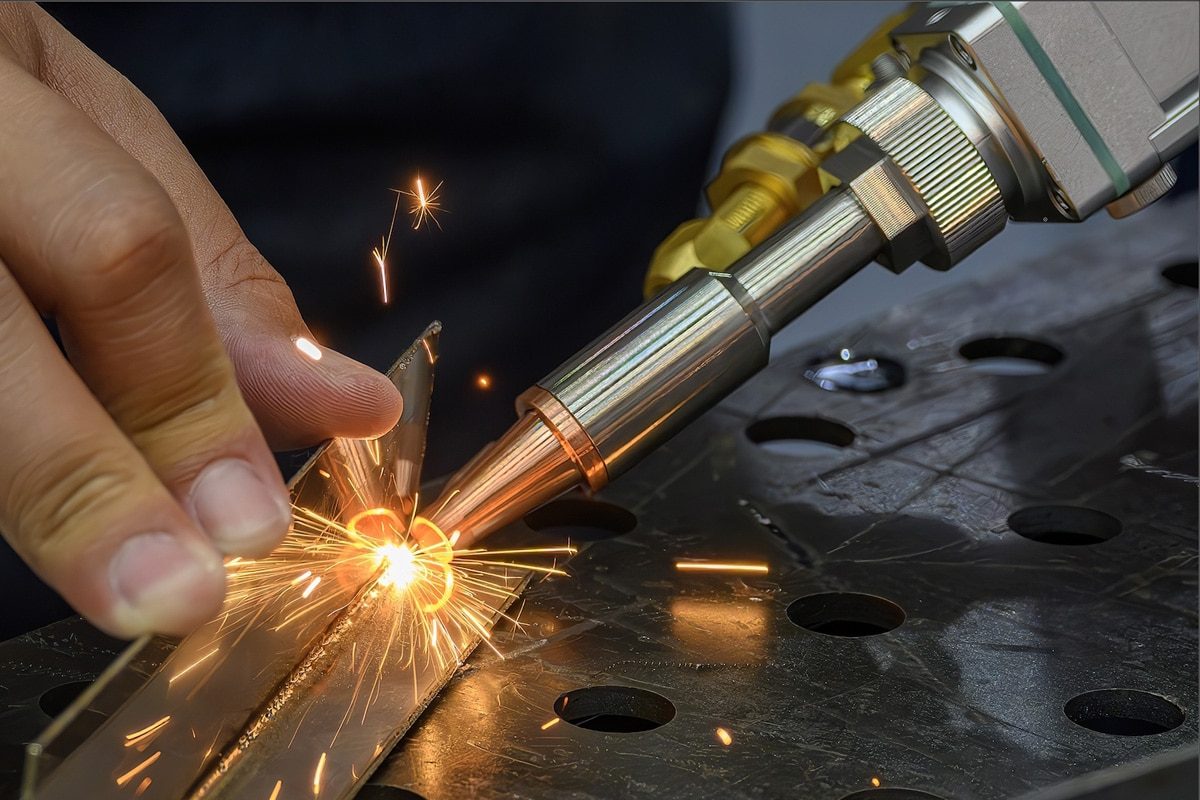
What are the dust and fume removal requirements for laser welding?
Laser welding, with its high energy density, high precision, and high efficiency, has become an indispensable processing method in modern manufacturing, widely used in metal processing, automotive manufacturing, electronics, and precision equipment. However, while focusing on welding speed and weld quality, the fumes and harmful gases generated during the welding process are often overlooked. Metal vapors, fine particulate matter, and chemical reaction gases are released in large quantities during welding. These pollutants are difficult to detect with the naked eye but accumulate continuously in the workshop environment, posing a potential threat to production safety and stable equipment operation.
If the dust and fume removal system is insufficiently configured or operates inefficiently, problems will gradually emerge. Workers exposed to welding fumes for extended periods are at risk of occupational health effects such as coughing, headaches, chest tightness, and respiratory discomfort. Optical components such as lenses and protective windows of máquinas de solda a laser can also become contaminated by fumes, leading to energy attenuation, unstable welding, and even shortened lifespan of core components. Simultaneously, inconsistent weld formation, increased spatter, and other seemingly unexplained quality problems are often closely related to fumes interfering with laser beam transmission. Therefore, a comprehensive dust and fume extraction system is not an optional feature, but a crucial element in ensuring laser welding quality, equipment lifespan, and production safety.
Índice
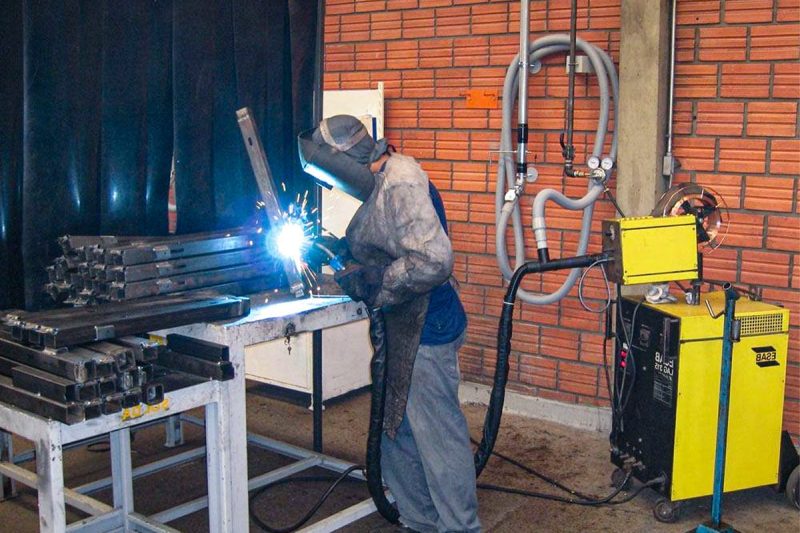
Laser Welding Fume Generation Mechanism and Composition
To effectively manage fumes, it’s essential to understand their origin and composition. The contaminants generated by laser welding are far more complex than commonly perceived.
Main Sources of Fumes
The base material is the primary source of fumes. When a laser beam irradiates a metal surface, the local temperature can reach thousands of degrees Celsius, causing the metal to melt or even evaporate rapidly. The evaporated metal vapor cools and condenses in the air, forming wonderful particles, which are the main components of welding fumes. The amount and composition of fumes produced vary greatly depending on the metal; aço inoxidável, containing alloying elements such as chromium and nickel, produces particularly harmful fumes.
Filler materials also contribute to fumes during use. While many laser welds do not use filler wire, some applications require the addition of filler metal to improve weld performance or fill gaps. Filler wire also evaporates under laser irradiation, generating additional fumes. Moreover, the composition of the filler wire often differs from the base material, potentially introducing new harmful elements.
Surface coatings are an easily overlooked source of fumes. Many metal parts have zinc plating, paint, anti-corrosion coatings, or lubricants on their surfaces. These coatings decompose and vaporize at the high temperatures of the laser, producing large amounts of fumes and toxic gases. During the welding of galvanized steel sheets, the evaporation of zinc produces a large amount of white fumes. The zinc oxide particles in these fumes are extremely fine and easily inhaled deep into the lungs.
While contaminants may seem minor, their impact is significant. Oil, rust, dust, and moisture on the workpiece surface vaporize or decompose during welding. Even if the surface appears clean, trace amounts of contaminants are amplified under the extreme energy density of the laser. These contaminants not only produce fumes but can also create defects in the weld, reducing quality.
Chemical Composition Analysis of Welding Fumes
Metal oxides are the main solid component of welding fumes. Metals such as iron, chromium, nickel, manganese, and aluminum react with oxygen at high temperatures to form oxide particles, typically between 0.1 and 1 micrometer in diameter. Hexavalent chromium is the most dangerous component in stainless steel welding fumes and is classified as a Group 1 carcinogen.
Most of the particulate matter produced by laser welding is in the submicron range. The smaller the particle size, the easier it is to be inhaled deep into the lungs and even pass through the alveoli into the bloodstream. PM0.1 particles are more harmful than PM2.5, which is why laser welding fumes are particularly dangerous.
Gaseous emissions include ozone, carbon monoxide, and nitrogen oxides. Ozone is produced by the conversion of oxygen through ultraviolet radiation, and its concentration may exceed safety limits. The combustion of organic coatings produces volatile organic compounds, including toxic and irritating substances such as benzene, toluene, and formaldehyde.
Health and Safety Hazards of Welding Fumes
Understanding the harmfulness of welding fumes is crucial to recognizing the necessity of dust and fume removal. This is not an optional investment but an essential measure to protect employees and businesses.
Respiratory Disease Risks
Metal fume fever is an acute reaction that occurs within hours of inhaling large amounts of metal oxides, with flu-like symptoms: fever, chills, and muscle aches. Although it subsides within 24-48 hours, repeated attacks can lead to chronic problems. The risk is highest when welding galvanized steel sheets.
Chronic respiratory diseases are a consequence of long-term exposure. Welders have a significantly higher rate of chronic bronchitis, emphysema, and asthma than the general population. Fine particles in welding fumes cause chronic inflammation, gradually impairing lung function. The risk of lung cancer is significantly increased; the International Agency for Research on Cancer has classified welding fumes as a Group 1 carcinogen.
Systemic Health Effects
Nervous system damage is mainly associated with manganese and aluminum exposure, causing symptoms similar to Parkinson’s disease. Kidney and liver damage are manifestations of heavy metal toxicity; long-term exposure may lead to chronic kidney disease. Cardiovascular problems are associated with ultrafine particulate matter; welders have a 30-40% higher risk of coronary heart disease than non-welders.
Dust and Fume Control Regulatory Standards and Requirements
Many countries have established strict occupational health standards. Compliance is not only a legal requirement but also a necessity for protecting the reputation of employees and companies.
US OSHA Standards
OSHA sets legally binding Permissible Exposure Limits (PELs). For example, the limit for hexavalent chromium is 5 micrograms per cubic meter, and for manganese, it is 5 milligrams per cubic meter. Exceeding these limits is illegal and may result in penalties. OSHA requires priority to be given to engineering controls such as local exhaust ventilation, mandatory air monitoring and record keeping, worker training, and information disclosure.
ACGIH and NIOSH Standards
Although ACGIH Threshold Limits (TLVs) are not legally binding, they are widely respected and are generally stricter than OSHA. NIOSH’s recommended limit for hexavalent chromium is 0.2 micrograms per cubic meter, 25 times stricter than OSHA. These organizations also provide technical guidelines to help companies design effective dust control systems.
EU Regulations
The EU regulates occupational health through numerous directives, and significantly reduced limits for carcinogens in 2017. CE marking and ISO 45001 certification are important in Europe, as equipment must comply with the Machinery Directive and electromagnetic compatibility requirements.
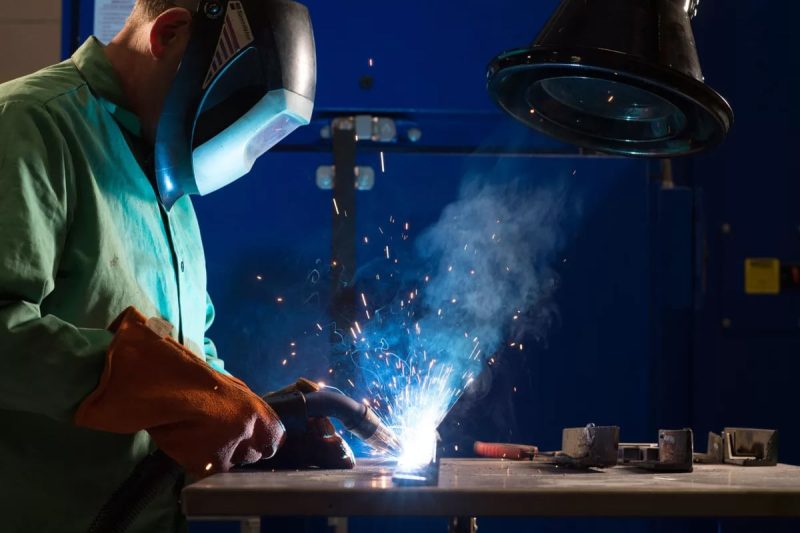
Dust and Fume Control Methods and Technology Selection
Having understood the standard requirements, let’s look at the specific technologies that can achieve effective fume control. Different application scenarios require different solutions.
Local Exhaust Ventilation Systems
Local exhaust ventilation (LEV) systems are the first line of defense against welding fumes. They use hoods or duct arms close to the welding area to capture contaminants at the source before they spread. The core idea of LEV is to remove fumes at the point of generation, preventing them from spreading throughout the workshop. Effective LEV systems can remove over 90% of fumes, making it the most efficient control method.
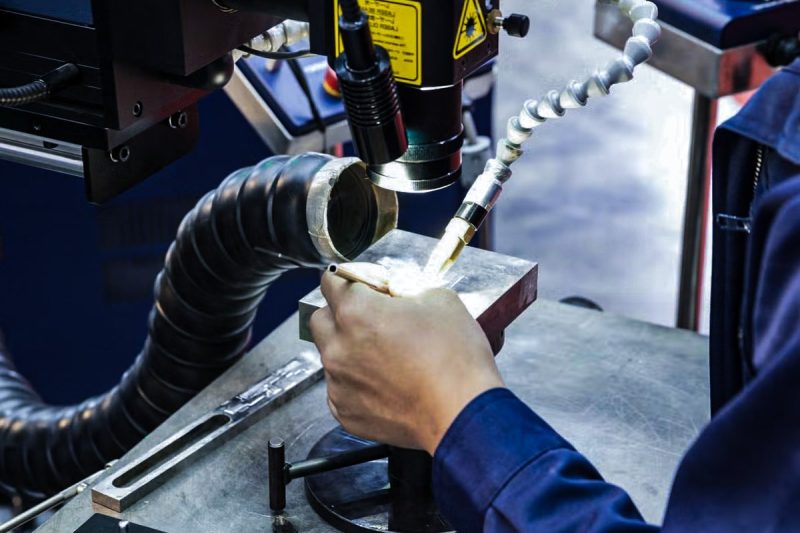
The design and positioning of the hood are crucial. The hood opening should be as close as possible to the weld point, typically within a range of 10-30cm for best results. The shape of the hood opening should consider the plume diffusion pattern. Laser welding plumes typically move upwards; top or side hoods are both suitable, the key being to cover the plume diffusion path. The suction velocity should be high enough to overcome thermal buoyancy, but not too high to avoid interfering with the shielding gas.
Mobile suction arms provide flexibility. For applications where the welding position is not fixed, suction arms with universal joints can be used, allowing operators to adjust them to a suitable position. The inner diameter, length, and bending radius of the suction arm affect airflow and pressure loss, requiring careful selection. Self-balancing suction arms are easy to position but are more expensive.
Accurate airflow calculations are crucial. Insufficient airflow will not effectively capture smoke and dust, while excessive airflow wastes energy and may cause interference. Calculations need to consider factors such as the hood area, control velocity, and duct resistance. Generally, the hood control velocity is in the range of 0.5-1.0 meters per second, corresponding to an airflow of 100-500 cubic meters per hour per weld point, depending on the hood size and weld strength.
The Supplementary Role of Overall Ventilation
Overall ventilation reduces the concentration of pollutants in the workshop air by diluting them. It cannot replace local exhaust ventilation, but it can serve as a supplementary measure to handle residual smoke and dust that has escaped into the workshop, maintaining overall air quality. Overall ventilation also improves thermal comfort and removes excess heat.
Air exchange rate is a key indicator of overall ventilation. Welding workshops typically require 6-20 air exchanges per hour, depending on the welding intensity, workshop volume, and the effectiveness of local exhaust ventilation. Too low an air exchange rate will not reduce pollutant concentration; too high a rate will result in high energy consumption and increased heating burden in winter. A suitable value needs to be found through calculation and actual measurement.
The coordination of supply and exhaust air is crucial. Ideally, a slight negative pressure should be maintained in the workshop to prevent smoke and dust from escaping to other areas. The exhaust volume should be slightly greater than the supply volume, with the difference supplemented through gaps in doors and windows. Supply air outlets should be located away from the welding area to avoid direct airflow onto workers or welding points, causing discomfort or interfering with welding. Exhaust air outlets should be located above the pollution source.
Energy recovery improves the economic efficiency of overall ventilation. In winter, the exhausted hot air can be preheated by a heat exchanger to warm fresh air, and in summer, it can be precooled. While this increases initial investment, operating costs are significantly reduced. For welding workshops operating year-round, the heat recovery system can recoup its costs in 1-3 years.
Integrated Fume Extraction for Welding Torches
Welding torch fume extraction integrates the suction port into the welding torch or welding head, capturing fumes on-site the moment they are generated. This method is particularly effective for handheld laser welding because the torch and fume source move synchronously, resulting in high collection efficiency. The disadvantage is the increased weight of the welding torch, which may affect operational flexibility.
The design of the suction channel must balance suction power and weight. A pipe that is too thin will cause high resistance, while one that is too thick will be too heavy. A typical welding torch fume extraction system uses a flexible hose with a diameter of 10-20 mm to connect the welding torch and the dust collector. The hose should be flexible but not too soft to avoid kinking during operation. Quick couplings facilitate the replacement of the welding torch or hose.
Welding torch fume extraction is also suitable for automated laser welding. Robotic welding torches can be equipped with integrated suction nozzles that automatically collect fumes as the torch moves. This method is particularly suitable for enclosed welding workstations, as it can create a negative-pressure environment within the workstation to ensure that fumes do not escape. Combined with the sealing of the workstation’s outer casing, the capture rate can reach over 95%.
Applications of Downdraft Workbenches
Downdraft workbenches design the entire worktable surface as a suction surface, with a dust collector connected below. Workpieces are placed on the grid surface for welding, and the resulting fumes are sucked downwards. This method is suitable for handling small workpieces, especially in batch production, as it eliminates the need to adjust the suction hood position for each piece.
The uniformity of airflow from the worktable affects dust removal efficiency. A well-designed airbox beneath the worktable is essential to ensure even suction across the entire surface. If the worktable is too large, suction at the edges may be insufficient. Zoned air ducts or adjustable baffles can be used to optimize airflow distribution. The open area ratio of the worktable is also important; too small an opening results in high resistance, while too large an opening provides insufficient support.
Workpiece support and positioning require special design. While grid surfaces allow for ventilation, their limited support area may make them unsuitable for very small or thin workpieces. Combination clamps can be used to secure the workpiece without obstructing airflow. Magnetic clamps are convenient for ferromagnetic workpieces, but care must be taken to ensure the magnetic field does not interfere with the welding process.
The limitations of downdraft workbenches must be recognized. For large workpieces or welding positions not on the workbench, downward suction has limited effectiveness. Furthermore, downward suction opposes the natural upward trend of smoke and dust, requiring a larger airflow to be effective. Downward suction workbenches typically require 50-100% more airflow than top or side suction systems, resulting in increased energy consumption.
Advantages of Portable Fume Extractors
Portable fume extractors are independent dust collection units that can be moved to where needed. They integrate a fan, filter, and controller, requiring only a power supply to operate. They are practical for scenarios where welding positions frequently change, or multiple workstations are shared, as one fume extractor can serve several less frequent welding points.
Flexibility is a major advantage of portable fume extractors. They can be moved to different locations according to the day’s work schedule, without requiring complex ductwork systems. Equipped with casters and a handle, they can be easily moved by one person. The power cord and suction arm can be quickly connected and disconnected, resulting in short relocation times.
Portable dust collectors typically use cartridge filters, effective against submicron particles. These filters have a large surface area, low resistance, and a long service life. When the filter becomes clogged, the dashboard will display a cleaning signal or automatically perform a pulse backflushing cleaning. Filter replacement is also simple and usually does not require a professional technician.
However, portable devices also have limitations. Their processing capacity is limited, typically serving only 1-2 welding points. Airflow is generally 500-1500 cubic meters per hour, unsuitable for heavy-duty welding. Noise levels may be higher than those of centralized systems because the fan is located near the work area. With prolonged use, attention should be paid to filter saturation, requiring timely replacement or cleaning.
Filtration System Selection
Cartridge filters are generally recommended for laser welding applications. They are compact, energy efficient, and effective against submicron particles, and can be configured from portable units serving a single welding station to centralized systems serving multiple stations. Compared to bag filters, cartridge filters offer a larger filtration area, lower resistance, more effective pulse cleaning, and therefore a longer lifespan.
Not all laser welding fumes are the same. Emissions vary depending on the substrate and any coatings and lubricants present. Selecting the correct filter media ensures effective capture and compliance with exposure limits. For general welding fumes, MERV 15-16 filters are sufficient, capturing over 99% of submicron particles. Flame-retardant coatings are generally recommended to prevent spark ignition.
For processes that produce toxic metals, such as hexavalent chromium from stainless steel, HEPA filters may be necessary. HEPA (High-Efficiency Particulate Air) filters capture 99.97% of 0.3-micron particles and are essential for stringent health standards. HEPA filtration should also be used in welding applications with high hygiene requirements, such as medical devices and food processing equipment.
When coatings or lubricants generate gaseous emissions, it is recommended to use an activated carbon post-filter. Activated carbon adsorbs organic vapors and certain inorganic gases, removing odors and harmful gaseous components. Activated carbon filters are typically placed after the main filter as the final purification stage. They need to be replaced once saturated and cannot be regenerated.
Although laser welding produces less dust than cutting or grinding, the emissions can still pose a fire risk. Some metal dusts, such as aluminum and magnesium, are flammable and may explode upon contact with a spark if they accumulate to a certain concentration in the dust collection system. Therefore, the system design must consider explosion-proof features, including the use of explosion-proof motors, the installation of explosion relief plates, and the installation of spark detection and extinguishing devices.
Automated Welding Enclosure Solution
Robotic laser welding can be enclosed under an enclosure to contain and capture fumes. Enclosed welding workstations seal the entire welding area, preventing fumes from escaping into the workshop. This is the most common solution for automated production lines, effectively controlling fumes and preventing laser leakage, thus protecting the safety of surrounding personnel.
The most effective method is to integrate the extraction directly into the housing, equipped with appropriately sized ports and pipes. Equipment manufacturers can design these functions into the workstation, ensuring the optics remain clean, minimizing escaping emissions, and balancing airflow so it doesn’t interfere with the protective gas. The exhaust port location should be hydrodynamically optimized to avoid dead zones or eddies within the housing, which could lead to smoke and dust accumulation.
The housing is not completely sealed; workpiece inlets/outlets and viewing windows are required. These openings should be as small as possible and equipped with soft curtains, high-speed doors, or interlocking devices to reduce smoke and dust leakage. The viewing window material must block laser wavelengths, typically using special glass or acrylic. Regularly clean the viewing window to maintain visibility.
The negative pressure within the housing must be properly controlled. Excessive negative pressure will create strong airflow when workpieces enter or exit, potentially affecting workpiece positioning or interfering with welding. Insufficient negative pressure may allow smoke and dust to leak from gaps. A negative pressure of 5-20 Pa is generally sufficient. A differential pressure gauge should be installed for monitoring; alarms should sound if the pressure exceeds the range, prompting an investigation for leaks or filter blockage.
Best Practices and Maintenance for Dust and Smoke Removal
Having the equipment isn’t enough; proper use and maintenance are essential for its continued effectiveness. Establishing a systematic management process is key to long-term success.
System Design Considerations
Effective source capture depends on a correctly sized dust collector. If the collector is too small, the filter will quickly become overloaded, and smoke will escape; if it’s too large, energy will be wasted. When selecting a model, consider the number of weld points, airflow per point, simultaneous operation coefficient, and future expansion. It’s better to be slightly larger than undersized, as insufficient airflow has far more serious consequences than energy waste.
Pipe system design affects efficiency and cost. The main pipe diameter should be determined based on the total airflow, maintaining a reasonable air velocity, generally between 10 and 20 meters per second. Too low an air velocity will cause dust to accumulate in the pipes; too high an air velocity will result in high resistance and noise. Branch pipe diameters should match the airflow at each intake point. Minimize and smooth bends to reduce resistance. Pipe slope should consider condensate drainage.
Fan selection should match the system’s resistance characteristics. Centrifugal fans are highly efficient and low-noise, suitable for most applications. Overcoming very high resistance may require a high-pressure blower. Variable frequency drives can adjust airflow according to actual needs, resulting in significant energy savings. When multiple blowers are connected in parallel, careful matching is essential to avoid mutual interference.
The control system improves ease of use and efficiency. Simple manual switches are suitable for standalone applications, while complex systems require automated control. It can be interlocked with welding equipment, automatically activating dust collection during welding and delaying shutdown upon stopping to ensure complete removal of residual fumes. Fault alarms, filter replacement reminders, and running time recording functions enhance management efficiency.
Regular Maintenance Plan
Filter inspection and replacement are the most important maintenance tasks. Even with automatic dust removal, filters will gradually become clogged, increasing resistance and reducing airflow. Check the differential pressure at the manufacturer’s recommended intervals; replace the filter if it exceeds the limit. Some companies replace filters based on operating time, such as every 3000 hours or annually. Used filters should be disposed of properly as they may contain hazardous substances.
Drain Cleaning Prevents Blockages and Fires. Although airflow carries most dust, some will always accumulate in the ducts, especially at bends and transitions. Open the cleaning port every six months or a year to remove accumulated dust. In severe cases, professional duct cleaning services may be required. For combustible dust, cleaning should be more frequent to prevent dangerous accumulation.
Fan and Motor Maintenance Extends Service Life. Check bearing lubrication and listen for abnormal sounds. Check belt tension and wear (if applicable). Test motor insulation resistance to identify potential faults. Dust accumulation on the impeller can cause imbalance and vibration; clean it regularly. Bearings typically need replacement every 5-10 years.
Electrical and Control Systems Also Should Be Inspected. Check for loose terminals, intact wire insulation, and acceptable grounding resistance. Sensors such as differential pressure gauges and thermometers should be calibrated regularly. Test the automatic control program under various operating conditions to ensure logical correctness. Back up the program and parameters for quick recovery after a fault.
The Importance of Employee Training
Operational training ensures employees use the system correctly. Many dust collection systems are ineffective, not because of equipment problems, but because of improper operation. Incorrectly adjusted suction hood positions, insufficient airflow, or failure to start the system when required—these human factors all affect performance. Training content includes: how to adjust the suction hood, how to read instruments, and how to determine if the system is functioning properly.
Safety training emphasizes hazards and protection. Employees must understand the health risks of welding fumes—not just empty words, but a real threat that can cause illness and cancer. They need to know that the dust collection system is meant to protect them, not cause them trouble. Training should also cover the use of personal protective equipment (PPE), when to wear a respirator, how to wear it, and how to check it.
Maintenance training involves employees in daily maintenance. Frontline employees are most familiar with equipment operation. Training them in simple maintenance, such as cleaning suction hoods, checking hoses, and recording pressure differentials, is crucial. Report any abnormalities promptly, rather than waiting for the system to completely fail. This preventative maintenance is much cheaper and has less downtime than reactive repairs.
Awareness promotion builds a safety culture. Continuously reinforce safety awareness through posters, videos, case studies, and other methods. Recognize good safety practices and correct unsafe ones. Make safety a habit for everyone, not just a rule or regulation. When employees truly realize that the dust removal system protects their health, they will proactively use and maintain it correctly.
Closed-Loop Monitoring and Assessment
Employers must conduct workplace air monitoring to assess actual worker exposure levels. Initial monitoring establishes a baseline and assesses the effectiveness of existing control measures. Regular monitoring tracks trends and verifies the continued effectiveness of the control system. Monitoring should also be conducted when processes change, welding points are added, or health issues are identified.
Personal sampling provides the most accurate exposure assessment. Samplers are worn in the worker’s breathing zone to collect air samples throughout the work shift and analyze pollutant concentrations. This reflects the actual levels of pollutants inhaled by the worker, taking into account work patterns and individual habits. Fixed-point sampling serves as a supplement to monitoring overall workshop air quality.
Real-time monitoring technology is becoming increasingly practical. Portable particulate matter monitors can display PM2.5 and PM10 concentrations in real time, quickly identifying problem areas. Some advanced systems are equipped with multi-point online monitoring, automatic data recording, and alarms. While more expensive, these are valuable for large workshops or applications with stringent standards.
Health monitoring detects early health effects. Workers exposed to welding fumes undergo regular medical examinations, including lung function tests, chest X-rays, and blood tests. Intervention is timely upon detection of abnormalities, including reassignment from high-exposure positions or enhanced protection. Early detection and treatment of occupational diseases lead to much better prognoses. Health monitoring data can also verify the long-term effectiveness of dust removal systems.
Personal Protective Equipment (PPE) Supplement
Respirators must be used when engineering controls are insufficient. A half-face mask with a P100 filter filters 99.97% of particulate matter and is suitable for most welding applications. For highly toxic substances such as hexavalent chromium and nickel, a full-face mask or supplied-air respirator may be required for a higher level of protection. Correct selection and wearing are crucial; a leak test is essential to ensure no leakage.
Protective clothing protects skin and garments. Welding work clothes should be made of flame-retardant materials to prevent burns from sparks. Long sleeves and trousers should cover the skin to reduce dust exposure. Gloves should be heat-resistant and flexible, without hindering operation. Shoes should be impact- and puncture-resistant, with instep covers to prevent sparks from entering. Clean work clothes regularly and do not bring contamination home.
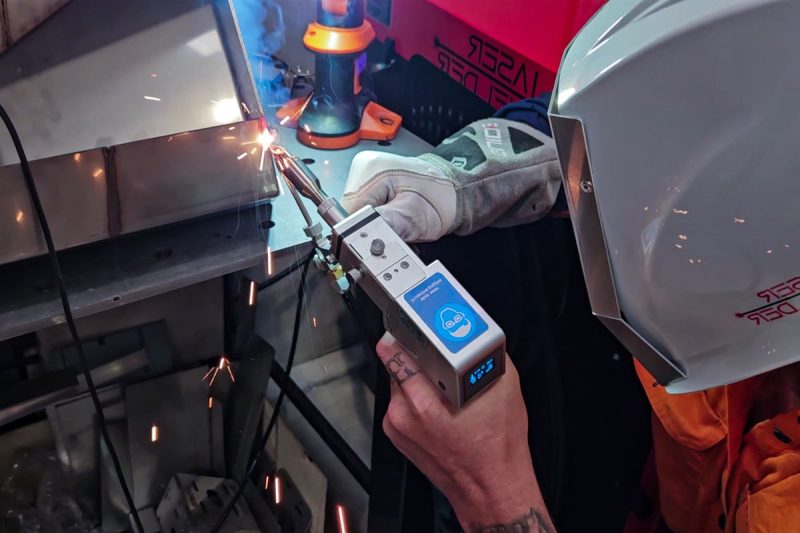
Eye and face protection requires multiple layers. Laser welding requires special wavelength protective eyewear that blocks the laser wavelength while allowing visible light to pass through. A face shield should be worn over the eyewear to protect against spatter and UV radiation. The face shield should cover the entire face and be made of flame-retardant material. The face shield should always be lowered when observing welding.
Personal protective equipment (PPE) cannot replace engineering controls; it is merely the last line of defense. Relying entirely on PPE has many problems: discomfort affects work efficiency, proper sealing is difficult to guarantee, and the risk of heat stress is increased. Therefore, the primary task is to ensure a reliable dust removal system; PPE is only a supplementary safety measure. However, in certain situations, such as maintenance or short-term operations, PPE is indeed necessary.
Resumir
Laser welding dust and fume control is not an option, but a legal requirement and ethical responsibility. Welding fumes contain metal oxides, ultrafine particles, and toxic gases, posing serious hazards to the respiratory, nervous, and cardiovascular systems. OSHA, ACGIH, NIOSH, and the EU have all established stringent standards requiring engineering controls to reduce exposure.
Effective dust and fume control requires the comprehensive application of multiple technologies. Local exhaust ventilation is the preferred method, capturing fumes at the source. General ventilation serves as a supplement, maintaining workshop air quality. Welding torch vents, downdraft workbenches, portable fume extractors, and automated welding housings each have their applicable scenarios. Filtration systems should be selected based on the characteristics of the fumes; HEPA and activated carbon filters handle high-risk pollutants.
System design, regular maintenance, employee training, and continuous monitoring are the four pillars of long-term success. Correct selection and installation establish a solid foundation; standardized maintenance ensures continued effectiveness; comprehensive training ensures correct use; and scientific monitoring verifies control effectiveness and allows for timely improvements. Personal protective equipment serves as the last line of defense, providing protection when engineering controls are insufficient.
Investing in dust and smoke removal systems is essential for protecting employee health, complying with regulations, and maintaining the company’s reputation. In the long run, the cost of preventing illness and accidents is far lower than the cost of treatment and compensation. Furthermore, a clean working environment improves employee satisfaction and productivity, reducing absenteeism and turnover. Protecting the laser optics system also extends equipment lifespan and reduces maintenance downtime. This is a highly rewarding investment that every company using laser welding should take seriously.

Informações de contato
- [email protected]
- [email protected]
- +86-19963414011
- No. 3 Zona A, Zona Industrial de Lunzhen, Cidade de Yucheng, Província de Shandong.
Obtenha soluções a laser