

















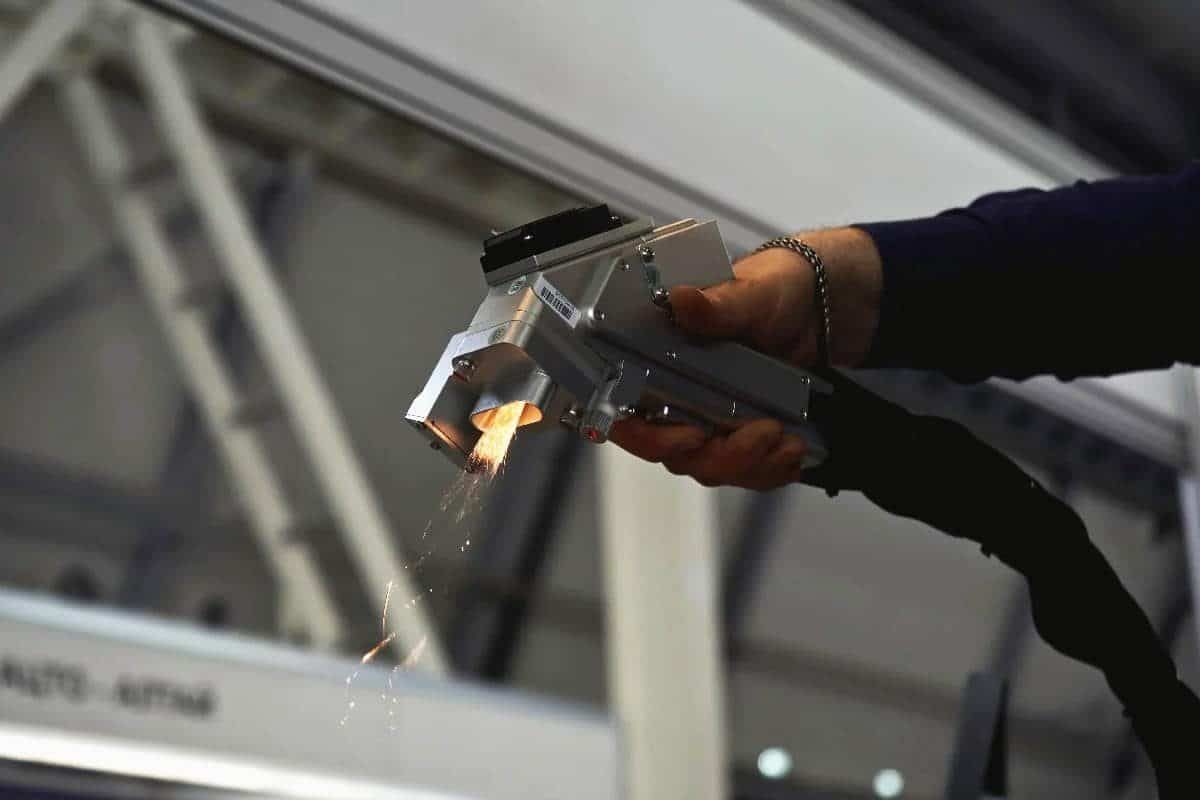
Lazer temizleme makinesinin soğutma sisteminin bakımı nasıl yapılır?
Laser cleaning machines generate a significant amount of heat during operation, making the cooling system essential for ensuring proper functioning. Many users experience no problems initially after purchasing the machine, but over time, issues arise, such as decreased cutting quality, frequent alarms, or a much shorter-than-expected laser source lifespan. The root cause of a substantial proportion of these problems lies in the maintenance of the cooling system.
This article will clearly explain the maintenance methods for laser cleaning machine cooling systems—from the types and working principles of cooling systems, to the specific steps for daily inspections and regular maintenance, and the diagnosis and handling of common faults, aiming to enable users to operate the machine immediately after reading.
İçindekiler
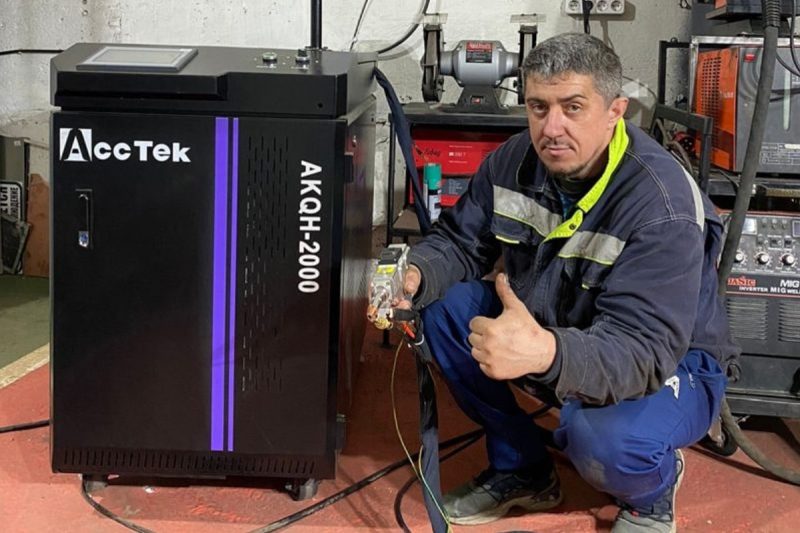
Why is a cooling system so important?
The core component of a lazer temizleme makinesi is the laser generator. During operation, it converts a large amount of electrical energy into laser energy, generating a considerable amount of heat. If this heat cannot be dissipated in time, the laser generator’s temperature will rise, directly affecting the laser output power and beam quality. In severe cases, it can damage components or even render the entire machine unusable.
To give a concrete example: a 1000W fiber lazer temizleme makinesi, under normal operating conditions, has an electro-optical conversion efficiency of approximately 25%-35%. This means that 65%-75% of the input electrical energy is dissipated as heat. At a 1000W input power, the heat generated per hour is considerable. The task of the cooling system is to continuously remove this heat.
According to industry data, unplanned downtime of laser equipment due to cooling system failure or improper maintenance accounts for more than 30% of all equipment failures. The repair cost for a single laser generator failure due to overheating is often dozens of times the maintenance cost of a complete cooling system. Therefore, maintaining the cooling system is not only a good habit to extend the life of equipment, but also a necessary operation to protect your investment.
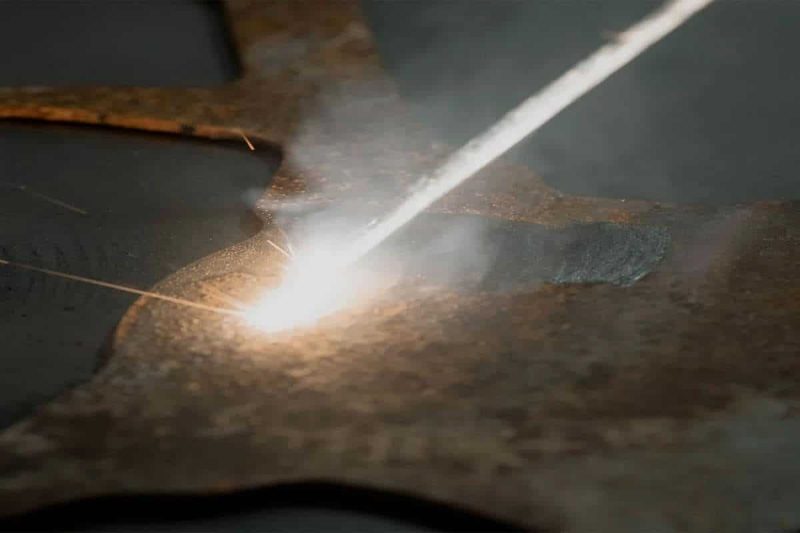
Understanding Cooling System Types for Laser Cleaning Machines
Before discussing maintenance methods, let’s understand the mainstream cooling system types on the market, as different types require different maintenance approaches.
Su Soğutma Sistemi
Water cooling is currently the most common cooling method for medium- and high-power laser cleaning machines. Its basic principle is: cooling water, driven by a water pump, circulates between the chiller, laser generator, and connecting pipes, carrying away the heat generated by the laser generator and dissipating it into the air or external medium through the chiller’s heat exchanger.
Main components of a water-cooling system:
- Water chiller: The core of the entire water-cooling system, containing a compressor, heat exchanger, water tank, water pump, and control circuitry.
- Cooling water piping: Flexible or rigid tubing connecting the chiller and the laser generator.
- Water filter: Filters impurities from the cooling water to prevent pipe blockage.
- Water flow sensor: Monitors the cooling water flow rate and triggers an alarm when the flow is insufficient.
- Water temperature sensor: Monitors the cooling water temperature in real time.
Water-cooling systems offer excellent heat dissipation and stable temperature control, making them suitable for medium-to-high power laser cleaning machines (200W and above) and industrial applications requiring long-term continuous operation. The disadvantages include the need for regular water quality maintenance and freeze protection, and the relatively complex system.
Air-cooled systems
Air-cooled systems operate on a simpler principle: a fan drives airflow over a radiator, carrying away the heat generated by the laser generator. Structurally, it’s much simpler than water-cooled systems, eliminating the need for a water tank, pump, and coolant.
Air-cooled systems are suitable for low-power laser cleaning machines (typically below 500W, with some brands using air-cooling solutions for models below 1000W) and handheld devices where portability is crucial. Advantages include simple structure, easy maintenance, and no concerns about leaks. Disadvantages include limited heat dissipation capacity, significant impact of ambient temperature on cooling performance, and noticeable performance degradation in high-temperature or high-dust environments.
Refrigerated cooling systems
Some high-end laser cleaning machines use refrigerated cooling systems similar to industrial air conditioning systems, controlling coolant temperature through a refrigerant compression-evaporation cycle. Advantages include greater immunity to ambient temperature effects, higher temperature control precision, and better stability. Disadvantages include greater system complexity, the need for professional handling of refrigerant leaks, and relatively higher maintenance costs.
Sıvı nitrojen soğutma sistemi
Liquid nitrogen cooling is mainly used in some special ultra-high power or scientific research-grade laser equipment, and is relatively rare in industrial-grade laser cleaning machines. Liquid nitrogen has an extremely low temperature and excellent heat dissipation effect, but it is expensive to use, requires specialized liquid nitrogen storage and supply equipment, and has certain safety requirements for daily operation.
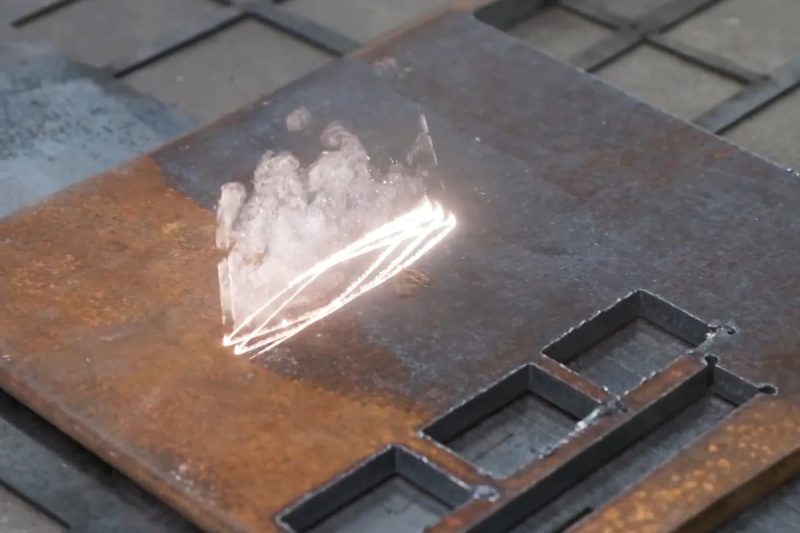
Water Cooling System Maintenance – The Most Important Part
Since most industrial laser cleaning machines use water cooling systems, we will focus on the maintenance methods for these systems.
Coolant Selection and Management
The quality of the coolant directly affects the operating status and lifespan of the entire water cooling system. Here are a few easily overlooked details. Use Distilled or Deionized Water, Not Tap Water.
Many users, for convenience, directly add tap water to the tank. While this may not cause obvious problems in the short term, over time, minerals (mainly calcium and magnesium ions) in tap water will form scale on the inner walls of the pipes and in the cooling channels of the laser generator. Scale has a very low thermal conductivity, significantly reducing cooling efficiency. Furthermore, a scale that detaches can clog water passages, causing insufficient flow.
The correct approach is to use distilled or deionized water. These two types of water have extremely low mineral content, effectively preventing scale formation. Some manufacturers also offer dedicated laser coolants containing corrosion inhibitors and algaecides for more comprehensive protection.
Regularly change your coolant
Even using distilled water, the water quality will deteriorate over time. It’s generally recommended to change the coolant every 6 months, but this can be shortened to 3-4 months for high-intensity equipment. When changing the coolant, thoroughly flush the tank and piping; don’t just add some fresh water.
Several signs that indicate the need for a coolant change:
- Coolant turns yellow or green (indicating algae growth)
- Suspended particles or turbidity appear in the water
- An unusual odor
- Water quality testing shows a significant increase in conductivity
Algae Control
Algae easily grow in cooling water when there is light, organic matter, and a suitable temperature. Algae can clog pipes, reduce flow, and in severe cases, completely block the cooling channels of the laser generator. There are two methods to prevent algae growth: one is to use opaque water tanks and pipes (most equipment already uses this); the other is to add an appropriate amount of algaecide to the cooling water, or use a special coolant containing algaecide components.
If algae growth is already observed in the cooling water, flushing the pipes with a mixture of 50% white vinegar and 50% distilled water is a relatively effective cleaning method—it dissolves scale, kills algae, and has less corrosiveness to metal pipes.
Cooling Water Temperature Management
Laser cleaning machines have specific requirements for the inlet temperature of the cooling water, generally recommended to be maintained between 15-25°C. Excessively high water temperatures reduce heat dissipation; excessively low temperatures, especially in environments with large temperature differences, may cause condensation on the surfaces of optical components, damaging lenses and fiber optic connectors.
Chillers typically control the outlet water temperature automatically, but it’s essential to periodically check the setpoint for accuracy and ensure the actual water temperature matches the setpoint. If the chiller’s cooling capacity decreases (the water temperature consistently fails to reach the target temperature after startup), it may indicate insufficient refrigerant or a dirty heat sink, requiring troubleshooting.
Freezing Prevention Measures
If the temperature in the area where the equipment is located may drop below 0°C in winter, freezing of the cooling water poses a serious risk. Water expanding by approximately 9% upon freezing is sufficient to crack the cooling chamber and pipe joints of the laser generator. Precautions:
- Place the equipment in a heated indoor environment, ensuring the ambient temperature is above 0°C.
- For extended periods of shutdown, thoroughly drain the coolant.
- Add an appropriate amount of RV-grade antifreeze to the coolant, diluting it with distilled water at a 1:3 ratio. Note: Do not use automotive antifreeze, as some automotive antifreezes contain corrosive additives that can damage internal chiller components.
Develop a cyclical maintenance plan
Maintaining the cooling system shouldn’t be something you only think about when problems arise; it requires establishing a habit of regular maintenance. Based on industry best practices, maintenance can be divided into four levels.
Daily check (before each power-on)
Daily checks take only a few minutes but can detect many potential problems early on.
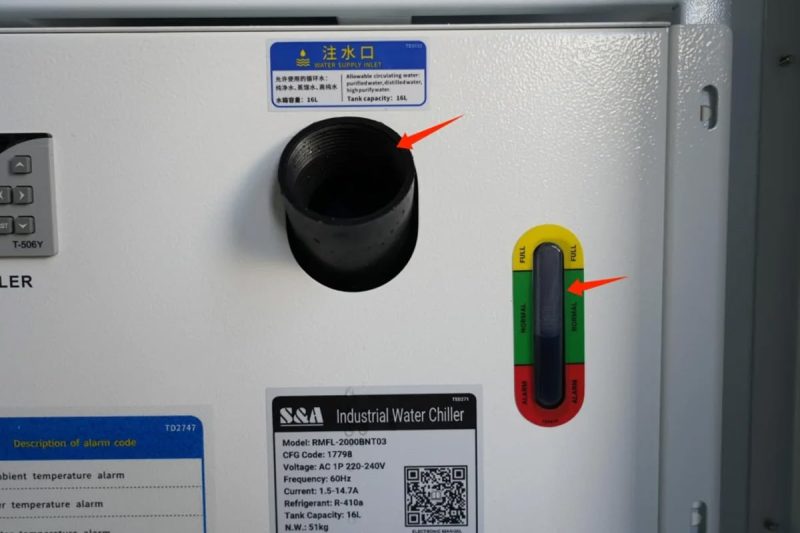
- Check Coolant Level: Check the coolant level window or gauge on the chiller tank to ensure the level is within the normal range (usually 70%-90% of tank capacity). A significant drop in level indicates a leak; locate and repair the leak before adding coolant.
- Check Chiller Temperature and Pressure: After starting the chiller, wait for it to stabilize (usually 5-10 minutes) and check the temperature and pressure to ensure they are within the normal range. Most equipment has alarm thresholds, but manual verification beforehand is more proactive.
- Confirm No Leaks: Quickly check the chiller, connecting pipes, and joints for water stains or dampness. Pipe joints are the most prone to minor leaks; early detection and repair prevent major problems.
- Confirm Cooling Fan Operation: If it’s an air-cooled unit, listen to the fan after starting it to check for abnormal noises. A stuck fan or a reduced fan speed will significantly decrease cooling capacity.
Weekly Inspections
Spend 15-30 minutes each week performing a slightly more thorough inspection.
- Clean Chiller Fins (Condenser Fins): Chillers contain condenser fins similar to those in an outdoor air conditioner unit, responsible for dissipating heat into the air. Excessive dust accumulation on the fins will significantly reduce heat dissipation efficiency. Use compressed air to blow dust off the fins from the inside out. Do not rinse directly with water or bend the fins forcefully.
- Check Filters: A clogged filter in a water-cooled system can cause a decrease in flow rate, triggering a flow protection alarm. Remove the filter element and check for scale buildup or blockages; clean or replace if necessary.
- Check Water Pipes and Connections: Visually inspect all visible water pipes for signs of aging, cracking, blistering, etc. Pay special attention to areas near heat sources, as rubber hoses age faster.
- Clean Heat Sinks and Fans for Air-Cooled Equipment: Use compressed air to blow away dust from the heat sinks and fan blades. Dust accumulates quickly in industrial environments; weekly cleaning is a reasonable frequency.
Monthly/Quarterly Inspections
This level of maintenance requires more systematic inspection and operation.
- Test Cooling Water Quality: The conductivity of the cooling water can be measured using a simple conductivity meter (TDS meter). Pure distilled water has a conductivity close to 0, and it is generally recommended to keep it below 50 μS/cm. If the conductivity is significantly high, it indicates an increase in dissolved substances in the water, requiring a water change. If possible, the pH value can also be checked. The recommended pH for cooling water is between 6.5 and 8; excessive acidity or alkalinity will accelerate the corrosion of metal pipes.
- Check Water Pump Operation: The water pump is the power source for the water cooling system. Check if the pressure difference between the inlet and outlet of the water pump is within the normal range, listen for any abnormal noises during operation, and check for any abnormal overheating of the motor.
- Check the Tightness of All Connections: Water pipe connections may loosen due to long-term vibration, thermal expansion, and contraction. Check each connection and tighten them appropriately, but be careful not to overtighten to avoid damaging the connections.
- Chiller Refrigeration System Inspection: Check the chiller’s cooling performance: After setting the target temperature, observe how long it takes for the temperature to actually cool down to the target temperature, and whether the target temperature can be maintained under rated load. If the cooling capacity drops significantly, it may be necessary to add refrigerant or clean the condenser. It is recommended to contact a qualified refrigeration equipment repair technician for assistance.
Annual Major Maintenance
Perform a comprehensive deep maintenance check annually.
- Completely replace the coolant and flush the pipes: Following the method described above, completely drain the old coolant, flush the pipes with acetic acid solution or a special cleaning solution, then thoroughly rinse with distilled water, and finally add new coolant.
- Replace the filter element: Regardless of whether the filter appears usable, it is recommended to replace the filter element during the annual major maintenance check. The cost is low, but it ensures effective filtration.
- Inspect the water pump impeller and seals: Disassemble the water pump for internal inspection, checking for impeller wear and aging seals. Wear on these two parts will reduce the pump’s flow rate and head.
- Inspect the heat exchanger: If possible, check the heat exchanger’s inner walls for scale buildup and perform chemical cleaning if necessary. The heat exchanger is the core component of the chiller’s heat transfer; scale buildup will significantly reduce its heat transfer efficiency.
- Check the accuracy of all sensors: Inaccurate readings from the water temperature and flow sensors can cause the protection system to alarm when it shouldn’t, or fail to alarm when it should. Cross-calibration can be performed using known accurate thermometers and flow meters.
Key Maintenance Points for Air-Cooled Systems
Maintaining an air-cooled system is relatively simple. The core tasks are maintaining unobstructed airflow and keeping the heat dissipation surfaces clean.
Maintain a Ventilated Environment
Air-cooled laser cleaning machines are sensitive to the temperature and ventilation conditions of the working environment. Ensure there are no obstructions near the air inlet and outlet, and sufficient space around them for hot air to dissipate. A clearance of at least 30-50cm is recommended.
If the ambient temperature exceeds 35°C, the cooling capacity of most air-cooled equipment will significantly decrease. It is recommended to equip the system with industrial air conditioning or add ventilation facilities.
Regularly Clean Air Ducts and Heat Sinks
This is the most important maintenance task for air-cooled systems. In dusty industrial environments, dust accumulates quickly on the heat sinks, sometimes completely blocking the gaps and significantly increasing thermal resistance.
Cleaning heat sinks, use compressed air (pressure controlled at 3-5 bar, not too high to avoid bending the fins) to blow dust out of the heat sink from the inside; then use a soft brush to clean the surface of the heat sink. At least once a week; more frequently in dusty environments.
Check and replace the fan
Worn fan bearings will cause the fan speed to decrease and the noise to increase. If you notice abnormal fan noise (a noticeable mechanical noise) or if a tachometer shows the speed is below the rated value, it is recommended to replace it promptly. Continuing to use a barely functioning fan will prevent heat dissipation and actually accelerate the wear and tear on the laser generator.
Be aware of environmental dust
If the working environment has a high dust concentration (such as near metal grinding or sandblasting areas), dust can not only clog the heat sink but also enter the laser generator and cause other damage. In such environments, consider installing dust filters in the air inlets and cleaning or replacing them regularly.
Troubleshooting and Handling Common Cooling System Faults
Mastering troubleshooting methods for common faults can help you quickly pinpoint the cause when problems occur, reducing downtime.
Fault 1: The coolant temperature is too high and cannot reach the target temperature
Possible Causes:
- Severe dust accumulation on the chiller heat sink, reducing heat dissipation efficiency.
- Insufficient refrigerant (applicable to refrigeration chillers).
- Ambient temperature is too high, exceeding the chiller’s design range.
- Insufficient chiller power is incompatible with the laser generator.
- Insufficient cooling water volume.
Çözümler:
First, clean the heat sink. Then check if the cooling water volume is sufficient and confirm that the ambient temperature is within a reasonable range. If none of the above are the problem, consider having a professional inspect the cooling system to determine if refrigerant needs to be replenished.
Fault 2: Water Flow Alarm, Equipment Shutdown Protection
Possible Causes:
- Clogged filter, causing reduced flow rate.
- Pump malfunction, reducing head.
- Blockage in the pipeline (scale, algae, foreign objects).
- Leaking pipeline joints, causing reduced system pressure.
- Damaged flow sensor, causing a false alarm.
Troubleshooting:
First, check the filter; clean or replace it. Then check the pipeline for obvious blockages or leaks. If both are fine, check if the water pump is operating normally and if the flow sensor reading is reasonable.
Fault 3: Cooling Water Pipeline Leakage
Possible Causes:
- Aging or loose pipe joints
- Wearing and cracking of hoses
- Damaged quick-connect fitting seals
Çözümler:
Immediately stop the machine upon discovering a leak and locate the leak point. For loose joints, retighten them; for damaged seals, replace them; for cracked hoses, replace them with hoses of the appropriate specifications. After repair, check the cooling water level and replenish to the normal level before restarting the machine.
Fault 4: Reduced Laser Power and Deteriorated Beam Quality
Possible Causes:
This phenomenon doesn’t necessarily point directly to the cooling system, but poor cooling is often a significant cause. When the laser generator temperature is too high, the laser conversion efficiency decreases, and the beam quality deteriorates.
Çözümler:
Check if the cooling water temperature is within the normal range and if the cooling water flow rate is adequate. If the cooling system is operating normally, the problem may lie with the optical components (lens contamination) or the laser generator itself, requiring further investigation.
Fault 5: Chiller compressor frequently starts and stops or operates abnormally
Possible causes:
- Poor condenser heat dissipation (dust accumulation)
- Too much or too little refrigerant
- Expansion valve malfunction
- Compressor malfunction
Çözüm:
First, clean the condenser, then observe the compressor pressure reading (if the chiller has a pressure gauge). If the abnormality persists, this type of problem involves refrigeration system expertise; it is recommended to contact a qualified refrigeration repair technician for assistance. Do not attempt to disassemble the refrigeration system yourself.
Cooling Maintenance Considerations for Different Operating Environments
High-Temperature Environments (Summer or Tropical Regions)
When the ambient temperature is high, the chiller’s cooling pressure increases, making it more difficult for the condenser to dissipate heat. The following measures can be taken:
- Increase the frequency of cleaning the chiller’s heat exchange fins.
- Ensure good ventilation around the chiller.
- If possible, provide a dedicated cooling fan for the chiller (use an industrial fan or air conditioner to blow air onto the chiller’s cooling side).
- Appropriately lower the target temperature of the cooling water (but not below the dew point temperature to avoid condensation).
Low-Temperature Environments (Winter or Northern Regions)
The main risk in low-temperature environments is icing. In addition to the antifreeze measures mentioned above, the following should also be noted:
- The chiller’s condenser fan may frost over at low temperatures, requiring regular inspection and cleaning.
- If any part of the cooling water piping runs outdoors or in uninsulated areas, proper insulation is necessary.
- When shutting down for an extended period (more than one day), it is best to completely drain the cooling water to avoid the risk of freezing.
High-Dust Environments
When using laser cleaning machines in dusty environments such as metal processing, building demolition, and ship repair:
- Increase the cleaning frequency of heat sinks and filters.
- Add dust covers or screens to the chiller’s air inlet.
- Place the chiller in a relatively dust-free location whenever possible, and connect it to the laser generator using extended water pipes.
High Humidity Environments
Condensation is a concern in high-humidity environments. If the cooling water temperature is set too low while the ambient humidity is high, condensation may form on the surface of optical components, potentially damaging the lenses. Recommendations:
- Set the cooling water temperature no lower than the current dew point temperature (approximately 3-5°C lower than the current air temperature is generally a safe margin).
- Store the equipment in a dehumidified environment.
- Preheat the equipment in the operating environment for a period of time before powering it on to reduce the risk of condensation.
Common Misconceptions about Water Cooling System Maintenance
Some common practices among users are actually incorrect and are listed here for your reference.
Misconception 1: The water in the tank is sufficient; no need to change it.
Water quality management is more important than maintaining water volume. A cooling system with sufficient water volume but poor water quality will still experience scaling, blockage, and corrosion. Changing the coolant every 3-6 months is necessary.
Misconception 2: Tap water is more convenient and has little impact
While the impact may not be noticeable in the short term, after 6-12 months, scale buildup on the pipe walls and in the laser generator cooling channels will become severe. Once the scale partially blocks the cooling channels, cleaning is very difficult, and in severe cases, factory repair may be required.
Misconception 3: The equipment has built-in protection; no need to worry about overheating
Laser cleaning machines do have temperature and flow protection, and the equipment will automatically shut down when the temperature exceeds the limit. However, frequent triggering of protection alarms indicates that the equipment is operating at a critical state, which will accelerate the wear and aging of various components over time. The protection system is the last line of defense, not a substitute for routine maintenance.
Myth 4: Adding algae inhibitors means I don’t need to change the water
Algae inhibitors can slow down algae growth, but they cannot completely prevent water quality deterioration. Regular coolant changes are necessary; algae inhibitors are only a supplementary measure.
Myth 5: If the chiller isn’t cooling, just add some refrigerant
Refrigerant is not consumed under normal circumstances. If it needs to be replenished, it indicates a leak in the system. Simply adding refrigerant without finding the leak will result in the refrigerant running out after a while, and the leaked refrigerant also has an environmental impact. The correct approach is to have a professional detect and repair the leak before adding refrigerant.
The Importance of Cooling System Maintenance Records
Establishing maintenance records might sound like something only large companies do, but it’s valuable for users of any size.
A good maintenance record should include:
- Date and details of each inspection
- Coolant replacement record (time, volume, type of coolant used)
- Abnormal situation record (alarm type, handling method, result)
- Spare parts replacement record (when and which part was replaced)
This record helps you:
- Determine if maintenance cycles are reasonable and if certain problems are recurring
- Quickly review historical records to narrow down troubleshooting when equipment malfunctions
- Assess the overall health of the equipment and anticipate potential problems
- Provide maintenance history as support when applying for warranty service from the manufacturer
A simple spreadsheet is sufficient; a complex system isn’t necessary. Developing the habit of recording everything after each operation is more important than anything else.
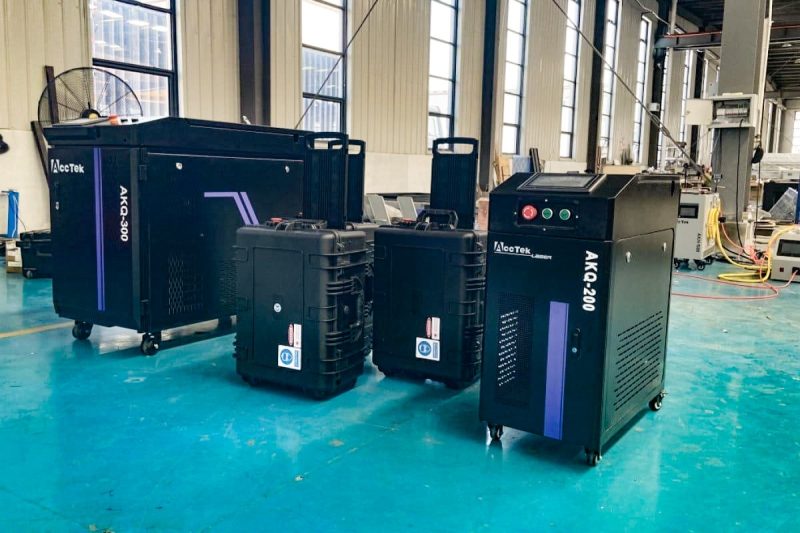
When purchasing a laser cleaning machine, the cooling system is a crucial factor to consider
By the way: If you’re still in the process of selecting a laser cleaning machine, the cooling system configuration should be one of your key considerations, not something you decide to address after purchase.
Cooling-related parameters worth paying attention to when purchasing:
- Cooling method and power matching: For continuous wave laser cleaning machines under 500W, air cooling or small water cooling is sufficient; for 500W-1000W and above, water cooling is a more reliable choice; for equipment used in continuous high-intensity operations, the chiller’s cooling capacity should have sufficient margin (generally, it’s recommended that the chiller’s cooling capacity be 20%-30% higher than the laser generator’s heat dissipation).
- Chiller brand and quality: Some low-priced laser cleaning machines are equipped with inferior chillers with inflated cooling capacity and poor control precision, leading to problems after only a few months of use. Chillers from well-known brands (such as SMC, HANLI, S&A, etc.) offer better quality assurance, and spare parts are easier to obtain later.
- Piping and Fitting Quality: High-quality equipment uses premium temperature and pressure-resistant hoses and quick-connect fittings, reducing the risk of leaks and simplifying maintenance. Low-cost equipment uses inconsistent quality pipe fittings, making leaks a common problem.
- Integrity of the Protection System: Water temperature protection, flow protection, and water shortage protection are basic features. High-end equipment also includes water conductivity monitoring. The more comprehensive the protection system, the earlier problems can be detected, minimizing losses.
Özet
Maintaining a laser cleaning machine’s cooling system isn’t overly complex. The key is to do three things:
First, use the right coolant—distilled or deionized water—and change it regularly, ensuring proper antifreeze protection. Second, perform cyclical maintenance—daily checks, weekly cleaning, monthly testing, and annual major maintenance, with clearly defined operational procedures for each level. Third, be able to handle common faults—overheating, flow alarms, and pipe leaks—understand the underlying causes, and be able to quickly locate and resolve them.
By doing these three things well, your laser cleaning machine’s cooling system can operate stably for a long time, ensuring the lifespan of the laser generator and resulting in significantly lower overall operating costs compared to equipment with inadequate maintenance.
If you encounter specific problems related to the cooling system during use, please contact AccTek Lazer'in technical support team. We will provide more targeted advice based on your specific equipment model and usage scenario.

İletişim bilgileri
- [email protected]
- [email protected]
- +86-19963414011
- 3 Bölge A, Lunzhen Sanayi Bölgesi, Yucheng Şehri, Shandong Eyaleti.
Lazer Çözümleri Alın