











Laser Marking vs. Laser Engraving: Key Differences, Applications, and How to Choose
Laser marking and laser engraving are two of the most widely adopted laser processing techniques in modern manufacturing, product identification, and decorative fabrication. From the serialization of aerospace components and the traceability marking of medical devices to the personalization of consumer gifts and the decoration of industrial tools, these processes touch an extraordinary range of industries and applications. Their precision, permanence, and ability to work directly from digital design files without physical tooling have made them indispensable in environments where quality, repeatability, and speed are non-negotiable requirements.
Yet despite their widespread adoption, laser marking and laser engraving are routinely conflated — used interchangeably in catalogs, sales conversations, and even technical documentation as though they describe the same process. They do not. While both techniques use a focused laser beam to alter or modify a material surface, the physical mechanisms by which they achieve their results are fundamentally different, and those differences have direct and significant implications for material selection, equipment configuration, output quality, production speed, regulatory compliance, and total cost of operation.
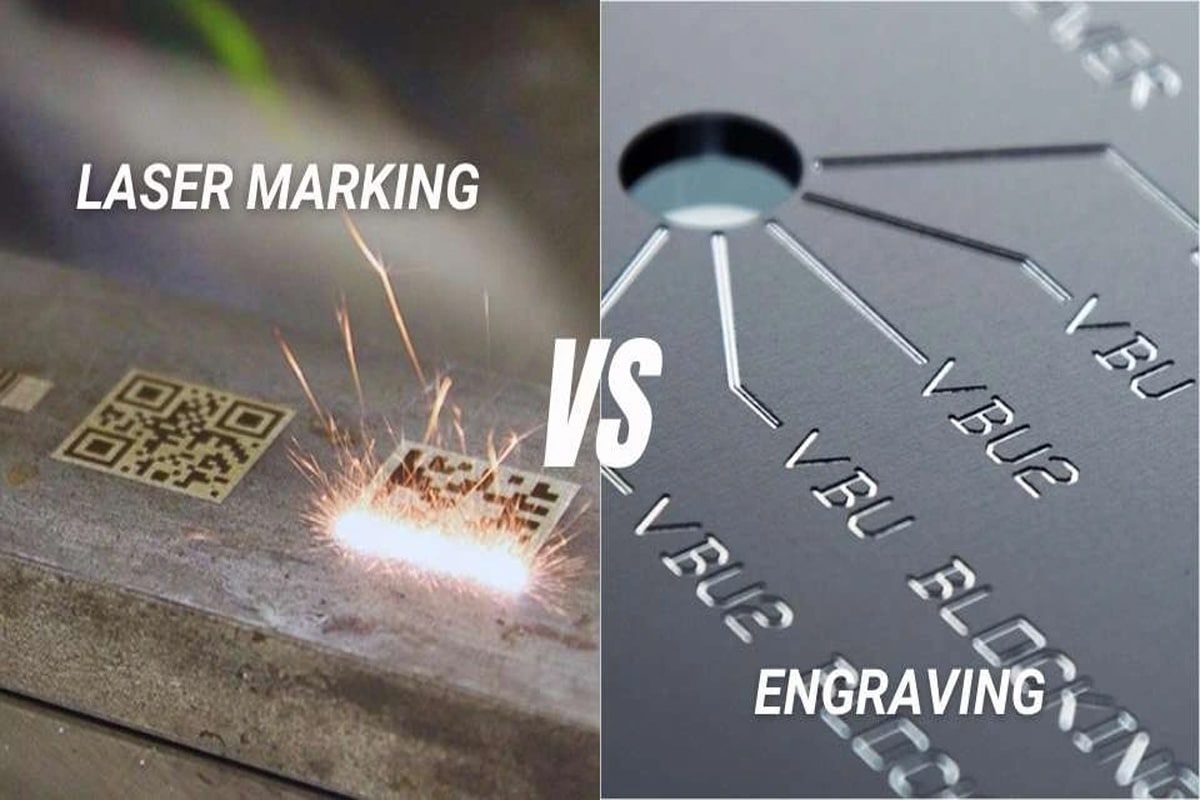
Laser marking alters the surface of a material through thermal or photochemical reactions — changing its color, reflectivity, or microstructure — without removing material from the substrate. Laser engraving removes material from the surface through ablation or vaporization, creating a physical depression or cavity in the workpiece. This distinction — surface alteration versus material removal — is the foundation from which all other differences between the two processes follow, and understanding it clearly is essential for anyone evaluating laser processing solutions for a specific application.
The purpose of this article is to provide a comprehensive, technically grounded, and practically oriented analysis of both processes: what they are, how they work, where each excels and where each falls short, which materials are best suited to each technique, and ultimately how to choose the right process for a given application and production environment. Whether you are specifying a laser system for a new production line, evaluating laser processing for a product identification requirement, or simply trying to understand what distinguishes these two commonly discussed techniques, this article provides the structured framework needed to make an informed and confident decision.
Table of Contents
What Is Laser Marking?
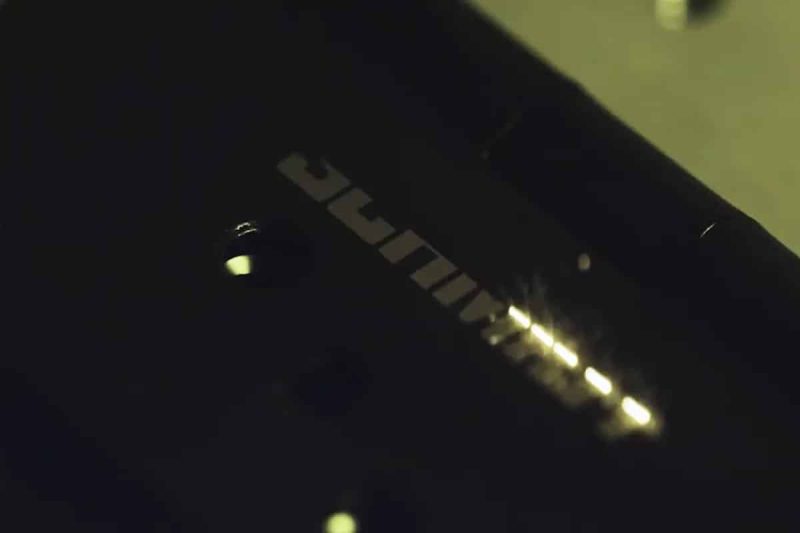
Laser marking is a broad category of laser processing techniques in which a focused laser beam interacts with a material surface to produce a visible, permanent change in appearance — without removing material from the substrate in any significant quantity. The result is a mark — a contrast change, color shift, or surface texture modification — that is legible, durable, and produced without physical contact between the marking tool and the workpiece. Understanding the specific mechanisms behind laser marking is essential to appreciating both its capabilities and its limitations relative to laser engraving.
How Laser Marking Works
In laser marking, the laser beam delivers controlled energy to a precisely defined area of the material surface. Rather than ablating or vaporizing the material — as laser engraving does — the laser energy triggers one or more surface-level reactions that change the material’s optical or physical properties in a localized zone. The nature of the reaction depends on the material composition, the laser wavelength, the pulse duration, and the energy density applied. In all cases, the fundamental defining characteristic of laser marking is that the surface geometry of the workpiece remains essentially intact — the mark exists as a change in the surface rather than as a physical depression or cavity.
The precision of laser marking is determined by the focusing quality of the laser beam and the accuracy of the motion system that guides it across the workpiece. Modern laser marking systems — particularly fiber laser generators, which are the dominant technology for industrial laser marking — achieve spot sizes of tens of micrometers and positioning accuracies of a few micrometers, enabling the production of extremely fine text, complex barcodes, data matrix codes, and detailed logos within very small surface areas. This combination of precision and speed, achieved without consumables or physical tooling, is what makes laser marking the preferred identification and traceability solution across a broad range of industries.
Types of Laser Marking
Laser marking encompasses several distinct sub-processes, each driven by a different physical or chemical mechanism and each suited to different material types and application requirements.
Annealing marking is a thermal process used primarily on metals — particularly steel, stainless steel, and titanium. The laser heats the metal surface in a controlled manner, causing localized oxidation beneath the surface layer that produces a color change without removing or roughening the surface. Because the marking is produced below the surface oxide layer, annealing marks are smooth, flush with the surrounding surface, and highly resistant to corrosion and mechanical wear. This makes annealing marking the preferred technique for medical devices, surgical instruments, and food-contact components where surface integrity and cleanliness are regulatory requirements.
Carbonization marking, also known as charring, is used primarily on organic materials — plastics, leather, wood, and coated surfaces. The laser heats the material to a temperature at which the surface layer carbonizes, producing a dark, high-contrast mark. Carbonization marks are permanent and clearly legible, though the depth of the carbonization reaction means that very aggressive rubbing can eventually degrade the mark contrast over time on softer materials.
Foaming marking is used on dark-colored plastics where a bright, light-colored mark is required against the dark substrate. The laser causes the plastic surface to melt and form small gas bubbles that solidify on cooling, creating a raised, foamed texture that reflects light differently from the surrounding surface and produces a visually bright mark. Foaming is the technique of choice for marking dark automotive plastics, electronic housings, and consumer goods where high contrast is required without penetrating the material surface.
Color marking is a more specialized technique used on certain metals — particularly titanium, stainless steel, and molybdenum — where controlled laser-induced oxidation produces a range of colors determined by the oxide film thickness. By varying laser parameters, operators can produce marks in colors spanning gold, blue, purple, red, and green. Color marking is used for decorative applications, anti-counterfeiting features, and high-value product branding.
Common Materials for Laser Marking
Laser marking is most naturally suited to metals, where annealing and color marking techniques produce high-quality, permanent marks without disrupting the surface finish or dimensional integrity of precision components. Steel, stainless steel, aluminum, titanium, and tool steel are all routinely laser-marked in industrial applications. Many engineering plastics — ABS, polycarbonate, polyamide, HDPE — can be effectively laser-marked using carbonization or foaming techniques. Coated surfaces, including anodized aluminum and painted metals, can be marked by selectively removing or altering the coating layer to create contrast against the substrate below.
Laser marking produces a permanent, visible surface change on a material without removing material from the substrate. The four primary marking mechanisms — annealing, carbonization, foaming, and color marking — each suit different material types and application requirements. The defining characteristic of all laser marking processes is that the surface geometry of the workpiece remains essentially intact, making laser marking the preferred choice wherever dimensional integrity, surface smoothness, or corrosion resistance at the mark location must be preserved.
What Is Laser Engraving?
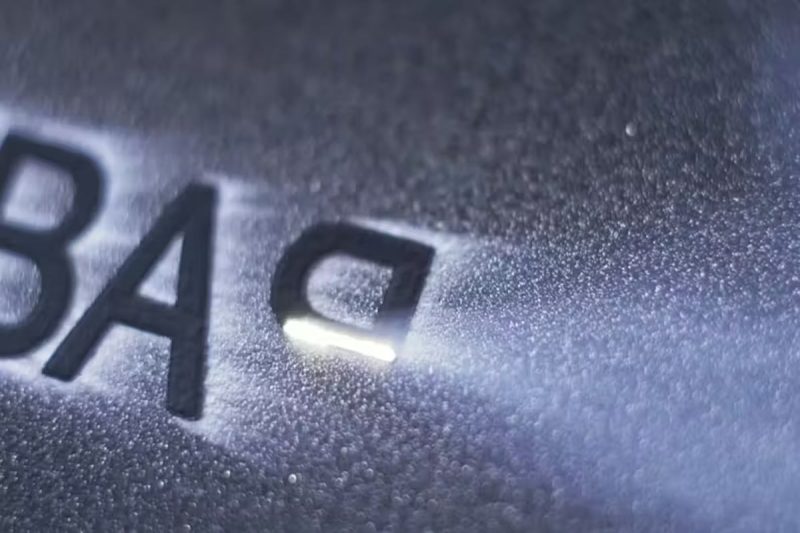
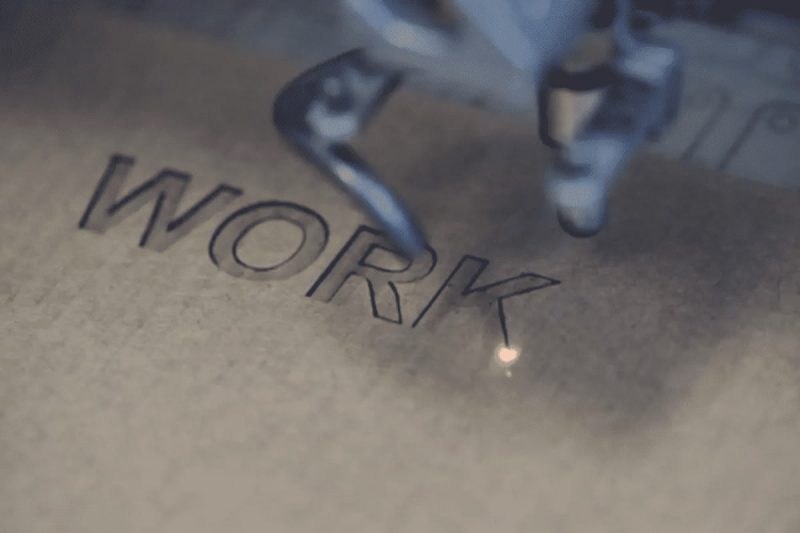
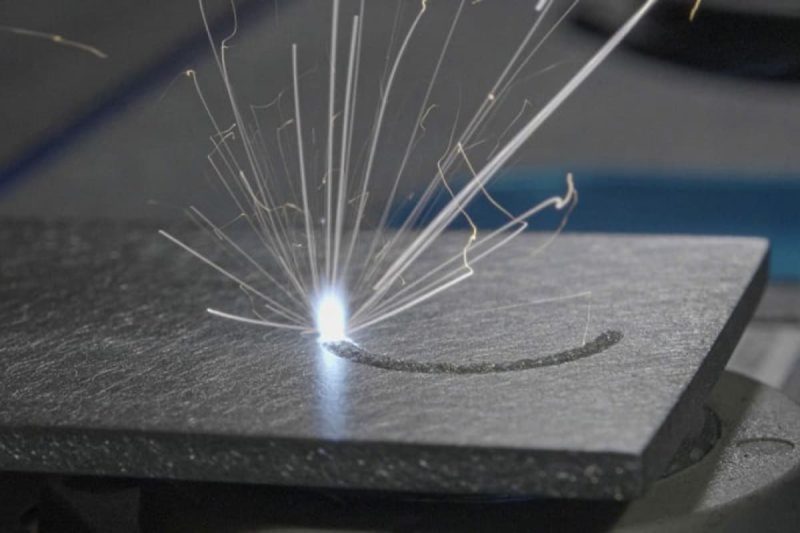
Laser engraving is a laser processing technique in which a focused laser beam removes material from the surface of a workpiece through a process of rapid vaporization or ablation, creating a physical depression — a cavity, groove, or textured area — in the substrate. Unlike laser marking, which alters the surface without significant material removal, laser engraving physically reshapes the workpiece surface, producing results that are tactilely as well as visually distinct from the surrounding material. This material-removal characteristic defines both the strengths and the limitations of laser engraving relative to laser marking.
How Laser Engraving Works
In laser engraving, the laser beam delivers energy to the material surface at an intensity sufficient to rapidly heat the target area beyond its vaporization point. The material at the focal spot is converted directly from solid to vapor — bypassing the liquid phase in an ideal ablation scenario — and ejected from the surface, leaving a clean depression in the workpiece. An assist gas, typically compressed air or nitrogen, directed through the cutting nozzle, helps clear the vaporized and partially melted material from the engraving zone, improving edge definition and preventing redeposition of debris on the engraved surface and surrounding area.
The depth of the engraving is controlled by the combination of laser power, scanning speed, and the number of passes made over the same area. A single pass at a given power and speed produces a characteristic depth for a given material; multiple passes over the same area increase depth additively. The width of the engraved groove or feature is determined primarily by the focused spot size of the laser beam, which in turn depends on the focal length of the focusing lens and the beam quality of the laser generator. By scanning the laser beam across a defined area in a raster pattern — parallel lines spaced at regular intervals — operators can produce area fills, surface textures, photographic images, and volumetric material removal across broad surfaces rather than just along linear paths.
Types of Laser Engraving
Surface engraving refers to shallow material removal — typically less than 0.5 mm in depth — used to produce text, logos, barcodes, decorative patterns, and identification marks with a clearly visible and tactilely perceptible relief against the surrounding surface. Surface engraving is the most common form of laser engraving and is used across a vast range of applications, from trophy and award personalization to industrial part marking and mold texturing.
Deep engraving refers to material removal to depths significantly greater than 0.5 mm — sometimes several millimeters — achieved through multiple passes or extended single-pass operations at high power. Deep engraving is used for mold cavity production, die sinking, embossing tool manufacture, and applications where the physical depth of the engraved feature is functionally significant rather than purely decorative or identificatory. Deep engraving is typically a slower and more energy-intensive process than surface engraving, and the achievable depth depends heavily on the material hardness and the laser generator’s power output.
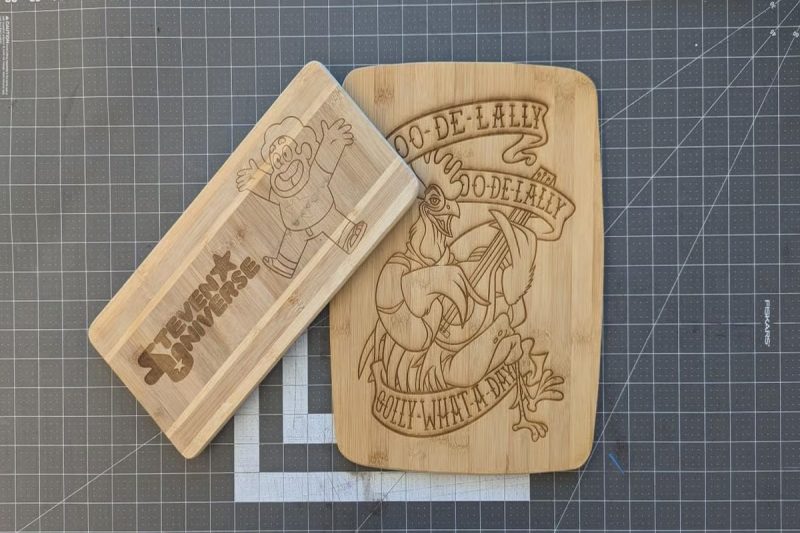
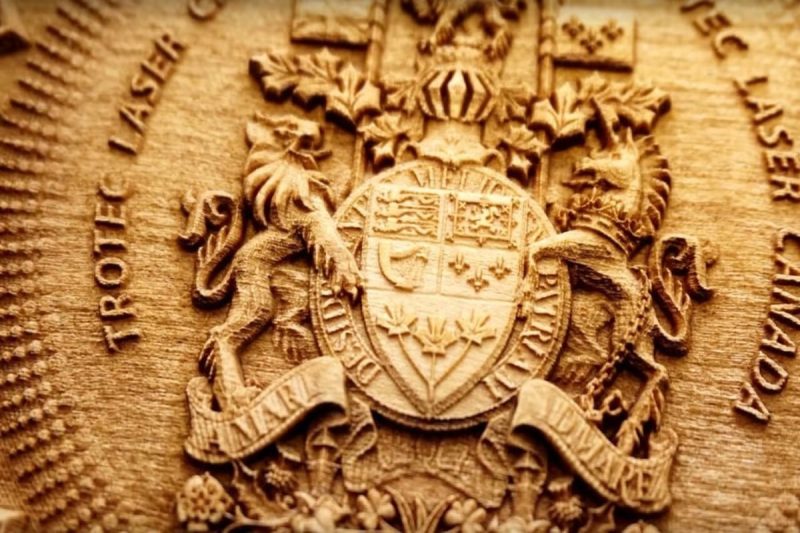
Three-dimensional engraving uses variable power or speed across the scanned area to produce engraved features with varying depths, creating sculptural, topographic, or relief effects in the workpiece surface. This technique is used for artistic and decorative applications in wood, acrylic, glass, and stone, as well as for the production of embossing rollers and textured tooling surfaces in industrial manufacturing.
Common Materials for Laser Engraving
Laser engraving is highly versatile in terms of material compatibility, though the optimal laser type and parameters vary significantly by material. Wood, MDF, and bamboo engrave readily with CO2 laser generators, producing clean, visually striking results with excellent depth definition. Acrylic and other clear plastics engrave well with CO2 generators, with the engraved surface taking on a frosted appearance that contrasts with the surrounding clear material. Leather, stone, glass, and ceramics are all engraved commercially with CO2 laser generators. Metals — particularly hard metals such as tool steel, stainless steel, and aluminum — are engraved using fiber laser generators or high-power CO2 systems, with fiber laser generators generally preferred for their superior energy coupling efficiency with metallic substrates.
Laser engraving physically removes material from the workpiece surface through vaporization, creating a depression or cavity that is both visually and tactilely distinct from the surrounding area. Available in surface, deep, and three-dimensional variants, laser engraving is a highly versatile material-removal process suited to a broad range of materials and applications. Its defining characteristic — the physical reshaping of the workpiece surface is both its primary advantage in applications requiring tactile relief and depth, and its primary limitation in applications where dimensional integrity or surface smoothness at the processing location must be preserved.
Key Differences Between Laser Marking and Laser Engraving
Having established how each process works individually, it is possible to compare laser marking and laser engraving directly across the dimensions that matter most in practical application selection. The differences between the two processes are not merely technical details — they have direct implications for material selection, equipment requirements, production speed, regulatory compliance, and total cost of ownership. This section provides a structured comparison across the five most consequential dimensions.
Material Removal vs. Surface Alteration
The most fundamental distinction between laser marking and laser engraving is whether the process removes material from the workpiece or leaves the surface geometry intact. Laser engraving removes material — this is non-negotiable and definitional. Laser marking does not remove material in any functionally significant quantity — the surface remains dimensionally unchanged after marking, even though its optical and sometimes microstructural properties have been altered.
This distinction has immediate practical consequences. For precision mechanical components where dimensional tolerances are tight and the marking location is on a functional surface — a bearing seat, a sealing face, a threaded region — laser marking is the appropriate technique because it does not alter the surface geometry. Laser engraving on such surfaces would introduce stress concentrations, surface finish degradation, and dimensional changes that could compromise the component’s mechanical function. Conversely, for applications where the tactile presence of a mark is required — a grip texture on a tool handle, a raised logo on a consumer product, a depth-readable graduation on a measurement instrument — laser engraving’s material removal is not a limitation but a requirement.
Depth and Permanence
Laser engraving produces marks of measurable, controllable physical depth — from a few tens of micrometers for shallow surface engravings to several millimeters for deep engraving applications. This depth makes engraved marks highly resistant to surface wear: because the mark exists as a physical depression in the substrate rather than as a surface modification, it cannot be polished, abraded, or chemically stripped away without removing a corresponding depth of substrate material. Engraved marks on hard metals can persist through the entire operational life of the component under demanding surface wear conditions.
Laser marking produces marks that exist at or immediately below the material surface, with no physical depth that would confer wear resistance through relief. The durability of laser marks varies by marking technique and material. Annealing marks on steel and titanium are extremely durable because the color change is produced by a sub-surface oxidation reaction that is integral to the material rather than a surface deposit. Carbonization marks on plastics are also durable under normal handling, but can degrade under abrasive conditions or prolonged chemical exposure. Where extreme surface wear resistance is required — such as on tooling, dies, or components subject to abrasive contact — laser engraving typically provides superior long-term mark retention.
Speed and Efficiency
Laser marking is generally significantly faster than laser engraving for equivalent mark areas, because it requires only enough laser energy to trigger the surface reaction rather than the much higher energy density required to vaporize material. High-speed industrial laser marking systems — particularly fiber laser generators used for metal part identification — can mark a complex data matrix code containing a unique serial number in fractions of a second, enabling in-line marking at production line speeds. This speed advantage makes laser marking the dominant technique for high-throughput traceability and identification applications in automotive, electronics, and aerospace manufacturing.
Laser engraving, particularly deep engraving or area-fill engraving over broad surfaces, is substantially more time-intensive because of the energy required to remove material and the multiple passes that deep engraving typically requires. Surface engraving of simple text or logos is relatively fast and competitive with laser marking in many applications, but area-fill engraving, photographic engraving, and three-dimensional engraving at significant depths can require processing times measured in minutes or tens of minutes per part. For high-volume production environments where cycle time is a critical economic variable, this speed difference is a significant factor in process selection.
Surface Finish and Aesthetics
The aesthetic character of laser marking and laser engraving is distinctly different, and for applications where appearance is a primary consideration — consumer products, luxury goods, awards, architectural elements — the aesthetic difference betweenthe two processes may be as important as any technical distinction. Laser marking produces a surface-level change in color or reflectivity that is visually clear but physically flush with the surrounding material. The overall surface finish of the workpiece is preserved, and the mark integrates smoothly with the surrounding area. This produces a refined, clean aesthetic that is well-suited to precision instruments, medical devices, and premium consumer products where surface continuity is a design value.
Laser engraving produces a physically recessed mark that creates a three-dimensional visual effect through shadow and depth. The engraved surface typically has a different texture and reflectivity from the surrounding material, creating a strong visual contrast that can be further enhanced by filling the engraved depression with paint, pigment, or contrasting material. This tactile, three-dimensional quality gives engraved marks a premium, handcrafted aesthetic that is particularly valued in personalized gifts, awards, jewelry, and high-end branding applications.
Equipment and Parameter Requirements
The equipment and parameter requirements for laser marking and laser engraving overlap significantly, and many laser systems are capable of performing both processes — the distinction lies primarily in the operating parameters applied to the laser generator rather than in entirely different machine architectures. However, there are meaningful differences in the typical equipment configurations optimized for each process.
Laser marking — particularly annealing and color marking on metals — is most effectively performed with fiber laser generators, which operate at approximately 1,064 nm and couple energy into metallic substrates with high efficiency. Nanosecond-pulsed fiber laser generators are the dominant platform for industrial metal marking, offering the combination of high peak power, short pulse duration, and excellent beam quality needed to produce fine, high-contrast marks at production speed. CO2 laser generators are better suited to marking organic and polymeric materials through carbonization and foaming mechanisms.
Laser engraving requires higher average power delivery for material removal and can be performed effectively with CO2 laser generators on non-metallic materials — wood, acrylic, leather, stone — and with fiber laser generators on metallic substrates. Deep metal engraving demands high peak power and may require specialized picosecond or femtosecond laser generators for the highest quality results on hard materials.
Laser marking and laser engraving differ fundamentally in whether they remove material from the workpiece surface. This primary distinction cascades into meaningful differences in depth and wear resistance, processing speed, surface aesthetics, and equipment requirements. Laser marking preserves surface geometry, operates at higher speed, and produces a flush, refined aesthetic — making it optimal for high-throughput identification, traceability, and precision component marking. Laser engraving removes material to create physically recessed marks with superior wear resistance and three-dimensional visual character — making it optimal for deep, durable, and aesthetically rich applications. Understanding these differences clearly is the prerequisite for selecting the right process.
Laser Marking: Advantages, Limitations, and Applications
Having established what laser marking is and how it differs from laser engraving, it is useful to examine the advantages and limitations of laser marking in detail — and to map those characteristics to the specific industries and application contexts where laser marking delivers its greatest value. This section provides that analysis, offering a basis for evaluating whether laser marking is the right process for a given requirement.
Advantages of Laser Marking
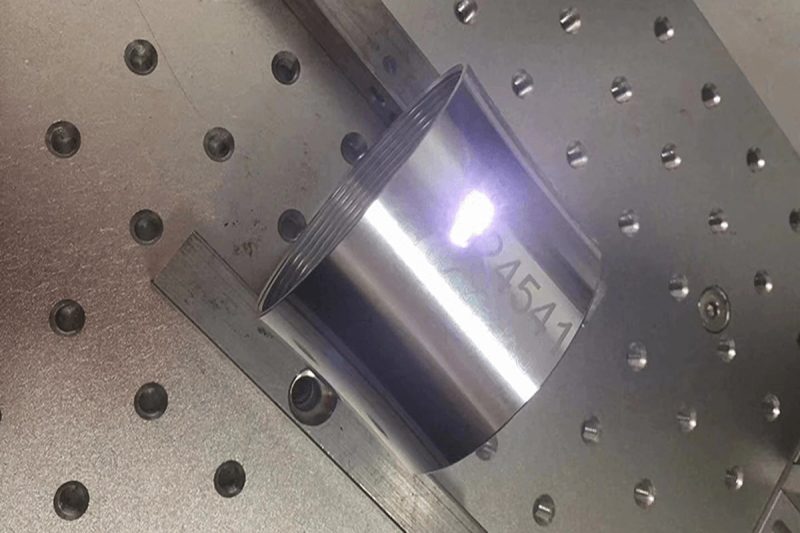
The most significant advantage of laser marking is its ability to produce permanent, high-resolution marks on precision components without altering their dimensional or surface integrity. Because no material is removed, laser marking can be applied to finished components — components that have already been machined, ground, polished, or coated to final specification — without risk of introducing dimensional changes, stress concentrations, or surface finish degradation at the mark location. This non-destructive character is what makes laser marking the standard identification technique for precision-engineered components in aerospace, medical, and defense industries.
Speed is a second major advantage of laser marking over laser engraving in high-throughput industrial applications. Modern fiber laser marking systems can process parts at rates of hundreds or thousands per hour, with mark quality and content programmable from part to part without any changeover time. This makes laser marking compatible with automated production line integration in a way that slower engraving processes are not. The absence of consumables — no inks, no chemical reagents, no physical dies or stamps — further reduces operating cost and eliminates supply chain dependencies that interrupt production.
The regulatory compliance advantages of laser marking are also significant in specific industries. Annealing marks on stainless steel and titanium medical devices preserve the corrosion resistance of the base material at the mark location — a requirement of medical device regulations in many jurisdictions. Smooth, flush laser marks on food-contact components do not create surface discontinuities that could trap contaminants — an important hygienic advantage. And the permanence and machine-readability of laser-marked barcodes and data matrix codes support the traceability requirements of quality management systems in automotive, aerospace, and electronics manufacturing.
Limitations of Laser Marking
The primary limitation of laser marking is that its effectiveness is highly material-dependent. Not all materials respond to laser marking mechanisms with sufficient contrast to produce clearly legible marks. Clear or light-colored plastics may not produce adequate contrast through carbonization or foaming. Some metals do not develop useful annealing color shifts under CO2 or standard fiber laser wavelengths. Materials that have not been designed or specified for laser markability may require extensive parameter development — or may simply not be suitable for laser marking regardless of parameter optimization.
Laser marking also produces marks that, while permanent under normal service conditions, have less physical depth than engraved marks and therefore less inherent resistance to severe abrasive wear. In applications where the marked surface is subject to heavy mechanical contact — sliding wear, grit blasting, or aggressive cleaning — laser-marked identifiers may degrade more quickly than engraved alternatives. For traceability applications on components that will experience extreme surface wear conditions throughout their service life, deep engraving may provide superior long-term mark retention.
Ideal Applications and Industries
Industrial part traceability and identification is the dominant application for laser marking globally. Automotive manufacturers use laser marking to apply unique identifiers, assembly codes, and regulatory compliance marks to engine components, transmission parts, and safety-critical assemblies at production line speeds. Aerospace manufacturers mark components with serial numbers, part numbers, and inspection stamps that must remain legible throughout the operational life of the aircraft. Electronics manufacturers mark circuit boards, connectors, and housings with production data, compliance marks, and sequential identifiers.
Medical device manufacturing relies heavily on laser marking — specifically annealing marking on stainless steel and titanium — to apply unique device identification (UDI) codes, lot numbers, and manufacturer marks to surgical instruments, implants, and diagnostic equipment. The combination of permanence, surface integrity preservation, and compliance with sterilization processes makes laser annealing the technically mandated solution for this application category. Tool and die manufacturing uses laser marking to identify tooling inventory and apply hardness, grade, and dimensional specifications to tool bodies.
Laser marking delivers outstanding advantages in speed, non-destructive surface preservation, regulatory compliance, and integration with automated production environments. Its primary limitations — material dependence and reduced resistance to extreme abrasive wear — are real but apply to a relatively narrow range of application scenarios. For high-volume industrial identification, precision component traceability, and regulatory compliance marking, laser marking is the technically superior and economically compelling choice.
Laser Engraving: Advantages, Limitations, and Applications
Laser engraving occupies a distinct and complementary position relative to laser marking in the laser processing landscape. Its material-removal mechanism gives it capabilities and application strengths that laser marking cannot replicate, while also introducing constraints and considerations that do not apply to non-material-removal processes. This section examines those advantages and limitations in detail and maps them to the industries and applications where laser engraving delivers its greatest value.
Advantages of Laser Engraving
The defining advantage of laser engraving is the physical depth and tactile presence of the marks it produces. Engraved marks exist as real physical depressions in the workpiece surface, and this geometry gives them properties that surface-level laser marks fundamentally cannot match. The most important of these properties is wear resistance: because the mark is recessed below the surrounding surface, it is protected from the abrasive contact that progressively degrades surface-level modifications. Engraved marks on hard metal surfaces can outlast the operational life of the component under demanding wear conditions — a critical requirement for tooling, molds, and components that experience heavy service.
The three-dimensional aesthetic quality of laser engraving is a second major advantage for applications where visual and tactile richness are design objectives. Engraved logos, text, and decorative patterns on wood, acrylic, glass, leather, and metal convey a quality and craftsmanship impression that printed or surface-marked equivalents cannot replicate. The ability to vary engraving depth to produce sculptural relief effects extends this aesthetic capability into genuinely artistic territory — a capability that laser marking cannot approach. For personalized consumer products, luxury branding, awards, and architectural elements, the aesthetic character of laser engraving is often the primary selection criterion.
Laser engraving is also more forgiving of material variability than laser marking in terms of contrast generation. Because the contrast between an engraved feature and the surrounding surface is produced by the geometric depression itself — through shadow, texture difference, and depth — rather than by a specific photochemical or thermal reaction, it is achievable across a much broader range of material types and surface conditions. Materials that do not respond adequately to laser marking mechanisms can often be engraved to produce clearly legible, high-contrast results.
Limitations of Laser Engraving
The most significant limitation of laser engraving is the dimensional impact it has on the workpiece. Material removal changes the surface geometry of the part, and on precision components — particularly those with tight dimensional tolerances or functional surface finish requirements — this may be unacceptable. The thermal energy deposited during engraving can also introduce residual stress in the heat-affected zone surrounding the engraved feature, which may affect fatigue performance in cyclically loaded components. For these reasons, laser engraving is not appropriate for use on functional precision surfaces of safety-critical components.
Processing speed is a second significant limitation, particularly for deep engraving or large-area fill engraving. Deep metal engraving requires multiple passes at high power, and the time required to remove sufficient material volume increases non-linearly with depth. Large-area photographic or decorative engravings on wood or acrylic may require processing times of many minutes per piece. In high-volume production environments where cycle time is a critical variable, this speed disadvantage relative to laser marking must be carefully weighed against the application requirements that necessitate engraving.
The consumable and maintenance implications of material removal are also relevant. Vaporized and ablated material must be captured and filtered by the fume extraction system, which places greater demands on filter capacity and maintenance frequency than the lower-fume output of laser marking operations. High-power deep engraving operations can generate significant particulate loads that accelerate filter saturation and increase the frequency of filter replacement and system cleaning.
Ideal Applications and Industries
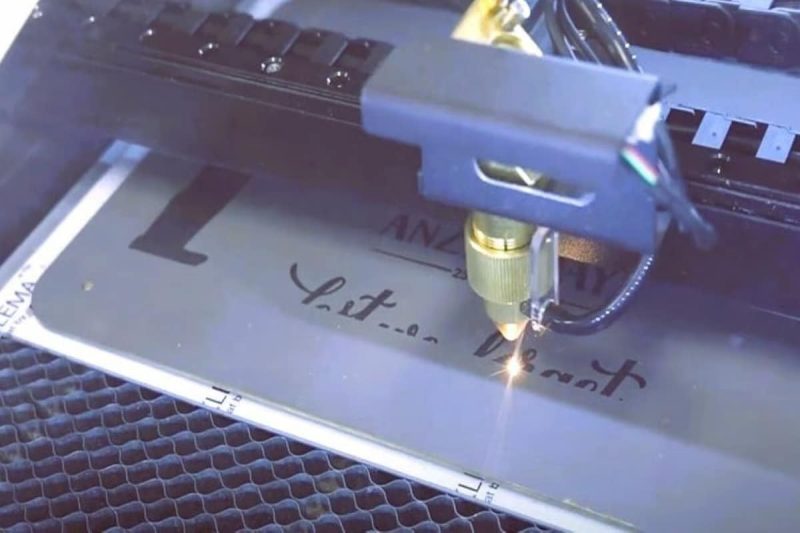
Personalization and gift manufacturing is one of the largest application domains for laser engraving, encompassing the production of customized trophies, awards, plaques, gifts, and commemorative items in wood, acrylic, glass, leather, metal, and stone. The ability to engrave unique text, names, dates, images, and logos onto each item without tooling changeover makes laser engraving the enabling technology for the rapidly growing personalized products market. Jewelry manufacturing uses laser engraving to apply inscriptions, hallmarks, and decorative surface textures to precious metals and gemstone settings with a precision and consistency that hand engraving cannot match at production scale.
Mold and die manufacturing relies on laser engraving — and particularly deep laser engraving and laser texturing — to produce cavity surfaces, texture patterns, and identifying marks on injection molds, stamping dies, and forming tools. The ability to produce complex three-dimensional surface textures directly from digital files, without the multiple manual steps of conventional mold texturing, has made laser engraving a transformative technology in this application area. Signage and display fabrication uses laser engraving to produce dimensional letters, logos, and decorative elements in wood, acrylic, and foam materials. Architecture and interior design manufacturing uses laser engraving to produce decorative panels, screens, and surface textures in wood, stone, and metal.
Laser engraving delivers outstanding advantages in physical depth and wear resistance, three-dimensional aesthetic quality, and material-agnostic contrast generation. Its primary limitations — dimensional impact on the workpiece, reduced processing speed for deep or area-fill operations, and greater fume extraction demands — are genuine constraints that must be evaluated against application requirements. For personalization, decorative fabrication, mold texturing, and applications where mark depth and tactile character are valued, laser engraving is clearly an appropriate process choice.
How to Choose Between Laser Marking and Laser Engraving
The preceding analysis provides the technical and application foundation for a practical decision framework. This section translates that foundation into specific guidance on how to select between laser marking and laser engraving based on three key dimensions: the material being processed, the functional and regulatory requirements of the application, and the production environment in which the process will operate. Working through these three dimensions systematically will identify the appropriate process for the great majority of real-world applications.
Choosing Based on Material
Material type is often the first and most constraining selection criterion. For metals — particularly steel, stainless steel, titanium, and aluminum — both laser marking and laser engraving are technically feasible, and the choice between them is driven by functional requirements rather than material constraints. For non-metallic materials such as wood, acrylic, leather, glass, stone, and most plastics, laser engraving is generally the more practical and visually effective technique, because the contrast it produces through material removal is reliable and material-independent, whereas laser marking on these materials may require specific reactions that not all material formulations support consistently.
For plastics specifically, material composition is a critical factor. Engineering plastics designed with laser-additive compounds — such as laser-markable grades of ABS, polycarbonate, and polyamide — produce excellent contrast through carbonization or foaming marking mechanisms. Plastics without these additives may produce inadequate marking contrast, in which case laser engraving provides a more reliable route to legible, permanent marks. For rubber, foam, and other compliant materials where a physical depression is undesirable, laser marking through carbonization may be preferable if the material is compatible with the marking mechanism.
Choosing Based on Application Requirements
Functional and regulatory requirements are often the decisive selection criteria for industrial and commercial laser processing applications. If dimensional integrity at the marking location must be preserved — because the surface is precision-ground, because a sealing function depends on surface flatness, or because regulatory requirements specify non-destructive marking — laser marking is mandated, and laser engraving is excluded regardless of other considerations. This is the standard in medical device manufacturing, aerospace component identification, and precision instrument marking.
If mark wear resistance under severe service conditions is required — because the component will experience abrasive contact, chemical exposure, or repeated mechanical handling throughout its service life — laser engraving’s physical depth provides inherently superior durability that surface-level laser marking cannot match. If high throughput and integration with automated production lines are required — because the application is high-volume part identification at production line speeds — the speed advantage of laser marking makes it the practical choice even where engraving would be technically feasible. If three-dimensional visual character, tactile presence, or sculptural depth are design objectives — in personalized products, luxury goods, awards, or decorative architectural applications — laser engraving is the appropriate technique because laser marking cannot produce these qualities.
Choosing Based on Production Environment
The production environment — including available equipment, production volumes, cycle time requirements, and operator skill level — also influences process selection in practice. Many facilities operating laser processing equipment are equipped with systems capable of performing both laser marking and laser engraving through parameter adjustment rather than equipment change. In these environments, the choice between marking and engraving is a parameter-level decision made per job, and operators need the skill and knowledge to configure the system correctly for each requirement.
For facilities evaluating new laser equipment, the anticipated mix of marking and engraving requirements should drive the equipment specification. A facility primarily focused on metal part traceability and identification will be best served by a high-speed fiber laser marking system optimized for that application. A facility primarily producing personalized consumer products and decorative items in wood and acrylic will be best served by a CO2 laser engraving system optimized for non-metallic materials. A facility with a genuine mixed requirement — both industrial metal marking and decorative non-metal engraving — may benefit from investing in both system types or in a versatile hybrid platform that can accommodate both laser generators.
Choosing between laser marking and laser engraving requires working through material compatibility, functional and regulatory requirements, and production environment constraints in sequence. Material type narrows the feasible options. Application requirements — dimensional integrity preservation, wear resistance, throughput, or aesthetic character — typically identify the clearly superior process for the specific use case. Production environment considerations — available equipment, volume requirements, and operator capabilities — determine how that process choice is practically implemented. Approaching the decision systematically through these three lenses will consistently identify the right process for the vast majority of applications.
Conclusion
This article has provided a comprehensive examination of laser marking and laser engraving — covering how each process works, the key dimensions on which they differ, their respective advantages and limitations, the applications where each delivers its greatest value, and a practical framework for choosing between them.
The fundamental distinction between the two processes — that laser marking alters the material surface without removing material, while laser engraving removes material to create a physical depression — is the root from which all other differences follow. Laser marking preserves dimensional and surface integrity, operates at higher production speeds, and satisfies the regulatory and functional requirements of precision industrial component identification. It is the dominant technique for traceability, compliance marking, and high-throughput part identification across automotive, aerospace, electronics, and medical device manufacturing. Laser engraving creates physically recessed marks with superior wear resistance and three-dimensional visual and tactile character. It is the preferred technique for personalized consumer products, decorative fabrication, mold texturing, signage, and applications where depth, durability under abrasive conditions, and aesthetic richness are defining requirements.
Neither process is universally superior — each occupies a distinct and well-defined application niche where it outperforms the other on the criteria that matter most. Laser marking wins on speed, surface preservation, and regulatory compliance. Laser engraving wins on depth, wear resistance, tactile character, and aesthetic versatility. The choice between them is a function of material type, functional requirements, and production environment, and approaching that choice systematically — as this article has outlined — leads consistently to the right decision. For facilities evaluating laser processing equipment, understanding this distinction clearly is the essential foundation for specifying the right system, configuring it appropriately, and extracting the full value that laser processing technology can deliver.
Get a Laser Solution
Understanding the technical distinctions between laser marking and laser engraving is the analytical foundation for a sound process and equipment decision — but translating that understanding into the right system specification for a specific application and production environment benefits greatly from working with a supplier who combines deep product knowledge with genuine application expertise across both process categories.
AccTek Laser is a professional laser machine manufacturer with extensive experience serving industrial and commercial customers across the full spectrum of laser marking and engraving applications. Its product portfolio encompasses fiber laser marking machines optimized for high-speed industrial metal marking and traceability applications, CO2 laser engraving and cutting machines suited to non-metallic materials across a wide range of working areas and power levels, and UV laser systems for precision marking of heat-sensitive materials and fine electronics components. Customization in laser generator type, output power, working area, motion system configuration, and control software interface is available to match the system precisely to the material portfolio, throughput requirements, and integration environment of each customer. The full-lifecycle service framework covers pre-sales application consultation and process selection guidance, professional installation and commissioning, comprehensive operator training, competitive spare parts supply, and responsive after-sales technical support — providing the complete partnership needed to turn the right technology choice into sustained production performance and measurable return on investment.

Contact information
- [email protected]
- [email protected]
- +86-19963414011
- No. 3 Zone A, Lunzhen Industrial Zone,Yucheng City , Shandong Province.
Get Laser Solutions