

















Laser Cleaning Machine Maintenance & Operating Costs: A Complete Overview
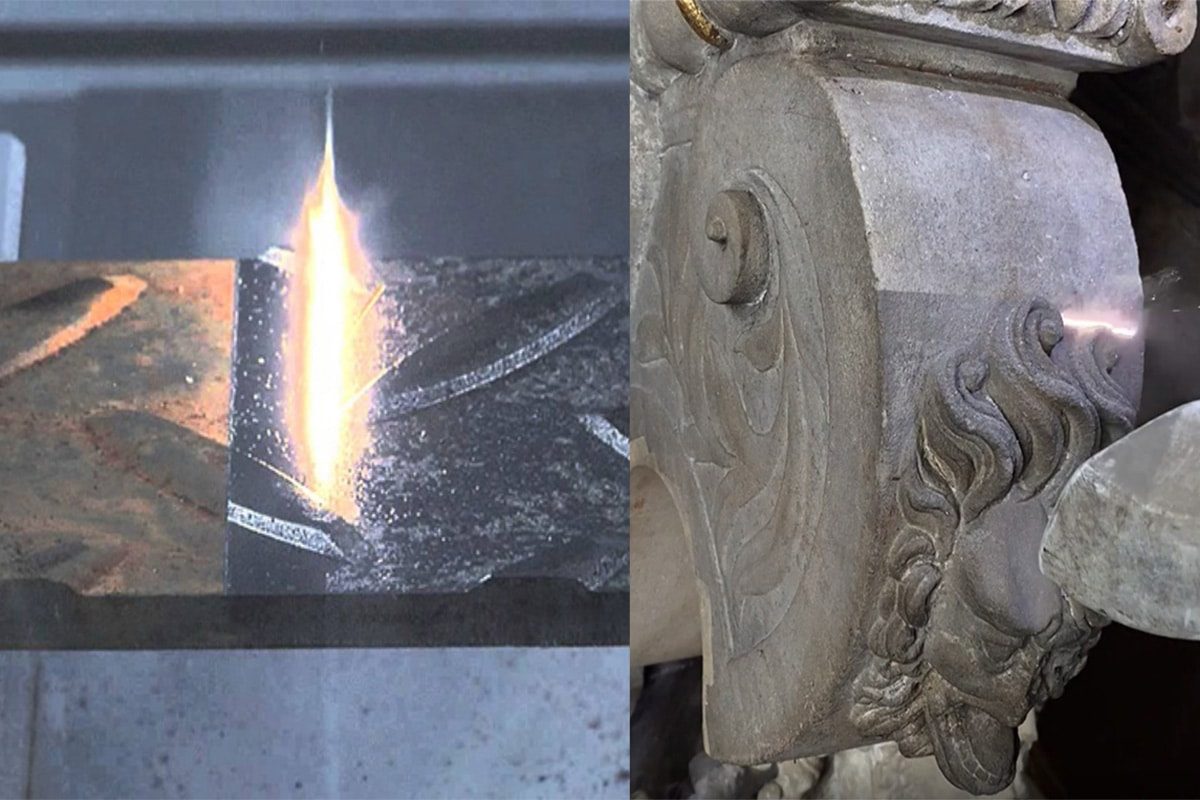
Laser cleaning has earned its place as one of the most technologically advanced and environmentally responsible surface treatment methods available in modern industry. By using the focused output of a laser generator to ablate rust, paint, oxides, grease, and other contaminants from surfaces without physical contact, chemical reagents, or abrasive media, it delivers a quality and precision of cleaning that conventional methods cannot replicate. Industries as diverse as automotive manufacturing, aerospace maintenance, shipbuilding, metal fabrication, mold production, and cultural heritage conservation have adopted laser cleaning as a preferred solution — drawn by its speed, selectivity, repeatability, and minimal environmental footprint.
Yet for all its technical elegance, a laser cleaning machine is a significant capital investment, and the decision to acquire one should be based on a full understanding of what it costs to own and operate over its working life — not just what it costs to purchase. This distinction matters enormously. A machine priced competitively at acquisition may carry unexpectedly high energy bills, frequent optical component replacements, demanding cooling system maintenance, and costly unplanned repairs that erode its economic advantage. Conversely, a machine that appears expensive at purchase may prove to be the lower-cost option over five or ten years of operation, thanks to a more efficient laser generator, better optical protection design, longer component service lives, and superior after-sales support that minimizes downtime.
Understanding the full operating cost picture is not just a financial exercise — it is a prerequisite for making the right equipment choice, planning the right maintenance program, staffing the operation appropriately, and setting realistic expectations for the return on investment that laser cleaning delivers relative to the methods it replaces.
This article provides a comprehensive, structured guide to the maintenance and operating costs of laser cleaning machines. It examines each cost category in turn — routine maintenance, energy consumption, consumables, labor and training, and unplanned repair costs — before comparing the overall economics of laser cleaning with those of competing methods, and concluding with practical guidance on how to minimize costs through intelligent equipment selection, disciplined maintenance practices, and the right supplier relationship. Whether evaluating a first laser cleaning machine purchase or seeking to optimize the cost performance of an existing system, this article provides the financial clarity needed to make well-informed decisions.
Table of Contents
Understanding Laser Cleaning Machine Operating Costs
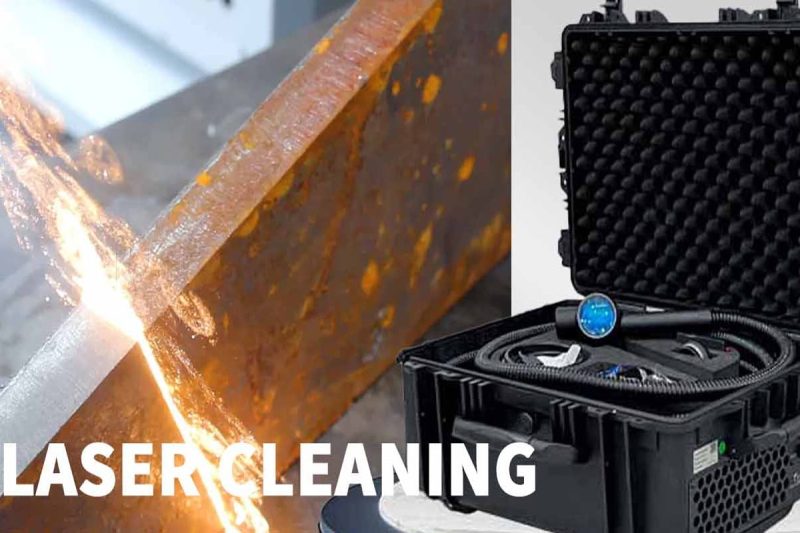
Before examining individual cost categories, it is useful to establish a conceptual framework for thinking about laser cleaning machine operating costs as a whole. This section explains why operating costs deserve at least as much attention as purchase price, and introduces the two fundamental cost categories — capital costs and ongoing operating costs — that together define the true economics of laser cleaning ownership.
Why Operating Costs Matter Beyond Purchase Price
The purchase price of a laser cleaning machine is a one-time outlay that is straightforward to compare between competing machines and suppliers. Operating costs, by contrast, accumulate month after month and year after year throughout the machine’s working life, and for capital equipment with service lives of five to ten years or more, they can easily exceed the original purchase price in total. A machine that costs $30,000 to purchase but incurs $8,000 per year in energy, maintenance, and consumable costs will cost $110,000 over ten years of operation. A machine that costs $40,000 to purchase but reduces annual operating costs to $5,000 through better energy efficiency and longer component service lives will cost only $90,000 over the same period — a $20,000 saving despite the higher upfront price.
This total cost of ownership (TCO) perspective transforms the equipment selection calculus in ways that purely price-focused comparisons miss entirely. It also shapes maintenance decisions: skipping a $200 routine maintenance task to save time is a poor decision if it accelerates the wear of a $3,000 optical component or triggers a $15,000 unplanned laser generator repair. Understanding operating costs in their full scope is therefore not simply useful background information — it is actionable intelligence that drives better decisions at every stage of the equipment lifecycle.
Overview of the Two Main Cost Categories
Laser cleaning machine costs are divided into two broad categories. Capital costs are the upfront or infrequent large expenditures: the machine purchase price, installation and commissioning costs, initial operator training, and the periodic replacement of major components such as laser generator pump diodes that occur on multi-year cycles. Ongoing operating costs are the recurring expenditures that accumulate through regular use: electricity, optical consumables, cooling system maintenance materials, fume extraction filters, labor for routine inspection and maintenance, and the cost of unplanned repairs and downtime. In a well-maintained, appropriately specified laser cleaning system, the ongoing operating costs are substantially lower than those of the abrasive, chemical, and water-jet methods it typically replaces — but they are not negligible, and they must be estimated and managed actively rather than discovered reactively.
The true cost of a laser cleaning machine is the sum of its purchase price and all operating costs over its working life. Evaluating machines and managing them on a total cost of ownership basis — rather than focusing on purchase price or individual cost events in isolation — consistently produces better financial outcomes and more reliable production performance.
Routine Maintenance Costs
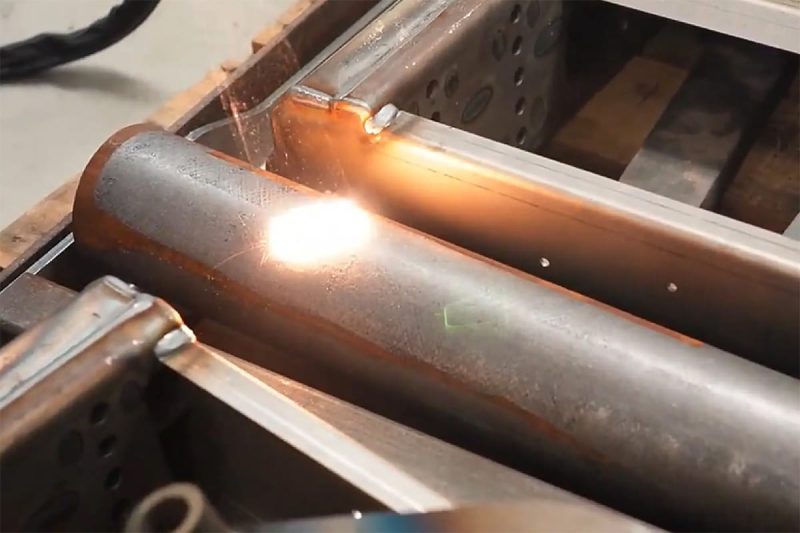
Routine maintenance is the foundation of laser cleaning machine cost control. Performed consistently and correctly, it prevents the premature failure of expensive components, sustains cleaning performance at its specified level, and avoids the far higher costs of reactive repair. This section examines the four principal areas of routine maintenance — optical components, cooling system, mechanical systems, and the laser generator itself — along with the typical costs and intervals associated with each.
Optical Component Maintenance
Protective Windows
The protective window, positioned at the bottom of the cutting head between the focusing optic and the workpiece, is the optical component most directly exposed to the fumes, spatter, and vaporized contaminant generated during laser cleaning. Even with an effective coaxial or cross-flow assist gas, some contamination reaches and deposits on the protective window surface during every cleaning cycle. As the window accumulates contamination, it absorbs an increasing fraction of the transmitted laser energy — heating up, potentially cracking under thermal stress, and reducing the effective laser power reaching the workpiece. A degraded protective window directly reduces cleaning speed and quality, and if allowed to fail catastrophically, can deposit debris onto the focusing lens above it, causing collateral optical damage that is significantly more expensive to repair.
Protective windows should be inspected at the beginning of every shift and cleaned or replaced whenever visible contamination is detected. The cost of a replacement protective window is modest — typically in the range of $20 to $80 per unit, depending on the machine model — but the replacement frequency can be high in demanding production environments where fume levels are elevated. Budgeting for protective window replacement as a routine consumable, rather than treating it as an unexpected expense, is an essential element of operating cost planning.
Focusing Lenses and Scan Mirrors
The focusing lens and scan mirrors are protected by the window and therefore experience contamination at a much lower rate, but they are not immune to degradation. Thermal cycling — the repeated heating and cooling that accompanies each production session — gradually stresses the optical coatings, and any protective window failure that allows contaminated debris to reach these components can cause damage that requires their replacement. Focusing lenses typically need replacement every one to three years in continuous production use, at a cost ranging from $150 to $600, depending on the optical specification and machine model. Scan mirror replacement is less frequent but more expensive when required, as the galvanometer-mounted mirror assemblies in the scan head are precision components whose misalignment directly affects cleaning pattern geometry and uniformity.
Cooling System Maintenance
Air-Cooled Systems
Air-cooled laser cleaning machines — typically those with laser generator outputs up to approximately 1,500 W — require the simplest cooling system maintenance. The primary maintenance task is periodic cleaning of the fan filter pads and heatsink fins to prevent dust and debris accumulation from restricting airflow. In clean production environments, filter cleaning every one to four weeks is typical; in dusty facilities, weekly or even more frequent cleaning may be necessary. Neglecting this task allows component temperatures to rise gradually, reducing laser generator efficiency, accelerating thermal degradation of electronic components, and potentially triggering thermal protection shutdowns that interrupt production. The cost of this maintenance is minimal — filter pads are inexpensive and the time required is measured in minutes — but the discipline of performing it consistently delivers disproportionate returns in equipment reliability.
Water-Cooled and Chiller Systems
Higher-power laser cleaning machines — those above approximately 1,500 W — require liquid cooling, either through a simple water circuit with a radiator-based heat exchanger or through a dedicated industrial chiller that maintains a precisely controlled coolant temperature. Water-cooled systems require monthly monitoring of coolant electrical conductivity and pH, with action taken when conductivity rises above the manufacturer’s specified maximum — typically 50 to 200 µS/cm. Complete coolant drain-and-refill is recommended every six to twelve months to prevent biological growth and the accumulation of corrosion products that increase thermal resistance within the laser generator’s internal passages. Deionizing filter cartridges, which maintain coolant purity by removing dissolved ions, must be replaced when their capacity is exhausted; the cost per cartridge is typically $30 to $80, and replacement frequency depends on the initial water quality and volume of the circuit.
Chiller-cooled systems add the maintenance requirements of the refrigerant circuit: annual condenser coil cleaning to maintain heat rejection capacity, periodic refrigerant charge verification, and compressor service at the intervals specified by the chiller manufacturer. In many jurisdictions, refrigerant handling requires certified technicians, adding a credential and labor cost dimension that should be budgeted accordingly.
Mechanical and Structural Maintenance
Motion Systems and Cables
In portable and automated laser cleaning systems, the mechanical motion components — linear guides, drive screws, articulated robot joints, cable carriers, and drag chains — require periodic lubrication and inspection to maintain positioning accuracy and prevent premature wear. The fiber optic cable connecting the laser generator to the scan head is particularly important: excessive bending, kinking, or abrasion can cause fiber damage that degrades beam quality and, in severe cases, requires expensive fiber replacement. Cable management — ensuring that cables follow their designed routing paths and are not subjected to bend radii tighter than specified — is a maintenance discipline with a large return on investment relative to its cost.
Housing, Seals, and Connectors
The machine’s external housing, panel seals, and electrical and gas connectors should be inspected periodically for physical damage, corrosion, and seal integrity. Damaged seals allow contaminated air to enter the machine enclosure, accelerating the fouling of internal optical and electronic components. Corroded or loose electrical connectors introduce resistance that can cause overheating and intermittent faults. These inspections are low-cost in time and materials but valuable in preventing the secondary damage that results from allowing minor deterioration to progress unaddressed.
Laser Generator Maintenance
Pump Diode Lifespan and Replacement
In fiber laser generators — the dominant technology in modern laser cleaning machines — the pump diodes that excite the gain fiber are the most critical and expensive life-limited components. Pump diodes in high-quality fiber laser generators are typically rated for 100,000 hours of operation under specified conditions, but their actual service life depends significantly on operating temperature, drive current, and duty cycle. When pump diodes approach the end of their service life, laser generator output power begins to decline, cleaning performance deteriorates, and eventually the machine can no longer achieve the specified cleaning speed or depth. Pump diode replacement — performed either as a scheduled preventive measure at or before the rated hour threshold, or reactively after failure — is a significant cost event. Depending on the laser generator power level and the number of diode modules involved, pump diode replacement can cost anywhere from $2,000 to $15,000 or more. Planning for this cost in long-term budgets, rather than being caught by surprise, is an important element of total cost of ownership management.
Fiber and Resonator Checks
Beyond pump diodes, the gain fiber, resonator mirrors, and beam path components of the laser generator require periodic inspection to verify that beam quality, output power, and mode stability remain within specification. These checks are typically performed by the manufacturer’s service engineers during scheduled preventive maintenance visits, which may be annual or biennial depending on the laser generator’s operating hours and the manufacturer’s recommended service interval. The cost of a preventive maintenance service visit — covering inspection, cleaning, and minor adjustments — typically ranges from $500 to $2,000 depending on travel, the scope of work, and whether parts replacement is required.
Routine maintenance costs for a laser cleaning machine encompass optical component inspection and replacement, cooling system fluid management and filter replacement, mechanical system lubrication and cable inspection, and laser generator preventive service. In aggregate, these costs typically range from $1,500 to $6,000 per year for mid-range systems in continuous production use, varying with power level, duty cycle, and the cleanliness of the production environment. Consistent execution of the preventive maintenance program is the single most cost-effective investment available to the laser cleaning machine operator.
Energy Consumption Costs
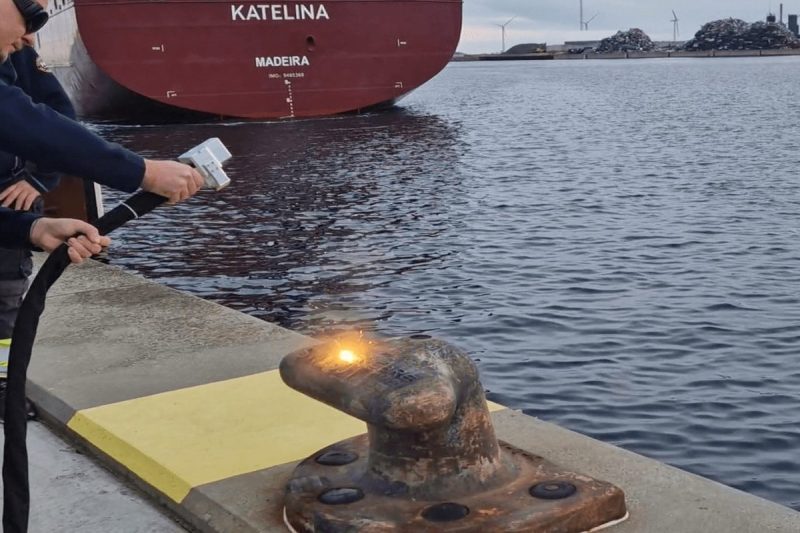
Electrical energy consumption is a significant and recurring operating cost for laser cleaning machines, particularly at higher power levels and high duty cycles. Unlike consumable costs, which are discretionary to some degree, energy costs are incurred every hour the machine operates. Estimating and managing them accurately is therefore an important element of operating cost control.
How Power Rating Affects Electricity Bills
The energy consumed by a laser cleaning machine during operation includes not only the laser generator’s output power but also the electrical losses in converting input power to laser light, the power consumed by the cooling system, the motion system drives, and the control electronics. The wall-plug efficiency of a fiber laser generator — the ratio of optical output to electrical input — is typically 30 to 45 percent. This means that a machine with a 2,000 W laser generator output requires approximately 4,500 to 6,700 W of electrical input to the laser generator alone, before accounting for cooling and motion system loads. A 500 W pulsed laser cleaning machine, for example, consumes approximately 2.5 kW of total electrical power during operation. For larger systems with water-cooled or chiller-cooled laser generators at 3,000 W to 6,000 W output, total system electrical consumption during active cleaning can reach 10 to 20 kW or more.
Estimating Annual Energy Costs by Machine Type
Translating electrical consumption into annual cost requires knowledge of the machine’s operating hours and the applicable electricity tariff. For a 500 W pulsed laser cleaning machine consuming 2.5 kW and operating eight hours per day, five days per week, 50 weeks per year — a total of 2,000 annual operating hours — the annual energy cost at an industrial electricity rate of $0.12 per kWh is approximately $600. For a 2,000 W continuous-wave machine consuming an estimated 6 kW under the same operating schedule, the annual energy cost rises to approximately $1,440. For a high-power 6,000 W system with a total system draw of 15 kW operating on the same schedule, the annual energy cost approaches $3,600. At higher duty cycles — such as multi-shift production — these figures scale proportionally, making energy a cost category that merits active management rather than passive acceptance.
Tips for Reducing Energy Consumption
Several practical measures can meaningfully reduce the energy cost of laser cleaning operations without compromising cleaning performance. Matching laser generator power to the application — rather than running a high-power machine at a fraction of its capacity for a task that a lower-power unit could accomplish equally well — avoids the energy cost of unused capability. Using the machine’s standby mode during breaks and idle periods reduces no-load energy consumption in the cooling system and control electronics. Maintaining the cooling system in good condition — clean condenser coils, correct coolant flow, and proper chiller refrigerant charge — keeps the system operating at its rated efficiency rather than consuming excess energy to compensate for degraded heat rejection. In facilities with time-of-use electricity tariffs, scheduling high-energy cleaning cycles during off-peak hours can yield meaningful cost reductions.
Energy consumption is a major recurring operating cost that scales directly with laser generator power level, system efficiency, and operating hours. For most mid-range laser cleaning systems in single-shift production, annual energy costs range from $600 to $3,600, depending on power level, with higher-power multi-shift operations incurring proportionally greater costs. Accurate energy cost estimation and active management through appropriate machine sizing, standby mode discipline, and cooling system maintenance are practical levers for meaningful cost reduction.
Consumable Costs
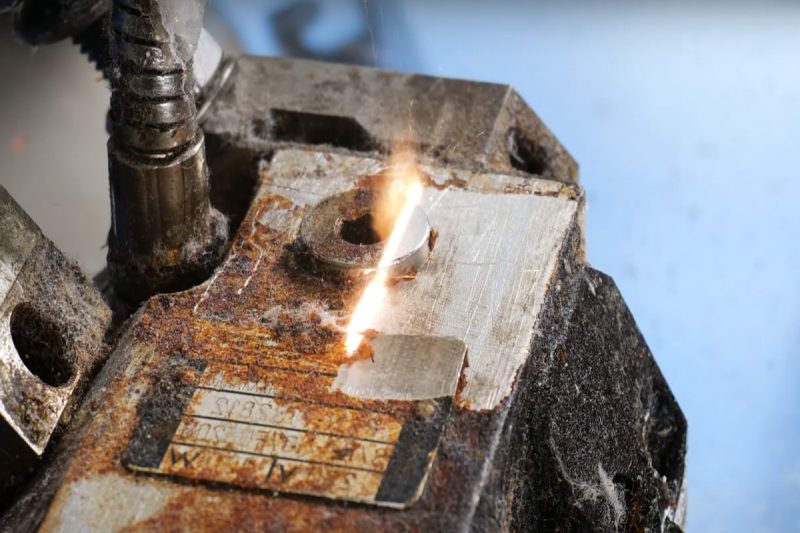
Laser cleaning machines are significantly more economical in consumable costs than the sandblasting, chemical, or water-jet methods they typically replace — there are no blasting media to purchase and dispose of, no chemical reagents to handle, and no large water volumes to treat. However, they do have a set of genuine consumable requirements that must be budgeted and managed as part of routine operations.
Fume Extraction Filters
The fume extraction system that captures the vaporized contaminant and particulates generated during laser cleaning requires periodic filter replacement to maintain its capture efficiency. The filter type and replacement frequency depend on the contaminant being removed: cleaning rust or paint from carbon steel generates relatively benign particulate that standard HEPA or activated carbon filter combinations handle effectively, while cleaning zinc-coated steel, lead-based paints, or composite materials may require specialized filter media and more frequent replacement due to the higher toxicity or chemical reactivity of the generated fumes. Filter replacement costs for a typical fume extraction unit used in metal cleaning applications range from $100 to $400 per set, with replacement intervals of one to six months depending on the cleaning volume and contaminant type. Neglecting filter replacement allows the extraction system’s airflow to degrade, increasing the concentration of fumes in the work area and accelerating contamination of the machine’s internal optical and electronic components.
Coolant and Deionizing Cartridges
As discussed in the maintenance section, water-cooled laser cleaning systems require periodic coolant replacement and deionizing cartridge changes to maintain coolant purity. The cost of distilled or deionized water for a complete coolant circuit refill is modest — typically $20 to $50 per refill — but the deionizing cartridges that maintain conductivity within specification between full refills are a recurring purchase at $30 to $80 per cartridge and replacement intervals of one to six months depending on the water quality and circuit volume. Glycol antifreeze, when used, adds a further periodic cost for concentration verification and replenishment.
Nozzles and Protective Components
The nozzle at the exit of the scan head, through which the laser beam and assist gas are directed toward the workpiece, is subject to wear and contamination from spatter and reflected debris. Nozzle replacement — at a cost typically ranging from $15 to $60 per unit — should be treated as a routine consumable rather than a repair event. Other protective components, including the rubber seals and covers that protect the scan head housing from contamination ingress, may require periodic replacement as they age and lose their sealing effectiveness. These are minor costs individually, but they contribute to the overall consumable budget that should be estimated realistically during machine procurement.
Laser cleaning consumable costs — dominated by fume extraction filters, cooling system fluids, and cartridges, nozzles, and protective components — are substantially lower than the abrasive media, chemicals, and water volumes consumed by competing cleaning methods. For a mid-range laser cleaning system in regular production use, annual consumable costs typically range from $500 to $2,000, varying with power level, contaminant type, and operating hours. Tracking actual consumable consumption and cost from the first day of operation provides the data needed to refine budget estimates and identify any anomalies that signal process or equipment problems.
Labor and Training Costs
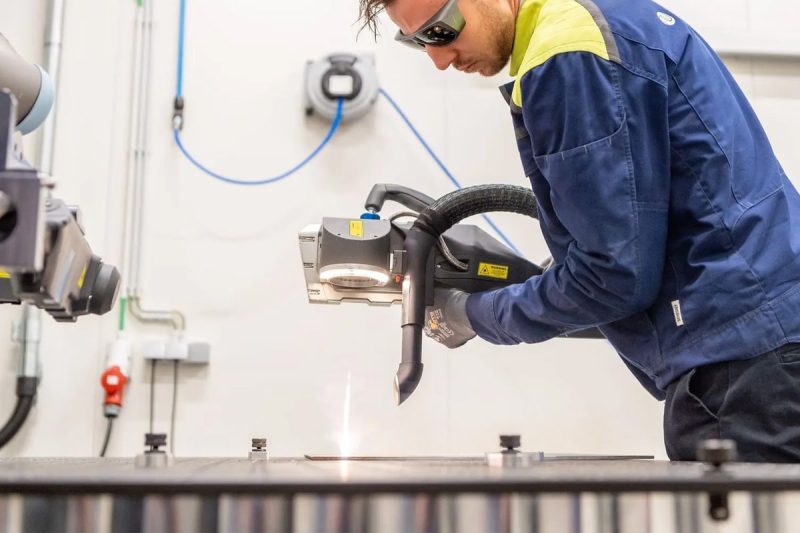
The labor associated with operating and maintaining a laser cleaning machine represents a cost that is easy to overlook in equipment budgets dominated by hardware specifications and consumable lists, but which is real and significant over the machine’s operating life. This section examines the labor costs associated with operator training and certification, routine inspection and maintenance, and the productivity loss caused by unplanned downtime.
Operator Training and Certification
Safe and effective laser cleaning operation requires trained personnel. Industrial laser generators used in cleaning systems are classified as Class 4 laser devices — capable of causing immediate and severe eye and skin injury from direct or reflected beam exposure — and operators must understand both the physical basis of this hazard and the practical measures that control it. In many jurisdictions, the appointment of a qualified Laser Safety Officer (LSO) and the maintenance of documented operator training records are legal requirements, not optional best practices.
Initial operator training — covering laser safety, machine startup and shutdown procedures, parameter selection for different materials and contaminants, fume extraction operation, and basic troubleshooting — typically requires one to three days of structured instruction, often delivered by the equipment manufacturer’s application engineers at commissioning. Where the manufacturer charges separately for training, costs range from $500 to $2,000 for an initial multi-operator session. The higher ongoing cost is the need to retrain new operators as staff changes occur; in environments with moderate staff turnover, training costs may recur every one to two years. Documenting training in a format that can be used as a structured onboarding resource for new operators reduces the per-person training cost and ensures consistent knowledge transfer.
Routine Inspection Time
The time that operators and maintenance technicians spend on routine inspection and maintenance tasks — daily optical window checks, weekly cooling system monitoring, monthly filter inspections, and quarterly mechanical system reviews — represents a real labor cost that should be recognized in staffing plans. For a well-designed laser cleaning machine with an organized maintenance program, the total routine maintenance time per week is typically two to four hours for an experienced technician. At an average industrial maintenance labor rate, this equates to an annual labor cost of $3,000 to $6,000 per machine for maintenance activities alone, independent of the direct consumable and parts costs those activities consume.
Downtime and Productivity Loss
Unplanned downtime — time during which the laser cleaning machine is unavailable for production due to a fault, a component failure, or an extended troubleshooting session — represents a productivity loss whose cost can far exceed the direct repair cost of the failure that caused it. A laser cleaning machine supporting a production line at a throughput of $500 per hour of cleaning output costs $4,000 in lost production for every eight-hour shift it is unavailable. The production schedule disruption, customer delivery impacts, and expediting costs that result from extended downtime events can multiply this figure further. Minimizing unplanned downtime through disciplined preventive maintenance, rapid access to spare parts, and responsive supplier technical support is therefore not just a maintenance objective — it is a core production efficiency and commercial risk management priority.
Labor costs associated with laser cleaning operations include initial and recurring operator training, routine inspection and maintenance time, and the productivity loss cost of unplanned downtime. In aggregate, these costs can represent $5,000 to $10,000 or more per machine per year, making them one of the larger operating cost categories after energy. Investing in thorough initial training, building a strong preventive maintenance culture, and selecting equipment from suppliers with responsive technical support all contribute directly to reducing the labor cost component of total operating cost.
Repair and Unplanned Costs
Even in a well-maintained laser cleaning system, unplanned repairs are an inevitable feature of long-term operation. Understanding the most common failure points, the typical cost of addressing them, and the strategies available for managing their impact is essential for realistic operating cost budgeting and effective production risk management.
Common Failure Points and Repair Costs
The optical system is the most frequent source of unplanned repair costs in laser cleaning machines. Protective window failures — where a contaminated or physically damaged window is not replaced before it cracks under thermal stress — can spray debris onto the focusing lens, requiring lens replacement for $150 to $600 and potentially damaging the scan mirror assembly as well. Fiber optic cable damage from kinking, crushing, or repeated tight-radius bending causes beam quality degradation that manifests as inconsistent cleaning performance; fiber replacement or repair is a significant cost event ranging from $500 to $3,000, depending on the cable length and laser generator power level.
Cooling system failures — a seized coolant pump, a refrigerant leak in a chiller system, or a blocked coolant passage caused by inadequate coolant quality management — can allow laser generator operating temperatures to rise to levels that trigger thermal protection shutdowns or, in severe cases, cause permanent damage to the gain fiber or pump diodes. Coolant pump replacement typically costs $200 to $800 in parts plus labor; pump diode damage from thermal stress can require module replacement at $2,000 to $15,000 or more. Control system faults — damaged sensors, failed driver boards, or corrupted software configurations — are generally less expensive to repair but can be time-consuming to diagnose without access to the manufacturer’s diagnostic tools and technical support.
Spare Parts Inventory Strategy
Maintaining a small on-site inventory of the most critical and most frequently replaced spare parts is one of the most cost-effective risk management measures available to laser cleaning machine operators. The components that most justify on-site stocking are those that combine high replacement frequency, high production impact if unavailable, and short shelf life or long lead time from the supplier. Protective windows and nozzles — high replacement frequency, modest cost — should always be stocked in quantities sufficient for several weeks of normal replacement. A spare deionizing filter cartridge and coolant pump impeller address cooling system failure risks at low inventory cost. Whether to stock a spare focusing lens depends on the lead time from the supplier and the cost of downtime; for machines supporting time-critical production processes, the modest cost of a spare lens is easily justified by the downtime avoidance it enables.
Warranty Coverage and Service Contracts
The warranty terms offered by the laser cleaning machine manufacturer define the boundary between costs borne by the manufacturer and costs borne by the buyer during the warranty period, and they vary significantly between suppliers. A comprehensive warranty that covers the laser generator, optical components, electronics, and motion system for two to three years with a defined response time for technical support represents substantially more financial protection than a one-year warranty covering only manufacturing defects in the laser generator itself. After the warranty period expires, service contracts offered by the manufacturer or authorized service providers can extend protection against large unplanned repair costs in exchange for a predictable annual service fee — an arrangement that many production environments find valuable for budget certainty, even if the expected annual cost of the contract slightly exceeds the statistical average of unplanned repair costs.
Unplanned repair costs in laser cleaning machines are concentrated in three areas: optical system damage from protective window failures or fiber cable abuse, cooling system failures caused by inadequate coolant management, and electronic or control system faults. Managing these risks through disciplined preventive maintenance, a strategic on-site spare parts inventory, and appropriate warranty and service contract coverage transforms unpredictable large cost events into manageable, budgetable expenses.
Comparing Laser Cleaning to Traditional Cleaning Methods
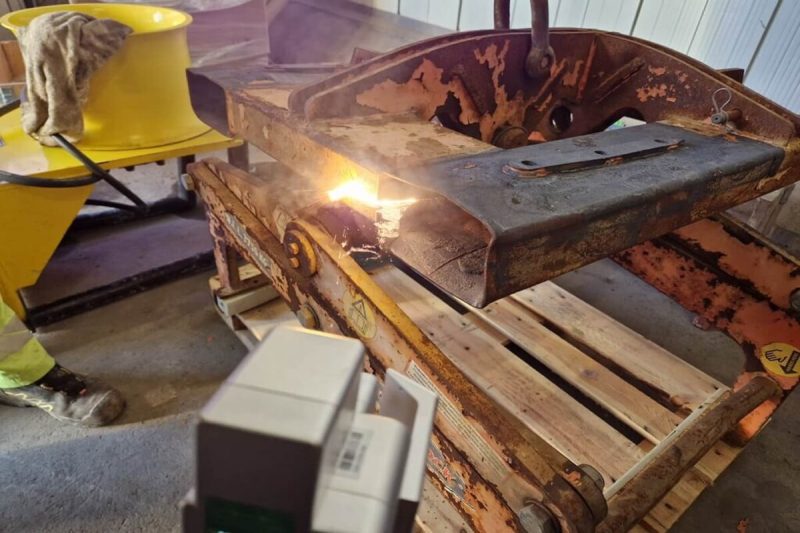
The operating cost of a laser cleaning machine is best understood in context — specifically, in comparison with the operating costs of the sandblasting, chemical cleaning, and mechanical abrasion methods that laser cleaning most commonly replaces. This comparison frequently reveals that laser cleaning’s higher capital cost is offset by substantially lower ongoing operating costs, generating a favorable return on investment over the machine’s working life.
Cost Comparison with Sandblasting, Chemical Cleaning, and Mechanical Methods
Sandblasting — one of the most widely used industrial cleaning methods — involves high ongoing costs for abrasive media purchase, media disposal (particularly for lead paint or hazardous coating removal, where spent abrasive becomes a regulated waste), personal protective equipment, and the infrastructure of blast rooms or enclosures. The labor intensity of sandblasting is high, and the process cannot be readily automated for complex geometries. Chemical cleaning methods — acid pickling, solvent degreasing, alkaline washing — involve chemical purchase costs, wastewater treatment costs, regulatory compliance costs for chemical storage and handling, and the ongoing liability associated with hazardous material management. Mechanical methods such as wire brushing, grinding, and scraping are labor-intensive, inconsistent in the surface cleanliness they achieve, and incapable of the selective contamination removal that laser cleaning provides on sensitive substrates.
Against these ongoing cost profiles, laser cleaning’s operating costs — dominated by electricity, optical consumables, and cooling system maintenance — are substantially lower in aggregate, and entirely free of the regulatory compliance burden and environmental liability associated with chemical methods. The absence of abrasive media or chemical reagent purchase eliminates two significant recurring cost streams, and the ability to automate laser cleaning for consistent, high-speed production further reduces its effective labor cost per unit cleaned.
Long-Term ROI of Laser Cleaning
The return on investment from laser cleaning is driven by the cumulative operating cost savings over the machine’s working life, relative to the method it replaces. For a fabrication shop replacing manual wire brushing and chemical degreasing with a laser cleaning machine for pre-weld surface preparation, the ROI calculation encompasses the reduction in direct consumable costs, the labor time saved per weld joint prepared, the improvement in weld quality attributable to better surface preparation, and the reduction in rework and rejection costs that better surface preparation enables. For an automotive manufacturer replacing a manual sandblasting operation with an automated laser cleaning cell, the ROI calculation adds the labor cost reduction from automation, the elimination of blast room infrastructure and abrasive disposal costs, and the throughput increase from consistent automated cleaning speed. In both cases, payback periods of two to four years are commonly achieved in continuous production environments, with the laser cleaning machine then generating net operating cost savings for the remainder of its five-to-ten-year service life.
When evaluated on a total operating cost basis rather than a capital cost basis alone, laser cleaning consistently demonstrates a favorable economic position relative to the conventional cleaning methods it replaces — particularly sandblasting and chemical cleaning, whose ongoing consumable, disposal, and regulatory compliance costs are substantial. The long-term ROI of laser cleaning is most compelling in continuous production environments where high cleaning volumes and automation compatibility amplify the per-unit operating cost advantage.
How to Minimize Maintenance and Operating Costs
Understanding operating costs is necessary but not sufficient — acting on that understanding to minimize costs through smart machine selection, disciplined maintenance practices, and the right supplier relationship is where the financial benefit is actually realized. This section provides practical guidance on each of these three levers.
Preventive Maintenance Best Practices
The most powerful cost reduction tool available to laser cleaning machine operators is a consistently executed preventive maintenance program. Preventive maintenance prevents the failure of components that, if allowed to fail in service, would cause collateral damage to more expensive adjacent components and production downtime whose cost far exceeds the maintenance task avoided. The key disciplines are: daily inspection and cleaning or replacement of the protective window before it reaches a condition that risks damage to the focusing lens; weekly monitoring of cooling system indicators — coolant conductivity, chiller approach temperature, and component temperatures — to detect developing problems before they escalate; monthly fume extraction filter inspection and replacement as needed; and adherence to the manufacturer’s recommended schedule for laser generator preventive service. Recording the results of each inspection in a maintenance log enables trend analysis — identifying gradual performance drift before it becomes a production problem — and provides the documentation needed to support warranty claims and service contract coverage.
Choosing the Right Machine for the Application
A machine that is inappropriately matched to its application incurs avoidable operating costs in several ways. An undersized machine — insufficient laser generator power for the contamination type and substrate — must operate at or near its maximum power continuously, reducing component lifespans and increasing the risk of thermal protection events. An oversized machine — excessive power for the typical application — wastes energy and may expose delicate substrates to a risk of thermal damage if operators do not carefully reduce power settings. A continuous-wave machine used for applications that genuinely require the selectivity of pulsed cleaning will produce suboptimal cleaning quality, leading to rework and the associated cost. Matching the machine’s laser generator power level, cleaning mode, and automation configuration to the actual production requirements — informed by a detailed application analysis before purchase — avoids these avoidable cost penalties throughout the machine’s operating life.
Partnering with a Reliable Supplier
The supplier relationship established at machine purchase has a long tail of cost implications that extend throughout the machine’s operating life. A supplier who provides detailed commissioning training reduces the risk of operator error that damages optical components or cooling systems in the early weeks of operation. A supplier with responsive technical support — available by phone or remote connection within hours of a reported fault — reduces the duration and therefore the production cost of any technical issue that arises. A supplier who maintains a local or regional spare parts inventory eliminates the extended lead times that can keep a machine idle for days while a critical spare is shipped internationally. A supplier who offers genuine preventive maintenance service visits — performed by engineers who know the specific machine design — catches developing problems that in-house operators may not have the knowledge or diagnostic tools to identify. Selecting a supplier on the basis of service capability and reputation, not just machine price, is one of the highest-return decisions available in the laser cleaning machine procurement process.
Operating cost minimization is achieved through three mutually reinforcing strategies: preventive maintenance discipline that protects expensive components and prevents unplanned downtime; application-matched machine selection that avoids the dual penalties of under-specification and over-specification; and a supplier relationship that provides the training, support, and spare parts access needed to sustain high machine availability and performance throughout its operating life.
Conclusion
This article has provided a comprehensive overview of the maintenance and operating costs associated with laser cleaning machines — covering every significant cost category from routine maintenance and energy consumption through consumables, labor, and unplanned repairs, and placing these costs in the broader context of the return on investment that laser cleaning delivers relative to the conventional methods it replaces.
The central finding that runs through every section of this article is that the economics of laser cleaning are most favorably understood on a total cost of ownership basis. Purchase price is the most visible cost, but far from the only one. Routine maintenance — optical components, cooling systems, mechanical systems, and laser generator service — contributes $1,500 to $6,000 per year for mid-range systems. Energy consumption adds $600 to $3,600 annually at typical industrial electricity rates, scaling with power level and duty cycle. Consumables — fume extraction filters, coolant and deionizing cartridges, nozzles, and protective components — add $500 to $2,000 per year. Labor costs for training, routine inspection, and the productivity impact of any unplanned downtime represent a further $5,000 to $10,000 or more annually. And periodic major component replacements — particularly laser generator pump diodes — constitute infrequent but significant cost events that must be anticipated in long-term financial planning.
Against this cost structure, laser cleaning consistently demonstrates a favorable economic position relative to sandblasting, chemical cleaning, and manual mechanical methods, whose ongoing consumable, disposal, and regulatory compliance costs are high and whose automation potential is limited. In continuous production environments where high cleaning volumes, process consistency, and labor reduction are priorities, payback periods of two to four years are commonly achieved, after which the laser cleaning machine generates net operating cost savings for the remainder of its working life.
Minimizing these costs requires a three-pronged approach: a consistently executed preventive maintenance program that protects expensive components and prevents the unplanned failures whose downstream costs are disproportionately high; application-matched machine selection that avoids the avoidable operating penalties of under- or over-specified equipment; and a supplier relationship that provides the training, technical support, and spare parts access on which high machine availability ultimately depends. Buyers and operators who apply these principles systematically and consistently realize the full economic potential of laser cleaning technology — and avoid the frustrating experience of a technically excellent process whose financial returns are eroded by preventable operating cost inefficiencies.
Get a Laser Cleaning Solution
Gaining a clear understanding of laser cleaning machine maintenance and operating costs is the analytical foundation for a sound investment decision — but realizing those economics in practice requires the right equipment, backed by a supplier with the technical depth and service infrastructure to support it throughout its working life.
AccTek Laser is a professional laser cleaning machine manufacturer with over a decade of experience serving industrial customers worldwide. Its product range spans handheld and portable continuous-wave fiber laser cleaning machines from 1,500 W to 6,000 W for flexible field and production applications, pulsed laser cleaning machines from 500 W to 2,000 W for precision cleaning of sensitive substrates, and fully automated laser cleaning systems with robotic and CNC integration for high-throughput production environments — all built around high-quality fiber laser generators from globally trusted brands, equipped with reliable cooling systems matched to each power level, and certified to CE and FDA standards. Customization in laser generator power, cooling configuration, automation level, and control interface is available to match the machine precisely to the application, minimizing the avoidable operating costs that come from poor application fit.
The full-lifecycle service framework covers pre-sales application consultation, professional installation and commissioning, comprehensive operator and maintenance training, competitive spare parts supply, and responsive after-sales technical support, including remote diagnostics — the complete infrastructure needed to sustain low operating costs and high machine availability from the first production shift through to the end of the machine’s service life. For businesses ready to move from evaluation to action, a direct conversation with an application engineer is the most productive next step toward a laser cleaning solution that delivers on both its technical promise and its financial potential.

Contact information
- [email protected]
- [email protected]
- +86-19963414011
- No. 3 Zone A, Lunzhen Industrial Zone,Yucheng City , Shandong Province.
Get Laser Solutions