

















Introduction


Automatic Laser Welding Power Selection
Automatic Laser Welding Materials
- Carbon Steel
- Mild Steel
- Low Alloy Steel
- High Alloy Steel
- Austenitic Stainless Steel
- Ferritic Stainless Steel
- Martensitic Stainless Steel
- Duplex Stainless Steel
- Super Duplex Stainless Steel
- Tool Steel
- Spring Steel
- High-Speed Steel
- Galvanized Steel
- Silicon Steel
- Manganese Steel
- Cast Iron
- Ductile Iron
- Aluminum
- Aluminum Alloys
- Copper
- Oxygen-Free Copper
- Brass
- Bronze
- Phosphor Bronze
- Beryllium Copper
- Titanium
- Titanium Alloys
- Nickel
- Nickel Alloys
- Cobalt
- Cobalt Alloys
- Magnesium
- Magnesium Alloys
- Zinc
- Zinc Alloys
- Tungsten
- Molybdenum
- Silver
- Gold
- Platinum
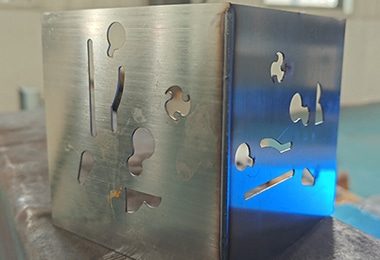
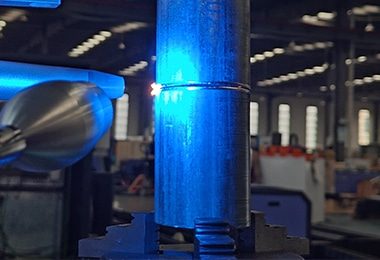
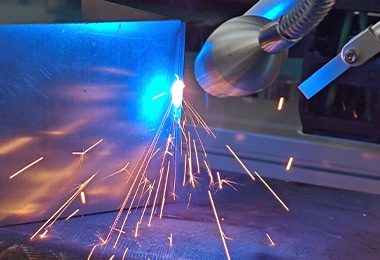
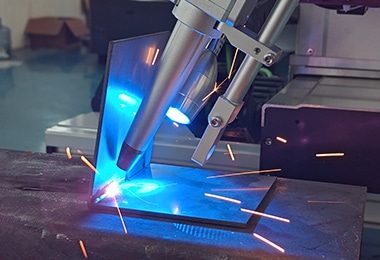
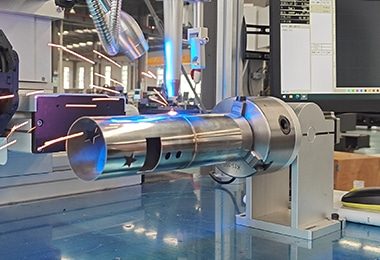
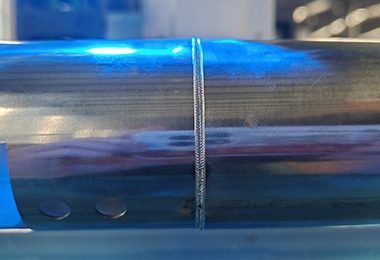
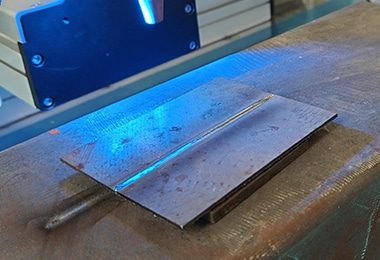
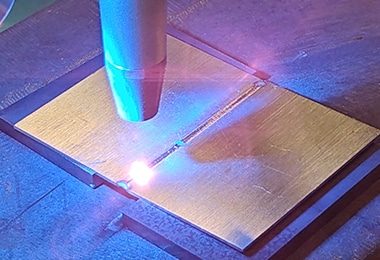
Applications of Automatic Laser Welding Machines
Comparison with Traditional Welding
| Comparison Item | Laser Welding | MIG Welding | TIG Welding | Arc Welding |
|---|---|---|---|---|
| Welding Speed | Very fast, up to 10x faster | Moderate speed | Slow, especially for thin materials | Moderate speed |
| Heat-Affected Zone (HAZ) | Minimal, reduces material distortion | Larger HAZ, higher risk of distortion | Larger HAZ causes more material distortion | Larger HAZ, significant material distortion |
| Material Deformation | Minimal, preserves material integrity | More deformation, especially on thin materials | More deformation, particularly on thin metals | High deformation risk due to heat input |
| Training Difficulty (Learning Curve) | Easy to learn, minimal training required | Moderate, requires operator skill | High requires more technical expertise | Moderate, requires good operator control |
| Post-Processing (Grinding) | Minimal, clean welds with little to no grinding | Often requires grinding and finishing | Requires significant grinding for clean finishes | Requires heavy grinding and cleanup |
| Consumable Cost | Low, minimal consumables (no filler material) | Moderate, requires welding wire and shielding gas | Moderate to high, uses filler rods and shielding gas | Moderate to high, uses electrodes and filler rods |
| Welding Strength (Thin Metals) | Excellent, high precision with minimal distortion | Good, but it can cause warping or distortion | Excellent, high-quality welds with fine control | Good, but more prone to warping on thin metals |
| Welding Strength (Thick Metals) | Good, with deep penetration on thicker materials | Good, but slower penetration compared to a laser | Excellent, strong welds, but slower for thicker materials | Good, strong welds, but slower than laser and TIG |
| Flexibility for Material Types | Works with metals, plastics, and composites | Best for metals, not ideal for non-metals | Best for metals, limited for plastics | Primarily used for metals |
| Precision | High precision, ideal for intricate designs | Moderate precision, good for thicker materials | High precision, best for thin metals and detailed work | Moderate precision, mainly used for basic welds |
| Heat Input | Low heat input, minimal impact on material properties | Higher heat input, more risk of material distortion | High heat input, more risk of distortion | High heat input, significant risk of material damage |
| Efficiency for High-Volume Production | Very high, fast cycle times for large volumes | Moderate, good for small to medium production runs | Moderate, slower than laser welding | Moderate, requires more manual effort |
| Energy Consumption | Moderate electrical power consumption | Higher energy consumption due to heat generation | High energy consumption due to heat and arc | Higher energy consumption, especially with electrodes |
| Heat Resistance | Works well for heat-sensitive materials | Can cause damage to heat-sensitive materials | Can cause warping of thin or heat-sensitive materials | Can cause significant warping and damage to heat-sensitive materials |
| Weld Appearance | Smooth, aesthetically pleasing, minimal post-weld work | Rough appearance, needs more finishing work | Smooth appearance, but requires more finishing | Rough and irregular, requires heavy post-processing |
| Portability | High, portable systems available | Moderate, usually stationary systems | Low, generally stationary due to setup complexity | Moderate, portable systems are available, but heavy equipment is not |
| Material Thickness Limit | Can handle thin to thick materials with consistent results | Best for thicker materials | Works well for thin to medium thickness materials | Best for thicker metals |
| Cost of Equipment | Higher initial investment but lower operating costs | Medium to low initial cost, high operating costs | Medium to high initial cost, moderate operating costs | Low to medium initial cost, high operational cost |
| Maintenance Requirements | Low maintenance, minimal wear and tear | Higher maintenance due to consumables and wear | Moderate maintenance requires skill to maintain | High maintenance due to the electrodes and components |
Why Choose AccTek Laser
Advanced Laser Technology
AccTek Laser integrates cutting-edge fiber laser technology into its welding machines to ensure high precision, deep penetration, and minimal heat input. Their systems are equipped with reliable laser sources and optimized control systems, enabling smooth and consistent welds while minimizing material distortion and providing strong, durable joints.
Wide Range of Machine Options
AccTek Laser offers a diverse range of laser welding machines tailored to various applications, from handheld solutions for small-scale repairs to high-power systems for large industrial production. Whether you need precision welding for thin sheet metals or robust joints for thick components, AccTek provides a solution that fits your specific requirements.
High-Quality Components
AccTek Laser welding machines are built with premium components sourced from trusted suppliers, including advanced fiber laser sources, scanning systems, and control electronics. These high-quality parts ensure exceptional performance, long-lasting durability, and minimal maintenance, even under demanding industrial conditions, ensuring your machine delivers consistent, high-quality results.
Customization and Flexible Solutions
AccTek Laser provides customizable solutions for various welding requirements, offering flexibility in laser power, cooling systems, welding width, and automation options. Their ability to tailor systems to suit specific production needs maximizes welding efficiency and productivity, ensuring that every weld is precise and optimal for your application.
Professional Technical Support
AccTek Laser offers comprehensive technical support to ensure smooth operation throughout the lifecycle of the equipment. Their experienced team assists with machine selection, installation, training, and troubleshooting. This ongoing support helps customers adapt quickly to laser welding technology, ensuring seamless operation and high-quality welds at every stage.
Reliable Global Service
AccTek Laser has extensive experience serving customers worldwide, providing global service and support. With remote assistance, detailed documentation, and responsive after-sales service, we ensures your machines stay up and running, minimizing downtime and maximizing productivity. Their reliable global presence guarantees long-term support for customers, ensuring satisfaction and high-performance results for years.
Customer Reviews
Related Resources

What Are the Different Welding Techniques in Laser Welding?
This article mainly discusses the technical advantages, main types, and working modes of laser welding compared to traditional welding, and analyzes its application and selection direction in modern high-end manufacturing.

How to Handle Different Joint Configurations in Laser Welding?
This article introduces five common laser welding joint types, analyzes their advantages and disadvantages, application scenarios, and key process points, and helps to achieve high-quality welding.

Does laser welding affect the microstructure of the welded material?
This paper will explore in depth the microscopic changes that occur inside the material during laser welding, and how to obtain the best performance through reasonable process control.

What are the dust and fume removal requirements for laser welding?
This article provides a comprehensive overview of the requirements, methods, and best practices for dust and fume extraction in laser welding, helping you establish a safe and efficient welding environment.
Frequently Asked Questions
How Much Do Automatic Laser Welding Machines Cost?
- Entry-Level and Compact Systems: Basic automatic laser welding machines, often used in small workshops or light manufacturing, typically range from $15,000 to $35,000. These systems are usually fiber laser-based, compact, and designed for relatively simple welding tasks. They may include limited automation features such as fixed-path welding or basic programmable controls. While affordable, they’re best suited for thin materials and lower production volumes.
- Mid-Range Industrial Machines: More advanced systems fall between $35,000 and $80,000. These machines often include better beam quality, higher power (typically 1kW–3kW), and more refined automation. Features like CNC control, seam tracking, and improved cooling systems are common. They’re widely used in industries like automotive parts, metal fabrication, and electronics, where consistent weld quality and moderate throughput are required.
- Fully Automated and Robotic Systems: High-end automatic laser welding setups can cost anywhere from $80,000 to over $200,000. These systems often integrate robotic arms, multi-axis control, real-time monitoring, and vision systems for precise alignment. They’re designed for high-volume production lines and can handle complex geometries with minimal human intervention. Industries such as aerospace, automotive manufacturing, and medical device production commonly use these machines.
How To Reduce Material Waste With Automatic Laser Welding Machines?
- Optimize Joint Design and Fit-Up: Precise joint preparation is one of the most effective ways to reduce waste. Laser welding works best with tight tolerances and minimal gaps. Poor fit-up often requires filler material or rework, both of which increase waste. Designing components with laser welding in mind helps ensure consistent, clean joins with minimal excess material.
- Use Accurate Parameter Settings: Incorrect laser power, speed, or focus can lead to defects like burn-through, porosity, or weak welds. These issues often result in scrapped parts. Fine-tuning parameters for each material type and thickness ensures stable welds and reduces the likelihood of rejected components. Many modern systems allow you to store optimized presets for repeat jobs.
- Implement Real-Time Monitoring: Advanced automatic systems include sensors and vision systems that monitor the welding process as it happens. These tools can detect misalignment, gaps, or defects early, allowing for immediate correction. Catching issues in real time prevents wasted materials and reduces the need for post-process inspection and rework.
- Minimize Heat-Affected Zones (HAZ): Laser welding produces a small, concentrated heat input compared to traditional welding. Maintaining proper focus and speed keeps the heat-affected zone narrow, which reduces distortion and material damage. Less distortion means fewer parts need to be scrapped or reshaped.
- Automate Material Handling: Consistent positioning through automated fixtures or robotic handling reduces alignment errors. Manual placement often leads to variability, increasing the chance of defective welds. Automation ensures repeatability, which directly lowers material waste over time.
- Reduce or Eliminate Filler Materials: Unlike some conventional welding methods, laser welding can often be performed without filler material. This not only reduces consumable costs but also eliminates excess buildup that may need machining or finishing later.
- Maintain Equipment Regularly: Dirty optics, misaligned beams, or worn components can degrade weld quality. Regular maintenance ensures consistent performance and prevents defects that lead to wasted material.
- Leverage Simulation and Testing: Before full production, using simulation software or small test runs helps identify optimal settings and potential issues. This proactive approach reduces trial-and-error waste during actual manufacturing.
How To Choose Suitable Automatic Laser Welding Machines?
- Material Type and Thickness: Start by identifying the materials you plan to weld. Fiber laser welding machines are ideal for metals such as stainless steel, carbon steel, aluminum, and copper. The thickness of the material determines the required laser power. Thin sheets may only need 1.5kW–2kW, while thicker sections often require 3kW or more for stable penetration and strong welds.
- Production Volume and Speed Requirements: If you’re running small batches or custom jobs, a semi-automatic or lower-power system may be sufficient. For high-volume manufacturing, fully automated machines with robotic arms and continuous operation capabilities are a better fit. Faster welding speeds improve productivity, but must be balanced with quality.
- Level of Automation: Automatic laser welding machines range from simple programmable units to fully robotic systems with multi-axis movement. If your work involves repetitive, high-precision tasks, investing in higher automation ensures consistency and reduces labor costs. For more flexible or varied work, a system with adjustable programming may be more practical.
- Precision and Weld Quality: Applications like electronics, medical devices, or fine components require extremely precise welds with minimal heat distortion. In such cases, look for machines with advanced beam control, stable output, and real-time monitoring systems. Seam tracking and vision-assisted alignment can further improve accuracy.
- Ease of Use and Software Integration: User-friendly controls and intuitive software can significantly reduce training time and operator errors. Machines that support CAD/CAM integration or programmable welding paths allow for easier setup and repeatability, especially in complex projects.
- Cooling and Maintenance Requirements: Reliable cooling systems (air or water cooling) are essential for stable operation. Consider how easy the machine is to maintain, including access to spare parts and technical support. Lower maintenance complexity can save time and reduce downtime.
- Budget and Long-Term Value: While it’s tempting to choose a lower-cost machine, it’s important to consider total value. A slightly higher upfront investment in a reliable, efficient system can reduce material waste, maintenance costs, and production delays over time.
- Safety Features: Look for machines with proper enclosures, fume extraction, and safety interlocks. These features protect operators and ensure compliance with industrial safety standards.
What Types Of Welding Joints Are Suitable For Automatic Laser Welding Machines?
- Butt Joints: Butt joints are one of the most common and effective configurations for laser welding. Two նյութ edges are placed in the same plane and joined along their seam. This joint works especially well when the gap between parts is extremely small or nearly zero. Laser welding can create deep, narrow welds in butt joints with minimal distortion, making them ideal for thin sheets and precision components.
- Lap Joints: Lap joints involve overlapping two pieces of material. These are widely used in automated laser welding because they are easier to align compared to butt joints. The overlap provides a larger tolerance for positioning, which helps maintain consistency in high-speed production. Lap joints are commonly used in automotive body panels and sheet metal fabrication.
- Fillet Joints (Corner and Tee Joints): Laser welding can handle fillet joints where two surfaces meet at an angle, such as in corner or T configurations. These joints are useful for structural components and frames. However, precise control of the laser angle and position is important to ensure even penetration and avoid weak spots.
- Edge Joints: Edge joints involve welding along the edges of two parallel or nearly parallel sheets. These are suitable for thin materials where minimal weld material is required. Laser welding is effective here due to its ability to deliver controlled heat without excessive burn-through.
- Flanged Joints: Flanged joints are a variation of lap or edge joints where one or both parts are bent to create a flange. These joints increase surface area for welding and improve strength. They are often used in enclosures, housings, and components that require added rigidity.
- Key Considerations for Joint Suitability: Laser welding performs best when joints have tight tolerances and clean surfaces. Large gaps or misalignment can lead to poor fusion or defects. In many cases, joint preparation is minimal compared to traditional welding, but precision in part fabrication is essential.
- Advantages of Suitable Joint Selection: Choosing the right joint type improves weld strength, reduces the need for filler material, and minimizes post-processing. It also enhances automation efficiency, as consistent joint geometry allows for repeatable, high-speed welding.
What Auxiliary Equipment Are Needed For Automatic Laser Welding Machines?
- Cooling Systems (Chillers): Laser sources generate significant heat during operation, which must be controlled to maintain stable performance. Industrial water chillers are commonly used to regulate the temperature of the laser source and optics. Without proper cooling, overheating can reduce weld quality and damage internal components.
- Shielding Gas Supply: Shielding gases such as argon, nitrogen, or helium are used to protect the weld area from oxidation and contamination. These gases improve weld appearance, strength, and consistency. A reliable gas supply system with flow control ensures the correct gas coverage during the welding process.
- Fume Extraction and Filtration Systems: Laser welding produces fumes, smoke, and fine particles that can be harmful to both operators and equipment. Fume extractors with filtration units remove airborne contaminants and maintain a clean working environment. This is especially important when welding coated or treated metals.
- Workholding and Fixturing Systems: Precise positioning is critical in laser welding. Fixtures and clamps hold parts in place, ensuring proper alignment and repeatability. In automated setups, custom fixtures are often designed to match specific components, reducing errors and improving efficiency.
- Motion and Automation Systems: Automatic laser welding machines often require motion platforms such as CNC tables, robotic arms, or gantry systems. These systems control the movement of the laser head or the workpiece, enabling complex weld paths and consistent results in high-speed production.
- Vision and Monitoring Systems: Cameras, sensors, and seam tracking systems help monitor the welding process in real time. These tools detect misalignment, gaps, or defects and allow for adjustments during operation. They are essential for maintaining quality in fully automated systems.
- Control Software and Interface Systems: Advanced software manages welding parameters, movement paths, and process monitoring. User-friendly interfaces allow operators to program, adjust, and store welding routines easily. Integration with CAD/CAM systems can further streamline production.
- Safety Equipment: Laser safety enclosures, interlocks, and protective shields are necessary to prevent exposure to laser radiation. Additional safety gear may include warning systems and emergency stop controls.
How To Maintain Automatic Laser Welding Machines?
- Regular Cleaning of Optics: The laser optics, including lenses and protective windows, must be kept clean to maintain beam quality. Dust, spatter, or fumes can accumulate on these surfaces, reducing efficiency and causing defects. Use approved cleaning tools and follow manufacturer guidelines to avoid damaging sensitive components.
- Inspect and Maintain the Cooling System: Cooling systems, especially water chillers, play a critical role in temperature control. Regularly check coolant levels, water quality, and flow rates. Replace or filter the coolant as needed to prevent scaling or blockages. Poor cooling can lead to overheating and unstable laser performance.
- Check Shielding Gas Flow: Ensure that the shielding gas system is functioning properly, with correct pressure and flow rates. Leaks or inconsistent gas delivery can result in oxidation, porosity, or weak welds. Periodically inspect hoses, regulators, and connections.
- Monitor Mechanical Components: For automated systems, inspect moving parts such as robotic arms, rails, and fixtures. Look for signs of wear, misalignment, or looseness. Proper lubrication and calibration help maintain smooth motion and accurate positioning.
- Keep the Work Area Clean: A clean working environment reduces contamination risks and improves machine performance. Remove debris, metal dust, and leftover materials regularly. This also helps protect sensors and optical components from buildup.
- Update and Check Software Systems: Control software should be kept up to date to ensure optimal performance and compatibility. Regularly back up programs and check for system errors. Calibration of sensors and monitoring systems should also be performed as recommended.
- Inspect Electrical Connections: Loose or damaged electrical connections can cause instability or machine failure. Periodically check cables, connectors, and power supplies for wear or overheating.
- Perform Routine Calibration: Laser alignment and calibration should be checked regularly to maintain precision. Misalignment can lead to inconsistent welds and increased material waste.
- Schedule Preventive Maintenance: Follow a preventive maintenance schedule based on the manufacturer’s recommendations. This includes replacing consumable parts, inspecting critical components, and conducting full system checks at set intervals.
What Is The Lifespan of Automatic Laser Welding Machines?
- Laser Source Lifespan: The laser source is the core component and largely determines the machine’s longevity. Fiber laser sources, which are commonly used in modern welding systems, typically have a lifespan of 50,000 to 100,000 operating hours. This translates to many years of use, even in demanding production environments. Compared to older technologies, fiber lasers require less maintenance and have fewer consumable parts.
- Mechanical and Structural Components: The machine’s mechanical parts, such as robotic arms, motion systems, rails, and fixtures, usually last 10 to 15 years or more, depending on usage intensity and maintenance. Regular lubrication, calibration, and inspection help extend their service life and maintain precision.
- Optics and Consumables: Certain components, like protective lenses, nozzles, and shielding gas parts, have shorter lifespans and need periodic replacement. These are considered consumables and may last from a few weeks to several months, depending on operating conditions and material types.
- Cooling and Auxiliary Systems: Chillers, fans, and other support systems also influence overall lifespan. With proper care, these components can last many years, but neglect can lead to overheating or system failures that shorten the machine’s life.
- Impact of Operating Conditions: Machines used in clean, controlled environments generally last longer than those exposed to dust, vibration, or extreme temperatures. High-duty cycles and continuous operation can also accelerate wear if not properly managed.
- Role of Maintenance: Routine maintenance is critical. Regular cleaning of optics, checking alignment, updating software, and servicing cooling systems all help prevent premature failure. Well-maintained machines often exceed their expected lifespan and maintain consistent weld quality over time.
- Technological Obsolescence: Even if a machine remains functional, it may become outdated as newer technologies offer better efficiency, speed, or automation. Many businesses upgrade systems after 8–12 years to stay competitive, even though the machine itself may still operate.
What PPE Is Required To Operate Automatic Laser Welding Machines?
- Laser Safety Eyewear: Specialized laser safety glasses are the most critical PPE. They are designed to filter specific wavelengths emitted by the laser source, preventing eye damage. The eyewear must match the laser type (typically fiber lasers) and power level. Standard safety glasses are not sufficient for laser protection.
- Protective Clothing: Flame-resistant (FR) clothing helps protect against sparks, heat, and accidental exposure to molten material. Long-sleeved garments made from non-flammable materials reduce the risk of burns. Avoid synthetic fabrics that can melt when exposed to high heat.
- Welding Gloves: Heat-resistant gloves protect hands from hot surfaces, sharp edges, and metal spatter. They should provide a balance between protection and dexterity, allowing operators to handle parts safely during setup or post-weld handling.
- Face Shields or Welding Helmets (if required): In some open or semi-automatic systems, additional face protection may be needed. A face shield or welding helmet protects against bright light, sparks, and debris, especially during manual intervention or inspection.
- Respiratory Protection: Laser welding can produce fumes and fine particles, particularly when working with coated or treated metals. If fume extraction systems are insufficient or during maintenance tasks, respirators or masks with appropriate filters may be required to prevent inhalation of harmful substances.
- Hearing Protection: While laser welding is generally quieter than traditional welding, associated equipment like cooling systems, exhaust units, or robotic systems can generate noise. Earplugs or earmuffs may be necessary in high-noise environments.
- Safety Footwear: Steel-toe or reinforced safety shoes protect against dropped parts, heavy equipment, and sharp objects on the workshop floor. Slip-resistant soles also improve stability in industrial settings.
- Additional Safety Measures: Beyond PPE, operators should rely on machine safety features such as enclosures, interlocks, and warning systems. PPE is a secondary line of defense and should always be used alongside proper training and safe operating procedures.