

















Introduction


Handheld Laser Welding Power Selection
Handheld Laser Welding Materials
- Carbon Steel
- Mild Steel
- Low Alloy Steel
- High Alloy Steel
- Austenitic Stainless Steel
- Ferritic Stainless Steel
- Martensitic Stainless Steel
- Duplex Stainless Steel
- Super Duplex Stainless Steel
- Tool Steel
- Spring Steel
- High-Speed Steel
- Galvanized Steel
- Silicon Steel
- Manganese Steel
- Cast Iron
- Ductile Iron
- Aluminum
- Aluminum Alloys
- Copper
- Oxygen-Free Copper
- Brass
- Bronze
- Phosphor Bronze
- Beryllium Copper
- Titanium
- Titanium Alloys
- Nickel
- Nickel Alloys
- Cobalt
- Cobalt Alloys
- Magnesium
- Magnesium Alloys
- Zinc
- Zinc Alloys
- Tungsten
- Molybdenum
- Silver
- Gold
- Platinum
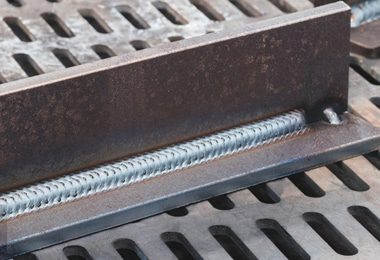
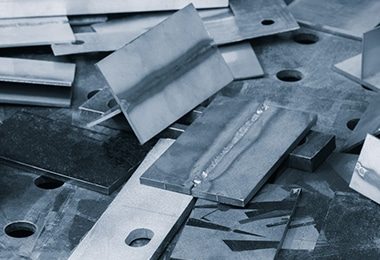
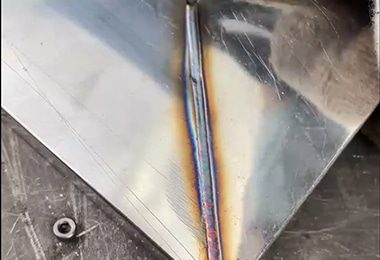
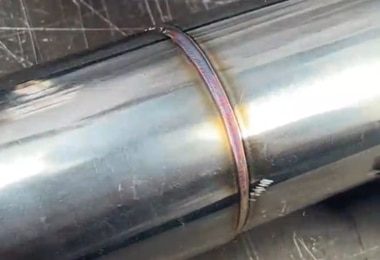
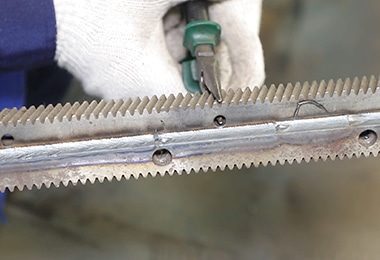
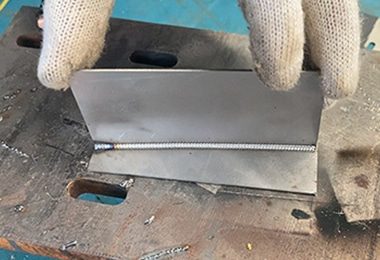
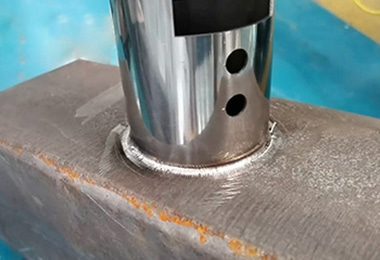
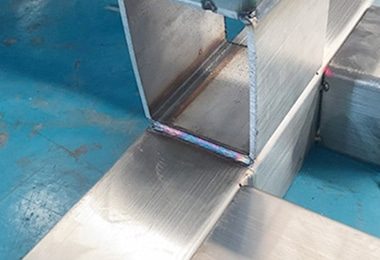
Applications of Handheld Laser Welding Machines
Comparison with Traditional Welding
| Comparison Item | Laser Welding | MIG Welding | TIG Welding | Arc Welding |
|---|---|---|---|---|
| Welding Speed | Very fast, up to 10x faster | Moderate speed | Slow, especially for thin materials | Moderate speed |
| Heat-Affected Zone (HAZ) | Minimal, reduces material distortion | Larger HAZ, higher risk of distortion | Larger HAZ causes more material distortion | Larger HAZ, significant material distortion |
| Material Deformation | Minimal, preserves material integrity | More deformation, especially on thin materials | More deformation, particularly on thin metals | High deformation risk due to heat input |
| Training Difficulty (Learning Curve) | Easy to learn, minimal training required | Moderate, requires operator skill | High requires more technical expertise | Moderate, requires good operator control |
| Post-Processing (Grinding) | Minimal, clean welds with little to no grinding | Often requires grinding and finishing | Requires significant grinding for clean finishes | Requires heavy grinding and cleanup |
| Consumable Cost | Low, minimal consumables (no filler material) | Moderate, requires welding wire and shielding gas | Moderate to high, uses filler rods and shielding gas | Moderate to high, uses electrodes and filler rods |
| Welding Strength (Thin Metals) | Excellent, high precision with minimal distortion | Good, but it can cause warping or distortion | Excellent, high-quality welds with fine control | Good, but more prone to warping on thin metals |
| Welding Strength (Thick Metals) | Good, with deep penetration on thicker materials | Good, but slower penetration compared to a laser | Excellent, strong welds, but slower for thicker materials | Good, strong welds, but slower than laser and TIG |
| Flexibility for Material Types | Works with metals, plastics, and composites | Best for metals, not ideal for non-metals | Best for metals, limited for plastics | Primarily used for metals |
| Precision | High precision, ideal for intricate designs | Moderate precision, good for thicker materials | High precision, best for thin metals and detailed work | Moderate precision, mainly used for basic welds |
| Heat Input | Low heat input, minimal impact on material properties | Higher heat input, more risk of material distortion | High heat input, more risk of distortion | High heat input, significant risk of material damage |
| Efficiency for High-Volume Production | Very high, fast cycle times for large volumes | Moderate, good for small to medium production runs | Moderate, slower than laser welding | Moderate, requires more manual effort |
| Energy Consumption | Moderate electrical power consumption | Higher energy consumption due to heat generation | High energy consumption due to heat and arc | Higher energy consumption, especially with electrodes |
| Heat Resistance | Works well for heat-sensitive materials | Can cause damage to heat-sensitive materials | Can cause warping of thin or heat-sensitive materials | Can cause significant warping and damage to heat-sensitive materials |
| Weld Appearance | Smooth, aesthetically pleasing, minimal post-weld work | Rough appearance, needs more finishing work | Smooth appearance, but requires more finishing | Rough and irregular, requires heavy post-processing |
| Portability | High, portable systems available | Moderate, usually stationary systems | Low, generally stationary due to setup complexity | Moderate, portable systems are available, but heavy equipment is not |
| Material Thickness Limit | Can handle thin to thick materials with consistent results | Best for thicker materials | Works well for thin to medium thickness materials | Best for thicker metals |
| Cost of Equipment | Higher initial investment but lower operating costs | Medium to low initial cost, high operating costs | Medium to high initial cost, moderate operating costs | Low to medium initial cost, high operational cost |
| Maintenance Requirements | Low maintenance, minimal wear and tear | Higher maintenance due to consumables and wear | Moderate maintenance requires skill to maintain | High maintenance due to the electrodes and components |
Why Choose AccTek Laser
Advanced Laser Technology
AccTek Laser integrates cutting-edge fiber laser technology into its welding machines to ensure high precision, deep penetration, and minimal heat input. Their systems are equipped with reliable laser sources and optimized control systems, enabling smooth and consistent welds while minimizing material distortion and providing strong, durable joints.
Wide Range of Machine Options
AccTek Laser offers a diverse range of laser welding machines tailored to various applications, from handheld solutions for small-scale repairs to high-power systems for large industrial production. Whether you need precision welding for thin sheet metals or robust joints for thick components, AccTek provides a solution that fits your specific requirements.
High-Quality Components
AccTek Laser welding machines are built with premium components sourced from trusted suppliers, including advanced fiber laser sources, scanning systems, and control electronics. These high-quality parts ensure exceptional performance, long-lasting durability, and minimal maintenance, even under demanding industrial conditions, ensuring your machine delivers consistent, high-quality results.
Customization and Flexible Solutions
AccTek Laser provides customizable solutions for various welding requirements, offering flexibility in laser power, cooling systems, welding width, and automation options. Their ability to tailor systems to suit specific production needs maximizes welding efficiency and productivity, ensuring that every weld is precise and optimal for your application.
Professional Technical Support
AccTek Laser offers comprehensive technical support to ensure smooth operation throughout the lifecycle of the equipment. Their experienced team assists with machine selection, installation, training, and troubleshooting. This ongoing support helps customers adapt quickly to laser welding technology, ensuring seamless operation and high-quality welds at every stage.
Reliable Global Service
AccTek Laser has extensive experience serving customers worldwide, providing global service and support. With remote assistance, detailed documentation, and responsive after-sales service, we ensures your machines stay up and running, minimizing downtime and maximizing productivity. Their reliable global presence guarantees long-term support for customers, ensuring satisfaction and high-performance results for years.
Customer Reviews
Related Resources

What Are the Different Welding Techniques in Laser Welding?
This article mainly discusses the technical advantages, main types, and working modes of laser welding compared to traditional welding, and analyzes its application and selection direction in modern high-end manufacturing.

How to Handle Different Joint Configurations in Laser Welding?
This article introduces five common laser welding joint types, analyzes their advantages and disadvantages, application scenarios, and key process points, and helps to achieve high-quality welding.

Does laser welding affect the microstructure of the welded material?
This paper will explore in depth the microscopic changes that occur inside the material during laser welding, and how to obtain the best performance through reasonable process control.

What are the dust and fume removal requirements for laser welding?
This article provides a comprehensive overview of the requirements, methods, and best practices for dust and fume extraction in laser welding, helping you establish a safe and efficient welding environment.
Frequently Asked Questions
Why Choose Handheld Laser Welding Machines?
- Portability and Flexibility: One of the primary advantages of handheld laser welding machines is their mobility. Operators can carry the device directly to workpieces, whether large machinery, structural metal parts, or automotive assemblies, eliminating the need to disassemble or move heavy components. This portability saves time and reduces handling risks while enabling welding in tight spaces or awkward angles.
- Precision and Control: Handheld lasers deliver high-energy, focused beams capable of producing narrow, deep welds with minimal heat-affected zones. This precision minimizes distortion, reduces the risk of damaging adjacent surfaces, and ensures clean, high-quality welds. Fine control over power, pulse duration, and welding speed allows operators to work on delicate parts, thin metals, or intricate joints.
- Versatility Across Materials: Lasers are highly effective for reflective and conductive metals, such as stainless steel, aluminum, copper, brass, and titanium. Handheld units can easily switch between different metals or alloys on the same job, providing flexibility for repairs, prototypes, or mixed-metal assemblies.
- Cost-Effective On-Site Repairs: Handheld lasers reduce downtime by allowing immediate welding or repair without transporting parts to a factory or welding station. This is especially valuable in automotive, aerospace, shipbuilding, and heavy machinery industries, where equipment downtime is costly.
- Minimal Post-Processing: Due to the high-quality welds produced with precise heat control, handheld lasers often reduce the need for grinding, polishing, or additional finishing. Clean welds save time and labor while maintaining structural and aesthetic integrity.
- Ease of Use and Safety: Modern handheld laser welding machines feature user-friendly interfaces, adjustable settings, and integrated safety features, such as interlocks, shielding, and fume extraction compatibility. Training requirements are typically lower than for industrial stationary units, making them accessible for skilled technicians and maintenance personnel.
How Much Do Handheld Laser Welding Machines Cost?
- Entry-Level Handheld Laser Welding Machines: Small, portable units with lower laser power (typically 1000–1,500 W) are suitable for thin metals, small repairs, jewelry, or hobbyist applications. These machines provide sufficient energy to weld stainless steel, aluminum, and copper up to a few millimeters thick. Prices for entry-level handheld fiber welders generally range from $5,000 to $15,000, making them accessible for small workshops and maintenance teams.
- Mid-Range Handheld Laser Welding Machines: Machines with higher power (2,000–3,000 W) allow welding of thicker metals, faster travel speeds, and more consistent penetration. They often include advanced features like pulse control, integrated cooling systems, and software for weld pattern programming. Mid-range units typically cost $7,000 to $35,000, depending on manufacturer, build quality, and included accessories. These units are ideal for industrial maintenance, automotive repair, and small-scale manufacturing.
- High-Power Industrial Handheld Welding Machines: For large-scale or high-volume applications, handheld fiber welders with power ratings of 3,000 W or more provide deep penetration, high speed, and the ability to weld challenging metals such as thick copper or aluminum components. These machines often include enhanced cooling, adjustable pulse modes, and safety features for prolonged industrial use. Prices for high-power industrial handheld units typically range from $15,000 to $70,000 or more.
- Additional Costs: Beyond the base price, operators should account for consumables like protective lenses, safety equipment, fiber cables, and maintenance kits. Cooling systems and fume extraction for mobile applications may also add to the total cost, particularly in industrial environments.
How To Choose Suitable Handheld Laser Welding Machine Powers?
- Material Type: The type of metal being welded is the first consideration. High-conductivity and reflective metals, such as copper and aluminum, require higher power levels to ensure sufficient energy absorption. Stainless steel, mild steel, and titanium generally weld well at moderate power levels, while thin or delicate metals require lower power to prevent burn-through or warping.
- Material Thickness: Thickness is directly proportional to the required laser power. Thin sheets (up to 1–2 mm) can often be welded with lower-power handheld fiber lasers in the 1000–1,500 W range. Medium-thickness materials (2–5 mm) generally require 2,000–3,000 W to achieve consistent penetration. For thicker components (5 mm or more), high-power units above 6,000 W may be necessary, especially for reflective metals. Using insufficient power on thicker materials can result in incomplete welds, while excessive power on thin metals may cause distortion or spatter.
- Welding Speed and Production Requirements: Higher power allows faster welding, which is important for high-volume or time-sensitive projects. However, balancing power with travel speed is critical: even a high-power machine can produce poor-quality welds if moved too quickly or without proper control of pulse duration. Lower-power units are more suited to precise, small-scale repairs or intricate work where a slower speed ensures better control.
- Portability and Cooling: Handheld machines have size and cooling limitations. Higher-power machines generate more heat and may require integrated water or air cooling systems. Operators must ensure that the handheld unit can handle the selected power without overheating, maintaining consistent performance during extended operation.
- Application Considerations: For jewelry, electronics, or delicate assemblies, lower-power, highly controllable lasers are preferred for precise welds with minimal heat-affected zones. For automotive, industrial, or repair work on larger metal parts, higher-power units improve penetration and speed.
Can Handheld Laser Welding Machines Weld Highly Reflective Materials?
- Why Lasers Work on Reflective Metals: Lasers operate at a wavelength of approximately 1,064 nm, which is efficiently absorbed by reflective metals. This contrasts with CO2 lasers, which emit at 10.6 µm and are less efficiently absorbed, often resulting in energy reflection and potential damage to the laser optics. The shorter wavelength of fiber lasers allows handheld units to achieve sufficient energy absorption for melting and fusing highly reflective materials.
- Optimizing Welding Parameters: Welding reflective metals requires careful adjustment of laser power, travel speed, and pulse settings. Thin sheets of copper or aluminum typically require lower power or pulsed operation to avoid burn-through, while thicker components need higher power to achieve full penetration. Preheating or surface preparation can improve energy absorption and prevent spatter, ensuring a consistent weld bead.
- Safety and Protective Measures: Because reflective metals can direct laser energy back toward the source or operator, handheld fiber lasers incorporate protective optics, shielding, and interlocks. Air assist and fume extraction systems help remove molten metal and smoke, maintaining a clear view of the weld zone and protecting both the machine and operator. Personal protective equipment, including laser safety glasses rated for laser wavelengths, is mandatory.
- Applications: Handheld laser welding of reflective metals is widely used in battery tab assembly, electrical connectors, copper tubing, jewelry repair, automotive parts, and aerospace components. Portability allows operators to weld in situ, even on large or fixed assemblies that cannot be transported to stationary welders.
- Limitations: Extremely reflective or irregular surfaces may still require surface preparation, coatings, or multiple passes to achieve uniform welds. Operator skill in adjusting power, speed, and focus is crucial for optimal results.
What Safety Features Do Handheld Laser Welding Machines Have?
- Laser Beam Enclosure and Interlocks: Although handheld units are open by design, many feature protective housings around the fiber delivery system to reduce accidental exposure. Some systems include interlocks that automatically shut off the laser if the handpiece is improperly positioned or disconnected, preventing unintended emission of the beam.
- Emergency Stop Controls: Handheld lasers often include accessible emergency stop buttons or trigger-based cutoffs. These allow the operator to immediately disable the laser in case of a malfunction, misalignment, or unsafe condition, minimizing the risk of burns, fire, or eye injury.
- Protective Optics and Coatings: Reflected laser energy, particularly when welding highly reflective metals like copper or aluminum, can damage the laser or injure the operator. Handheld units use coated lenses, angled fiber heads, and optical shielding to reduce back-reflection and protect critical components.
- Air Assist and Fume Extraction Compatibility: Sparks, molten metal, and smoke are common hazards in welding. Handheld lasers often include integrated or attachable air assist nozzles to direct debris away from the weld zone. Many systems are compatible with portable fume extraction units to reduce inhalation of metal particulates or fumes.
- Thermal and Overheat Protection: Laser modules and handheld electronics are equipped with temperature sensors. If the system detects overheating—due to extended operation, high ambient temperature, or poor cooling—the laser automatically powers down, preventing component damage and fire risks.
- Operator Safety Features: Handheld systems are designed for ergonomic operation to reduce strain and fatigue, which indirectly reduces the chance of accidents. Visual indicators, such as LED status lights, show when the laser is active, warning operators and nearby personnel.
- Electrical and Motion Safety: Internal circuits include overcurrent protection, grounding, and surge safeguards. Some units also have software-controlled pulse modulation and power limits to prevent accidental overexposure to the laser beam or overheating of delicate materials.
What Is The Lifespan of Handheld Laser Welding Machines?
- Laser Source Longevity: The laser module is the core component of a handheld unit. High-quality lasers are known for their long operational life, often ranging from 20,000 to 100,000 hours, depending on power output and usage. Low-power units designed for jewelry or light repair work can last decades under proper use, while high-power industrial units may experience shorter operational lifespans if used continuously at maximum output. Proper cooling, stable power supply, and avoiding overheating are critical for maximizing laser life.
- Optics and Fiber Delivery System: Lenses, mirrors, and fiber cables are sensitive to contamination, reflections, and mechanical stress. Regular cleaning of optics and inspection of the fiber delivery system helps prevent damage and ensure consistent weld quality. High-quality fiber optics can last several years if handled correctly, but rough handling, bending beyond recommended radii, or exposure to dust and fumes can reduce their lifespan.
- Mechanical Components and Electronics: Handheld units include trigger mechanisms, control boards, and motion systems that may wear over time. Regular inspection, avoiding drops or excessive strain, and maintaining clean operating conditions can extend the life of these components. Many manufacturers provide modular designs for easy replacement of worn parts.
- Usage and Duty Cycle: Frequent, high-power welding accelerates component wear, while intermittent or light use typically prolongs machine life. Operators should match laser power to the material and application to avoid unnecessary strain on the laser source and electronics.
- Maintenance Practices: Regular maintenance—including cleaning optics, checking cables, inspecting the cooling system, and verifying safety interlocks—significantly influences lifespan. Machines that are well-maintained can exceed their expected operational hours while maintaining consistent weld quality.
- Overall Lifespan Expectation: With proper care, handheld laser welding machines can remain functional for 10–15 years or more. While some consumables, like protective lenses or fiber cables, may need replacement, the laser source and main electronics typically provide long-term service if usage and maintenance guidelines are followed.
What Training Is Required To Operate Handheld Laser Welding Machines?
- Laser Safety Training: Lasers are Class 4 lasers, capable of causing severe eye and skin injuries. Operators must learn the risks of direct or reflected beams, and how to use laser-specific safety glasses rated for 1,064 nm wavelengths. Training covers safe beam handling, emergency stops, interlocks, and fire prevention procedures, since sparks and molten material are common hazards.
- Material Knowledge: Operators must understand the types of metals they will weld, including reflective and high-conductivity materials like copper, aluminum, and gold. Training emphasizes how thickness, alloy composition, coatings, and surface finish affect energy absorption, weld penetration, and the risk of spatter or distortion. Understanding which metals require preheating, cleaning, or special pulse settings is crucial for consistent results.
- Machine Operation: Hands-on instruction covers powering the unit, adjusting laser power, pulse frequency, and travel speed, and proper handpiece control. Operators learn to maintain correct standoff distances, focus the beam, and use air assist or fume extraction for debris removal. Training often includes programming basic weld paths using integrated software or simple CAD/CAM tools, as well as techniques for freehand or spot welding on irregular parts.
- Maintenance and Troubleshooting: Operators are trained to perform routine maintenance, such as cleaning lenses, inspecting fiber optics, checking cooling systems, and monitoring system status indicators. Training also covers troubleshooting common issues like incomplete welds, spatter, or inconsistent penetration.
- Safety and Compliance: Training emphasizes the proper use of personal protective equipment (PPE), safe handling of reflective metals, and compliance with occupational laser safety standards. Emergency procedures, including fire response and power shutdown, are included.
- Practical Supervised Experience: Most programs include hands-on practice under supervision. Operators build skill in achieving uniform welds, maintaining ergonomics, and working safely in tight or mobile environments.
How To Maintain Handheld Laser Welding Machines?
- Laser Source Care: The laser module is the core component. Regularly check for stable power output and consistent operation. Avoid overheating by monitoring duty cycles and ensuring proper cooling—most handheld lasers are air-cooled, but some high-power units may require auxiliary fans or portable cooling systems. Keeping the laser at optimal temperature prevents premature wear and maintains beam stability.
- Optics and Maintenance: Lenses, mirrors, and the fiber delivery system are highly sensitive. Clean optics regularly using lint-free wipes and approved cleaning solutions to remove debris, smoke residue, or metal particles. Inspect fiber cables for kinks, cracks, or stress points, as damage can degrade performance or cause sudden failure. Proper handling and storage prevent bending beyond recommended radii and avoid contaminating the fiber tip.
- Mechanical and Electronic Components: Check triggers, control buttons, and connectors for wear or damage. Ensure cable connections are secure and free from corrosion. Inspect the handpiece for cracks or loose components. Some units include modular parts that can be replaced easily if worn, helping maintain precision and safety.
- Air Assist and Fume Management: Air assist nozzles should be clear of blockages to ensure proper debris removal and prevent contamination of optics. If using portable fume extraction, filters should be replaced or cleaned according to manufacturer guidelines. Maintaining proper airflow prevents smoke and molten metal buildup, which can damage the optics and reduce weld quality.
- Routine Cleaning and Inspections: Wipe the exterior and handpiece to prevent dust accumulation. Perform test welds on scrap materials to verify consistent power output, beam focus, and pulse control. Keep logs of maintenance activities to track component wear and anticipate replacements.
- Preventive Scheduling: Daily, weekly, and monthly routines should cover optics, fiber inspection, air assist, cooling system checks, and electronics. Preventive care minimizes downtime, ensures safety, and maintains consistent weld quality.