

















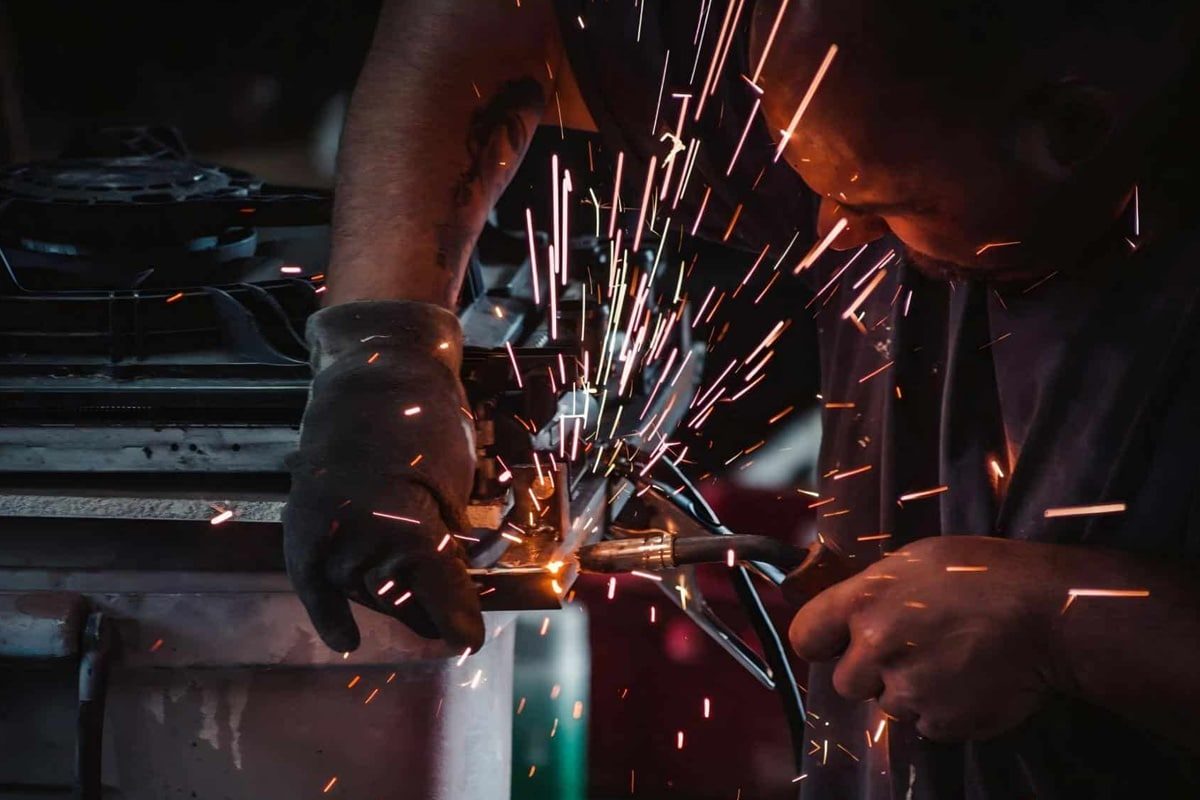
Optimize Laser Welding Process Parameters for Various Applications
Against the backdrop of modern manufacturing’s continuous upgrade towards higher precision, higher consistency, and automation, laser welding is gradually replacing traditional welding processes, becoming an indispensable key technology in high-end manufacturing. From automotive body structural components to aerospace precision parts, from medical device micro-components to electronic and microelectronic products, laser welding significantly improves product performance and production efficiency due to its advantages, such as non-contact processing, controllable heat input, and stable weld quality. However, laser welding is not a “one-size-fits-all” approach; different materials, structures, and industries have fundamentally different requirements for welding results.
In actual production, many manufacturers often encounter problems such as unstable welds, insufficient penetration, spatter, or thermal deformation after introducing fiber laser welding or pulsed laser welding equipment. The root cause is not insufficient equipment performance, but rather a mismatch between laser welding parameter settings and the application scenario. Variables such as laser power, pulse parameters, welding speed, and focal point position are interdependent; any unreasonable parameter setting will directly affect the final weld quality.
Therefore, optimizing laser welding parameters for different applications has become a core issue for improving weld consistency, weld strength, and overall production efficiency. Scientific parameter optimization can not only improve the appearance and internal quality of welds but also effectively reduce energy consumption, decrease rework rates, and enhance the stable operation of automated production lines. This is particularly important for manufacturing enterprises pursuing large-scale production and long-term cost control.
This article will focus on the theme of “Optimizing Laser Welding Parameters for Different Applications,” systematically analyzing the core components of laser welding parameters, exploring the key factors affecting parameter optimization, and proposing practical laser welding parameter optimization strategies based on typical industry applications such as automotive, aerospace, medical devices, and electronics manufacturing. This will help manufacturers fully unleash the true potential of laser welding technology in the face of complex and ever-changing production demands.
Table of Contents
Understanding Key Parameters in Laser Welding
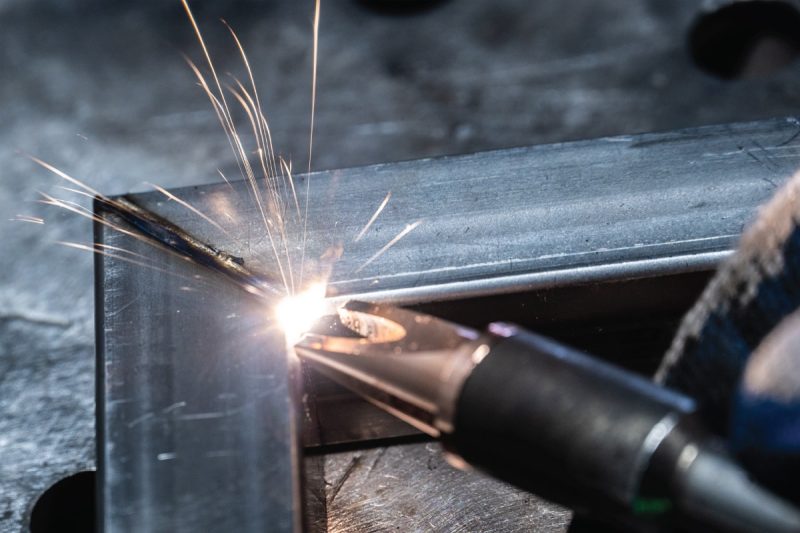
In laser welding applications, equipment performance is only the foundation; the core factor determining weld quality and stability lies in the scientific setting and matching of laser welding parameters. Whether in continuous fiber laser welding or pulsed laser welding, different parameters do not exist independently but work together to influence the formation of the weld pool, weld geometry, and final mechanical properties.
A lack of systematic understanding of laser welding parameters often leads to unstable welding, poor weld consistency, and even increased production costs. Therefore, before formally discussing parameter optimization strategies for different industries, it is necessary to conduct an in-depth analysis of the key parameters of laser welding and their mechanisms of action.
Laser Welding Power
Laser power is the core parameter determining the welding energy input level and is the primary factor affecting weld penetration and width. In laser welding, laser power directly relates to whether the material can reach a stable melting state.
When laser power is insufficient, it is difficult to form a complete weld pool, and common problems include incomplete fusion, insufficient weld strength, or welding interruptions. While setting the power too high can achieve greater penetration, it can also easily lead to defects such as increased spatter, porosity, and material ablation.
In fiber laser welding applications, appropriate power selection requires comprehensive consideration of material thickness, material absorptivity, and welding speed, rather than simply relying on the equipment’s maximum output power. Stable and controllable power output is often more valuable than simply pursuing high power.
Pulse Duration and Pulse Frequency
In pulsed laser welding, pulse duration and pulse frequency are key parameters for controlling instantaneous heat input and weld formation. Pulse duration determines the concentration of energy released by a single pulse, while pulse frequency affects the continuity of the welding process.
Shorter pulse durations help to quickly concentrate energy in a localized area, effectively reducing the heat diffusion range and minimizing the heat-affected zone. This characteristic makes pulsed laser welding particularly suitable for welding thin-walled parts, precision components, and heat-sensitive materials.
When the pulse frequency is too low, discontinuities are likely to occur between weld points; when the frequency is too high, heat may accumulate, weakening the advantages of pulsed welding. Therefore, in practical applications, pulse parameters usually need to be optimized in sync with welding speed and power.
Laser Welding Speed
Welding speed is an important indicator of laser welding efficiency and a key variable affecting weld quality. Welding speed directly determines the amount of energy input received per unit length of weld. In laser welding, excessively fast welding speeds shorten the interaction time between the laser and the material, leading to insufficient molten pool formation and inadequate weld penetration. Conversely, excessively slow welding speeds cause excessive heat accumulation, increasing weld width and the risk of thermal deformation.
In automated laser welding systems, welding speed often needs to be matched with laser power, focal spot position, and path planning to achieve a balance between weld quality and production efficiency.
Focus Size and Position
The focal spot size determines the laser spot size, thus affecting the energy density distribution. Smaller focal spots mean higher energy density, suitable for achieving deep penetration laser welding, while larger focal spots are more conducive to obtaining a smooth, uniform weld appearance.
Focus position is equally crucial. Whether the focal spot is located on the material surface, slightly above, or slightly below, it will significantly affect the molten pool morphology and welding stability. By appropriately adjusting the focal spot position, spatter can be effectively reduced, weld formation improved, and welding process stability enhanced. In welding complex structures or multi-layered materials, focal parameters often need to be dynamically fine-tuned according to the actual welding conditions.
Beam Quality and Beam Mode
Beam quality reflects the uniformity and focusability of laser energy distribution, and is a latent factor affecting the consistency of laser welding. Good beam quality helps achieve a stable molten pool morphology and improves welding repeatability.
In high-power fiber laser welding applications, beam mode stability is particularly important. Stable beam output not only improves welding quality but also reduces process debugging difficulty and improves long-term production reliability.
In summary, laser welding parameters are highly correlated. Power determines the energy level, and pulse parameters control the heat input method, welding speed affects energy distribution, while focus and beam quality determine the stability and control ability of the welding process.
Only by fully understanding the mechanisms of each parameter and making systematic adjustments based on specific material properties and application requirements can the advantages of laser welding in terms of high quality, high efficiency, and high consistency be truly realized. This understanding also provides a solid technical foundation for subsequent laser welding parameter optimization strategies for different industry applications.
Key Factors to Consider
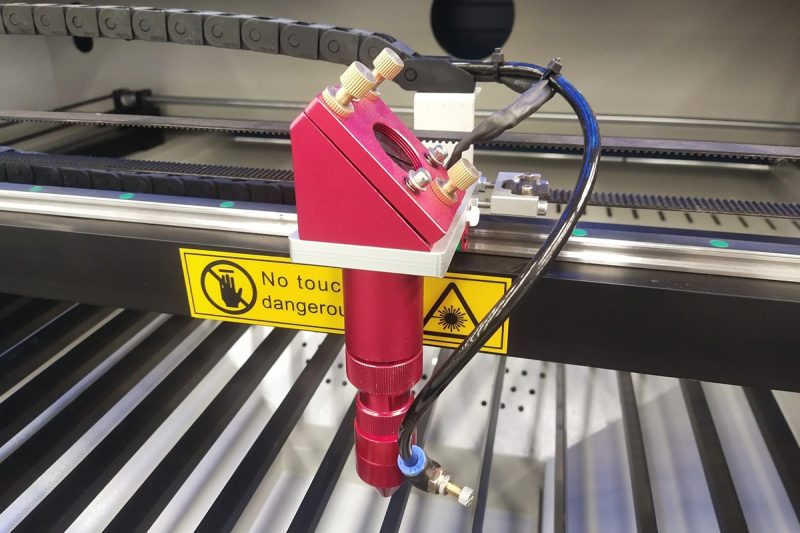
Choosing the right CO2 laser-cutting machine requires careful consideration of a variety of factors to ensure optimal performance, efficiency, and compatibility with specific manufacturing needs. From cutting speed and laser power to software compatibility and maintenance requirements, every aspect affects a machine’s suitability for its intended application. This paragraph aims to shed light on the key factors that should be considered when choosing a CO2 laser-cutting machine, enabling businesses and individuals to make an informed decision that is consistent with their requirements and goals.
Cutting Speed
Art and Sculpture
The cutting speed of a CO2 laser cutting machine determines the speed at which it can process materials. Faster cutting speeds can significantly increase productivity, especially in high-volume manufacturing environments. Therefore, we need to strike a balance between speed and cutting quality. While higher speeds may speed up production, cutting too fast can also compromise the accuracy and quality of the finished product. Therefore, it is more beneficial to evaluate your production requirements by choosing a machine with a cutting speed that matches your desired balance of speed and quality.
Laser Power
Art and Sculpture
Laser power plays an important role in determining the cutting capabilities of CO2 laser-cutting machines. Higher laser power allows the processing of thicker materials and faster cutting speeds. When evaluating laser power requirements, consider the type of material you will be working with and the depth of cut required. Choose a machine with enough power to meet your application needs while also focusing on cut quality. Additionally, higher laser powers may require more cooling systems and energy consumption, so consider these factors when choosing the appropriate power level for your machine.
Laser Source
Art and Sculpture
The quality and type of laser source are key considerations when choosing a CO2 laser-cutting machine. Choose a reputable brand known for its durable, efficient laser sources to ensure reliable performance and minimal downtime. Different laser sources may offer different beam quality, stability, and lifetime, research and compare options to find the best laser source for your needs. Additionally, factors such as maintenance requirements and serviceability should be considered when selecting a laser source, as these factors can affect the long-term reliability and cost-effectiveness of the machine.
Cutting Area
Art and Sculpture
The cutting area of the CO2 laser cutting machine determines the maximum size of the material that can be processed. Assess your production needs and material size to select a machine with the appropriate cutting area. Choose a machine with a cutting area that can accommodate your largest anticipated workpiece without sacrificing efficiency or flexibility in its work. Keep in mind that larger cutting areas may require a larger machine footprint and higher initial investment, so consider these factors when determining the best size for your application.
Accuracy and Precision
Art and Sculpture
Accuracy and precision are among the advantages of CO2 laser cutting machines, especially for applications requiring complex designs and tight tolerances. Evaluate the machine’s positioning accuracy, repeatability, and motion control system to ensure precise and consistent cutting results. Look for features like linear encoders and servo motors that help improve accuracy and repeatability. Additionally, factors such as beam quality and stability must be considered, as these factors can also affect the overall accuracy of the cutting process.
Software Compatibility
Art and Sculpture
Software compatibility can help a CO2 laser-cutting machine maximize its functionality. Make sure the machine supports industry-standard design software and file formats so it can integrate seamlessly into your existing workflow. Compatibility with CAD/CAM software enables an efficient design-to-production process, while an intuitive control interface simplifies operation and programming tasks. Evaluate your machine’s software capabilities and compatibility to ensure compatibility with your specific application requirements.
Maintenance and Support
Art and Sculpture
Regular maintenance helps ensure the service life and optimal performance of your CO2 laser cutting machine. Prioritize machines with reliable technical support and readily available spare parts to minimize downtime and maximize productivity. When evaluating maintenance and support services, consider factors such as service agreements, training programs, and remote diagnostic capabilities. Additionally, ask about the manufacturer’s warranty coverage and service response times to ensure any issues that may arise are addressed promptly.
Security Features
Art and Sculpture
Safety should be a top priority when operating a CO2 laser-cutting machine. Look for machines equipped with comprehensive safety features, including safety interlocks, enclosed work areas, and laser beam guards. These features help reduce the risk of accidents and ensure operators are protected during operations. Additionally, consider machines with additional safety features such as emergency stop buttons, door sensors, and exhaust systems to further enhance workplace safety.
Costs and Budgets
Art and Sculpture
Consider initial investment cost, operating expenses, and long-term return on investment when evaluating a CO2 laser cutting machine. Consider additional costs such as consumables, maintenance, and training to determine the total cost of ownership. Assess your budget constraints and prioritize features and functionality that meet your specific needs and requirements. While upfront costs must be considered, the long-term value and benefits provided by the chosen machine must also be evaluated to ensure the investment is cost-effective.
User-Friendliness
Art and Sculpture
User-friendly machines ensure smooth operation and maximize productivity. Look for features like intuitive controls, simple setup and maintenance procedures, and comprehensive training and support resources. Machines with clear safety features and ergonomic design further enhance the user experience, increasing operator satisfaction and efficiency. By prioritizing user-friendliness and technical specifications, businesses can choose a CO2 laser cutter that not only meets their performance requirements but also facilitates seamless integration into their workflow.
By carefully considering these key factors (accuracy and precision, software compatibility, maintenance and support, safety features, and cost and budget), you can ensure that the CO2 laser cutting machine you choose meets your specific requirements and delivers performance, reliability performance, and security to meet your application needs.
Other Things to Note
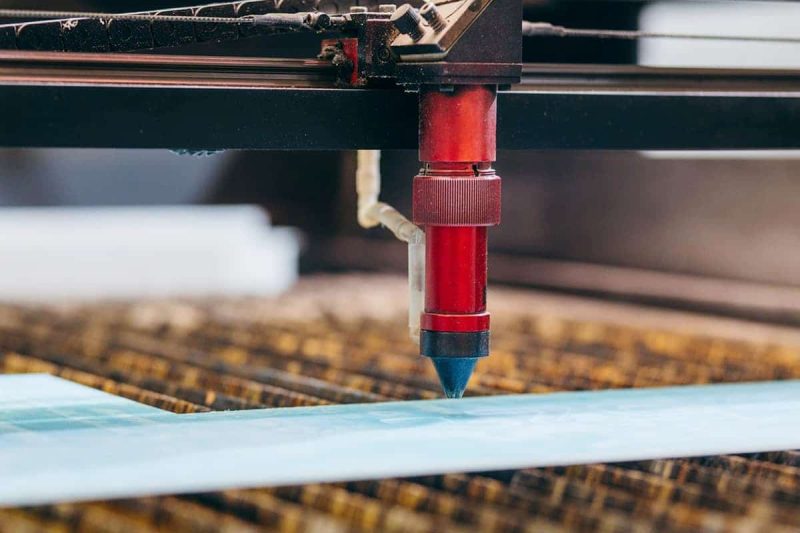
In addition to technical specifications and user-friendliness, there are several other key factors to consider when choosing a CO2 laser-cutting machine.
Brand Reputation
Art and Sculpture
The reputation of a manufacturer or brand carries a lot of weight. Choosing a reputable brand ensures not only reliability but also quality and consistent performance. Dive into extensive research including customer reviews, testimonials, and industry reports to gain valuable insights into your brand’s reputation and track record.
Warranty and After-Sales Support
Art and Sculpture
Before choosing a CO2 laser cutting machine, you need to evaluate the warranty coverage and after-sales support provided by the manufacturer. A comprehensive warranty not only gives you peace of mind but also protects your investment against unforeseen problems. In addition, responsive after-sales support ensures that any technical challenges encountered during operations are quickly resolved, minimizing downtime and maximizing productivity.
Future Expansions and Upgrades
Art and Sculpture
It is crucial to consider the potential for future expansion and upgrades. Choose a CO2 laser cutting machine that is scalable and compatible with add-on accessories or modules to meet changing production needs. Ask about available upgrade options, such as increased laser power or advanced software features, to ensure your machine can adapt and grow with your business.
By combining these additional considerations with technical specifications and user-friendliness, businesses can make an informed decision when selecting a CO2 laser cutting machine that not only meets their current requirements but also complements their future expansion plans to maximize return on investment and ensure long-term success.
Summarize
Choosing a suitable CO2 laser-cutting machine is an important decision, and you need to consider various factors carefully. This article comprehensively discusses the key aspects that enterprises and individuals should evaluate when choosing CO2 laser-cutting machines. From the technical specifications such as cutting speed, laser power, and cutting area, to user-friendly and brand reputation, such as user-centric factors, each aspect is determining the machine’s applicability to specific applications. In addition, this article also emphasizes the importance of warranty, after-sales support, and the importance of future expansion and upgrade potential to ensure the seamless and efficient experience of the selected machine. Through deeply weighing these factors, companies can make wise decisions that meet their needs, goals, and long-term growth plans in the field of CO2 laser cutting technology.
Are you ready to harness the power of CO2 laser-cutting technology for your manufacturing and fabrication needs? Whether you’re seeking precision cutting for thin materials or tackling thicker substrates with ease, our team is here to provide tailored solutions to meet your requirements. Contact us today to discuss your laser-cutting needs and explore how our solutions can help you achieve your goals. Whether you have questions about maximum cutting thickness, material compatibility, or custom cutting requirements, our team is ready to provide expert guidance and assistance every step of the way.

Contact information
- [email protected]
- [email protected]
- +86-19963414011
- No. 3 Zone A, Lunzhen Industrial Zone,Yucheng City , Shandong Province.
Get Laser Solutions