
















Does laser welding affect the microstructure of the welded material?
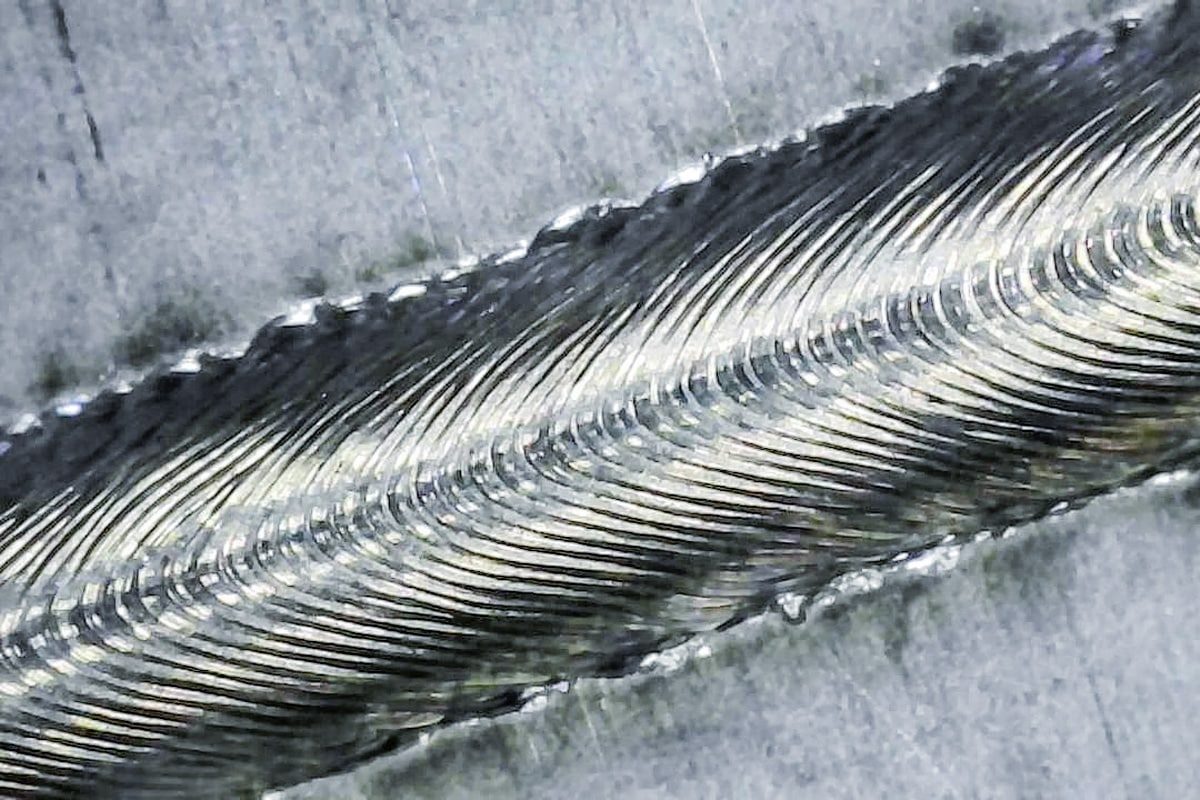
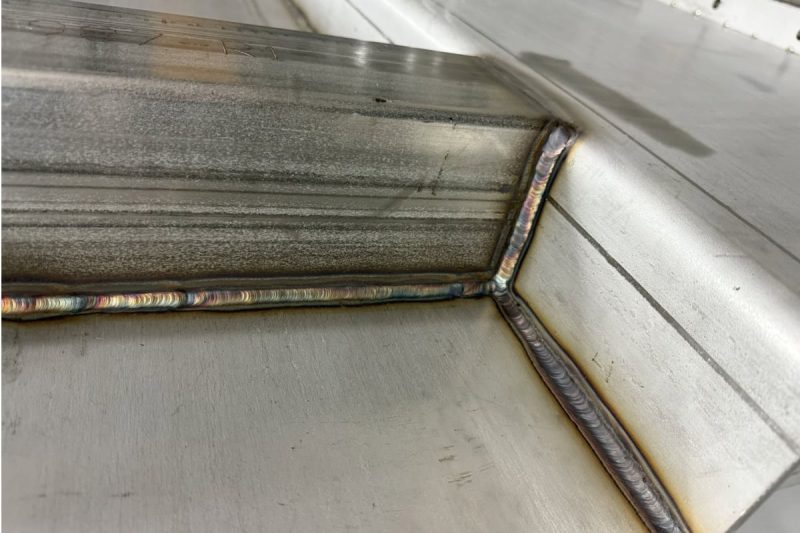
When you join two pieces of metal together using laser welding, the weld surface is often smooth and flat, with almost no visible defects. However, the true determinant of weld quality goes far beyond these “visible” aspects. For any manufacturer that prioritizes product quality, structural reliability, and long-term service life, the more critical question is: what changes occur inside the metal under the influence of high-energy laser light? The answer directly impacts the strength, toughness, fatigue performance, and stability of the weld joint under complex operating conditions.
In fact, the high energy density and extremely rapid heating during laser welding, followed by the cooling cycle, significantly alter the material’s microstructure, including grain morphology, phase composition, and the distribution characteristics of the heat-affected zone. These microscopic changes are not simply “side effects,” but rather core factors determining the overall performance of the weld. Improper process parameter control can lead to microstructural embrittlement, residual stress concentration, or decreased corrosion resistance; while through reasonable power, welding speed, laser spot control, and shielding gas selection, welded joints with refined grains, uniform microstructure, and excellent performance can be obtained.
Spis treści
The Basic Working Principle of Laser Welding
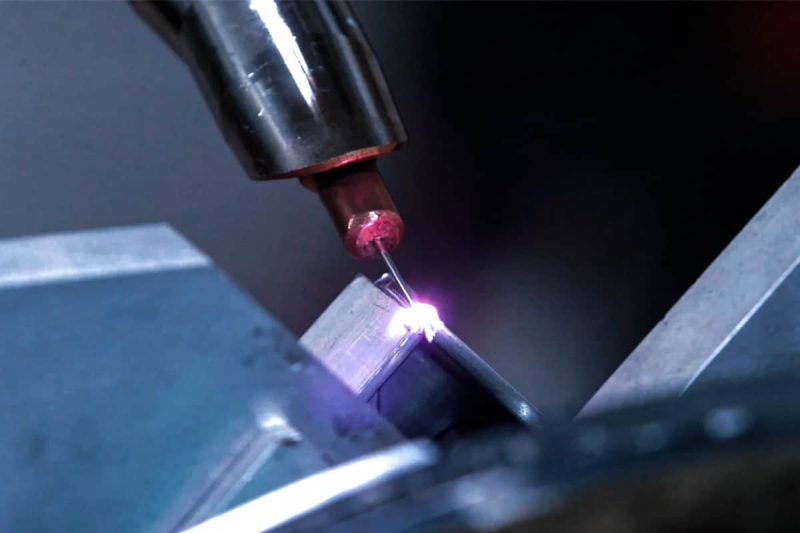
Laser welding focuses a high-energy-density laser beam onto the material surface, instantly generating temperatures of thousands of degrees Celsius, causing the metal to rapidly melt and solidify to form a weld. The entire process takes only seconds or even milliseconds, but within this short time, the material undergoes intense heating and cooling cycles, resulting in significant changes to its internal metal grain structure, phase composition, and stress distribution.
Compared to traditional arc welding, laser welding machines has a more concentrated heat input and faster heating and cooling rates. This extreme thermal cycling leads to unique microstructural evolution, bringing advantages such as fine grains and high strength, but also potential challenges such as residual stress and localized embrittlement. Understanding the mechanisms of these microstructural changes is crucial for optimizing welding processes and ensuring product quality.
Microstructural Changes in the Welded Zone
The HAZ is the area around the weld that is not melted but is affected by heat. Although the metal remains solid, high temperatures still induce a series of microstructural changes. The most obvious change is grain growth. At high temperatures, metal grains grow through grain boundary migration, potentially increasing in size several times over. Larger grains typically reduce the material’s strength and toughness, which is why the heat-affected zone (HAZ) sometimes becomes a weak point in welded joints.
Phase transformation is another important microscopic change in the HAZ. For steel, when the temperature exceeds a certain critical value, the original ferrite or pearlite structure transforms into austenite. Subsequent rapid cooling may transform austenite into martensite, bainite, or other phases, which vary greatly in hardness and toughness. Different phase compositions directly determine the mechanical properties of the HAZ.
Residual stress is also a significant characteristic of the HAZ. Materials expand when heated and contract when cooled, but due to uneven temperature distribution during welding, the thermal expansion and contraction of different regions are constrained by adjacent materials, resulting in internal stress. These residual stresses can reach 50% or even higher of the material’s yield strength, reducing fatigue life and increasing the risk of cracking.
Microscopic Characteristics of the Fusion Zone
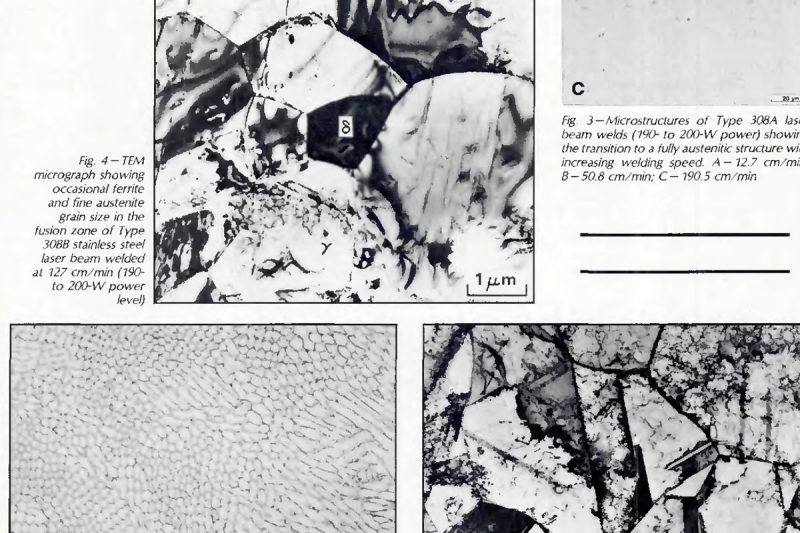
The fusion zone is the area where the metal completely melts and resolidifies during welding, and its microstructure undergoes the most dramatic changes. Typical dendritic structures form during solidification. The molten metal begins to solidify at the solid-liquid interface, growing columnar or dendritic crystals along the direction of fastest heat dissipation. These grains often grow from the fusion line towards the weld center, meeting at the weld center.
Elemental segregation is prone to occur during dendrite growth, meaning that alloying elements are unevenly distributed within the grains and at grain boundaries. Some elements accumulate in the liquid phase between dendrite arms, forming micro-regions with inhomogeneous composition after solidification. This segregation can lead to localized properties that differ from the base material, sometimes reducing corrosion resistance or promoting crack initiation.
Porosity and inclusions are common defects in the fusion zone. During welding, vapors from metal evaporation, shielding gases, or gases such as nitrogen and hydrogen from the air may become trapped in the solidified metal, forming pores. If the material surface has oxides, oil, or other impurities, these may also enter the molten pool and remain in the weld. These defects can significantly reduce the strength and fatigue performance of welded joints.
Microstructural Response of Different Metals
Different metallic materials exhibit different microstructural changes during laser welding. Understanding these differences is crucial for selecting appropriate welding parameters and post-processing techniques.
Microstructural Evolution of Stainless Steel
- Austenitic Stainless Steels: Such as 304 and 316, after laser welding, the fusion zone typically retains an austenitic structure, but the grains become significantly coarser. Due to the poor thermal conductivity of austenitic stainless steel, the heat-affected zone is relatively narrow. A small amount of ferrite may precipitate in the weld; the presence of this ferrite can improve resistance to hot cracking, but excessive amounts will reduce corrosion resistance. Chromium carbide may precipitate at grain boundaries, leading to increased intergranular corrosion tendency if heated to the sensitization temperature range of 450-850°C.
- Ferritic Stainless Steels: Such as 430, the weld microstructure is mainly composed of coarse ferrite grains. Grain growth is more pronounced in the heat-affected zone, potentially resulting in significant softening. Because ferritic stainless steel tends to grow at high temperatures, the weld toughness is often inferior to that of the base material. Carbides and nitrides may precipitate at grain boundaries, affecting the material’s plasticity.
- Martensitic stainless steel: After welding, such as 420 stainless steel, a hard and brittle martensitic structure forms in both the fusion zone and the heat-affected zone. While this structure has high hardness, it has poor toughness and is prone to cold cracking. Preheating and post-weld heat treatment are usually required to improve its properties. Duplex stainless steel is more complex; welding alters the ratio of austenite to ferrite, affecting the balance between strength and corrosion resistance.
Phase transformation and microstructure of carbon steel
- Low-carbon steel, due to its low carbon content, shows little phase transformation during welding. The fusion zone mainly consists of fine ferrite and pearlite. Grains in the heat-affected zone grow, but due to the low carbon content, the hardening tendency is not significant, and hard and brittle martensite generally does not form. Welding performance is relatively good, and cracking is less likely.
- High-carbon steel is much more complex. Due to its high carbon content, martensitic structure easily forms in the heat-affected zone during welding, leading to a sharp increase in hardness and a decrease in toughness. The formation of martensite generates structural stress, which, combined with the thermal stress of welding itself, makes high-carbon steel prone to cold cracking. Welding high-carbon steel typically requires preheating, controlled cooling rates, or tempering to reduce the risk of cracking.
Aluminum Alloys: Special Challenges
- Pure aluminum has extremely high thermal conductivity, requiring significant power for laser welding. The weld microstructure is usually equiaxed with relatively fine grains. However, aluminum alloys present a much more complex situation. 6-series aluminum alloys, such as 6061, are strengthened through age precipitation; the high welding temperatures cause the strengthening phases to dissolve or coarsen, leading to significant softening of the heat-affected zone. This softening phenomenon is common in aluminum alloy welding and can reduce joint strength by 30% or more.
- Welding 7-series and 2-series high-strength aluminum alloys is even more challenging. These alloys are highly sensitive to hot cracking and are prone to cracking during solidification. The dendritic structure in the fusion zone is coarse, alloy element segregation is severe, and certain low-melting-point eutectic phases precipitate at grain boundaries, becoming crack initiation points. Cracking tendency needs to be reduced by adding filler material, optimizing welding speed, or using special weld trajectories.
Microstructure Control of Titanium Alloys
- Pure titanium and titanium alloys readily absorb gases such as oxygen and nitrogen at high temperatures, forming brittle compounds. Strict gas protection is essential during laser welding, requiring argon purging not only on the front side of the molten pool but also on the back side. The weld microstructure is typically composed of coarse columnar grains, consisting of α phases transformed from the β phase.
- Ti-6Al-4V is the most widely used titanium alloy, belonging to the α+β type alloy. After welding, the fusion zone mainly consists of α-phase lamellae within coarse β grains. The heat-affected zone can be divided into β, α+β, and α regions depending on the temperature, each with a different phase composition and grain size. The weld strength can typically reach over 90% of the base material, but plasticity is reduced. If the cooling rate is too rapid, martensitic α’ phase may form; this phase is very hard but brittle.
High-Temperature Properties of Nickel Alloys
- After welding, nickel-copper alloys such as Monel 400 exhibit a solid solution structure in the fusion zone with coarse grains. Due to the wide solidification temperature range of nickel alloys, hot cracking is prone to occur. Intermetallic compounds may precipitate in the weld, affecting toughness. However, the oxidation and corrosion resistance of nickel alloys are largely maintained after welding, which is a significant advantage.
- Nickel-chromium alloys such as Inconel 718 are more complex. This high-temperature alloy achieves high strength through reinforcing phases such as γ’ and γ”, and welding alters the distribution of these reinforcing phases. The reinforcing phases in the fusion zone dissolve, leading to softening. Harmful δ-phase and carbides may precipitate in the heat-affected zone, reducing the material’s creep strength and resistance. Post-weld solution treatment followed by aging is typically required to restore performance.
The High Thermal Conductivity of Copper's Impact
Pure copper has a thermal conductivity ten times that of steel, making laser welding extremely difficult. Heat dissipates rapidly, making it difficult to establish a stable molten pool. Even if welding is successful, the grains in the fusion zone will be very coarse and prone to absorbing hydrogen, forming porosity. Copper alloys such as brass and bronze are relatively easier to weld because the alloying elements reduce thermal conductivity. However, zinc evaporation produces a lot of fumes and spatter, and the weld is prone to porosity.
Key Measures for Controlling Microstructure Changes
While laser welding inevitably causes microstructure changes, proper process control can minimize adverse effects and even achieve performance superior to the base material.
Importance of Pre-weld Treatment
Heat treatment can improve the weldability of materials. For highly hardenable materials, pre-weld annealing can reduce hardness and the risk of cracking. For certain aluminum and titanium alloys, solution treatment can homogenize the microstructure and reduce the tendency for welding defects. Preheating is also a common method, especially for thick plates and high-carbon steel, as it can reduce the cooling rate, decrease martensite formation, and reduce residual stress.
Surface preparation has a significant impact on weld quality. Oxide layers, oil, and moisture can all lead to porosity and inclusions. The surface should be thoroughly cleaned before laser welding, using methods such as mechanical grinding, chemical cleaning, or plasma treatment. For aluminum alloys, the surface oxide film also needs to be removed because the high melting point of aluminum oxide hinders the formation and flow of the molten pool.
Precise Control of Welding Parameters
The matching of laser power and welding speed directly affects the microstructure. Excessive power can cause overheating, spatter, and coarse grains. Insufficient power leads to inadequate penetration and a higher risk of incomplete fusion. Welding speed affects cooling rate and the width of the heat-affected zone (HAZ). Fast welding reduces the HAZ but may result in a hard, brittle phase. Slow welding allows for sufficient diffusion and a more uniform microstructure, but it also results in higher heat input and greater deformation.
The beam focusing position significantly influences weld shape and microstructure. Focusing on the surface yields the highest energy density, suitable for thin-plate welding. Slightly defocusing on the surface provides better penetration and a more stable molten pool. The amount of defocusing needs to be determined based on material thickness and joint type. Modern laser systems can also employ dynamic focusing and beam oscillation techniques to improve molten pool flow and solidification behavior, resulting in finer, more uniform grains.
The Role of Post-Weld Heat Treatment
Post-weld heat treatment is an effective means of improving microstructure and properties. Stress-relieving annealing reduces residual stress, decreasing deformation and cracking tendency. For martensitic stainless steel and high-carbon steel, tempering reduces hardness and increases toughness. Aging treatment can partially restore the strength of precipitation-strengthened aluminum and nickel alloys.
Solution treatment followed by aging is a common post-weld treatment process for high-temperature alloys. Solution treatment homogenizes the coarse as-cast structure and eliminates segregation. Aging treatment promotes the precipitation of strengthening phases, restoring or exceeding the strength of the base material. The heat treatment temperature, time, and cooling rate need to be carefully designed according to the material type; inappropriate heat treatment may be counterproductive.
Shot peening introduces compressive stress into the surface layer by impacting the surface with high-speed shots, which can offset some of the tensile residual stress. Compressive stress can also improve fatigue strength because cracks are less likely to initiate and propagate under compressive stress. Shot peening can also refine the surface grains, improving hardness and wear resistance. This mechanical surface treatment method is effective for both welds and heat-affected zones.
Wybór gazu osłonowego
Argon is the most commonly used shielding gas. It is chemically stable and does not react with metals. Its density is greater than that of air, effectively isolating it from air and preventing oxidation. Argon is suitable for welding most materials, including stainless steel, titanium alloys, and nickel alloys. However, argon has low thermal conductivity, which may affect the stability of the molten pool in some cases.
Helium has a higher thermal conductivity than argon, which can improve welding speed and penetration depth. It is particularly suitable for welding materials with good thermal conductivity, such as aluminum and copper. However, helium has a lower density and is easily disturbed, making its protective effect less stable than argon. In practical applications, an argon-helium mixture is often used to combine the advantages of both. The mixing ratio is adjusted according to the material and welding conditions, generally with a helium content between 25% and 75%.
For reactive metals such as titanium, simple front-side protection is insufficient; a drag shield protection for the back of the weld is also required. The entire welding process is carried out in an environment filled with inert gas to ensure that the high-temperature metal does not come into contact with any oxygen or nitrogen. Gas purity is also very important, typically requiring above 99.99%, as trace amounts of oxygen and nitrogen can cause contamination.
The Impact of Microstructure Changes on Performance
Changes in microstructure ultimately reflect in the macroscopic properties of the welded joint. Understanding this micro-macro relationship helps optimize processes and predict product lifespan.
The Variation of Mechanical Properties
Strength and hardness are closely related to grain size and phase composition. Fine-grained strengthening is a fundamental principle of materials science; the finer the grain, the higher the strength. The rapid cooling of laser welding is conducive to the formation of fine grains, which is one of its advantages. However, if hard and brittle martensite or other phases are formed, although hardness is high, toughness will decrease significantly. Dendritic structures and coarse columnar grains in the fusion zone are often weak points in strength.
Toughness and ductility are greatly affected by phase composition and residual stress. The presence of brittle phases reduces impact toughness and fracture toughness, making the material prone to brittle fracture. High tensile residual stress is equivalent to pre-applying a load to the material, reducing its actual load-bearing capacity. This is why some welds perform well in static tensile tests but fail prematurely under impact or fatigue loads.
Corrosion Resistance Considerations
Inhomogeneity of the microstructure significantly affects corrosion resistance. Grain boundaries are preferential corrosion pathways. Although coarse grains have shorter total grain boundary lengths, individual grain boundaries are more likely to become corrosion paths. Compositional inhomogeneity caused by segregation also leads to electrochemical corrosion; regions enriched with certain elements and depleted regions form micro-cells, accelerating corrosion.
Intergranular corrosion in stainless steel is a typical example. If the weld heat-affected zone remains within the sensitization temperature range, chromium carbide will precipitate at the grain boundaries, leading to chromium depletion near the grain boundaries and loss of the stainless steel’s passivation ability. This intergranular corrosion may not be visible on the surface but will penetrate deep into the material along the grain boundaries, causing severe damage.
Changes in phase composition also affect oxidation resistance and high-temperature corrosion resistance. Some high-temperature alloys rely on a protective oxide film on the surface to resist corrosion. Welding alters the distribution of alloying elements, potentially destroying the integrity and self-healing ability of the protective film. The precipitation of certain phases may also consume beneficial elements in the matrix, reducing overall corrosion resistance.
Factors determining fatigue performance
Residual stress has the most significant impact on fatigue performance. Tensile residual stress reduces fatigue strength and shortens fatigue life. This is because fatigue cracks typically initiate and propagate under tensile stress, and residual tensile stress is equivalent to increased working stress. Studies have shown that high residual stress in welds can reduce fatigue life by more than 50%.
The uniformity of the microstructure is also crucial. Regions with large hardness gradients tend to become stress concentration points, promoting crack initiation. Coarse second-phase particles and inclusions are preferential nucleation sites for cracks. Defects such as porosity and lack of fusion are even greater enemies of fatigue, acting as pre-cracks and significantly shortening the fatigue crack initiation stage.
Grain orientation and texture also affect fatigue behavior. Certain grain orientations offer stronger resistance to crack propagation. The directional solidification of laser welding produces a certain texture; if the crack propagation direction is unfavorable to the grain orientation, it may accelerate failure. By controlling the welding direction and heat flow direction, the texture can be optimized to some extent, improving fatigue resistance.
Podsumować
Laser welding does significantly alter the microstructure of materials, affecting multiple aspects, including grain size, phase composition, elemental distribution, and residual stress. Grain growth and phase transformation in the heat-affected zone, and dendrite growth and segregation in the fusion zone, all influence the performance of the weld joint. Different metallic materials exhibit varying microstructural responses; welding Stal nierdzewna, stal węglowa, aluminium alloys, titanium alloys, nickel alloys, and miedź each presents its own characteristics and challenges.
Through proper pre-weld preparation, precise parameter control, appropriate post-weld treatment, and correct shielding gas selection, microstructural changes can be effectively controlled, resulting in high-quality weld joints. Microstructural optimization ultimately manifests in improved mechanical properties, corrosion resistance, and fatigue performance. With advancements in laser technology and a deeper understanding of materials science, we can better predict and control the weld microstructure to meet the demands of various applications.
For manufacturers, understanding the microstructural changes in laser welding is not only a technical issue but also crucial for quality control and product innovation. In practical applications, this control over the microstructure relies heavily on stable, reliable, and process-adaptable laser welding equipment. AccTek Laser prioritizes controllability and consistency in its laser welding solutions. Through highly stable laser sources, precise power and energy adjustment capabilities, and a deep understanding of the welding characteristics of various metals, AccTek Laser helps customers more effectively control heat input and molten pool behavior, resulting in uniform and predictable microstructures. For manufacturing companies seeking both high efficiency and high quality, Lasery AccTek professional equipment and process support enable reliable, durable products with long-term quality stability without sacrificing welding performance.

Informacje kontaktowe
- [email protected]
- [email protected]
- +86-19963414011
- Nr 3 Strefa A, strefa przemysłowa Lunzhen, miasto Yucheng, prowincja Shandong.
Uzyskaj rozwiązania laserowe