| Cleaning Principle |
Uses focused laser energy to remove rust, paint, oxide, oil, and surface deposits |
Uses high-speed abrasive particles to strike and remove contaminants |
Uses high-frequency sound waves in liquid to create cavitation bubbles |
Uses compressed air to blast dry ice pellets onto the surface |
| Surface Contact |
Non-contact cleaning, no mechanical force on the workpiece |
Direct impact on the surface with abrasive media |
Workpiece must be placed in cleaning liquid |
Dry ice pellets impact the surface but sublimate after contact |
| Surface Damage Risk |
Low risk when parameters are correctly set |
Higher risk of roughening, pitting, or removing base material |
Low for many small parts, but unsuitable for some sensitive materials |
Lower than sandblasting, but impact force may affect delicate parts |
| Cleaning Precision |
Very high; suitable for selective and local cleaning |
Lower precision; often cleans a wider area |
Good for complex small parts immersed in liquid |
Medium precision; better for broad surface cleaning |
| Suitable Materials |
Metals, molds, stone, some composites, and selected coated surfaces |
Metals, concrete, stone, and heavy-duty surfaces |
Small metal, plastic, glass, and precision parts |
Metal, rubber, plastic, food equipment, and industrial surfaces |
| Rust Removal |
Very effective for light to heavy rust on metal surfaces |
Very effective for heavy rust and scale |
Limited; better for oil, grease, and fine particles |
Moderate; better for dirt, oil, paint, and light residues |
| Paint Removal |
Can remove paint layer by layer with controlled parameters |
Fast paint removal but may damage the substrate |
Not ideal for thick paint removal |
Effective for some coatings, but not always for thick or hard paint |
| Oil and Grease Removal |
Effective, especially with proper laser settings |
Possible but may spread contamination or need extra treatment |
Very effective for oil and grease on small parts |
Effective for oil and grease without water |
| Cleaning Speed |
Fast for targeted areas and automated production lines |
Fast for large rough surfaces |
Slower because parts need soaking and drying |
Fast for large surfaces and production equipment |
| Environmental Impact |
No abrasive waste, usually low secondary pollution |
Produces dust, spent abrasive, and contaminated waste |
Requires cleaning liquid and wastewater treatment |
No blasting media residue, but requires CO₂ dry ice supply |
| Consumables |
No regular cleaning media required |
Requires sand, grit, or other abrasive media |
Requires cleaning solution and sometimes additives |
Requires dry ice pellets and compressed air |
| Operating Cost |
Higher initial cost, lower consumable cost |
Lower equipment cost, higher ongoing media and cleanup cost |
Moderate cost, depending on tank size and liquid use |
Ongoing dry ice and compressed air costs can be high |
| Equipment Investment |
Higher initial investment |
Usually lower initial investment |
Low to medium for small systems; higher for large industrial tanks |
Medium to high depending on system size |
| Automation Capability |
Excellent; easy to integrate with robots, CNC systems, and production lines |
Possible, but media handling and dust control are more complex |
Suitable for batch cleaning, less flexible for large parts |
Can be automated, but dry ice supply must be managed |
| Cleaning of Complex Shapes |
Good for accessible surfaces, corners, welds, and molds |
Good for exposed surfaces but may be uneven in narrow areas |
Excellent for small complex parts fully immersed in liquid |
Good for many shapes, but deep narrow gaps may be difficult |
| Post-Cleaning Treatment |
Usually little or no post-cleaning required |
Often requires dust removal and surface finishing |
Requires rinsing and drying |
Usually little residue, but moisture/condensation may need attention |
| Worker Safety |
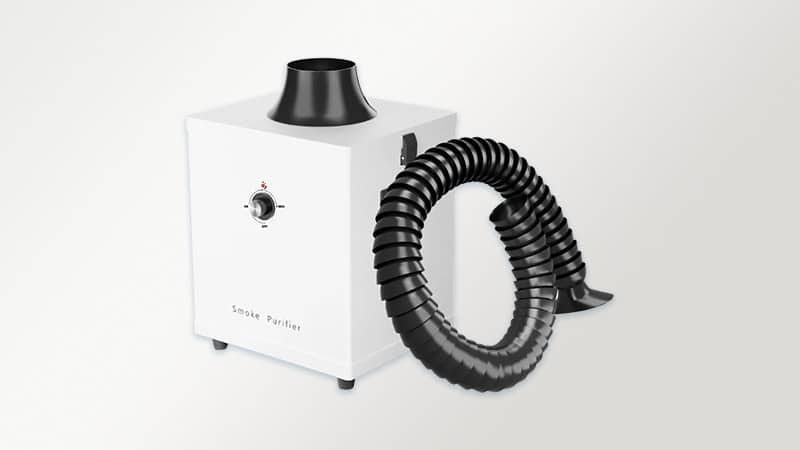
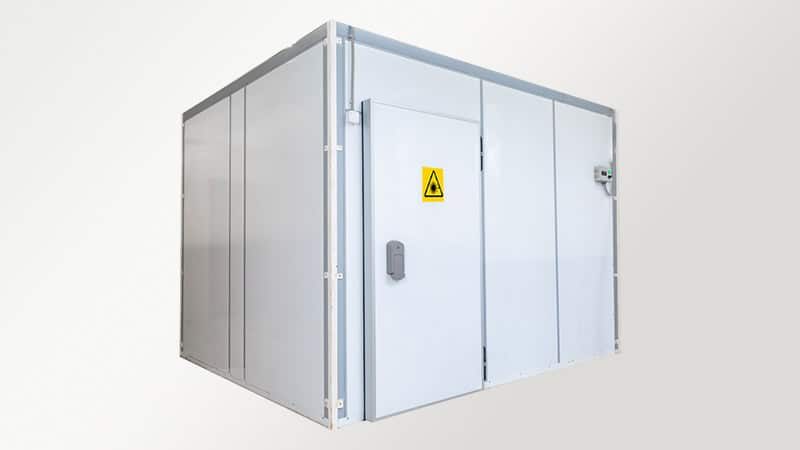
Requires laser safety glasses, enclosure, and fume extraction |
Requires dust protection, blasting suit, and hearing protection |
Requires chemical handling and liquid safety measures |
Requires ventilation, hearing protection, and care with cold materials |
| Noise Level |
Relatively low to medium depending on system and extraction |
High noise during blasting |
Low to medium |
High due to compressed air blasting |
| Best Application Scenarios |
Precision rust removal, weld cleaning, mold cleaning, oxide removal, coating removal, and automated cleaning |
Heavy rust, scale, old coating removal, and rough surface preparation |
Small precision parts, medical parts, electronics parts, and oil removal |
Food equipment, molds, production lines, and cleaning without water |
| Main Limitation |
Higher purchase cost and need for laser safety control |
Dust, abrasive waste, surface roughening, and cleanup work |
Limited by tank size, liquid use, and drying requirements |
Requires dry ice supply, compressed air, and good ventilation |























4 reviews for 2000W Laser Cleaning Machine
Sophie –
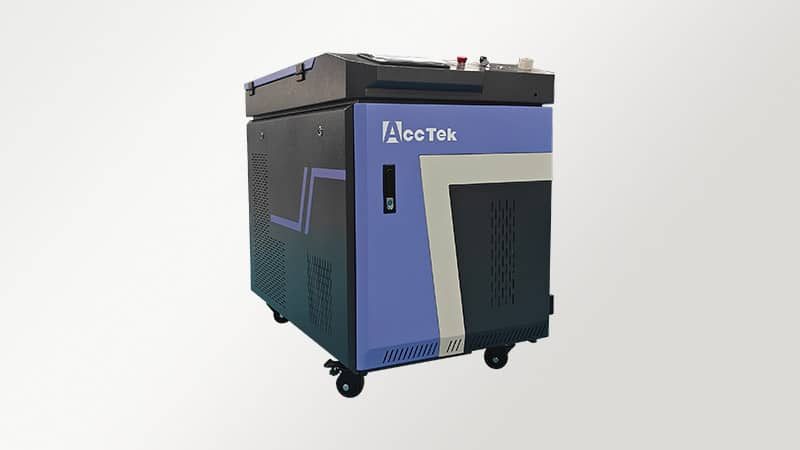
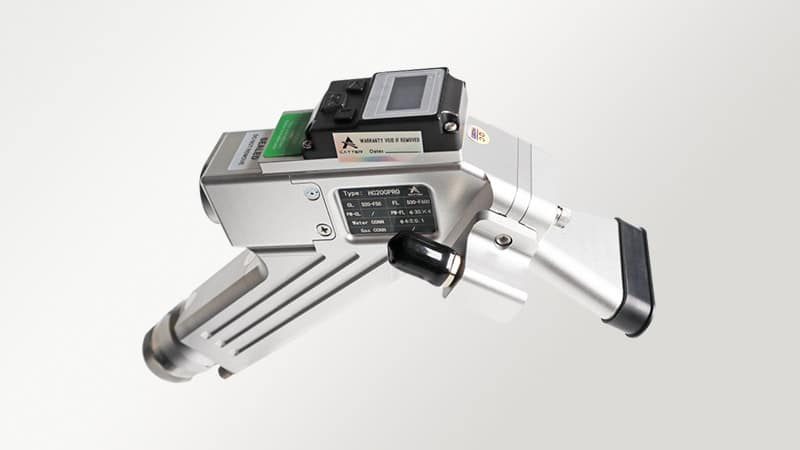
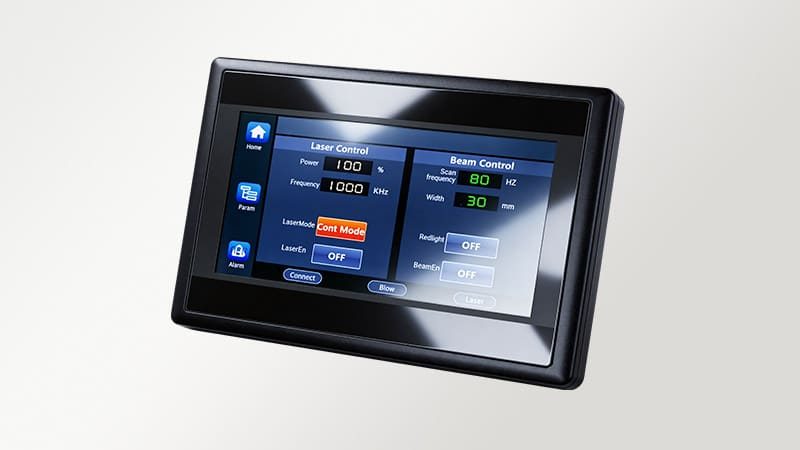
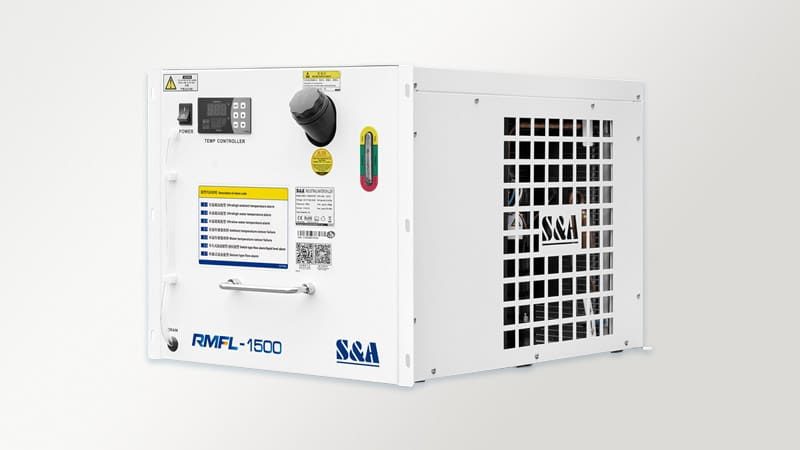
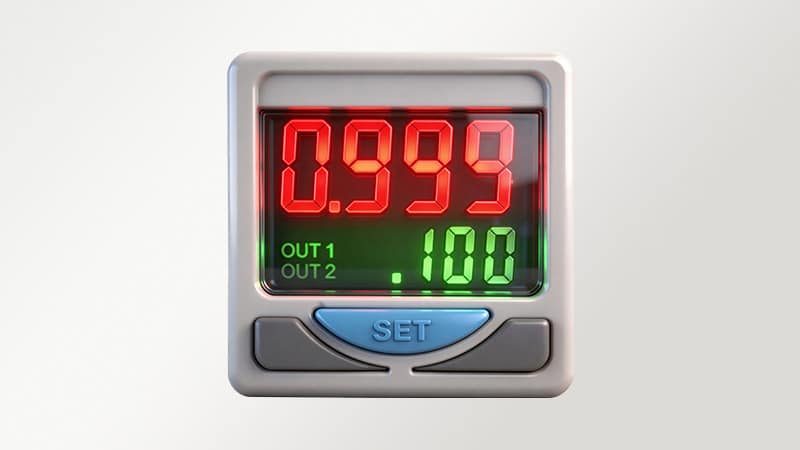
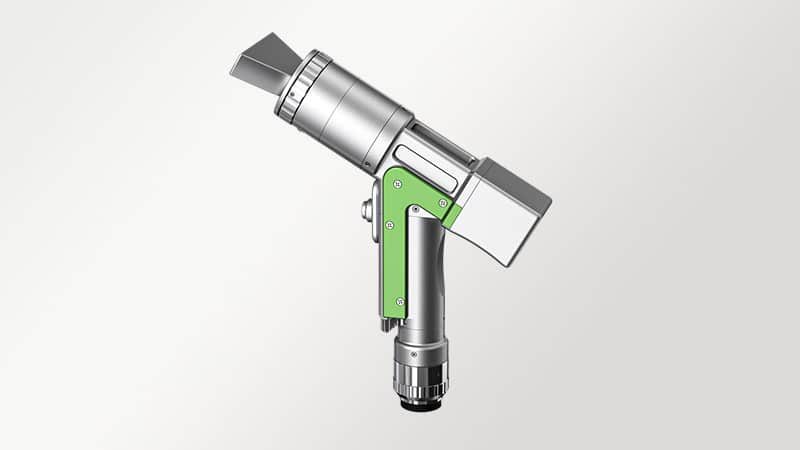
This laser cleaning machine has been easy to integrate into our workflow. I use it mostly for removing surface contaminants before assembly. The handheld head is comfortable and gives me good control, even on small parts. The machine itself feels stable and runs smoothly during operation. I also like how quiet it is compared to the older equipment we used before. The cooling system keeps everything running without interruption, which is important for our production schedule. The controls are clear and easy to adjust. It’s a dependable tool that has helped improve our overall efficiency.
Laura –
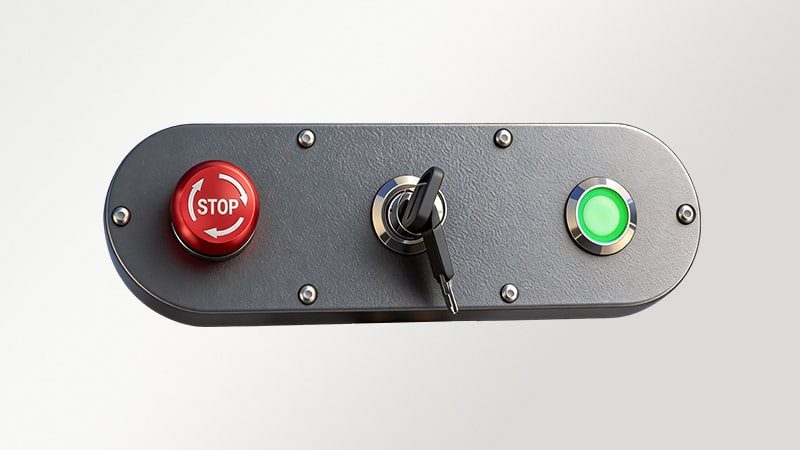
From a quality control perspective, this machine has been very helpful. The cleaning is precise and doesn’t damage the material, which is important for inspection standards. The system runs smoothly, and the results are consistent across different batches. I find the interface easy to use when adjusting settings for different tasks. The safety features also give me confidence when operators are working nearby. It’s a reliable piece of equipment that supports our quality goals without adding extra complications.
Eric –
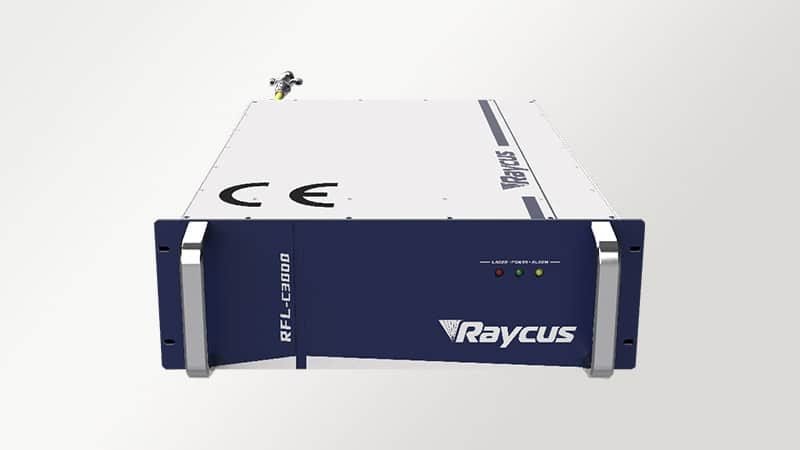
I’ve worked with different cleaning systems over the years, and this laser machine has been one of the more reliable ones. The performance is steady, especially when handling larger surfaces that require consistent output. I like how the beam doesn’t fluctuate, which helps keep the results even. The machine is also easy to move around our facility, which saves time during setup. The cooling system does its job well, even during long shifts. Another thing I noticed is how simple the controls are. It didn’t take long to get used to them. Overall, it’s a practical machine that fits well into our daily operations.
Brian –
We use this laser cleaning machine in different departments, and it has adapted well to each task. The mobility is a big advantage, since we often move equipment between work areas. The laser output remains stable, which helps maintain consistent cleaning quality. The control interface is easy to use, even for operators with limited experience. I also appreciate the safety system, which adds an extra layer of protection. The machine has been running smoothly since we installed it, and it hasn’t caused any major issues. It has definitely improved our overall efficiency.