

















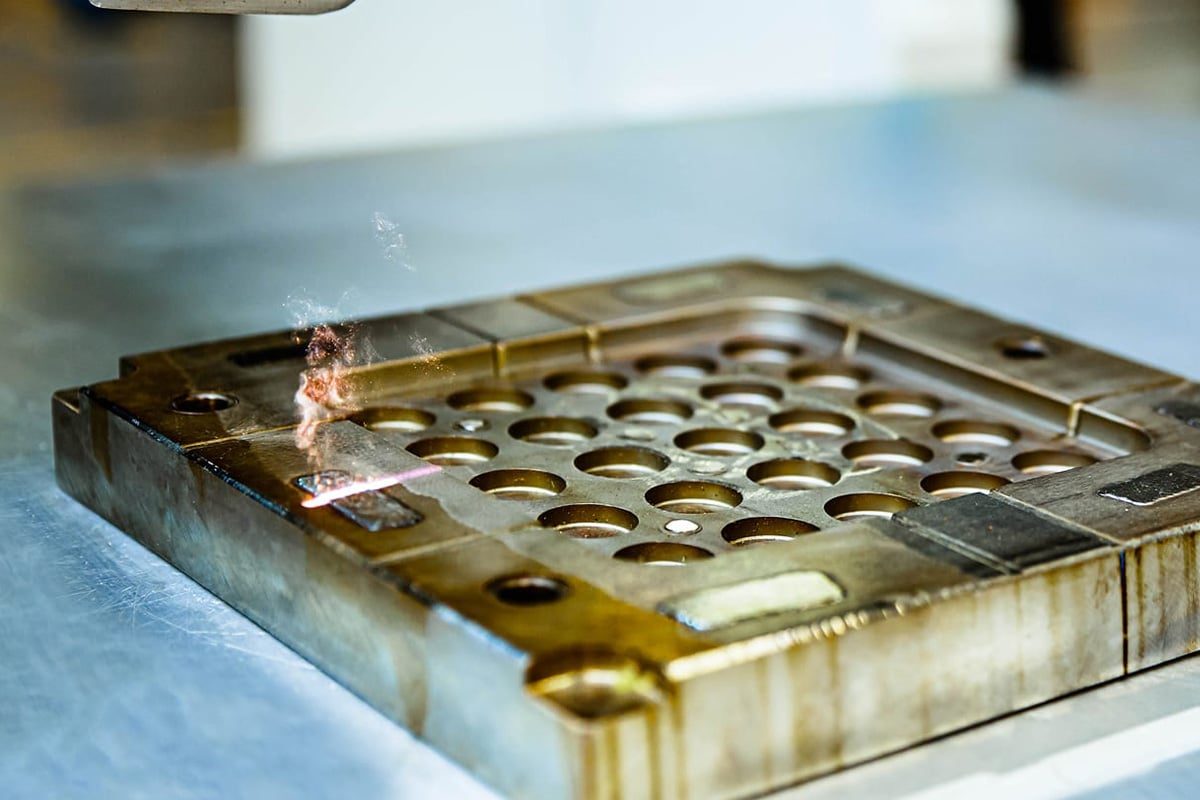
Laser Cleaning Machine Lifespan
Laser cleaning machines represent a significant capital investment for any manufacturing facility, maintenance operation, or industrial service business. By using the focused output of a laser generator to ablate rust, paint, oxides, grease, and other contaminants from surfaces without physical contact, chemical reagents, or abrasive media, they deliver a quality, precision, and environmental cleanliness that conventional cleaning methods cannot approach. Once purchased, a laser cleaning machine is expected to deliver reliable, consistent cleaning performance day after day, shift after shift — and the length of time it does so before requiring major component replacement or full system retirement is one of the most important economic variables in the total cost of ownership calculation.
Yet the question of how long a laser cleaning machine will last does not have a single, simple answer. Unlike a mechanical tool with a single wear surface, a laser cleaning machine is a complex electro-optical system whose service life is the aggregate result of many interacting component lifespans — the laser generator itself, the optical delivery components, the cooling system, the scan head and galvanometer assembly, the control electronics, and the mechanical housing. Each of these subsystems has its own characteristic service life, its own set of factors that accelerate or retard degradation, and its own maintenance requirements that determine whether it reaches its design life or fails prematurely.
Understanding these component lifespans and the factors that govern them is not merely an interesting technical background. It is actionable knowledge that enables better equipment selection decisions — choosing machines whose components are rated for the intended duty cycle rather than compromised specifications that appear attractive only at the point of purchase. It enables better maintenance planning — knowing which components to inspect at what intervals and which early warning signs to monitor. And it enables better financial planning — anticipating major cost events such as laser generator pump diode replacement or scan head servicing before they arrive as surprises that disrupt production schedules and strain maintenance budgets.
This article provides a comprehensive guide to laser cleaning machine lifespan — covering the typical service lives of each major component, the factors that most significantly affect overall machine longevity, the practical strategies that extend service life and delay major cost events, the warning signs that indicate servicing or replacement is warranted, and the total cost of ownership framework within which all of these considerations ultimately belong. Whether evaluating a first laser cleaning machine purchase or managing an existing fleet, this guide provides the knowledge needed to maximize the productive life and financial return of the investment.
Table of Contents
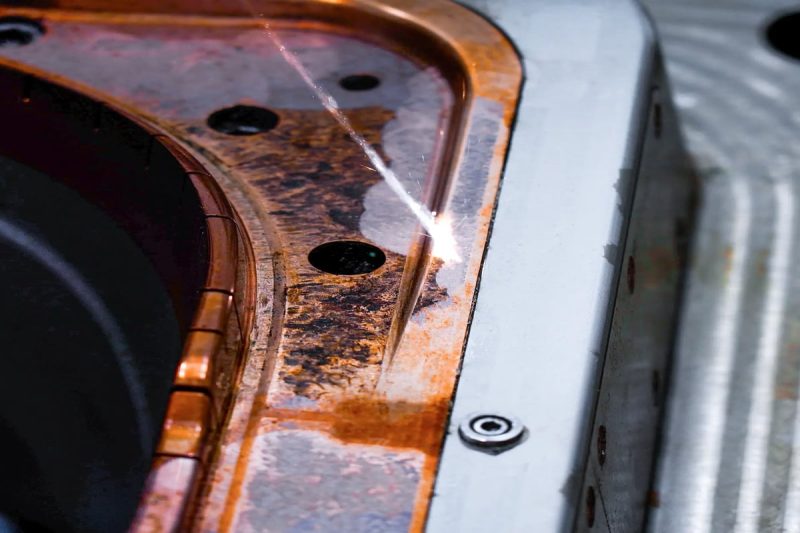
What Is the Expected Lifespan of a Laser Cleaning Machine?
There is no single lifespan figure that applies to a laser cleaning machine as a whole, because the machine is an assembly of subsystems with very different characteristic service lives. Understanding each subsystem’s expected lifespan — and which subsystem is the most likely limiting factor for overall machine life — is the starting point for realistic financial planning and maintenance strategy.
Laser Generator
The fiber laser generator is the most technically sophisticated and most expensive component in the laser cleaning system, and its service life is the primary determinant of the machine’s economic viability over time. Modern fiber laser generators used in industrial cleaning applications are typically rated for 100,000 hours of operation — a figure that corresponds to approximately 50 years of single-shift, five-day-per-week operation, or around 12 to 17 years in continuous multi-shift production environments. This 100,000-hour figure refers primarily to the pump diodes that inject optical energy into the gain fiber; the gain fiber itself is effectively a permanent component under normal operating conditions.
In practice, the actual service life of the laser generator depends heavily on how carefully it is operated and maintained relative to its design specifications. A laser generator operated consistently within its rated power range, maintained at its specified operating temperature by an effective cooling system, and protected from contamination and electrical transients can realistically approach or achieve its rated pump diode service life. A laser generator pushed beyond its rated power, operated at elevated temperatures due to cooling system neglect, or subjected to back-reflection events from highly reflective surfaces, may experience pump diode degradation significantly earlier. When pump diodes approach the end of life, output power declines gradually — cleaning performance deteriorates before total failure occurs, providing a warning of the approaching cost event.
Optical Components (Lenses, Mirrors, Protective Windows)
The optical components of the laser cleaning machine — the focusing lens, scan mirrors within the galvanometer scan head, and the protective window at the beam exit — have service lives that depend primarily on how well they are protected from contamination and thermal stress rather than on any inherent wear mechanism. The protective window is the most frequently replaced optical component: positioned at the beam exit and directly exposed to the fumes, vapor, and spatter generated during cleaning, it accumulates contamination that absorbs laser energy, heats up, and eventually causes thermal damage or cracking. In demanding production environments, protective windows may need replacement every few weeks; in lighter-duty applications with good fume extraction, they may last several months. The replacement cost is modest — typically $20 to $80 per window — making this a routine consumable rather than a significant cost event, provided it is managed proactively.
Focusing lenses and scan mirrors, protected by the window and the sealed scan head housing, have longer service lives — typically one to five years before replacement is required, depending on contamination ingress and the number of thermal cycles experienced. Their replacement cost is higher than the protective window — $150 to $600 for a focusing lens — and their failure has more immediate impact on beam quality and cleaning performance, making their condition a priority monitoring item in any maintenance program.
Cooling System
The cooling system — whether air-cooled fans and heatsinks in lower-power machines or a closed-loop water cooling circuit with a dedicated chiller in higher-power systems — has a service life that depends primarily on the quality of its maintenance. Cooling fans in air-cooled systems typically last five to ten years before bearing wear necessitates replacement. Water pumps in liquid-cooled systems have similar service lives of five to eight years under normal operating conditions, though this can be significantly shortened by operating with contaminated or corrosive coolant that accelerates pump seal and impeller wear. The heat exchanger or chiller unit itself, maintained with clean coolant and regular condenser cleaning, can last ten to fifteen years or longer.
The consequences of cooling system degradation extend far beyond the cooling system itself: a failing cooling system that allows the laser generator to operate above its rated temperature dramatically accelerates pump diode wear, potentially reducing laser generator service life from tens of thousands of hours to a few thousand. Cooling system maintenance is, therefore, one of the highest-leverage investments available in laser cleaning machine life extension.
Scan Head and Galvanometer
The galvanometer scan head — which uses two high-speed mirror-mounted galvanometer motor to steer the laser beam across the cleaning area is a precision electromechanical component whose service life is typically rated at 20,000 to 50,000 hours of operation. The galvanometer bearings are the primary wear element, and their longevity depends on operating speed, thermal conditions, and the cleanliness of the operating environment. Scan heads used in pulsed laser cleaning applications — which involve more frequent direction changes and higher dynamic loading than continuous-wave scanning — tend to experience higher bearing wear rates. Scan head replacement or bearing service is a periodic major maintenance event whose timing should be anticipated in long-term cost planning.
Control System and Electronics
The control system — comprising the laser generator’s power supply and control electronics, the scan head driver boards, the HMI interface, and any process monitoring hardware — is solid-state electronics whose service life is governed by thermal cycling, electrical stress, and manufacturing quality. Well-designed control electronics in a properly maintained machine can operate reliably for ten to fifteen years or longer. Individual component failures — a failed driver board, a degraded power supply capacitor, a worn-out HMI touchscreen — are the typical failure modes, each addressable through component replacement at a cost far below that of a full system replacement, provided that replacement parts remain available from the manufacturer.
Mechanical Structure and Housing
The mechanical structure — frame, enclosure panels, cable carriers, and connectors — is the most durable element of the laser cleaning machine and typically outlasts all other subsystems by a wide margin. A well-built machine frame can remain serviceable for twenty years or more, provided it is not subjected to physical damage from impacts or corrosive environments. In practice, the mechanical structure is rarely the reason a laser cleaning machine is retired — economic obsolescence, laser generator end of life, or the unavailability of replacement parts for discontinued models are far more common drivers of system retirement decisions.
How Lifespan Compares to Traditional Cleaning Equipment
Laser cleaning machines compare favorably with traditional cleaning equipment on longevity when properly maintained. Sandblasting equipment — compressors, blast pots, and recovery systems — involves high mechanical wear from abrasive media contact and typically requires significant component replacement every three to five years. Chemical cleaning systems — tanks, pumps, heating elements, and filtration systems — are subject to corrosive degradation from the chemicals they handle, with key components often requiring replacement every five to eight years. Laser cleaning machines, with their non-contact operating principle and solid-state laser generator technology, have fewer inherently wear-prone mechanical elements than either alternative, and their primary consumable — the protective window — is far less expensive than the blasting media and chemical reagents consumed by competing methods.
The overall lifespan of a laser cleaning machine is the aggregate of its subsystem service lives, dominated in practical terms by the fiber laser generator’s pump diode life (rated at 100,000 hours), the scan head galvanometer life (20,000 to 50,000 hours), and the cooling system component life (five to fifteen years). Optical consumables — particularly the protective window — require frequent replacement but at modest cost. The mechanical structure is the most durable element. Understanding each subsystem’s expected life enables realistic financial planning and targeted maintenance investment.
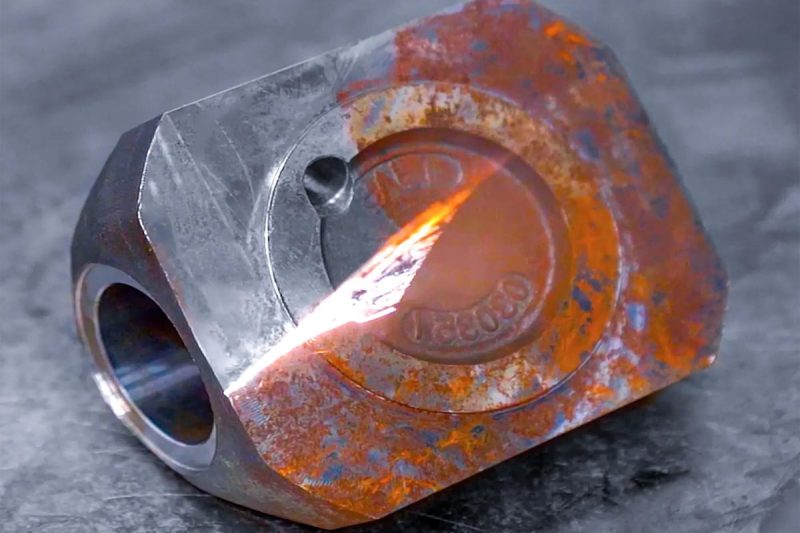
Factors That Affect the Lifespan of a Laser Cleaning Machine
The rated service lives of individual components represent what is achievable under specified operating conditions — they are not guaranteed outcomes independent of how the machine is used and maintained. A constellation of operational and environmental factors can either allow a laser cleaning machine to approach its rated service life or cause it to fall significantly short. This section examines the most important of these factors.
Laser Generator Quality and Brand
The quality of the fiber laser generator is the single most consequential specification decision in determining the machine’s long-term reliability and service life. Laser generators from established manufacturers with vertically integrated production — designing and manufacturing the pump diodes, gain fiber, and resonator components in-house — consistently deliver longer service lives, more stable output characteristics, and better technical support than lower-cost alternatives assembled from commodity components with less rigorous quality control. Key quality indicators include the pump diode manufacturer and specification, the thermal management design of the diode mounting, the quality of the fiber connections and splices, and the sophistication of the laser generator’s internal protection systems — including back-reflection protection, over-temperature shutdown, and power monitoring circuitry. Investing in a laser generator from a reputable brand with a documented track record of field reliability is one of the highest-return decisions available at the point of machine purchase.
Duty Cycle and Intensity of Use
The rate at which laser cleaning machine components accumulate operating hours is the most direct determinant of how quickly they approach the end of their rated service lives. A machine used for four hours per day, five days per week, accumulates approximately 1,000 operating hours per year; the same machine used in two-shift production accumulates 4,000 hours per year. At 1,000 hours per year, a laser generator rated for 100,000 hours has a theoretical service life of 100 years; at 4,000 hours per year, that same rating translates to 25 years. Duty cycle also matters beyond simple operating hours: a laser generator that is repeatedly ramped to its maximum rated power and then shut down undergoes more severe thermal cycling than one operated at moderate, stable power levels, potentially accelerating pump diode and optical component degradation even within the rated operating hour threshold.
Operating Environment
The physical environment in which a laser cleaning machine operates has a profound effect on the service life of its optical and electronic components. Temperature is the most fundamental variable: laser generators and their associated electronics are designed to operate within a specific ambient temperature range — typically 10 to 40°C — and sustained operation outside this range accelerates thermal degradation of electronic components and reduces cooling system effectiveness. In hot climates or poorly ventilated facilities, summer ambient temperatures can push the machine’s internal operating temperatures significantly beyond their design range during the hottest part of the day — an insidious problem because it occurs gradually and may not trigger immediate failures, but instead causes cumulative degradation that shortens component life over months and years of repeated exposure.
Humidity affects the corrosion rate of metallic components and the electrical insulation resistance of control electronics; condensation forming on cold components after a shutdown in a humid environment can cause electrical shorts and accelerated corrosion of optical surfaces. Dust and airborne particulates are the primary threat to optical component longevity — even small quantities of particulate contamination on optical surfaces absorb laser energy, causing localized heating that damages coatings and eventually causes thermal cracking. Corrosive atmospheres — in facilities where acids, alkalis, or saltwater aerosols are present — attack metallic surfaces, electrical connectors, and optical coatings, significantly reducing component service lives unless appropriate protective measures such as sealed enclosures, positive-pressure purging, or corrosion-inhibiting coatings are implemented.
Quality of Maintenance Practices
Maintenance quality is the factor most directly within the control of the machine owner, and it has a larger effect on realized service life than any other variable after the initial equipment quality decision. A laser cleaning machine maintained to the manufacturer’s recommended schedule — with regular optical component inspection and replacement, cooling system fluid management, mechanical system lubrication, and laser generator health monitoring — will consistently realize service lives close to the rated component specifications. A machine whose maintenance is deferred or performed incorrectly will experience accelerated degradation across all subsystems, with failures that compound: a neglected protective window leads to focusing lens contamination, which leads to thermal lensing and beam quality degradation, which leads to operator compensation by increasing laser power, which accelerates pump diode wear. Preventive maintenance is not merely a service cost — it is an investment that multiplies the return on the original equipment purchase.
Cooling System Performance
The cooling system’s performance has an outsized influence on laser generator lifespan that extends far beyond the cooling system’s own service life. Every degree Celsius of operating temperature above the laser generator’s design point accelerates pump diode degradation at a rate governed by the Arrhenius relationship — for many semiconductor failure mechanisms, the degradation rate approximately doubles for every 10°C rise in junction temperature. A cooling system that maintains the laser generator at its optimal temperature throughout the machine’s operating life enables the pump diodes to achieve close to their rated service life; a cooling system that allows operating temperature to rise by 20°C due to coolant fouling, condenser contamination, or refrigerant loss could halve the effective pump diode service life, turning a ten-year economic life into a five-year one. This interdependence makes cooling system maintenance — particularly coolant quality management and condenser cleaning — among the most leverage-rich maintenance activities available.
Operator Skill and Handling
Operators who understand the principles of the laser cleaning process consistently achieve longer equipment service lives than operators who treat the machine as a black box to be operated without process understanding. Specific operator behaviors that significantly affect machine life include: correct setup of standoff distance and scanning parameters for each application, which prevents back-reflection events that damage the laser generator when highly reflective materials are cleaned at suboptimal parameters; proper management of the fume extraction system, which protects optical components from contamination; correct cable management of the fiber delivery cable, which prevents bend radius violations that cause fiber damage; and prompt reporting of performance anomalies rather than compensating for them by adjusting parameters in ways that mask developing problems while accelerating underlying degradation.
Quality of Materials Being Cleaned
The nature of the contaminants being removed affects the laser cleaning machine’s operating environment and the rate of optical component wear. Cleaning operations that generate large quantities of fine metallic particulate, corrosive vapor, or chemically reactive fumes create a more aggressive environment for optical components than cleaning operations that produce relatively benign vapor and smoke. Applications involving heavy rust removal from carbon steel generate iron oxide particulate that can contaminate optical surfaces aggressively if fume extraction is inadequate. Cleaning of zinc-coated surfaces generates zinc oxide aerosol that is particularly damaging to optical coatings. Understanding the fume profile of each cleaning application and ensuring that the fume extraction system is appropriately rated for the specific contaminants generated is an important element of optical component life management.
Software and Firmware Management
Modern laser cleaning machines incorporate sophisticated control software and firmware that governs laser generator operation, scan head control, safety interlock management, and process monitoring. Keeping this software current through the manufacturer’s recommended updates ensures that known bugs are corrected, safety functions are maintained at their specified performance levels, and any firmware-level improvements to laser generator protection or thermal management are implemented. Allowing control software to fall significantly out of date — or allowing unauthorized modifications to firmware that govern safety-critical functions — can introduce risks to both equipment and operator safety that undermine the investment in the hardware.
Laser cleaning machine service life is determined by a complex interplay of factors: the intrinsic quality of the laser generator and its components, the intensity and duty cycle of use, the harshness of the operating environment, the quality and consistency of maintenance practices, the effectiveness of the cooling system, operator skill and process understanding, the aggressiveness of the cleaning application’s fume profile, and the currency of control software. Each of these factors is manageable — none is beyond the influence of the machine owner’s decisions and practices — and managing them systematically is the foundation of maximizing the return on the laser cleaning machine investment.
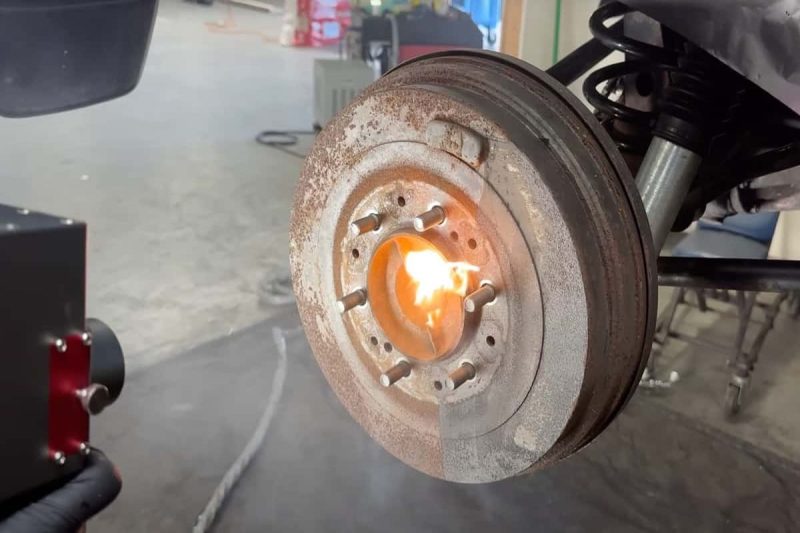
How to Extend the Lifespan of a Laser Cleaning Machine
The practical translation of the factors described in the previous section into actionable life extension measures is the subject of this section. A structured preventive maintenance program, combined with environmental controls, operator training, and supplier partnership, can add years to the productive life of a laser cleaning machine and defer major cost events that would otherwise arrive prematurely.
Establishing a Preventive Maintenance Schedule
A structured preventive maintenance schedule is the single most effective life extension measure available. Daily checks should include visual inspection of the protective window for contamination or damage — replacing it immediately if any contamination is visible — verification that the fume extraction system is operating with normal airflow, and a brief functional test of the laser generator’s output power stability before beginning production.
Documenting these daily checks in a maintenance log — noting the date, operator, and any observations — creates the historical record that enables trend identification and supports warranty claims if problems arise. Weekly tasks should include cleaning of the scan head housing exterior to prevent dust ingress, inspection of the fiber delivery cable for kinking or abrasion, and monitoring of cooling system indicators — coolant temperature, flow rate, and for water-cooled systems, electrical conductivity.
Any weekly measurement that deviates from its established baseline should be investigated promptly rather than noted and deferred. Monthly inspections should include cleaning and inspection of the focusing lens by authorized personnel using appropriate optical cleaning procedures, verification of cooling system fluid quality with conductivity and pH measurement, inspection of all electrical connections for signs of corrosion or loosening, and review of the machine’s operating log for any anomalies.
Annual servicing should include a comprehensive beam quality measurement to verify that the laser generator’s output matches its specification, a professional inspection of all optical components by the manufacturer’s service engineers, replacement of deionizing filter cartridges in water-cooled systems, and a full system functional test against the manufacturer’s acceptance criteria. The annual service visit by the manufacturer’s engineers provides access to diagnostic tools and component-specific knowledge that in-house maintenance personnel typically cannot replicate, making it one of the most valuable maintenance investments available.
Protecting Optical Components
The protective window should be treated as a consumable and replaced proactively — before contamination becomes heavy enough to risk thermal damage to the window or the focusing lens behind it. Operators should be trained to recognize the visual indicators of window contamination: a hazy or spotted appearance visible under oblique illumination, a visible reduction in beam brightness at the workpiece, or any reduction in cleaning effectiveness at constant parameters. The fume extraction system should be positioned and adjusted to capture the cleaning plume effectively, and its filter status should be monitored, and filters should be replaced before saturation reduces extraction efficiency. Protecting the focusing lens from contamination is most effectively achieved by ensuring that the protective window performs its intended role — any compromise of the protective window that allows contamination to reach the lens results in a far more expensive repair.
Managing the Cooling System
For water-cooled and chiller-cooled systems, the absolute priorities are maintaining coolant purity within the manufacturer’s specified conductivity range, changing coolant completely at the recommended interval, and cleaning condenser coils before fouling reduces heat rejection capacity. Coolant conductivity should be measured monthly and recorded, with deionizing cartridges replaced when conductivity approaches the specified maximum. The approach temperature of chiller systems — the difference between the coolant setpoint and the ambient temperature — should be monitored as an indicator of condenser fouling, triggering cleaning before performance degrades to a level that affects laser generator operating temperature. For air-cooled systems, fan filter pads should be cleaned or replaced weekly in dusty environments and monthly in clean ones, ensuring that airflow through the heatsinks is never restricted by accumulated debris.
Controlling the Operating Environment
Positioning the laser cleaning machine away from direct sources of heat, corrosive vapors, and vibration reduces the environmental stress on all subsystems. If the facility’s ambient temperature varies significantly seasonally, ensuring that the machine’s installation area is adequately ventilated or air-conditioned to remain within the manufacturer’s specified operati temperature range prevents the summer overheating events that accelerate component degradation. Providing a clean, dedicated pathway for the fume extraction system’s discharge — away from the machine’s cooling air intake — prevents cleaned fumes from re-entering the machine environment and contaminating optical surfaces.
Operator Training and Safe Handling Practices
Investing in thorough initial operator training — covering laser generator safety, process parameter principles, equipment maintenance procedures, and practical troubleshooting — pays continuous dividends in reduced operator-induced component damage throughout the machine’s operating life. Specific handling practices that significantly affect longevity include: never exceeding the fiber delivery cable’s minimum bend radius specification; always verifying that fume extraction is operating before beginning a cleaning cycle; never directing the laser beam at highly reflective surfaces without verifying that back-reflection protection is active; and reporting any reduction in cleaning performance or abnormal indicator readings to maintenance personnel immediately rather than compensating by increasing laser generator power.
Firmware and Software Updates
Scheduling regular reviews of available firmware and software updates from the machine manufacturer — and applying those updates following the manufacturer’s documented procedure — ensures that the machine benefits from any improvements to laser generator protection algorithms, thermal management strategies, or safety interlock firmware developed based on field experience since the machine’s manufacture.
Partnering with a Reliable Supplier for Long-Term Support
The supplier relationship established at machine purchase has long-term implications for the machine’s realizable service life. A supplier who maintains a genuine spare parts inventory for the specific machine model, provides responsive technical support by phone and remote connection, offers periodic preventive maintenance service visits by trained engineers, and gives advance notice of component discontinuations enables the machine owner to sustain high machine availability and address developing problems before they escalate. A supplier who discontinues support for older models within a few years of purchase forces the machine owner to manage complex technical problems without the manufacturer’s knowledge and tools — a situation that consistently results in longer downtimes, more extensive component damage, and earlier-than-necessary machine retirement.
Extending laser cleaning machine lifespan is achieved through a structured four-level preventive maintenance program, diligent optical component protection, disciplined cooling system management, appropriate environmental controls, thorough operator training, current control software, and a long-term supplier partnership that provides spare parts and technical support throughout the machine’s operating life. These measures are mutually reinforcing — each one directly benefits the others — and collectively they can add multiple years to the machine’s productive service life relative to a reactive, unstructured maintenance approach.
Signs That Your Laser Cleaning Machine Needs Servicing or Replacement
Even with diligent preventive maintenance, laser cleaning machines develop problems that require intervention — either targeted servicing to restore performance, or in some cases a more fundamental decision about system replacement. Recognizing the early warning signs of developing problems enables timely, cost-effective intervention rather than reactive, expensive emergency repair.
Declining Cleaning Performance
The most direct indicator of developing machine problems is a reduction in cleaning effectiveness at constant parameter settings. If the same laser generator power, scanning speed, and focal position that previously produced a clean, fully decontaminated surface now leaves residual contamination, requires multiple passes where one previously sufficed, or produces inconsistent results across the cleaning area, a component performance issue is almost certainly the cause. The most common sources of this symptom are a contaminated or damaged protective window, a degraded focusing lens, pump diode power decline, or a shift in the focal position caused by thermal lensing in contaminated optics. Systematic diagnosis — starting with protective window inspection and replacement — is the appropriate response rather than simply increasing laser generator power, which masks the problem while accelerating the underlying degradation.
Frequent Overheating or Shutdowns
Thermal protection shutdowns — where the laser generator or control electronics automatically shut down the system to prevent heat damage — are a critical warning sign that should never be dismissed as a normal operational nuisance. A cooling system that previously maintained operating temperatures within specification but is now allowing temperatures to rise to shutdown thresholds has lost cooling capacity — most commonly through coolant fouling, condenser contamination, reduced coolant flow from pump wear, or refrigerant loss in chiller systems. Investigating and resolving the cooling performance issue promptly prevents the far more serious consequence of sustained elevated laser generator operating temperature, which accelerates pump diode degradation dramatically.
Visible Damage to Optical Components
Any visible damage to optical components — scratches, chips, discoloration, delamination of anti-reflection coatings, or burn marks on protective windows or lenses — requires immediate component replacement before further operation. Operating with a damaged optical component creates a thermal failure cascade in which the damaged area absorbs increasing energy, heats further, causes additional coating damage, and eventually leads to catastrophic thermal fracture. The debris from a shattered optical component can damage the scan head and adjacent optical elements, turning a relatively inexpensive consumable replacement into a major repair event.
Inconsistent Output Power
Variability in laser generator output power — manifesting as fluctuations in cleaning speed or depth at constant parameters, or confirmed by a power meter reading that shows deviation from specification — indicates either pump diode degradation approaching end of life, thermal instability in the laser generator due to cooling problems, or electronic control issues in the power supply or driver circuitry. When power instability is confirmed, laser generator service — including pump diode assessment and potentially replacement — should be scheduled promptly to prevent further degradation and avoid unexpected production failures.
Escalating Repair Costs
A pattern of increasing repair frequency and cost over time — more frequent optical replacements, more cooling system interventions, more control system faults — is a quantitative signal that the machine is approaching the economic end of its service life. When annual repair and maintenance costs begin to approach 30 to 50 percent of the machine’s replacement cost, the economic case for machine replacement rather than continued repair becomes compelling. At this stage, investing in a new machine whose components are at the beginning of their service lives, with current technology and full warranty coverage, typically offers better economic returns than continued investment in an aging system with uncertain remaining life.
The five principal warning signs that a laser cleaning machine requires servicing or replacement — declining cleaning performance, frequent thermal shutdowns, visible optical component damage, inconsistent output power, and escalating repair costs — each provide actionable signals that enable timely intervention. Monitoring these indicators systematically rather than reacting only when production is interrupted is the operational discipline that keeps service costs manageable and maximizes the productive fraction of the machine’s operating life.
Total Cost of Ownership Over the Machine's Lifespan
The economic case for any laser cleaning machine investment is fully captured only by a total cost of ownership (TCO) analysis that spans the machine’s entire expected service life. TCO encompasses the initial capital outlay — purchase price plus installation and commissioning — and all operating costs accumulated over the machine’s service life: annual energy consumption, optical consumables, cooling system maintenance materials, fume extraction filter replacement, labor for routine maintenance and inspection, the amortized cost of major component replacements including scan head service and pump diode replacement, and the cost of unplanned repairs and associated production downtime.
For a mid-range pulsed laser cleaning machine purchased at approximately $25,000 to $35,000 and operated in single-shift production, a realistic ten-year TCO estimate would include the purchase price, approximately $500 to $1,500 per year in optical consumables and cooling system materials, $600 to $2,000 per year in energy costs, $1,500 to $3,000 per year in labor for maintenance activities, and one pump diode replacement event at the five-to-seven-year mark for $3,000 to $8,000. Total ten-year TCO on this basis falls in the range of $55,000 to $95,000 — a figure that must be compared against the TCO of the alternative cleaning method it replaces, including abrasive media, chemical reagents, disposal costs, and the labor intensity of manual cleaning.
When this comparison is made honestly and completely, laser cleaning consistently demonstrates a favorable TCO over its operating life relative to manual and chemical methods it replaces — particularly in high-volume production environments where the laser’s speed, consistency, and automation compatibility generate labor savings that compound over years of operation.
Total cost of ownership analysis, spanning the full service life of the laser cleaning machine, consistently demonstrates the economic superiority of laser cleaning over conventional alternatives in production environments with significant cleaning volumes. The machine’s lifespan — and therefore the period over which operating cost savings accumulate — is the critical variable in this calculation, reinforcing the economic value of every investment in maintenance quality and component protection that extends productive service life.
Conclusion
This article has provided a comprehensive examination of laser cleaning machine lifespan — covering the expected service lives of each major component, the factors that most significantly influence whether those service lives are achieved or cut short, the practical strategies available to extend machine longevity, the warning signs that call for servicing or replacement, and the total cost of ownership framework within which all of these considerations belong.
The central insight threading through every section is that laser cleaning machine lifespan is not a fixed technical specification — it is an outcome determined by the quality of the machine purchased, the conditions in which it operates, and the consistency and quality of the maintenance it receives throughout its working life. A fiber laser generator rated for 100,000 hours can approach that rating in a well-maintained, appropriately operated machine, or can fail at 20,000 to 30,000 hours in one that is inadequately cooled, poorly maintained, and operated beyond its design envelope. The difference between these outcomes — measured in years of productive service and tens of thousands of dollars in avoided replacement cost — is entirely within the control of the machine owner.
The key factors that most powerfully determine realized service life are: laser generator quality and brand at the point of purchase; cooling system performance and maintenance quality throughout the machine’s life; optical component protection through diligent protective window management and effective fume extraction; operating environment control that keeps temperature, humidity, and contamination within design limits; operator training and process discipline that prevents handling errors and operational misjudgments that cause premature component failures; and a reliable supplier partnership that provides spare parts access, technical support, and preventive maintenance expertise throughout the machine’s operating life.
The practical strategies for extending service life — structured preventive maintenance at daily, weekly, monthly, and annual intervals; cooling system fluid management; optical component protection; environmental controls; operator training; firmware currency; and supplier partnership — are mutually reinforcing. Each one directly benefits the others, and their combined effect on realized machine lifespan is substantially greater than any single measure alone. Operators and facility managers who apply these strategies consistently treat them as core production disciplines rather than optional best practices, and consistently achieve the longest machine service lives and the best long-term returns on their laser cleaning investment.
Get a Laser Cleaning Solution
Maximizing the lifespan and return on investment of a laser cleaning machine begins with selecting the right equipment from a supplier who understands both the technology and the long-term service demands that determine whether it delivers on its economic promise.
AccTek Laser is a professional laser cleaning machine manufacturer with over a decade of experience serving industrial customers across a wide range of applications and power requirements. Its laser cleaning product range covers handheld and portable continuous laser cleaning machines from 1,500 W to 6,000 W for flexible field and workshop cleaning applications, and pulsed laser cleaning machines from 500 W to 2,000 W for precision cleaning of sensitive substrates and delicate coatings — all built around high-quality fiber laser generators from globally trusted brands including Raycus, JPT, and IPG, with pump diode specifications selected for maximum service life under industrial duty cycles, and equipped with reliable cooling systems and robust optical protection designs that support long-term performance stability.
CE and FDA certifications confirm compliance with international safety and quality standards. Customization in laser generator power, cooling configuration, scanning width, automation options, and control interface is available to match the machine to the specific application requirements. The full-lifecycle service framework covers pre-sales application consultation and machine configuration guidance, professional installation and commissioning, comprehensive operator and maintenance training covering all the lifespan-critical practices described in this article, competitive spare parts supply with maintained inventory for current product lines, and responsive after-sales technical support including remote diagnostics — providing the complete partnership needed to sustain laser cleaning machine performance and service life from the first production day through to the economic end of the machine’s working life.

Contact information
- [email protected]
- [email protected]
- +86-19963414011
- No. 3 Zone A, Lunzhen Industrial Zone,Yucheng City , Shandong Province.
Get Laser Solutions