

















Introduction
Types of CO2 Laser Cutting Machines


CO2 Laser Cutting Power Selection
CO2 Laser Cutting Materials
- Wood
- Hardwood
- Softwood
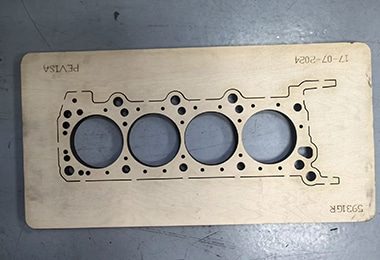
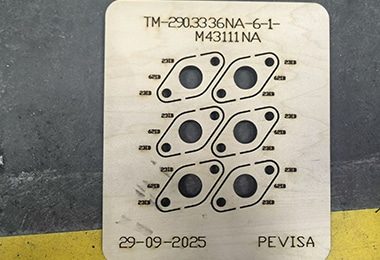
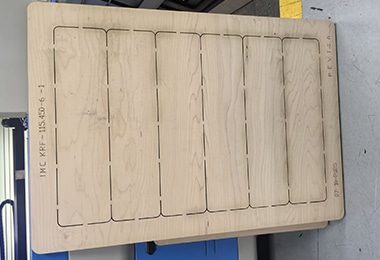
- Plywood
- MDF
- HDF
- Veneer
- Bamboo
- Cork
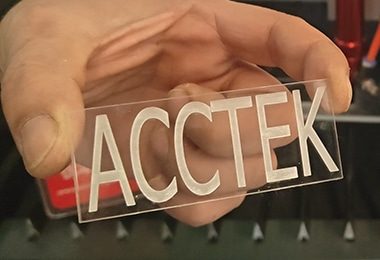
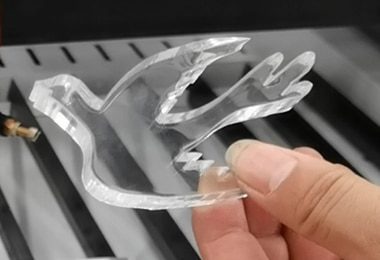
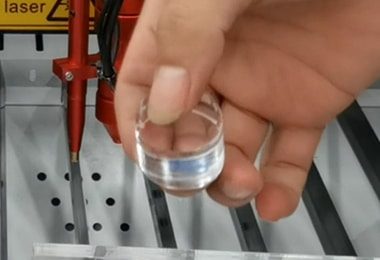
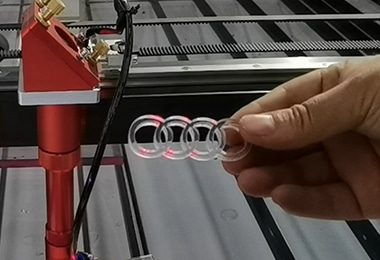
- Acrylic
- Polycarbonate
- Polypropylene
- Polyethylene
- ABS Plastic
- Nylon
- Delrin
- PET
- PVC
- Foam
- EVA Foam
- Polyurethane Foam
- Rubber
- Silicone Rubber
- Leather
- Synthetic Leather
- Cotton Fabric
- Polyester Fabric
- Felt
- Paper
- Cardboard
- Corrugated Board
- Chipboard
- Fiberglass
- Carbon Fiber
- Glass
- Quartz
- Ceramic
- Stone
- Granite
- Marble
Applications of CO2 Laser Cutting Machines
Comparison with Traditional Cutting
| Comparison Item | CO2 Laser Cutting | CNC Routing | Oscillating Knife Cutting | Waterjet Cutting |
|---|---|---|---|---|
| Kerf Width | Very narrow, precise | Wider than laser cutting | Wider than laser cutting | Moderate width, dependent on nozzle size |
| Intricacy of Detail | Excellent, can cut fine details | Moderate, less suitable for fine details | Moderate, less intricate | Good, but slower for fine details |
| Material Waste | Minimal, optimized nesting | Moderate, more waste for thicker materials | Higher, as it requires more material to be moved | Minimal, high nesting efficiency |
| Noise Level | Low, quiet operation | High, noise from router bit | Moderate, depending on material | Moderate to high, due to water pressure and pump |
| Edge Polishing Requirements (for Acrylic) | Minimal, smooth cut with no need for polishing | Requires more post-processing and polishing | Requires post-processing | Good finish, but some polishing may still be needed |
| Operating Costs | Low long-term, minimal consumables | Moderate, requires maintenance of router bits | Moderate, tool wear and maintenance costs | High, due to water and abrasives |
| Setup Time (for Small Batches) | Fast, minimal adjustments | Moderate, requires manual setup for each cut | Moderate, depending on material and setup | Moderate to long, requires extensive setup |
| Cutting Speed for Thin Materials | Very fast | Fast, but can be slower for fine details | Fast, but less precise | Moderate |
| Cutting Speed for Thick Materials | Moderate to fast | Fast, especially for thicker materials | Moderate, slower for thicker cuts | Slow, especially for thicker materials |
| Edge Quality | Clean, smooth with minimal burrs | Rougher edges, requires more finishing | Rougher edges | Smooth edges, minimal burrs |
| Material Compatibility | Works on a wide range of materials (acrylic, wood, plastic, leather) | Works best with wood, plastics, and some metals | Works well with soft materials like foam, fabric, and rubber | Works on metals, plastics, glass, and stone |
| Heat Affected Zone (HAZ) | Minimal, low thermal distortion | Higher HAZ, may distort material | Moderate HAZ, can distort material | No HAZ, maintains material integrity |
| Flexibility for Complex Shapes | Excellent for intricate designs and shapes | Limited flexibility for intricate designs | Moderate flexibility for basic shapes | Good for complex shapes but slower processing |
| Material Thickness Range | Best for thin to medium thicknesses | Best for thicker materials | Ideal for soft materials, moderate thickness | Works for all thicknesses, but slower for thicker cuts |
| Maintenance Requirements | Low, minimal maintenance needed | Moderate, regular maintenance of bits | High, frequent tool replacements needed | Moderate, requires maintenance for pumps and nozzles |
| Cost of Equipment | Higher initial investment | Medium initial cost | Moderate to high, depends on the machine | High initial cost due to water and abrasive systems |
| Safety Considerations | Low risk with proper safety measures | Moderate, requires protective equipment and ventilation | Moderate, requires proper ventilation | Low risk, but requires safety for high-pressure systems |
| Tool Wear | No tool wear, no replacement parts | Tool wear, requires frequent bit replacement | Frequent tool wear and maintenance | No tool wear, but requires water filtration maintenance |
| Post-cut Processing Time | Minimal, no significant post-processing needed | Higher post-processing, requires finishing | Significant post-processing for finishing | Minimal, some finishing may be required |
Why Choose AccTek Laser
Advanced Laser Technology
AccTek Laser integrates advanced laser technology into its cutting machines to deliver high precision, stable performance, and efficient cutting results. Their systems use reliable laser sources and optimized control systems, ensuring that operators achieve consistent cuts with minimal material waste. This innovation also helps in enhancing material quality while reducing the risk of thermal damage during the cutting process.
Wide Range of Machine Options
AccTek Laser offers a broad selection of laser cutting machines with different power levels and configurations to suit diverse application requirements. Customers can choose from compact, portable systems for small-scale operations to large industrial machines for high-volume cutting tasks. This makes it easy to find the right solution for cutting metal sheets, plastics, ceramics, and more, ensuring versatility for various industries.
High-Quality Components
AccTek Laser machines are built using top-quality components sourced from globally recognized suppliers. This includes durable laser sources, cutting-edge scanning systems, and reliable control electronics. By using premium parts, AccTek Laser enhances machine stability, extends service life, and ensures consistent performance under demanding operating conditions, ultimately reducing maintenance needs.
Customization and Flexible Solutions
AccTek Laser provides flexible customization options to meet specific customer needs. Machine features like laser power, cutting speed, cooling systems, and automation integration can be tailored to suit different production environments and application requirements. This flexibility ensures that customers achieve optimal cutting performance, productivity, and cost-efficiency.
Professional Technical Support
AccTek Laser offers comprehensive technical support throughout the entire purchase and operation process. Their experienced team assists with machine selection, installation, operation training, and troubleshooting. This level of support helps customers seamlessly adapt to laser cutting technology, ensuring smooth operations and quick issue resolution when necessary.
Reliable Global Service
With years of experience serving customers globally, AccTek Laser provides dependable international service and support. They offer detailed documentation, remote assistance, and responsive after-sales service to help customers maintain their machines and minimize downtime. This ensures that customers can continue their operations with minimal disruptions, enhancing long-term productivity and customer satisfaction.
Customer Reviews
Related Resources

A Comprehensive Guide to Choosing the Right Laser Cutting Machine
This article provides a comprehensive analysis of how to select the most suitable fiber laser cutting machine based on materials, industry, and configuration to improve cutting efficiency, reduce costs, and

How Laser Cutting Improves Overall Efficiency and Productivity in Manufacturing Processes
This article will systematically analyze how laser cutting comprehensively improves the overall efficiency and productivity of manufacturing processes from multiple dimensions, including technology, processes, automation, and quality control.

What to Consider Before Buying a Laser Cutting Machine
This guide explains how to choose the right laser cutting machine—comparing fiber and CO2 options, key buying factors, and tips for smarter investment.

How Does the Focal Length of a Laser Cutting Machine Affect the Cutting Process?
This article primarily discusses the impact of a laser cutting machine’s focal length on cutting quality and efficiency. It analyzes the advantages and disadvantages of different focal lengths, as well
Frequently Asked Questions
How Much Do CO2 Laser Cutting Machines Cost?
- Entry-Level Desktop Machines: Small CO2 laser cutting machines with low power (40W–100W) typically cost between $2500 and $5,000. These machines are suitable for hobbyists, small workshops, and light-duty applications such as engraving and cutting thin materials like paper, leather, and acrylic.
- Mid-Range Machines (100W–300W): Industrial-grade CO2 machines in this range usually cost between $5,000 and $20,000. They offer larger working areas and higher power, allowing users to cut thicker materials such as wood, MDF, and acrylic more efficiently. These are widely used in signage, crafts, and light manufacturing.
- High-Power Industrial Machines (300W+): Larger and more powerful CO2 laser cutting machines can range from $20,000 to $80,000 or more. These machines are designed for heavy-duty applications, including thicker non-metal materials and higher production volumes.
- Machine Size and Work Area: Machines with larger cutting beds (such as 1300×900 mm or 1600×1000 mm and above) cost more due to increased material capacity and structural requirements. Custom sizes further increase the price.
- Additional Features and Automation: Features such as auto-focus systems, rotary attachments, CCD cameras for positioning, and automatic feeding systems can significantly increase the cost. Fully automated production setups are more expensive but improve efficiency.
- Laser Tube Type: Glass laser tubes are more affordable but have shorter lifespans, while metal RF tubes are more expensive but offer higher stability, longer service life, and better beam quality.
- Auxiliary Equipment Costs: Buyers should also consider additional costs such as water chillers, air compressors, exhaust systems, and installation.
- Operating and Maintenance Costs: Ongoing expenses include electricity, replacement of laser tubes, lenses, mirrors, and routine maintenance.
- Brand and Build Quality: Machines from reputable manufacturers with higher-quality components tend to cost more but provide better reliability and longer service life.
How To Choose Suitable CO2 Laser Cutting Machine Powers?
- Match Power to Material Type: CO2 lasers are best suited for non-metal materials such as wood, acrylic, plastics, leather, fabric, and paper. Different materials require different energy levels. For example, acrylic and wood generally need higher power than paper or fabric to achieve clean cuts.
- Consider Material Thickness: Thickness is one of the most important factors. Low-power machines (40W–80W) are ideal for thin materials like paper, leather, and thin acrylic sheets. Medium power (100W–150W) can handle thicker wood, MDF, and acrylic up to moderate thicknesses. Higher power (150W–300W or more) is required for cutting thicker materials efficiently.
- Cutting vs. Engraving Needs: If your primary use is engraving, lower power is usually sufficient and offers better control for fine details. For cutting applications, especially thicker materials, higher power ensures clean edges and faster processing.
- Production Volume and Speed: Higher power machines can cut faster, which is important for large-scale or continuous production. If speed and productivity are priorities, investing in higher power can improve overall efficiency.
- Edge Quality and Precision: Using insufficient power for thick materials can result in rough edges or incomplete cuts. Conversely, excessive power may cause burning or charring, especially on wood. Proper power selection helps maintain a balance between quality and efficiency.
- Machine Size and Work Area: Larger machines are often paired with higher power lasers to maintain consistent performance across the entire working area.
- Cooling and Support Systems: Higher power machines require more robust cooling systems and stable operating conditions. Ensure your setup can support the selected power level.
- Future Expansion: If you expect to process thicker materials or increase production in the future, choosing slightly higher power provides flexibility.
- Cost Considerations: Higher power machines cost more upfront and may have higher operating costs. It is important to select a power level that meets your needs without unnecessary expense.
What PPE Is Required To Operate CO2 Laser Cutting Machines?
- Laser Safety Glasses: Even with enclosed machines, appropriate laser safety glasses are recommended, especially during maintenance or when working with open systems. These glasses protect the eyes from accidental exposure to infrared laser radiation.
- Protective Clothing: Operators should wear non-flammable, close-fitting clothing. Materials like cotton are preferred, while synthetic fabrics that can melt or ignite should be avoided. This reduces the risk of burns from sparks or hot materials.
- Cut-Resistant Gloves: Gloves are important when handling cut materials such as acrylic, wood, or thin sheets, which may have sharp edges. They help prevent cuts and abrasions during loading and unloading.
- Heat-Resistant Gloves: After cutting, the materials can remain hot. Heat-resistant gloves protect against burns when removing finished parts from the machine.
- Respiratory Protection: CO2 laser cutting can produce smoke and fumes, especially when processing plastics, wood, leather, or rubber. While exhaust systems are typically used, masks or respirators may be needed in environments with insufficient ventilation.
- Safety Shoes: Closed-toe, non-slip shoes protect against falling materials and improve overall workplace safety. In industrial settings, reinforced safety shoes are recommended.
- Eye Protection for Debris: In addition to laser-specific glasses, general safety goggles may be used when cleaning the machine or handling materials to protect against dust and small particles.
- Hearing Protection: Although CO2 laser cutting machines are relatively quiet, auxiliary equipment such as air compressors or exhaust systems may generate noise. Ear protection may be required in some environments.
- Fire Safety Awareness: While not wearable PPE, having fire extinguishers nearby and understanding fire risks is essential, as materials like wood, paper, and fabric are flammable.
- Proper Work Practices: Avoid loose clothing, jewelry, or long hair that could interfere with machine operation. Maintaining a clean workspace also reduces risks.
How To Handle Fumes And Dust During CO2 Laser Cutting?
- Use an Effective Exhaust System: A dedicated fume extraction system is the most important solution. It removes smoke and airborne particles directly from the cutting area, preventing buildup inside the machine and keeping the workspace clean.
- Install Air Filtration Units: Filtration systems with multi-stage filters (such as HEPA and activated carbon) capture fine dust and harmful gases. This is especially important when cutting materials that release strong odors or hazardous fumes.
- Ensure Proper Ventilation: In addition to local exhaust, the workspace should have good general ventilation. Fresh air circulation helps dilute any remaining fumes and improves overall air quality.
- Use Air Assist Systems: Air assist blows a steady stream of air at the cutting point. This helps reduce smoke accumulation, prevents material burning, and improves cutting quality while also limiting the amount of residue produced.
- Avoid Hazardous Materials: Certain materials, such as PVC and some synthetic rubbers, release toxic gases when cut. These should never be processed with a CO2 laser unless verified as safe.
- Regularly Clean the Machine: Dust and residue can accumulate on lenses, mirrors, and inside the machine. Regular cleaning prevents performance issues and reduces fire risk.
- Maintain Filters and Ducting: Filters and exhaust ducts must be inspected and replaced or cleaned regularly. Blocked systems reduce efficiency and allow fumes to escape into the workspace.
- Monitor Air Quality: In professional environments, air quality sensors can help detect excessive smoke or harmful gases, ensuring that ventilation systems are working effectively.
- Use Personal Protective Equipment: When necessary, operators should wear masks or respirators, especially in environments where ventilation is limited or when processing materials that produce strong fumes.
- Control Cutting Parameters: Proper power and speed settings reduce excessive burning and smoke generation. Optimized parameters lead to cleaner cuts and less airborne waste.
How To Reduce Material Waste With CO2 Laser Cutting Machines?
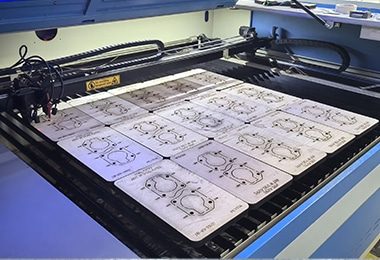
- Optimize Nesting Layouts: Efficient nesting is the most effective way to reduce waste. Using CAD/CAM software, parts can be arranged closely together on the material sheet. Features like automatic nesting, rotation, and grouping help maximize material usage.
- Minimize Kerf Loss: The laser removes a small amount of material during cutting (kerf). By optimizing focus, power, and speed, the kerf width can be reduced, allowing tighter spacing between parts and better material utilization.
- Use Common-Line Cutting: When possible, adjacent parts can share cutting lines. This reduces both material loss and cutting time, making it ideal for batch production with repeated shapes.
- Select Appropriate Material Sizes: Choosing sheet sizes that match your production needs reduces leftover scraps. Planning jobs around standard material dimensions helps improve efficiency.
- Reuse Offcuts and Scrap: Leftover materials should be stored and reused for smaller parts or future jobs. Proper organization of remnants can significantly reduce waste over time.
- Optimize Cutting Parameters: Incorrect settings can lead to burning, charring, or incomplete cuts, making parts unusable. Proper testing and parameter adjustment ensure clean cuts and reduce rejected pieces.
- Control Heat and Burning: Materials like wood and paper can burn easily if the settings are too high. Proper air assist and correct speed settings help prevent damage and material loss.
- Maintain Machine Accuracy: Regular maintenance ensures precise cutting. Misalignment or dirty optics can cause errors, leading to wasted material.
- Plan Cutting Sequence: Cutting inner features before outer contours keeps parts stable and prevents shifting, which could lead to inaccuracies or scrap.
- Train Operators: Skilled operators can optimize layouts, adjust parameters, and identify issues early, reducing mistakes and improving material efficiency.
- Use Simulation Tools: Previewing cutting paths helps detect potential issues before actual processing, avoiding costly errors.
What Is The Lifespan of CO2 Laser Cutting Machines?
- Overall Machine Lifespan: Well-maintained CO2 laser cutting machines typically last 8–12 years or more. The mechanical structure, including the frame and motion system, is durable and can remain functional for a long time with proper upkeep.
- Laser Tube Lifespan: The laser tube is the core component and has a shorter lifespan compared to the machine itself. Glass CO2 laser tubes generally last 1,000 to 3,000 working hours, depending on quality and usage. Higher-end metal RF tubes can last 10,000 to 20,000 hours or more, offering better stability and longer service life.
- Optical Components: Mirrors and lenses are consumable parts that require regular cleaning and occasional replacement. Their lifespan varies from a few months to over a year, depending on usage, material type, and maintenance.
- Mechanical Components: Guide rails, belts, motors, and bearings experience wear over time. With proper lubrication and regular inspection, these components can last several years before needing replacement.
- Cooling System: The water chiller and cooling components typically last 5–10 years. Proper maintenance, such as cleaning filters and using clean coolant, helps extend their lifespan.
- Electrical and Control Systems: Control boards, power supplies, and wiring are generally reliable but may require occasional repair or replacement over time, especially in demanding environments.
- Impact of Maintenance: Regular maintenance significantly extends machine life. Cleaning optics, aligning components, maintaining ventilation systems, and monitoring cooling performance are all essential practices.
- Operating Environment: Stable temperature, low humidity, clean air, and consistent power supply help prevent premature wear and system failures.
- Usage Intensity: Machines used continuously in industrial settings will wear faster than those used intermittently, making preventive maintenance more important.
- Upgrades and Replacement: Replacing key components, such as laser tubes or upgrading control systems, can extend the functional life of the machine.
What Safety Features Do CO2 Laser Cutting Machines Have?
- Protective Enclosures: Most CO2 laser cutting machines come with fully enclosed cutting areas. The enclosure prevents accidental exposure to the laser beam, protects the operator from reflections, and contains smoke and debris. Safety interlocks on doors ensure the laser automatically shuts off if the enclosure is opened during operation.
- Emergency Stop Buttons: Easily accessible emergency stop buttons are standard on all machines. Pressing these immediately halts the laser operation, motion systems, and auxiliary equipment, allowing operators to respond quickly to unexpected events.
- Laser Beam Safety Controls: CO2 lasers often include beam shields, interlocks, and sensors that prevent unintended laser emission. These mechanisms ensure the beam only operates when all safety conditions are met, reducing the risk of eye or skin injury.
- Fume and Dust Extraction: High-powered CO2 lasers produce smoke and fumes, particularly when cutting plastics or wood. Machines are equipped with extraction systems, including fans, filters, or vacuum units, which safely remove harmful particles and prevent accumulation near the work area.
- Cooling System Protection: CO2 laser tubes generate significant heat. Integrated water or air cooling systems monitor temperature and flow. Safety controls automatically shut down the laser if the coolant system fails or temperatures exceed safe limits, preventing tube damage or fire hazards.
- Fire Prevention Measures: Many CO2 lasers include flame sensors, spark detection, and automatic shutoff functions to detect fires or overheating of combustible materials. Combined with controlled laser power settings, these systems reduce ignition risks.
- Electrical and Overload Protection: Modern CO2 laser cutting machines incorporate circuit protection, voltage stabilization, and grounding to prevent electrical hazards and equipment damage from power surges.
- User-Friendly Software Safety Features: Laser control software often includes job previews, error warnings, and automatic power adjustments. These reduce operator mistakes and help prevent dangerous laser conditions.
What Training Is Required To Operate CO2 Laser Cutting Machines?
- Basic Safety Training: Operators must first understand the inherent hazards of CO2 lasers, including eye and skin injury, fire risks, and exposure to fumes. Training should cover the use of personal protective equipment (PPE), such as laser safety goggles rated for CO2 wavelengths, gloves, and protective clothing, as well as safe handling of materials. Familiarity with emergency procedures, including emergency stops, fire extinguishers, and first aid, is crucial.
- Machine Operation: Trainees need hands-on instruction in the machine’s components, including the laser tube, mirrors, lenses, control panel, and cooling systems. They must learn startup and shutdown procedures, proper alignment techniques, and how to load, secure, and remove workpieces. Understanding the machine interface and software is critical for adjusting cutting parameters like power, speed, frequency, and focus.
- Material Knowledge: Operators should be trained on which materials are safe and suitable for CO2 laser cutting, such as wood, acrylic, paper, fabrics, rubber, and certain foams, while understanding which materials are hazardous, like PVC. They should also learn how material thickness, density, and composition affect cutting speed, edge quality, and laser power settings.
- Maintenance and Troubleshooting: Proper training covers routine maintenance tasks, including cleaning lenses and mirrors, checking cooling systems, replacing consumables, and monitoring machine performance. Operators should also learn basic troubleshooting techniques for common issues like misalignment, poor cutting quality, or smoke accumulation.
- Environmental and Fume Management: Instruction must include proper ventilation, fume extraction, and dust management. Trainees should understand how to set up air assist systems, maintain filters, and reduce risks associated with combustible dust or toxic fumes.