

















Introduction
Types of Wood Laser Cutting Machines


Wood Laser Cutting Power Selection
Wood Laser Cutting Materials
- Laminated Wood
- Particle Board
- Oriented Strand Board
- Blockboard
- Finger Joint Board
- Laminated Veneer Lumber
- Cross Laminated Timber
- Birch Wood
- Oak Wood
- Maple Wood
- Walnut Wood
- Cherry Wood
- Pine Wood
- Spruce Wood
- Cedar Wood
- Beech Wood
- Ash Wood
- Poplar Wood
- Teak Wood
- Mahogany Wood
- Rosewood
- Basswood
- Balsa Wood
- Rubberwood
- Eucalyptus Wood
- Acacia Wood
- Paulownia Wood
- Alder Wood
- Hickory Wood
- Fir Wood
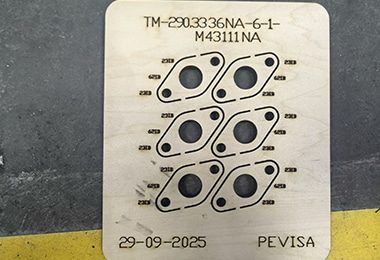
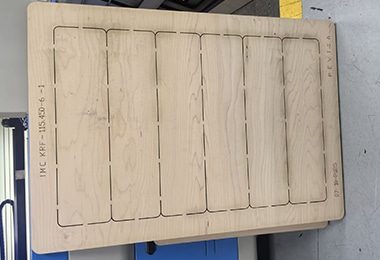
Applications of Wood Laser Cutting Machines


Comparison with Traditional Cutting
| Comparison Item | CO2 Laser Cutting | CNC Routing | Oscillating Knife Cutting | Waterjet Cutting |
|---|---|---|---|---|
| Kerf Width | Very narrow, precise | Wider than laser cutting | Wider than laser cutting | Moderate width, dependent on nozzle size |
| Intricacy of Detail | Excellent, can cut fine details | Moderate, less suitable for fine details | Moderate, less intricate | Good, but slower for fine details |
| Material Waste | Minimal, optimized nesting | Moderate, more waste for thicker materials | Higher, as it requires more material to be moved | Minimal, high nesting efficiency |
| Noise Level | Low, quiet operation | High, noise from router bit | Moderate, depending on material | Moderate to high, due to water pressure and pump |
| Edge Polishing Requirements (for Acrylic) | Minimal, smooth cut with no need for polishing | Requires more post-processing and polishing | Requires post-processing | Good finish, but some polishing may still be needed |
| Operating Costs | Low long-term, minimal consumables | Moderate, requires maintenance of router bits | Moderate, tool wear and maintenance costs | High, due to water and abrasives |
| Setup Time (for Small Batches) | Fast, minimal adjustments | Moderate, requires manual setup for each cut | Moderate, depending on material and setup | Moderate to long, requires extensive setup |
| Cutting Speed for Thin Materials | Very fast | Fast, but can be slower for fine details | Fast, but less precise | Moderate |
| Cutting Speed for Thick Materials | Moderate to fast | Fast, especially for thicker materials | Moderate, slower for thicker cuts | Slow, especially for thicker materials |
| Edge Quality | Clean, smooth with minimal burrs | Rougher edges, requires more finishing | Rougher edges | Smooth edges, minimal burrs |
| Material Compatibility | Works on a wide range of materials (acrylic, wood, plastic, leather) | Works best with wood, plastics, and some metals | Works well with soft materials like foam, fabric, and rubber | Works on metals, plastics, glass, and stone |
| Heat Affected Zone (HAZ) | Minimal, low thermal distortion | Higher HAZ, may distort material | Moderate HAZ, can distort material | No HAZ, maintains material integrity |
| Flexibility for Complex Shapes | Excellent for intricate designs and shapes | Limited flexibility for intricate designs | Moderate flexibility for basic shapes | Good for complex shapes but slower processing |
| Material Thickness Range | Best for thin to medium thicknesses | Best for thicker materials | Ideal for soft materials, moderate thickness | Works for all thicknesses, but slower for thicker cuts |
| Maintenance Requirements | Low, minimal maintenance needed | Moderate, regular maintenance of bits | High, frequent tool replacements needed | Moderate, requires maintenance for pumps and nozzles |
| Cost of Equipment | Higher initial investment | Medium initial cost | Moderate to high, depends on the machine | High initial cost due to water and abrasive systems |
| Safety Considerations | Low risk with proper safety measures | Moderate, requires protective equipment and ventilation | Moderate, requires proper ventilation | Low risk, but requires safety for high-pressure systems |
| Tool Wear | No tool wear, no replacement parts | Tool wear, requires frequent bit replacement | Frequent tool wear and maintenance | No tool wear, but requires water filtration maintenance |
| Post-cut Processing Time | Minimal, no significant post-processing needed | Higher post-processing, requires finishing | Significant post-processing for finishing | Minimal, some finishing may be required |
Why Choose AccTek Laser
Advanced Laser Technology
AccTek Laser integrates advanced laser technology into its cutting machines to deliver high precision, stable performance, and efficient cutting results. Their systems use reliable laser sources and optimized control systems, ensuring that operators achieve consistent cuts with minimal material waste. This innovation also helps in enhancing material quality while reducing the risk of thermal damage during the cutting process.
Wide Range of Machine Options
AccTek Laser offers a broad selection of laser cutting machines with different power levels and configurations to suit diverse application requirements. Customers can choose from compact, portable systems for small-scale operations to large industrial machines for high-volume cutting tasks. This makes it easy to find the right solution for cutting metal sheets, plastics, ceramics, and more, ensuring versatility for various industries.
High-Quality Components
AccTek Laser machines are built using top-quality components sourced from globally recognized suppliers. This includes durable laser sources, cutting-edge scanning systems, and reliable control electronics. By using premium parts, AccTek Laser enhances machine stability, extends service life, and ensures consistent performance under demanding operating conditions, ultimately reducing maintenance needs.
Customization and Flexible Solutions
AccTek Laser provides flexible customization options to meet specific customer needs. Machine features like laser power, cutting speed, cooling systems, and automation integration can be tailored to suit different production environments and application requirements. This flexibility ensures that customers achieve optimal cutting performance, productivity, and cost-efficiency.
Professional Technical Support
AccTek Laser offers comprehensive technical support throughout the entire purchase and operation process. Their experienced team assists with machine selection, installation, operation training, and troubleshooting. This level of support helps customers seamlessly adapt to laser cutting technology, ensuring smooth operations and quick issue resolution when necessary.
Reliable Global Service
With years of experience serving customers globally, AccTek Laser provides dependable international service and support. They offer detailed documentation, remote assistance, and responsive after-sales service to help customers maintain their machines and minimize downtime. This ensures that customers can continue their operations with minimal disruptions, enhancing long-term productivity and customer satisfaction.
Customer Reviews
Related Resources

Guide to Materials that Can Be Cut by CO2 and Fiber Laser Cutting Machines
This guide covers all materials that CO2 and fiber laser cutting machines can process, explains how wavelength determines compatibility, and helps you choose the right laser generator for your application.

CO2 Laser Cutting Machine Safety Guidelines
This article covers the essential safety precautions for operating a CO2 laser cutting machine, from radiation and fire risks to fume extraction, PPE, machine features, and routine maintenance checks.

CO2 Laser Power and Cutting Performance
This article explains how CO2 laser generator wattage from 60W to 600W affects cutting speed, depth, and material capability, and clarifies when higher power delivers real gains and when it

CO2 Laser Generator Cutting Materials Guide: From Parameter Settings to Best Practices
Explore which materials CO2 laser generators cut most effectively, what parameter adjustments each material requires, which materials must be avoided entirely, and how to maintain safe cutting operations across every
Frequently Asked Questions
How Much Do Wood Laser Cutting Machines Cost?
- Desktop and Small Workshop Machines: Small CO2 laser cutting machines with power ratings between 40W and 80W are suitable for cutting thin plywood, MDF, veneer, and softwood. These machines typically have cutting areas of 300×200 mm to 600×400 mm and cost between $2,000 and $8,000. They are ideal for small businesses, educational institutions, or makerspaces where compact size and moderate cutting capacity are sufficient.
- Mid-Range Machines: For medium-sized workshops or production needs, CO2 lasers with 80W–150W power and cutting beds of 900×600 mm to 1300×900 mm are common. These machines can cut thicker wood sheets, produce larger decorative panels, and handle moderate production volumes. Prices for mid-range machines generally fall between $8,000 and $25,000, depending on features such as autofocus, rotary attachments, or higher-precision motion systems.
- Industrial and Large-Format Machines: High-power CO2 lasers (150W–200W or more) with large cutting areas of 1500×1000 mm and above are designed for mass production, furniture panels, architectural components, or full-scale displays. These machines provide faster cutting speeds, higher precision, and integrated safety and ventilation systems. Industrial wood laser cutters can cost anywhere from $25,000 to over $100,000, particularly for models with advanced automation, dual-head lasers, or fully enclosed systems with upgraded cooling and exhaust.
- Additional Costs: Beyond the base machine, operators should budget for ventilation or smoke extraction systems, computer software, maintenance kits, and consumables like replacement lenses, mirrors, and CO2 laser tubes. Depending on usage and production volume, these operational costs can add several thousand dollars over the machine’s lifetime.
What Are The Site And Environmental Requirements For Installing Wood Laser Cutting Machines?
- Space Requirements: Adequate space is critical. The machine should be installed in a room large enough to accommodate the cutting bed, operator access, material storage, and exhaust ducts. A minimum of 1–1.5 meters of clearance around the machine is recommended for safe movement and maintenance. For larger industrial machines, the workspace may need to accommodate forklifts or pallet storage for sheet materials.
- Ventilation and Fume Extraction: Wood cutting produces smoke, dust, and potentially toxic gases from adhesives or treated wood. An efficient exhaust system with ducting, fans, and filters (HEPA and activated carbon) is essential to remove fumes from the workspace. The ventilation should direct smoke away from operators and prevent accumulation near optics, which can degrade laser performance. Airflow must be steady, laminar, and sufficient for the size of the machine and material thickness.
- Power Supply: CO2 laser cutting machines require a stable electrical input. Small machines may run on standard 110–220V single-phase power, while larger industrial units may need three-phase power. Voltage fluctuations can reduce laser efficiency, damage electronics, or affect cut quality. Dedicated circuits with proper grounding are recommended.
- Temperature and Humidity: Optimal operating conditions are typically between 20℃ and 25℃ (68℉–77℉) with humidity levels of 40–60%. High temperatures can overheat the laser tube and electronics, while excessive humidity can affect wood and produce condensation on optics. Air conditioning or dehumidifiers may be necessary in extreme climates.
- Flooring and Stability: The floor must support the machine’s weight and be level to ensure precise motion and cutting accuracy. Vibrations from nearby machinery should be minimized.
- Safety Considerations: Fire-resistant surroundings, accessible fire extinguishers, and clear emergency exits are essential due to the flammable nature of wood. Operators should have unobstructed visibility of the cutting area and controls.
- Environmental Regulations: Local occupational health and safety regulations may require monitoring of fumes, noise, and dust. Compliance ensures both operator safety and legal operation.
What Auxiliary Equipment Are Needed For Wood Laser Cutting Machines?
- Fume Extraction and Filtration Systems: Wood cutting produces smoke, fine dust, and fumes, particularly from MDF or treated wood. A dedicated exhaust system with ducting, high-capacity fans, and filters (HEPA for particulates and activated carbon for volatile compounds) is essential. Proper smoke extraction prevents fire hazards, protects operator health, and keeps optics free from residue that can reduce laser efficiency.
- Air Assist Devices: Air assist nozzles blow a focused stream of compressed air onto the cutting area. This helps clear smoke and debris, reduces charring, improves edge quality, and prevents flare-ups on flammable materials like wood. Many systems include adjustable air pressure for different wood thicknesses and densities.
- Cooling Systems: CO2 laser tubes generate heat during operation. Water-cooled systems require pumps, reservoirs, and distilled water to maintain a stable laser temperature. Some machines use chiller units to provide precise temperature control, which extends tube life and maintains consistent output power.
- Material Handling Equipment: Depending on production scale, auxiliary equipment like loading tables, roller conveyors, or lift systems helps manage large sheets of wood, plywood, or MDF. Proper handling reduces material damage, improves workflow, and ensures precise positioning in the cutting bed.
- Rotary Attachments: For cylindrical or round wood pieces, rotary fixtures allow engraving or cutting around curves and surfaces. These attachments expand the range of possible projects, including wooden dowels, tubes, or custom decorative items.
- Dust and Debris Management: Additional shop vacuums or collection bins can be used to capture falling sawdust or small offcuts, keeping the work area clean and reducing fire risk.
- Software and Control Accessories: While not hardware, compatible CAD/CAM software, computer control systems, and backup drives are auxiliary tools that help plan cuts, optimize nesting, and monitor machine performance.
How Does The Power of Wood Laser Cutting Machines Affect The Cutting Speed?
- Higher Power Increases Cutting Speed: Machines with higher wattage can deliver more energy per unit area, allowing them to cut through thicker wood or denser materials more quickly. For example, a 150W laser can cut a 12 mm plywood sheet faster than a 60W laser while maintaining a clean edge. Increased power also allows faster travel speeds for the laser head, reducing production time for large or complex designs.
- Material Thickness and Density Considerations: Cutting speed is not solely a function of laser power. Thicker or harder woods, like oak or maple, require more energy to cut, meaning lower-powered lasers must operate more slowly to achieve a full cut. Conversely, softer woods or veneers can be cut quickly, even at moderate power levels. Proper power-to-speed ratios prevent incomplete cuts, burning, or charring.
- Edge Quality and Heat Management: While higher power enables faster cuts, excessive power can lead to edge charring, melting, or wider kerfs. To maintain precision, operators often balance power with speed: increasing power allows faster cutting but may require slightly faster head movement to avoid overburn. Air assist and ventilation also play a role by clearing smoke and debris, which helps maintain clean cuts at higher speeds.
- Efficiency in Production: For industrial operations, selecting a laser with adequate power for the intended wood thickness and type can dramatically improve throughput. Lower-powered machines may be suitable for thin veneers or small decorative items, but will slow production for larger panels. Higher power machines reduce cycle time, increase efficiency, and minimize machine wear from prolonged operation at low speeds.
What Are The Common Defects in CO2 Laser Cutting Of Wood?
- Charring and Burn Marks: Wood, especially hardwood or MDF with adhesives, is highly flammable. Excessive laser power, slow cutting speed, or insufficient air assist can cause blackened edges, burn marks, or smoke stains. These defects not only reduce aesthetics but can also leave residue that affects finishing or assembly.
- Melting and Edge Deformation: While wood does not technically melt, prolonged heat exposure can cause edges to overheat, softening the fibers. Thin veneers or softwoods may warp, curl, or deform near the cut, particularly with high-power lasers or repeated passes.
- Incomplete Cuts: Low laser power, improper focus, or incorrect speed settings can result in cuts that do not go through the material entirely. Thicker boards or uneven density can exacerbate this issue, leaving partially connected sections that require manual finishing.
- Kerf Irregularities: The kerf—the width of the cut—can vary if the laser is misaligned or if airflow is inconsistent. Uneven kerfs may result in ill-fitting parts, especially in joinery or intricate designs.
- Smoke Residue and Surface Discoloration: Inadequate fume extraction can allow smoke to settle back onto the wood, leaving a sticky, grayish residue or discoloration near the cut. This is common with plywood or MDF, where glue layers emit additional fumes.
- Splintering and Chipping: Some woods, particularly brittle or laminated types, may splinter along edges or at corners. Sharp angles, tight corners, or excessive laser dwell time increase the risk of chipping.
- Delamination in Engineered Wood: Laminated boards like plywood or MDF may separate at layers when excessive heat is applied. This can weaken the part and ruin decorative surfaces.
- Heat-Affected Zones (HAZ): Even when a cut is complete, the area surrounding the laser path may darken or slightly soften due to heat penetration. Excessive HAZ indicates the need to balance power, speed, and airflow.
What Safety Features Do Wood Laser Cutting Machines Have?
- Enclosed Cutting Chambers: Most modern wood laser cutting machines have fully enclosed cutting areas with interlocked doors. The enclosure prevents direct exposure to the high-powered laser beam and contains smoke and sparks within the machine. If a door is opened during operation, the laser automatically shuts off to prevent accidental exposure.
- Emergency Stop Buttons: Easily accessible emergency stop (E-stop) buttons immediately cut power to the laser and motion system. These buttons are usually located on multiple sides of the machine, allowing operators to quickly halt the process in case of fire, material shift, or mechanical malfunction.
- Smoke and Fume Extraction Systems: Integrated ventilation systems remove smoke, dust, and harmful gases produced during wood cutting. Many machines have airflow sensors that detect insufficient extraction and automatically pause the laser, reducing fire risk and protecting operator health.
- Air Assist Systems: Air assist nozzles blow a steady stream of compressed air onto the cutting area, helping prevent flare-ups, fires, and material charring. This reduces the risk of ignition when cutting flammable woods or veneers.
- Overheat and Cooling Protections: CO2 laser tubes are often water-cooled or connected to chillers. Sensors monitor temperature, water flow, and coolant levels, shutting down the laser if overheating or insufficient cooling is detected. This prevents tube damage and potential fire hazards.
- Fire Detection and Suppression: Some advanced machines are equipped with smoke detectors or flame sensors near the cutting bed. When sparks or ignition occur, the system can alert the operator and, in some cases, trigger automated suppression like mist or fire extinguishing.
- Laser Power and Motion Safeguards: Built-in software limits allow operators to set maximum power levels, speed, and cutting paths appropriate for wood thickness. Overcurrent or motion errors trigger automatic stops, preventing mechanical damage or unintended cuts.
- Electrical and Grounding Protections: Proper grounding, fuses, and circuit protections prevent electric shock or damage from power fluctuations. Many machines include surge protection and fault alarms to enhance operator safety.
What Training Is Required To Operate Wood Laser Cutting Machines?
- Laser Safety Training: Operators must understand the hazards of Class 4 lasers, including eye and skin injury risks. Training covers safe operation protocols, the use of protective equipment such as laser safety glasses, and identifying unsafe materials, like PVC or vinyl, which can release toxic gases when cut. Instruction also includes emergency shutdown procedures and fire prevention strategies, as wood is flammable.
- Material Knowledge: Training includes identifying different wood types, such as plywood, MDF, hardwood, and veneer, and understanding how each reacts to laser cutting. Operators learn how thickness, density, and moisture content affect cutting speed, power settings, and edge quality. Knowledge of adhesives and coatings is important to prevent charring or toxic fume generation.
- Machine Operation: Hands-on training covers powering the machine, focusing the laser, adjusting power, speed, and pulse frequency, and using air assist and exhaust systems. Operators learn to load materials correctly, secure sheets, and monitor cuts for defects or overheating. Understanding software for design layout, nesting, and path optimization is also critical.
- Ventilation and Fume Management: Training emphasizes the importance of proper smoke extraction. Operators learn to maintain exhaust fans, ducts, and filters, monitor airflow, and recognize signs of inadequate ventilation that could affect both safety and cut quality.
- Maintenance and Troubleshooting: Operators are trained in routine maintenance tasks, including cleaning optics, checking mirror alignment, lubricating motion systems, and monitoring the cooling system. Basic troubleshooting skills help identify common issues such as incomplete cuts, misalignment, or edge charring.
- Emergency Response and Regulations: Training covers emergency procedures, including fire response, chemical exposure handling, and machine malfunctions. Operators are also instructed on compliance with occupational safety regulations to ensure both personal and workplace safety.
- Certification and Practice: Many workshops require operators to demonstrate competence through a certification process or supervised practice sessions. Continuous practice and adherence to standard operating procedures improve efficiency, reduce material waste, and maintain consistent cut quality.
What PPE Is Required To Operate Wood Laser Cutting Machines?
- Laser Safety Glasses: CO2 lasers emit infrared radiation that is invisible to the naked eye but can cause permanent eye damage. Operators must wear laser-specific safety glasses rated for the wavelength of the CO2 laser (typically 10.6 µm). Even with enclosed machines, glasses are recommended when opening doors, performing maintenance, or troubleshooting.
- Respiratory Protection: Cutting wood, especially MDF or plywood, produces smoke and fine particulate matter, along with fumes from adhesives or finishes. A properly rated respirator, such as an N95 mask or a respirator compatible with VOC and particulate filtration, helps prevent inhalation of harmful particles and chemical vapors.
- Gloves: Heat-resistant gloves protect hands from accidental contact with hot surfaces, freshly cut wood, and edges that may be smoldering. Nitrile or leather gloves are suitable depending on the task, particularly when handling freshly cut parts or removing material from the bed.
- Protective Clothing: Long-sleeved, non-flammable clothing minimizes skin exposure to sparks, hot particles, or minor debris. Natural fibers like cotton are preferred, as synthetic materials can melt when exposed to sparks. Fire-resistant lab coats or aprons are recommended for high-volume cutting or industrial environments.
- Hearing Protection (Optional): While CO2 lasers are generally quieter than mechanical cutting tools, some high-power industrial machines or auxiliary air extraction fans can produce elevated noise levels. Earplugs or earmuffs may be necessary in louder workshop environments.
- Foot Protection: Closed-toe shoes, preferably steel-toed in industrial settings, protect feet from falling sheets, offcuts, or other heavy objects.
- Maintenance PPE: When performing cleaning or maintenance, additional protection like safety goggles, face shields, and chemical-resistant gloves may be required, especially when handling lens cleaning solutions, solvents, or coolant fluids.