1000W Laser Cleaning Machine

The 1000W laser cleaning machine delivers mobile, precise, and high-power cleaning, efficiently removing rust, paint, and contaminants from large or complex surfaces.
Home - Laser Cleaning Machine - 1000W Laser Cleaning Machine
1000W Laser Cleaning Machine
(4 customer reviews)
$3,800 – $4,800
Model: AKQ
Laser Power: 1000W
Laser Genertor: Raycus, Max, BWT
Fiber Cable Length: 10m
Scanning Width: 270-450mm
Chiller: S&A

Product Introduction

The 1000W laser cleaning machine delivers powerful, precise, and reliable surface cleaning for a wide range of industrial applications. Its flexible mobile design, featuring built-in wheels and a compact layout, allows for easy transport and quick deployment across work sites. The ergonomic handheld laser cleaning head provides operators with precise control for targeted removal of rust, paint, coatings, and other contaminants, even in hard-to-reach areas. Powered by continuous laser generators, the machine ensures uniform energy output for consistent cleaning performance over large or continuous surfaces. An intelligent control system manages laser output, motion, and processing parameters to optimize efficiency and accuracy. Complemented by a dependable industrial chiller, precise beam transmission, reliable safety interlocks, and responsive alarm devices, the system maintains stable operation, protects components, and enhances user safety. Combining mobility, precision, and continuous high-power performance, it offers a professional-grade solution for industrial cleaning and surface preparation tasks.

Product Configuration

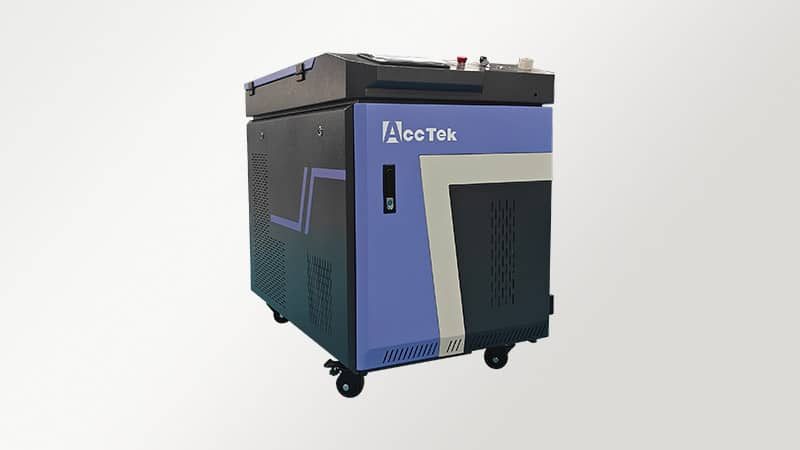
Flexible Mobile Design

Flexible Mobile Design

The mobile design allows the machine to be easily transported and used across different work sites. It features a compact structure with built-in wheels and a practical layout for quick setup and movement. This design improves flexibility and efficiency, making it suitable for on-site operations and varied environments. Its ease of mobility supports convenient and adaptable cleaning tasks.

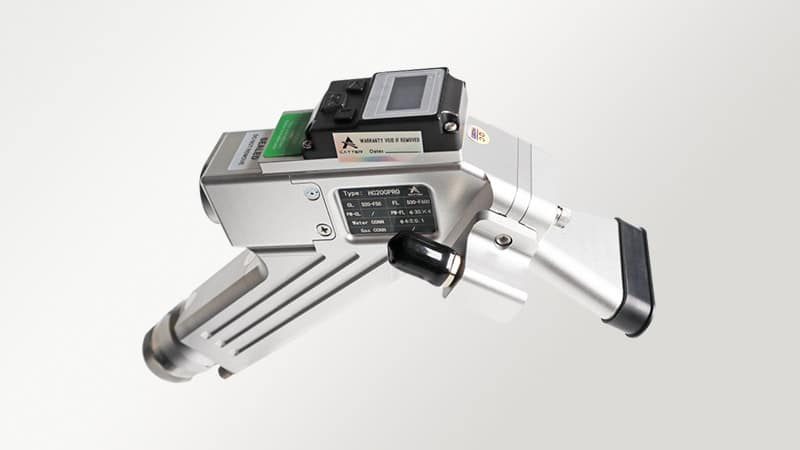
Ergonomic Handheld Laser Cleaning Head

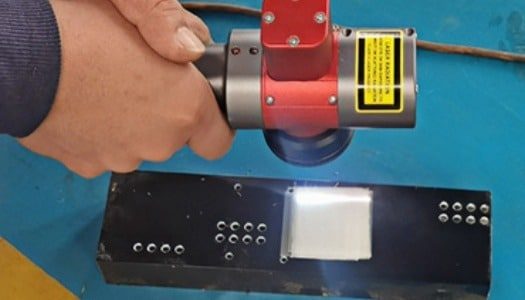
The handheld laser cleaning head allows operators to manually direct the laser beam onto surfaces for targeted cleaning. It is designed for ease of use, with an ergonomic grip and flexible operation in hard-to-reach areas. The structure provides precise control, enabling effective removal of rust, paint, or contaminants. Its user-friendly design supports efficient, accurate cleaning across various applications.
Ergonomic Handheld Laser Cleaning Head
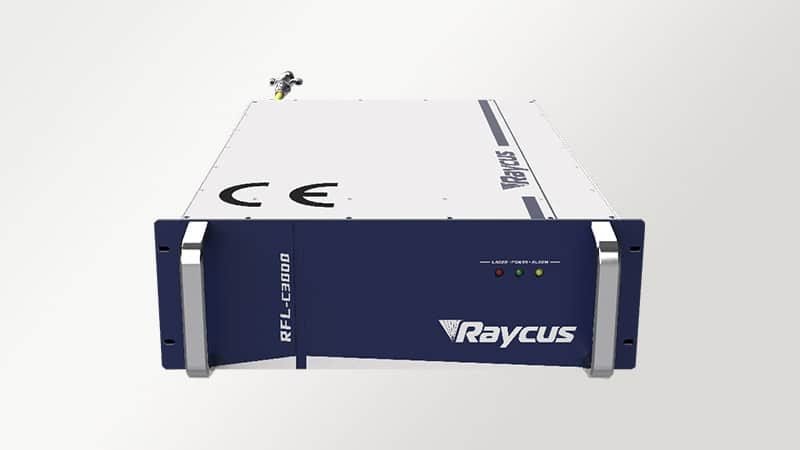
Stable Continuous Laser Generator

Stable Continuous Laser Generator

The continuous laser generator emits a steady, uninterrupted beam for consistent cleaning performance. It provides stable energy output, allowing uniform removal of rust, paint, and surface contaminants. The structure supports long operating cycles without fluctuation, ensuring smooth and efficient processing. Its consistent output improves cleaning quality and reliability, especially when working across large or continuous surfaces.

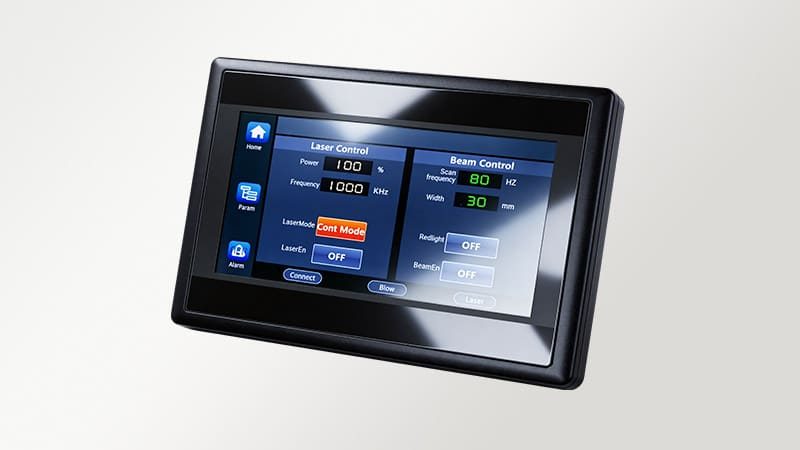
Intelligent Control System

The control system manages the operation of the machine by coordinating laser output, motion control, and processing parameters. It provides an interface for adjusting settings, monitoring performance, and ensuring precise execution of cleaning tasks. The structure enables stable operation, consistent results, and efficient workflow. Its integrated functions help optimize performance and reduce errors during continuous or complex cleaning processes.
Intelligent Control System
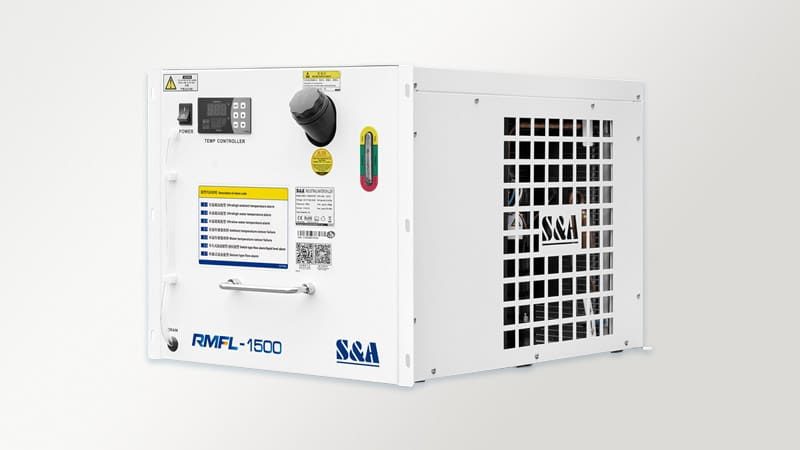
Dependable Industrial Chiller

Dependable Industrial Chiller

The industrial chiller removes heat from the machine by circulating cooled fluid through key components. It keeps temperatures within a controlled range, preventing overheating and maintaining stable laser output. The system supports long operating periods with consistent cooling performance. Its dependable temperature management improves overall efficiency and helps extend the lifespan of critical equipment parts.

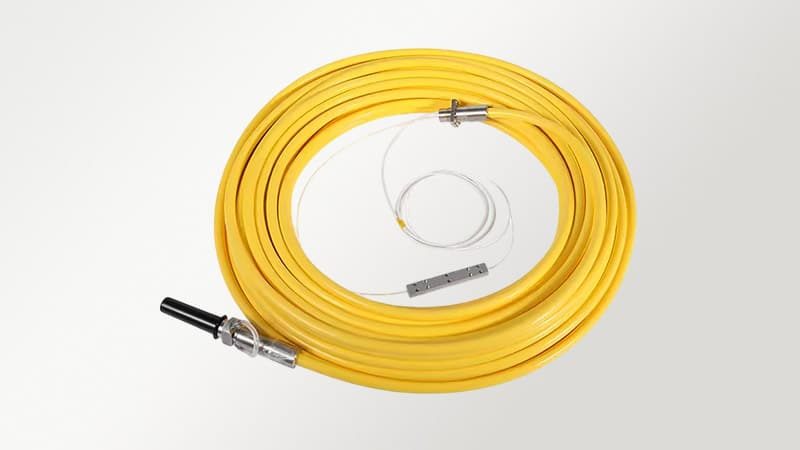
Precise Beam Transmission System

The beam transmission system delivers the laser beam from the source to the cleaning head with high accuracy and minimal energy loss. It uses optical fibers or reflective components to guide the beam along a controlled path. The structure ensures stable beam quality and consistent energy delivery. Its precise transmission supports efficient cleaning performance and reliable results across different applications.
Precise Beam Transmission System
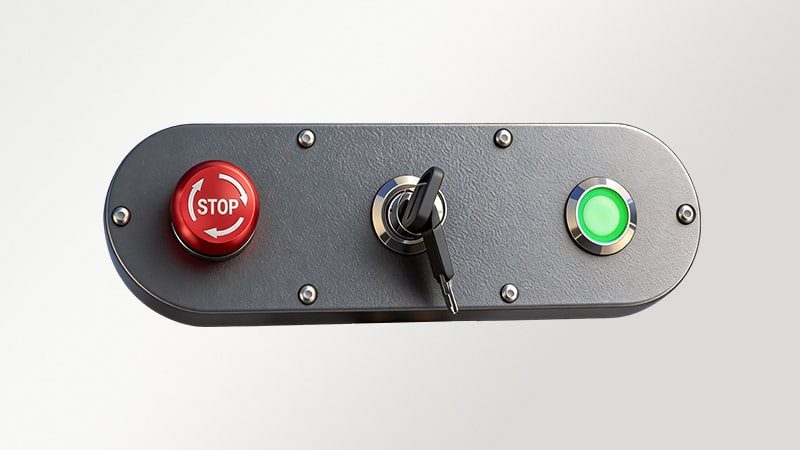
Reliable Safety Interlock Device

Reliable Safety Interlock Device

The safety interlock device controls access and operation of the machine by ensuring it runs only when all protective conditions are met. It detects abnormal states or open enclosures and immediately stops the system. The structure minimizes risk, prevents accidental exposure, and enhances operational safety. Its dependable function supports a secure and controlled working environment during use.

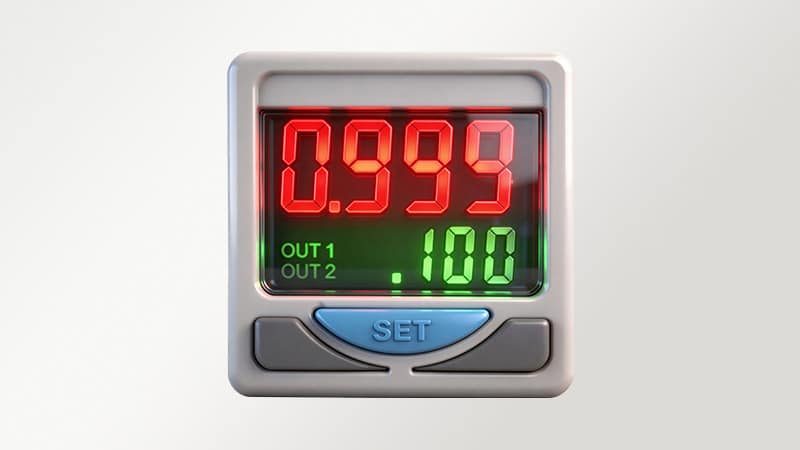
Responsive Alarm Device

The alarm device monitors the operating condition of the machine and provides immediate alerts when abnormalities occur. It uses visual indicators or sound signals to notify operators of issues such as faults, overheating, or safety concerns. The structure enables quick intervention, helping prevent damage and reduce downtime. Its responsive warning function supports safe and reliable machine operation.
Responsive Alarm Device

Product Parameters

Model AKQ-1500 AKQ-2000 AKQ-3000 AKQ-6000
Laser Power 1500W 2000W 3000W 6000W
Laser Operating Modes Continuous Wave Laser
Laser Generator Raycus/Max/BWT/JPT
Laser Wavelength 1080nm±10nm
Laser Power Tunability 10-100%
Laser Cleaning Head Au3tech
Laser Cleaning Width 10-600mm
Control System Au3tech
Expected Focal Distance 160mm
Fiber Cable Length 10m (JPT:15m)
Cooling Type Water Cooling
Modulation Frequency ≤20KHz
Voltage and Frequency 380V/220V 50/60H
Working Environment 10-40℃
Operating Humidity 5-95%

Optional Configuration

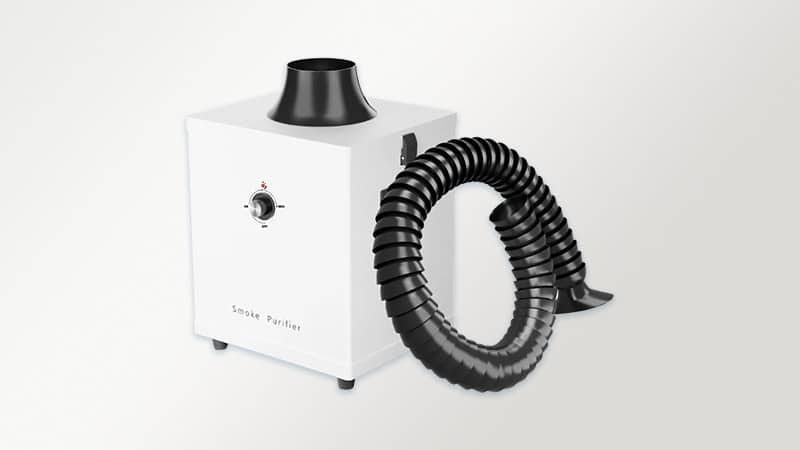
Eco-Friendly Fume Purifier

Eco-Friendly Fume Purifier

The fume purifier is designed to capture and filter smoke, dust, and harmful particles generated during laser cleaning. It uses a multi-stage filtration system to remove contaminants from the air, improving workplace safety and environmental conditions. The structure helps maintain clean air, reduces operator exposure to pollutants, and supports compliance with industrial standards. Its efficient operation ensures a healthier and more controlled production environment.

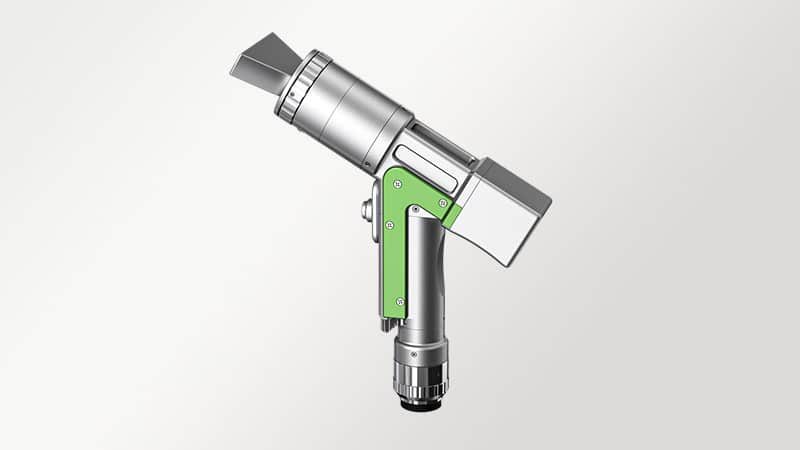
Versatile Double-Wobble Laser Cleaning Head

The double-wobble laser cleaning head uses dual-axis oscillation to sweep the laser beam across the surface in a wider pattern. This increases coverage and ensures even energy distribution, improving cleaning consistency. The structure reduces localized heat buildup and enhances surface protection. Its adjustable motion provides better control, making it suitable for varied materials and contamination levels.
Versatile Double-Wobble Laser Cleaning Head
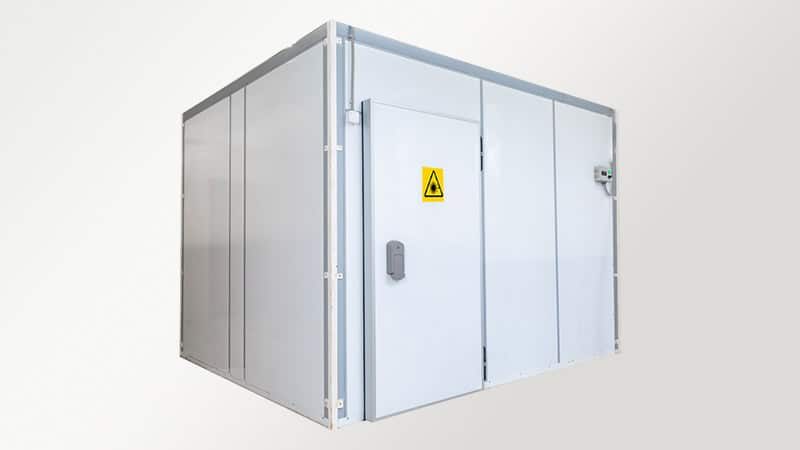
Fully Enclosed Protective Chamber

Fully Enclosed Protective Chamber

The fully enclosed protective chamber surrounds the laser cleaning area, creating a sealed space for safe operation. It contains laser radiation, dust, and fumes generated during the cleaning process, protecting both operators and the environment. The structure also helps reduce noise and maintain stable working conditions. Its integrated safety design ensures controlled operation and compliance with industrial safety standards.

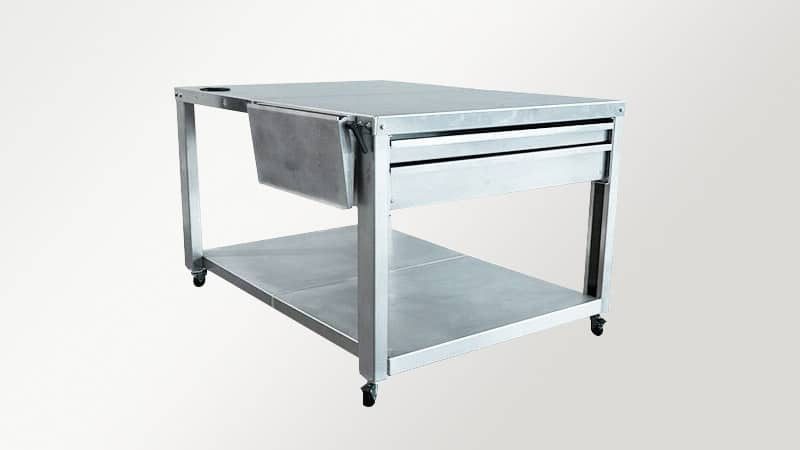
Stable Laser Cleaning Worktable

The laser cleaning worktable provides a stable platform for positioning and supporting workpieces during the cleaning process. It is designed to ensure proper alignment and minimize movement, allowing consistent laser exposure across the surface. The structure supports efficient handling and improves operational accuracy. Its durable construction withstands repeated use, contributing to reliable performance in various cleaning applications.
Stable Laser Cleaning Worktable

Compared With Other Cleaning Methods

Comparison Item Laser Cleaning Sandblasting Ultrasonic Cleaning Dry Ice Blasting
Cleaning Principle Uses focused laser energy to remove rust, paint, oxide, oil, and surface deposits Uses high-speed abrasive particles to strike and remove contaminants Uses high-frequency sound waves in liquid to create cavitation bubbles Uses compressed air to blast dry ice pellets onto the surface
Surface Contact Non-contact cleaning, no mechanical force on the workpiece Direct impact on the surface with abrasive media Workpiece must be placed in cleaning liquid Dry ice pellets impact the surface but sublimate after contact
Surface Damage Risk Low risk when parameters are correctly set Higher risk of roughening, pitting, or removing base material Low for many small parts, but unsuitable for some sensitive materials Lower than sandblasting, but impact force may affect delicate parts
Cleaning Precision Very high; suitable for selective and local cleaning Lower precision; often cleans a wider area Good for complex small parts immersed in liquid Medium precision; better for broad surface cleaning
Suitable Materials Metals, molds, stone, some composites, and selected coated surfaces Metals, concrete, stone, and heavy-duty surfaces Small metal, plastic, glass, and precision parts Metal, rubber, plastic, food equipment, and industrial surfaces
Rust Removal Very effective for light to heavy rust on metal surfaces Very effective for heavy rust and scale Limited; better for oil, grease, and fine particles Moderate; better for dirt, oil, paint, and light residues
Paint Removal Can remove paint layer by layer with controlled parameters Fast paint removal but may damage the substrate Not ideal for thick paint removal Effective for some coatings, but not always for thick or hard paint
Oil and Grease Removal Effective, especially with proper laser settings Possible but may spread contamination or need extra treatment Very effective for oil and grease on small parts Effective for oil and grease without water
Cleaning Speed Fast for targeted areas and automated production lines Fast for large rough surfaces Slower because parts need soaking and drying Fast for large surfaces and production equipment
Environmental Impact No abrasive waste, usually low secondary pollution Produces dust, spent abrasive, and contaminated waste Requires cleaning liquid and wastewater treatment No blasting media residue, but requires CO₂ dry ice supply
Consumables No regular cleaning media required Requires sand, grit, or other abrasive media Requires cleaning solution and sometimes additives Requires dry ice pellets and compressed air
Operating Cost Higher initial cost, lower consumable cost Lower equipment cost, higher ongoing media and cleanup cost Moderate cost, depending on tank size and liquid use Ongoing dry ice and compressed air costs can be high
Equipment Investment Higher initial investment Usually lower initial investment Low to medium for small systems; higher for large industrial tanks Medium to high depending on system size
Automation Capability Excellent; easy to integrate with robots, CNC systems, and production lines Possible, but media handling and dust control are more complex Suitable for batch cleaning, less flexible for large parts Can be automated, but dry ice supply must be managed
Cleaning of Complex Shapes Good for accessible surfaces, corners, welds, and molds Good for exposed surfaces but may be uneven in narrow areas Excellent for small complex parts fully immersed in liquid Good for many shapes, but deep narrow gaps may be difficult
Post-Cleaning Treatment Usually little or no post-cleaning required Often requires dust removal and surface finishing Requires rinsing and drying Usually little residue, but moisture/condensation may need attention
Worker Safety Requires laser safety glasses, enclosure, and fume extraction Requires dust protection, blasting suit, and hearing protection Requires chemical handling and liquid safety measures Requires ventilation, hearing protection, and care with cold materials
Noise Level Relatively low to medium depending on system and extraction High noise during blasting Low to medium High due to compressed air blasting
Best Application Scenarios Precision rust removal, weld cleaning, mold cleaning, oxide removal, coating removal, and automated cleaning Heavy rust, scale, old coating removal, and rough surface preparation Small precision parts, medical parts, electronics parts, and oil removal Food equipment, molds, production lines, and cleaning without water
Main Limitation Higher purchase cost and need for laser safety control Dust, abrasive waste, surface roughening, and cleanup work Limited by tank size, liquid use, and drying requirements Requires dry ice supply, compressed air, and good ventilation

Product Application

The 1000W laser cleaning machine is ideal for high-efficiency, large-area surface cleaning in a variety of industrial and maintenance applications. Its flexible mobile design allows operators to move the system easily across work sites, while the ergonomic handheld laser head provides precise control for cleaning complex or hard-to-reach surfaces. The continuous laser generator delivers a uniform, uninterrupted beam, making it perfect for removing rust, paint, coatings, oxides, and other contaminants from metals, machinery, pipelines, molds, and large structural components. Industries such as automotive, aerospace, shipbuilding, electronics, and heavy machinery benefit from its ability to perform consistent, high-quality cleaning over extended operating cycles. The intelligent control system, precise beam transmission, and dependable industrial chiller ensure stable operation and efficient workflow, while safety interlocks and responsive alarms protect operators and minimize downtime. This combination of mobility, precision, and continuous high-power performance makes it a reliable solution for professional surface preparation and maintenance.
Laser Cleaning Samples

Why Choose AccTek Laser

Advanced Laser Technology

AccTek Laser uses advanced fiber laser technology to ensure stable performance and precise cleaning results. Their machines provide efficient removal of rust, paint, oil, and coatings while protecting the base material, making them suitable for many industrial cleaning applications.

Wide Product Range

AccTek Laser offers a variety of laser cleaning machines with different power levels and configurations. Customers can choose from portable handheld machines to high-power industrial systems, allowing businesses to select the most suitable equipment for their specific cleaning tasks.

High-Quality Components

AccTek Laser machines are built with reliable components such as premium fiber laser sources, high-speed scanning systems, and durable control units. Using quality parts improves system stability, extends machine lifespan, and ensures consistent performance during long-term industrial operation.

Customization Options

AccTek Laser provides flexible customization based on customer needs. Laser power, cooling systems, cleaning width, and automation options can be adjusted according to different applications. This helps businesses achieve optimal cleaning efficiency for various materials and contamination types.

Professional Technical Support

AccTek Laser offers comprehensive technical support, including machine selection guidance, installation assistance, and operation training. Their experienced engineering team helps customers quickly understand the equipment and ensures smooth machine operation after installation.

Reliable Global Service

AccTek Laser serves customers in many countries and provides dependable international service. Detailed documentation, remote technical support, and responsive after-sales service help customers maintain machine performance and minimize downtime during daily production operations.

Related Resources

What Are the Limitations of Laser Cleaning

What Are the Limitations of Laser Cleaning?

This article will systematically analyze the main limitations of laser cleaning from an engineering and application perspective, and provide mature and practical solutions to help manufacturing companies make informed decisions.

Customer Testimonials

4 reviews for 1000W Laser Cleaning Machine

  1. Maria

    We added this laser cleaning machine to our production line, and it has improved efficiency. The continuous laser output makes the cleaning process smooth and even. I appreciate how stable the machine is during long runs. The control interface is clear, so adjusting settings is easy when switching tasks. The cooling system works well, even during long shifts. I also like the safety features. They give peace of mind when multiple operators are working nearby. It’s a practical solution for industrial cleaning tasks.

  2. Steven

    I use this machine daily for cleaning metal surfaces before welding. It does a clean job without damaging the base material. The handheld head feels natural to use, and I can guide it with good precision. The mobility is helpful since I move between different workstations often. The system runs consistently, and I don’t notice fluctuations in performance. Maintenance has been simple so far. It’s a dependable tool that fits well into our workflow.

  3. Kevin

    This machine fits well into our workshop. I mainly use it for removing paint and rust from car parts. The beam is steady, and I can see the difference compared to the older methods we used before. The handheld head is easy to control, and I don’t feel tired using it for extended periods. Moving it around the shop is simple because of the wheels. The control system is also straightforward, so I didn’t need much time to learn it. Overall, it’s reliable and helps us work faster without sacrificing quality.

  4. Daniel

    I’ve been using laser cleaning machines for about six months in our factory, and it’s made a noticeable difference. The mobile design is one of the best parts. I can move it between work areas without much effort, which saves time during busy shifts. The handheld cleaning head feels comfortable even after long use, and I can reach tight spots without struggling. The cleaning itself is consistent, especially when removing rust from large metal surfaces. I also like how stable the system feels overall. It runs smoothly, and I haven’t had issues with overheating thanks to the cooling system.

Add a review

Your email address will not be published. Required fields are marked *

four × 2 =

Frequently Asked Questions

What Is The Price of A 1000W Laser Cleaning Machine?

The price of a 1000w laser cleaning machine can vary based on several factors, including brand, quality, additional features, and supplier or distributor. In addition, market fluctuations, geographic location, and supplier policies can also affect prices. Typically, a high-quality 1000w laser cleaning machine costs between $4,500 and $13,500. Note that these prices are estimates only and may change over time.

If you want to get the accurate and latest price of a 1000w laser cleaning machine, you can contact us directly. AccTek Laser’s engineering will recommend the most suitable machine for you based on your requirements and budget. We can also provide you with details on pricing and any additional costs associated with the machine, such as shipping, installation, or training. In addition, our engineers will help you research and compare machines with different options to help you make decisions faster.

Maintenance and operating costs for a 1000w laser cleaning machine can vary based on several factors, including the specific model, frequency of use, maintenance requirements, and any additional accessories or consumables required. Here are some potential costs to consider:

  • Energy Consumption: Laser cleaners consume electricity to operate. The power consumption of the 1000w laser cleaning machine will be higher than that of the low power consumption model. You can estimate your electricity bill based on the energy consumption provided by the manufacturer.
  • Consumables: Depending on the machine and application, laser cleaners may require additional consumables such as protective lenses, protective gas, or filters. These consumables will constitute the overall operating costs and should be factored into the budget. The frequency of replacement and associated costs will depend on machine design and usage.
  • Laser Generator Maintenance: The laser generator is a critical component of the machine and may require regular maintenance or replacement over time. Depending on the exact model and manufacturer, the cost to maintain or replace a laser generator can vary widely.
  • Optics Cleaning and Replacement: The optical components of a laser cleaning machine, such as lenses and mirrors, may require periodic cleaning or replacement to ensure optimal performance. The cost of cleaning supplies or replacing optics should be considered as part of maintenance costs.
  • Maintenance and Care: Laser cleaning machines require regular maintenance to ensure optimum performance and longevity. This may include cleaning optical components, aligning the system, checking for any wear, and replacing worn parts. The cost of maintenance and service may vary, depending on the complexity of the machine and the service provider’s fees.
  • Cooling System: Laser cleaning machines often require a cooling system to keep the laser generator and other components within the optimum operating temperature range. Cooling systems may involve the use of water or other cooling mechanisms. You may want to consider the cost of water or coolant and maintenance of the cooling system.
  • Operator Training: If the operator is not yet familiar with laser cleaning techniques, training may be required to ensure safe and effective operation. Operator training expenses and labor costs should be considered as part of the overall operating costs.

It is important to note that these costs are approximate and may vary by specific machine and supplier. For accurate information on the maintenance and operating costs of a particular 1000w laser cleaning machine, it is advisable to consult the manufacturer or supplier directly. They can provide you with detailed information and guidance specific to their products.

The 1000w laser cleaning machine is generally capable of effectively cleaning a wide variety of surfaces and materials. Laser energy can remove contaminants, oxides, rust, coatings, and other unwanted substances from all types of surfaces without damaging the underlying material. Here are some surfaces and materials that can be cleaned effectively:

  • Metals: Laser cleaning is especially effective for cleaning metal surfaces such as steel, stainless steel, aluminum, copper, brass, and titanium. It removes rust, paint, scale, oil, grease, and other surface contaminants.
  • Plastics: Laser cleaning can be used on certain types of plastics, such as acrylic or polycarbonate, to remove coatings, adhesives, and surface contaminants. However, it is important to note that laser cleaning may damage or melt certain types of plastics, so a small-scale test should be done before cleaning to determine the laser’s compatibility with the material.
  • Stone and Concrete: Laser cleaning can be applied to stone surfaces such as marble, granite, and limestone, as well as concrete surfaces. It removes dirt, grime, graffiti, and other surface deposits without damaging the stone.
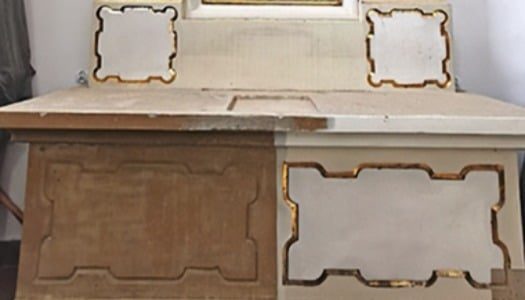
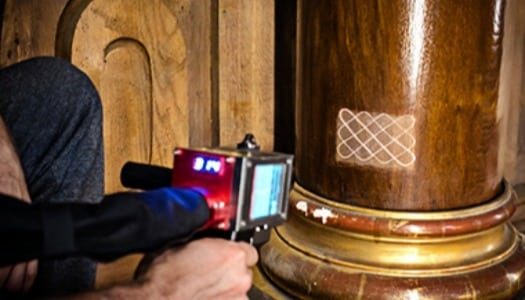
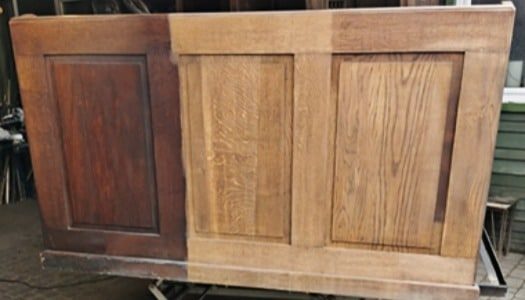
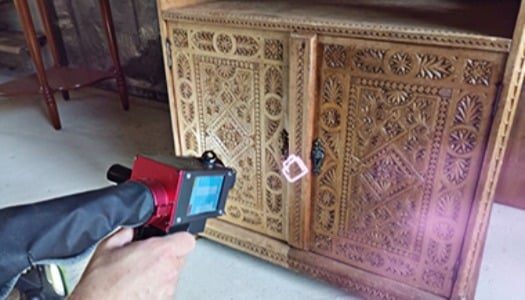
  • Wood: Laser cleaning can be used to clean wooden surfaces such as antique furniture, wooden sculptures, and historical artifacts. It removes dirt, smoke residue, and aged finishes without damaging the wood.
  • Glass: Laser cleaning removes dirt, soot, coatings, and residue from glass surfaces without causing damage. It is commonly used to clean glass in automotive, architectural, and optical applications.
  • Automotive Components: Laser cleaning is commonly used in the automotive industry to clean engine parts, chassis components, and other metal surfaces. It removes grease, oil, coatings, and other contaminants without damaging the underlying material.
  • Historic Artifacts and Conservation: Laser cleaning is used to restore and preserve historical artifacts, sculptures, statues, and works of art made of materials such as stone, metal, or wood. It allows precise and gentle cleaning without damaging delicate surfaces.
  • Paint and Coating Removal: Laser cleaning can effectively remove paint, coatings, varnishes, and other surface layers from a variety of materials, including metals, plastics, and composites.
  • Electronics: Laser cleaning can be used in electronics manufacturing and repair processes to clean circuit boards, connectors, and other sensitive electronic components. It removes flux residue, solder splatter, and other contaminants without damaging electronic parts.

These are just a few examples of surfaces and materials that can be effectively cleaned with a 1000w laser cleaning machine. However, it is important to note that different machine and laser parameters may affect different materials differently. It is therefore always recommended to consult the manufacturer’s guidelines and test the cleaning on a small area before laser cleaning larger surfaces.

Yes, when using a 1000w laser cleaning machine or any laser equipment, safety precautions need to be followed to ensure the health of the operator and prevent accidents. Laser cleaners emit a high-powered laser beam that can be dangerous to the operator or bystanders if not done properly. Below are some important security precautions and certifications to consider.

  • Laser Safety Standards: Laser cleaning machines should comply with laser safety standards and regulations established by the relevant authorities in your region. These standards specify the safety requirements for the design, construction, and operation of laser equipment to ensure the protection of personnel and prevent accidents.
  • Laser Safety Training: Operators should receive proper laser safety training before operating a laser cleaning machine to understand the potential hazards associated with the laser cleaning machine and how to operate it safely. Training should cover topics such as laser classification, beam hazards, personal protective equipment (PPE), safe operating procedures, and emergency plans.
  • Eyewear Protection: Laser cleaners emit intense laser beams that may be harmful to eyeglasses. Appropriate laser safety goggles or glasses designed for the wavelength and power of the laser used by the laser cleaner must be worn. Goggles should comply with relevant safety standards and provide adequate protection.
  • Ventilation and Fume Extraction: Depending on the material being cleaned, laser cleaning can produce fumes or particulate matter. Adequate ventilation and smoke extraction systems should be installed to prevent the accumulation of potentially hazardous airborne contaminants. This helps maintain a safe working environment and protects operators from inhalation or exposure to hazardous substances.
  • Compliance: Depending on your location, there may be additional regulatory requirements and certifications related to laser safety and workplace safety that you need to consider when purchasing a laser cleaning machine. Make sure to follow local laws and regulations related to laser safety and operation.
  • Regular Maintenance and Inspections: Regular maintenance of your laser cleaning machine is essential to ensure its safe and efficient operation. Follow the manufacturer’s guidelines for routine maintenance, inspections, and repairs to keep your machine in top condition and minimize any potential risks associated with faulty components or improper operation. This includes checking laser generators, cooling systems, safety interlocks, and other critical components.
  • Fire Safety: Laser cleaning generates intense heat and, depending on the material being cleaned, there may be a risk of igniting flammable substances. Make sure to implement proper fire safety measures, such as having fire extinguishers at hand and following established fire safety protocols.

It is recommended to consult the owner’s manual and safety guidelines provided by the manufacturer of the particular laser cleaning machine you are using. They can provide details on safety precautions, certifications, and recommended practices for safe operations. Additionally, consulting with a laser safety officer or a qualified laser safety expert can help ensure compliance with safety standards and reduce potential risks.

The 1000w laser cleaning machine is used in various fields and industries that require precise and efficient surface cleaning. Here are some of its main application areas and industries:

  • Manufacturing and Industrial Cleaning: Laser cleaning is widely used in the manufacturing industry to clean and prepare surfaces before processes such as welding, bonding, coating, or painting. It removes rust, oxide layers, contaminants, and coatings from metal surfaces, ensuring better adhesion and the quality of subsequent processes.
  • Automotive Industry: Laser cleaning is used in the automotive industry to clean auto parts, such as engine parts, brake systems, and chassis parts, and even vulnerable surfaces such as car interiors. It removes coatings, dirt, oil, and grease without damaging the underlying surface.
  • Aerospace: Laser cleaning is very beneficial to the aerospace industry. It effectively removes contaminants, coatings, and oxides from aircraft components, engine components, turbine blades, and other surfaces without causing damage. Laser cleaning helps maintain the performance, reliability, and longevity of critical aerospace equipment.
  • Historic Restoration and Conservation: Laser cleaning technology can be used to restore and preserve historical artifacts, sculptures, statues, and artworks made of various materials such as stone, metal, or wood. Its precise yet gentle cleaning power removes dirt, stains, and other unwanted layers without damaging delicate surfaces.
  • Electronics and Semiconductor Manufacturing: Laser cleaning can be applied in the electronics manufacturing and semiconductor industries for the cleaning of circuit boards, connectors, and other sensitive electronic components. It removes solder residue, flux, and other contaminants from surfaces without damaging sensitive electronics. This ensures improved functionality, reliability, and longevity of electronic equipment.
  • Marine and Shipbuilding: Laser cleaning is used in the marine and shipbuilding industry to clean ship surfaces and remove marine growth, rust, and paint coatings. It helps maintain the integrity of the vessel’s surface and improves fuel efficiency.
  • Paint and Coating Removal: Laser cleaning is used to remove paint, coatings, varnishes, and other surface layers from a variety of materials, including metals, plastics, composites, and wood. Such applications are common in industries such as automotive, construction, and furniture manufacturing.
  • Medical and Pharmaceutical: Laser cleaning can be used in the medical and pharmaceutical industries to clean and decontaminate medical instruments, surgical instruments, and production equipment. It cleans medical instruments, and production equipment, helps maintain high cleanliness standards, and reduces the risk of contamination.
  • Oil and Gas: Laser cleaning technology is used in the oil and gas industry to clean and maintain pipelines, storage tanks, valves, and other equipment. It removes rust, scale, and other contaminants, improving operating efficiency and extending the life of the equipment.

These are just a few examples of applications and industries where a 1000w laser cleaning machine can be used. The versatility and effectiveness of laser cleaning technology make it suitable for a wide range of industries requiring precise and efficient surface cleaning, preparation, and restoration.

The life expectancy of a laser cleaner depends on a variety of factors, including machine quality, usage patterns, maintenance practices, and environmental conditions. A well-maintained laser cleaning machine can last thousands of hours before major components may need to be replaced or refurbished. However, it’s important to note that these are general estimates and specific life expectancy may vary between models and manufacturers.

Regarding maintenance requirements, laser cleaning machines generally require regular maintenance to ensure optimum performance and longevity. Here are some common maintenance tasks associated with laser cleaning machines:

  • Life Expectancy: The life expectancy of a laser cleaning machine is affected by the quality and durability of its components, especially the laser generator. Laser generators typically have a specified lifetime, usually measured in tens of thousands of hours of operation. However, actual life expectancy will be affected by factors such as operating conditions, maintenance, and intensity of use. Regular maintenance and following recommended usage guidelines will help maximize the life of your machine.
  • Maintenance Requirements: Regular maintenance is essential to ensure the optimal performance and longevity of your laser cleaning machine. Some common maintenance requirements may include:
  • Cleaning Optical Components: Optical components such as lenses and mirrors may require periodic cleaning to remove dust, debris, or residue that may affect the quality of the laser beam. Regular cleaning of these parts is critical to maintaining the efficiency of the machine and preventing degradation of the laser beam.
  • Cooling System Maintenance: Laser cleaning machines usually have a cooling system to dissipate the heat generated during operation. Regular inspection and maintenance of your cooling system, including checking coolant levels, ensuring proper airflow, and cleaning or replacing filters, can help prevent overheating and ensure efficient operation.
  • Replace The Laser Generator: Depending on the specific laser generator and its service life, the laser generator may need to be replaced after a certain period of operation. The specific lifespan and replacement process will depend on the type of laser generator used in the machine and it is recommended to follow the manufacturer’s guidelines and recommendations for replacement.
  • Calibration and Alignment: Over time, the calibration of a laser cleaning machine may drift, affecting its effectiveness. Regular calibration and alignment of the laser cleaning machine’s components may be required to ensure accurate and consistent cleaning results. This may involve adjusting laser parameters, verifying beam quality, and ensuring proper alignment of optics.
  • Periodic Inspection: The machine’s components, electrical connections, and safety features should be inspected regularly, which is important to identify and resolve any potential problems or wear and tear. Detecting problems early can prevent more serious damage and increase machine reliability.
  • Software and Firmware Updates: Laser cleaning machines may have software or components that require periodic updates to improve functionality, resolve bugs or security issues, and benefit from performance enhancements.
  • Manufacturer’s Guidelines: Always refer to the manufacturer’s guidelines and recommendations for specific maintenance requirements and schedules for the model of the laser cleaning machine you are using. Manufacturers can provide detailed guidelines and maintenance checklists regarding maintenance intervals, specific procedures, and any other requirements for a particular machine model.

It is important to note that maintenance requirements and life expectancy can vary greatly between different laser cleaner models. It is therefore recommended to follow the manufacturer’s instructions and, if necessary, seek professional help or support to ensure proper maintenance and longevity of your laser cleaning machine. Regular maintenance and adherence to the manufacturer’s guidelines can maximize the life and performance of your laser cleaning machine.

Yes, laser cleaners often have specific power requirements and compatibility considerations to consider. Here are some important factors to consider:

  • Power Requirements: Laser cleaning machines generally require a stable and reliable power source to operate effectively. Power requirements may vary depending on the exact model and power rating of your machine. It is important to ensure that the power supply meets the specifications provided by the manufacturer, which includes factors such as voltage, frequency, and power capacity. Note that it is important to follow the manufacturer’s guidelines to prevent any electrical issues and keep the machine running safely and efficiently.
  • Power Stability: Laser cleaners are sensitive to fluctuations in the power supply. Ensuring a stable power supply with consistent voltage and frequency is important to maintain the performance and reliability of your machine. Power surges, voltage drops, or electrical noise may interfere with the operation of the laser cleaner and may require the use of additional power conditioning equipment or surge protection.
  • Power Capacities: Laser cleaning machines can have different power capacities, including the 1000w mentioned in your previous question. You need to make sure that the power sources available in your facility can meet the power requirements of the laser cleaning machine. Insufficient power supply capacity may cause poor performance or damage to the machine, while excessive power supply capacity may cause safety hazards.
  • Compatibility with Auxiliary Equipment: Laser cleaning machines may require auxiliary equipment such as cooling systems, exhaust systems, or compressed air supplies for optimal operation. It is important to ensure compatibility between the laser cleaning machine and any auxiliary equipment to ensure smooth integration and efficient operation of the entire system.
  • Laser Safety Regulations: Laser cleaning machines are classified as laser equipment and must comply with laser safety regulations specific to your region. These regulations often include guidelines for power limits, safety features, and controls to ensure safe operation. Before purchasing or operating a laser cleaning machine, be sure to verify that the machine complies with the applicable laser safety standards and regulations in your region.
  • Environmental Considerations: Laser cleaning machines should be operated under suitable environmental conditions to maintain optimum performance and prevent damage. Factors to consider include ambient temperature, humidity level, and cleanliness of the operating environment. Excessive heat, extreme temperatures, high humidity, or the presence of excessive dust or contaminants can all negatively affect a machine’s performance. In addition, adequate ventilation and environmental controls should be considered to ensure proper operation.
  • Compatibility with Materials: Laser cleaning machines are designed to handle specific types of materials. You need to consider the compatibility of the laser wavelength with the material you intend to clean. Different materials have different absorption characteristics for laser energy, and certain materials can be cleaned more effectively with specific laser wavelengths. It is recommended to consult the manufacturer’s guidelines and recommendations to determine the laser cleaning machine’s compatibility with the material you plan to clean.

To ensure proper power supply compatibility and safety standards, be sure to consult the manufacturer’s documentation, owner’s manual, or specifications for the specific laser cleaner model you plan to use. They will provide details on their device-specific power requirements and compatibility considerations. In addition, it is recommended to involve a qualified electrician or technical specialist in the installation process to help ensure that the power supply and infrastructure meet the requirements of the laser cleaning machine.

Effectively operating a laser cleaning machine requires proper training and expertise to ensure safe and efficient operation. The following are some of the areas of training and expertise that are generally required to benefit operators:

  • Laser Safety Training: Operators should receive laser safety training to understand the potential hazards associated with laser radiation and how to reduce the risk. The training covers topics such as laser classification, laser hazards, proper use of personal protective equipment (PPE), and safe work practices in laser environments.
  • Machine Operator Training: Operators should be trained on the specific model of laser cleaning machine they will be using. This includes understanding the machine’s control panel, and software interface, and how to set the proper laser parameters for different cleaning tasks, such as power, pulse duration, and spot size.
  • Material Knowledge: Different materials and surfaces may require specific laser settings and parameters for optimal cleaning without causing damage. Operators should have a good understanding of the different materials and surfaces that a laser cleaning machine can handle. This includes understanding how various materials respond to laser cleaning, appropriate laser settings for different materials, and potential risks or limitations associated with certain materials. This knowledge helps to optimize the cleaning process and minimize the risk of material damage.
  • Troubleshooting and Maintenance: Proper maintenance and calibration are very important to the life and performance of your laser cleaner. Operators should be trained in basic troubleshooting procedures and routine maintenance tasks to keep the machine running smoothly. This includes tasks such as cleaning optics, replacing consumables, aligning laser beams, and diagnosing and resolving common problems that may arise during operation. Also, it’s important to know how to perform basic troubleshooting and when to seek professional help.
  • Emergency Procedures: Operators should be familiar with emergency procedures in the event of an accident or failure. This includes knowledge of emergency shutdown protocols, knowledge of how to deal with laser-related incidents such as reflections or accidental exposure, and training in basic first aid procedures specific to laser-related injuries.
  • Cleaning Techniques and Strategies: Laser cleaning involves a variety of techniques and strategies, depending on the specific cleaning requirements and the material being processed. Operators should be trained in proper scan patterns, spacing, and motion control to achieve a uniform and thorough cleaning. They should also know how to adjust laser parameters for different cleaning tasks and surface conditions.
  • Regular Updates and Continuing Education: Operators need to stay abreast of the latest developments in laser cleaning technology, safety guidelines, and best practices. Regular updates and continuing education help operators keep up with the ever-evolving field and improve their skills.

Training provided by the laser cleaning machine manufacturer or supplier is recommended. They can provide specific training programs tailored to your machine model, covering safety guidelines, operating procedures, and maintenance requirements. Additionally, staying abreast of the latest advances in laser cleaning technology through workshops, workshops, and industry publications can further enhance an operator’s expertise to operate the machine effectively.

Get Laser Cleaning Solutions

Choosing the right laser cleaning solution is essential for achieving efficient, safe, and cost-effective surface treatment. Laser cleaning machines are used in many industries, including manufacturing, automotive, aerospace, shipbuilding, mold maintenance, and equipment repair. However, different applications require different machine configurations, power levels, and cleaning parameters. Selecting the proper system ensures optimal cleaning performance while protecting the underlying material.
When looking for laser cleaning solutions, it is important to consider several factors. These include the type of material, the kind of contamination to be removed, the required cleaning speed, and the working environment. For example, light rust or thin coatings may only require lower-power portable laser cleaning machines, while heavy corrosion or thick paint removal may require a higher-power industrial system. The size of the workpiece and whether the process needs to be integrated into an automated production line should also be considered.
Professional suppliers can help evaluate your cleaning requirements and recommend the most suitable equipment configuration. This may include selecting the correct laser power, cooling system, scanning head, and safety features. Training, technical support, and after-sales service are also important factors to ensure long-term machine reliability and productivity.
By working with an experienced laser equipment manufacturer, businesses can obtain customized laser cleaning solutions that improve cleaning efficiency, reduce environmental impact, and lower operating costs compared with traditional cleaning methods. Laser cleaning technology provides a modern, precise, and sustainable approach to industrial surface preparation and maintenance.
* We value your privacy. AccTek Laser is committed to protecting your personal information. Any details you provide when submitting the form will be kept strictly confidential and used only to assist with your inquiry. We do not share, sell, or disclose your information to third parties. Your data is securely stored and handled by our privacy policy.

Unlock Precision With AccTek Laser Solutions!

We can customize the design according to your requirements. You only need to tell us your requirements, and our engineers will provide you with turnkey solutions in the shortest possible time. Our laser equipment prices are very competitive, please contact us for a free quote. If you need other laser equipment-related services, you can also contact us.
Leave Your Details For A Tailor-Made Solution
*At AccTek Laser, we value and respect your privacy. Rest assured that any information you provide is strictly confidential and will only be used to deliver personalized solutions and quotes.