| Welding Principle |
Uses a focused laser beam to melt and join materials |
Uses a tungsten electrode and shielding gas to create an arc |
Uses a continuously fed wire electrode and shielding gas |
Uses a constricted plasma arc to produce high heat |
| Heat Input |
Low and concentrated |
Moderate to high |
Moderate to high |
High and concentrated |
| Welding Speed |
Very fast |
Slow |
Fast |
Medium to fast |
| Weld Precision |
Very high |
High |
Medium |
High |
| Weld Seam Width |
Narrow and clean |
Fine but wider than laser welding |
Wider weld bead |
Narrower than MIG, but usually wider than laser |
| Heat-Affected Zone |
Small |
Larger than laser welding |
Larger than laser welding |
Medium to large |
| Material Distortion |
Low |
Medium |
Medium to high |
Medium |
| Welding Strength |
High with correct parameters |
High |
High |
High |
| Thin Metal Welding |
Excellent for thin sheets and precision parts |
Good, but requires skilled control |
Possible, but burn-through risk is higher |
Good, but setup is more complex |
| Thick Metal Welding |
Suitable with high-power systems and proper joint design |
Suitable but slower |
Very suitable for thicker materials |
Suitable for thick materials |
| Appearance of Weld |
Smooth, narrow, and clean |
Clean and attractive with skilled operation |
Rougher and may need finishing |
Clean, but may need finishing depending on settings |
| Filler Material |
Often no filler needed; filler can be added if required |
Filler rod often used manually |
Wire filler is continuously fed |
Filler may be used depending on the process |
| Skill Requirement |
Lower for handheld systems, higher for automation setup |
High operator skill required |
Medium skill requirement |
High skill and process knowledge required |
| Automation Capability |
Excellent for robots and production lines |
Possible, but slower and more complex |
Good for robotic and automated welding |
Good, but equipment setup is more complex |
| Production Efficiency |
Very high for batch and continuous production |
Lower efficiency |
High efficiency |
Medium to high efficiency |
| Spatter |
Very low |
Almost none |
More spatter, especially with poor settings |
Low to medium |
| Post-Weld Processing |
Usually little grinding or polishing needed |
May need light finishing |
Often requires cleaning, grinding, or spatter removal |
May require finishing depending on application |
| Equipment Cost |
Higher initial investment |
Lower to medium |
Medium |
Medium to high |
| Operating Cost |
Lower labor and finishing cost, but higher equipment cost |
Higher labor cost due to slower speed |
Moderate cost with wire and gas consumption |
Higher gas and equipment maintenance cost |
| Best Application Scenarios |
Precision metal parts, stainless steel, aluminum, sheet metal, battery parts, automotive parts, and automated production |
High-quality manual welding, thin stainless steel, pipes, and decorative parts |
Structural parts, fabrication, heavy-duty metalwork, and high-volume welding |
Aerospace, precision welding, thick sections, and applications needing stable deep penetration |




















4 reviews for Brass Laser Welding Machine
Lily –
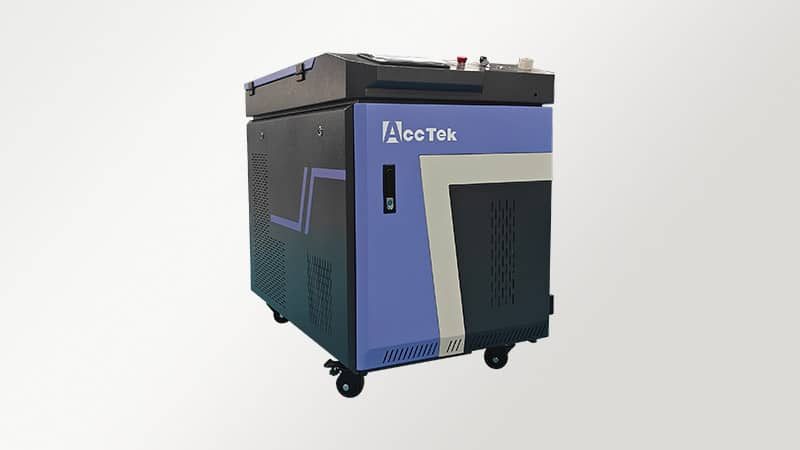
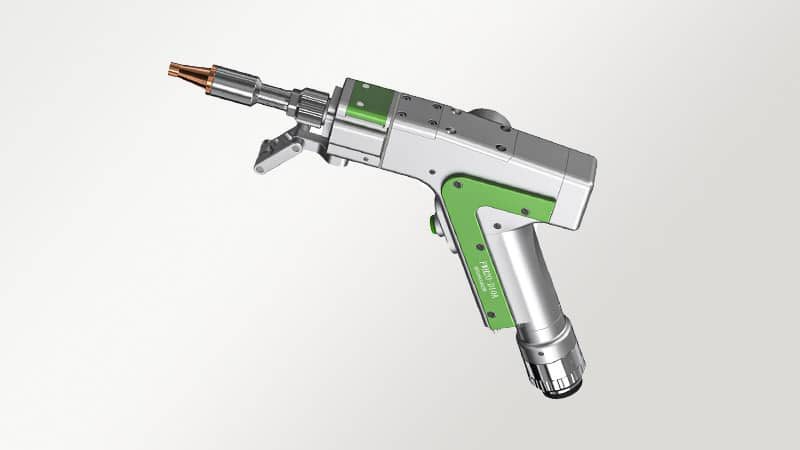
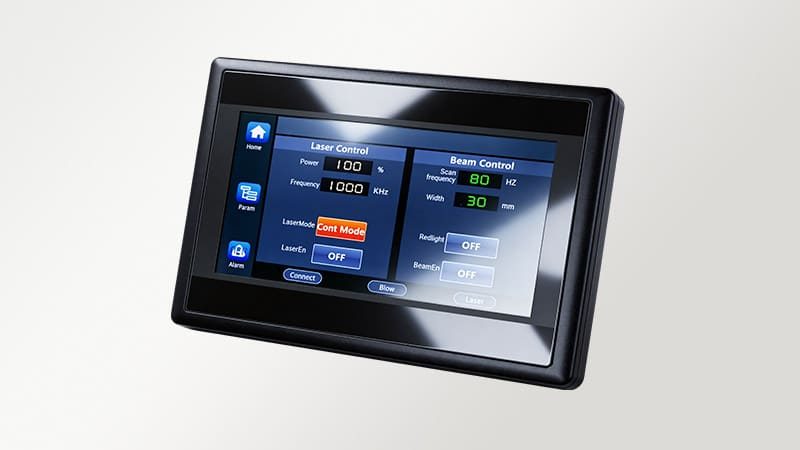
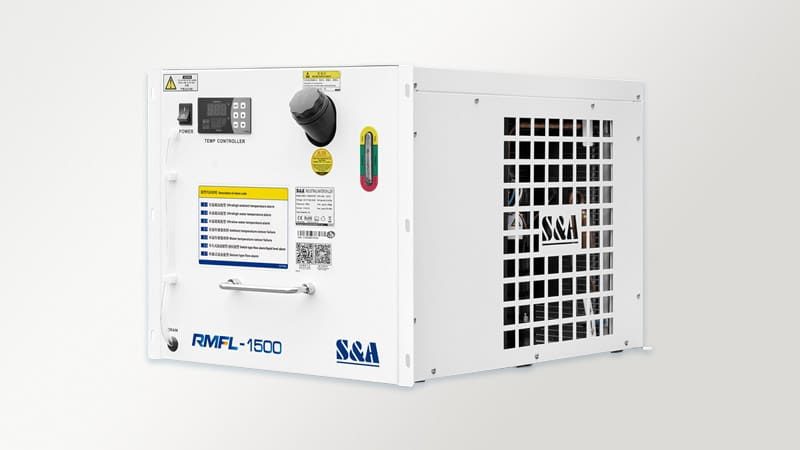
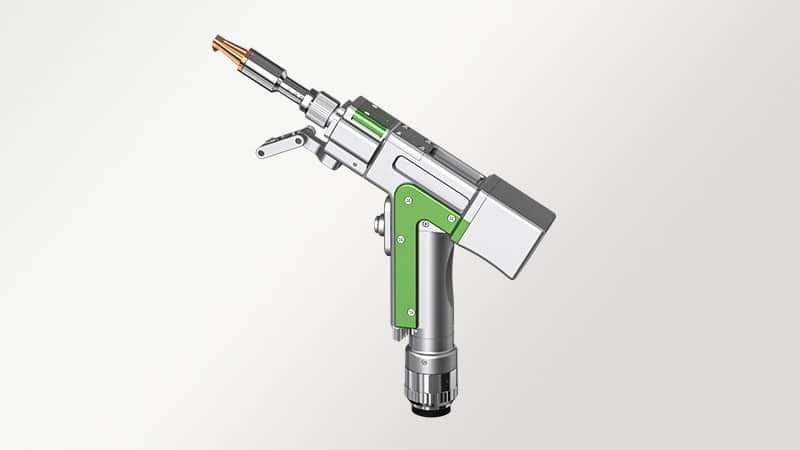
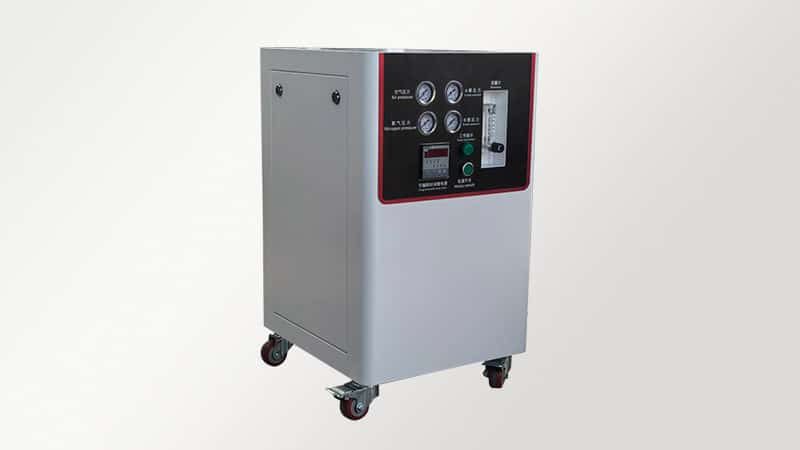
In my shop, we handle a lot of custom brass pieces, and this machine has been a helpful addition. It doesn’t take up much space, and we can move it around easily when needed. The handheld head is simple to use, even for more detailed work. I’ve noticed cleaner weld seams compared to our older equipment. The cooling system also seems reliable, as we haven’t had overheating issues during longer jobs. The controls are easy to understand, which helps when training new workers. It’s a practical machine that supports both small and larger projects.
Aaron –
We started using laser welding machines for brass components, mainly small fittings and decorative parts. The results have been steady so far. The handheld welding head feels comfortable and gives good control, which is helpful when working on fine details. I also like the consistent laser output, since brass can be sensitive to heat changes. The mobile design makes it easy to move between work areas without slowing down production. It took a bit of time to get used to the control system, but now it runs smoothly. Overall, it’s a dependable machine for daily brass welding tasks.
Natalie –
I use this brass laser welding machine almost every day, and it has been easy to work with. The handheld head feels natural in the hand, which helps reduce fatigue during long shifts. The welds are clean and consistent, especially on thinner brass sheets. The machine also alerts us if something goes wrong, so we can respond quickly. The cooling system works well, and we rarely have to stop due to heat problems. Moving it around the workshop is simple, and setup doesn’t take much time. It fits well into our daily routine.
Zoe –
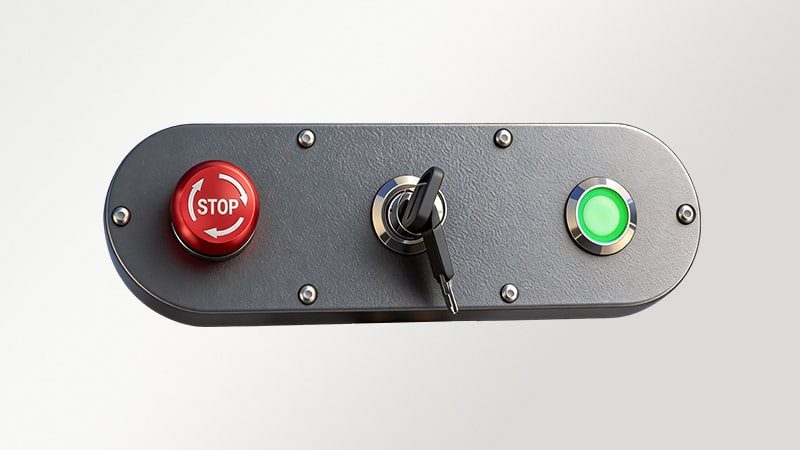
We added this machine to improve our brass welding process, and it has worked well. The continuous laser output helps create even weld seams, which has reduced rework. Operators like the handheld design because it allows them to adjust angles easily. The control system keeps settings consistent across different shifts, which helps maintain quality. Safety features like the interlock system are also important for us. Training new staff has been fairly quick, which saves time. It’s a good fit for our production line and has helped improve both efficiency and consistency.