| Marking Principle |
Uses a CO2 laser beam to mark, engrave, cut, or discolor non-metallic surfaces |
Uses a vibrating pin to strike dots into the material surface |
Sprays ink droplets onto the surface |
Uses chemicals to remove or discolor selected surface areas |
| Marking Contact |
Non-contact process |
Direct contact process |
Non-contact process |
Chemical contact process |
| Best Material Fit |
Wood, acrylic, glass, leather, paper, rubber, fabric, plastic, and packaging materials |
Mainly metals and some hard plastics |
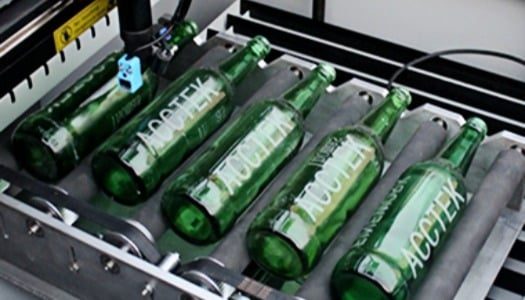
Paper, plastic, glass, metal, films, cartons, and bottles |
Metals, glass, ceramics, and selected plastics |
| Metal Marking Ability |
Limited on bare metals; usually needs coating or special treatment |
Good for many metal parts |
Possible with suitable ink, but may lack durability |
Good on many metals with proper chemicals |
| Non-Metal Marking Ability |
Excellent for organic and non-metal materials |
Limited |
Good for packaging and labels |
Depends on chemical compatibility |
| Mark Permanence |
High; marks are usually resistant to wear, water, and solvents |
High because marks are physically indented |
Medium; ink can fade, smear, or wear off |
High if the etching depth is well controlled |
| Marking Precision |
High for logos, text, barcodes, patterns, and decorative marks |
Medium; dotted characters limit fine detail |
Medium; affected by ink spread and surface condition |
High, but depends on mask quality and chemical control |
| Marking Speed |
Fast for most coding, engraving, and packaging applications |
Medium |
Very fast for simple date codes and batch numbers |
Slower due to masking, chemical reaction, rinsing, and drying |
| Surface Damage |
Low to medium; laser energy may slightly burn, melt, or engrave the surface |
Higher due to mechanical impact |
No mechanical surface damage |
May corrode, stain, or weaken the surface if over-etched |
| Consumables |
No ink, pins, or chemical media required |
Marking pins wear over time |
Requires ink, solvent, and printhead maintenance |
Requires chemicals, masks, neutralizers, and cleaning materials |
| Operating Cost |
Low long-term cost after equipment purchase |
Low to medium, mainly pin replacement and maintenance |
Ongoing ink, solvent, cartridge, and maintenance cost |
Ongoing chemical, mask, cleaning, and waste treatment cost |
| Equipment Cost |
Medium to high depending on laser power and marking area |
Lower to medium |
Low to medium |
Low to medium depending on setup |
| Maintenance Needs |
Low; mainly lens cleaning, dust control, and exhaust system checks |
Medium; pin, stylus, and moving parts need maintenance |
High; printheads can clog and ink systems need cleaning |
Medium to high due to chemical bath control and safety management |
| Environmental Impact |
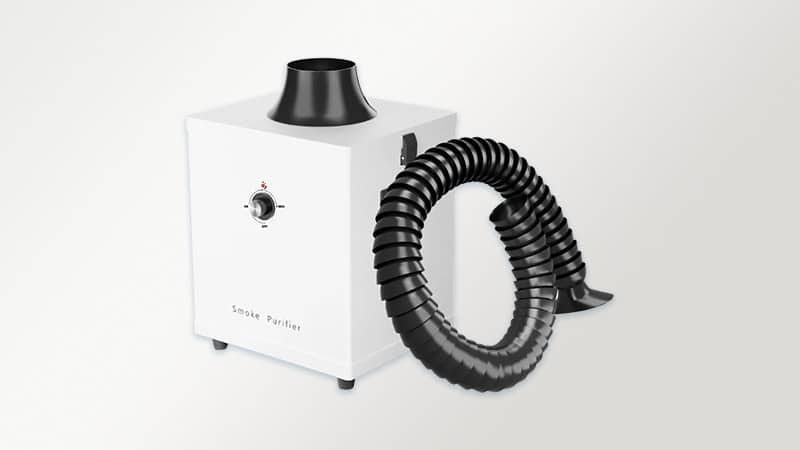
Cleaner process with little waste, but smoke extraction may be needed |
No chemical waste, but creates noise and vibration |
Produces ink waste, solvent waste, and possible VOC emissions |
Produces chemical waste and requires controlled disposal |
| Automation Capability |
Excellent for conveyors, packaging lines, rotary marking, and production cells |
Good, but contact marking limits flexibility |
Excellent for high-speed packaging conveyors |
Limited; often needs manual or semi-automatic masking and rinsing |
| Curved Surface Marking |
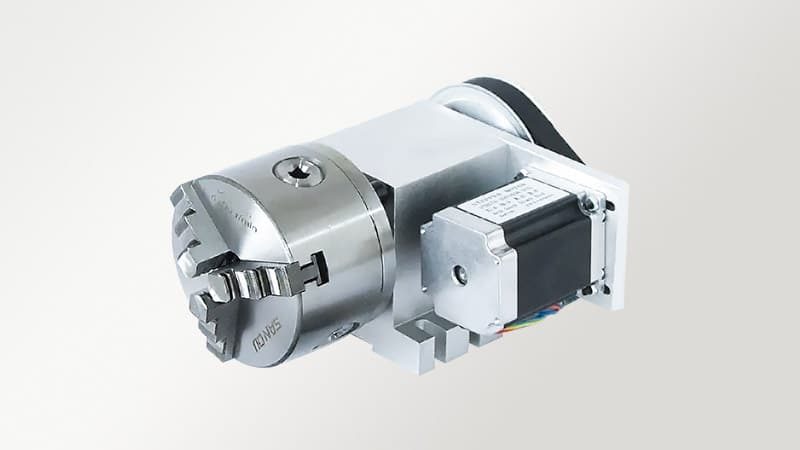
Good with rotary devices and proper focusing |
Possible, but contact pressure must be controlled |
Possible, but print quality depends on distance and surface shape |
Difficult unless special masks and fixtures are used |
| Marking Detail |
Excellent for fine graphics, serial numbers, QR codes, and decorative patterns |
Better for simple text and numbers |
Good for simple variable codes, less ideal for fine engraving |
Good for fixed patterns, less flexible for variable data |
| Worker Safety |
Requires laser protection, fume extraction, and proper machine enclosure |
Requires protection from noise, vibration, and moving parts |
Requires safe handling of ink and solvents |
Requires chemical protection, ventilation, and waste control |
| Post-Marking Treatment |
Usually no drying, curing, rinsing, or chemical cleaning required |
Usually no post-treatment needed |
May require drying or curing time |
Requires rinsing, neutralizing, cleaning, and drying |
| Best Application Scenarios |
Packaging, wood products, acrylic signs, leather goods, glass marking, rubber products, paper cards, labels, and plastic parts |
Metal tags, VIN codes, heavy-duty parts, and industrial nameplates |
Food packaging, bottles, cartons, films, cables, and date coding |
Decorative etching, nameplates, panels, signs, glass patterns, and controlled surface engraving |





















4 reviews for Large Area CO2 Laser Marking Machine
Zoe –
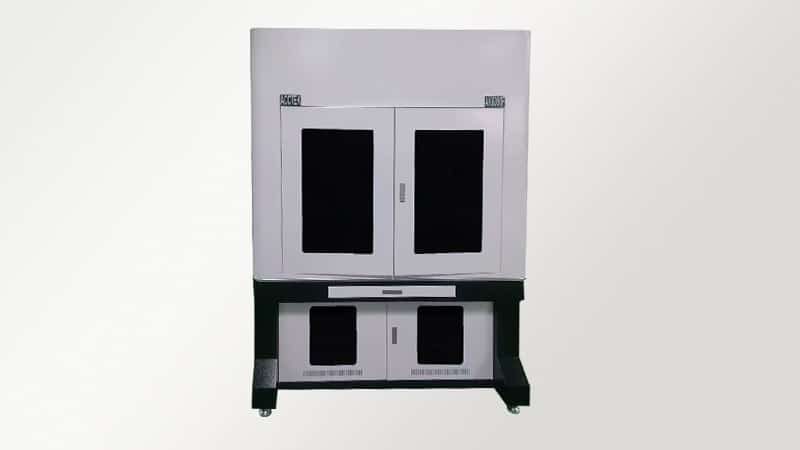
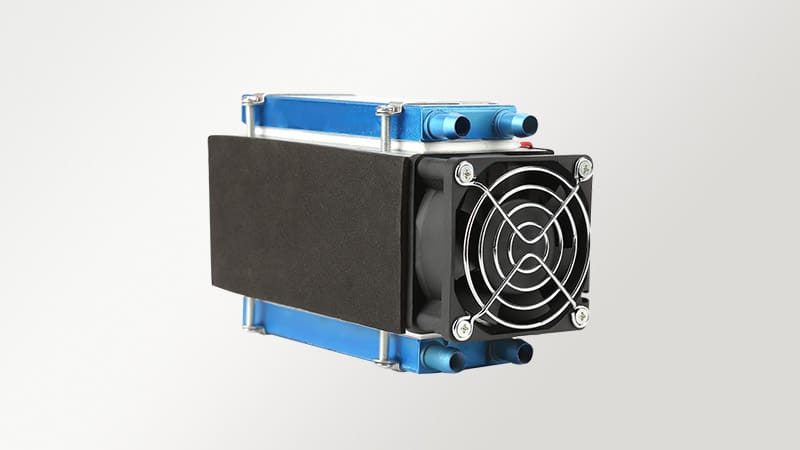
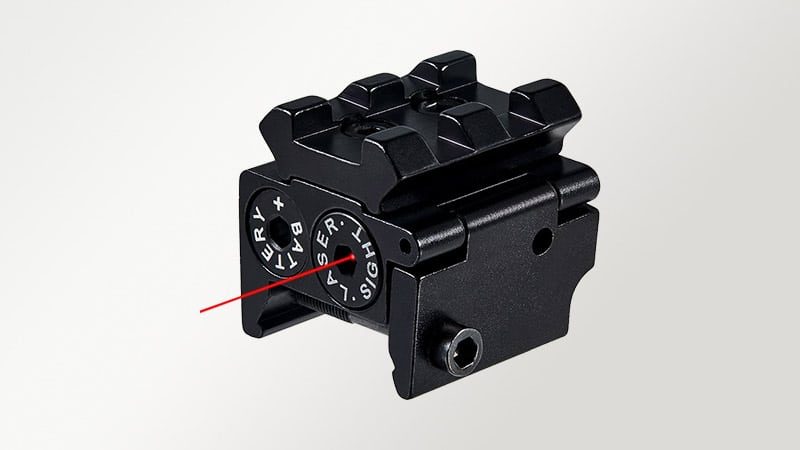
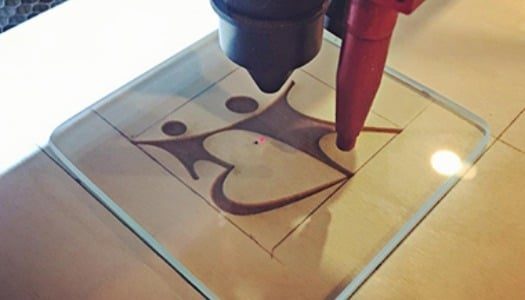
I mainly work with glass panels, and the machine has been reliable for larger pieces. The marking results are smooth and easy to read, even across wide surfaces. I like that I don’t have to keep adjusting the position of the material. The red dot positioning makes setup quicker and reduces mistakes. The system is easy to use, and I was able to learn it without much trouble. It runs steadily during long sessions, and the cooling system keeps everything stable. It has made my daily work more efficient and less stressful.
Tyler –
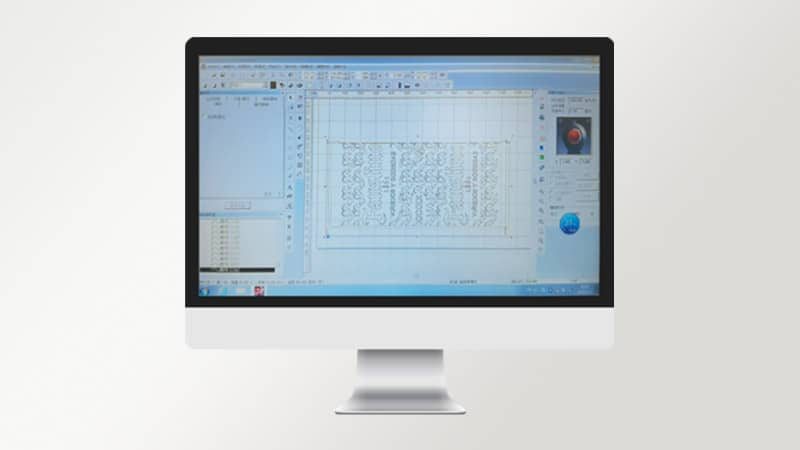
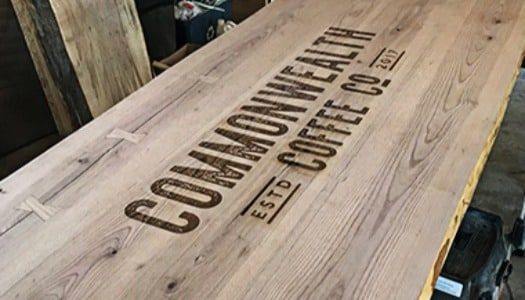
We process a high volume of cardboard and wood packaging, so the large format design has been very useful. We can mark multiple items in one cycle, which saves a lot of time. The marking quality stays consistent across the whole area, even when the layout is full. The machine runs smoothly during long shifts, and the speed helps us keep up with demand. I also like how easy it is to adjust settings through the control system. It didn’t take long for our team to learn. Overall, it has improved both our efficiency and output without complicating our workflow.
Caleb –
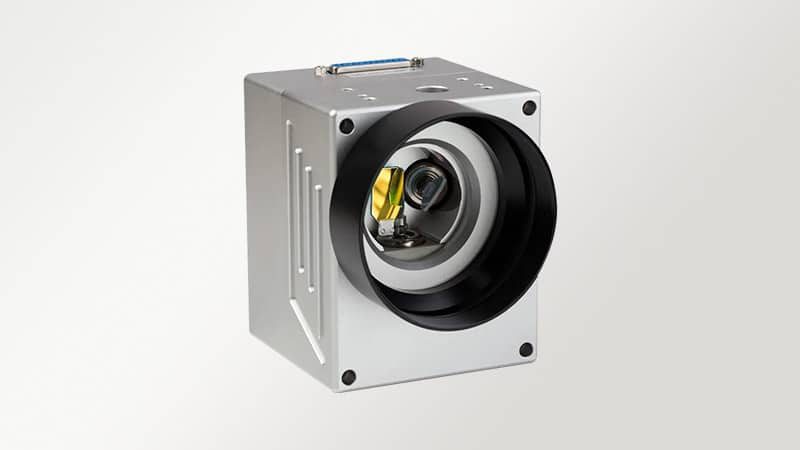
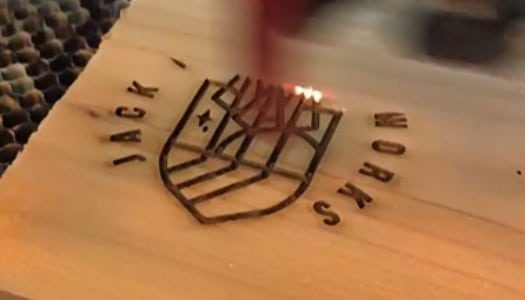
We handle large signage projects, and this machine has made a noticeable difference. The wide marking area lets us work on full panels without breaking the job into smaller parts. That alone saves a lot of time. The engraving quality is clear and even, and the galvanometer keeps things precise. It also runs at a good speed, which helps when we have tight deadlines. Maintenance has been minimal so far, and the system has been stable. It’s a practical solution for any shop dealing with larger materials on a regular basis.
Grace –
I’ve been using CO2 laser marking systems for larger acrylic sheets, and it has performed well. The expanded working area allows me to complete bigger jobs without stopping to reposition pieces. The marks come out clean and smooth, which is important for our finished products. The machine feels stable, and the performance stays consistent throughout the day. I also appreciate the red dot guide because it helps me place designs accurately. The controls are simple and easy to understand. It’s been a reliable addition to our workshop and helps us maintain steady production.