| Princípio de avaliação |
Utiliza um feixe de laser de fibra focalizado para criar marcas permanentes na superfície. |
Utiliza um pino vibratório para marcar pontos no material. |
Pulveriza gotas de tinta na superfície. |
Utiliza produtos químicos para remover ou descolorir áreas de superfície selecionadas. |
| Contato de marcação |
Processo sem contato |
Processo de contato direto |
Processo sem contato |
Processo de contato químico |
| Marca Permanência |
Altíssima qualidade; as marcas são resistentes ao desgaste, ao calor e a solventes. |
Alto; as marcas são fisicamente indentadas. |
Média; a tinta pode desbotar, borrar ou desgastar-se. |
Alto, dependendo do material e da profundidade de corrosão. |
| Precisão de marcação |
Altíssima resolução, ideal para textos pequenos, logotipos, códigos QR e números de série. |
Médio; o padrão de pontos limita os detalhes finos. |
Médio; afetado pela dispersão da tinta e pelas condições da superfície. |
Alto, mas depende da qualidade da máscara e do controle químico. |
| Velocidade de marcação |
Rápido para a maioria das tarefas de marcação industrial |
Médio |
Muito rápido para códigos e datas simples. |
Mais lento devido ao mascaramento, à reação química e à limpeza. |
| Danos Superficiais |
Baixo quando os parâmetros estão configurados corretamente. |
Mais alto porque o pino impacta a superfície. |
Sem danos na superfície |
Pode alterar ou enfraquecer a superfície se for gravado em excesso. |
| Materiais adequados |
Metais, metais revestidos, alguns plásticos e materiais industriais rígidos. |
Principalmente metais e plásticos rígidos. |
Papel, plástico, vidro, metal, filmes de embalagem e caixas de papelão. |
Metais, vidro, cerâmica e alguns tipos de plástico. |
| Melhor conteúdo para avaliação |
Logotipos, códigos de barras, códigos QR, números de série, números de modelo e códigos de rastreabilidade. |
Números de série, códigos VIN, números de peça e texto simples. |
Datas de validade, números de lote, códigos de embalagem e dados variáveis. |
Logotipos, etiquetas, placas de identificação, padrões e marcas técnicas. |
| Resolução de marcação |
Excelente para gráficos detalhados e códigos pequenos. |
Resolução inferior devido aos caracteres pontilhados. |
Bom para embalagens, mas inferior à marcação a laser. |
Bom, mas menos flexível para dados variáveis. |
| Consumíveis |
Não são necessárias tinta, agulhas ou produtos químicos. |
Os pinos de marcação se desgastam com o tempo. |
Requer manutenção de tinta, solvente e cabeçote de impressão. |
Requer produtos químicos, máscaras e agentes neutralizantes. |
| Custo operacional |
Baixo custo operacional a longo prazo após a compra do equipamento. |
De baixa a média complexidade, principalmente substituição e manutenção de pinos. |
Custos contínuos de tinta, solvente e manutenção |
Custos contínuos com produtos químicos, máscaras, limpeza e tratamento de resíduos |
| Custo do equipamento |
Investimento inicial mais elevado |
Baixo a médio |
Baixo a médio |
De baixa a média intensidade, dependendo da configuração. |
| Necessidades de manutenção |
Baixa complexidade; principalmente limpeza de lentes e verificações básicas do sistema. |
Médio; pino, caneta e peças mecânicas necessitam de manutenção. |
Alto; as cabeças de impressão podem entupir e os sistemas de tinta precisam de limpeza. |
De nível médio a alto devido ao manuseio de produtos químicos e ao controle do banho. |
| Impacto ambiental |
Processo limpo com pouco desperdício |
Não gera resíduos químicos, mas produz ruído e vibração. |
Produz cartuchos de tinta, resíduos de solventes e gera preocupações com COVs (Compostos Orgânicos Voláteis). |
Produz resíduos químicos e requer descarte seguro. |
| Capacidade de automação |
Excelente para linhas de produção, robôs e marcação rotativa. |
Bom, mas o contato mecânico limita algumas aplicações. |
Excelente para linhas de embalagem e transporte. |
Limitado; geralmente requer várias etapas manuais ou semiautomáticas. |
| Marcação em superfícies curvas |
Bom com dispositivos rotativos ou foco correto |
É possível, mas a pressão de contato deve ser controlada. |
É possível, mas a qualidade da impressão depende da distância e do formato da superfície. |
Difícil, a menos que sejam usadas máscaras e acessórios especiais. |
| Durabilidade em condições adversas |
Excelente para calor, abrasão, produtos químicos e exposição ao ar livre. |
Bom, especialmente em peças metálicas. |
De ruim a mediana, dependendo do tipo de tinta e da superfície. |
É bom se a corrosão for profunda e bem controlada. |
| Segurança do trabalhador |
Requer cabine de segurança a laser, óculos de proteção e sistema de extração de fumos. |
Requer proteção contra ruído, vibração e peças móveis. |
Requer o manuseio seguro de tintas e solventes. |
Requer proteção química, ventilação e controle de resíduos. |
| Tratamento pós-marcação |
Geralmente não requer secagem, cura ou limpeza. |
Geralmente não é necessário nenhum tratamento posterior. |
Pode exigir tempo de secagem ou cura. |
Requer enxágue, neutralização e limpeza. |
| Melhores cenários de aplicação |
Rastreabilidade industrial, peças metálicas, ferramentas, eletrônicos, peças automotivas, dispositivos médicos e componentes de alto valor agregado. |
Peças robustas, números VIN automotivos, etiquetas metálicas e peças que necessitam de marcas mecânicas profundas. |
Linhas de embalagem, rótulos de alimentos, garrafas, caixas e codificação de datas. |
Gravação decorativa, placas de identificação, painéis e gravação controlada de superfície. |



















4 avaliações de Fully Enclosed Fiber Laser Marking Machine
Zoe –
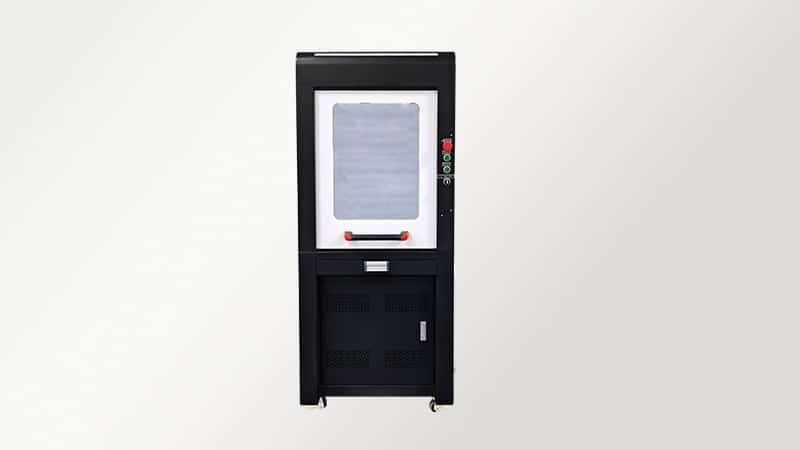
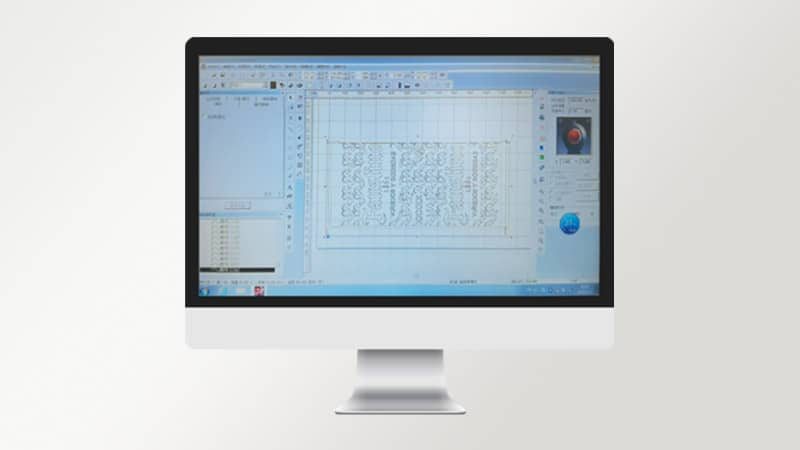
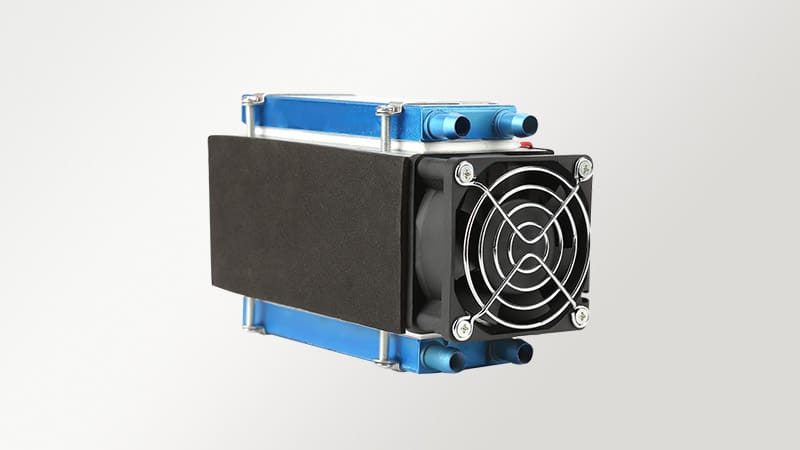
A segurança é sempre uma preocupação em nossa oficina, por isso a configuração totalmente fechada foi uma grande vantagem para nós. Ela reduz a exposição e mantém a operação contida, o que facilita o gerenciamento do trabalho diário. A máquina em si é fácil de usar e a curva de aprendizado não é íngreme. Os resultados da marcação são nítidos e consistentes, mesmo quando alternamos entre diferentes materiais. O sistema de refrigeração a ar funciona bem e mantém a máquina estável durante todo o dia. É um equipamento confiável que se encaixa bem em nosso fluxo de trabalho e garante uma operação segura.
Benjamin –
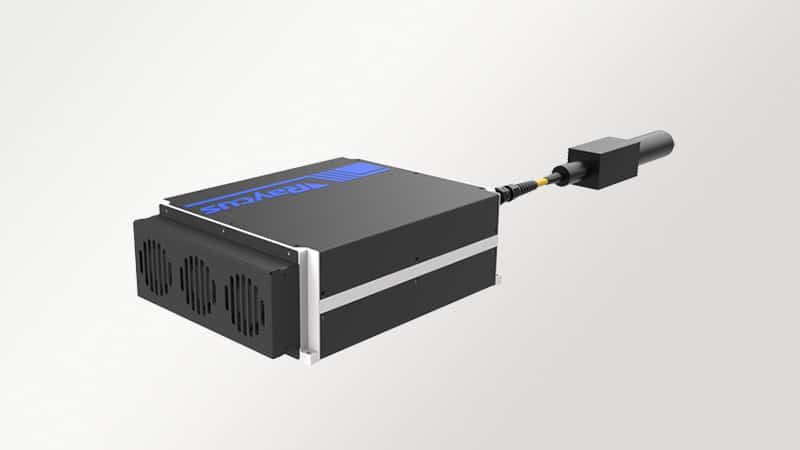
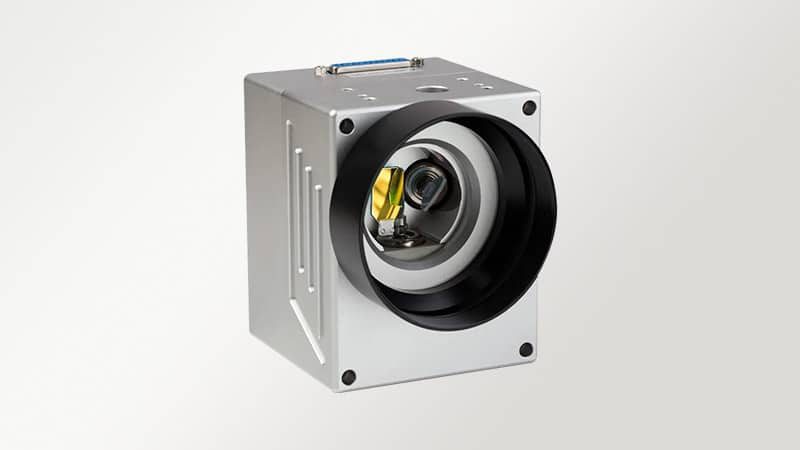
Um dos principais motivos para termos escolhido este tipo de máquina foi o design fechado, e essa decisão provou ser acertada. Ele mantém a área de trabalho controlada, o que melhora a confiabilidade durante longas produções. A fonte de laser é estável e as marcações ficam nítidas em diferentes materiais. A velocidade também é impressionante, principalmente ao lidar com lotes maiores. O galvanômetro se move rapidamente e mantém sua alta precisão. Além disso, a máquina não exige muita manutenção. É uma máquina prática que equilibra desempenho, segurança e facilidade de uso em um ambiente de produção.
Calebe –
Do ponto de vista da manutenção, esta máquina é simples e confiável. O design fechado ajuda a proteger as peças internas contra poeira e fatores externos, o que reduz o desgaste ao longo do tempo. A fonte de laser tem se mostrado estável e não precisamos de ajustes frequentes. O sistema de refrigeração funciona sem necessidade de atenção extra. Também gosto do recurso de intertravamento de segurança, pois adiciona uma camada extra de proteção para os operadores. Ela desliga automaticamente quando necessário, conforme o esperado. No geral, é uma máquina bem construída, que funciona de forma consistente e não gera desafios desnecessários de manutenção para nossa equipe.
Lucas –
Recentemente, adquirimos máquinas de marcação a laser fechadas para nossa linha de produção, o que melhorou tanto a segurança quanto a consistência. O design totalmente fechado proporciona tranquilidade à nossa equipe, especialmente em um ambiente de alta demanda. Ele mantém tudo contido, incluindo poeira e vapores, o que torna o espaço de trabalho mais limpo. A qualidade da marcação é nítida e uniforme em todas as peças, e a máquina funciona sem problemas durante longos turnos. O sistema de controle é fácil de usar, e os operadores aprenderam a utilizá-lo rapidamente. É uma configuração confiável que se integra bem às nossas operações diárias, sem causar interrupções ou necessidade de manutenção adicional.