













What Does a Laser Marking Machine Do, and Are Laser Marks Permanent?
In an era defined by supply chain complexity, product counterfeiting, and increasingly stringent regulatory requirements, the ability to place precise, durable, and machine-readable identification directly onto a product or component has become a manufacturing imperative rather than a convenience. Laser marking has emerged as the technology of choice for meeting this imperative across virtually every sector of modern industry — from automotive and aerospace to medical devices, electronics, consumer goods, and food packaging.
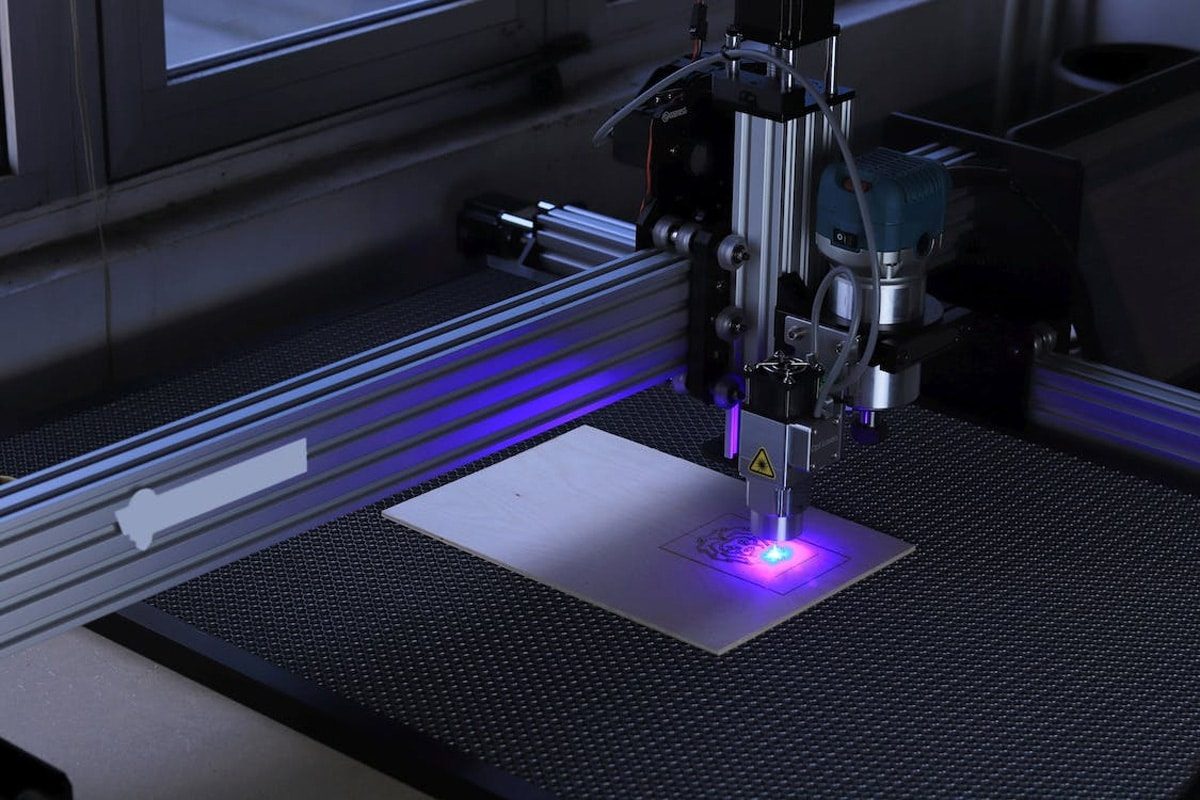
A laser marking machine uses the focused output of a laser generator to permanently alter the surface of a material, producing a visible mark — a serial number, barcode, QR code, logo, date stamp, or any other design — without physical contact, without consumable inks or chemicals, and with a precision and repeatability that mechanical and chemical marking methods cannot approach. The process is fast, clean, highly flexible, and capable of producing marks that survive the harshest operating environments a marked product is likely to encounter throughout its service life.
Yet laser marking is not a single, uniform process. It encompasses several distinct physical mechanisms — engraving, annealing, carbon migration, foaming, and color change — each of which interacts differently with the material being marked, producing marks with different visual characteristics, depths, and durability profiles. The type of laser generator used — fiber, CO2, UV, or green — further determines which materials can be marked and which marking mechanism is activated. Understanding these distinctions is essential for selecting the right machine, configuring it correctly for the application, and achieving marks that genuinely meet the permanence, readability, and aesthetic requirements of the end use.
The question of whether laser marks are permanent is one of the most frequently asked in the industry, and the answer is nuanced. Laser marks are among the most durable identification methods available. Still, their longevity depends on the marking process used, the material marked, the depth and energy of the mark, and the environmental conditions the marked product faces in service. This article examines all of these dimensions in depth, providing a comprehensive and practically oriented guide to what laser marking machines do, how they do it, what materials they can process, how their marks compare with those of traditional methods, and how to select the right system for a given application and budget.
Table of Contents
How Laser Marking Works
Before examining what laser marking machines can do and how durable their marks are, it is essential to understand the physical principles that govern the marking process. Laser marking is not simply burning or scratching — it is a precisely controlled interaction between photon energy and material structure, governed by parameters that the operator can adjust to achieve a wide range of mark types and qualities.
The Basic Principle of Laser Marking
Laser marking works by directing a highly focused beam from a laser generator onto a material surface. The beam delivers energy to a very small area in a very short time, raising the local temperature rapidly and causing one of several physical or chemical changes in the material depending on the energy level, pulse duration, and material properties. At lower energy densities, the surface may undergo a color change through oxidation or thermal alteration without material removal. At higher energy densities, the surface material is ablated — vaporized or ejected — leaving a recessed cavity visible as an engraved mark. The specific outcome is controlled by the combination of laser generator type, output power, pulse frequency, pulse duration, scanning speed, and focus position, all of which are programmable through the machine’s control software.
How a Laser Generator Interacts with Material Surfaces
The interaction between the laser beam and the material surface is governed by three key material properties: optical absorptivity at the laser wavelength, thermal conductivity, and the material’s melting and vaporization temperatures. Absorptivity determines how efficiently the surface converts incident laser energy into heat — a surface that reflects most of the incident beam requires significantly more laser power to achieve the same marking effect as one that absorbs it efficiently. Thermal conductivity determines how rapidly the deposited heat spreads away from the focal spot into the surrounding material; highly conductive materials such as copper and aluminum dissipate heat quickly, requiring higher peak power to maintain the local temperature needed for marking. These material-specific properties are why different materials require different laser generator types and parameter settings for optimal marking results — and why a single parameter set cannot produce consistent, high-quality marks across different material types.
Key Components of a Laser Marking System
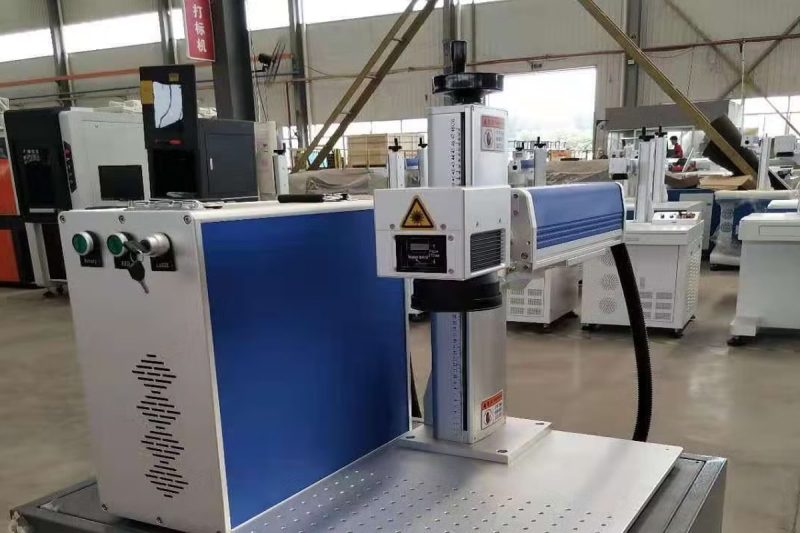
A laser marking system consists of five principal subsystems working in coordination. The laser generator produces the beam at the appropriate wavelength and power level for the intended marking application. The beam delivery and scanning system — typically a pair of galvanometer-driven mirrors mounted in a scan head — steers the beam rapidly and precisely across the marking field, tracing the programmed design at speeds of several meters per second. The focusing optic — an F-theta scan lens — maintains a consistent focal spot size across the entire marking field, ensuring uniform mark width and depth regardless of beam position. The motion system — which may be a fixed-position setup for small parts or a motorized stage for larger workpieces — positions the part within the marking field and, in automated systems, advances parts through the marking station. The control software ties all subsystems together, accepting design input in standard formats, generating the scan pattern, and managing all laser generator and motion parameters to produce the specified mark.
Laser marking is a thermally driven surface modification process in which a focused laser beam interacts with a material surface to produce visible marks through ablation, oxidation, or chemical change. The outcome is governed by the laser generator’s wavelength and pulse characteristics, the material’s optical and thermal properties, and a set of programmable process parameters. The five key subsystems of a laser marking system — laser generator, scan head, focusing optic, motion system, and control software — must work in coordination to produce consistent, high-quality marks at production speed.
Types of Laser Marking Processes
Laser marking encompasses several fundamentally different physical processes, each producing marks with distinct visual characteristics, depth profiles, and durability. Understanding which process is active in a given marking application is essential for predicting mark permanence and selecting the appropriate machine and parameters.
Engraving
Laser engraving is the most physically aggressive of the laser marking processes. The laser beam removes material from the surface through rapid vaporization or ablation, leaving a recessed cavity that is visible as the mark. Engraved marks have physical depth — typically 0.01 to 0.5 mm, depending on the number of passes and energy level — that makes them resistant to surface abrasion, chemical attack, and the effects of cleaning and surface finishing. Because the mark is literally carved into the material, it persists even if the surface surrounding it is worn or polished away, provided the wear depth does not exceed the engraving depth. Laser engraving is the preferred process for applications requiring the highest mark durability, such as industrial part identification in harsh environments, tool markings, and jewelry personalization.
Annealing
Laser annealing is a process specific to metals — particularly stainless steel, titanium, and certain tool steels — in which the laser beam heats the metal surface without removing material. The controlled heating causes oxide layer formation at the surface, producing a color change — ranging from yellow and gold through red, blue, and black depending on the oxide layer thickness — that is visible as the mark. Annealed marks are smooth, flush with the original surface, and chemically stable. Because no material is removed, the surface remains intact and corrosion-resistant — a critical advantage for medical implants and food-contact surfaces where surface integrity must not be compromised. Annealed marks are highly durable in normal service conditions, though heavy abrasion can remove the thin oxide layer that creates the mark color.
Carbon Migration
Carbon migration is a marking process used on specific steel alloys that contain carbon. The laser beam heats the metal surface rapidly, causing carbon atoms within the alloy to migrate to the surface and form a dark, carbon-rich layer. The resulting mark is dark and high-contrast, making it very legible even on polished or reflective metal surfaces. Carbon migration marks are flush with the surface and maintain the surface finish quality, making them suitable for bearing surfaces and precision components where recessed engraving marks could act as stress concentrators.
Foaming
Laser foaming is a process primarily used on plastics. The laser beam heats the polymer material below the surface, causing the local material to melt and release gas bubbles that expand and solidify as a raised, foamy structure. Foamed marks appear lighter than the surrounding material because the foamed surface structure reflects light differently, producing high contrast without material removal. Foaming is commonly used for marking dark plastics — particularly in the automotive interior and packaging industries — where it produces bright, legible marks that are visible without the discoloration associated with other marking processes.
Color Change
Color change marking covers a range of processes in which the laser beam induces a change in the color of the material without significant material removal or surface alteration. In plastics, additives incorporated into the material formulation react to laser energy to produce a dark mark — a process used extensively in the electronics and automotive industries for marking ABS, polycarbonate, and polyamide components. In coated or painted surfaces, the laser selectively removes the coating to reveal the contrasting substrate beneath, producing a mark with a color difference determined by the substrate and coating colors. Color change marks are surface-level or near-surface processes that produce excellent contrast and readability but may be less resistant to abrasion than engraved marks.
The five principal laser marking processes — engraving, annealing, carbon migration, foaming, and color change — each interact with the material differently, producing marks with distinct visual characteristics, depth profiles, and durability levels. Engraving provides the greatest physical depth and therefore the highest intrinsic resistance to wear and surface degradation. Annealing and carbon migration produce smooth, flush marks ideal for metal surfaces where surface integrity must be maintained. Foaming and color change deliver high contrast on plastics without material removal. Selecting the right process for the application requires matching the process characteristics to the material type, required mark durability, surface finish requirements, and visual contrast needs.
Types of Laser Marking Machines
The type of laser generator at the heart of a laser marking machine determines its wavelength, pulse characteristics, and therefore which materials it can mark effectively and which marking processes it can activate. Four principal laser generator types are used in commercial laser marking systems, each with a distinct application profile.
Fiber Laser Marking Machines
Fiber laser marking machines use a rare-earth-doped gain fiber — typically ytterbium-doped — pumped by semiconductor diodes to produce a beam at a wavelength of approximately 1,064 nm. This wavelength is strongly absorbed by metals and many dark plastics, making fiber laser generators the dominant technology for metal marking applications. Fiber laser marking machines are available in a range of output powers — typically 20 W, 30 W, 50 W, and 100 W for standard marking applications — and offer very high pulse repetition rates, excellent beam quality, and long service lives with minimal maintenance. They are the standard choice for marking steel, stainless steel, aluminum, copper, brass, titanium, and most metal alloys, as well as certain hard plastics and composites. Their all-fiber-optic beam delivery architecture makes them compact, robust, and tolerant of industrial production environments.
CO2 Laser Marking Machines
CO2 laser marking machines use a gas-based laser generator emitting at 10.6 µm, a wavelength that is strongly absorbed by organic materials, polymers, glass, and ceramics, but poorly absorbed by bare metals. CO2 laser generators are the preferred technology for marking wood, leather, acrylic, rubber, paper, cardboard, glass, and a wide range of plastics. They are extensively used in the packaging industry for date coding and batch marking on paper and cardboard, in the food and beverage industry for marking on glass and polymer packaging, and in the woodworking and leather goods industries for decoration and personalization. CO2 laser generators are not suitable for marking bare metals, but can mark anodized aluminum and coated metal surfaces where the coating absorbs the 10.6 µm radiation.
UV Laser Marking Machines
UV laser marking machines use a solid-state laser generator — typically a frequency-tripled Nd: YAG or Nd: YVO4 source — to produce a beam at a wavelength of 355 nm in the ultraviolet range. The very short UV wavelength enables extremely fine feature resolution and, crucially, a photochemical rather than purely thermal interaction with the material. This cold marking process minimizes heat input to the surrounding material, making UV laser generators ideal for marking heat-sensitive materials such as thin films, flexible electronics, pharmaceutical packaging, and medical devices where thermal damage to the substrate or its contents must be avoided. UV laser generators also produce excellent contrast marks on transparent materials — including glass and clear polymers — through photochemical reaction mechanisms that longer-wavelength laser generators cannot activate effectively.
Green Laser Marking Machines
Green laser marking machines use a frequency-doubled laser generator producing light at 532 nm. The green wavelength is particularly well absorbed by copper and gold — materials that are highly reflective at the 1,064 nm fiber laser wavelength — making green laser generators the preferred choice for marking copper conductors, gold-plated contacts, and precious metal jewelry where fiber laser generators struggle to achieve consistent marking results. Green laser generators are also used for marking silicon wafers, certain ceramics, and other materials where the intermediate wavelength of 532 nm provides better absorption than either UV or infrared sources.
The four principal laser generator types — fiber at 1,064 nm, CO2 at 10.6 µm, UV at 355 nm, and green at 532 nm — each occupy a distinct application niche defined by their wavelength’s interaction with different material classes. Fiber laser generators dominate metal marking; CO2 generators excel on organic materials and plastics; UV generators offer cold marking for heat-sensitive and transparent materials; and green generators address the specific challenge of marking copper, gold, and other highly reflective metals. Correct laser generator type selection is the first and most consequential decision in any laser marking system specification.
What Does a Laser Marking Machine Do?
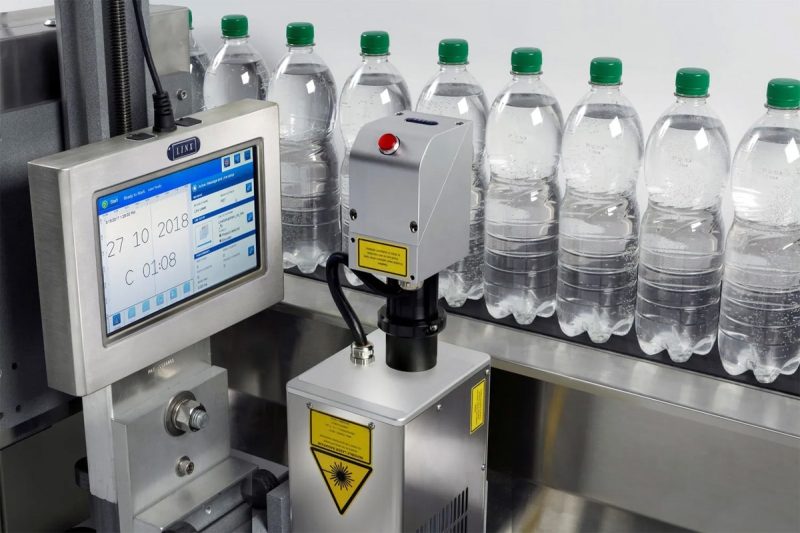
The technical capabilities of laser marking machines translate into a wide range of practical functions that deliver value across manufacturing, compliance, branding, and security domains. This section examines the principal application categories where laser marking machines are deployed, with specific examples that illustrate the technology’s breadth and versatility.
Product Identification and Traceability
The most widely deployed application of laser marking is the permanent identification of individual parts and products with unique identifiers — serial numbers, part numbers, date codes, lot codes, barcodes, and two-dimensional data matrix codes — that enable traceability throughout the supply chain and the product’s service life. In automotive manufacturing, every critical component — engine parts, transmission components, safety systems — is marked with a unique identifier that links it to its manufacturing history, allowing rapid identification of affected parts in a recall event and supporting quality investigations. In aerospace, component traceability requirements are even more stringent: individual parts must be traceable to their material heat, manufacturing process records, and inspection results throughout a service life that may span decades.
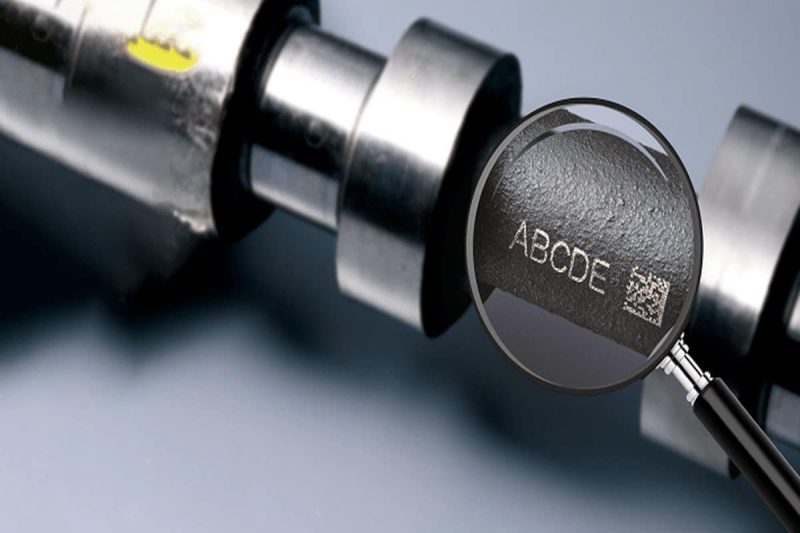
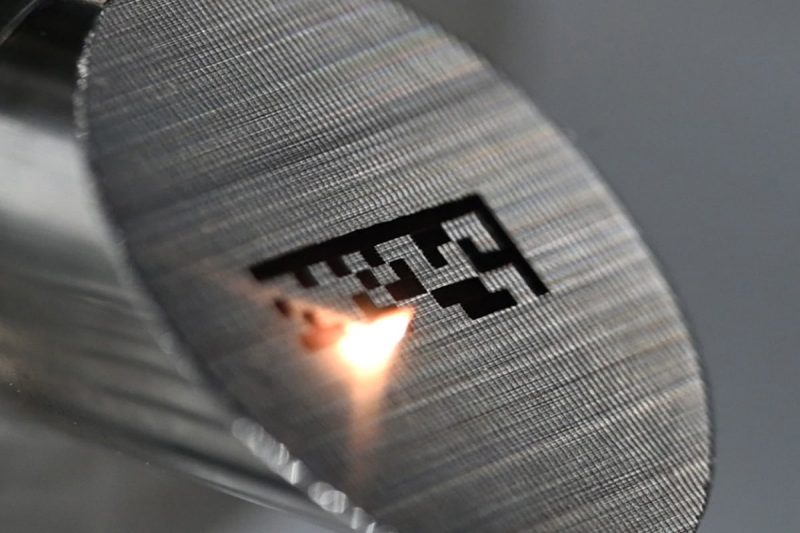
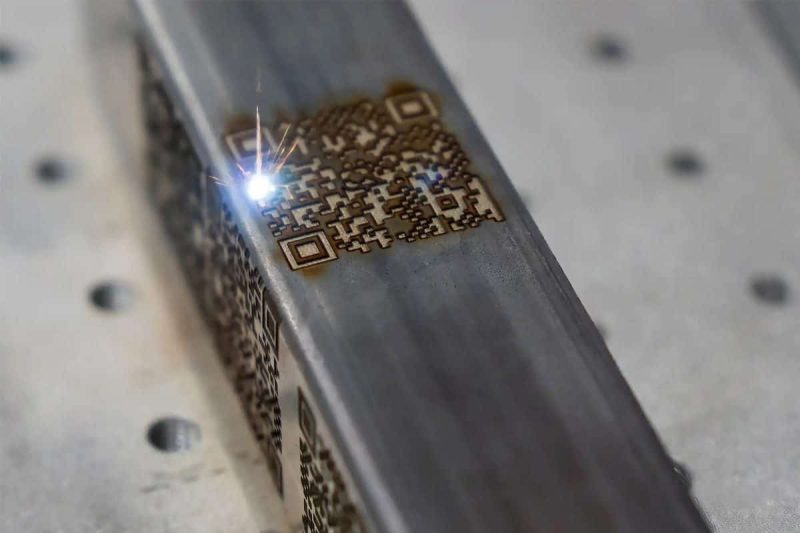
The ability of laser marking machines to produce machine-readable 2D data matrix codes — which encode significantly more information in a smaller space than linear barcodes, and which can be read even when partially damaged — has made them the de facto standard for direct part marking (DPM) in industries where traceability is a regulatory or quality management requirement. Modern laser marking systems can verify the readability of each code immediately after marking, ensuring that every marked part meets the required ISO/IEC grade standards before it leaves the marking station.
Branding and Decoration
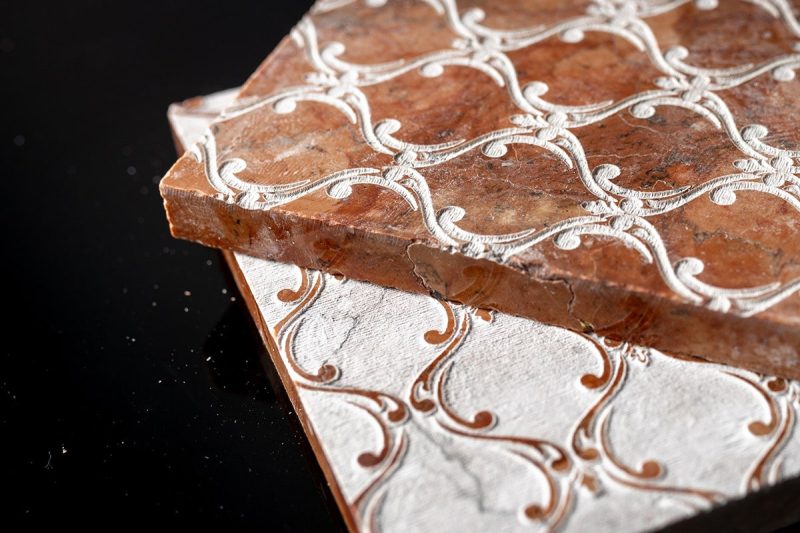
Laser marking machines are extensively used for branding — placing company logos, product names, decorative patterns, and custom graphics on products and components. The precision of laser marking enables reproduction of fine detail and small text that screen printing, pad printing, and mechanical engraving cannot match, and the durability of the laser mark ensures that branding remains legible and attractive throughout the product’s useful life. Premium consumer goods — watches, pens, knives, tools, jewelry, and electronic devices — are routinely marked or personalized with laser engraving that adds perceived value and differentiates the product from lower-quality alternatives.
Compliance and Regulatory Marking
Many industries are subject to regulatory requirements that mandate specific markings on products and components. Medical devices must be marked with the UDI (Unique Device Identification) code required by the FDA in the United States and equivalent regulatory bodies globally. Electronic equipment must carry CE marking, RoHS compliance symbols, and other regulatory identifiers. Electrical components must display voltage and current ratings in formats that comply with applicable safety standards. Laser marking machines are uniquely well-suited to compliance marking because they can produce permanent, high-contrast marks in exactly the location and format required by the standard, without the setup costs and lead times associated with pad printing or label application, and with the durability to ensure that compliance marks remain legible throughout the product’s regulated service life.
Anti-Counterfeiting and Security Marking
Laser marking plays an important role in brand protection and anti-counterfeiting programs. Unique serialization — each unit bearing a different, verifiable identifier — makes large-scale counterfeiting significantly more difficult and enables authentication at the point of sale or in the field using simple scanning equipment. Micro-text and hidden marking — features that are invisible to the naked eye but readable with appropriate magnification or lighting — add a further layer of security that is extremely difficult for counterfeiters to replicate without knowledge of the marking parameters. In the pharmaceutical industry, laser marking of packaging and tablets with serialization codes is a regulatory requirement in many markets, designed to prevent the introduction of counterfeit or diverted medicines into the supply chain.
Medical Device and Implant Marking
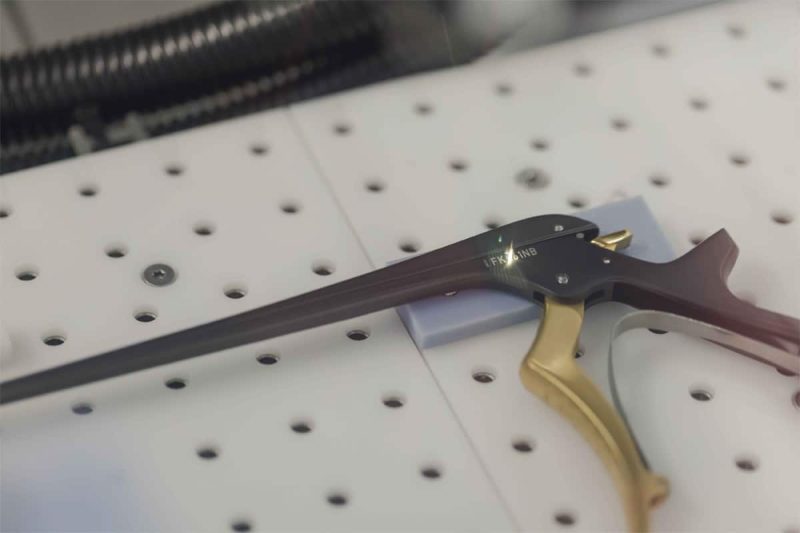
Medical device marking presents some of the most demanding laser marking requirements in any industry. Surgical instruments, orthopedic implants, dental components, and other devices that contact the human body must be marked with UDI codes that remain legible through repeated sterilization cycles — steam autoclave, gamma irradiation, or chemical sterilization — without compromising the biocompatibility or surface integrity of the device. Laser annealing on stainless steel and titanium is the marking process of choice for these applications because it produces a mark without material removal, maintaining the surface’s corrosion resistance and preventing the creation of crevices that could harbor biological contamination.
Electronics and PCB Marking
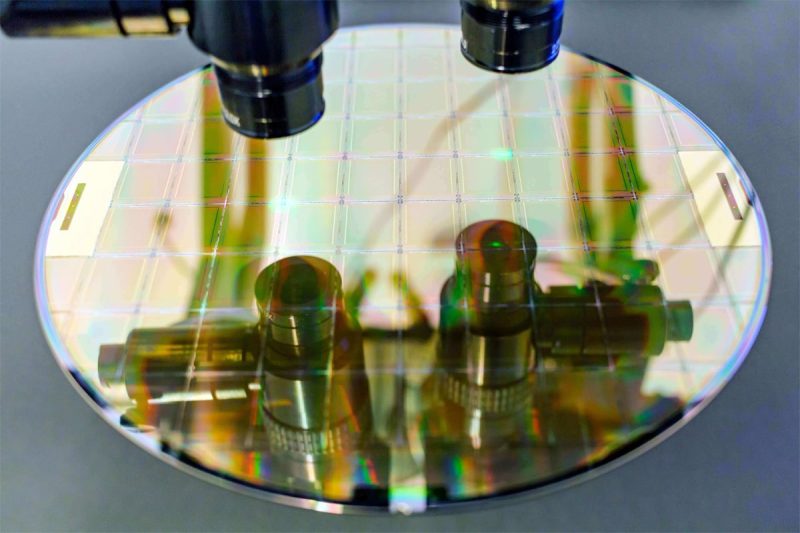
In the electronics industry, laser marking machines are used to mark printed circuit boards, semiconductor packages, electronic connectors, and individual components with identification codes, orientation markers, and quality control information. The precision achievable with UV laser generators — capable of producing marks with feature sizes below 0.1 mm — enables marking of very small components without affecting adjacent circuitry. The non-contact nature of laser marking eliminates the mechanical stress that contact marking methods impose on fragile electronic assemblies, and the absence of inks or chemicals prevents contamination of sensitive electronic surfaces.
Laser marking machines serve a wide range of functions — product identification and traceability, branding and decoration, regulatory compliance marking, anti-counterfeiting, medical device marking, and electronics marking — each of which leverages the technology’s combination of precision, permanence, speed, and flexibility in ways that alternative marking methods cannot replicate. The breadth of these applications reflects the fundamental versatility of laser marking as a manufacturing process and explains its rapid adoption across virtually every sector of modern industrial production.
Are Laser Marks Permanent?
Permanence is one of the most important attributes of any product marking system, and it is the quality most frequently cited as a primary reason for choosing laser marking over ink-based, label-based, or mechanical alternatives. But what does permanence mean in the context of laser marking, and what factors determine how durable a given laser mark will be in a specific application?
What Makes a Laser Mark Permanent
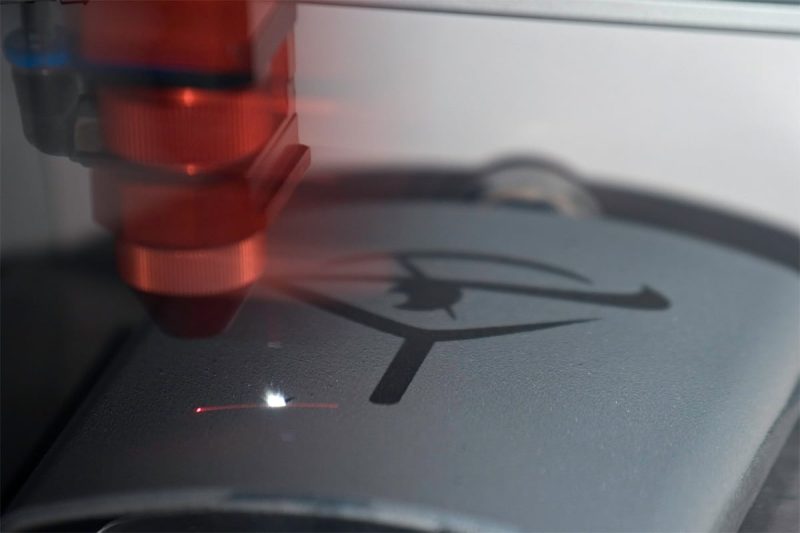
Laser marks derive their durability from the physical nature of the marking process. Unlike inks, which sit on the surface and can be rubbed off, dissolved, or peeled away, laser marks are created by a permanent change to the material itself — a change in surface chemistry through oxidation, a change in microstructure through thermal alteration, or a physical removal of material creating a recessed cavity. These changes cannot be reversed without additional material processing; they are intrinsic to the marked part, not something applied to its surface. This is the fundamental reason why laser marks are considered permanent in a way that printed or labeled marks are not.
Factors That Affect Mark Durability
While all laser marks share the intrinsic permanence of material-level alteration, their practical durability in service varies significantly with four key factors. Material type is the most fundamental: a laser-engraved mark on hardened tool steel will withstand abrasion that would destroy the same mark on soft aluminum, because the hardness of the marked surface determines its resistance to mechanical wear. Marking depth matters proportionally: a deeper engraved mark survives more surface wear before being obliterated than a shallow one, which is why high-durability applications specify minimum depth requirements. Surface treatment applied after marking — painting, plating, coating, or anodizing — can either protect the mark by covering it with a durable layer or obscure it if the treatment covers the mark area. Environmental conditions — chemical exposure, temperature cycling, UV radiation, and mechanical abrasion — each degrade marks at rates that depend on the marking process and material combination.
How Different Marking Processes Compare in Permanence
Among the five marking processes, engraving provides the highest inherent durability because the mark has physical depth that survives surface abrasion up to the depth of the engraving. Annealing and carbon migration produce marks that are flush with the surface and chemically stable, but more susceptible to heavy abrasion that wears the surface uniformly. Foamed marks on plastics are raised above the surface and, therefore, more vulnerable to abrasion than flush marks. Color change marks depend on the stability of the chemical reaction that produced the color change; on well-formulated laser-sensitive plastics, color change marks are very durable, but on materials with less stable marking chemistry, they may fade under prolonged UV exposure or chemical cleaning.
Limitations: When Laser Marks Can Fade or Degrade
Laser marks are not infinitely durable under all conditions. Annealed marks on stainless steel — whose color is produced by a thin oxide layer — can be degraded by aggressive chemical cleaning with strong acids or alkalis that dissolve the oxide layer. Color change marks on plastics may fade under sustained UV exposure if the plastic formulation lacks UV stabilizers. Shallow engraved marks on soft metals can be worn away by abrasive cleaning or repeated mechanical contact. Foamed marks can be damaged by physical impact on raised surfaces. Understanding these limitations — and designing the marking specification accordingly, by selecting the appropriate process and depth for the expected service environment — is essential for ensuring that laser marks fulfill their intended function throughout the product’s service life.
Laser marks are genuinely permanent in the sense that they represent a material-level change that cannot be reversed without additional processing — unlike surface-applied inks or labels, which can be removed without altering the substrate. Their practical durability in service is determined by the marking process, marking depth, material hardness, post-marking surface treatment, and the severity of the environmental conditions they face. Engraving provides the highest inherent durability; other processes offer excellent permanence within their intended application contexts but have specific vulnerability profiles that must be understood and managed during specification.
Materials Compatible with Laser Marking
One of laser marking’s greatest practical strengths is the breadth of materials it can process. Different laser generator types and marking processes address different material categories, collectively enabling laser marking of almost any solid material encountered in industrial or commercial production.
Metals
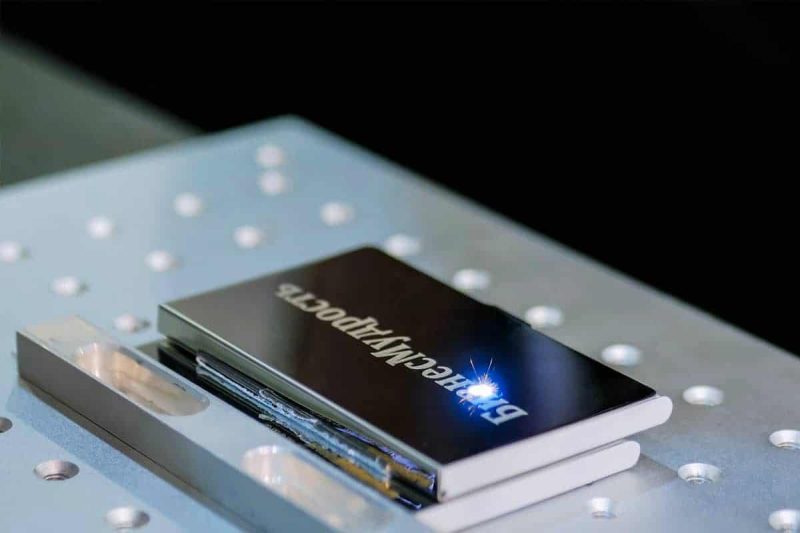
Metals are the largest single application category for laser marking, and fiber laser generators are the dominant technology for metal marking across almost all alloy types. Steel and stainless steel respond to all five marking processes — engraving, annealing, carbon migration, color change, and foaming are not applicable — with annealing producing particularly high-contrast, durable marks on stainless steel without compromising corrosion resistance. Aluminum and its alloys engrave well with fiber laser generators, though the high reflectivity and thermal conductivity of aluminum require higher power and careful parameter optimization for consistent results. Copper and brass — highly reflective at the fiber laser wavelength — are most effectively marked with green laser generators or high-peak-power pulsed fiber laser generators. Titanium responds well to laser annealing, producing vivid, multicolor marks through oxide layer formation, and is widely marked by laser in the medical device and aerospace industries.
Plastics and Polymers
Plastics represent the second largest application area for laser marking, with the choice of laser generator type strongly dependent on the plastic’s formulation and color. Dark or laser-additive-containing plastics — including ABS, polycarbonate, polyamide, and polypropylene formulated with laser-sensitive additives — can be marked by fiber laser generators through color change or foaming mechanisms. Clear and light-colored plastics, acrylic, PET, and most organic polymers are better addressed by CO2 laser generators, which produce clean, high-contrast marks through surface carbonization or foaming. UV laser generators provide the finest resolution and most controlled thermal input for heat-sensitive polymers and thin plastic films.
Glass and Ceramics
Glass and ceramics can be marked by CO2 and UV laser generators, though the brittle nature of these materials requires careful parameter control to avoid micro-cracking. CO2 laser generators produce surface marks on glass through thermal ablation, which can create a frosted or etched appearance. UV laser generators offer more controlled, fine-resolution marking with lower thermal stress. Ceramics used in electronics — alumina substrates, ceramic capacitors — are marked with UV laser generators for fine identification codes and orientation marks.
Wood, Leather, and Organic Materials
Wood, leather, paper, cardboard, rubber, and other organic materials are marked by CO2 laser generators, which are strongly absorbed by the carbon-hydrogen bonds in organic materials. Wood engraving and carbonization produce high-contrast, aesthetically attractive marks widely used in decorative products, gifts, and branded merchandise. Leather marking produces clean, sealed edges and precise surface carbonization that is used for personalization, branding, and decorative patterning in the fashion and luxury goods industries.
Laser marking is compatible with virtually every solid material category encountered in industrial and commercial production. Fiber laser generators address metals and dark or additive-containing plastics; CO2 generators handle organic materials, glass, ceramics, and most polymers; UV generators offer precision cold marking for heat-sensitive and transparent materials; and green generators serve the specific challenge of marking copper, gold, and other highly reflective metals. This material breadth is one of laser marking’s defining competitive advantages over alternative marking technologies.
Advantages of Laser Marking Over Traditional Marking Methods
Laser marking has displaced or supplemented a wide range of traditional marking methods — inkjet printing, pad printing, mechanical engraving, stamping, and labeling — across many applications. Understanding the specific advantages it offers over these methods clarifies why its adoption has been so rapid and so broad.
Non-Contact Process
Laser marking does not physically contact the workpiece during the marking operation. The beam is delivered through free space, with a standoff distance of several centimeters between the focusing optic and the workpiece surface. This non-contact nature eliminates the mechanical stress that stamping and mechanical engraving impose on fragile components, prevents contamination of the workpiece surface from contact tools or ink systems, and allows marking of surfaces that are inaccessible to contact tools. It also means that the marking system experiences essentially no mechanical wear from the marking process itself — the scan head mirrors and F-theta lens accumulate negligible wear from normal operation, contributing to the long service life and low consumable cost of laser marking systems.
High Precision and Resolution
The focused laser beam achieves spot sizes of 0.01 to 0.5 mm, depending on the laser generator type and focusing optic, enabling the production of marks with feature sizes and line widths that exceed the capability of any contact marking method. This precision allows laser marking systems to produce legible text at font sizes below 1 mm, 2D data matrix codes with cell sizes of 0.3 mm or less, and graphic designs with fine detail that would be impossible to reproduce by mechanical engraving or pad printing. The precision also enables marking in locations of limited accessibility — inside cavities, on curved surfaces, adjacent to other features — that would be impractical for contact marking tools.
Speed and Efficiency
Modern laser marking systems operating with galvanometer-driven scan heads can mark at speeds of several meters per second, completing a typical identification mark — a serial number, barcode, or small logo — in a fraction of a second. This speed supports integration into high-throughput production lines where marking must be completed within the cycle time of the surrounding process without creating a bottleneck. The speed also enables real-time variable data marking — printing a unique serial number on every individual unit — at production rates that inkjet systems struggle to maintain when the data changes with every part.
No Consumables
Laser marking systems require no inks, reagents, labels, stencils, or other consumable marking materials. The laser beam is the only marking agent, and it is generated electrically from the laser generator without any consumable input. This consumable-free operation eliminates the recurring cost of ink or label supply, the storage and handling requirements for consumable materials, the risk of consumable-related quality problems — ink clogging, label adhesion failure, stencil wear — and the environmental and regulatory burden of ink disposal. Over the operating life of a laser marking system, the elimination of consumable costs typically represents a substantial saving relative to inkjet or pad printing systems of comparable throughput.
Flexibility and Programmability
Laser marking machines are controlled by software that can be updated instantaneously to change the marking content, size, position, or design without any physical retooling or setup changeover. Switching from marking one part number to marking a completely different design requires only a software selection — a process that takes seconds rather than the minutes or hours required to change a stencil, reset a stamping die, or prepare a new pad printing plate. This programmability makes laser marking ideally suited to high-mix, variable-data, and short-run production environments where frequent changeovers would be costly with traditional marking methods.
Laser marking’s advantages over traditional marking methods — non-contact operation, high precision, high speed, zero consumables, and instant programmability — are not incremental improvements over the methods they replace. They represent a qualitative change in what is achievable in product marking: permanent, precise, variable-data marks produced at production speed without consumables, tooling, or physical contact with the workpiece. These advantages explain the rapid and sustained growth of laser marking adoption across virtually every manufacturing sector.
Choosing the Right Laser Marking Machine
With an understanding of the technology, its applications, and its material compatibility, buyers are equipped to make an informed machine selection. This section provides a practical framework for that decision, organized around the three most consequential specification dimensions: laser generator type and material match, power and speed requirements, and production line integration.
Matching Laser Type to Material
The starting point for any laser marking machine specification is identifying the primary material or materials to be marked and selecting the laser generator type whose wavelength is best absorbed by those materials. For metal marking applications — steel, stainless steel, aluminum, titanium, and most engineering alloys — a fiber laser generator at 1,064 nm is the standard and usually optimal choice, offering high absorptivity, excellent beam quality, long service life, and wide availability of application knowledge and support. For marking organic materials, most plastics without laser additives, glass, and ceramics, a CO2 laser generator at 10.6 µm is the appropriate selection. For heat-sensitive materials, thin films, transparent polymers, and fine-feature precision marking, a UV laser generator at 355 nm provides the cold marking capability and fine resolution needed. For copper, gold, and other highly reflective metals, a green laser generator at 532 nm is often the best-performing option.
Power and Speed Requirements
Within the appropriate laser generator type, the output power and pulse characteristics must be matched to the marking task. Higher power enables faster marking speeds — shorter dwell time per mark position — and the ability to engrave to greater depth in a single pass. For simple identification marking on standard metals and plastics, 20 W to 30 W fiber laser generators are typically sufficient for most production throughput requirements. For high-speed marking of many parts per minute, or for deep engraving applications, 50 W or 100 W systems provide the additional throughput capacity needed. For UV and green laser marking, lower power levels — typically 3 W to 10 W — are standard, reflecting the higher photon energy at shorter wavelengths that achieves effective marking at lower average powers.
Integration with Production Lines
Laser marking machines are available in both standalone and integrated configurations. Standalone systems — typically a marking head mounted on a fixed workstation with manual part loading — are appropriate for lower-volume marking, prototyping, and operations where parts are marked off the production line. Integrated systems — where the laser marking head is incorporated directly into the production line with automated part conveying, positioning, and verification — are appropriate for high-volume production where marking must occur within the production cycle without manual handling. When specifying an integrated system, the interface between the laser marking machine and the broader production line — including communication protocols for variable data transfer, trigger signals for marking initiation, and vision system integration for mark verification — must be defined as part of the system specification.
Choosing the right laser marking machine requires sequential decisions across three dimensions: laser generator type matched to the primary material; output power and pulse characteristics matched to throughput and depth requirements; and system configuration — standalone or integrated — matched to the production environment and volume. Buyers who define their requirements across all three dimensions before engaging with suppliers make more efficient and better-informed selections than those who specify on any single dimension in isolation.
Conclusion
This article has provided a comprehensive examination of laser marking machines — covering the physical principles that govern the marking process, the five distinct marking process types and their durability characteristics, the four principal laser generator types and their material compatibility profiles, the wide range of applications that laser marking serves across industry, the nuanced answer to the question of permanence, and the practical framework for selecting the right machine for a given application.
The central message that runs through every section is that laser marking is one of the most versatile, precise, and durable identification and decoration technologies available in modern manufacturing. Its ability to produce permanent marks — marks that are created by material-level changes rather than surface-applied treatments — gives it an intrinsic durability advantage over ink-based, label-based, and most mechanical marking methods. The specific durability achieved in any given application depends on the marking process selected, the material marked, the depth and energy of the mark, and the environmental conditions faced in service; understanding and specifying these factors correctly is the key to ensuring that laser marks fulfill their intended function throughout the product’s useful life.
The breadth of compatible materials — spanning metals, plastics, glass, ceramics, wood, leather, and organic materials — combined with the range of marking processes available, makes laser marking applicable to virtually every product and component marking requirement encountered in modern industry. Fiber laser generators address the dominant metal marking market with exceptional efficiency and reliability. CO2 laser generators serve organic materials and most plastics. UV and green laser generators extend the technology’s reach to heat-sensitive, transparent, and highly reflective materials where longer-wavelength systems are inadequate.
The advantages of laser marking over traditional methods — non-contact operation, high precision, high speed, zero consumables, and instant programmability — are not merely incremental improvements. They represent a fundamental advancement in what product marking can achieve, enabling traceability, compliance, branding, and security marking at the quality, speed, and permanence levels that modern manufacturing and regulatory environments demand. For any application where the durability, precision, and flexibility of laser marking align with the production requirements, it is consistently the most capable and cost-effective long-term solution available.
Get a Laser Marking Solution
Understanding what laser marking machines do and how their marks compare in permanence and performance is the analytical foundation for a sound equipment decision — but realizing that potential in production requires the right machine, correctly specified for the application, and supported by a supplier with the depth of expertise to guide the selection and sustain the performance.
AccTek Laser is a professional laser marking machine manufacturer with over a decade of experience serving customers across a wide range of industries and applications. Its laser marking product portfolio covers fiber laser marking machines in 20 W, 30 W, 50 W, and 100 W configurations for metal and dark plastic marking; CO2 laser marking machines for organic materials, packaging, and non-metallic substrates; and UV laser marking machines for precision cold marking of heat-sensitive materials and transparent polymers — all built around high-quality laser generators from globally recognized brands and certified to CE and FDA standards. Desktop, enclosed cabinet, and flying-beam configurations are available to match the system to the production environment, and integration support for automated production line deployment is provided as part of the system specification service. The full-lifecycle service framework covers pre-sales application consultation and laser generator type selection guidance, professional installation and parameter optimization for the specific marking application, comprehensive operator training, competitive spare parts supply, and responsive after-sales technical support — providing the partnership needed to achieve consistent, high-quality laser marks from the first production shift through the full operating life of the system. For any business evaluating laser marking technology for the first time or seeking to upgrade or expand an existing marking capability, a direct conversation with an application engineer is the most productive starting point toward a solution that genuinely meets the marking requirements, the production throughput targets, and the long-term cost objectives.

Contact information
- [email protected]
- [email protected]
- +86-19963414011
- No. 3 Zone A, Lunzhen Industrial Zone,Yucheng City , Shandong Province.
Get Laser Solutions