Materials That Cannot Be Cut by Laser Cutting Machines
This guide identifies materials that should never be laser cut due to safety hazards or poor quality outcomes, explains why, and recommends safer alternative cutting methods for each.
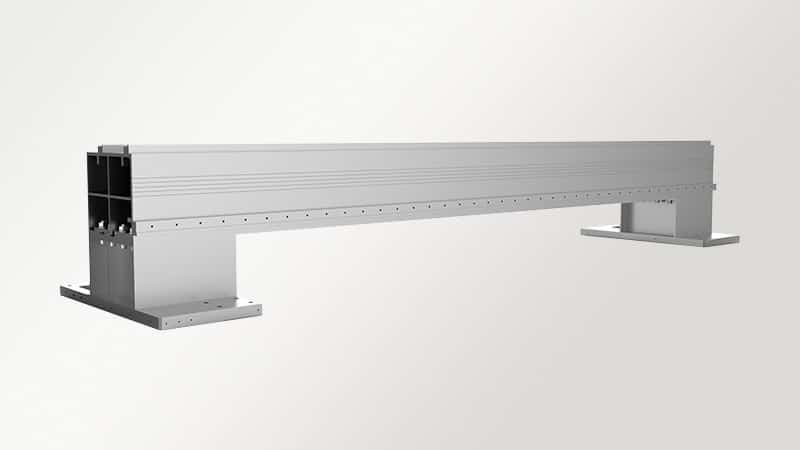
| Model | AKJ1530F | AKJ1545F | AKJ1560F | AKJ2030F | AKJ2040F | AKJ2060F | AKJ2560F |
|---|---|---|---|---|---|---|---|
| Cutting Range | 1500*3000mm | 1500*4500mm | 1500*6000mm | 2000*3000mm | 2000*4000mm | 2000*6000mm | 2500*6000mm |
| Laser Power | 1500-40000W | ||||||
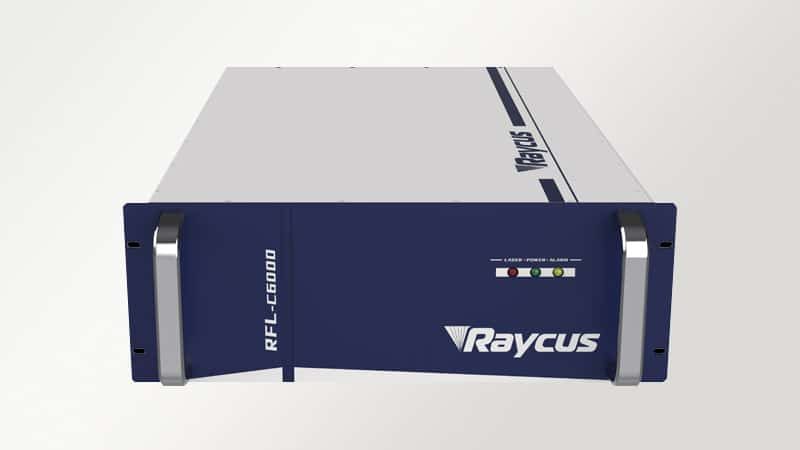
| Laser Generator | Raycus/Max/IPG | ||||||
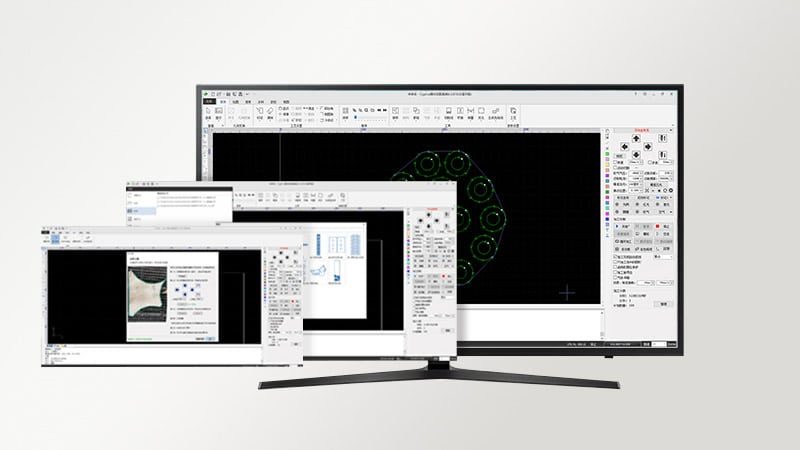
| Control System | Au3tech/Cypcut | ||||||
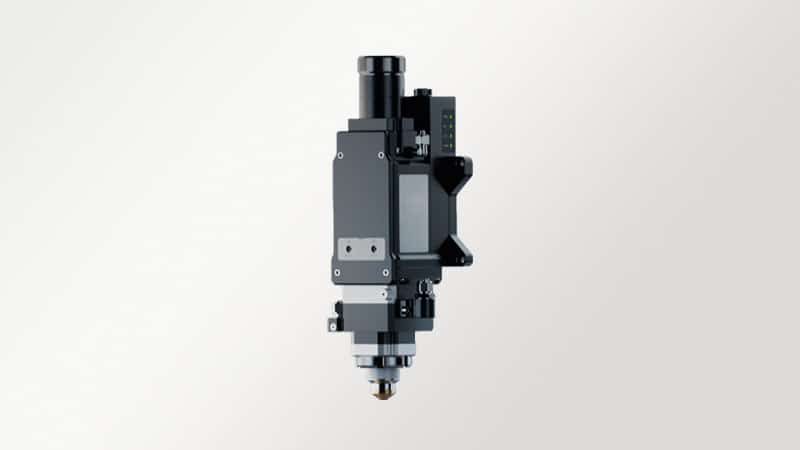
| Laser Cutting Head | Au3tech/Raytools/Boci | ||||||
| Transmission System | Rack Drive | ||||||
| Rack | VASTUN/Apex/YYC | ||||||
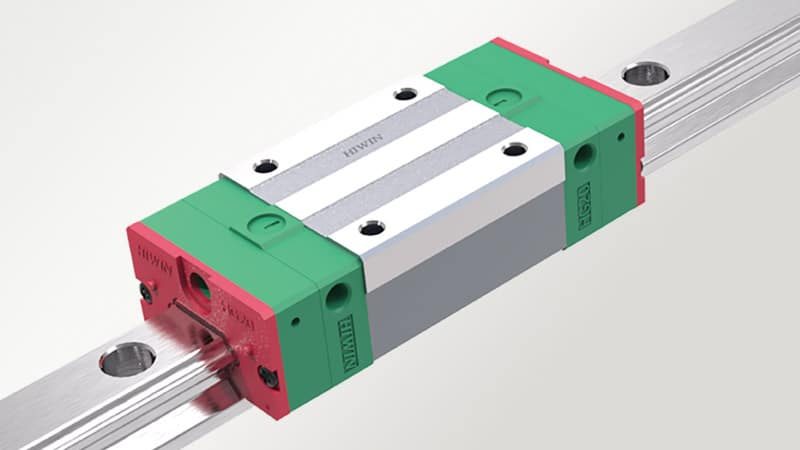
| Guide Rail | HIWIN | ||||||
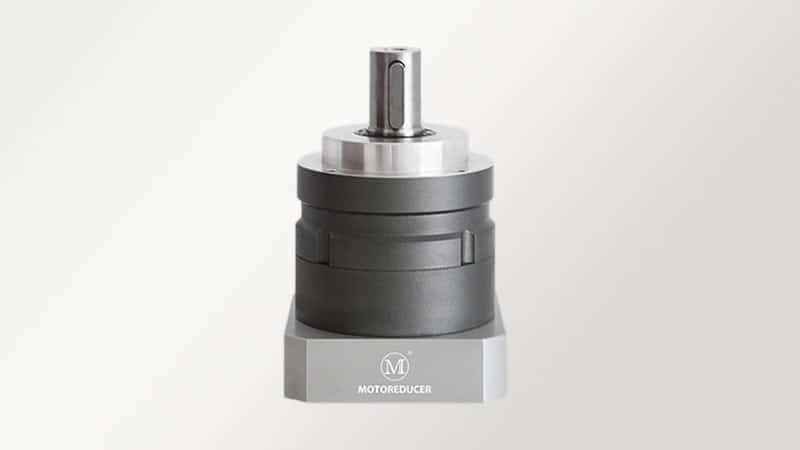
| Gear Reducer | Motoreducer | ||||||
| Ball Screw | TBI | ||||||
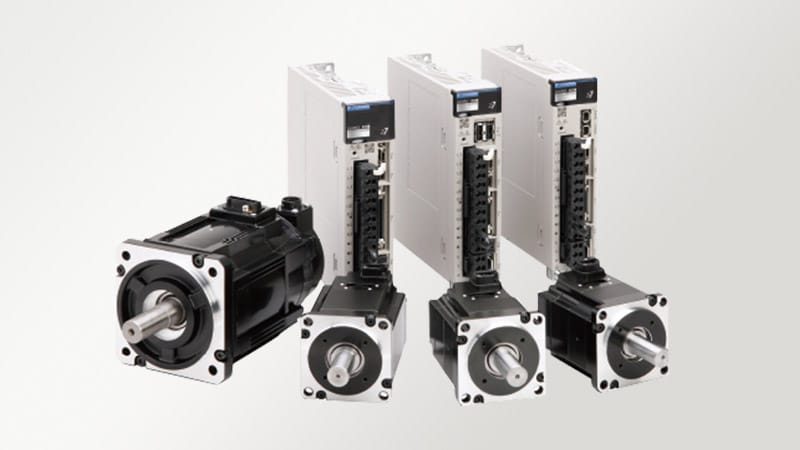
| Servo Motor | Delta/Yaskawa | ||||||
| Electronic Components | Schneider | ||||||
| Pneumatic Components | SMC/AirTAC | ||||||
| Water Chiller | S&A/Hanli | ||||||
| Maximum Moving Speed | 100m/min | ||||||
| Maximum Acceleration | 1.0G | ||||||
| Positioning Accuracy | ±0.01mm | ||||||
| Repeat Positioning Accuracy | ±0.03mm | ||||||
| Voltage and Frequency | 380V 50Hz/60HZ | ||||||
| Comparison Item | Laser Cutting | Plasma Cutting | Waterjet Cutting | Mechanical Cutting |
|---|---|---|---|---|
| Cutting Principle | Focused laser beam melts/vaporizes material | Ionized gas (plasma arc) melts metal | High-pressure water with abrasives erodes material | Physical force using blades/tools |
| Material Compatibility | Metals, some non-metals | Conductive metals only | Almost all materials | Mostly metals and soft materials |
| Cutting Precision | Very high (±0.01–0.05 mm) | Medium (±0.1–0.5 mm) | High (±0.05–0.1 mm) | Low to medium |
| Edge Quality | Smooth, clean, minimal burr | Rougher, requires finishing | Smooth, no heat marks | Often requires deburring |
| Heat-Affected Zone (HAZ) | Very small | Large | None (cold cutting) | None or minimal |
| Cutting Speed | Very fast (especially thin metals) | Fast (thick metals) | Slow to medium | Medium |
| Thickness Capability | Medium to thick (depends on power) | Excellent for thick metals | Excellent for very thick materials | Limited by tool strength |
| Kerf Width | Very narrow | Wider | Medium | Wide |
| Material Deformation | Minimal | Moderate due to heat | None | Possible due to force |
| Automation Capability | Highly automated (CNC/robotic) | Automated | Automated | Semi-automatic or manual |
| Operating Cost | Medium to high (depends on laser type) | Medium | High (abrasives + maintenance) | Low to medium |
| Maintenance Requirements | Moderate (optics, source) | Moderate (consumables) | High (pumps, seals) | Low |
| Environmental Impact | Low emissions, clean process | Produces fumes and gases | No heat, but water disposal needed | Generates chips and noise |
| Noise Level | Low | High | High | Medium |
| Setup Time | Quick | Moderate | Longer setup | Quick |
| Tool Wear | No physical tool wear | Electrode/nozzle wear | Nozzle wear, abrasive usage | High tool wear |
| Ability for Complex Shapes | Excellent (fine details) | Good | Excellent | Limited |
| Secondary Processing Needed | Rarely | Often required | Rarely | Often required |
| Energy Efficiency | High | Medium | Low (high power consumption) | Medium |
| Typical Applications | Precision parts, electronics, automotive | Heavy metal fabrication, shipbuilding | Aerospace, composites, stone cutting | Basic fabrication, construction |
AccTek Laser integrates advanced laser technology into its cutting machines to deliver high precision, stable performance, and efficient cutting results. Their systems use reliable laser sources and optimized control systems, ensuring that operators achieve consistent cuts with minimal material waste. This innovation also helps in enhancing material quality while reducing the risk of thermal damage during the cutting process.
AccTek Laser offers a broad selection of laser cutting machines with different power levels and configurations to suit diverse application requirements. Customers can choose from compact, portable systems for small-scale operations to large industrial machines for high-volume cutting tasks. This makes it easy to find the right solution for cutting metal sheets, plastics, ceramics, and more, ensuring versatility for various industries.
AccTek Laser machines are built using top-quality components sourced from globally recognized suppliers. This includes durable laser sources, cutting-edge scanning systems, and reliable control electronics. By using premium parts, AccTek Laser enhances machine stability, extends service life, and ensures consistent performance under demanding operating conditions, ultimately reducing maintenance needs.
AccTek Laser provides flexible customization options to meet specific customer needs. Machine features like laser power, cutting speed, cooling systems, and automation integration can be tailored to suit different production environments and application requirements. This flexibility ensures that customers achieve optimal cutting performance, productivity, and cost-efficiency.
AccTek Laser offers comprehensive technical support throughout the entire purchase and operation process. Their experienced team assists with machine selection, installation, operation training, and troubleshooting. This level of support helps customers seamlessly adapt to laser cutting technology, ensuring smooth operations and quick issue resolution when necessary.
With years of experience serving customers globally, AccTek Laser provides dependable international service and support. They offer detailed documentation, remote assistance, and responsive after-sales service to help customers maintain their machines and minimize downtime. This ensures that customers can continue their operations with minimal disruptions, enhancing long-term productivity and customer satisfaction.
This guide identifies materials that should never be laser cut due to safety hazards or poor quality outcomes, explains why, and recommends safer alternative cutting methods for each.
This guide covers all materials that CO2 and fiber laser cutting machines can process, explains how wavelength determines compatibility, and helps you choose the right laser generator for your application.
This article covers the essential safety precautions for operating a CO2 laser cutting machine, from radiation and fire risks to fume extraction, PPE, machine features, and routine maintenance checks.
This article explains how CO2 laser generator wattage from 60W to 600W affects cutting speed, depth, and material capability, and clarifies when higher power delivers real gains and when it
The price of a 2000w laser cutting machine can vary significantly based on the manufacturer, model, and specifications. Additionally, factors such as the country of origin, shipping, installation fees, and applicable taxes can influence the overall cost. Typically, a basic 2000w laser cutting machine will range from $13,000 to $50,000. Machines with advanced performance, larger cutting areas, or custom configurations may exceed this range.
While the initial purchase cost is an important consideration, it’s essential to factor in other elements such as the machine’s reliability, ease of use, output quality, and ongoing operating and maintenance costs. Although the upfront investment may seem high, a 2000W laser cutting machine can offer substantial long-term savings and efficiency improvements, especially for high-volume and precision cutting operations.
If you’re interested in purchasing a 2000w laser cutting machine, AccTek Laser offers competitive pricing along with comprehensive customer support and warranty services to ensure that your investment pays off in the long run.
The 2000w laser cutting machine is capable of cutting a variety of metal materials with high precision and efficiency. It is ideal for industrial applications that require fast, accurate, and clean cuts. Here are the types of materials it can cut:
The 2000w laser cutting machine offers flexibility in cutting various metals with precision, making it suitable for industries such as aerospace, automotive, metal fabrication, and more. However, it is important to note that this machine is designed primarily for metal cutting and is not suitable for non-metallic or composite materials.
The maximum thickness that a 2000w laser cutting machine can cut depends on several factors, including the material type, beam quality, focus position, cutting speed, and the specific machine configuration. In general, a 2000w laser cutting machine can cut the following materials at their maximum thicknesses:
These thicknesses serve as general guidelines, but the actual cutting capability may vary depending on the specific machine, settings, and material quality. Additionally, factors such as the required cutting speed and cutting quality also affect the machine’s performance. Always consult with the manufacturer or supplier to determine the best machine configuration and settings for your specific cutting requirements.
The cutting speed of a 2000w laser cutting machine depends on the type and thickness of the material being cut, as well as the cutting parameters such as assist gas and focus position. Below are general cutting speed ranges for various materials:
The 2000w laser cutting machine provides efficient and precise cutting for a variety of metals. Speeds range from 10-20 m/min for thin materials like carbon steel to 0.6-1.5 m/min for thicker materials such as 5-10mm plates. Always consult the manufacturer’s recommendations and optimize settings based on your specific application.
The power consumption of a 2000w laser cutting machine can be broken down based on its key components. Here’s a detailed breakdown of the estimated power usage:
The 2000w laser cutting machine has a higher overall power consumption than its nominal cutting power due to the additional systems required for cooling, movement, and air compression. This breakdown will help you better understand the energy requirements for operating the machine and ensure your facility is prepared with the necessary power supply.
The cutting accuracy of a 2000w laser cutting machine is generally very high, making it suitable for precision cutting tasks across various industries. The typical cutting accuracy for a 2000w laser cutting machine is ±0.1 mm (0.0039 inches). This level of accuracy means that the machine can consistently cut metal materials to within 0.1mm of the intended cut line, which is ideal for applications that require high precision.
The 2000W laser cutting machine provides exceptional cutting accuracy for most materials, typically around ±0.1 mm. This makes it ideal for industries where precision and fine details are essential, such as aerospace, automotive, and electronics manufacturing. Regular maintenance and calibration will ensure that the machine continues to perform with high accuracy over time.
Yes, a 2000W laser cutting machine is generally easy to operate, especially when compared to traditional cutting methods. The machine is equipped with CNC (Computer Numerical Control), which allows for automatic operation with minimal manual intervention. Here are some factors that contribute to the ease of use:
The 2000w laser cutting machine is easy to operate due to its intuitive control system, automatic features, and user-friendly interface. With proper training, operators can quickly become proficient, making it a suitable option for both beginners and experienced professionals.
Our laser cutting machine is backed by a comprehensive warranty designed to give you peace of mind and protect your investment:
Please note that this warranty excludes damage resulting from improper use, mishandling, or other artificial causes.
4 reviews for 2000W Laser Cutting Machine
Laura –
We’ve been using this machine in our daily work, and it has been a good fit for our team. The controls are simple enough that new operators can learn quickly. What stands out is how stable it feels during cutting. That helps keep results consistent across different jobs. I’ve also noticed that we spend less time fixing mistakes. The machine runs at a steady pace, which helps us stay on schedule. It’s not complicated, and that’s something I really appreciate. It just does the job well without causing unnecessary problems.
Kevin –
I’ve been responsible for keeping this machine running, and so far it has been easy to manage. The structure feels solid, and there aren’t many vibration issues, which helps reduce wear over time. Routine checks don’t take long, and we haven’t had any major problems. The system runs smoothly, and parts move as expected without unusual noise. From a maintenance point of view, it’s a reliable machine. It doesn’t require constant attention, which is important in a busy workshop. Overall, it’s a well-built setup that supports long-term use without adding extra workload.
Martin –
From my perspective, this machine has improved our workflow. The build quality is solid, and it handles long hours without issues. The cutting results are clean, which reduces extra work for the team. My operators didn’t take long to get used to the system, which helped us keep production moving. It also responds quickly when we need to make changes. We’ve been able to take on more work without worrying about delays. It’s a dependable machine that fits well into a busy workshop environment.
Nina –
I mainly work on preparing cutting jobs, and this machine works well with the programs we create. The system reads and executes tasks smoothly, without unexpected errors. I like that the movement is precise, which helps match the design closely. It also handles more detailed work without slowing down too much. The interface is clear, so it’s easy to make changes when needed. Overall, it’s a reliable setup that supports both simple and complex jobs. It helps make my work more efficient and predictable.