

















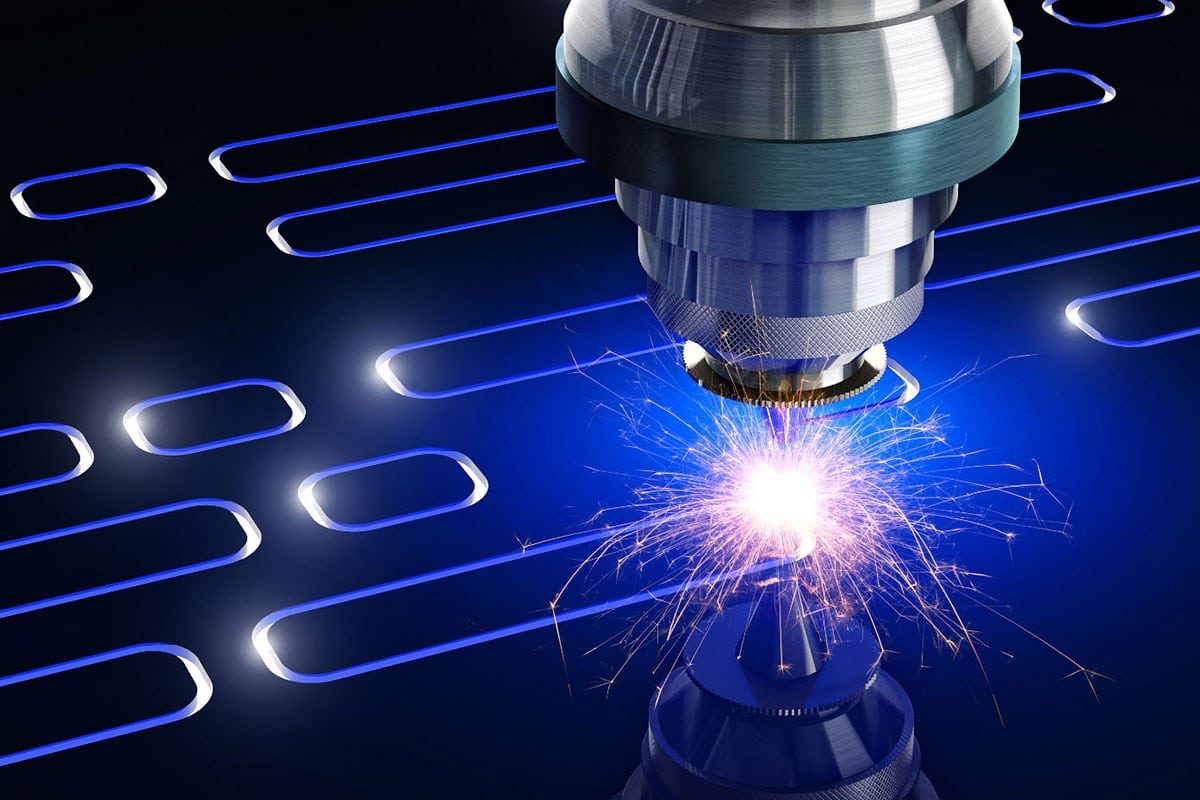
CO2 Laser Generator Cutting Materials Guide: From Parameter Settings to Best Practices
CO2 laser generators have become one of the most widely adopted cutting technologies across a remarkable range of industries — from precision manufacturing and aerospace component fabrication to artisan craftsmanship, signage production, textile design, and packaging engineering. Their appeal lies in a compelling combination of speed, accuracy, and material versatility that few alternative cutting methods can match. Whether a fabricator needs to slice through thick hardwood panels, engrave intricate patterns into leather goods, or cut complex shapes from acrylic sheet stock, a well-configured CO2 laser generator can accomplish these tasks with exceptional edge quality and repeatability.
However, the breadth of materials that CO2 laser generators can process is frequently misunderstood — or worse, taken for granted. Operators sometimes assume that because a material can physically withstand exposure to a laser beam, it is inherently suitable for laser cutting. This assumption leads to some of the most common and costly mistakes in laser fabrication: scorched surfaces, incomplete cuts, damaged laser optics, hazardous fume emissions, and even outright material incompatibility. Understanding not just which materials work, but why they work — and how parameters must be adjusted for each — is the cornerstone of productive and safe laser cutting operations.
The CO2 laser generator emits at a wavelength of approximately 10.6 micrometers, placing it in the mid-infrared region of the electromagnetic spectrum. This wavelength is strongly absorbed by a wide range of non-metallic materials, including wood, acrylic, glass, ceramics, and most organic compounds. When these materials absorb the laser energy, it converts to heat at the point of focus, rapidly vaporizing or melting the material and producing a clean cut. Metals, by contrast, are far more reflective at this wavelength, which is why cutting metals with a CO2 laser generator requires either assist gas delivery, elevated power levels, or both — and why highly reflective metals present hazards that can damage the laser optics if not handled with care.
This guide provides a thorough examination of the materials that CO2 laser generators cut most effectively, covering non-metals, select plastics, and thin metal substrates processed with assist gas. For each material category, it explores the critical parameter adjustments that determine cut quality: power output, cutting speed, focal length, and assist gas selection. It also identifies the materials that must be avoided entirely, explains the technical and safety reasons behind those restrictions, and addresses the ventilation and fume management considerations that responsible laser cutting operations require. Whether you are setting up a first laser cutting operation or refining an existing workflow, the insights in this guide are designed to be directly applicable on the shop floor.
Table of Contents
How CO2 Laser Generators Interact with Materials
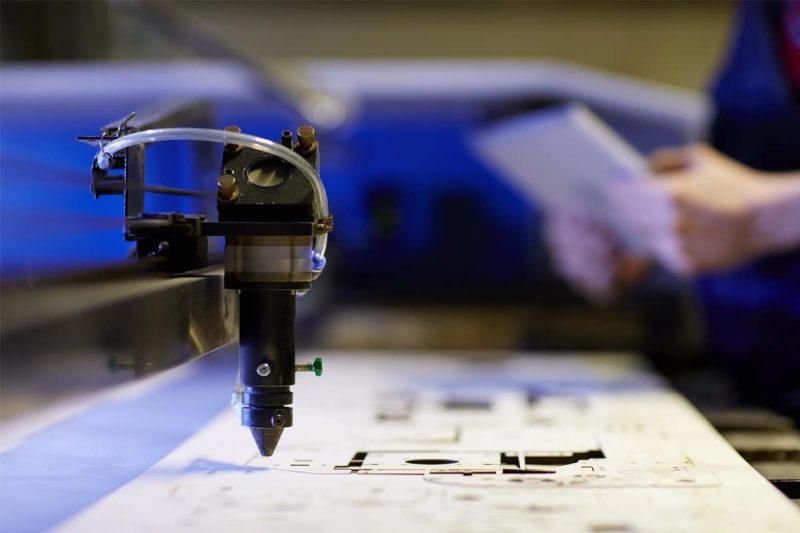
Before examining specific materials, it is essential to establish a foundational understanding of how CO2 laser generators produce their cutting action and why certain materials respond well while others do not. The physical principles governing laser-material interaction determine everything that follows — from parameter selection to safety requirements — and operators who understand these principles are far better positioned to adapt them to new materials and applications than those who rely purely on empirical trial and error.
The CO2 Wavelength and Material Absorption
CO2 laser generators emit light at a wavelength of approximately 10.6 micrometers, placing them in the mid-infrared region of the electromagnetic spectrum. This wavelength is particularly significant because it is strongly absorbed by a wide range of non-metallic materials, including wood, acrylic, glass, ceramics, and most organic compounds. When these materials absorb the laser energy, it converts into heat at the point of focus, rapidly vaporizing or melting the material and producing a clean kerf.
Metals, by contrast, are much more reflective at the 10.6-micrometer wavelength, meaning they absorb less energy and reflect more of the beam toward the optical system. This is why cutting metals with a CO2 laser generator requires either an assist gas, higher power levels, or both — and why highly reflective metals like copper and polished aluminum present special challenges that can damage the laser optics if not managed carefully. The absorption characteristics of the target material at the CO2 laser wavelength are therefore the first and most fundamental consideration in any material compatibility assessment.
The Core Parameters That Govern Cut Quality
Every cutting operation with a CO2 laser generator is controlled by a set of interrelated parameters. Power, measured in watts, determines the intensity of the laser beam delivered to the material surface. Speed, measured in millimeters per second or meters per minute, controls how quickly the focal point traverses the material — and therefore how much energy is deposited per unit length of cut. The focal length of the focusing lens determines the spot size and depth of focus, influencing both the kerf width and the consistency of cutting performance across the material thickness. Assist gas — typically air, nitrogen, or oxygen — serves to eject molten or vaporized material from the kerf, protect the focusing optic from contamination, and, in the case of oxygen, support an exothermic reaction that accelerates the cutting of steel.
These parameters do not operate in isolation. Increasing power while maintaining speed results in deeper cuts and greater heat input. Increasing speed while holding power constant produces shallower penetration and potentially incomplete cuts through thicker materials. Finding the correct combination for each specific material at each specific thickness is the practical challenge that experienced laser operators master over time, and it is what the parameter-specific guidance in this guide addresses for each major material category.
The CO2 laser generator’s 10.6-micrometer wavelength makes it naturally and highly effective for non-metallic materials, which absorb this infrared radiation efficiently and convert it to the localized heat that drives clean cutting and vaporization. Its core operating parameters — power, speed, focus position, and assist gas — interact in ways that must be understood and calibrated for each material to achieve optimal quality, efficiency, and safety. This foundational understanding is the prerequisite for everything that follows.
Non-Metal Materials: The Primary Domain of CO2 Laser Generators
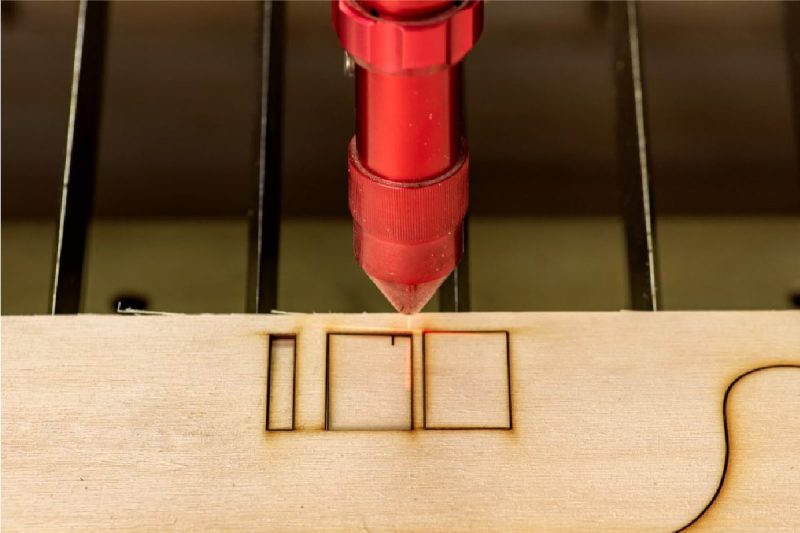
Non-metallic materials represent the broadest and most natural application territory for CO2 laser generators. Because these materials absorb the 10.6-micrometer wavelength readily, they can be cut cleanly and efficiently across a wide range of thicknesses with relatively moderate power levels. The following subsections examine the most commonly processed non-metals in detail, covering the cutting characteristics and parameter considerations specific to each material type.
Wood and Wood-Based Composites
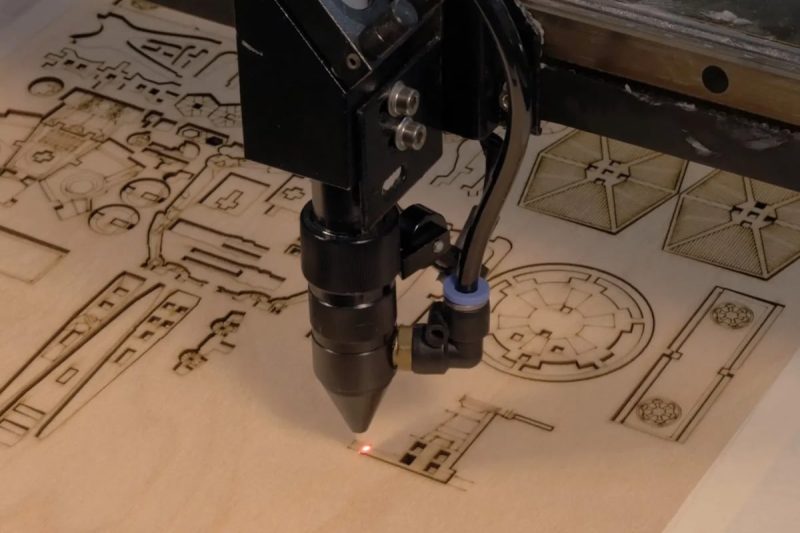
Wood is arguably the most commonly laser-cut non-metal material globally, and CO2 laser generators handle it exceptionally well. Softwoods such as pine, cedar, and basswood cut cleanly at moderate power and speed settings, while hardwoods like oak, maple, and walnut require higher power or slower speeds to achieve complete penetration. The natural grain of solid wood means that cutting results can vary slightly depending on cut orientation relative to the grain — cuts along the grain tend to be marginally smoother than cross-grain cuts.
Medium-density fiberboard (MDF) and plywood are also extensively processed by CO2 laser generators. MDF cuts very consistently due to its homogeneous composition, making it a popular choice for decorative panels, furniture components, and architectural models. However, MDF contains adhesive resins — typically urea-formaldehyde — that release significant amounts of formaldehyde and other compounds during cutting. Adequate ventilation and fume filtration are therefore non-negotiable when cutting MDF in any volume. Plywood presents similar resin-related fume concerns, particularly at the glue layers between plies, and the adhesive content of different plywood grades varies considerably.
For wood cutting, power settings typically range from 40 W to 150 W, depending on material thickness and density, with speeds adjusted inversely to power to maintain consistent energy delivery per unit length of cut. A compressed air assist is generally recommended to clear combustion products and reduce charring at cut edges. Some operators prefer to slightly defocus the beam for thicker wood cuts in order to broaden the energy delivery zone and reduce the risk of incomplete penetration through the full depth of the material.
Acrylic and Clear Plastics
Cast acrylic — also known by the trade designation PMMA, or polymethyl methacrylate — is widely regarded as the ideal CO2 laser cutting material. CO2 laser generators produce a flame-polished edge on cast acrylic that is optically clear and smooth without any secondary finishing, a quality that is essentially impossible to achieve with mechanical cutting methods. This makes laser-cut cast acrylic the preferred choice for display cases, signage, lighting fixtures, and decorative elements across a broad range of commercial applications.
It is critical to distinguish between cast acrylic and extruded acrylic. Cast acrylic sheets are manufactured by polymerizing liquid monomer in molds, resulting in a consistent molecular weight distribution. Extruded acrylic is produced by forcing molten material through a die, producing a material with directional stress and a lower melting point. When cut by a CO2 laser generator, extruded acrylic tends to produce a frosted or hazy edge rather than the clear flame-polished edge of cast acrylic, and it is more prone to cracking under thermal stress. Whenever possible, cast acrylic should be specified for laser cutting applications where edge clarity is a quality requirement.
Power and speed settings for acrylic depend heavily on sheet thickness. A 3 mm cast acrylic sheet might be cut at 80 to 100 percent power with a speed of 15 to 25 mm/s on a 100 W machine, while 10 mm acrylic may require multiple passes or significantly reduced speed to achieve complete penetration. Air assist should be used cautiously with acrylic — excessive air pressure can cause the cut edge to fog or cloud, degrading the optical quality that is the primary advantage of the material. Many operators use low-pressure air or no assist gas for acrylic cuts to preserve edge clarity.
Leather — Genuine and Synthetic
Both genuine leather and synthetic leather (PU leather) respond well to CO2 laser cutting. Laser cutting produces a clean, sealed edge that does not fray — a significant advantage over mechanical cutting, which requires post-processing to prevent edge deterioration. The laser’s precision also enables the cutting of highly intricate patterns, perforations, and decorative details that would be impractical or uneconomical with die-cutting or knife-based methods.
Genuine leather cutting requires careful attention to speed. Because leather has relatively low thermal conductivity and scorches readily if the laser dwells in one area too long, higher cutting speeds are generally preferred, even at the cost of requiring slightly elevated power. A light air assist helps clear combustion products without displacing thin pieces of material during processing. Chrome-tanned leather — the most common type commercially — releases some chromium-bearing compounds during laser cutting; operators processing large volumes should ensure their ventilation systems are capable of managing these fumes effectively. Vegetable-tanned leather, which uses plant-based tannins, is generally considered safer to laser cut and produces cleaner, less pungent fumes.
Fabrics and Technical Textiles
The textile industry has adopted CO2 laser generators extensively for cutting apparel components, technical textiles, and decorative fabrics. The laser’s ability to cut complex shapes without physical contact eliminates the need for custom dies and allows rapid design changes — a significant advantage in fashion and technical textile manufacturing where short production runs and frequent design iterations are common.
Natural fibers such as cotton, linen, silk, and wool cut cleanly with CO2 laser generators, generally leaving a slightly sealed edge that resists fraying. Synthetic fibers like polyester and nylon melt rather than vaporize cleanly, leaving a fused edge that can be either a benefit — preventing fraying — or a drawback, depending on the application. Blended fabrics require parameter settings that balance the different thermal responses of each fiber component. Speed is the primary lever for textile cutting: because fabrics are thin and have low thermal mass, they respond quickly to laser energy, and a very high speed combined with moderate power levels is typically optimal. A light air assist is often used to prevent the fabric from shifting during cutting and to clear smoke from the active cut zone.
Paper, Cardboard, and Paperboard
Paper-based materials are among the easiest for CO2 laser generators to cut, requiring relatively low power levels and benefiting from the laser’s ability to produce highly intricate cuts that would be impractical with mechanical tools. Applications include greeting cards, architectural models, packaging prototypes, artistic paper sculptures, book covers, and custom gift packaging.
The primary concern when laser cutting paper is fire. Paper has a low ignition temperature and will combust if the laser speed is too slow or the power is too high. A continuous flow of air assist is strongly recommended to clear smoke from the cutting zone and suppress any tendency for the material to ignite. Operators should also monitor cuts closely when processing large paper sheets, as smoldering can occur away from the active cutting zone if debris accumulates. Corrugated cardboard presents additional complexity because the fluted internal layer acts as an insulator, causing heat to build up at the paper skin layers. Careful parameter calibration is needed to cut cleanly through all layers without excessive charring of the edges.
Rubber and Foam
Natural rubber and many synthetic rubber compounds can be cut with CO2 laser generators to produce gaskets, seals, stamps, and custom mechanical components. The laser cut is highly precise and can achieve the tight dimensional tolerances required for sealing and mechanical applications. The primary challenge with rubber is fume generation: natural rubber releases sulfur compounds during cutting, and many synthetic rubbers generate a range of organic compounds that are both pungent and potentially harmful at elevated concentrations. Strong ventilation and effective filtration — including activated carbon filtration for organic vapor capture — are essential when cutting rubber in any significant volume.
Foam materials, including polyurethane foam, polyethylene foam, and EVA foam, are also commonly processed by CO2 laser generators for packaging inserts, theatrical props, gaskets, and craft applications. Each foam chemistry responds differently to laser energy, and parameter testing on representative scrap material is particularly important for foam cutting because the open-cell structure of many foams can allow ignition to propagate away from the active cut zone if air assist is improperly configured.
Non-metallic materials form the broadest and most natural application domain for CO2 laser generators. From wood and acrylic to leather, textiles, paper, rubber, and foam, each material rewards a tailored approach to power, speed, air assist, and ventilation. Operators who invest in understanding the specific cutting characteristics of each material — rather than applying generic settings across material types — will consistently achieve superior edge quality, throughput, and safety outcomes.
Plastics: A Critical Distinction Between Compatible and Hazardous Materials
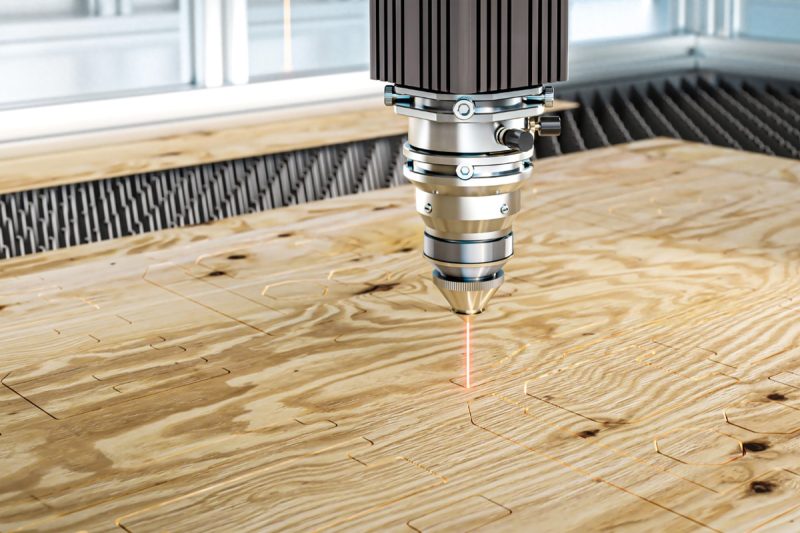
Plastics represent one of the most complex material categories for CO2 laser cutting. While some plastics cut cleanly and safely, others release toxic or corrosive gases that endanger operators, cause severe damage to the laser generator and optical components, and violate environmental health and safety regulations. The ability to correctly identify plastic types and understand their laser compatibility is an essential operational competency, and it is a domain where errors have serious consequences.
Plastics Compatible with CO2 Laser Generators
Polyoxymethylene (POM), sold commercially under trade names such as Delrin and Acetal, is an engineering thermoplastic that cuts cleanly with CO2 laser generators. It produces a smooth, dimensionally accurate cut edge and is commonly processed for precision mechanical components, gears, bushings, and technical parts where tight tolerances are required. The fumes from POM cutting contain formaldehyde and must be managed with an effective exhaust ventilation system — but the material itself does not present the catastrophic equipment risks associated with chlorinated plastics.
PETG (polyethylene terephthalate glycol-modified) is another laser-compatible plastic that has gained wide adoption in maker and prototyping communities. It cuts with somewhat less edge clarity than cast acrylic but offers greater impact resistance and chemical resistance. Polyethylene (PE) and polypropylene (PP) can be laser cut, though with some edge-quality limitations due to their tendency to melt and re-solidify rather than vaporize cleanly. These materials are used extensively in packaging and industrial components, and CO2 laser generators can produce acceptable results with careful parameter tuning and appropriate ventilation.
Plastics That Must Never Be Cut — PVC and Chlorinated Materials
Polyvinyl chloride (PVC) is the most critical material to absolutely avoid with CO2 laser generators, and the prohibition is unconditional. When PVC is exposed to laser energy, it undergoes thermal decomposition and releases hydrogen chloride (HCl) gas — a highly corrosive and toxic substance that simultaneously attacks the operator’s respiratory system and the metallic components of the laser machine. HCl gas corrodes mirrors, lenses, motion system components, and electronic assemblies with extraordinary aggression. Repair costs from even a single significant PVC exposure incident can be substantial, and contaminated optical components typically require complete replacement rather than cleaning.
Beyond equipment damage, HCl gas poses serious health risks to operators, and at higher concentrations can be immediately life-threatening. Even small amounts of PVC contamination — for example, a PVC coating on an otherwise laser-compatible substrate — can cause significant HCl release during cutting. Operators who are uncertain about a material’s composition should always request a material safety data sheet (MSDS) or perform a formal chemical identification test before laser cutting. The identification of PVC is non-negotiable; it must not be left to guesswork or assumption.
Other chlorinated plastics, including chlorinated polyethylene and polyvinylidene chloride, carry the same absolute prohibition. Fiberglass and carbon fiber composites should also be avoided or approached with extreme caution due to the respirable particles and toxic matrix decomposition compounds they generate during laser processing.
The plastics compatibility question for CO2 laser generators follows a clear principle: compatible plastics vaporize or melt cleanly and produce manageable fumes with proper ventilation, while incompatible plastics — particularly PVC and all other chlorinated materials — release toxic and corrosive gases that endanger both operators and equipment catastrophically. When a plastic’s composition is uncertain, it must not be laser cut until chemical identification has been completed. This is one of the most important safety boundaries in laser cutting operations.
Metals: CO2 Laser Cutting with Assist Gas
While CO2 laser generators are primarily associated with non-metallic materials, they can process certain thin metal substrates effectively when combined with appropriate assist gas delivery. Understanding the conditions under which CO2 laser generators can cut metal — and where their limitations become prohibitive — is important for operators who may encounter metal cutting requirements within a primarily non-metal workflow, or who are evaluating CO2 generators for mixed-material applications.
Thin Steel and Stainless Steel
Carbon steel and stainless steel are the metals most commonly cut by CO2 laser generators. With oxygen assist gas, CO2 laser generators can cut mild carbon steel up to approximately 5 mm in thickness, though the optimal range for high-quality results is generally below 3 mm. The oxygen assist gas supports an exothermic oxidation reaction at the cut front that supplements the laser energy and enables higher cutting speeds than would otherwise be achievable with inert or air assist.
Stainless steel is typically cut with nitrogen assist gas rather than oxygen. Nitrogen provides an inert atmosphere at the cut front, preventing oxidation and producing a bright, oxide-free cut edge. This is particularly important for applications where the corrosion resistance of the stainless steel must be maintained across the cut surface — oxygen cutting leaves a thin oxidized layer that can compromise corrosion performance in demanding environments. The trade-off is that nitrogen cutting requires higher laser power because the exothermic oxidation reaction is absent, and cutting speeds are generally lower than with oxygen assist.
Limitations of CO2 Laser Generators for Metal Cutting
While CO2 laser generators can cut thin metals effectively, they are not the optimal choice for all metal cutting applications. Highly reflective metals such as copper, uncoated brass, and polished aluminum present particular hazards. These materials reflect a large proportion of the CO2 laser beam at the 10.6-micrometer wavelength back toward the focusing optics, creating a risk of thermal damage to the focusing lens, the protective window above the lens, and, in severe cases, components further up the beam delivery path.
For applications involving significant volumes of metal cutting, fiber laser generators — which operate at approximately 1.06 micrometers and are far more efficiently absorbed by metals — are generally preferred. CO2 laser generators are most competitive for metal cutting when the application involves a combination of metal and non-metal materials processed on the same machine, or when metal component thicknesses are modest, and production volumes do not justify a dedicated fiber laser system.
CO2 laser generators can effectively cut thin steel and stainless steel substrates when paired with the appropriate assist gas — oxygen for carbon steel, nitrogen for stainless steel — but their metal-cutting capabilities have meaningful limitations, particularly with highly reflective alloys. For operations primarily focused on metal cutting, fiber laser generators typically offer superior performance, efficiency, and safety. CO2 generators are best positioned for metal cutting when it is a secondary requirement within a predominantly non-metal workflow.
Critical Parameter Adjustments for Each Material Category
Achieving high-quality cuts with a CO2 laser generator requires more than selecting the right material — it demands precise calibration of the machine’s operating parameters to match the thermal and optical properties of each specific material at each specific thickness. This section outlines the most important parameter considerations for the major material categories, providing a practical framework for systematic calibration rather than uninformed trial and error.
Power Settings
Laser power is the primary driver of cut depth and edge quality. For any given material and thickness, there is typically a minimum power threshold below which complete penetration cannot be achieved and a maximum useful power above which excessive heat input causes burning, charring, or thermal distortion of the cut edges. Finding the operating point within this range — and balancing it against cutting speed — is the central calibration challenge for each new material.
As a general principle, thicker and denser materials require more power or slower speeds, or both. Wood with high resin content requires more power than clear-grained softwood of the same thickness because the resin absorbs energy differently and the cut front behaves differently. Operators should always approach power calibration conservatively, starting at lower settings and incrementing upward until complete penetration is achieved without excessive edge damage. Running the laser generator at 100 percent power continuously should be avoided where possible, both to protect the laser tube and to maintain a safety margin for parameter fine-tuning.
Cutting Speed
Speed and power work in an inverse relationship for most materials. Higher speeds with constant power reduce the energy deposited per unit length of cut, resulting in shallower penetration. Lower speeds increase energy input, potentially enabling cuts through greater material thickness but also increasing the risk of overheating, charring, and thermal distortion.
Speed also significantly affects edge quality independently of penetration depth. For cast acrylic, very slow speeds combined with moderate power tend to produce the best flame-polished edges. For wood, excessively slow speeds increase charring regardless of power level, and higher speeds often produce cleaner edges even when more power is needed to maintain penetration. Each material has a characteristic optimal speed range, and operators develop intuition for these ranges through systematic testing on representative material samples before committing to production cuts.
Focus Position
The focal position of the CO2 laser generator beam — specifically, the depth within the material at which the beam reaches its minimum diameter — has a significant effect on cut quality. For thin materials, focusing on the top surface typically produces the best results by maximizing power density at the entry point. For thick materials, focusing slightly below the top surface — at approximately one-third of the total material thickness — distributes the focused energy more evenly through the cut depth and can improve penetration consistency. Defocusing the beam intentionally — by positioning the workpiece above the focal point — reduces power density and increases spot size, which is useful for engraving applications or for reducing thermal stress in materials prone to cracking.
Assist Gas Selection and Pressure
The choice of assist gas and its delivery pressure significantly affects both cut quality and safety. Compressed air is the most economical option and is appropriate for wood, paper, rubber, and most non-metal applications. It provides mechanical assistance in clearing molten or vaporized material from the kerf and helps suppress combustion. However, the oxygen content of compressed air means that combustible materials may char more readily than with an inert assist gas at equivalent pressures.
Nitrogen assist gas provides an inert atmosphere at the cut front, which is beneficial for materials where oxidation is undesirable — stainless steel cutting, acrylic cutting where maximum edge clarity is required, and certain plastics applications. Nitrogen is more expensive than compressed air and requires either a bulk liquid supply or high-pressure cylinder systems, which adds to operating cost. Oxygen assist gas is used primarily for carbon steel cutting, where it supports the exothermic oxidation that augments the laser cutting energy — but it is entirely inappropriate for non-metal materials because it dramatically increases combustion risk.
Multiple Passes
For materials that exceed the single-pass cutting capability of a given laser power level, multiple passes — where the laser traverses the same cut line two or more times — can achieve the required penetration depth. This approach is common for thick wood, thick acrylic, and some foam materials. The trade-off is increased cycle time and, for some materials, accumulated heat input that degrades edge quality. Allowing cooling intervals between passes mitigates heat buildup for thermally sensitive materials and generally produces better results than running multiple passes in rapid succession.
The interplay of power, speed, focus position, assist gas type and pressure, and pass count determines the quality and efficiency of every CO2 laser cutting operation. Systematic parameter testing on scrap material before committing to production cuts is the most reliable path to optimized settings for any new material or thickness combination. Operators who treat parameter calibration as a structured process rather than guesswork will consistently achieve better results, lower material waste, and longer laser optical component life.
Materials to Avoid: Hazards, Prohibitions, and Precautions
Understanding which materials must be avoided with CO2 laser generators is as important as knowing which materials work well. Processing incompatible materials can result in toxic fume exposure, severe equipment damage, fire, and, in extreme cases, life-threatening safety incidents. The following categories represent the most important prohibitions and precautions for any laser cutting operation.
PVC and Chlorinated Plastics
As discussed in the plastics section, PVC and all other chlorinated plastics are absolutely prohibited from CO2 laser processing. The hydrogen chloride gas released during laser exposure is both highly toxic and extremely corrosive to metal components, optical elements, and electronic systems within the laser machine. The damage caused by even brief exposure of a laser system to HCl can be severe and expensive to remediate, and contaminated optical components typically require complete replacement. This prohibition must be institutionalized as a formal, non-negotiable policy in any laser cutting operation.
Carbon Fiber Composites
Carbon fiber reinforced polymer composites can be processed in some specialized laser applications, but they present significant hazards that make them unsuitable for general-purpose CO2 laser cutting facilities. The laser ablation of the polymer matrix releases organic compounds and — more critically — generates fine carbon fiber particles that are respirable and potentially carcinogenic. These particles also accumulate on electronic components and create conductive pathways that can cause short circuits and equipment damage. Processing carbon fiber composites requires purpose-built filtration systems with HEPA capability, specialized ventilation, and trained operator safety protocols that are rarely present in commercial laser cutting facilities.
Beryllium-Containing Alloys
Beryllium and beryllium-copper alloys are occasionally encountered in precision electrical connectors, springs, and specialized mechanical components. Beryllium dust and fumes are classified as a known human carcinogen and are acutely toxic even at low concentrations. Laser processing of beryllium-containing materials is not appropriate in any general fabrication environment and should only be undertaken with specialized containment equipment, dedicated ventilation, and comprehensive personal protective equipment — conditions that are essentially absent in commercial laser cutting facilities.
Highly Reflective Metals
Copper, uncoated aluminum, brass, and gold are highly reflective at the CO2 laser wavelength. When these materials are exposed to the CO2 laser beam without appropriate precautions, a substantial proportion of the laser energy is reflected toward the focusing optics rather than absorbed at the material surface. This back-reflection can cause thermal damage to the focusing lens, the protective window above it, and, in severe cases, components further up the beam delivery path. Processing these metals with a CO2 laser generator without specific anti-reflection strategies is not recommended, and most such applications are better served by fiber laser generators.
Polystyrene Foam and Certain Foam Materials
Polystyrene foam burns rather than vaporizes cleanly under CO2 laser exposure, produces dark sooty smoke containing styrene monomer, and carries significant fire risk. The foamed structure allows the laser to ignite a broad combustion front that can be difficult to control with standard air assist configurations. While some operators process thin polystyrene foam with careful parameter control and active monitoring, it is generally not recommended as a routine laser cutting material. Other foam materials should be evaluated individually, as foam chemistry varies widely and the laser response of each formulation can differ significantly.
The materials that must be avoided with CO2 laser generators — PVC and chlorinated plastics, carbon fiber composites without specialized equipment, beryllium-containing alloys, highly reflective metals, and problematic foam materials — represent non-negotiable safety and equipment protection boundaries. These prohibitions exist for compelling technical and health reasons and must be treated as organizational policy rather than optional precautions. A single incident involving any of these materials can result in costs, injuries, and equipment damage that far exceed any production benefit.
Safety and Ventilation Considerations
The safe operation of a CO2 laser generator depends not only on correct parameter settings and material selection, but on the design, capacity, and maintenance of the fume extraction and filtration system. Different materials generate fundamentally different fume compositions, and the ventilation system must be matched to the materials being processed. A system that is adequate for wood cutting may be entirely inadequate for rubber or MDF, and operators must evaluate ventilation requirements systematically whenever a new material type is introduced into the cutting workflow.
Fume Extraction System Requirements
For organic non-metal materials such as wood, leather, and paper, the primary fume components are combustion products, including carbon monoxide, fine particulate matter, and volatile organic compounds. A well-designed fume extraction system for these materials should include a pre-filter for larger particles, a HEPA filter for fine particulate capture, and an activated carbon stage for VOC adsorption. The extraction system must be rated to handle the airflow volume of the laser cabinet and must be maintained according to the manufacturer’s schedule — clogged or saturated filters reduce extraction efficiency and can push fumes back into the operator’s breathing zone.
For acrylic cutting, the fume composition includes methyl methacrylate monomer, which has a distinctively pungent odor even at low concentrations. While acute toxicity at typical cutting concentrations is relatively low, chronic exposure should be minimized through effective extraction. For metal cutting, the fume composition depends heavily on the alloy being processed. Stainless steel cutting generates chromium and nickel compounds — including hexavalent chromium under some cutting conditions, a known carcinogen — that require robust filtration and potentially enhanced operator protection measures.
Personal Protective Equipment
Even with effective fume extraction, operators should wear appropriate personal protective equipment. Safety glasses or goggles rated for CO2 laser wavelengths are mandatory whenever the machine’s safety enclosure is open or when beam path inspection is required. Standard safety glasses do not provide CO2 laser protection — purpose-designed, optical-density-rated laser safety eyewear is required, and the appropriate optical density rating should be confirmed against the laser generator’s output power. For materials that generate toxic fumes despite adequate extraction — such as rubber or large-volume MDF processing — appropriate respiratory protection should be considered as a supplementary measure.
Fire Prevention and Suppression
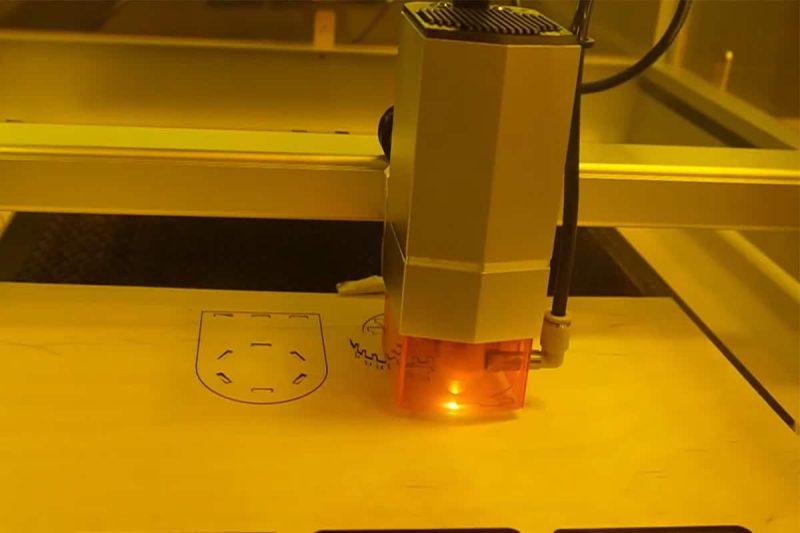
CO2 laser cutting inherently involves the application of intense heat to combustible materials, and fire prevention must be an active operational consideration. Most commercial CO2 laser generators include a safety enclosure with transparent viewing panels that serves as both an operator barrier and a fire containment measure. Operators should never leave a laser cutting job entirely unattended when processing combustible materials such as wood, paper, or fabric — smoldering can initiate away from the active cut zone, particularly in thick materials where heat can diffuse into surrounding areas not directly exposed to the beam.
A dry chemical or CO2 fire extinguisher should be readily accessible at the laser workstation. Water-based extinguishers should not be used near laser electrical systems. High-volume production facilities processing combustible materials may benefit from automatic fire suppression systems installed within the laser enclosure. Regular cleaning of the enclosure interior to remove accumulated combustion debris — which can itself become a fire source — is also an important preventive maintenance practice.
Safe CO2 laser generator operation requires a systematic approach to ventilation and fume management that is matched to the specific materials being processed, appropriate personal protective equipment, including laser-rated optical protection, and active fire prevention measures during all cutting operations involving combustible materials. These requirements are not supplementary add-ons but integral components of a responsible laser cutting operation — and they must be evaluated and updated whenever a new material type is introduced.
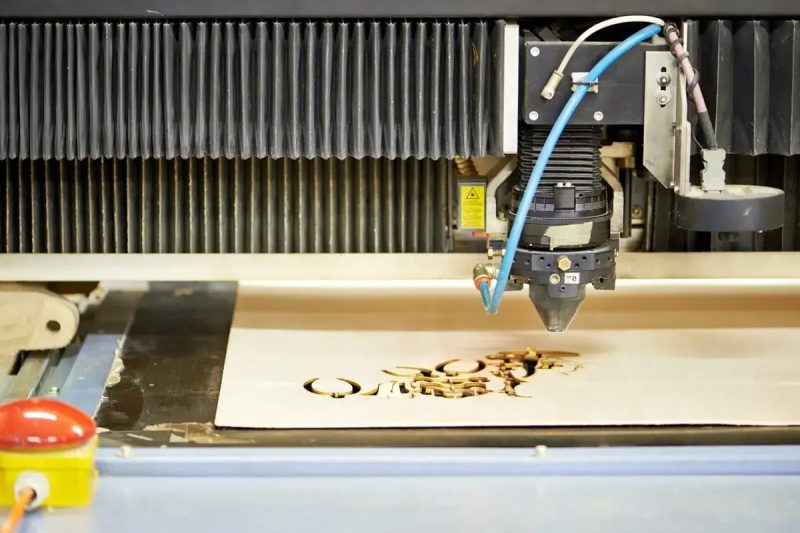
How to Select the Right CO2 Laser Generator for Your Material Requirements
Selecting a CO2 laser generator involves matching machine capabilities — particularly power output, working area, and optical configuration — to the materials and thicknesses that will be processed most frequently. A machine that is well-matched to its application delivers better quality, higher throughput, longer component life, and greater overall return on investment than one selected on price alone. This section outlines the key selection criteria.
Power Level Selection
CO2 laser generators are available in a wide range of power levels, from compact desktop units at 20 to 40 W to large industrial systems exceeding 400 W. At the lower end, 40 to 60 W machines handle thin materials such as paper, thin fabric, and 3 mm acrylic or plywood effectively, and they represent an accessible entry point for sign-making, craft, and prototyping applications. Mid-range machines from 80 to 150 W open up the ability to cut thicker wood and acrylic panels and handle a broader range of material thicknesses with good throughput. High-power systems above 150 W are suited to thick material cutting, high-speed production operations, and metal cutting applications where assist gas consumption and productivity requirements justify the additional capital investment.
It is generally advisable to select a machine with somewhat more power than current requirements strictly demand. Laser tubes degrade over time, and having headroom in the power budget ensures that the machine can continue meeting quality requirements as the tube ages. Additionally, operating at less than maximum power continuously reduces thermal stress on the laser generator and extends tube life — a meaningful factor in the total cost of ownership calculation.
Working Area and Bed Configuration
The working area determines the maximum size of material that can be processed in a single setup without repositioning. For prototyping and small-scale production, working areas of 300 × 500 mm to 600 × 900 mm are often sufficient. For production environments processing full sheets of material — typically 1,220 × 2,440 mm for plywood and acrylic sheet stock — a large-format machine with a matching bed area is necessary to avoid the time, quality risk, and complexity associated with multi-piece setups of large panels.
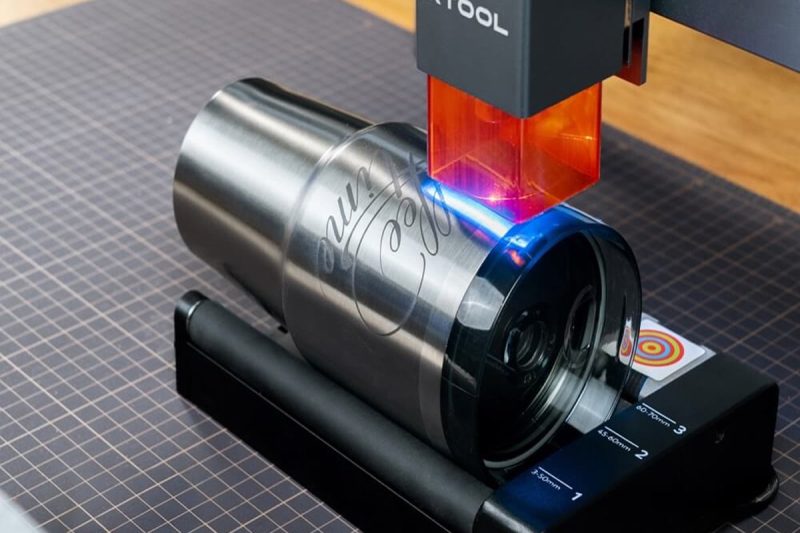
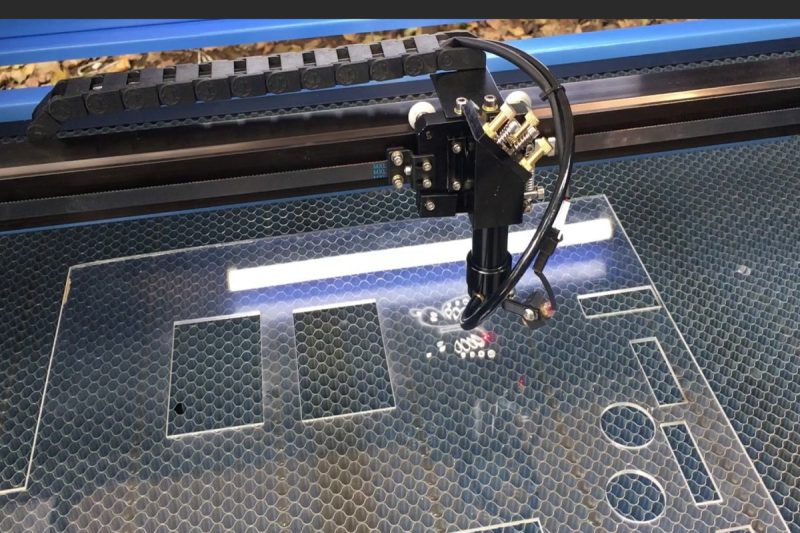
The bed configuration also affects material handling. Honeycomb beds are generally preferred for flat sheet materials, providing good downward airflow and minimizing marking on the material underside from contact with support surfaces. Knife beds facilitate pass-through feeding for long materials that exceed the machine’s bed length. Rotary attachments enable the processing of cylindrical and tube-form materials for applications such as engraving on cups, glasses, and turned wooden components.
Optical System and Control Quality
The quality of the focusing optics — mirrors and lenses — significantly affects the beam quality and consequently the cut quality achievable with the machine. High-quality silicon or molybdenum mirrors with durable reflective coatings maintain beam reflectivity over time, while lower-quality alternatives degrade more rapidly, require more frequent replacement, and introduce beam quality degradation that reduces cutting performance. The focusing lens quality determines spot size accuracy and consistency, which directly affects kerf width, feature resolution, and edge quality on precision cuts.
The control system — including the motion controller, software interface, and design file format compatibility — affects the practical daily usability of the machine. Compatibility with industry-standard formats such as DXF, SVG, and AI files is important for integration with existing design workflows. The quality and responsiveness of the software interface affect setup time and operator training requirements.
Selecting the right CO2 laser generator requires careful consideration of power level relative to material requirements, working area matched to sheet material sizes, and optical and control system quality appropriate to the precision and throughput demands of the application. A machine that exceeds minimum current requirements provides operational flexibility, longevity headroom, and consistent performance as tube output naturally declines over time — and typically delivers better long-term return on investment than the minimum-specification alternative.
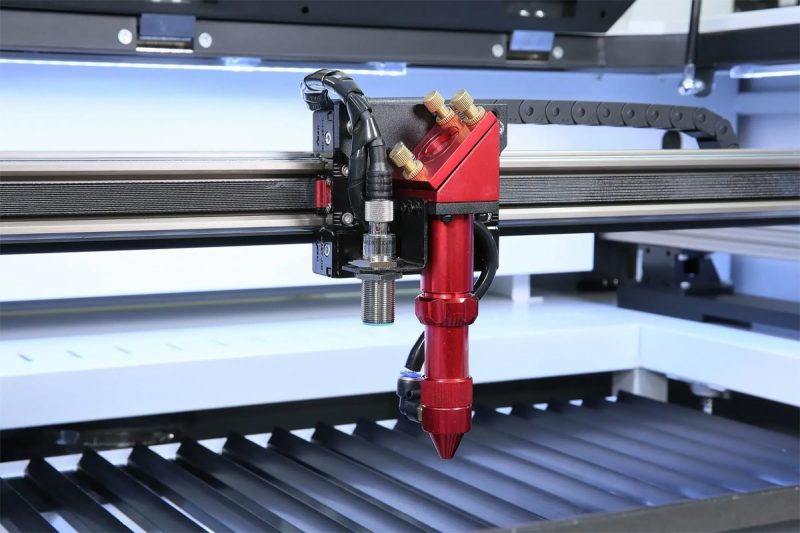
Conclusion
This guide has provided a comprehensive examination of CO2 laser generator material compatibility, parameter adjustment principles, safety requirements, and machine selection criteria — covering the full operational landscape from material physics to shop-floor practice.
CO2 laser generators are most naturally and effectively suited to non-metallic materials, with wood, cast acrylic, leather, textiles, paper, rubber, and foam representing the primary and broadest application domain. Each of these materials rewards a tailored approach to power, speed, focal position, and assist gas selection, and operators who invest in understanding the specific cutting characteristics of each material will consistently achieve superior edge quality, throughput efficiency, and safety outcomes. For plastics, the critical distinction between laser-compatible materials and hazardous chlorinated plastics — particularly PVC — must be understood and rigorously enforced at the organizational level, because the consequences of a mistake in this category are severe for both operators and equipment. CO2 laser generators can also process thin steel and stainless steel substrates effectively when paired with the appropriate oxygen or nitrogen assist gas, though their metal-cutting capabilities are more constrained than dedicated fiber laser systems, particularly for highly reflective alloys and thicker gauges.
Parameter calibration — the systematic optimization of power, speed, focus, assist gas type and pressure, and pass count — determines the quality of every cut, and the most reliable path to optimal settings for any new material or thickness combination is methodical testing on representative scrap material before production commitment. The materials that must be avoided — PVC and chlorinated plastics, carbon fiber composites without specialized equipment, beryllium-containing alloys, highly reflective metals, and problematic foam materials — represent safety and equipment protection boundaries that must be treated as institutional policy rather than individual judgment calls.
Safety and ventilation are not supplementary considerations but foundational requirements that must be matched to the specific fume compositions generated by the materials being processed. Fire prevention, laser-rated optical safety eyewear, and well-maintained filtration systems are the pillars of a safe working environment that protects operators and preserves equipment. Finally, selecting the right CO2 laser generator — in terms of power level, working area, and optical and control system quality — establishes the operational foundation on which everything else depends. A well-matched machine, properly configured and operated by informed users who understand their materials, is the combination that consistently delivers the cut quality, throughput, and safety outcomes that professional laser cutting operations require.
Selecting a CO2 laser generator involves matching machine capabilities — particularly power output, working area, and optical configuration — to the materials and thicknesses that will be processed most frequently. A machine that is well-matched to its application delivers better quality, higher throughput, longer component life, and greater overall return on investment than one selected on price alone. This section outlines the key selection criteria.
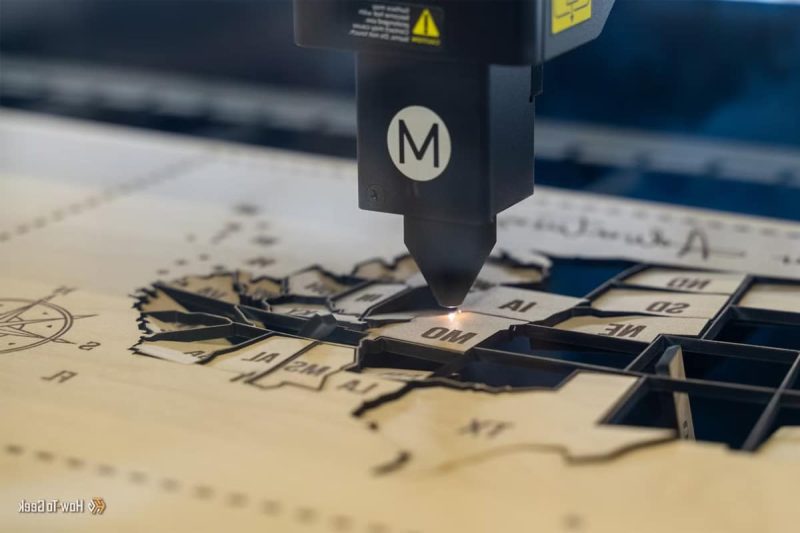
Get a CO2 Laser Cutting Solution
Understanding the technical principles behind CO2 laser generator material compatibility — from the physics of wavelength absorption to the practical realities of parameter calibration, fume management, and machine selection — is the foundation for building a productive and safe laser cutting operation. But translating that understanding into the right machine specification for a specific application and production environment benefits greatly from working with a supplier who brings both deep product knowledge and genuine application expertise.
AccTek Laser is a professional laser cutting machine manufacturer with extensive experience serving industrial and commercial customers across a broad range of materials, power requirements, and production environments. Its CO2 laser cutting and engraving machine portfolio spans desktop-format systems for craft and prototyping applications through high-power industrial configurations suited to thick material processing and mixed-material production. Customization in laser generator power, cutting area, bed configuration, assist gas setup, and control interface is available to match the machine precisely to the material portfolio and throughput requirements of each customer. The full-lifecycle service framework covers pre-sales application consultation and machine selection guidance, professional installation and commissioning, comprehensive operator training, competitive spare parts supply, and responsive after-sales technical support — providing the complete partnership needed to turn the right technology choice into sustained production performance and financial return.

Contact information
- [email protected]
- [email protected]
- +86-19963414011
- No. 3 Zone A, Lunzhen Industrial Zone,Yucheng City , Shandong Province.
Get Laser Solutions