
















Jak ohnisková vzdálenost laserového řezacího stroje ovlivňuje proces řezání?
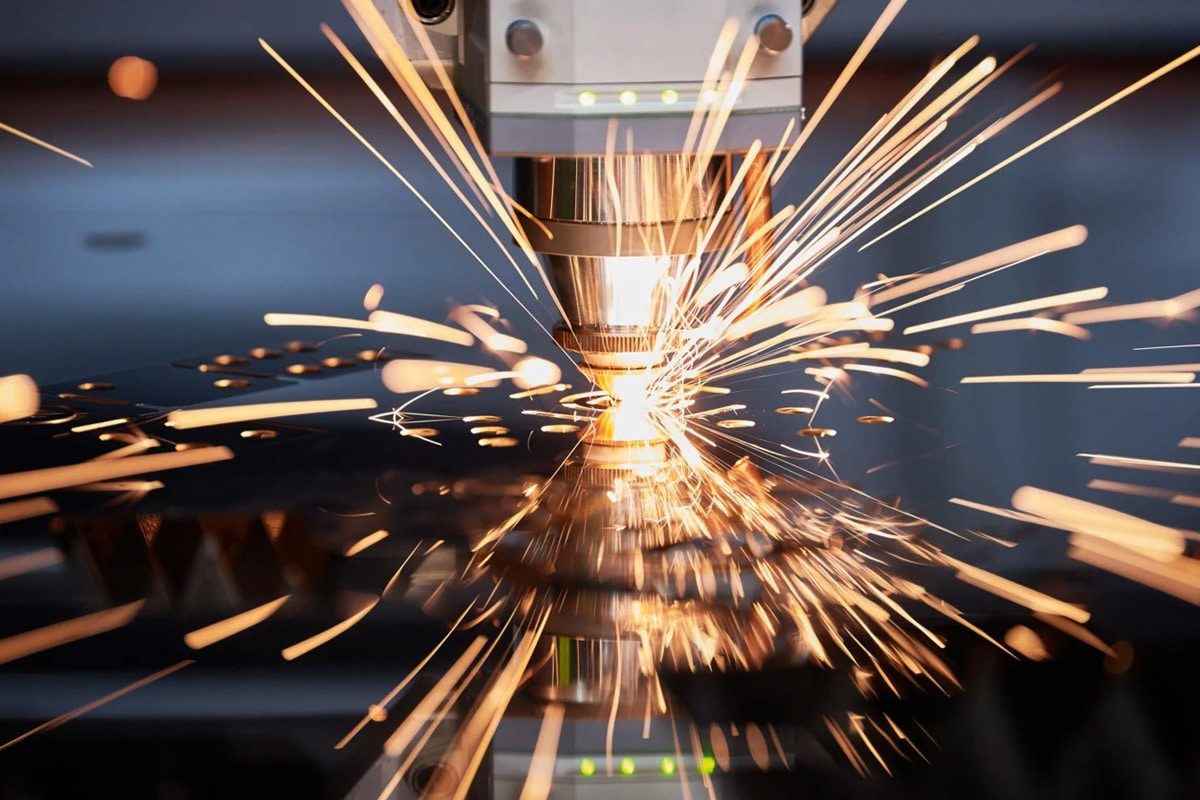
V technologii laserového řezání je ohnisková vzdálenost jedním z klíčových parametrů určujících kvalitu a účinnost řezání. Ohnisková vzdálenost přímo ovlivňuje stupeň zaostření a hustotu energie laserového paprsku. Když je laserový paprsek zaostřen zaostřovací čočkou na velmi malý ohniskový bod, změny ohniskové vzdálenosti významně mění průměr bodu, koncentraci energie a efektivní dosah paprsku v materiálu. Kratší ohnisková vzdálenost má za následek koncentrovanější světelnou energii, vhodnou pro vysokorychlostní a vysoce přesné řezání tenkých plechů; zatímco delší ohnisková vzdálenost poskytuje stabilnější rozložení energie, vhodnější pro silnější plechy nebo materiály s nerovným povrchem.
Různá nastavení ohniskové vzdálenosti významně ovlivňují hloubku řezání laserem, šířku řezné spáry, kvalitu hrany a rychlost řezání. Například kratší ohnisková vzdálenost pomáhá dosáhnout hladších hran a jemnějších řezných spár, zatímco delší ohnisková vzdálenost funguje lépe při řezání silnějších nebo vysoce reflexních materiálů. Vhodný výběr ohniskové vzdálenosti může zlepšit efektivitu výroby a zároveň zajistit kvalitu zpracování a efektivně prodloužit životnost laserové čočky a řezací hlavy. Pochopení a zvládnutí principů nastavení ohniskové vzdálenosti je proto klíčovým krokem k optimalizaci procesů laserového řezání a zlepšení celkového výkonu řezání.
Obsah
Co je ohnisková vzdálenost?
V laserové řezací stroje, Ohnisková vzdálenost se vztahuje k vzdálenosti mezi laserovým paprskem a ohniskem po průchodu zaostřovací čočkou. Podstata laserového řezání spočívá v koncentraci energie a ohnisková vzdálenost je klíčovým parametrem určujícím stupeň zaostření světelné energie. Různé ohniskové vzdálenosti přímo ovlivňují průměr bodu a hustotu energie, a tím významně ovlivňují řezný efekt.
Když laserový paprsek prochází zaostřovací čočkou, je stlačen do ohniskové oblasti s vysokou hustotou energie. Toto ohnisko je bodem s nejvyšší koncentrací energie během celého procesu řezání, kde se materiál rychle zahřívá, taví nebo dokonce odpařuje, čímž se dosáhne řezu. Kratší ohnisková vzdálenost má za následek koncentrovanější laserovou energii, vyšší teploty v ohnisku a ostřejší řez; zatímco delší ohnisková vzdálenost má za následek větší velikost bodu a rovnoměrnější rozložení energie, ale relativně nižší přesnost řezu.
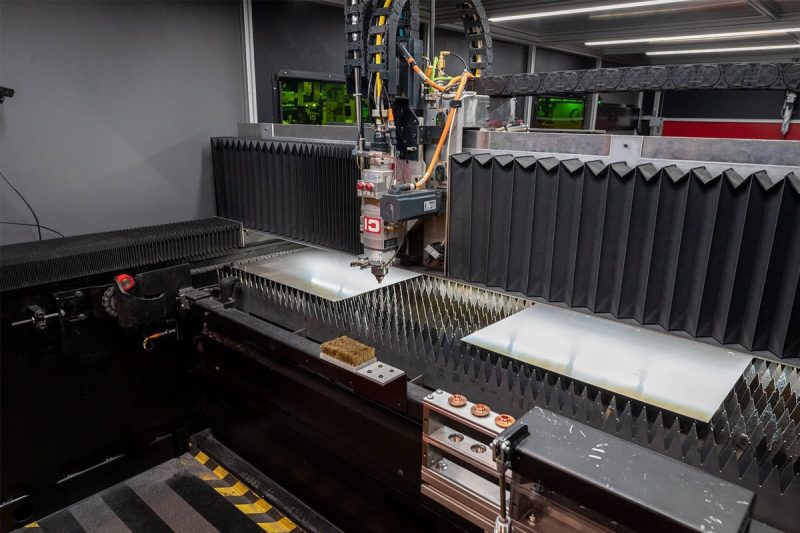
Laserové řezací stroje jsou obecně vybaveny objektivy s různou ohniskovou vzdáleností v závislosti na aplikaci. Objektivy s krátkou ohniskovou vzdáleností jsou vhodnější pro zpracování tenkých plechů, vysoce přesných dílů a složitých kontur; objektivy s dlouhou ohniskovou vzdáleností jsou vhodnější pro silné plechy, řezání s vysokým výkonem nebo materiály s výraznými povrchovými vlnami. Pochopení významu a funkce ohniskové vzdálenosti pomáhá obsluze upravit optimální parametry pro různé materiály a pracovní podmínky a dosáhnout tak ideálních výsledků řezání.
Vliv ohniskové vzdálenosti na řezné vlastnosti
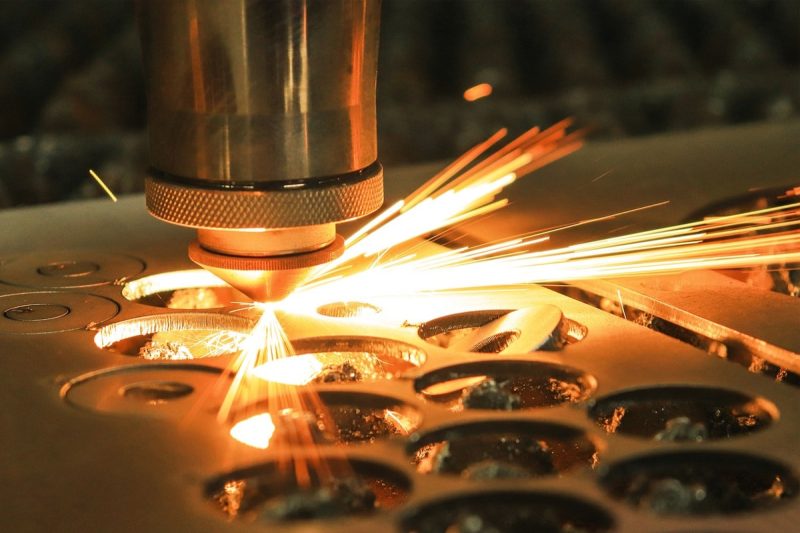
Jádrem laserového řezání je zaostřování a řízení světelné energie. Čočky s různými ohniskovými vzdálenostmi mění rozložení energie laserového paprsku na povrchu materiálu, čímž ovlivňují hloubku řezu, šířku řezné spáry, kvalitu hrany a celkovou rychlost řezání. Pochopení role ohniskové vzdálenosti v těchto klíčových charakteristikách pomáhá uživatelům nalézt optimální řešení pro skutečné zpracování, což zlepšuje efektivitu řezání a kvalitu zpracování.
Ohnisková vzdálenost a hloubka řezu
Změny ohniskové vzdálenosti přímo určují schopnost laserového paprsku proniknout materiálem. Čočky s krátkou ohniskovou vzdáleností mohou generovat vyšší hustotu energie, což vede k silnějšímu zaostření paprsku na povrch materiálu. Proto při řezání tenkých plechů mohou rychle proniknout materiálem a dosáhnout hlubších a ostřejšího řezu. Při řezání silnějších materiálů však mají krátké ohniskové vzdálenosti menší hloubku ostrosti a laserová energie je náchylná k útlumu během průniku, což vede k nerovnoměrnému povrchu řezu.
Naproti tomu objektivy s dlouhou ohniskovou vzdáleností mají širší rozsah hloubky ostrosti a laserová energie je v tlustých plechech rovnoměrněji rozložena, což umožňuje stabilní hloubkové řezání. Krátké ohniskové vzdálenosti jsou vhodné pro vysokorychlostní řezání tenkých plechů, zatímco dlouhé ohniskové vzdálenosti jsou vhodnější pro hluboké řezání tlustých plechů. Volba správné ohniskové vzdálenosti umožňuje udržet ideální hloubku řezu a průnik pro různé tloušťky materiálu.
Ohnisková vzdálenost a šířka řezné spáry
Šířka řezné spáry odráží přesnost řezu. Čočky s krátkou ohniskovou vzdáleností mohou díky své silné zaostřovací schopnosti a menšímu průměru bodu vytvářet extrémně jemné řezné spáry, což je činí obzvláště vhodnými pro obrábění součástí vyžadujících vysokou přesnost a vysokou kvalitu povrchu. Vzhledem k jejich kratší hloubce ostrosti však mohou i malé odchylky v ohniskové poloze snadno vést k nerovnoměrným řezným spárám nebo ablaci hran.
Objektivy s dlouhou ohniskovou vzdáleností mají větší velikost řezného bodu a mírně širší řeznou spáru, ale jejich větší hloubka ostrosti je činí méně náročnými na rovinnost materiálu, takže jsou vhodnější pro obrábění silných plechů nebo nerovných povrchů. Pokud jsou primárními požadavky přesnost a detaily, měla by se použít krátká ohnisková vzdálenost; pokud je kladen důraz na stabilitu řezu a přizpůsobivost materiálu, je výhodnější dlouhá ohnisková vzdálenost.
Ohnisková vzdálenost a kvalita hran
Kvalita hran je důležitým ukazatelem pro hodnocení výsledků řezání. Řezání s krátkou ohniskovou vzdáleností vytváří malou velikost bodu a koncentrovanou energii, což má za následek hladké hrany a minimální otřepy. Pokud je však výkon laseru příliš vysoký nebo je zaostření nesprávně nastaveno, mohou se snadno objevit tavné stopy.
Zatímco delší ohniskové vzdálenosti nabízejí o něco nižší přesnost řezu, jejich větší hloubka ostrosti vede k rovnoměrnějšímu rozložení světelné energie a menší tepelně ovlivněné zóně, čímž se zachovávají hladké hrany a minimalizuje deformace při řezání silných plechů. Kratší ohniskové vzdálenosti dosahují přesné a jemné kvality hran, zatímco delší ohniskové vzdálenosti nabízejí lepší rovnováhu mezi stabilitou a estetikou při řezání silných plechů.
Ohnisková vzdálenost a řezná rychlost
Rychlost řezání laserem úzce souvisí s hustotou světelné energie. Čočky s kratší ohniskovou vzdáleností koncentrují energii efektivněji, což umožňuje vyšší řezné rychlosti při zpracování tenkých plechů; zatímco delší ohniskové vzdálenosti mají díky nižší hustotě energie relativně pomalejší řezné rychlosti, ale nabízejí stabilní výkon při řezání tlustých plechů s vysokým výkonem a účinně zabraňují tepelné deformaci a opálení. Kratší ohniskové vzdálenosti zlepšují efektivitu výroby, zatímco delší ohniskové vzdálenosti zajišťují stabilitu zpracování. Optimalizace řezné rychlosti by měla komplexně zohledňovat výkon, tloušťku materiálu a parametry ohniskové vzdálenosti.
Stručně řečeno, ohnisková vzdálenost je jedním z klíčových faktorů ovlivňujících výkon laserových řezacích strojů. Objektivy s krátkou ohniskovou vzdáleností nabízejí výhody, jako je vysoká přesnost a vysoká rychlost, ale mají kratší hloubku ostrosti a vyžadují přesnější ostření. Objektivy s dlouhou ohniskovou vzdáleností jsou vhodné pro silné plechy a složité materiály, kde poskytují stabilnější řezání, ale s mírně nižší přesností. V reálné výrobě by měla být ohnisková vzdálenost flexibilně volena na základě typu a tloušťky materiálu a požadavků na zpracování, aby se dosáhlo nejlepších výsledků řezání a ekonomických výhod.
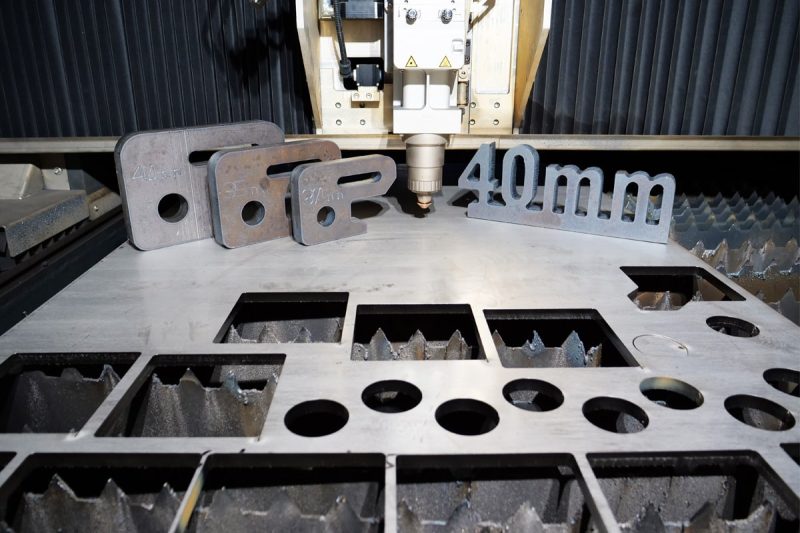
Výhody a nevýhody objektivů s krátkou ohniskovou vzdáleností
Čočky s krátkou ohniskovou vzdáleností se široce používají v technologii laserového řezání, zejména při zpracování tenkých plechů a výrobě vysoce přesných dílů. Čím kratší je ohnisková vzdálenost, tím silnější je zaostření laserového paprsku a vyšší je koncentrace energie, což vede k vyšším rychlostem řezání a jemnějším řezným výsledkům. Krátké ohniskové vzdálenosti však i přes zlepšení řezného výkonu kladou také vyšší nároky na přesnost ostření zařízení, čistotu čoček a provozní stabilitu.
Hlavní výhody objektivů s krátkou ohniskovou vzdáleností
Vyšší hustota energie a rychlost řezání: Čočky s krátkou ohniskovou vzdáleností dokáží stlačit laserový paprsek do menší velikosti bodu, čímž generují extrémně vysokou hustotu energie. To znamená, že při stejném výkonu dokáže světlo roztavit a odpařit materiál za kratší dobu, čímž se výrazně zvýší rychlost řezání. Tato vlastnost je obzvláště vhodná pro vysoce efektivní scénáře hromadné výroby.
Jemnější řezné spáry a hladší hrany: Díky menšímu průměru bodu lze při řezání s krátkou ohniskovou vzdáleností dosáhnout užších řezných spár a hladších řezných hran s relativně menší tepelně ovlivněnou zónou. To je významná výhoda pro průmyslová odvětví, která vyžadují vysokou přesnost, jako jsou elektronické součástky, mechanické díly a dekorativní plechy.
Vhodné pro složitou grafiku a mikroobrábění: Krátké ohniskové vzdálenosti umožňují přesnější řízení energie, díky čemuž jsou lasery flexibilnější při řezání složitých křivek, malých otvorů nebo vzorů. Ať už se jedná o gravírování, obrábění mikrootvorů nebo řezání tenkých plechových struktur, lze dosáhnout vynikající reprodukce detailů.
Řezání s krátkou ohniskovou vzdáleností je díky vysoké hustotě energie, vysoké přesnosti a vysoké rychlosti obzvláště vhodné pro laserové obrábění tenkých plechů a přesných dílů, což z něj činí ideální volbu pro výrobní společnosti, které hledají vysokou efektivitu a vysokou kvalitu.
Omezení a nevýhody krátkých ohniskových vzdáleností
Omezená hloubka ohniskové vzdálenosti a nižší tolerance chyby: Zatímco krátké ohniskové vzdálenosti koncentrují energii, malá hloubka ohniskové vzdálenosti je činí extrémně citlivými na ohnisko. I nepatrné nerovnosti povrchu nebo špatné zaostření mohou rychle snížit kvalitu řezu, což může vést k nerovnoměrnému řezu, hromadění strusky nebo neúplným řezům.
Vyšší riziko poškození materiálu: Vzhledem k vysoce koncentrované energii může řezání vysoce reflexních nebo nízkotavitelných materiálů snadno způsobit ablaci, změnu barvy nebo dokonce nadměrné pronikání. Pokud tento tepelný efekt s vysokou hustotou energie není správně kontrolován, může ovlivnit vzhled a rozměrovou přesnost hotového výrobku.
Vyšší frekvence údržby a náklady: Objektivy s krátkou ohniskovou vzdáleností mají kratší optickou dráhu a koncentrovanější energii v ohniskové oblasti, což je činí náchylnějšími k hromadění prachu nebo tepelné kontaminaci, což ovlivňuje výkon zaostřování. Pro zajištění stability řezu je nutné častější čištění a kalibrace objektivu, což zvyšuje náklady na údržbu.
Krátké ohniskové vzdálenosti sice nabízejí vynikající rychlost a přesnost, ale vyžadují více od obsluhy a složitější údržbu. Pro dosažení vysoce kvalitního zpracování je nezbytné zajistit čistotu zařízení, přesné zaostření a stabilní ovládání optické dráhy.
Celkově je laserové řezání s krátkou ohniskovou vzdáleností vhodné pro tenké plechy, vysokorychlostní výrobu a přesné obrábění dílů, což výrazně zlepšuje kvalitu řezu a efektivitu výroby. Není to však univerzální řešení. U silných plechů nebo materiálů s nepravidelným povrchem mohou krátké ohniskové vzdálenosti vést k nestabilnímu řezání v důsledku nedostatečné hloubky ostrosti. Pouze kombinací materiálových charakteristik, konfigurace zařízení a výrobních požadavků a racionálním sladěním parametrů ohniskové vzdálenosti lze dosáhnout rovnováhy mezi výkonem a kvalitou.
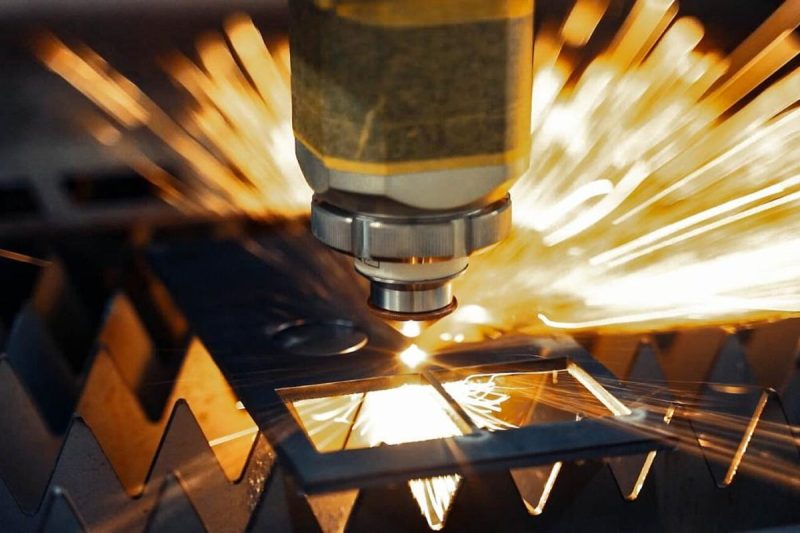
Výhody a nevýhody objektivů s dlouhou ohniskovou vzdáleností
Objektivy s dlouhou ohniskovou vzdáleností hrají klíčovou roli při řezání silných plechů laserem a při zpracování vysoce výkonným laserem. Ve srovnání s objektivy s krátkou ohniskovou vzdáleností nabízejí objektivy s dlouhou ohniskovou vzdáleností větší hloubku ostrosti, širší rozsah rozložení energie a lepší přizpůsobivost materiálu. Během řezání si udržují stabilní kvalitu bodu a dosahují dobré konzistence řezu i u mírně nerovných povrchů materiálu. Tyto objektivy však mají i omezení, často dosahují horších výsledků než systémy s krátkou ohniskovou vzdáleností, pokud jde o přesnost a rychlost.
Klíčové výhody objektivů s dlouhou ohniskovou vzdáleností
Větší hloubka ostrosti a vyšší tolerance zpracování: Větší hloubka ostrosti objektivů s dlouhou ohniskovou vzdáleností znamená širší rozsah vysoké hustoty energie zachované v materiálu. Díky tomu jsou stabilnější při řezání silných plechů nebo materiálů s určitými povrchovými nerovnostmi a méně náchylné k ovlivnění kvality řezu v důsledku posunu ohniska. Tato vlastnost je obzvláště důležitá pro průmyslové aplikace s chybami tolerance nebo mírnými vibracemi.
Snížené riziko poškození materiálu a plynulejší řezání: Díky relativně rovnoměrnému rozložení energie a menší tepelně ovlivněné zóně u objektivů s dlouhou ohniskovou vzdáleností je akumulace tepla během řezání snadněji kontrolovatelná, což účinně snižuje riziko tavení, připálení nebo deformace. Díky tomu je řezání bezpečnější a stabilnější. uhlíková ocel, nerezová ocel, hliník desky a reflexní materiály.
Nízká frekvence údržby a delší životnost objektivu: Delší optická dráha objektivu s dlouhou ohniskovou vzdáleností má za následek nižší tepelné zatížení povrchu objektivu laserovou energií, což snižuje riziko optické kontaminace nebo tepelného poškození v důsledku vysokých teplot. Ve srovnání se systémy s krátkou ohniskovou vzdáleností je méně závislý na čistotě objektivu a přesnosti ostření, což umožňuje delší cykly údržby a tím i nižší provozní náklady v dlouhodobém horizontu.
Díky velké hloubce ostrosti, nízkému tepelně ovlivněnému pásmu a vysoké stabilitě jsou objektivy s dlouhou ohniskovou vzdáleností ideální pro řezání silných plechů a zpracování s vysokým výkonem, zejména vhodné pro průmyslové aplikace vyžadující vysokou stabilitu a konzistenci.
Omezení a nevýhody objektivů s dlouhou ohniskovou vzdáleností
Mírně nižší přesnost řezu a detaily: Vzhledem k většímu průměru bodu a relativně nižší koncentraci energie u objektivů s dlouhou ohniskovou vzdáleností je šířka řezné spáry větší, což má za následek nižší přesnost ve srovnání se systémy s krátkou ohniskovou vzdáleností. Při zpracování mikrostruktur, zakřivených kontur nebo složitých rytin se u objektivů s dlouhou ohniskovou vzdáleností obtížně dosahuje vysoce přesných detailů.
Relativně pomalá rychlost řezání: Zvýšená ohnisková vzdálenost znamená širší rozsah rozložení laserové energie a nižší hustotu energie na jednotku plochy, což má za následek mírně pomalejší rychlost řezání. Pro hromadnou výrobu tenkých plechů s vysokou účinností se dlouhé ohniskové vzdálenosti nemohou rovnat rychlosti zpracování řešení s krátkou ohniskovou vzdáleností.
Vyšší požadavky na výkon: Pro zajištění hloubky řezu a průniku obvykle vyžadují systémy s dlouhou ohniskovou vzdáleností laserové generátory s vyšším výkonem. To zvyšuje spotřebu energie a investice do zařízení, což může vést k vyšším provozním nákladům pro malé a střední výrobní podniky.
Přestože dlouhé ohniskové vzdálenosti nabízejí vynikající hloubku ostrosti a stabilitu, mají inherentní omezení v rychlosti řezání a přesnosti. V aplikacích s tenkými plechy nebo vysoce přesným obráběním může být jejich výkon horší než u systémů s krátkou ohniskovou vzdáleností.
Celkově spočívají výhody laserového řezání s dlouhou ohniskovou vzdáleností v jeho stabilních, spolehlivých a vysoce tolerantních charakteristikách zpracování, díky čemuž je ideální pro řezání silných plechů, vysoce výkonné zpracování a materiály s nerovnými povrchy. Navzdory drobným nedostatkům v rychlosti a přesnosti řezání lze s vhodnou konfigurací výkonu a optimalizací parametrů řezání dosáhnout vynikajících výsledků řezání i s dlouhou ohniskovou vzdáleností. V praktických aplikacích by společnosti měly komplexně volit ohniskovou vzdálenost na základě faktorů, jako je tloušťka materiálu, typ výroby a výkon zařízení, aby dosáhly nejlepší rovnováhy mezi efektivitou, kvalitou a náklady.

Faktory, které je třeba zvážit při výběru ohniskové vzdálenosti
Při řezání laserem není ohnisková vzdálenost fixním parametrem; vyžaduje komplexní posouzení na základě vlastností materiálu, tloušťky, požadavků na řezání a konfigurace zařízení. Různé ohniskové vzdálenosti odpovídají různým optickým výkonům a charakteristikám řezání. Pouze vědeckým výběrem ohniskové vzdálenosti lze dosáhnout optimální rovnováhy mezi rychlostí, přesností a stabilitou.
Typ materiálu
Různé materiály mají různou míru absorpce, odrazivost a tepelnou vodivost laserových paprsků, a proto vyžadují různé ohniskové vzdálenosti. Například uhlíková ocel a nerezová ocel mají vysokou míru absorpce laseru a čočky s krátkou ohniskovou vzdáleností mohou snadno dosáhnout vysoce kvalitního řezání; zatímco vysoce reflexní materiály, jako je hliník a měď, snadno odrážejí laserovou energii, použití čoček s dlouhou ohniskovou vzdáleností může snížit riziko poškození čočky a dosáhnout stabilnějšího procesu řezání.
Navíc u křehkých materiálů (jako je keramika nebo sklo) pomáhá volba čočky s větší hloubkou ostrosti kontrolovat tepelné namáhání a zabránit praskání hran. Různé materiály se výrazně liší přizpůsobivostí ohniskovým vzdálenostem; ohnisková vzdálenost by měla být přizpůsobena absorpčním charakteristikám materiálu, aby bylo zajištěno stabilní a bezpečné řezání.
Tloušťka materiálu
Tloušťka materiálu je jedním z klíčových faktorů určujících výběr ohniskové vzdálenosti. Při obrábění tenkých plechů se čočky s krátkou ohniskovou vzdáleností soustředí na energii pro vysokorychlostní řezání a extrémně jemné řezné spáry, což je činí ideálními pro materiály, jako je nerezová ocel a uhlíková ocel (tloušťka 0,5–6 mm). Pokud však tloušťka materiálu přesáhne 10 mm, nedostatečná hloubka ostrosti čoček s krátkou ohniskovou vzdáleností způsobuje útlum energie, což vede k hromadění strusky nebo nerovnoměrnému tavení na řezném povrchu. V takových případech čočky s dlouhou ohniskovou vzdáleností s větší hloubkou ostrosti a rovnoměrnějším rozložením energie lépe zajišťují průnik řezu a stabilitu řezné spáry u silnějších plechů.
Používání krátkých ohniskových vzdáleností pro tenké plechy a dlouhých ohniskových vzdáleností pro silné plechy je nejběžnější konfigurací při řezání laserem. Správné nastavení ohniskové vzdálenosti výrazně zlepšuje kvalitu a efektivitu řezání.
Řezné charakteristiky a procesní požadavky
Různé řezné cíle odpovídají různým prioritám procesu. Pokud úkol zpracování klade důraz na detail, přesnost a hladké hrany, jako je výroba elektronických součástek, gravírování log nebo vysoce kvalitních dekorativních dílů, jsou vhodnější krátké ohniskové vzdálenosti. Pokud je řezným cílem konstrukční prvek, rám zařízení nebo svařované díly z tlustého plechu, je důraz kladen na konzistenci hloubky řezu a pevnosti. V tomto případě je paprsek s dlouhou ohniskovou vzdáleností stabilnější a dosahuje se lepší celkové kvality.
Dále pro scénáře vyžadující smíšené zpracování různých tlouštěk (například multifunkční laserové řezací linky) lze pro flexibilní přepínání zvolit objektivy s nastavitelnou ohniskovou vzdáleností nebo systémy automatického ostření. Výběr ohniskové vzdálenosti by měl být založen na cílech procesu – kratší ohniskové vzdálenosti jsou upřednostňovány pro přesnost, zatímco delší ohniskové vzdálenosti jsou vhodnější pro stabilitu.
Specifikace stroje a výkon laseru
Ohnisková vzdálenost úzce souvisí s výkonem laseru a optickým systémem dráhy. Různé modely laserových řezacích strojů se liší úhlem divergence paprsku, strukturou čočky a tvarem bodu, takže stejná ohnisková vzdálenost se může na různých zařízeních chovat odlišně. Například laserové generátory s vysokým výkonem (nad 6 kW) se často kombinují s čočkami s dlouhou ohniskovou vzdáleností, aby se dosáhlo řezání tlustých plechů, zatímco zařízení se středním a nízkým výkonem nemusí být schopna proniknout materiály kvůli nedostatečné hustotě energie při použití dlouhých ohniskových vzdáleností.
Kromě toho má na životnost a stabilitu ohniskové vzdálenosti vliv chladicí systém stroje a prachotěsná konstrukce objektivu. Výběr ohniskové vzdálenosti by měl odpovídat specifikacím stroje, úrovni výkonu a systému objektivů, aby byl zajištěn maximální optický výkon.
Celkově je výběr ohniskové vzdálenosti klíčovým aspektem optimalizace laserového řezacího systému. Nejenže určuje hloubku a rychlost řezu, ale také ovlivňuje kvalitu řezné spáry, přizpůsobivost materiálu a životnost zařízení. Při vývoji technik zpracování by společnosti měly komplexně zvážit typ materiálu, tloušťku, požadavky na řezání a výkon zařízení a optimalizovat parametry na základě skutečných zkušebních dat. Pouze s vědecky sladěnou ohniskovou vzdáleností může laserový řezací stroj dosáhnout komplexního výkonu s vysokou účinností, vysokou stabilitou a vysokou kvalitou.

Shrnout
V oblasti laserového řezání není ohnisková vzdálenost pouze optickým parametrem, ale klíčovým faktorem ovlivňujícím účinnost řezání a kvalitu zpracování. Vhodná ohnisková vzdálenost umožňuje vyšší hustotu energie, přesnější řezné hrany a stabilnější řezné rychlosti, což vede k ideálnímu výkonu při zpracování různých materiálů a tlouštěk. Naopak nevhodná ohnisková vzdálenost, a to i s vysoce výkonným laserovým generátorem, může vést k problémům, jako jsou příliš široké řezné spáry, ablace hran nebo neúplné řezání, což ovlivňuje efektivitu výroby a kvalitu hotového výrobku.
Z praktického hlediska se objektivy s krátkou ohniskovou vzdáleností lépe hodí pro řezání tenkých plechů a vysoce přesné řezání, což je vhodné pro zpracování dílů s vysokými požadavky na detaily; zatímco objektivy s dlouhou ohniskovou vzdáleností jsou vhodné pro řezání silných plechů, složitých struktur nebo materiálů s nerovným povrchem. Při výběru zařízení by společnosti měly komplexně zvážit více faktorů, jako je typ materiálu, hloubka obrábění, rychlost řezu a náklady na údržbu, aby dosáhly rovnováhy mezi náklady a výkonem.
AccTek Laser se zavázala poskytovat vysoce výkonná a vysoce stabilní řešení pro laserové řezání zákazníkům po celém světě. Ať už hledáte jemné zpracování nebo potřebujete vysoce výkonné řezání silných plechů, naše vláknové laserové řezací stroje dokáží dosáhnout optimálních výsledků řezání na základě různých možností ohniskové vzdálenosti. Přesná optická konfigurace, inteligentní systém ostření a stabilní výkon zařízení zefektivňují a zefektivňují váš výrobní proces. Volbou AccTek Laser si vyberete laserové řezání vyšší kvality.

Kontaktní informace
- [email protected]
- [email protected]
- +86-19963414011
- č. 3 zóna A, průmyslová zóna Lunzhen, město Yucheng, provincie Shandong.
Získejte laserová řešení