















How to Control the Quality of Laser Welding
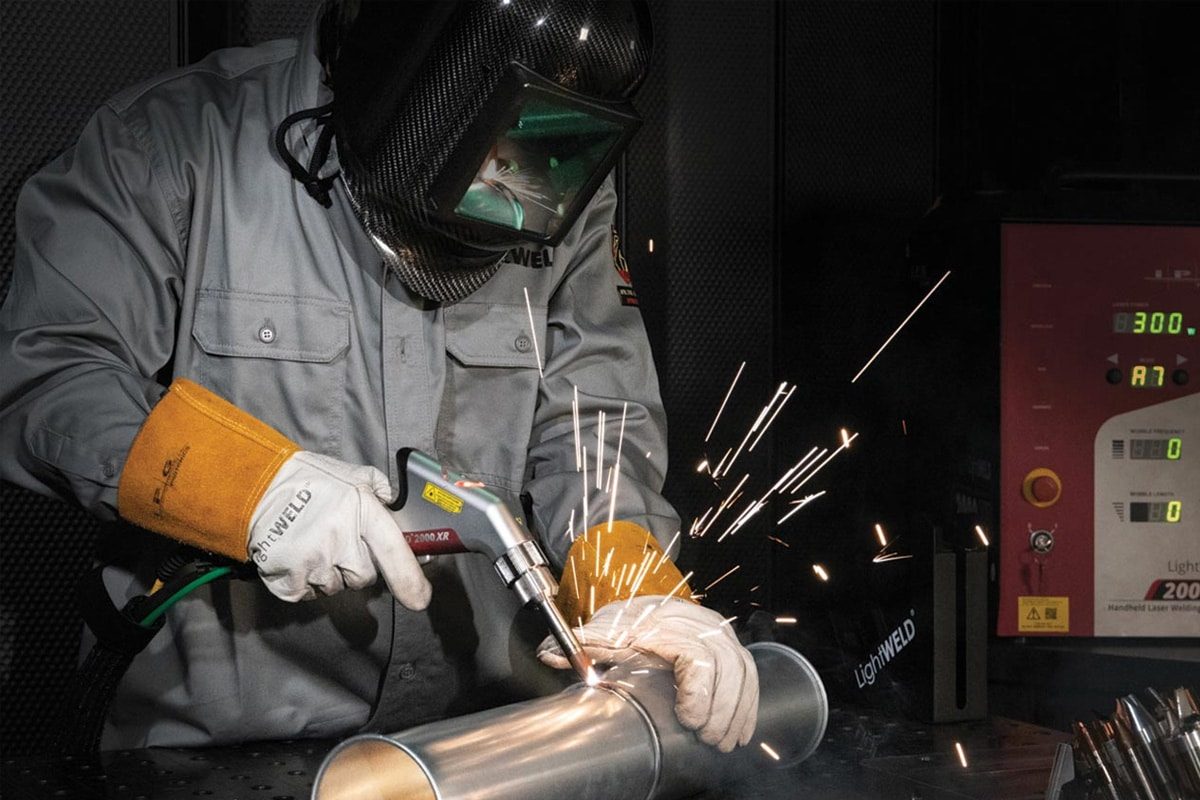
Laser welding, as an efficient and precise metal joining technology, is widely used in automotive manufacturing, aerospace, precision instruments, and other fields due to its three major advantages: non-contact, high energy density, and low deformation. However, achieving stable laser welding quality requires integrating two welding modes, conduction welding and keyhole welding, with comprehensive control of process parameters, material properties, joint design, and environmental conditions. This article systematically explains how to effectively control laser welding quality from the following perspectives.
Obsah
Úvod
In industrial production, laser welding, with its advantages of high energy density, low heat input, and non-contact processing, has become an important metal joining process. This section focuses on the basic mechanisms, typical application scenarios, and key quality control points of two typical laser welding modes: conduction mode welding and keyhole mode welding. Through in-depth analysis of parameters such as laser power, beam shaping, focal position, welding speed, and shielding gas, readers can optimize the process in practical applications, improving weld quality and production efficiency.
Conduction welding mechanism, application and quality control
Mechanismus
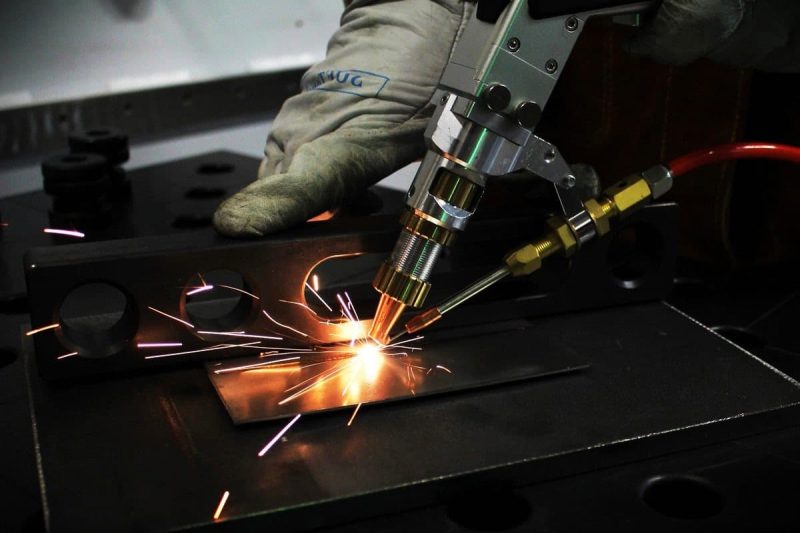
Conduction-mode welding is a laser welding method based on heat conduction. After being focused by an optical system, the laser beam strikes the metal surface, causing the surface layer to rapidly absorb energy and reach the melting point, forming a shallow molten pool. Heat from the molten pool then diffuses through the solid metal to the underlying layers, melting deeper layers. Because energy is primarily transferred through heat conduction, the depth of penetration is generally limited by the focal spot diameter and the thermal conductivity of the material.
aplikace
- Thin Sheet Cutting: For metal sheets less than 2mm thick, conduction welding enables high-precision cutting with narrow kerfs and a minimal heat-affected zone.
- Precision Sealing: In areas such as electronic packaging and microfluidic chips, conduction welding enables reliable welding at the micron level.
- Welding of Micro Components: In applications such as sensor cables and micromotor stators, conduction welding can meet stringent control requirements for weld size and heat input.
Quality Control
- Laser power: It must be precisely selected based on the material’s absorption rate and thickness, generally maintaining a range of 20 %-40 % of total power to avoid excessively deep or shallow melt pools.
- Beam shaping: Converting a Gaussian spot distribution to a top-hat distribution improves melt pool uniformity, reduces penetration fluctuations, and reduces the incidence of cracks and porosity defects.
- Focal position: It is recommended to set the focal position 0-1mm below the workpiece surface for optimal penetration and weld formation.
Keyhole welding mechanism, application and quality control
Mechanismus
Keyhole Mode Welding (KMW) achieves this by increasing the laser power density to between 1,000,000 and 10,000,000 W/cm², rapidly vaporizing the metal surface and forming a stable “keyhole” channel within the molten pool. This high energy density allows the laser energy to be directly transferred to the bottom of the molten pool, significantly increasing the penetration depth to over 5mm.
aplikace
- Thick Plate Joining: High-quality, full-penetration welds can be achieved for structural components such as steel and aluminum alloy plates within a thickness range of 3mm-20mm.
- High-strength structural component manufacturing, such as automotive chassis and wind turbine blade roots, requires deep penetration welds to ensure structural strength and sealing performance.
Quality Control
- Welding speed: Typically, maintain a range of 0.5-3.0 m/min to balance penetration and weld formation. A speed too fast can result in incomplete penetration, while a speed too slow can cause over-burning and spatter.
- Focal Position: The focal point can be slightly offset 0.5-2 mm above the workpiece surface to expand the weld pool diameter and ensure a stable keyhole channel.
- Shielding Gas Flow: Shielding gas flow rate is primarily argon or nitrogen, with a recommended flow rate of 10-20 L/min and a distance of 5-8 mm from the nozzle to prevent atmospheric oxidation and slag removal.
Conduction welding is suitable for joining thin plates and precision components, emphasizing precise control of laser power and heat input to avoid defects such as cracks, pores, and lack of fusion. Keyhole welding, on the other hand, is more suitable for medium-thick plates and high-strength structural parts, achieving deep penetration through high power density. The key lies in maintaining keyhole stability and weld consistency. Overall, improving laser welding quality relies on the coordinated optimization of multiple parameters such as laser power, welding speed, focal position, beam shaping, and shielding gas, supplemented by strict pre-weld preparation and real-time monitoring technology, providing a strong guarantee for achieving a high-efficiency, high-quality welding process.
Factors affecting welding quality
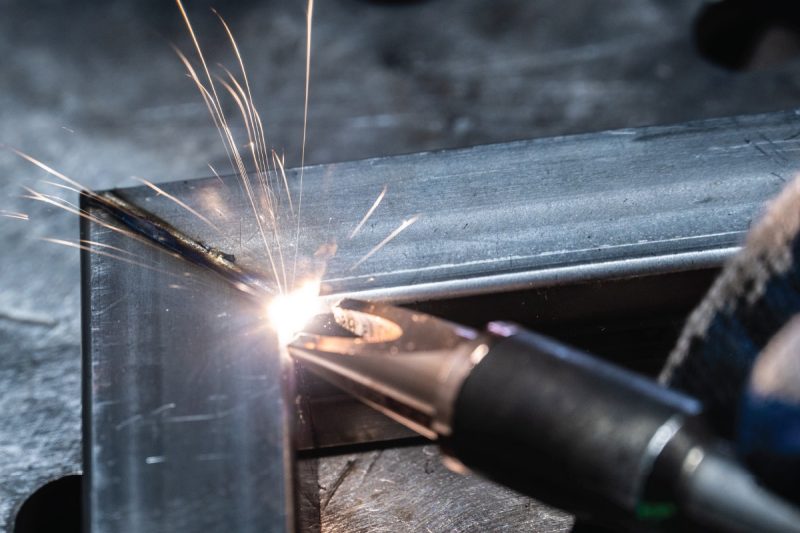
This section will explore the key factors affecting laser welding quality from four perspectives: laser parameters, material properties, joint design, and welding environment. Combining common application scenarios with optimization strategies, this section will help you precisely control each step in actual operation, ensuring uniform welds, controllable penetration depth, and minimal defect rates.
Parametry laseru
Laser parameters directly determine the energy input and heat distribution characteristics, and are the basis for achieving consistent deep penetration and excellent weld morphology.
Výkon laseru
- Risk of Too Low: When power is insufficient, the molten pool energy cannot meet the material melting requirements, resulting in a “lack of fusion” defect and insufficient weld strength.
- Risk of Too High: Excessive power can lead to overburn and porosity, increased surface spatter, and possibly thermal cracking.
- Optimization Practice: Establish a power-speed process window for different materials (nerezová ocel, uhlíková ocel, hliník alloy, etc.) and adjust the laser power density to achieve optimal weld penetration.
Rychlost svařování
- Too fast a speed: Energy retention time on the workpiece is short, resulting in insufficient penetration and a narrow, elongated weld with reduced strength.
- Too slow a speed: Excessive energy, an excessively large weld pool, severe spatter, and a widened heat-affected zone (HAZ), potentially causing deformation.
- Optimization practices: Incorporating real-time weld pool monitoring (such as thermal imaging or optical sensing) allows for dynamic adjustment of welding speed to maintain stable penetration.
Zaměření pozice
- Fine adjustments of the focus within ±0.5 mm relative to the metal surface can significantly alter the spot diameter and energy density distribution, affecting penetration depth and weld width.
- It is recommended to position the focus 0–1 mm below the workpiece surface to balance penetration depth and weld pool shape.
Pulse parameters
- Pulse width and repetition rate jointly determine heat input and cooling rate, which in turn influence microstructure and residual stress.
- In fiber laser welding, combining short pulses with high peak power or long pulses with low peak power can be optimized for thin and thick plates, reducing crack risk and improving weld toughness.
Vlastnosti materiálu
Different metals and alloys behave very differently in laser welding. Understanding the characteristics of the substrate helps in developing a refined process plan.
Base material composition
- Different steel grades, aluminum alloys, and nickel-based alloys have varying laser absorptivity, thermal conductivity, and melting points, requiring separate testing and calibration.
- For example, high-thermal-conductivity aluminum alloys are more sensitive to heat input, and thermal gradients can be reduced through preheating or multiple low-power pulses.
Tloušťka materiálu
- As thickness increases, higher power density and slower welding speeds are required to ensure adequate penetration while avoiding root incomplete penetration.
- When welding medium-thick plates (>5 mm), double-sided welding or pre-formed V-grooves are often used to achieve uniform penetration.
Surface condition
- Oil, rust, and scale reduce laser energy absorption and may form pores in the weld pool.
- Strictly implementing pre-weld preparation procedures such as degreasing and rust removal, polishing, grinding, and ultrasonic cleaning is essential for ensuring weld pool quality.
Connector design
Good joint geometry and accurate assembly play a “decisive” role in weld formation.
Connector configuration
- Common joints include lap joints, butt joints, and V-grooves, each with different heat distribution and penetration requirements.
- In thick plate butt joints, V-grooves, combined with pre-forming processes, can improve penetration efficiency and reduce slag return.
Assembly and alignment
- When the assembly gap exceeds 0.2 mm, the laser has difficulty filling the gap, which can easily result in incomplete fusion or spatter.
- Using high-precision fixtures and real-time laser ranging, alignment errors are controlled within ±0.1 mm.
Edge preparation
- Chamfering and deburring eliminate stress concentrations at sharp corners and improve weld pool fluidity.
- The recommended bevel angle is between 30° and 60° to balance penetration requirements and base material strength.
welding environment
Molten pool protection and thermal stability, which are more susceptible to environmental interference, are important links that cannot be ignored for high-quality welding.
Shielding gas
- Typically, high-purity argon, nitrogen, or a mixed gas is used. The gas flow rate (10-20 L/min) and the distance between the nozzle and the workpiece (5-8 mm) must be strictly controlled.
- Excessive gas flow rates can cause turbulence in the melt pool, while too low a flow rate can ineffectively isolate the weld from atmospheric oxidation.
Ekologické předpoklady
- Wind speed and temperature fluctuations can affect weld pool shape and keyhole stability. Therefore, welding should be performed in a closed, windless cabin with a constant temperature (±2°C).
- For outdoor welding or large components, an air curtain or local gas hood should be installed.
Achieving stable, high-quality laser welding requires comprehensive optimization of laser parameters, a deep understanding of material properties, meticulous design of joint geometry, and welding under a controlled environment. Only by synergizing these various dimensions can the high efficiency and precision of fiber laser welding be fully utilized, achieving the goals of controlled penetration depth, uniform welds, and low defect rates. This provides a solid foundation for improving both production efficiency and structural performance.
Quality Control Technology
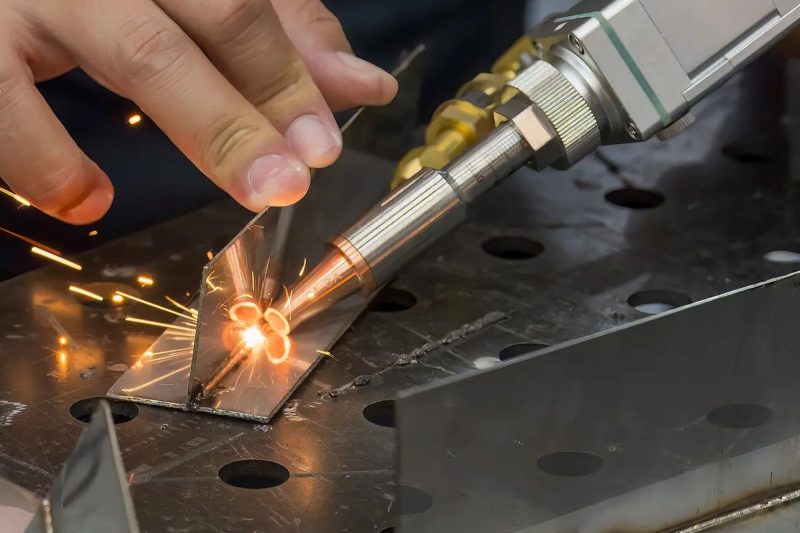
To ensure high stability and consistency during fiber laser welding, stringent quality control techniques must be implemented throughout the entire process, before, during, and after welding. This section will detail the four key aspects of welding: “Pre-weld preparation,” “Laser parameter optimization,” “Real-time monitoring and control,” and “Post-weld inspection and testing,” providing a comprehensive laser welding quality assurance solution.
Preparation before welding
Pre-welding preparation is the first step to ensure the quality of laser welding. Through the refined treatment of materials and joints, defects can be reduced from the source.
- Material Selection: Metals with high absorptivity at 1064 nm or 532 nm wavelengths and moderate thermal conductivity are preferred. For example, stainless steel and titanium alloys have excellent light absorption properties, enabling rapid and stable melt pool formation at low power.
- Surface Cleanliness: Surface oil, oxide layers, or residual flux can interfere with the absorption and transmission of laser energy, resulting in localized overburning or incomplete fusion. A combination of chemical degreasing (alkaline or weakly acidic cleaning agents), ultrasonic degreasing, and mechanical polishing is recommended to ensure a smooth and contamination-free workpiece surface.
- Joint Preparation: The gap between butt joints should be controlled to within 0.1 mm–0.2 mm, and high-precision surface grinding or CNC machining should be used to ensure surface flatness (Ra ≤ 1.6 μm). Appropriate groove design (30°–60° V-groove) can improve weld penetration consistency and reduce slag return.
Optimalizace parametrů laseru
Accurate laser parameter optimization can effectively control the molten pool morphology and weld geometry, and is the key to improving weld strength and surface quality.
- Power Density Control: By adjusting the focal length of the focusing lens or varying the beam diameter, the power density is maintained within the optimal range of 1×10⁶–1×10⁷ W/cm². For thin plate applications, the power density can be appropriately reduced to minimize the heat-affected zone. For deep penetration welding of thick plates, the power density can be increased, and the welding speed can be slowed.
- Beam Shaping: While a Gaussian spot allows for rapid focusing, it can also produce a “hotspot effect” with excessively high peaks, leading to overburning and porosity. Using a top-hat shaping lens or optical diffraction elements can achieve a more uniform spot energy distribution, ensuring a smooth weld pool edge and spatter-free weld surface.
- Focus Adjustment: Using an automatic calibration system, focus scanning and calibration are performed before welding to ensure focus position accuracy within ±0.2 mm. During long welding strokes, the motorized focus mechanism can be used for real-time fine-tuning to maintain consistent penetration depth.
Real-time monitoring and control
During the welding process, the online control system based on molten pool monitoring and closed-loop feedback can identify and correct deviations in the first place to avoid welding defects.
- Adaptive control system: Utilizes reflected light intensity from the molten pool surface or infrared thermal imaging data to automatically adjust laser power and welding speed. For example, if the molten pool width narrows, the system instantly reduces the welding speed or increases the power to maintain stable penetration depth and width.
- Closed-loop feedback: High-speed cameras or optical sensors capture weld morphology and temperature distribution. Combined with PID or fuzzy control algorithms, this system enables real-time closed-loop adjustment of the molten pool temperature and keyhole depth, significantly reducing defects such as porosity, cracks, and spatter.
- Machine learning algorithm: Historical welding data (including process parameters, spectral signals, and defect annotations) is fed into a deep learning model for defect prediction and intelligent optimization. As the number of samples accumulates, the system’s adaptability to new workpieces and its prediction accuracy continuously improve.
Post-weld inspection and testing
Strict post-weld inspection and testing is the last link in the quality control closed loop, which can quantitatively evaluate the welding effect and guide process improvement.
- Visual Inspection: Take high-definition photos or examine the weld surface under a microscope to observe weld width, weld penetration consistency, and surface spatter. Any noticeable dents, pores, or cracks require immediate rework or process adjustment.
- Nondestructive Testing (NDT): Use X-ray or ultrasonic testing to image and analyze internal pores, slag inclusions, and cracks to ensure the weld is free of critical defects. For critical structural components, magnetic particle testing and penetrant testing can be combined to increase inspection coverage.
- Destructive Testing: Tensile, bend, and impact toughness tests are performed on test weld specimens to quantify weld strength and fracture modes. Test results can be used to calibrate weld penetration requirements and optimize groove angles and laser parameters.
Quality control technology encompasses the entire process, from pre-weld preparation and laser parameter optimization to real-time monitoring and control and post-weld inspection and testing. High-standard pre-weld material and joint preparation, refined beam shaping and power density adjustment, online intelligent adjustment based on closed-loop feedback and machine learning, and multi-level non-destructive and destructive testing enable fiber laser welding to achieve superior weld quality with uniform welds, controlled penetration depth, and low defect rates, providing a solid foundation for downstream manufacturing and assembly.
Výzvy a řešení
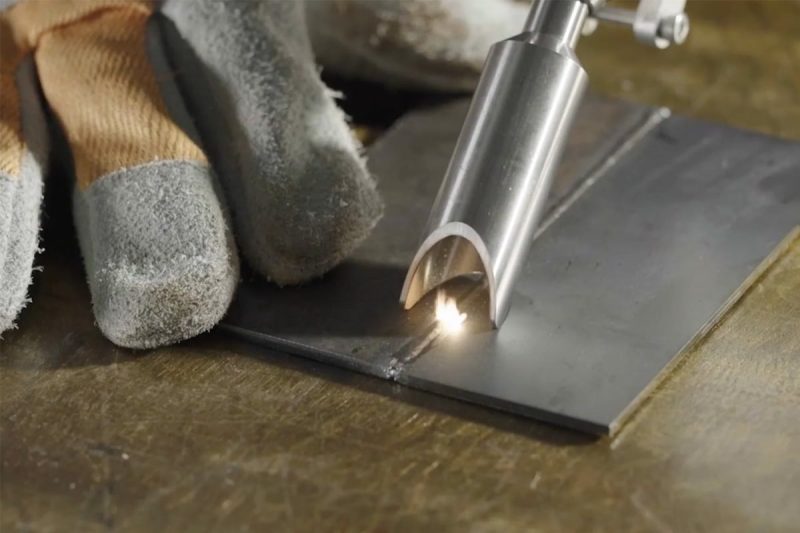
Even with advanced equipment and precise process parameters, laser welding applications still face challenges such as thermal management, material reflectivity, and process stability. Improperly addressing these issues can not only compromise the structural integrity of the weld but also reduce production efficiency and end product consistency. This section will analyze these common challenges in detail and offer practical solutions.
Tepelný management
challenge:
Laser welding is a high-energy-density process. The beam’s energy is concentrated on the material surface in a very short period of time, which can easily cause localized overheating and expansion of the heat-affected zone (HAZ). This can lead to changes in material structure and the accumulation of residual stress, ultimately causing weld deformation and even cracking. This is particularly noticeable when processing thin plates and precision parts.
Řešení:
- Multi-point cooling: Multiple mist cooling nozzles or compressed air nozzles are placed on both sides of the weld to quickly remove excess heat without disrupting the weld pool’s stability.
- Bottom-mounted water-cooling fixture: For medium-thick plates, a fixture with a water-cooling circulation system can be used to quickly dissipate heat away from the weld area, reducing deformation and internal stress.
- Segmented welding and skip welding techniques: For long welds, weld in sections and stagger the welding sequence to minimize heat buildup.
Odrazivost materiálu
challenge:
Certain metals (such as aluminum, copper, and their alloys) have high reflectivity (over 90%) at laser wavelengths. This reflects a significant amount of energy into the optical path, affecting melt pool formation and potentially damaging the laser generator’s optical components. High reflectivity also requires higher input power to reach the melting threshold, increasing energy consumption and costs.
Řešení:
- Anti-reflective coating: Spraying a specialized absorptive coating (such as graphite coating or blackening treatment) on the weld area significantly reduces reflectivity and improves initial energy absorption efficiency.
- Preheating: Preheating the workpiece to 100–300°C changes the surface state and electronic structure of the material, thereby increasing laser absorption and reducing energy reflection loss.
- Selecting the appropriate laser wavelength: For example, copper has a higher absorption rate for green lasers (515 nm) and blue lasers (450 nm), so laser generators with corresponding wavelengths can be used directly.
Process stability
challenge:
Laser welding is extremely sensitive to process parameters such as focus position, laser power, and shielding gas flow rate. Even minor disturbances (such as workpiece vibration, thermal expansion, and gas flow rate fluctuations) can lead to weld defects such as keyhole collapse, porosity, and excessive spatter. This poses a challenge to quality consistency in mass production.
Řešení:
- Standardized process flow: Strict process specifications are established, including equipment preheating, alignment and calibration, and shielding gas switching time, to minimize human error.
- Online monitoring system: High-frame-rate cameras, optical sensors, or acoustic sensors are deployed to collect real-time dynamic data on the weld pool and keyhole, and are integrated with the process control system.
- Automated keyhole stability control: Closed-loop feedback adjusts power and welding speed to ensure constant keyhole depth and diameter, reducing defects caused by unstable factors.
The high precision and efficiency of laser welding often come with technical challenges such as thermal management, material reflectivity, and process stability. These challenges can be effectively addressed by employing multi-point spray cooling and water-cooled fixtures to mitigate thermal deformation, utilizing anti-reflective coatings and preheating to improve energy absorption efficiency, and combining standardized processes with online monitoring to maintain process stability. For international trade customers, laser welding solutions that overcome these challenges not only ensure weld strength and aesthetics but also maintain consistent high-quality standards in mass production, thereby enhancing the market competitiveness of manufacturers.
Shrnout
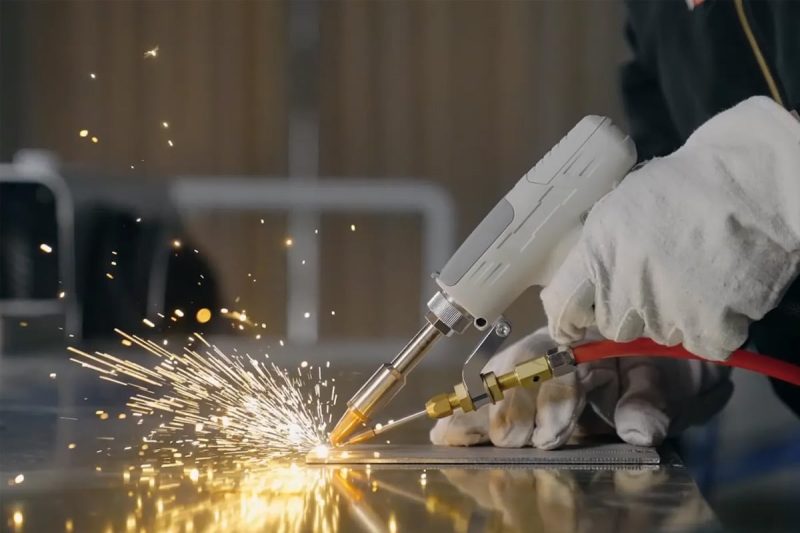
By deeply understanding the mechanisms of conduction welding and keyhole welding, and rationally controlling key parameters such as laser power, welding speed, and focal position, combined with comprehensive pre-weld preparation, real-time monitoring, and post-weld inspection techniques, laser welding quality can be effectively improved. To address the challenges of thermal management, material reflectivity, and process stability, solutions such as water-cooled fixtures, anti-reflection pretreatment, and online adaptive control should be implemented.
As a leading supplier of laser welding equipment, AccTek Laser has many years of practical experience in fiber laser welding applications. We not only provide high-performance laserové svařovací stroje and comprehensive automated control systems, but also customize optimized welding processes to meet customer needs. Learn more about AccTek Laser’s laser welding solutions and work together to create an efficient and reliable future for welding.

Kontaktní informace
- [email protected]
- [email protected]
- +86-19963414011
- č. 3 zóna A, průmyslová zóna Lunzhen, město Yucheng, provincie Shandong.
Získejte laserová řešení