

















Pochopení vlivu laserového svařování na mechanické vlastnosti svařovaných materiálů
In manufacturing, the mechanical properties of welded joints directly determine the safety, reliability, and service life of products. Even if a weld appears continuous, uniform, and well-formed, insufficient strength, limited ductility, or significantly reduced toughness can lead to brittle fracture or fatigue failure under long-term loads, impacts, or alternating stresses, posing significant safety hazards. Especially in pressure vessels, automotive structural components, aerospace, and high-end equipment manufacturing, welded joints are often the weakest link in the overall structure, and their mechanical properties have become a core indicator for evaluating weld quality, not just the integrity of the weld surface.
Laserové svařovací stroje, with its advantages of high energy density, fast welding speed, and controllable heat input, is widely used in modern manufacturing, enabling high-precision, low-deformation, and excellent-looking welds. However, the extremely rapid heating and cooling rates during laser welding significantly alter the microstructure of the weld zone and heat-affected zone, such as grain refinement, non-equilibrium transformation, or the formation of hard and brittle phases, thus profoundly affecting the strength, ductility, toughness, and fatigue resistance of the material. Improper control of process parameters may induce problems such as residual stress concentration, microcracks, or non-uniform performance. Therefore, this paper systematically analyzes the influence mechanism of laser welding on the mechanical properties of materials, reveals the intrinsic causes of performance degradation, and proposes practical strategies to maintain or even improve the mechanical properties of welded joints through process optimization, material matching, and post-processing.
Obsah
The Core Impacts of Laser Welding on Mechanical Properties
The mechanical properties of materials encompass multiple aspects, and the laser welding process affects these properties in various ways. Understanding these effects is crucial for assessing the suitability of welded joints.
Changes in Strength Characteristics
Tensile strength is the most commonly used indicator for evaluating welded joints. After laser welding, the joint strength is typically lower than that of the base material; this phenomenon is known as “joint efficiency.” For low-carbon steel, joint efficiency can reach 90-100%, with weld strength comparable to or even higher than the base material. However, for precipitation-strengthened aluminum alloys such as 6061-T6, joint efficiency may only be 70-80%, with significant softening of the weld and heat-affected zone.
Recent research in 2026 indicates that weld strength is influenced by both the fusion zone and the heat-affected zone. The strength of the fusion zone depends on the solidification structure; rapid cooling forms fine grains that contribute to increased strength. However, excessively rapid solidification can lead to the formation of a hard, brittle phase, which, while exhibiting high hardness, has poor plasticity and is prone to cracking under tension. The strength variation in the heat-affected zone is more complex and varies depending on the material.
Yield strength is equally important, as it determines the critical stress at which a material begins plastic deformation. Laser welding can increase or decrease yield strength depending on changes in the microstructure. In steel, the yield strength increases significantly if martensite forms in the heat-affected zone after welding. In aluminum alloys, the dissolution of the strengthening phase leads to a decrease in yield strength. The yield strength of the weakest point must be considered in the design to ensure a safety factor.
Hardness distribution reflects the microstructure changes in the welded area. Hardness typically exhibits a gradient distribution from the base material to the weld. Areas with excessively high hardness are prone to embrittlement, while areas with excessively low hardness become weak points. An ideal hardness distribution should have a smooth transition, avoiding sharp hardness peaks or valleys. The hardness distribution can be adjusted to some extent by controlling the welding heat input and cooling rate.
Ductility and Plastic Response
Ductility describes a material’s ability to withstand plastic deformation before fracture, typically measured by elongation after fracture. Laser welding often reduces the ductility of the joint, which is detrimental to applications requiring forming or energy absorption. The ductility of the weld metal is generally lower than that of the base metal due to defects such as segregation, porosity, or inclusions in the solidification structure.
The loss of ductility in the heat-affected zone (HAZ) is particularly pronounced in some materials. After welding aluminum alloys, the HAZ experiences a decrease in both strength and ductility; this “double softening” phenomenon limits joint performance. In high-strength steel welding, if coarse grains or brittle phases form in the HAZ, ductility drops sharply, making the HAZ prone to fracture under tension.
Reduction of area is another indicator of ductility, particularly in the thickness direction. Rapid cooling in laser welding can lead to poor z-axis performance, especially when lamellar defects are present in the weld. For structures subjected to complex stresses, a comprehensive assessment of ductility in all directions is necessary; uniaxial tensile data alone are insufficient.
Bending performance testing provides a more direct reflection of ductility. A good welded joint should be able to withstand a 180-degree bend without cracking. If the weld or heat-affected zone cracks during bending, it indicates insufficient ductility, which may be due to improper welding parameters or problematic material selection. Post-weld heat treatment can improve ductility, but it increases costs and procedures.
Toughness and Fracture Resistance
Toughness describes a material’s ability to resist crack propagation and is crucial for avoiding brittle fracture. The high cooling rate of laser welding can lead to the formation of coarse columnar crystals or brittle phases, reducing toughness. Impact toughness tests (such as the Charpy impact test) can quantitatively evaluate the toughness of welded joints under dynamic loads.
Low-temperature toughness is a critical requirement for some applications. Welded joints in ships, offshore platforms, and cryogenic storage tanks must maintain sufficient toughness at low temperatures. The rapid cooling of laser welding often leads to a decrease in low-temperature toughness, especially for materials with a body-centered cubic crystal structure such as ferritic steels. Low-temperature toughness can be improved by controlling the chemical composition and microstructure of the weld metal.
Fracture toughness, expressed as the K-value or J-integral, describes a material’s ability to withstand cracks. Welding defects such as porosity, inclusions, and lack of fusion are equivalent to pre-cracks and significantly reduce fracture toughness. Even small defects can propagate into catastrophic cracks under alternating loads. Improving weld quality and reducing defects are fundamental to ensuring fracture toughness.
The ductile-brittle transition temperature is an important indicator for evaluating material toughness. Materials become brittle below their transformation temperature and are prone to brittle fracture. Welding can alter the transformation temperature; coarse grains and the presence of certain phases can raise the transformation temperature, causing the material to become brittle at higher temperatures. For structures operating in cryogenic environments, it is essential to ensure that the operating temperature is above the ductile-brittle transition temperature.
Fatigue Performance
Fatigue is the most common failure mode in welded structures, with most fatigue cracks originating in the weld zone. Laser welding has multifaceted effects on fatigue performance, with both advantages and disadvantages. A narrow heat-affected zone and precise weld formation are advantageous, but residual tensile stress and potential defects are detrimental to fatigue resistance.
High-cycle fatigue performance is primarily influenced by surface quality and residual stress. Laser-welded surfaces are typically smooth, reducing stress concentration and thus improving fatigue life. However, defects such as undercut, indentations, or spatter can become fatigue crack initiations. Surface grinding and shot peening can significantly improve fatigue strength.
Low-cycle fatigue involves significant plastic deformation, demanding higher ductility and toughness from the material. Loss of ductility in laser-welded joints reduces low-cycle fatigue life. Under cyclic stress, hard and brittle welds or heat-affected zones are more prone to damage accumulation and premature microcrack formation. Improving microstructure uniformity and avoiding localized hardening or softening helps improve low-cycle fatigue performance.
Residual stress has a significant impact on fatigue life. Tensile residual stress is equivalent to preloading, reducing the amount of applied stress the material can withstand. Studies have shown that high tensile stress in welds can reduce fatigue life by more than 50%. Stress-relieving heat treatment or shot peening introduces compressive stress, which can partially offset residual tensile stress and extend fatigue life.
The fatigue crack propagation rate determines the time from crack initiation to fracture. Coarse columnar grains provide a rapid pathway for crack propagation, reducing remaining life. Fine, uniform grains can hinder crack propagation and extend service life. The microstructure control of the weld has a significant impact on fatigue crack propagation resistance.
Overall, laser welding, through its high energy density and rapid thermal cycling, has a systematic and profound impact on the strength, ductility, toughness, and fatigue resistance of welded joints. The microstructure evolution of the weld zone and heat-affected zone determines joint efficiency, yield behavior, and hardness distribution, while the decrease in ductility and toughness often becomes a key factor limiting structural safety. Simultaneously, residual stress, microstructure inhomogeneity, and welding defects significantly affect the initiation and propagation process of fatigue cracks. Only by fully understanding the material properties and the mechanisms of microstructure changes, and by using reasonable welding parameter control, microstructure regulation, and post-processing methods, can we leverage the high precision advantages of laser welding while achieving overall optimization of the mechanical properties and service reliability of the welded joint.
The Intrinsic Mechanism of Material Deterioration During Laser Welding
To control changes in mechanical properties, it is essential to understand what happens inside the material during laser welding. High temperatures and rapid thermal cycling induce a series of physical and chemical changes, ultimately reflected in macroscopic properties.
Microstructural Evolution of the Heat-Affected Zone (HAZ)
The HAZ is the region around the weld that is not melted but is affected by high temperatures. Although the metal remains solid, the temperature is sufficient to cause significant microstructural changes. The width of the HAZ depends on the heat input and the material’s thermal conductivity. The narrow HAZ of laser welding is one of its advantages, but this does not mean that the HAZ’s influence can be ignored.
The overheated zone is adjacent to the fusion line and has the highest temperature, typically exceeding the material’s phase transformation temperature. In this region, grains grow rapidly, potentially reaching several times or even ten times the size of the base material’s grains. Coarse grains reduce strength and toughness, becoming weak points in the joint. For steel, the overheated zone may also undergo a phase transformation, forming a microstructure different from the base material.
The normalizing zone has a moderate temperature, undergoing complete recrystallization but with minimal grain growth. The microstructure in this region is relatively uniform, and its properties are close to those of the base material. For heat-treated materials, the microstructure of the normalized zone may differ from the base material, but the performance difference is minimal. This is the best-performing part of the heat-affected zone.
The partial phase transformation zone involves only partial microstructure transformation, resulting in a mixed microstructure. The properties in this region are highly unstable; hardness can be very high or very low, depending on the degree of phase transformation and the cooling rate. The mixed microstructure often leads to uneven properties and is prone to damage accumulation under alternating loads.
The tempering zone is suitable for quenched materials where the temperature is sufficient to induce tempering but not enough to trigger a phase transformation. Tempering reduces hardness and increases toughness, but it also reduces strength. For materials that rely on high hardness, tempering softening is undesirable. For applications requiring toughness, moderate tempering is actually beneficial.
Grain Growth and Recrystallization Processes
Grain size is a key factor affecting material properties, following the Hall-Petch relationship: finer grains result in higher strength. The high temperatures of laser welding lead to grain growth, especially in the fusion zone and overheated zone. The driving force behind grain growth is the reduction of grain boundary energy; at high temperatures, atomic diffusion accelerates, and grain boundary migration speed increases.
Grain growth characteristics in the fusion zone are unique. Solidification begins at the fusion line, forming columnar grains along the temperature gradient. These grains can penetrate the entire weld thickness and are much larger than the base material grains. Columnar grain structures are anisotropic, with poor properties perpendicular to the growth direction. Rapid solidification can refine the grains, but the combination of laser power and speed needs careful optimization.
The formation of equiaxed grains requires sufficient undercooling and nucleation sites. In the center of the molten pool, if the cooling rate is rapid or there are numerous nucleation sites, equiaxed grains may form. Equiaxed grain structures have isotropic properties and are generally superior to columnar grains. Adding nucleating agents or using electromagnetic stirring can promote equiaxed crystal formation, but this increases process complexity.
Recrystallization occurs in the solid state when a material undergoes plastic deformation and is then heated to a certain temperature. Although laser welding itself does not involve large plastic deformation, some pre-treated materials may recrystallize in the heat-affected zone. Recrystallization can eliminate work hardening and refine grains, but it can also reduce the strength of cold-worked materials.
Grain orientation and texture affect the anisotropy of materials. The directional solidification of laser welding often produces a strong texture, with grains aligned in a specific direction. This texture may be beneficial to some properties but detrimental to others. By controlling the welding direction and parameters, the texture can be adjusted to some extent, thus optimizing performance.
Formation and Distribution of Residual Stress
Residual stress is the self-balancing stress within a material, existing even without external force. Uneven heating and cooling during welding are the main sources of residual stress. The weld metal expands at high temperatures but is constrained by the surrounding cold metal; it contracts during cooling but is also constrained, thus generating residual stress.
Longitudinal residual stress is parallel to the weld direction, typically tensile stress at the weld center and compressive stress on both sides. The peak tensile stress can reach 70-90% of the material’s yield strength, equivalent to the weldment bearing a significant preload. Transverse residual stress is perpendicular to the weld, with a more complex distribution and potentially high values.
The magnitude of residual stress is influenced by various factors. Greater constraint results in higher residual stress; rigidly clamped workpieces generate higher stress than freely welded ones. Higher heat input leads to a larger plastic zone and higher residual stress. This is why the low heat input in laser welding helps reduce residual stress. The material’s coefficient of thermal expansion and modulus of elasticity also affect stress magnitude.
Methods for measuring residual stress include both destructive and non-destructive methods. Drilling and cutting methods measure strain and calculate stress magnitude by releasing stress. X-ray diffraction and neutron diffraction can non-destructively measure surface or internal stress. Ultrasonic methods indirectly measure stress by utilizing the effect of stress on wave velocity. Each method has its applicable scope and limitations.
Residual stress relaxation varies with time and temperature. At room temperature, residual stress may relax slowly, especially for low-strength materials. Under high-temperature service conditions, relaxation accelerates, and the stress level gradually decreases. Cyclic loading can also cause stress relaxation or redistribution. The residual stress after long-term service may differ significantly from that at the initial stage of welding.
During laser welding, material degradation essentially stems from the microstructure evolution, grain behavior, and residual stress formation under the combined effects of high-temperature peaks and rapid thermal cycling. Different subregions within the heat-affected zone exhibit differentiated microstructure characteristics such as grain coarsening, recrystallization, phase transformation, or tempering softening due to varying temperature histories, leading to uneven spatial distribution of mechanical properties. Simultaneously, directional solidification in the fusion zone easily forms columnar crystals and a strong texture, exacerbating material anisotropy, while the introduction of residual tensile stress further weakens the structural safety margin and fatigue life. Understanding these underlying mechanisms provides the theoretical basis for suppressing material performance degradation and improving the reliability of laser-welded joints through process parameter optimization, organizational control, and stress management.
Key Process Factors Affecting Mechanical Performance Changes
Having understood the mechanisms, let’s examine which process factors are most critical and how to optimize mechanical performance by controlling these factors.
Heat Input and Energy Density Control
Heat input is the energy input per unit length of weld seam, equal to power divided by velocity. Heat input directly determines the size of the molten pool, cooling rate, and width of the heat-affected zone. Low heat input is characteristic of laser welding, resulting in a narrow heat-affected zone and small deformation, but it can also lead to rapid cooling and a tendency to harden.
Energy density refers to the laser power per unit area, determined by power and spot size. High energy density can form deep-penetrating keyhole welds, but excessive energy density can cause overheating, spatter, and evaporation losses. Low energy density is suitable for welding thin plate surfaces, with limited penetration capability. The selection of energy density needs to be optimized based on the material and thickness.
The impact of heat input varies greatly depending on the material. High-carbon steel and hardened steel require moderate heat input to control the cooling rate and avoid the formation of hard and brittle martensite. If the heat input is too low, cooling will be too rapid, easily leading to cracking. Conversely, aluminum alloys require the lowest possible heat input to minimize the dissolution of strengthening phases and grain growth.
While the calculation and control of heat input may seem simple, it is actually quite complex. Nominal heat input only considers laser power and velocity, but the actual input energy is also affected by absorptivity, heat conduction, and convection. Material surface conditions and shielding gas composition all alter the effective heat input. Modern laser systems can precisely control power and velocity, but real-time monitoring of effective heat input remains a challenge.
Segmented heat input control is an advanced welding strategy. Different sections of the weld may require different heat inputs: a slightly higher input at the beginning to establish a stable molten pool, normal input in the middle, and a reduced input at the end to prevent burn-through. Welding materials with varying thickness also requires dynamic adjustment of the heat input to adapt to thickness changes.
The Influence of Welding Speed on Welding Speed
Welding speed is closely related to heat input, but its influence extends beyond heat input. Speed also determines the molten pool duration, gas escape time, and solidification conditions. High-speed welding shortens the molten pool duration, potentially leading to porosity due to insufficient gas escape time, but rapid solidification promotes the formation of fine grains.
The effect of speed on cooling rate is not linear. In the low-speed range, increasing the speed significantly increases the cooling rate; in the high-speed range, the cooling rate is less sensitive to speed changes. This implies an optimal speed range within which a fine and uniform microstructure can be obtained. Speeds that are too low or too high can lead to performance degradation.
Different materials exhibit significantly different sensitivities to speed. Aluminum alloys are less sensitive to speed, achieving acceptable performance over a wide speed range. Steels, especially alloy steels, are highly sensitive to speed; small speed changes can lead to significant differences in phase composition. Titanium alloys require strict speed control to avoid the formation of brittle phases.
Speed stability is crucial for consistent quality. Speed fluctuations cause variations in weld width, penetration depth, and performance. The precision of the mechanical transmission system and the response speed of the control algorithm both affect speed stability. High-end laser welding systems are equipped with closed-loop speed control, which can control speed fluctuations to within 1%, ensuring the repeatability of welding quality.
Joint Design and Geometry Optimization
Joint design not only affects the welding process but also directly impacts the stress state and mechanical properties of the joint. Butt joints transfer loads directly through the weld, which must be of equal strength to the base material. Lap joints generate eccentric loads, with the weld bearing combined shear and bending stresses. T-joints and corner joints have more complex stress states, requiring careful analysis during design.
The geometry of the weld affects stress concentration. An ideal weld should smoothly transition to the base material without abrupt changes in cross-section. Weld protrusions or depressions cause stress concentration, reducing fatigue strength. Undercut is a serious source of stress concentration and must be avoided. Weld formation can be improved by optimizing welding parameters and using filler wire.
The root gap has a significant impact on penetration and joint strength. Too small a gap makes laser penetration difficult, potentially resulting in incomplete root fusion. Too large a gap causes molten metal collapse, leading to poor weld formation. For laser welding, the gap should generally be controlled within 5-10% of the plate thickness. High-precision assembly, although costly, is worthwhile for ensuring weld quality.
Double-sided welding can improve joint strength and reliability. When welding thick plates, single-sided welding may result in insufficient penetration or root defects. Welding from both sides, penetrating half the thickness on each side, ensures full-thickness fusion. However, double-sided welding increases the number of steps and costs, and also requires flipping the workpiece or using a double-head welding system.
Úloha tepelného zpracování po svařování
Post-weld heat treatment improves mechanical properties by altering the microstructure and stress state of the weld area. The most common method is stress-relieving heat treatment, which heats the workpiece to a certain temperature and holds it there, allowing residual stress to relax. The temperature is usually below the material’s phase transformation temperature, causing no microstructural changes, but simply releasing stress through creep or plastic deformation.
Tempering is suitable for materials that develop a hard and brittle microstructure after welding. Martensitic stainless steel, high-carbon steel, and some alloy steels require tempering after welding to reduce hardness and improve toughness. Tempering temperature and time are determined based on material and performance requirements, typically in the range of 200-650℃. Tempering slightly reduces strength, but the improvement in toughness and ductility is usually more significant.
Solution treatment followed by aging is the standard heat treatment for precipitation-strengthening materials. Aluminum alloy 6061 suffers severe strength loss after welding. Solution treatment dissolves the strengthening phase, followed by aging precipitation, which can restore most of the strength. However, post-weld heat treatment is costly, and it is difficult to heat large structures as a whole. Localized heat treatment has limited effectiveness and may introduce new stresses.
Normalizing homogenizes the microstructure and eliminates inhomogeneities caused by welding. Heating to the austenitizing temperature and air cooling refines the grains and improves overall properties. Normalizing is primarily used for carbon steel and low-alloy steel. For high-performance materials that have already undergone precise heat treatment, normalizing may damage their original properties and is therefore unsuitable.
Quenching and tempering are used for applications requiring high strength. The entire weld is quenched after welding and then tempered to the desired hardness. This method yields excellent overall properties, but it results in significant heat treatment deformation, requiring subsequent machining. Furthermore, not all materials are suitable for post-weld quenching; it must be determined based on the material’s weldability and hardenability.
Changes in the mechanical properties of laser-welded joints are essentially the result of the combined effects of key process factors such as heat input, welding speed, joint geometry, and post-weld heat treatment. Properly controlling heat input and energy density can suppress the expansion of the heat-affected zone while preventing uncontrolled hardening or softening of the microstructure. Welding speed not only affects the thermal cycle but also directly determines the solidification structure and defect formation tendency. Meanwhile, scientific joint design and weld formation optimization can significantly reduce stress concentration and improve load-bearing and fatigue performance, while post-weld heat treatment tailored to material properties provides an effective means to restore or reconstruct the microstructure and release residual stress. Only by synergistically optimizing these process factors can a balance between high efficiency and high mechanical properties in laser welding be achieved in actual production.
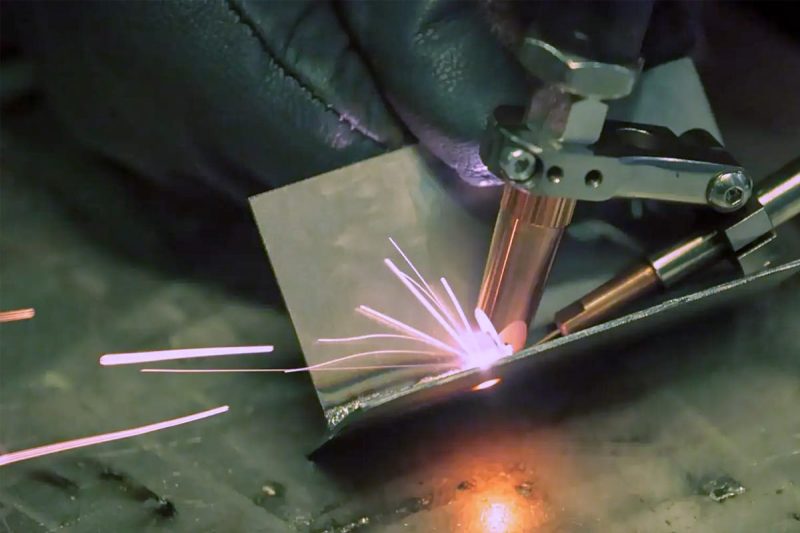
Practical Strategies for Maintaining or Enhancing Mechanical Properties
Based on the preceding analysis, we can formulate systematic strategies to ensure or even improve the mechanical properties of laser-welded joints. This requires comprehensive consideration from material selection and process optimization to quality control.
Systematic Optimization of Welding Parameters
Establishing a parameter-performance database is the foundation of optimization. Through systematic experiments, weld microstructure and performance data under different parameter combinations are obtained. This database should include all key parameters such as power, speed, focal point position, and shielding gas, as well as corresponding performance indicators such as strength, hardness, and toughness. Based on this database, the parameter window that meets performance requirements can be quickly found.
Multi-objective Optimization Methods Consider Multiple Aspects of Performance. Welding quality is not a single indicator but a combination of multiple indicators such as strength, ductility, toughness, and fatigue resistance. A certain parameter may increase strength but decrease ductility, requiring a trade-off. Using multi-objective optimization algorithms, Pareto optimal solutions can be found, achieving the best balance among various performance aspects.
Real-Time Parameter Control Adapts to Material and Assembly Fluctuations. Even when using the same materials and parameters, welding results may fluctuate due to batch differences or assembly precision. Equipped with an online monitoring system, parameters are adjusted in real time based on molten pool images or spectral signals to maintain stable welding quality. Adaptive control is an effective means of achieving consistent performance.
Preheating and postheating control the cooling rate, improving microstructure and properties. Preheating increases the initial temperature, reduces the cooling rate, and decreases hardening tendency and residual stress. Preheating is essential for high-carbon steel, thick plates, and rigidly constrained structures. Postheating extends the high-temperature dwell time, promoting hydrogen diffusion and stress relaxation. Preheating and postheating can be achieved through additional heaters or by adjusting laser parameters.
Material Selection and Compatibility Considerations
Base material weldability is the primary consideration in material selection. Some materials are inherently difficult to weld, prone to cracking, porosity, or brittle phases. Choosing materials with good weldability can fundamentally reduce problems if possible. For example, replacing 420 martensitic stainless steel with 304 nerezová ocel, or 7075 high-strength hliník alloy with 6063 aluminum alloy, can improve weldability. Understanding the material’s chemical composition, carbon equivalent, and hardening tendency helps predict weld behavior.
The role of filler material cannot be ignored. Although laser welding typically does not use filler material, adding filler wire can improve performance for certain applications. Filler wire can adjust the weld chemical composition, compensate for evaporation losses, and improve joint gap tolerance. Choosing appropriate filler wire material, whose composition and properties should match the base material, should avoid the formation of brittle phases or performance mismatches. Controlling the filler wire speed and feed position is also critical, directly affecting weld quality.
Welding dissimilar materials presents even greater challenges. Differences in melting point, coefficient of thermal expansion, and chemical compatibility between different materials can lead to serious problems. The formation of intermetallic compounds is a major problem in dissimilar metal welding, and brittle intermetallic compounds can significantly reduce joint performance. The formation of intermetallic compounds can be reduced by optimizing parameters, using an intermediate layer, or selecting appropriate welding positions. For example, in aluminum-steel dissimilar welding, deflecting the laser towards the aluminum side can reduce the formation of brittle phases.
Matching the heat treatment state affects post-weld performance. If the base material has already undergone heat treatment to achieve high strength, welding will locally alter the heat treatment state, causing uneven performance. Ideally, annealed or solution-treated materials should be used for welding, followed by overall heat treatment to achieve the desired properties. If welding already heat-treated materials is necessary, alloys less sensitive to thermal cycling should be selected, or local softening should be accepted. Welding 6-series aluminum alloys faces this challenge; the heat-affected zone softens significantly after welding in the T6 condition, and can only be partially restored through post-weld re-aging.
The impact of surface condition on weld quality is often underestimated. Oxide layers, oil, and moisture can all introduce defects during welding, reducing mechanical properties. Establishing rigorous surface preparation procedures, including mechanical cleaning, chemical cleaning, or laser cleaning, is crucial. Different materials require different cleaning standards; aluminum alloys and titanium alloys have particularly high requirements for surface cleanliness. Cleaned materials should be welded as soon as possible to avoid re-oxidation or contamination.
Quality Assurance and Comprehensive Testing
Non-destructive testing (NDT) detects internal defects. Visual inspection can only detect surface problems; internal porosity, inclusions, lack of fusion, and cracks require NDT. X-ray or CT scans provide the most direct visualization of the internal three-dimensional defect distribution, but the equipment is expensive and involves radiation. Ultrasonic testing is suitable for thick plates, measuring weld depth, and detecting internal discontinuities; it is less expensive but requires specialized operation. Eddy current testing is used for surface and near-surface defects, particularly suitable for crack detection. The appropriate testing method and sampling ratio should be selected based on product requirements and cost considerations.
Mechanical property testing verifies joint strength. Tensile testing is the most basic test, measuring tensile strength, yield strength, and elongation. Specimen orientation and position must be standardized to ensure comparable results. Transverse specimens test the performance of the entire joint, while longitudinal specimens test the weld metal itself. Specimen preparation should avoid introducing new stress or damage. Bending tests check ductility and weld quality, and can detect internal defects. Face and back bend tests check the quality of the weld on both sides. Hardness testing is quick and easy, allowing for the plotting of hardness distribution curves and the identification of abnormal areas. Microhardness testing measures hardness in very small areas, precisely locating softened or hardened zones.
Impact and fracture toughness testing evaluate crack resistance. The Charpy impact test measures a material’s ability to absorb impact energy and can be performed at different temperatures to determine the ductile-brittle transition temperature. The location and orientation of the V-notch affect the test results; tests should be performed separately at the weld center, fusion line, and heat-affected zone. Fracture mechanics testing measures the critical stress intensity factor or J integral to quantitatively evaluate fracture toughness. These tests are crucial for structures subjected to dynamic loads or operating in harsh environments, and although costly, they are indispensable.
Fatigue testing predicts service life. Fatigue testing is time-consuming but essential, especially for structures subjected to cyclic loading. High-cycle fatigue testing determines the fatigue limit, typically requiring millions of cycles. Low-cycle fatigue testing evaluates plastic fatigue behavior, with fewer cycles but larger strain amplitudes. Life at different stress levels can be predicted using S-N or ε-N curves. Fatigue testing of actual parts is more convincing, reflecting real loads and constraints, but it is also more expensive. Accelerated fatigue testing shortens the time by increasing the stress level, but requires a reasonable extrapolation model.
Metallographic analysis helps understand the relationship between properties and microstructure. Metallographic specimens are prepared, and grain size, phase composition, and defect distribution are observed using optical or electron microscopy. Different etchants can reveal different microstructural characteristics, requiring selection based on material and purpose. Metallographic analysis can explain why certain parameters produce good or poor performance, providing a basis for process optimization. Scanning electron microscopy and transmission electron microscopy can observe finer microstructures, while electron backscatter diffraction (EBSD) can analyze grain orientation and texture. Combining hardness distribution and mechanical properties allows for the establishment of microstructure-property relationship models, guiding future process development.
Statistical analysis improves quality management. Collecting large amounts of welding data and performance test results, and performing statistical analysis, can identify key factors affecting quality and sources of variation. Control charts monitor process stability, and capability analysis assesses the process’s ability to meet specifications. Regression analysis establishes quantitative relationships between parameters and performance, providing a mathematical basis for parameter optimization. Design of Experiments (DOE) methods systematically study the interactions of multiple factors, obtaining the most information with the fewest experiments.
Maintaining or improving the mechanical properties of laser-welded joints requires establishing a systematic strategy from front-end process design to back-end quality verification. By employing a parameter-performance database and multi-objective optimization methods, the scientific selection and stable control of welding parameters can be achieved. Combined with material weldability assessment and matching of filler materials and heat treatment conditions, the risk of performance degradation can be reduced from the outset. Simultaneously, rigorous surface preparation, online monitoring, and adaptive control help ensure process consistency, while non-destructive testing, mechanical property testing, fatigue and fracture assessment, and metallographic analysis provide objective verification of performance reliability. Ultimately, only through statistical analysis and data-driven quality management can the high efficiency advantages of laser welding be stably transformed into repeatable and verifiable high-mechanical-performance joints.
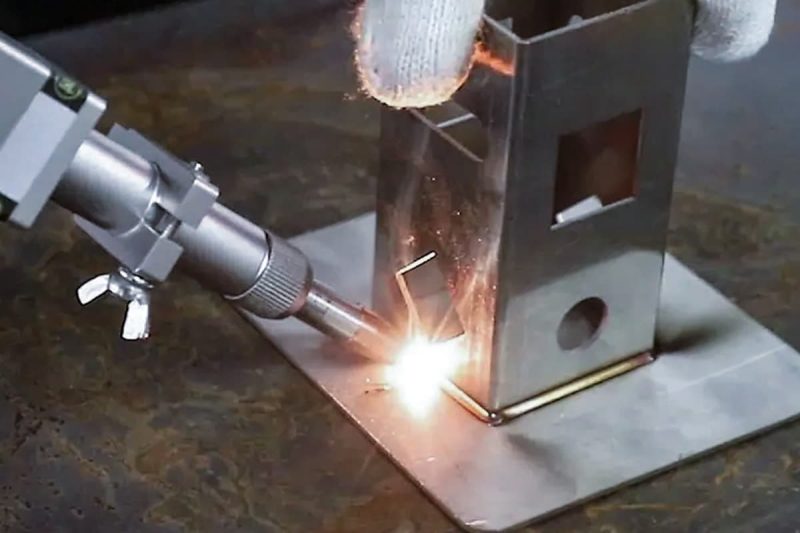
Shrnout
The impact of laser welding on the mechanical properties of materials is significantly systematic and complex. During the welding process, high energy density and rapid thermal cycling alter the microstructure of the material, thereby affecting the strength, ductility, toughness, and fatigue resistance of the weld joint. Among these, grain coarsening in the heat-affected zone, the solidification characteristics of the fusion zone, and the formation of residual welding stress are the core intrinsic mechanisms leading to changes or even deterioration in mechanical properties, and are factors that must be carefully considered when assessing the reliability of weld joints.
From an engineering practice perspective, the performance of weld joints is not uncontrollable. By rationally controlling heat input and welding speed, optimizing joint design, matching material conditions, and implementing targeted post-weld heat treatment, the evolution of unfavorable microstructures can be largely suppressed, balancing multiple performance indicators such as strength and toughness. Material selection, systematic optimization of welding parameters, and comprehensive quality inspection and verification constitute the three major technological pillars for achieving stable and highly reliable laser welding. With the maturity of online monitoring, adaptive control, and data-driven process management, the consistency and predictability of welding performance are continuously improving.
Under this technological development trend, AccTek Laser focuses more on the performance of laser welding in real production environments, rather than just the parameters themselves. Through mature and stable laser equipment, flexible and adjustable process configurations, and extensive application experience, we have been helping manufacturing companies find welding solutions that balance strength, toughness, and reliability under different materials, structures, and operating conditions. The value of laser welding ultimately lies in the long-term stable use of products and reduced quality risks, which is precisely the core value we aim to continuously create for our customers.

Kontaktní informace
- [email protected]
- [email protected]
- +86-19963414011
- č. 3 zóna A, průmyslová zóna Lunzhen, město Yucheng, provincie Shandong.
Získejte laserová řešení