

















Introduction


Laser Cleaning Power Selection
Applicable Scopes of Laser Cleaning Machines
- Carbon Steel
- Stainless Steel
- Alloy Steel
- Cast Iron
- Aluminum
- Aluminum Alloys
- Copper
- Brass
- Bronze
- Titanium
- Nickel
- Nickel Alloys
- Magnesium
- Zinc
- Galvanized Steel
- Tool Steel
- Spring Steel
- High-Speed Steel
- Tungsten
- Molybdenum
- Gold
- Silver
- Platinum
- Silicon
- Quartz
- Glass
- Ceramic
- Porcelain
- Granite
- Marble
- Limestone
- Slate
- Concrete
- Brick
- CFRP
- GFRP
- PEEK
- Polycarbonate
- Polypropylene
- ABS Plastic
- Painted Surface
- Coated Surface
- Oxidized Surface
- Rusted Surface
- Corroded Surface
- Anodized Surface
- Plated Surface
- Galvanized Surface
- Polished Surface
- Brushed Surface
- Matte Surface
- Glossy Surface
- Rough Surface
- Smooth Surface
- Textured Surface
- Patterned Surface
- Etched Surface
- Engraved Surface
- Welded Surface
- Heat-Affected Surface
- Burnt Surface
- Oily Surface
- Greasy Surface
- Dusty Surface
- Powder-Coated Surface
- Thick-Coating Surface
- Thin-Film Surface
- Multi-Layer Coated Surface
- Laminated Surface
- Composite Surface
- Bonded Surface
- Adhesive-Coated Surface
- Residue-Covered Surface
- Stained Surface
- Weathered Surface
- Aged Surface
- Industrial Surface
- Precision Surface
- Structural Surface
- Pre-Treatment Surface
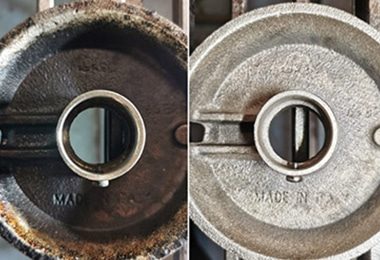
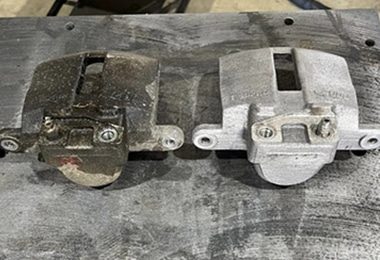
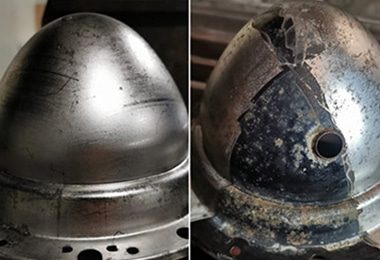
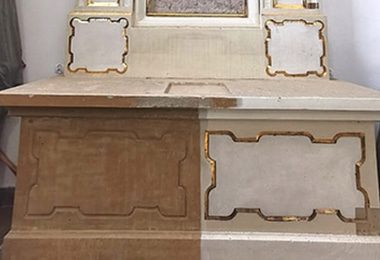
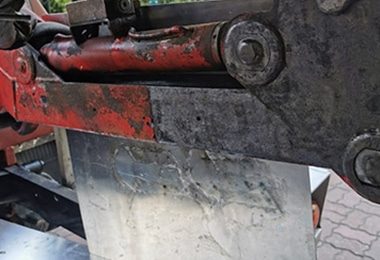
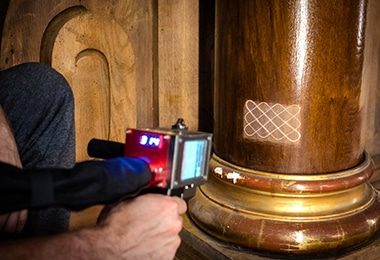
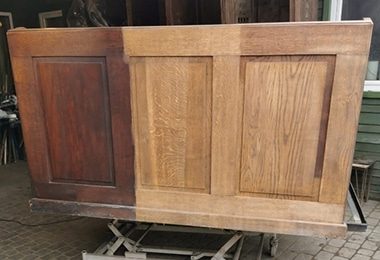
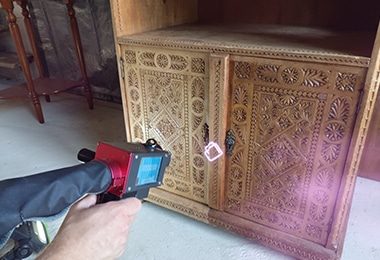
Applications of Laser Cleaning Machines
Comparison with Traditional Cleaning
| Comparison Item | Laser Cleaning | Sandblasting | Dry Ice Blasting | Plasma Cleaning |
|---|---|---|---|---|
| Cleaning Method | Laser ablation using focused light energy | Abrasive blasting with sand or grit | CO2 pellets impact and sublimate | Ionized gas removes contaminants |
| Contact With Surface | Non-contact | Direct abrasive contact | Mild contact | Non-contact |
| Surface Damage Risk | Very low | High risk of abrasion | Low to moderate | Very low |
| Precision Control | Extremely high | Low | Moderate | High |
| Suitable for Delicate Surfaces | Yes | No | Sometimes | Yes |
| Environmental Impact | Very low | Dust pollution | CO2 residue | Minimal |
| Waste Generation | Minimal dust | Large abrasive waste | Small residue | Minimal |
| Consumables Required | None or minimal | Abrasive media | Dry ice pellets | Process gases |
| Secondary Cleaning Needed | Rarely | Often | Sometimes | Rarely |
| Operating Cost | Low long-term | Medium | Medium | Medium |
| Initial Equipment Cost | Higher | Low | Medium | High |
| Automation Capability | Very high | Limited | Moderate | High |
| Cleaning Speed | Fast | Fast | Medium | Medium |
| Maintenance Requirements | Low | High due to wear | Moderate | Gas system maintenance |
| Safety Risk | Low with proper shielding | Dust inhalation risk | CO2 handling risk | High voltage / gas risk |
| Energy Consumption | Moderate electrical power | Compressed air required | CO2 pellet production | Electrical and gas power |
| Surface Preparation Quality | Excellent for welding/painting | Rough surface finish | Good | Highly activated surfaces |
| Suitable for Rust Removal | Excellent | Very effective | Limited | Limited |
| Suitable for Paint Removal | Excellent control | Effective but rough | Good | Limited |
| Industry Applications | Manufacturing, aerospace, restoration | Heavy industry, shipyards | Equipment maintenance | Semiconductor and electronics |
Why Choose AccTek Laser
Advanced Laser Technology
AccTek Laser uses advanced fiber laser technology to ensure stable performance and precise cleaning results. Their machines provide efficient removal of rust, paint, oil, and coatings while protecting the base material, making them suitable for many industrial cleaning applications.
Wide Product Range
AccTek Laser offers a variety of laser cleaning machines with different power levels and configurations. Customers can choose from portable handheld machines to high-power industrial systems, allowing businesses to select the most suitable equipment for their specific cleaning tasks.
High-Quality Components
AccTek Laser machines are built with reliable components such as premium fiber laser sources, high-speed scanning systems, and durable control units. Using quality parts improves system stability, extends machine lifespan, and ensures consistent performance during long-term industrial operation.
Customization Options
AccTek Laser provides flexible customization based on customer needs. Laser power, cooling systems, cleaning width, and automation options can be adjusted according to different applications. This helps businesses achieve optimal cleaning efficiency for various materials and contamination types.
Professional Technical Support
AccTek Laser offers comprehensive technical support, including machine selection guidance, installation assistance, and operation training. Their experienced engineering team helps customers quickly understand the equipment and ensures smooth machine operation after installation.
Reliable Global Service
AccTek Laser serves customers in many countries and provides dependable international service. Detailed documentation, remote technical support, and responsive after-sales service help customers maintain machine performance and minimize downtime during daily production operations.
Customer Reviews
Related Resources

What Are the Limitations of Laser Cleaning?
This article will systematically analyze the main limitations of laser cleaning from an engineering and application perspective, and provide mature and practical solutions to help manufacturing companies make informed decisions.

What Training Is Required for the Safe Operation of a Laser Cleaning Machine?
This article delves into the safety operation training requirements for laser cleaning machines in industrial applications, covering laser safety, protective equipment, equipment maintenance, risk management, and compliance standards.

What Precautions Should Be Taken During Laser Cleaning?
Laser cleaning machines, with their efficient, environmentally friendly, non-contact cleaning methods and comprehensive safety, protection, and maintenance systems, can provide industrial enterprises with high-quality, sustainable surface treatment solutions while ensuring

Understand How Laser Parameters Affect the Cleaning Process
This article mainly introduces the influence of key parameters in the laser cleaning process on the cleaning effect of different materials, and proposes an optimization scheme to achieve efficient and
Frequently Asked Questions
How Do Laser Cleaning Machines Work?
- Laser Generation: Laser cleaning systems typically use fiber lasers to produce a high-energy beam of light. The laser source converts electrical energy into a stable and focused laser beam. This beam has a specific wavelength that interacts efficiently with many types of contaminants found on metal and other surfaces.
- Laser Beam Delivery: The generated laser beam is transmitted through a fiber-optic cable to the cleaning head. Fiber delivery allows flexible operation and stable beam quality. The cleaning head can be handheld for manual cleaning or integrated into automated systems for large-scale industrial applications.
- Laser Beam Focusing: Inside the cleaning head, optical lenses focus the laser beam into a small and concentrated spot. This high-energy spot can precisely target contaminants on the surface. The small beam diameter allows accurate cleaning even on complex shapes, edges, and narrow areas.
- Selective Energy Absorption: When the focused laser beam reaches the surface, the contamination layer absorbs the laser energy more efficiently than the base material. Substances such as rust, oxide layers, paint, and oil usually have higher absorption rates. This difference allows the laser to remove contaminants while minimizing heat transfer to the substrate.
- Laser Ablation Process: As the contaminants absorb the laser energy, they rapidly heat up and expand. The material then vaporizes, decomposes, or breaks away from the surface. This process is known as laser ablation. The removed material becomes fine particles or gas, which can be captured by a dust extraction or filtration system.
- Scanning and Controlled Cleaning: The laser cleaning head uses a scanning system to move the laser beam across the surface in a controlled pattern. Operators can adjust parameters such as laser power, pulse frequency, and scanning speed to control the depth and intensity of cleaning. This allows precise removal of thin contamination layers or heavier rust deposits.
- Non-Contact Cleaning Process: Laser cleaning is a non-contact method that does not require abrasive media, chemicals, or water. This reduces mechanical wear, prevents chemical pollution, and minimizes secondary waste.
Will Laser Cleaning Damage Material?
- Selective Energy Absorption: Laser cleaning works because contaminants such as rust, paint, oxide layers, grease, and coatings absorb laser energy more efficiently than the base material. When the laser beam strikes the surface, the contaminant layer heats up quickly and vaporizes or breaks apart, while the underlying material absorbs less energy and remains largely unaffected.
- Precise Laser Parameter Control: Modern laser cleaning machines allow operators to adjust parameters such as laser power, pulse frequency, scanning speed, and pulse duration. By selecting appropriate settings, the machine can remove only the unwanted surface layer without penetrating or overheating the substrate.
- Non-Contact Cleaning Method: Unlike sandblasting, grinding, or other mechanical cleaning techniques, laser cleaning is a non-contact process. The laser beam removes contaminants without physically touching the surface, which prevents scratching, abrasion, or mechanical deformation of the material.
- Pulse Laser Technology: Many laser cleaning systems use pulsed lasers that deliver energy in very short bursts. These short pulses limit heat buildup on the surface and reduce the risk of thermal damage. The energy is concentrated on the contamination layer while minimizing heat transfer to the base material.
- Material Type Considerations: Some materials require more careful parameter adjustments than others. For example, thin metals, soft alloys, and certain plastics can be sensitive to excessive laser energy. By optimizing power levels and scanning speed, operators can safely clean these materials without affecting their structure.
- Contamination Thickness: The thickness and type of contamination also influence the cleaning process. Light rust or thin oxide layers usually require low energy levels, while thick coatings may need multiple passes. Proper adjustment ensures the contaminant is removed without damaging the substrate.
- Operator Training and Testing: Proper training and preliminary testing are important for safe operation. Operators typically perform small test areas to confirm the correct settings before cleaning large surfaces.
What Factors Affect Laser Cleaning Quality?
- Laser Power: Laser power determines how much energy is delivered to the contaminated surface. Higher power levels can remove thicker rust, paint, or coatings more quickly. However, excessive power may cause overheating or slight surface discoloration on sensitive materials. Selecting the correct power level is essential for balancing cleaning efficiency and material protection.
- Pulse Frequency and Pulse Duration: In pulsed laser cleaning systems, pulse frequency and pulse width control how laser energy is delivered to the surface. Short pulses allow rapid energy transfer that removes contaminants while minimizing heat buildup. Improper pulse settings may lead to incomplete cleaning or unnecessary thermal effects on the base material.
- Scanning Speed: The speed at which the laser beam moves across the surface directly influences cleaning results. If the scanning speed is too fast, the contaminants may not absorb enough energy for complete removal. If it is too slow, excessive energy may accumulate on the surface, potentially affecting the material.
- Laser Spot Size and Focus: The spot size and focus position of the laser beam determine how concentrated the energy is on the surface. A properly focused beam produces a smaller and more intense spot, improving cleaning precision and efficiency. Incorrect focus may reduce energy density and decrease cleaning effectiveness.
- Type and Thickness of Contaminants: Different contaminants absorb laser energy differently. Rust, oxide layers, paint, grease, and coatings may require different laser parameters. Thicker or strongly bonded contaminants often require higher energy levels or multiple cleaning passes to achieve complete removal.
- Material Properties: The base material also affects cleaning quality. Metals, plastics, stone, and composite materials interact with laser energy differently. Highly reflective materials may require adjustments to ensure that contaminants absorb sufficient laser energy for effective removal.
- Surface Condition and Geometry: Surface roughness, curvature, and complex shapes can influence cleaning performance. Uneven or irregular surfaces may require adjustments in scanning patterns to achieve uniform cleaning across the entire area.
- Dust Extraction and Ventilation: During laser cleaning, contaminants are removed as vapor or fine particles. Effective dust extraction systems help remove these particles from the work area, preventing redeposition on the surface and maintaining cleaning quality.
How Fast is Laser Cleaning?
- Laser Power Level: The power of the laser source has a major influence on cleaning speed. Lower-power machines, such as 100W or 200W systems, are suitable for removing light contaminants like thin rust, oil, or oxide layers. Higher-power machines, such as 1000W or 2000W systems, can remove thicker rust, paint coatings, and corrosion much faster, making them suitable for heavy industrial cleaning tasks.
- Type of Contaminants: The nature of the contamination affects how quickly it can be removed. Light contaminants such as dust, grease, or thin oxidation layers can often be removed in a single pass at high scanning speeds. Thick paint layers, heavy rust, or strong oxide scales may require slower scanning speeds or multiple passes to achieve complete cleaning.
- Scanning Speed: The speed at which the laser beam moves across the surface directly affects productivity. Faster scanning speeds allow larger areas to be cleaned quickly, but they may reduce cleaning depth. Slower scanning speeds provide more energy to the surface, which helps remove thicker contaminants but reduces overall cleaning speed.
- Laser Spot Size and Cleaning Width: The width of the laser cleaning path also affects processing speed. Systems with larger scanning widths or adjustable beam sizes can cover more surface area in a single pass. This increases productivity, especially when cleaning large metal plates or industrial components.
- Surface Area of the Workpiece: Small parts or localized cleaning tasks can often be completed within seconds or minutes. Larger surfaces, such as industrial equipment, pipelines, or structural metal components, require more time but can still be cleaned efficiently with high-power machines or automated systems.
- Material Properties: The base material can influence cleaning efficiency. Some materials reflect laser energy more strongly than others, which may require adjustments in parameters to ensure effective contaminant removal.
- Automation and System Integration: In industrial production environments, laser cleaning systems can be integrated with robotic arms or automated scanning systems. Automation allows continuous operation and consistent cleaning speed, greatly increasing productivity.
What is the Cost of Laser Cleaning Machines?
- Laser Power Level: One of the main factors affecting price is the power of the laser source. Lower-power machines, such as 100W or 200W models, are generally used for light rust removal, oil cleaning, or thin coatings and tend to be more affordable. Higher-power machines, such as 1000W, 1500W, or 2000W, are designed for heavy industrial cleaning tasks and typically cost significantly more.
- Machine Configuration: Laser cleaning machines come in several configurations, including portable handheld systems, trolley-style units, and fully automated industrial machines. Portable systems are usually less expensive and suitable for flexible on-site work. Larger automated machines with robotic integration or conveyor systems require more complex engineering and therefore have higher costs.
- Laser Source Quality: The quality and brand of the laser source also influence the overall price. High-quality fiber laser sources offer greater stability, longer service life, and more consistent beam performance. While premium laser sources increase the initial cost, they often provide better reliability and lower maintenance expenses.
- Optical and Scanning Components: The scanning head, focusing lenses, and optical systems used in laser cleaning machines are essential for accurate beam control. High-precision scanning systems improve cleaning efficiency and speed, but they also contribute to the machine’s cost.
- Cooling System: Laser cleaning machines require cooling systems to maintain stable operation. Lower-power machines often use air cooling, which is simpler and less expensive. Higher-power machines usually require water-cooling systems that add additional components and increase the equipment price.
- Additional Features and Automation: Some systems include advanced functions such as automated scanning programs, dust extraction units, smart control interfaces, and robotic arms. These features improve productivity and safety but also increase the overall cost of the system.
- Operating and Maintenance Costs: Although the purchase price may be relatively high, laser cleaning machines usually have low operating costs. They do not require abrasive materials, chemicals, or large amounts of water, which helps reduce ongoing expenses.
How to Choose Suitable Laser Cleaning Machines?
- Type of Contaminants: The kind of contamination to be removed is one of the most important factors. Light contaminants such as oil, dust, or thin oxide layers usually require lower-power machines. Heavier contaminants, such as thick rust, corrosion, or paint coatings, often require higher-power systems to remove the material efficiently.
- Material of the Workpiece: The base material being cleaned also influences machine selection. Metals such as steel, aluminum, copper, and titanium are commonly cleaned using laser technology. Softer materials or delicate surfaces may require lower laser power and precise parameter control to avoid surface damage.
- Laser Power Selection: Laser cleaning machines are available in different power ranges, such as 100W, 200W, 500W, 1000W, and 2000W or higher. Lower-power machines are suitable for precision cleaning and light contamination removal. Higher-power machines are designed for heavy rust removal, thick coatings, and large industrial surfaces.
- Cleaning Area and Workpiece Size: The size of the area that needs cleaning is another important consideration. Portable handheld machines are ideal for small parts, localized cleaning, and maintenance tasks. Larger surfaces or industrial components may require machines with wider scanning ranges or automated systems for faster cleaning.
- Portability vs. Automation: Some applications require portable machines that can be easily moved between different locations, such as maintenance or repair work. For industrial production environments, automated laser cleaning systems integrated with robotic arms or conveyors can improve efficiency and consistency.
- Cooling System Requirements: Laser cleaning machines use either air cooling or water cooling to maintain stable operation. Lower-power systems typically use air cooling and are easier to maintain. Higher-power machines often require water cooling to manage the additional heat generated during operation.
- Safety and Environmental Features: Laser cleaning systems should include appropriate safety features such as protective covers, emergency stop systems, and compatible dust extraction units. Proper ventilation and filtration help remove vaporized contaminants and improve workplace safety.
- Supplier Support and Reliability: Choosing a reliable manufacturer is important for long-term equipment performance. A reputable supplier can provide installation guidance, operator training, technical support, and after-sales service to ensure the machine operates efficiently.
What is the Lifespan of Laser Cleaning Machines?
- Laser Source Lifetime: The laser source is the core component of laser cleaning machines. Most high-quality fiber laser sources have an expected lifespan of around 80,000 to 100,000 operating hours. This means the machine can operate for many years under normal industrial use before a significant performance reduction occurs.
- Quality of Components: The overall durability of the machine also depends on the quality of its components, including the laser source, scanning head, optical lenses, control system, and power supply. Machines built with high-quality components from reliable manufacturers generally provide longer service life and more stable performance.
- Cooling System Efficiency: Laser cleaning machines rely on cooling systems to maintain stable operating temperatures. Lower-power machines may use air cooling, while higher-power systems often use water cooling. A well-maintained cooling system prevents overheating, which helps extend the life of the laser source and other electronic components.
- Operating Environment: The environment where the machine operates can also affect its lifespan. Excessive dust, humidity, or unstable power supply may reduce the durability of sensitive optical and electronic components. Operating the machine in a clean and controlled environment helps maintain stable performance over time.
- Maintenance and Cleaning: Regular maintenance plays an important role in extending machine life. Routine inspection of optical lenses, cleaning of the scanning head, and proper maintenance of the cooling system can prevent performance issues. Keeping the equipment free from dust and contaminants also helps protect internal components.
- Usage Intensity: The frequency and intensity of machine usage also influence lifespan. Machines used continuously in heavy industrial environments may experience faster component wear compared to those used for occasional cleaning tasks. However, fiber laser cleaning systems are designed for long-term industrial operation.
- Proper Operation and Training: Operators who follow recommended operating procedures help prevent unnecessary strain on the machine. Proper training ensures that laser power, scanning speed, and other parameters are used correctly, reducing the risk of component damage.
How to Maintain Laser Cleaning Machines?
- Regular Cleaning of Optical Components: The scanning head and focusing lenses are critical parts of the laser cleaning system. Dust, smoke particles, or debris may accumulate on optical surfaces during operation. Regularly inspecting and gently cleaning these components with appropriate lens-cleaning tools helps maintain beam quality and cleaning efficiency.
- Maintain the Cooling System: The cooling system plays an important role in keeping the laser source and electronic components at stable temperatures. For air-cooled machines, ensure that ventilation openings remain clear and free from dust buildup. For water-cooled systems, regularly check the water level, water quality, and circulation to prevent overheating.
- Inspect the Laser Cable and Connections: The optical fiber cable that delivers the laser beam should be handled carefully and inspected regularly. Avoid bending the cable beyond recommended limits and check that all connectors remain secure. Damaged or loose connections can reduce performance or cause system errors.
- Keep the Machine Clean: Dust and contaminants in the working environment can affect machine performance over time. Regularly clean the machine’s exterior surfaces, air filters, and control panel to prevent dirt from entering sensitive components. A clean operating environment also helps protect the internal electronics.
- Check the Scanning System: The galvanometer scanning system controls the movement of the laser beam. Periodically check the system to ensure smooth and accurate operation. If scanning becomes irregular or unstable, calibration or inspection may be necessary.
- Monitor the Dust Extraction System: During laser cleaning, contaminants are converted into fine particles or vapor. A dust extraction or filtration system should be used to remove these particles. Regularly inspect and replace filters as needed to maintain proper airflow and prevent contamination buildup.
- Software and Parameter Checks: Many laser cleaning machines use control software to manage cleaning parameters. Ensure the software remains updated and verify that settings are appropriate for the specific material and contamination type. Correct parameters help prevent unnecessary strain on the machine.
- Follow Manufacturer Maintenance Guidelines: Always follow the maintenance schedule and recommendations provided by the machine manufacturer. Routine inspections, proper operation, and timely servicing help ensure long-term reliability and consistent cleaning performance.