Is Laser Dust Removal Harmful to Humans?
Is laser dust removal harmful to humans? This guide covers health risks, safety standards, protective measures, and best practices for safe industrial laser dust removal.
| Model | AKQ-100 | AKQ-200 | AKQ-300 | AKQ-500 | AKQ-1000 | AKQ-1500 | AKQ-2000 |
|---|---|---|---|---|---|---|---|
| Laser Power | 100W | 200W | 300W | 500W | 1000W | 1500W | 2000W |
| Laser Operating Modes | Pulse Laser | ||||||
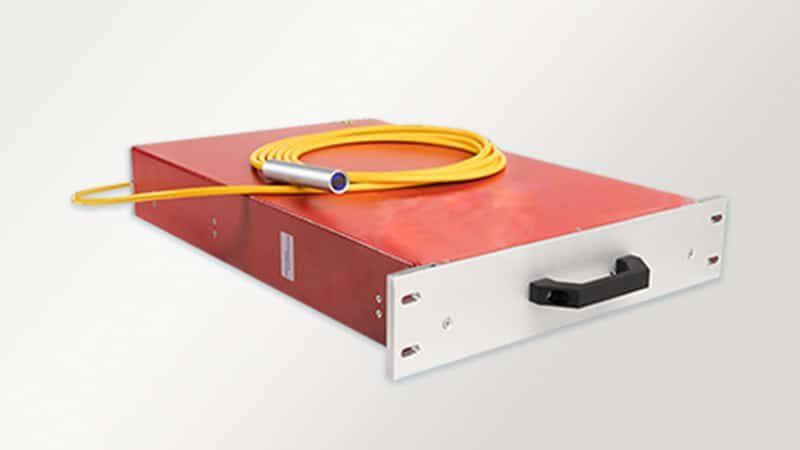
| Laser Generator | JPT | ||||||
| Laser Wavelength | 1080nm±10nm | ||||||
| Pulse Energy | 1.5mj | 1.5/2/5mj | 1.5/2/5/15mj | 1.5/15/50mj | 15/50mj | 50/100mj | |
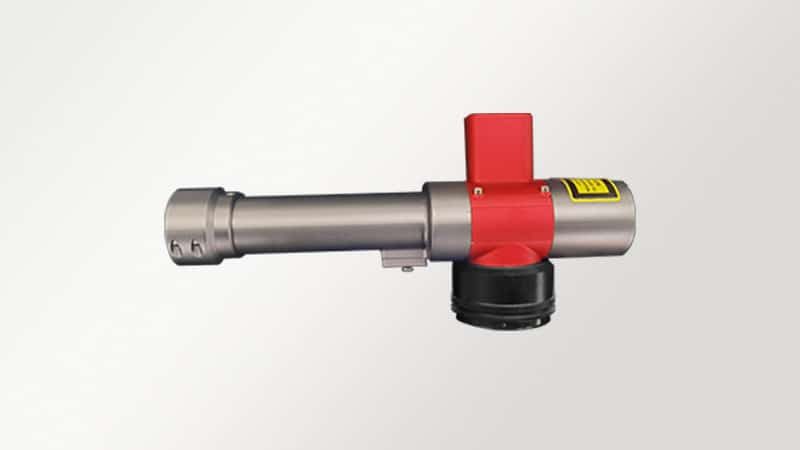
| Laser Cleaning Head | AccTek | ||||||
| Laser Cleaning Area | 100*100mm (130*130mm, 150*150mm Optional) | 130*130mm (150*150mm Optional) | 150*150mm (180*180mm, 290*290mm Optional) | ||||
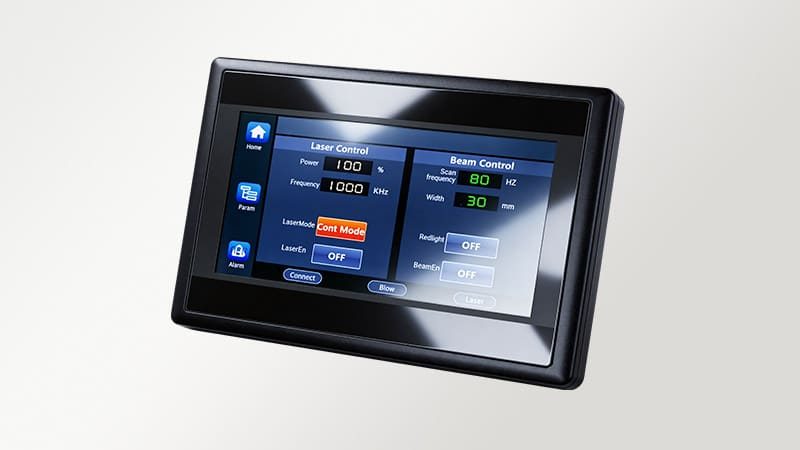
| Control System | AccTek | ||||||
| Expected Focal Distance | 160mm | ||||||
| Fiber Cable Length | 3m | 5m | 10m | ||||
| Cooling Type | Air Cooling | Air/Water Cooling | Water Cooling | ||||
| Pulse-Frequency Range | 20-200 KHz | ||||||
| Voltage and Frequency | 220V 50/60H | ||||||
| Working Environment | 10-40℃ | ||||||
| Operating Humidity | 5-95% | ||||||
| Comparison Item | Laser Cleaning | Sandblasting | Ultrasonic Cleaning | Dry Ice Blasting |
|---|---|---|---|---|
| Cleaning Principle | Uses focused laser energy to remove rust, paint, oxide, oil, and surface deposits | Uses high-speed abrasive particles to strike and remove contaminants | Uses high-frequency sound waves in liquid to create cavitation bubbles | Uses compressed air to blast dry ice pellets onto the surface |
| Surface Contact | Non-contact cleaning, no mechanical force on the workpiece | Direct impact on the surface with abrasive media | Workpiece must be placed in cleaning liquid | Dry ice pellets impact the surface but sublimate after contact |
| Surface Damage Risk | Low risk when parameters are correctly set | Higher risk of roughening, pitting, or removing base material | Low for many small parts, but unsuitable for some sensitive materials | Lower than sandblasting, but impact force may affect delicate parts |
| Cleaning Precision | Very high; suitable for selective and local cleaning | Lower precision; often cleans a wider area | Good for complex small parts immersed in liquid | Medium precision; better for broad surface cleaning |
| Suitable Materials | Metals, molds, stone, some composites, and selected coated surfaces | Metals, concrete, stone, and heavy-duty surfaces | Small metal, plastic, glass, and precision parts | Metal, rubber, plastic, food equipment, and industrial surfaces |
| Rust Removal | Very effective for light to heavy rust on metal surfaces | Very effective for heavy rust and scale | Limited; better for oil, grease, and fine particles | Moderate; better for dirt, oil, paint, and light residues |
| Paint Removal | Can remove paint layer by layer with controlled parameters | Fast paint removal but may damage the substrate | Not ideal for thick paint removal | Effective for some coatings, but not always for thick or hard paint |
| Oil and Grease Removal | Effective, especially with proper laser settings | Possible but may spread contamination or need extra treatment | Very effective for oil and grease on small parts | Effective for oil and grease without water |
| Cleaning Speed | Fast for targeted areas and automated production lines | Fast for large rough surfaces | Slower because parts need soaking and drying | Fast for large surfaces and production equipment |
| Environmental Impact | No abrasive waste, usually low secondary pollution | Produces dust, spent abrasive, and contaminated waste | Requires cleaning liquid and wastewater treatment | No blasting media residue, but requires CO₂ dry ice supply |
| Consumables | No regular cleaning media required | Requires sand, grit, or other abrasive media | Requires cleaning solution and sometimes additives | Requires dry ice pellets and compressed air |
| Operating Cost | Higher initial cost, lower consumable cost | Lower equipment cost, higher ongoing media and cleanup cost | Moderate cost, depending on tank size and liquid use | Ongoing dry ice and compressed air costs can be high |
| Equipment Investment | Higher initial investment | Usually lower initial investment | Low to medium for small systems; higher for large industrial tanks | Medium to high depending on system size |
| Automation Capability | Excellent; easy to integrate with robots, CNC systems, and production lines | Possible, but media handling and dust control are more complex | Suitable for batch cleaning, less flexible for large parts | Can be automated, but dry ice supply must be managed |
| Cleaning of Complex Shapes | Good for accessible surfaces, corners, welds, and molds | Good for exposed surfaces but may be uneven in narrow areas | Excellent for small complex parts fully immersed in liquid | Good for many shapes, but deep narrow gaps may be difficult |
| Post-Cleaning Treatment | Usually little or no post-cleaning required | Often requires dust removal and surface finishing | Requires rinsing and drying | Usually little residue, but moisture/condensation may need attention |
| Worker Safety | Requires laser safety glasses, enclosure, and fume extraction | Requires dust protection, blasting suit, and hearing protection | Requires chemical handling and liquid safety measures | Requires ventilation, hearing protection, and care with cold materials |
| Noise Level | Relatively low to medium depending on system and extraction | High noise during blasting | Low to medium | High due to compressed air blasting |
| Best Application Scenarios | Precision rust removal, weld cleaning, mold cleaning, oxide removal, coating removal, and automated cleaning | Heavy rust, scale, old coating removal, and rough surface preparation | Small precision parts, medical parts, electronics parts, and oil removal | Food equipment, molds, production lines, and cleaning without water |
| Main Limitation | Higher purchase cost and need for laser safety control | Dust, abrasive waste, surface roughening, and cleanup work | Limited by tank size, liquid use, and drying requirements | Requires dry ice supply, compressed air, and good ventilation |

AccTek Laser uses advanced fiber laser technology to ensure stable performance and precise cleaning results. Their machines provide efficient removal of rust, paint, oil, and coatings while protecting the base material, making them suitable for many industrial cleaning applications.
AccTek Laser offers a variety of laser cleaning machines with different power levels and configurations. Customers can choose from portable handheld machines to high-power industrial systems, allowing businesses to select the most suitable equipment for their specific cleaning tasks.
AccTek Laser machines are built with reliable components such as premium fiber laser sources, high-speed scanning systems, and durable control units. Using quality parts improves system stability, extends machine lifespan, and ensures consistent performance during long-term industrial operation.
AccTek Laser provides flexible customization based on customer needs. Laser power, cooling systems, cleaning width, and automation options can be adjusted according to different applications. This helps businesses achieve optimal cleaning efficiency for various materials and contamination types.
AccTek Laser offers comprehensive technical support, including machine selection guidance, installation assistance, and operation training. Their experienced engineering team helps customers quickly understand the equipment and ensures smooth machine operation after installation.
AccTek Laser serves customers in many countries and provides dependable international service. Detailed documentation, remote technical support, and responsive after-sales service help customers maintain machine performance and minimize downtime during daily production operations.
Is laser dust removal harmful to humans? This guide covers health risks, safety standards, protective measures, and best practices for safe industrial laser dust removal.
This article systematically explains the types and principles of laser cleaning machine cooling systems, daily inspection and maintenance procedures, and methods for diagnosing and handling common faults, helping users quickly
This article will systematically analyze the main limitations of laser cleaning from an engineering and application perspective, and provide mature and practical solutions to help manufacturing companies make informed decisions.
This article delves into the safety operation training requirements for laser cleaning machines in industrial applications, covering laser safety, protective equipment, equipment maintenance, risk management, and compliance standards.
The price of a 500w pulse laser cleaning machine depends on various factors such as the brand, model, additional features, and the supplier you choose. Generally, a 500w pulse laser cleaning machine costs between $14,000 and $20,000. If it is a more advanced model, the price will be higher.
This is just a forecast price, if you want to get the exact price of a 500w pulse laser cleaning machine, you can contact us directly. AccTek Laser can provide detailed pricing information based on your requirements and any additional features you may require. Keep in mind that in addition to the initial cost of the machine, there may be additional costs such as shipping, installation, training, and maintenance. Considering these factors when budgeting for a laser cleaning machine is essential.
Before purchasing a laser cleaning machine, it’s best to research different manufacturers and models, compare features and prices, and consult with industry experts to ensure you choose the system that best meets your specific needs and budget.
Maintenance and operating costs for a 500w pulse laser cleaning machine can vary based on several factors, such as the specific model and manufacturer, usage patterns, local labor and electricity costs, and availability of replacement parts. Here’s a general overview of potential costs:
Keep in mind these are general considerations and actual costs may vary widely depending on the specific machine, usage, and your location. You can contact AccTek Laser for more accurate and detailed information on maintenance and operating costs.
The 500w pulse laser cleaning machine is a powerful tool that can effectively clean a variety of surfaces. However, the effectiveness of the machine will depend on several factors including surface type, material composition, and surface condition. Here are some of the surfaces that a laser cleaning machine can effectively clean:
It is important to note that the effectiveness of a laser cleaning machine on a particular surface will also depend on the type and condition of the surface, the nature of the contamination, and the laser cleaning parameters used (such as power, pulse duration, spot size, etc.). It is always recommended to test the machine on a small area first to determine its effectiveness and to avoid damaging the surface. Certain surfaces or materials may require specific precautions or considerations during cleaning.
The 500w pulse laser cleaning machines usually require regular maintenance to ensure their optimal performance and longevity. Specific maintenance requirements may vary based on machine design, manufacturer’s recommendations, and usage patterns. Here are some common maintenance tasks:
It is important to note that different laser cleaning machine models may have different maintenance requirements. Therefore, it is recommended to refer to the manufacturer’s documentation, owner’s manual, or maintenance guide specific to your machine. Following the manufacturer’s recommendations will help ensure your laser cleaner remains in top working condition. In addition, the manufacturer or an authorized service provider can provide professional maintenance service or assistance when needed.
Yes, there are specific environmental conditions and limitations to consider when using a laser cleaning machine. These conditions are usually outlined by the manufacturer and may vary with the specific machine and technology used. Here are some common considerations:
Please consult the manufacturer’s documentation and guidelines specific to your laser cleaning machine for details on environmental conditions, safety precautions, and limitations associated with its use. Adherence to these guidelines will help ensure safe and efficient operations while minimizing risks to personnel and the environment.
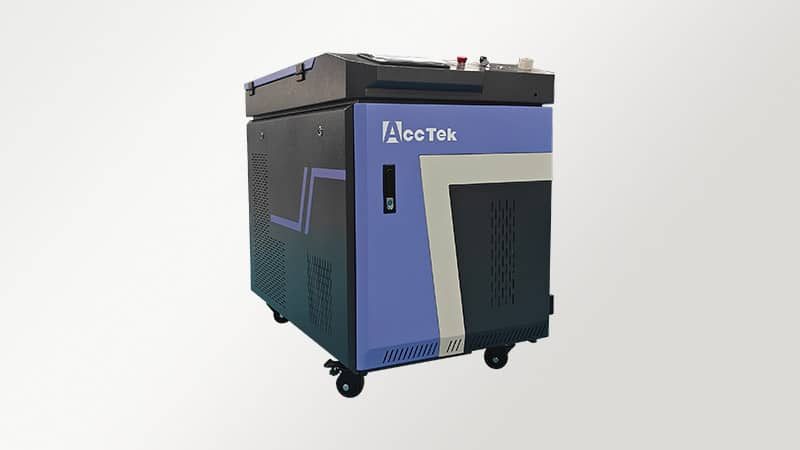
The 500W pulse laser cleaning machine produced by AccTek Laser uses water cooling for its cooling system. The water chiller brand used is S&A. Water cooling is a common method employed in laser systems to dissipate heat generated during operation and maintain optimal performance and longevity of the laser equipment. S&A is a well-known brand in the field of industrial water cooling systems, known for providing reliable and efficient cooling solutions for various applications, including laser equipment.
The 500W pulse laser cleaning machine produced by AccTek Laser offers a standard cleaning area of 150150mm. Additionally, optional cleaning ranges of 180180mm and 290*290mm are available for users who require larger cleaning areas to suit their specific needs. These options provide flexibility to accommodate a variety of cleaning applications and workpiece sizes.
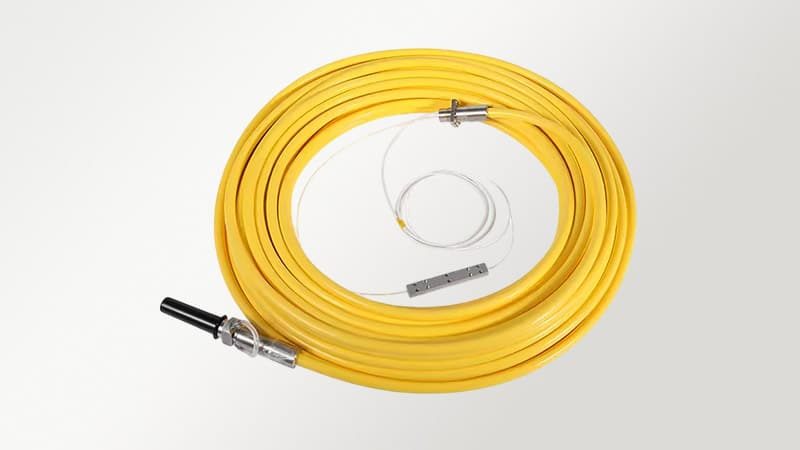
The 500W pulse laser cleaning machine produced by AccTek Laser supports a length of 10 meters for the optical fiber cable. It’s important to note that it’s not recommended to lengthen the fiber optic cable beyond this specified limit. Lengthening the cable can result in a significant weakening of the laser light, which can compromise the cleaning effectiveness and overall performance of the machine. Therefore, it’s advised to adhere to the recommended cable length to ensure optimal operation and cleaning results.
4 reviews for 500W Pulse Laser Cleaning Machine
Henry –
Our work often involves large steel surfaces, tight spaces, and changing job sites. The machine’s mobile design is a major advantage because it can be moved where the repair is happening. We use it for rust removal and coating preparation on different sections. The double-wobble cleaning head gives wide, even coverage, which saves time on larger areas. I also like the pulsed output because it helps protect the metal when the operator uses the right settings. The system has good safety features, including the interlock and alarms. It has made our cleaning process more controlled and easier to manage.
Daniel –
We use the machine for cleaning metal frames, molds, and parts with old paint or rust. It has reduced a lot of manual labor in our repair area. The best part is that it can remove unwanted layers without damaging edges or details when the settings are correct. The mobile body helps because we can take it to larger parts instead of moving everything by forklift. Our workers also like that the process is quieter and cleaner than many traditional methods. The alarm system helps catch faults early. For our repair shop, it has been a smart investment.
Charlotte –
The machine has been useful for jobs that require repeatable cleaning results. We tested it on several materials and found that the pulsed laser output gave us better control than continuous cleaning methods. The double-wobble head spreads the beam path well, which helps avoid uneven marks. I also appreciate the control system because it allows operators to adjust settings without making the process confusing. The cooling equipment supports stable use during longer shifts, and we have not seen performance drop during normal operation. It is a good fit for companies that need clean surfaces without adding too much heat or mechanical stress.
Harper –
The cleaning quality is the main reason I recommend this machine. It gives a clean surface without the rough texture we sometimes get from abrasive tools. For parts that need a more careful finish, the pulse laser is much easier to control. The intelligent control system lets us fine-tune power and movement for different materials. The machine also runs smoothly during repeated use, and the cooling equipment seems well-matched to the workload. AccTek Laser’s design feels practical for real production conditions. It is not difficult to move; the head is responsive, and the final surface is usually ready for the next step.