| Cutting Principle |
Uses a focused laser beam to cut or engrave balsa wood |
Uses a rotating bit to remove wood material |
Uses a vibrating blade to slice soft materials |
Uses high-pressure water, sometimes with abrasive, to erode material |
| Material Suitability |
Very suitable for thin and lightweight balsa sheets |
Possible, but cutting force may damage delicate balsa |
Suitable for some simple balsa shapes |
Can cut balsa, but rarely used because wood absorbs water |
| Cutting Precision |
High precision for small details and fine contours |
Medium precision, limited by tool diameter |
Medium precision for simple shapes |
High precision, but impractical for balsa |
| Edge Quality |
Clean edges, sometimes with light darkening |
May cause rough edges, crushing, or tool marks |
Clean edges if blade is sharp |
Smooth edge, but moisture may damage the wood |
| Heat-Affected Zone |
Small heat mark may appear along the cut edge |
Minimal heat |
No heat |
No heat |
| Cutting Speed |
Fast for thin balsa sheets and model parts |
Slower due to careful fixturing and fragile material |
Fast for simple shapes |
Slower and less cost-effective |
| Kerf Width |
Very narrow kerf, good for tight nesting |
Wider kerf due to router bit size |
Medium kerf |
Medium kerf |
| Thin Sheet Performance |
Excellent for thin balsa sheets, model kits, and craft parts |
Poor to limited because thin sheets may lift or break |
Good for simple thin balsa cutting |
Possible, but water damage risk is high |
| Thick Balsa Performance |
Good for thicker balsa with proper laser settings |
Possible, but requires gentle cutting and stable holding |
Possible for soft, simple cuts |
Possible, but rarely preferred |
| Complex Shape Cutting |
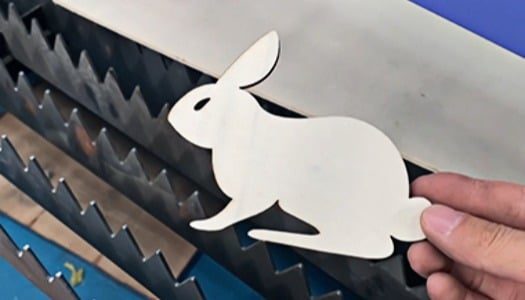
Excellent for ribs, slots, curves, letters, and detailed model parts |
Limited for small inner corners and fine patterns |
Good for simple curves, less ideal for tiny details |
Good, but slow and unnecessary for balsa |
| Surface Protection |
Non-contact cutting reduces crushing and pressure marks |
Tool contact and clamping may dent soft balsa |
Blade pressure may leave slight marks |
Water may stain, swell, warp, or weaken the wood |
| Chipping And Splitting |
Low risk when laser settings are optimized |
Higher risk of splitting, tearing, or breakout |
Possible splitting along the grain |
Low cutting force, but moisture damage risk remains |
| Dust And Smoke |
Produces smoke and fumes that need extraction |
Produces wood dust and chips |
Produces little dust |
Produces wet slurry and wastewater |
| Tool Wear |
No physical cutting tool touches the balsa |
Router bits wear and may become dull |
Blades wear and need replacement |
Nozzle wear and possible abrasive consumption |
| Secondary Processing |
May need light cleaning or sanding for smoke marks |
Often needs sanding or edge repair |
Usually needs little finishing |
May need drying, flattening, or repair |
| Automation Capability |
Highly suitable for CNC-controlled batch cutting and nested layouts |
Automated, but setup is harder for fragile balsa |
Suitable for automated simple-shape cutting |
Automated, but not practical for balsa production |
| Noise Level |
Low to medium |
High due to spindle noise |
Low to medium |
High due to pump pressure |
| Operating Cost |
Efficient for detailed balsa cutting and model production |
Tooling, fixturing, and finishing costs may increase |
Low for simple shapes, but less flexible for fine parts |
High due to water, pump maintenance, and cleanup |
| Best Use Cases |
Model aircraft parts, architectural models, crafts, prototypes, ornaments, and lightweight structures |
Thicker wood parts, grooves, pockets, and rigid boards |
Simple balsa shapes, foam, cardboard, fabric, leather, and soft sheets |
Stone, glass, metal, composites, and water-tolerant materials |
| Overall Advantage |
Best for precise, non-contact balsa cutting with high design flexibility |
Less suitable for delicate balsa, better for stronger wood boards |
Useful for simple balsa cuts, but less ideal for fine details |
Not commonly used for balsa because moisture, cost, and cleanup reduce practicality |





















4 reviews for Balsa Wood Laser Cutting Machine
Karla –
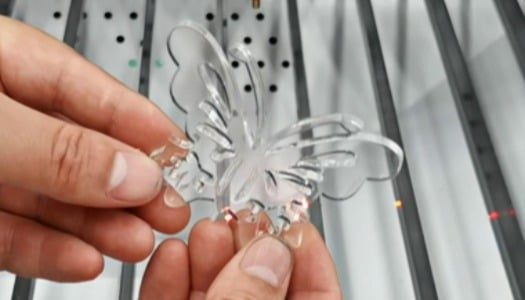
I work with acrylic displays, and this CO2 laser cutting machine has been performing reliably. The cuts come out smooth, and I don’t need to spend extra time polishing edges. The mirror and lens system seems stable, since the cutting quality remains consistent over time. The control system is straightforward, which helps when switching between different designs. The machine also runs quietly, making it more comfortable to work around. It has handled both small and larger projects without issues, and I use it regularly in my design work.
Ivy –
I run a small craft studio, and this CO2 laser cutting machine has helped me expand my product range. The cutting head is precise, so I can create detailed designs with clean edges. The machine is easy to operate, even without a technical background. I also like how consistent the results are across different materials. It has been reliable for daily use, and I feel confident using it for both small and larger orders.
Hector –
We added this machine to our production line a few months ago, and it has been performing well. The control system handles continuous work without many errors, which is important for us. The cutting quality remains consistent across different materials. I also like how stable the machine feels during operation. It doesn’t produce much vibration, and the noise level is low. It’s a solid piece of equipment that supports our daily output without requiring constant attention.
Hector –
We added this machine to our production line a few months ago, and it has been performing well. The control system handles continuous work without many errors, which is important for us. The cutting quality remains consistent across different materials. I also like how stable the machine feels during operation. It doesn’t produce much vibration, and the noise level is low. It’s a solid piece of equipment that supports our daily output without requiring constant attention.