


















Materials That Cannot Be Cut by Laser Cutting Machines
This guide identifies materials that should never be laser cut due to safety hazards or poor quality outcomes, explains why, and recommends safer alternative cutting methods for each.
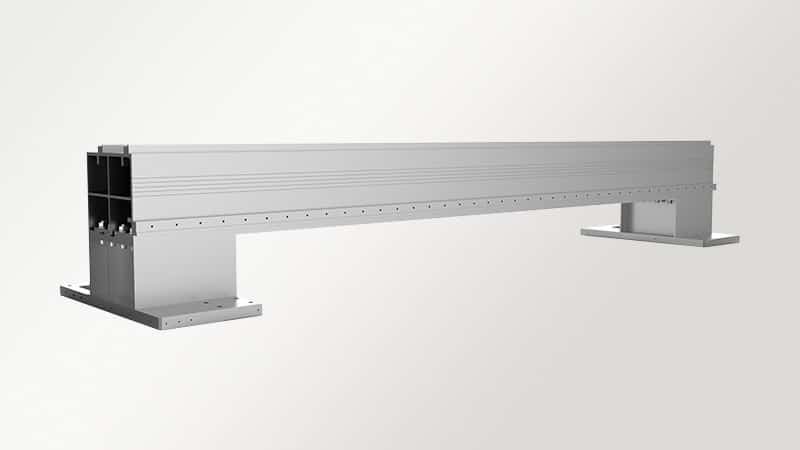
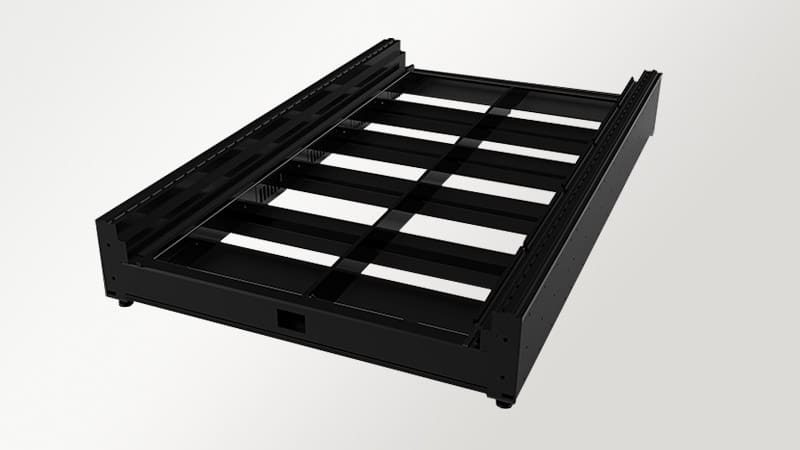
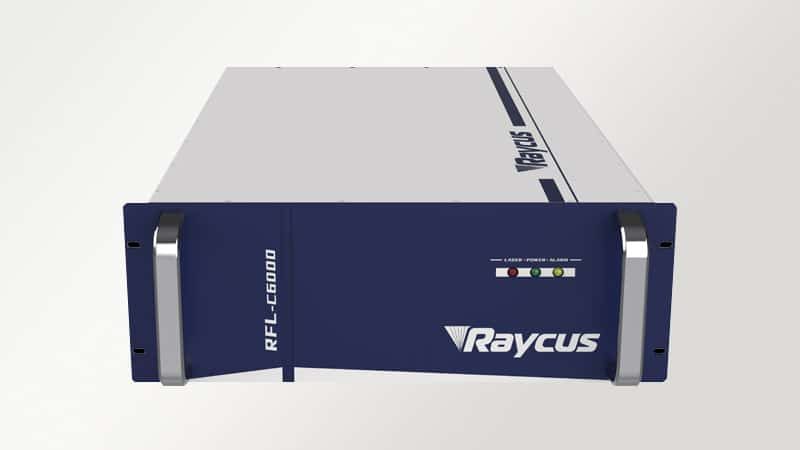
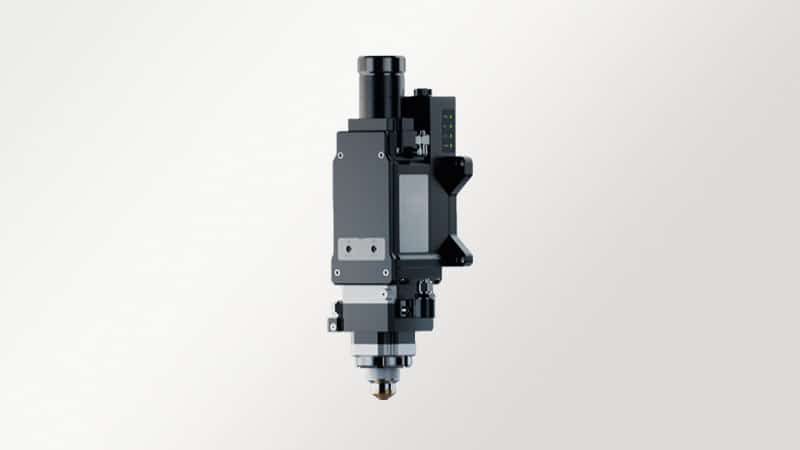
| Model | AKJ1530F | AKJ1545F | AKJ1560F | AKJ2030F | AKJ2040F | AKJ2060F | AKJ2560F |
|---|---|---|---|---|---|---|---|
| Cutting Range | 1500*3000mm | 1500*4500mm | 1500*6000mm | 2000*3000mm | 2000*4000mm | 2000*6000mm | 2500*6000mm |
| Laser Power | 1500-40000W | ||||||
| Laser Generator | Raycus/Max/IPG | ||||||
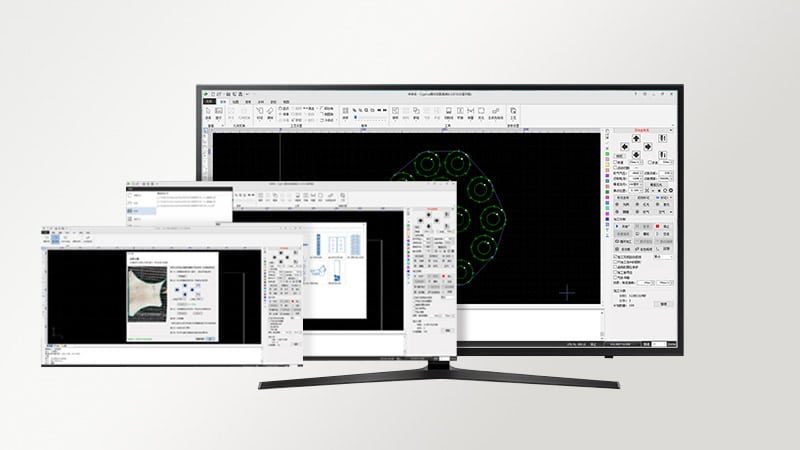
| Control System | Au3tech/Cypcut | ||||||
| Laser Cutting Head | Au3tech/Raytools/Boci | ||||||
| Transmission System | Rack Drive | ||||||
| Rack | VASTUN/Apex/YYC | ||||||
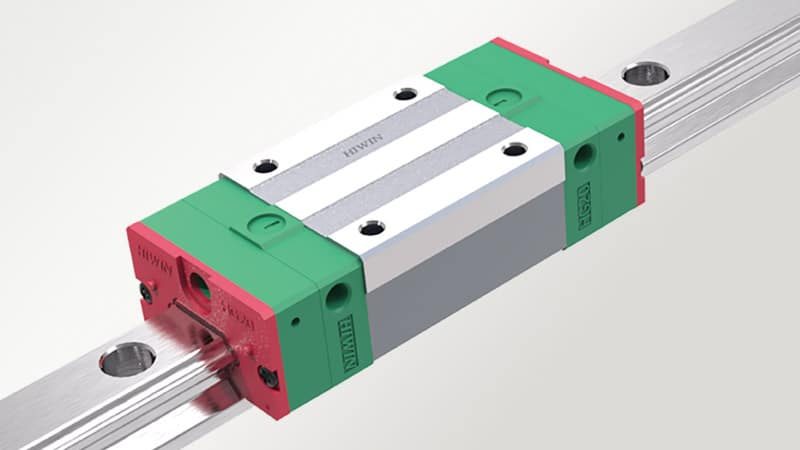
| Guide Rail | HIWIN | ||||||
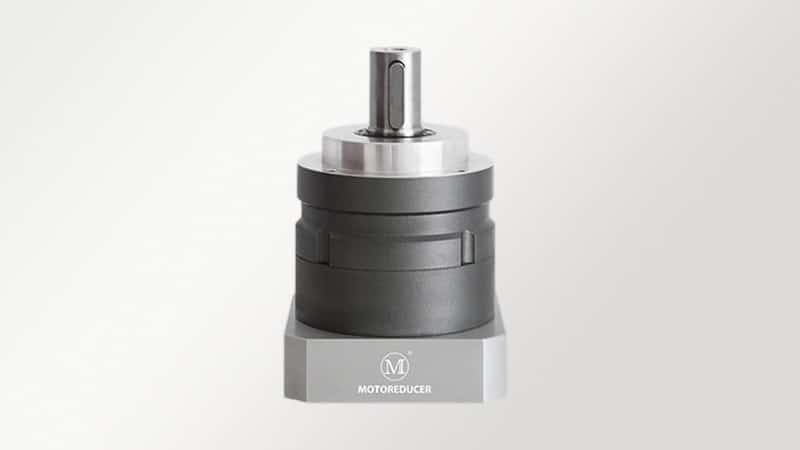
| Gear Reducer | Motoreducer | ||||||
| Ball Screw | TBI | ||||||
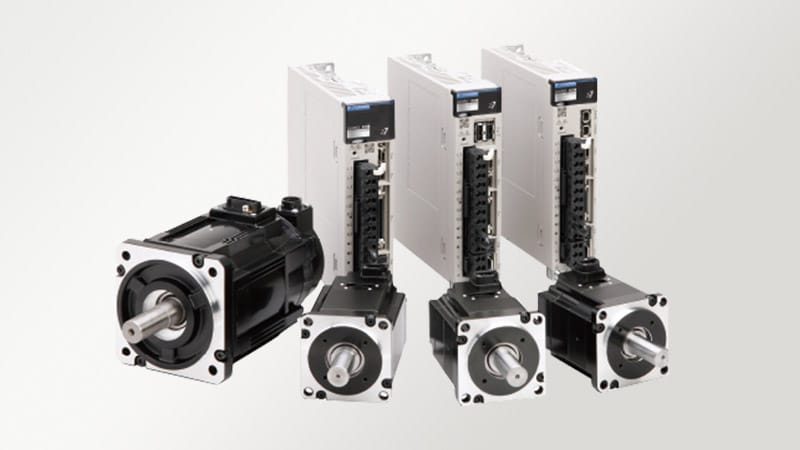
| Servo Motor | Delta/Yaskawa | ||||||
| Electronic Components | Schneider | ||||||
| Pneumatic Components | SMC/AirTAC | ||||||
| Water Chiller | S&A/Hanli | ||||||
| Maximum Moving Speed | 100m/min | ||||||
| Maximum Acceleration | 1.0G | ||||||
| Positioning Accuracy | ±0.01mm | ||||||
| Repeat Positioning Accuracy | ±0.03mm | ||||||
| Voltage and Frequency | 380V 50Hz/60HZ | ||||||
| Comparison Item | Laser Cutting | Plasma Cutting | Waterjet Cutting | Mechanical Cutting |
|---|---|---|---|---|
| Cutting Principle | Uses a focused fiber laser beam to melt and cut brass | Uses a plasma arc to melt conductive metal | Uses high-pressure water and abrasive to erode material | Uses saws, shears, punches, milling tools, or blades |
| Material Suitability | Suitable for brass sheets and plates with proper laser settings | Can cut conductive brass, but quality may vary | Suitable for brass and many other materials | Suitable for brass, but tooling must be well matched |
| Reflective Material Handling | Modern fiber lasers can cut brass effectively with proper protection | Not strongly affected by reflectivity | Not affected by reflectivity | Not affected by reflectivity |
| Cutting Precision | High precision for detailed brass parts | Medium precision | High precision, but slower | Medium precision, depends on tooling and machine rigidity |
| Edge Quality | Clean edges with minimal burrs when parameters are optimized | Rougher edges with more dross | Smooth, cold-cut edges | May leave burrs, chips, or tool marks |
| Heat-Affected Zone | Small heat-affected zone | Larger heat-affected zone | No heat-affected zone | Minimal heat, but mechanical stress may occur |
| Cutting Speed | Fast for thin and medium brass sheets | Fast for rough cutting, but less precise | Slower than laser and plasma | Moderate, often slower for complex shapes |
| Thin Sheet Performance | Excellent for thin brass sheets, letters, signs, and fine contours | May cause overheating or rough edges | Good, but less efficient | Possible, but thin sheets may deform |
| Thick Plate Performance | Requires suitable laser power and stable process control | Can cut thicker brass, but edge quality may be inconsistent | Good for thick brass plates | Limited by tool force and machine capacity |
| Kerf Width | Narrow kerf, saving brass material | Wider kerf | Medium kerf | Usually wider than laser cutting |
| Material Waste | Low waste due to narrow cutting path | Higher waste than laser | Moderate waste from kerf and abrasive use | Higher waste from chips and tool path |
| Burr Formation | Minimal burrs with proper parameters | More dross and edge cleanup needed | Minimal burrs | Burrs are common |
| Thermal Deformation | Low with optimized cutting parameters | Higher risk due to heat input | No thermal deformation | Possible bending or stress from cutting force |
| Surface Finish | Helps maintain a clean decorative brass surface | May cause oxidation, discoloration, or rough edges | Preserves original surface well | May scratch or mark the surface |
| Secondary Processing | Often little deburring or polishing needed | Often requires grinding or cleaning | Usually little secondary processing | Often requires deburring, polishing, or edge finishing |
| Complex Shape Cutting | Excellent for holes, slots, logos, letters, curves, and fine patterns | Good for simple and medium-complex shapes | Good for complex shapes, but slower | Limited for intricate designs |
| Automation Capability | Highly suitable for CNC automation and batch production | Suitable for CNC cutting | Suitable for CNC cutting | Automation possible, but tool changes may be needed |
| Tool Wear | No physical cutting tool contacts the brass | Electrode and nozzle wear | Nozzle wear and abrasive consumption | Cutting tools wear and may clog with brass chips |
| Best Use Cases | Brass signs, decorative panels, electrical parts, nameplates, fittings, and precision components | Rough cutting of conductive brass parts | Thick brass plates or heat-sensitive parts | Straight cuts, drilling, milling, sawing, and small-batch work |
| Overall Advantage | Best balance of precision, speed, automation, edge quality, and material savings | Good for rough conductive metal cutting | Best when cold cutting and no heat effect are required | Good for simple, low-cost brass processing tasks |
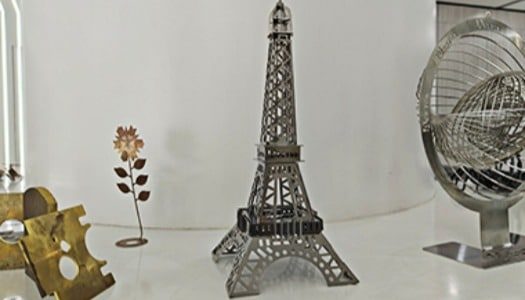
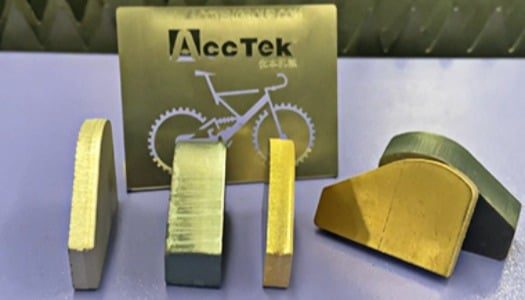
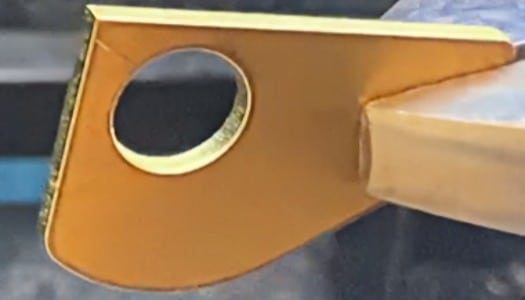
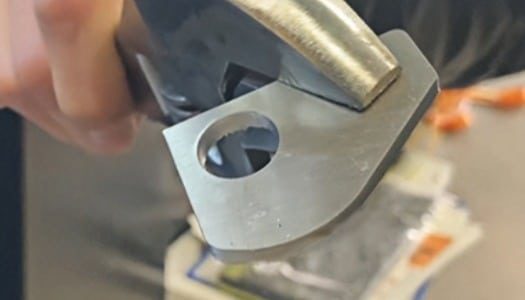
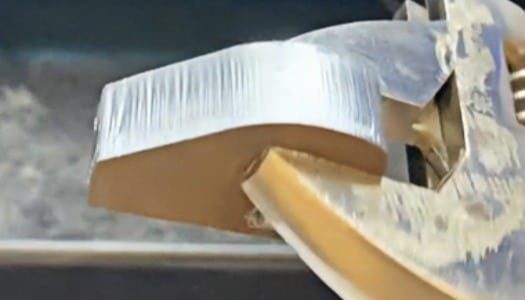
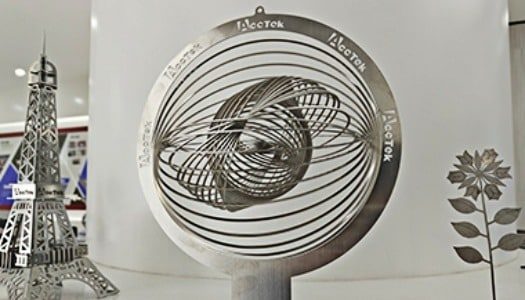
AccTek Laser integrates advanced laser technology into its cutting machines to deliver high precision, stable performance, and efficient cutting results. Their systems use reliable laser sources and optimized control systems, ensuring that operators achieve consistent cuts with minimal material waste. This innovation also helps in enhancing material quality while reducing the risk of thermal damage during the cutting process.
AccTek Laser offers a broad selection of laser cutting machines with different power levels and configurations to suit diverse application requirements. Customers can choose from compact, portable systems for small-scale operations to large industrial machines for high-volume cutting tasks. This makes it easy to find the right solution for cutting metal sheets, plastics, ceramics, and more, ensuring versatility for various industries.
AccTek Laser machines are built using top-quality components sourced from globally recognized suppliers. This includes durable laser sources, cutting-edge scanning systems, and reliable control electronics. By using premium parts, AccTek Laser enhances machine stability, extends service life, and ensures consistent performance under demanding operating conditions, ultimately reducing maintenance needs.
AccTek Laser provides flexible customization options to meet specific customer needs. Machine features like laser power, cutting speed, cooling systems, and automation integration can be tailored to suit different production environments and application requirements. This flexibility ensures that customers achieve optimal cutting performance, productivity, and cost-efficiency.
AccTek Laser offers comprehensive technical support throughout the entire purchase and operation process. Their experienced team assists with machine selection, installation, operation training, and troubleshooting. This level of support helps customers seamlessly adapt to laser cutting technology, ensuring smooth operations and quick issue resolution when necessary.
With years of experience serving customers globally, AccTek Laser provides dependable international service and support. They offer detailed documentation, remote assistance, and responsive after-sales service to help customers maintain their machines and minimize downtime. This ensures that customers can continue their operations with minimal disruptions, enhancing long-term productivity and customer satisfaction.
This guide identifies materials that should never be laser cut due to safety hazards or poor quality outcomes, explains why, and recommends safer alternative cutting methods for each.

This guide covers all materials that CO2 and fiber laser cutting machines can process, explains how wavelength determines compatibility, and helps you choose the right laser generator for your application.

This article covers the essential safety precautions for operating a CO2 laser cutting machine, from radiation and fire risks to fume extraction, PPE, machine features, and routine maintenance checks.

This article explains how CO2 laser generator wattage from 60W to 600W affects cutting speed, depth, and material capability, and clarifies when higher power delivers real gains and when it
The price of brass laser cutting machines varies significantly depending on several factors, including the machine’s make, model, power, cutting area, and added features. Here’s a breakdown of the general pricing for these machines:
If you want to get an accurate price for a brass laser-cutting machine that fits your specific needs, you can contact us. AccTek Laser’s engineers will provide you with a customized cutting solution based on your needs and provide you with an accurate quote. In addition, when purchasing a laser cutting machine, you should consider not only the initial cost, but also the ongoing expenses, including maintenance, power consumption, and possible future upgrades.
The most commonly used type of laser for cutting brass is fiber lasers. These lasers are highly efficient, producing a focused beam of light that can cut through metals like brass with precision and speed. Here’s why fiber lasers are preferred for cutting brass:
Other lasers like CO2 lasers and Nd: YAG lasers can also cut brass but with some limitations:
In summary, fiber lasers are the most effective and preferred choice for cutting brass due to their high efficiency, precision, faster speeds, and lower maintenance needs.
Brass is more difficult to cut with a laser than steel due to several inherent properties of the material that affect the laser-cutting process:
While steel is easier to cut with a laser due to its lower thermal conductivity, lower reflectivity, and lower oxidation potential, brass presents additional challenges. To effectively cut brass, operators must carefully adjust laser parameters (such as power, focus, and speed), use proper assist gases to reduce oxidation, and sometimes experiment with cutting techniques to achieve clean and precise results.
Yes, higher laser power generally results in faster cutting speeds when cutting brass. Here’s why:
The laser power determines the amount of energy delivered to the brass material. With higher power, more energy is focused on the material, which heats and melts the brass more quickly. This increases the material removal rate, enabling the cutting process to be completed faster.
With more power, the laser can penetrate the material more efficiently. As a result, cutting speeds can be increased because the laser is able to melt and vaporize more material in a shorter time. This leads to higher productivity, especially when cutting thicker materials.
Although higher power leads to faster cutting, it is essential to balance it with other parameters such as laser focus, assist gas flow, and cutting speed. Proper adjustment ensures optimal cut quality and minimizes issues like overheating material deformation, and poor edge finish.
The relationship between laser power and cutting speed is not linear. For each specific brass material and thickness, there is an optimal power range. After reaching this optimal range, increasing the power further may not significantly improve cutting speed and could cause adverse effects like:
While higher laser power can accelerate the cutting speed of brass, it must be used within the optimal range for the material’s thickness and composition. Adjustments in laser focus, cutting speed, and assist gas are also necessary to maintain both cutting speed and quality.
When laser cutting brass, several common problems may arise due to its material properties and the nature of the cutting process. These issues can affect the quality and efficiency of the cut. Here’s a breakdown of the most common problems:
By carefully managing these challenges, brass can be cut efficiently and with high-quality results using laser cutting.
To achieve successful laser cutting of brass, several key elements must be carefully optimized and controlled. These factors ensure the process runs smoothly, resulting in high-quality, precise cuts. Here are the critical elements to consider:
By optimizing these key elements—laser parameters, assist gas selection, material preparation, machine maintenance, and cutting path design—laser cutting of brass can be performed effectively and efficiently. Regular maintenance, careful adjustment of laser settings, and thoughtful design and preparation will contribute to achieving clean, precise cuts with minimal defects.
No, slower cutting speeds do not necessarily make brass cutting easier. While cutting speed is a key factor in the laser cutting process, slower speeds can introduce several challenges, especially when working with materials like brass. Here’s a breakdown of the potential issues and considerations when cutting brass at slower speeds:
In summary, slower cutting speeds do not automatically make brass cutting easier. They can cause several problems, such as overheating, oxidation, and imprecise cuts while reducing efficiency. The key is to find an optimal cutting speed that works in harmony with other parameters, such as laser power, assist gas, and material thickness, to achieve both high-quality and efficient brass cuts. Therefore, it is advisable to perform test cuts and experiments to find the best cutting speed for your specific brass material and application.
When laser cutting brass, the choice of assist gas is crucial to achieving optimal cutting results. The assist gas helps to blow molten metal and debris away from the cutting area, which aids in improving cut quality, reducing oxidation, and enhancing overall cutting efficiency. The two most commonly used assist gases for laser cutting brass are nitrogen and compressed air. Here’s a breakdown of both options:
Nitrogen is a widely used inert gas for laser cutting, especially when working with brass. It offers several advantages for achieving high-quality cuts:
Compressed air is another option for laser cutting brass, though it is typically used less frequently than nitrogen. It is widely available and can be more cost-effective in certain situations. However, there are several important considerations:
Ultimately, the best choice of assist gas will depend on your specific application, material thickness, desired cut quality, and budget. It’s recommended to consult with the manufacturer’s guidelines and perform test cuts to determine the optimal gas for your brass laser cutting needs.
4 reviews for Brass Laser Cutting Machine
Henry –
I’ve been working with this machine for several months, and I’m impressed by its stability during operation. The heavy base keeps everything aligned, even during high-speed cutting. The motion system is smooth, and accuracy remains consistent throughout the process. It doesn’t require frequent adjustments, which saves time during busy shifts. Maintenance has been minimal so far, and the machine continues to perform well. Overall, it’s a durable and dependable option for industrial use.
Evelyn –
I’ve been working with this laser cutting machine on a daily basis, and it has been easy to get used to. The control system is simple and clear, which helps me set up jobs quickly without confusion. The machine runs smoothly, and I rarely notice any vibration during operation. The cutting results are consistent, even when switching between different materials. I also like that it doesn’t require constant adjustments once the settings are in place. It performs reliably during long shifts and doesn’t overheat. Overall, it’s a practical and dependable machine that supports our regular production tasks well.
Alexander –
From an engineering standpoint, this machine delivers stable and predictable performance. The guide rail system ensures accurate movement, which is important when working on complex cutting paths. The servo motor responds quickly, allowing precise control even at higher speeds. I’ve tested it under different conditions, and it maintains consistent output throughout. The laser generator performs reliably during extended use, which helps maintain quality. The overall structure feels solid, especially the welded bed that reduces vibration. It’s a well-balanced machine that combines speed and accuracy, making it suitable for demanding production environments.
Harper –
I mainly assist with machine setup and monitoring, and this laser cutter has been easy to work with. The interface is straightforward, so I can quickly understand the process and follow instructions. It runs smoothly without sudden movements, which makes it safer to operate. The cutting quality is good, and the edges come out clean most of the time. I also noticed that it stays stable during long working hours. It doesn’t require frequent attention, which allows me to focus on other tasks. Overall, it’s a reliable machine that fits well into our daily workflow.