


















CO2 Laser Power and Cutting Performance
This article explains how CO2 laser generator wattage from 60W to 600W affects cutting speed, depth, and material capability, and clarifies when higher power delivers real gains and when it
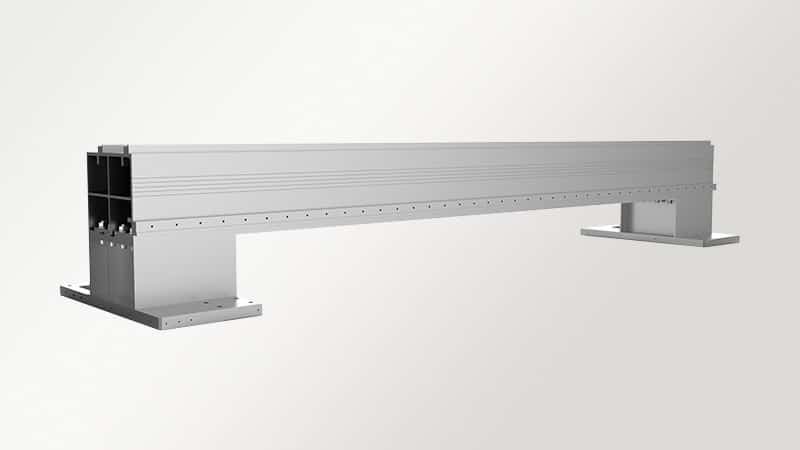
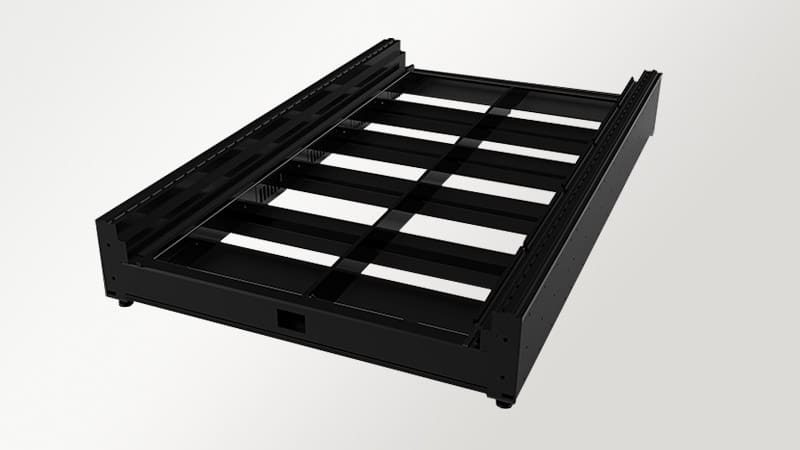
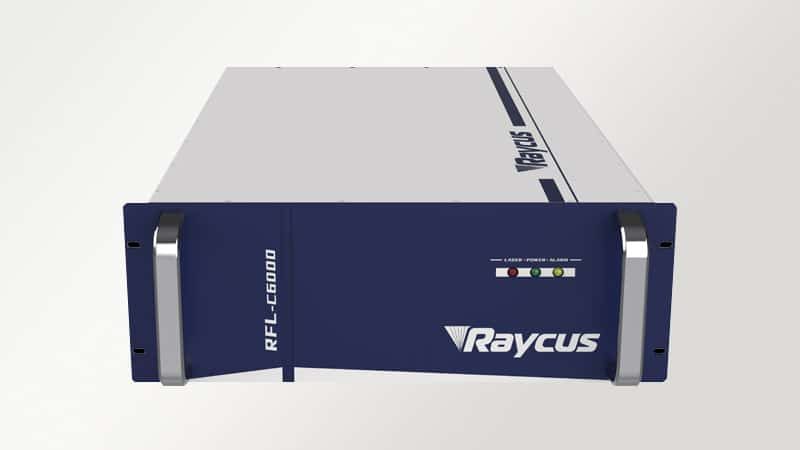
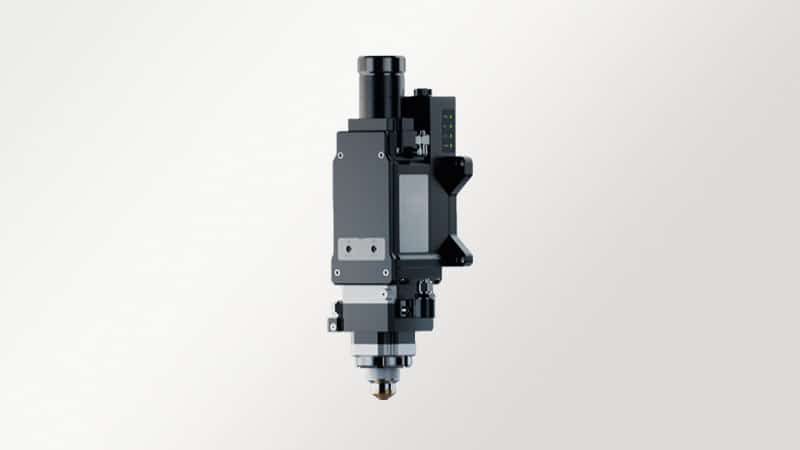
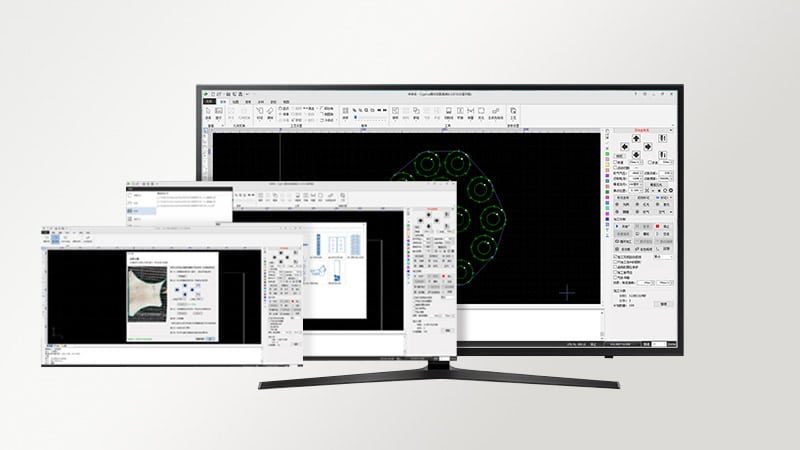
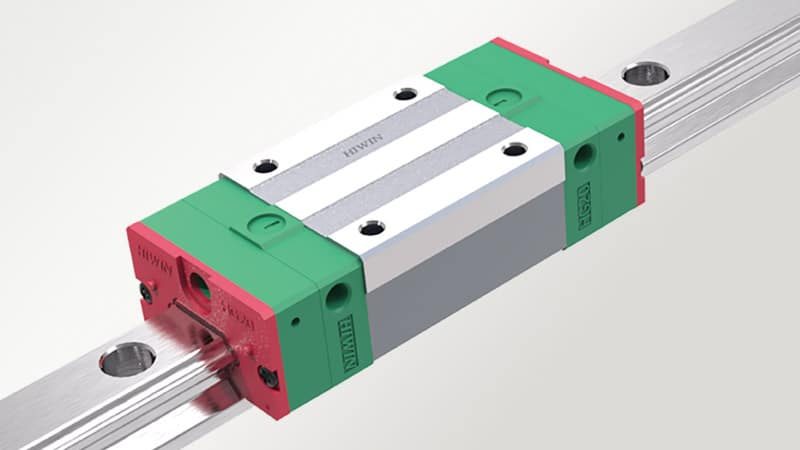
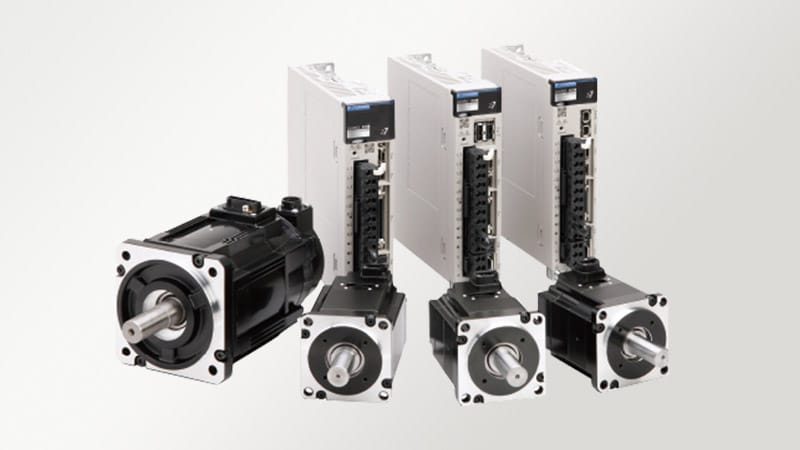
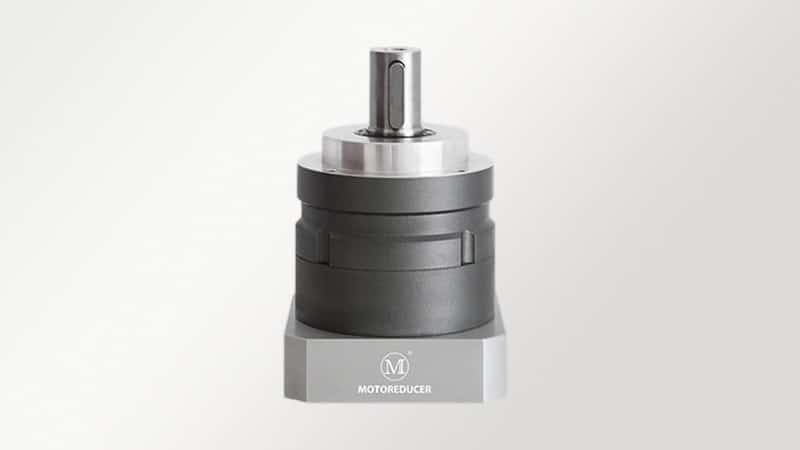
| Model | AKJ1530F | AKJ1545F | AKJ1560F | AKJ2030F | AKJ2040F | AKJ2060F | AKJ2560F |
|---|---|---|---|---|---|---|---|
| Cutting Range | 1500*3000mm | 1500*4500mm | 1500*6000mm | 2000*3000mm | 2000*4000mm | 2000*6000mm | 2500*6000mm |
| Laser Power | 1500-40000W | ||||||
| Laser Generator | Raycus/Max/IPG | ||||||
| Control System | Au3tech/Cypcut | ||||||
| Laser Cutting Head | Au3tech/Raytools/Boci | ||||||
| Transmission System | Rack Drive | ||||||
| Rack | VASTUN/Apex/YYC | ||||||
| Guide Rail | HIWIN | ||||||
| Gear Reducer | Motoreducer | ||||||
| Ball Screw | TBI | ||||||
| Servo Motor | Delta/Yaskawa | ||||||
| Electronic Components | Schneider | ||||||
| Pneumatic Components | SMC/AirTAC | ||||||
| Water Chiller | S&A/Hanli | ||||||
| Maximum Moving Speed | 100m/min | ||||||
| Maximum Acceleration | 1.0G | ||||||
| Positioning Accuracy | ±0.01mm | ||||||
| Repeat Positioning Accuracy | ±0.03mm | ||||||
| Voltage and Frequency | 380V 50Hz/60HZ | ||||||
| Comparison Item | Galvanized Steel Laser Cutting | Plasma Cutting | Waterjet Cutting | Mechanical Cutting |
|---|---|---|---|---|
| Cutting Principle | Uses a focused laser beam to melt and cut galvanized steel | Uses a plasma arc to melt conductive metal | Uses high-pressure water and abrasive to erode material | Uses saws, shears, punches, milling tools, or blades |
| Material Suitability | Suitable for galvanized sheets and plates with proper fume extraction | Can cut galvanized steel, but coating fumes and edge quality need control | Suitable for galvanized steel and many other materials | Suitable, but tool contact may damage the zinc coating |
| Zinc Coating Protection | Produces a narrow cut zone, reducing coating damage | Wider heat zone can burn more zinc coating | Best at preserving coating because it is cold cutting | May scratch, peel, or deform the coating |
| Cutting Precision | High precision for detailed galvanized steel parts | Medium precision | High precision, but slower | Medium precision, depends on tooling and setup |
| Edge Quality | Clean edges with minimal burrs when parameters are optimized | Rougher edges with more dross | Smooth, cold-cut edges | May leave burrs, chips, or tool marks |
| Heat-Affected Zone | Small heat-affected zone | Larger heat-affected zone | No heat-affected zone | Minimal heat, but mechanical stress may occur |
| Fume Control | Requires effective exhaust and filtration for zinc fumes | Produces more smoke and fumes | Produces no thermal fumes, but wastewater must be managed | Produces little fume, but may create chips and dust |
| Cutting Speed | Fast for thin and medium galvanized sheets | Fast for rough cutting | Slower than laser and plasma | Moderate, often slower for complex shapes |
| Thin Sheet Performance | Excellent for thin galvanized sheets, ducts, panels, and enclosures | May cause warping or coating burn-off | Good, but less efficient | Possible, but thin sheets may deform under force |
| Thick Plate Performance | Effective with suitable laser power and process control | Good for thicker conductive steel | Good for thick galvanized steel plates | Limited by tool force and machine capacity |
| Kerf Width | Narrow kerf, saving material | Wider kerf | Medium kerf | Usually wider than laser cutting |
| Material Waste | Low waste due to narrow cutting path | Higher waste than laser | Moderate waste from kerf and abrasive use | Higher waste from chips and tool path |
| Burr Formation | Minimal burrs with proper parameters | More dross and edge cleanup needed | Minimal burrs | Burrs are common |
| Thermal Deformation | Low with optimized parameters | Higher risk due to heat input | No thermal deformation | Possible bending or stress from cutting force |
| Surface Finish | Maintains a clean surface with limited coating damage near the edge | May cause discoloration, oxide marks, and coating loss | Preserves surface finish well | May scratch or mark the galvanized surface |
| Secondary Processing | Often little deburring or edge finishing needed | Often requires grinding, slag removal, and coating repair | Usually little secondary processing | Often requires deburring and surface cleanup |
| Complex Shape Cutting | Excellent for holes, slots, vents, brackets, and fine contours | Good for simple and medium-complex shapes | Good for complex shapes, but slower | Limited for intricate designs |
| Automation Capability | Highly suitable for CNC automation and repeatable batch production | Suitable for CNC cutting | Suitable for CNC cutting | Automation possible, but tool changes may be needed |
| Best Use Cases | HVAC ducts, electrical cabinets, roof panels, brackets, enclosures, automotive parts, and appliance components | Rough cutting of galvanized steel plates where edge quality is less critical | Heat-sensitive galvanized parts or thick plates | Straight cuts, punching, drilling, shearing, and small-batch work |
| Overall Advantage | Best balance of speed, precision, automation, edge quality, and material savings | Good for fast rough cutting of conductive steel | Best when coating protection and cold cutting are required | Good for simple cuts, but less efficient for detailed galvanized steel parts |
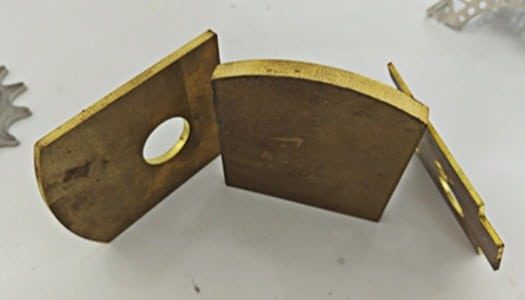
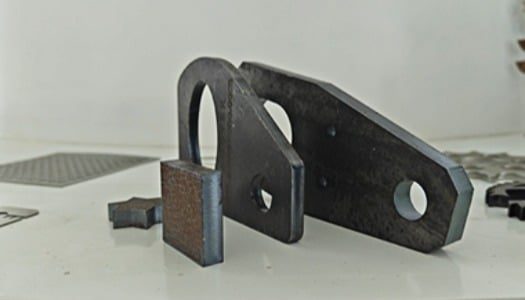
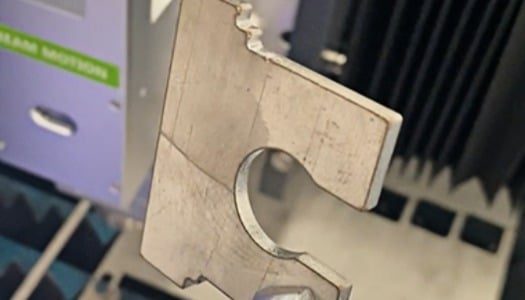
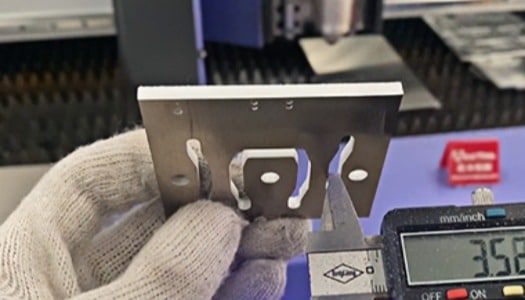
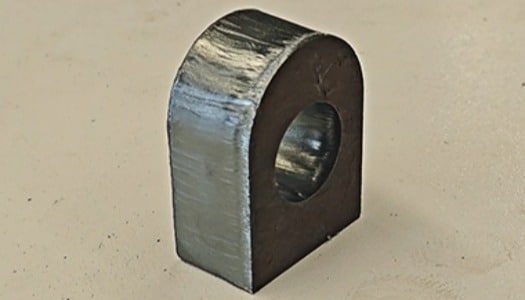
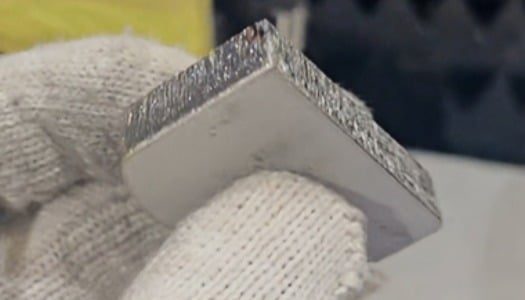
AccTek Laser integrates advanced laser technology into its cutting machines to deliver high precision, stable performance, and efficient cutting results. Their systems use reliable laser sources and optimized control systems, ensuring that operators achieve consistent cuts with minimal material waste. This innovation also helps in enhancing material quality while reducing the risk of thermal damage during the cutting process.
AccTek Laser offers a broad selection of laser cutting machines with different power levels and configurations to suit diverse application requirements. Customers can choose from compact, portable systems for small-scale operations to large industrial machines for high-volume cutting tasks. This makes it easy to find the right solution for cutting metal sheets, plastics, ceramics, and more, ensuring versatility for various industries.
AccTek Laser machines are built using top-quality components sourced from globally recognized suppliers. This includes durable laser sources, cutting-edge scanning systems, and reliable control electronics. By using premium parts, AccTek Laser enhances machine stability, extends service life, and ensures consistent performance under demanding operating conditions, ultimately reducing maintenance needs.
AccTek Laser provides flexible customization options to meet specific customer needs. Machine features like laser power, cutting speed, cooling systems, and automation integration can be tailored to suit different production environments and application requirements. This flexibility ensures that customers achieve optimal cutting performance, productivity, and cost-efficiency.
AccTek Laser offers comprehensive technical support throughout the entire purchase and operation process. Their experienced team assists with machine selection, installation, operation training, and troubleshooting. This level of support helps customers seamlessly adapt to laser cutting technology, ensuring smooth operations and quick issue resolution when necessary.
With years of experience serving customers globally, AccTek Laser provides dependable international service and support. They offer detailed documentation, remote assistance, and responsive after-sales service to help customers maintain their machines and minimize downtime. This ensures that customers can continue their operations with minimal disruptions, enhancing long-term productivity and customer satisfaction.
This article explains how CO2 laser generator wattage from 60W to 600W affects cutting speed, depth, and material capability, and clarifies when higher power delivers real gains and when it

Explore which materials CO2 laser generators cut most effectively, what parameter adjustments each material requires, which materials must be avoided entirely, and how to maintain safe cutting operations across every

This article examines CO2 laser cutting machines, covering how they work, their key advantages and disadvantages, a direct comparison with fiber laser generators, and guidance on when to choose each

This article examines how cooling systems impact laser cutting machine performance, covering heat generation, cooling types, key parameters, effects on cutting quality, reliability, energy efficiency, and maintenance best practices.
The initial cost of galvanized steel laser cutting machines can range from $13,300 to $168,000 depending on several factors such as machine power, features, and the brand. Below is a more detailed breakdown of the price range:
It’s essential to balance the machine’s capabilities with your business needs and budget, as a more expensive machine may deliver better long-term efficiency and operational savings.
Galvanized Steel Laser Cutting Machines come in various power levels to suit different cutting needs, ranging from lower power options for thinner materials to high-power models for cutting thicker steel sheets. Here is a breakdown of the available power levels:
Selecting the right power depends on your cutting thickness needs, production volume, and budget.
Choosing the right power for cutting Galvanized Steel depends primarily on the material thickness, cutting speed requirements, precision needs, and the specific application of your project. Here’s a detailed guide to help you select the optimal power for your needs:
The thickness of the galvanized steel you need to cut is the most critical factor in determining the appropriate power. Thicker materials require higher power to achieve clean, precise cuts. Here’s a general breakdown:
Higher-powered laser cutters not only handle thicker materials but also provide faster cutting speeds. If your operation requires high-volume production or fast turnaround times, a higher-powered laser cutting machine will help optimize productivity. However, if your focus is on precision cutting of thinner materials, a mid-range power machine may provide better accuracy and cost-efficiency.
For projects that demand high precision, such as prototypes or detailed designs, lower to mid-range power (around 3,000W to 6,000W) is often sufficient. These machines allow for finer, more detailed cuts. Higher-powered lasers tend to focus more on cutting speed and might not offer the same level of detail on thinner materials.
The choice of gas (oxygen, nitrogen, or compressed air) and gas pressure also influences the power needed. Higher pressure can improve cutting speed and quality, especially for thicker materials. If you are cutting thick galvanized steel, you’ll need a higher-pressure gas (often oxygen or nitrogen) to ensure smooth cuts. Ensure that the machine is compatible with the type of gas you intend to use, as this will affect cutting performance and the required laser power.
Higher-powered machines are more expensive upfront and generally incur higher operating costs (such as power consumption, maintenance, and consumables like laser heads). If your business doesn’t regularly deal with thick materials, a lower-powered laser cutter may be more cost-effective. For businesses that plan to scale up operations or handle a range of material thicknesses, investing in a higher-powered machine could prove beneficial in the long term.
Consider whether your business will need to cut thicker materials or handle larger volumes in the future. Opting for a higher-powered laser cutting machine (e.g., 12,000W or 20,000W) can provide flexibility if your needs change. Even if you currently deal with thinner materials, choosing a machine with more power might help accommodate future growth without requiring a new purchase.
To summarize, choosing the right power for cutting galvanized steel depends largely on material thickness, cutting speed needs, and the specific application. Smaller businesses or those working with thinner sheets will benefit from lower-powered machines, while larger industries dealing with thick steel or high-volume cutting will require higher-powered lasers. By carefully considering your cutting needs, precision requirements, and budget, you can select the right power for your operations.
When cutting galvanized steel with lasers, the type of gas used plays a critical role in the cutting process, affecting cutting speed, edge quality, and overall material properties. The most commonly used gases for laser cutting galvanized steel are oxygen, nitrogen, and compressed air. Each gas has distinct benefits and is suited for different applications depending on the desired outcomes.
The choice of gas for cutting galvanized steel depends largely on the material thickness, desired edge quality, cutting speed, and budget. Oxygen is the preferred choice for thicker steel and high-speed cutting, but it may leave oxidation on the cut edge. Nitrogen is best for oxide-free cuts and high-precision work but comes with higher costs and slower speeds. Compressed air is a cost-effective option for light-duty cuts but results in lower-quality edges and slower cutting speeds. Therefore, your specific requirements regarding speed, material thickness, and edge quality should guide the selection of the appropriate cutting gas.
Optimizing gas consumption when cutting galvanized steel is essential for reducing operational costs, maintaining cutting quality, and improving efficiency. Gas consumption can significantly impact the overall cost of laser cutting operations, so fine-tuning various factors such as gas type, pressure, flow rate, and cutting parameters can lead to more economical and effective cutting processes. Here are several strategies to optimize gas consumption:
The first step in optimizing gas consumption is selecting the appropriate gas for your specific cutting task. As mentioned earlier, oxygen, nitrogen, and compressed air are commonly used for cutting galvanized steel, and each offers distinct advantages depending on the material thickness and required cut quality.
The gas pressure and flow rate can greatly influence gas consumption. Setting these parameters too high will not only waste gas but can also result in suboptimal cutting quality, while setting them too low may slow down the cutting process and increase the likelihood of incomplete cuts.
The laser’s focus position is another critical factor affecting cutting quality and gas consumption. A correct focus position helps achieve a precise and clean cut, reducing the need for excessive gas to complete the cutting process.
While faster cutting speeds typically require higher gas consumption, achieving the right balance between cutting speed and gas flow rate is key to optimizing gas usage.
Proper maintenance of your laser cutting machine and gas delivery system is essential for optimizing gas consumption. Over time, components like nozzles, regulators, and hoses may become clogged or worn, leading to inefficient gas flow. Regular checks and maintenance will ensure that the system operates at optimal efficiency.
Many modern laser cutting machines come equipped with advanced software systems that allow operators to optimize various cutting parameters automatically. These systems can adjust factors such as cutting speed, gas pressure, and flow rate in real-time to ensure the most efficient gas consumption.
Ensuring that operators are properly trained to understand the nuances of laser cutting and gas optimization is one of the most effective ways to reduce gas consumption. Skilled operators can make real-time adjustments to parameters, avoid waste, and identify inefficiencies in the cutting process.
To optimize gas consumption when cutting galvanized steel, it’s essential to choose the right gas type, fine-tune cutting parameters such as pressure, flow rate, and cutting speed, and maintain equipment for peak performance. By balancing gas efficiency with the necessary cutting quality, you can significantly reduce operating costs and improve overall cutting efficiency. Regular monitoring and adjustments based on the material thickness, desired cut quality, and machine capabilities will help ensure that the laser-cutting process remains both cost-effective and high-performing.
Setting the correct focus position is essential for optimizing the cutting quality and efficiency when working with galvanized steel. The focus position refers to the distance at which the laser beam is focused onto the surface of the material. The proper focus point ensures that the laser’s energy is concentrated in the right spot, maximizing cutting performance while minimizing gas consumption and edge roughness. Here’s how to set the correct focus position for cutting galvanized steel:
The focus position plays a critical role in determining the cutting efficiency, cut quality, and edge characteristics. If the focus is too high or too low, it will negatively affect the kerf width (the width of the cut), leading to inefficient use of energy and gas. A properly focused beam ensures that the energy is concentrated at the cutting point, leading to cleaner cuts with minimal heat-affected zones.
Several factors influence the ideal focus position for cutting galvanized steel:
For galvanized steel, the focus position typically depends on the thickness of the material and the laser power. Below are some general guidelines:
The focusing lens and nozzle play a significant role in determining the focus position:
Galvanized steel’s zinc coating can react differently compared to uncoated steel, especially when cutting with oxygen. This can lead to increased oxidation and heat buildup. By optimizing the focus position, you can minimize the potential issues:
Once the initial focus position is set, it’s important to fine-tune it during actual cutting, especially for galvanized steel, as its properties may cause slight changes in behavior due to its zinc coating. Regularly monitor the cut edge quality and adjust the focus position slightly if necessary:
Modern laser cutting machines often come equipped with auto-focus systems that can automatically adjust the focus position based on real-time data from sensors. These systems ensure that the laser is always operating at the optimal focus point, adjusting as the cutting speed or material thickness changes.
Setting the correct focus position is crucial for achieving optimal cutting results when working with galvanized steel. By adjusting the focus based on material thickness, laser power, and cutting speed, you can improve cutting quality, reduce material distortion, and minimize waste. Regular monitoring and adjustments, combined with the use of advanced focusing lenses and auto-focus systems, will ensure consistent and high-quality cuts, especially when dealing with the unique properties of galvanized steel.
Our laser-cutting machine is backed by a comprehensive warranty designed to give you peace of mind and protect your investment:
Please note that this warranty excludes damage resulting from improper use, mishandling, or other artificial causes.
Our laser-cutting machine is certified with internationally recognized standards to ensure quality, safety, and compliance with industry requirements.
If additional certifications are required for specific regions or industries, please let us know, and we can provide further information.
4 reviews for Galvanized Steel Laser Cutting Machine
Andrew –
This machine has improved efficiency in our operations. It runs consistently and produces reliable results. The cutting speed is good, and the accuracy meets our requirements. The system is easy to use, which helps reduce training time. It also handles long production runs without issues. The build quality feels strong and durable. Overall, it’s a practical investment that supports our production goals.
Matthew –
From a mechanical perspective, this machine is well designed and built for stability. The welded bed provides a strong foundation, which helps reduce vibration during operation. The motion system is precise, and the servo motor ensures accurate positioning. I’ve observed consistent performance across different cutting tasks. The machine also handles continuous operation well without overheating. Maintenance requirements are low, which is an added benefit. Overall, it’s a solid piece of equipment that meets industrial standards.
Chloe –
I assist with daily production tasks, and this machine has been easy to work with. The controls are simple, and I can quickly set up jobs. It runs smoothly and doesn’t make too much noise. The cutting quality is good, and the edges come out clean. It also stays stable during operation, which makes it easier to manage. I haven’t experienced any major issues so far. Overall, it’s a reliable machine that supports our work well.
Grace –
Since we started using this machine, our workflow has become more organized. It runs reliably, which helps us stick to schedules. The nesting feature reduces waste, which is important for cost management. The system is easy to operate, and training new staff is simple. It performs consistently, even during long shifts. Overall, it’s a dependable machine that improves efficiency.