















Galvanized Steel Laser Cutting Machine

The galvanized steel laser cutting machine delivers precise, high-speed cutting with a rigid aluminum beam, heavy-duty bed, advanced laser head, and intelligent control for efficient industrial use.
Home - Laser Cutting Machine - Galvanized Steel Laser Cutting Machine
Galvanized Steel Laser Cutting Machine
(4 customer reviews)
$13,300 – $168,000
Cutting Area: 1300*2500mm, 1500mm*3000mm, 1500*4000mm, 2000*4000mm, 2500*6000mm, 2500*12000mm
Guide Rail: HIWIN
Laser Power Range: 1500-40000W
Laser Generator: Raycus, Max, IPG
Laser Head: Raytools, Au3tech
Control Software: Cypcut
Servo Motor: Yaskawa, Delta

Product Introduction

The galvanized steel laser cutting machine is a high-precision industrial solution engineered for efficient and reliable cutting of galvanized steel sheets and plates. Its high-efficiency laser generator produces a concentrated, stable beam capable of cutting with exceptional accuracy, minimal thermal distortion, and clean edges, preserving surface integrity. The machine’s high-performance aluminum alloy beam and heavy-duty plate welding bed provide superior rigidity, reducing vibration and deformation during high-speed operations and ensuring consistent cutting quality. Equipped with high-precision guide rails, servo motors, and a stable gear reducer, it delivers smooth, controlled motion and rapid response for complex cutting tasks. The precision laser cutting head, featuring advanced optics and a capacitive height sensing system, maintains accurate focal positioning, producing detailed patterns and smooth finishes. Managed by an intelligent control system, the machine optimizes cutting paths, enhances productivity, and minimizes material waste, making it ideal for demanding manufacturing, automotive, construction, and metal fabrication applications.

Product Configuration

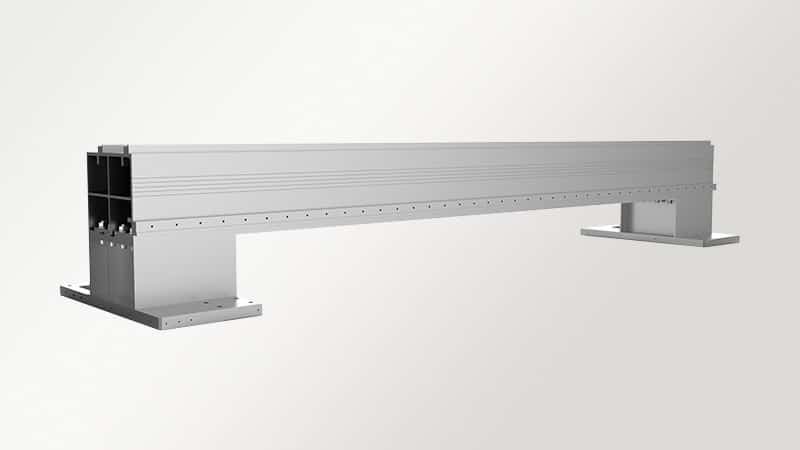
High-Performance Aluminum Alloy Beam

High-Performance Aluminum Alloy Beam

The aluminum alloy beam structure in the machine is lightweight yet rigid, allowing fast acceleration with minimal vibration. Its high strength-to-weight ratio improves motion precision and stability during cutting, while also resisting deformation over time. The material dissipates heat efficiently, helping maintain accuracy under continuous operation. Overall, this design enhances speed, durability, and cutting quality.

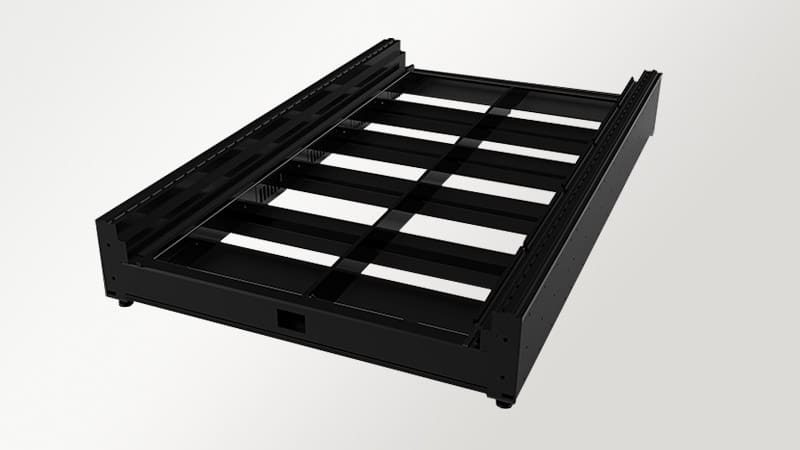
Heavy-Duty Plate Welding Bed

The plate welding bed is built from thick steel plates welded together to create a solid and stable machine base. This structure provides excellent rigidity and load-bearing capacity, reducing vibration and maintaining alignment during cutting. It supports accurate positioning and consistent performance. Its heavy-duty construction ensures durability and reliability in long-term, high-intensity industrial operations.
Heavy-Duty Plate Welding Bed
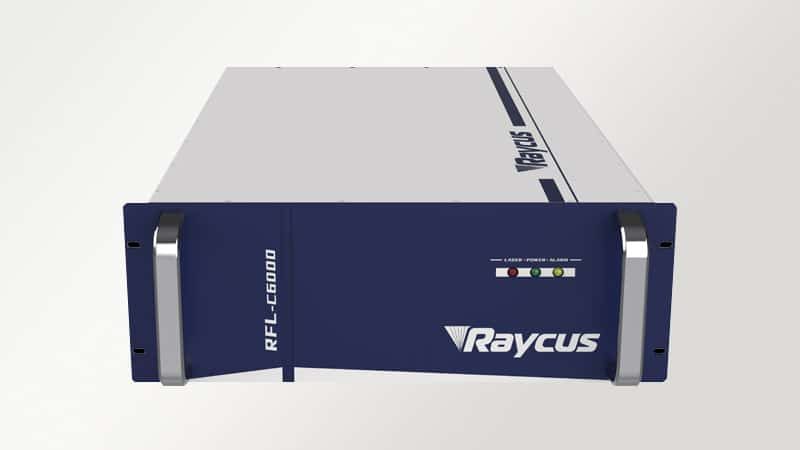
High-Efficiency Laser Generator

High-Efficiency Laser Generator

The laser generator is the core component of the machine, responsible for producing a high-energy, concentrated beam used for precise material processing. It delivers stable output, high electro-optical efficiency, and consistent performance over long operating periods. The design supports low maintenance requirements and reliable operation across different materials and thicknesses, ensuring accuracy and productivity in demanding industrial applications.

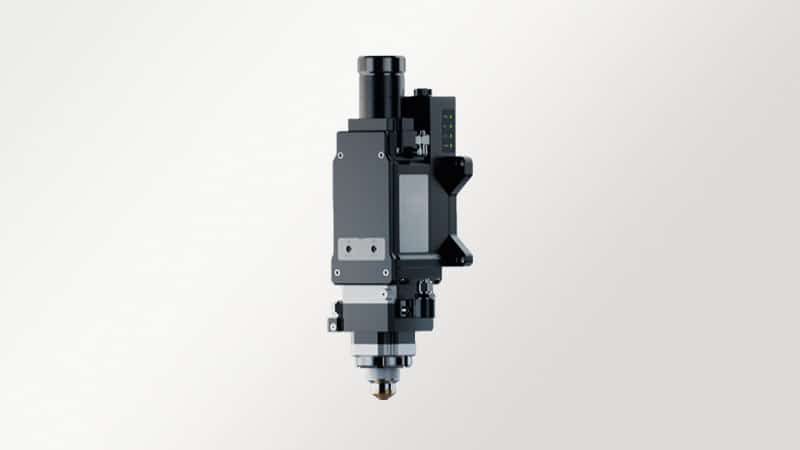
Precision Laser Cutting Head

The laser cutting head is a critical component that precisely directs and focuses the laser beam onto the workpiece. It integrates advanced optics, a capacitive height sensing system, and protective lenses to maintain accurate focal positioning during operation. This enables clean cuts, reduced defects, and stable performance across various materials and thicknesses. Its design supports high-speed processing while ensuring consistent cutting quality.
Precision Laser Cutting Head
Intelligent Control System

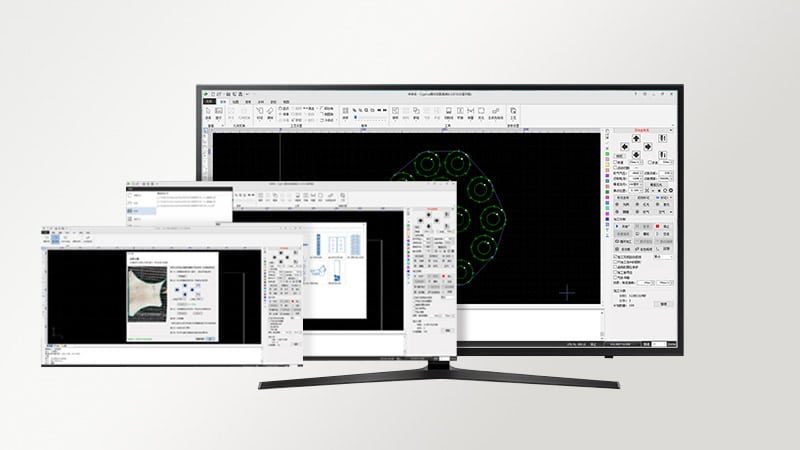
Intelligent Control System

The control system is the central unit of the machine, responsible for managing motion control, laser power, and cutting paths with high precision. It offers an intuitive interface, efficient nesting functions, and real-time process monitoring to optimize performance and reduce material waste. The system ensures stable operation, accurate positioning, and smooth execution of complex cutting tasks in continuous production environments.

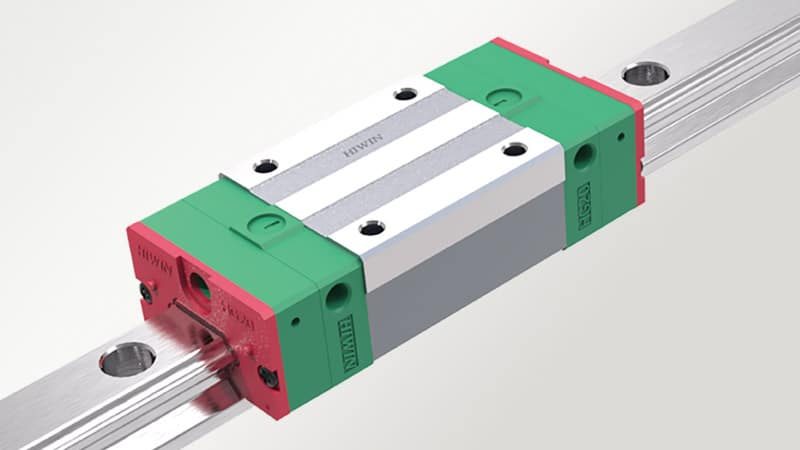
High-Precision Guide Rail

The guide rail provides precise linear motion for the moving parts of the machine. It is engineered for high rigidity and smooth travel, ensuring accurate positioning and repeatability during operation. The structure minimizes friction and vibration, allowing stable, high-speed movement while maintaining cutting precision. Its durable design supports long-term use with minimal wear, even in demanding industrial environments.
High-Precision Guide Rail
High-Precision Servo Motor

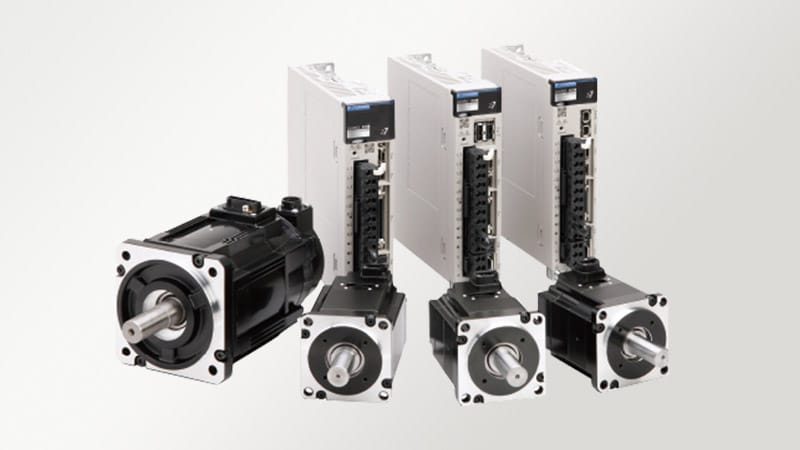
High-Precision Servo Motor

The servo motor drives the movement of a laser cutting machine with exceptional precision and control. It continuously adjusts speed, position, and torque through real-time feedback, ensuring smooth and accurate motion. The system enables quick response, stable operation, and precise path tracking, even at high speeds. Its efficient design supports consistent cutting quality and reliable performance in demanding production environments.

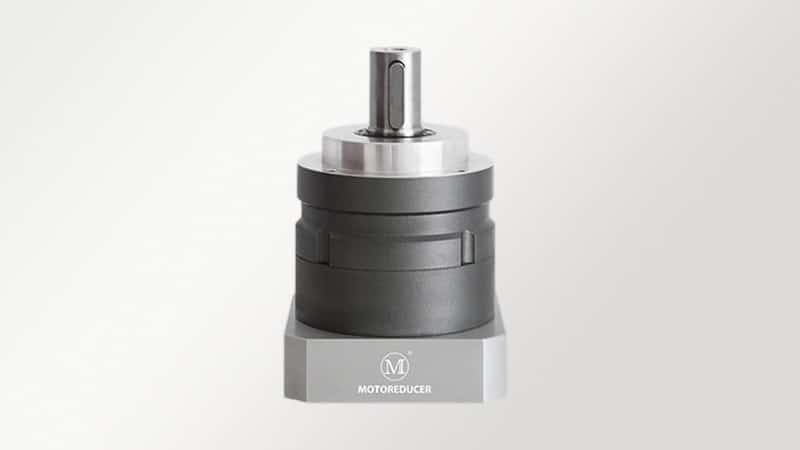
Stable Gear Reducer

The gear reducer is used to decrease motor speed while increasing torque, enabling precise and stable movement in a laser cutting machine. It ensures smooth power transmission and improves positioning accuracy by minimizing vibration and backlash. The structure enhances control during acceleration and deceleration, supporting consistent cutting performance. Its durable construction allows reliable operation under continuous load and demanding industrial conditions.
Stable Gear Reducer

Product Parameters

Model AKJ1530F AKJ1545F AKJ1560F AKJ2030F AKJ2040F AKJ2060F AKJ2560F
Cutting Range 1500*3000mm 1500*4500mm 1500*6000mm 2000*3000mm 2000*4000mm 2000*6000mm 2500*6000mm
Laser Power 1500-40000W
Laser Generator Raycus/Max/IPG
Control System Au3tech/Cypcut
Laser Cutting Head Au3tech/Raytools/Boci
Transmission System Rack Drive
Rack VASTUN/Apex/YYC
Guide Rail HIWIN
Gear Reducer Motoreducer
Ball Screw TBI
Servo Motor Delta/Yaskawa
Electronic Components Schneider
Pneumatic Components SMC/AirTAC
Water Chiller S&A/Hanli
Maximum Moving Speed 100m/min
Maximum Acceleration 1.0G
Positioning Accuracy ±0.01mm
Repeat Positioning Accuracy ±0.03mm
Voltage and Frequency 380V 50Hz/60HZ

Optional Configuration

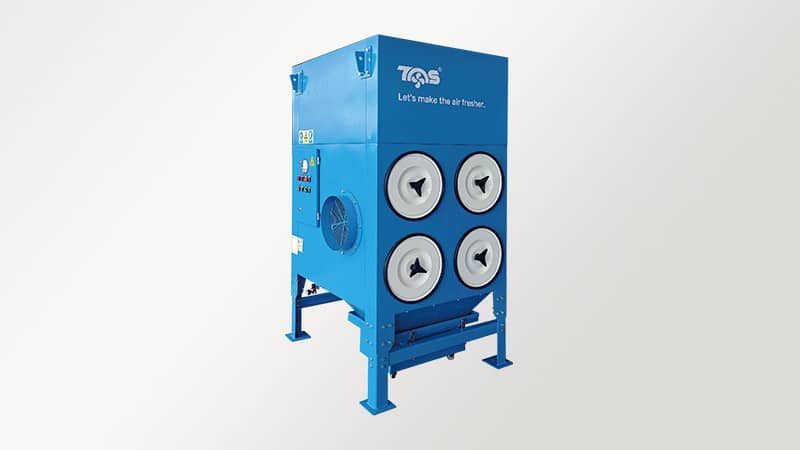
Eco-Friendly Fume Purifier

Eco-Friendly Fume Purifier

The fume purifier is designed to capture and filter smoke, dust, and harmful particles generated during laser cutting. It uses a multi-stage filtration system to remove contaminants from the air, improving workplace safety and environmental conditions. The structure helps maintain clean air, reduces operator exposure to pollutants, and supports compliance with industrial standards. Its efficient operation ensures a healthier and more controlled production environment.

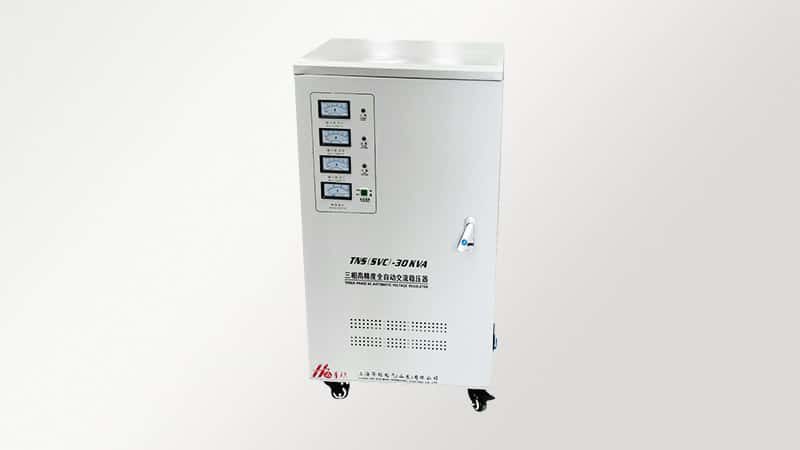
Stabilizing Voltage Regulator

The voltage regulator stabilizes the electrical supply to laser cutting machines, protecting it from fluctuations, surges, and drops in power. It ensures consistent voltage input, which helps maintain stable machine performance and prevents damage to sensitive components. The structure improves reliability, reduces the risk of downtime, and extends equipment lifespan. Its role is essential for maintaining precision and consistent output in varying power conditions.
Stabilizing Voltage Regulator
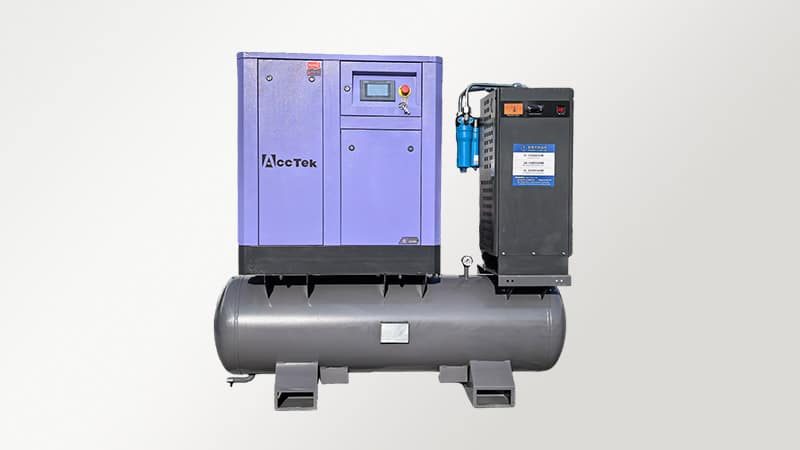
Reliable Air Compressor

Reliable Air Compressor

The air compressor supplies a continuous flow of compressed air to assist the laser cutting process. It helps expel molten material and debris from the cutting zone, improving edge quality and reducing oxidation. The system ensures stable pressure and reliable airflow, supporting consistent cutting performance. Its integration enhances efficiency and reduces operating costs, making it suitable for sustained industrial use.

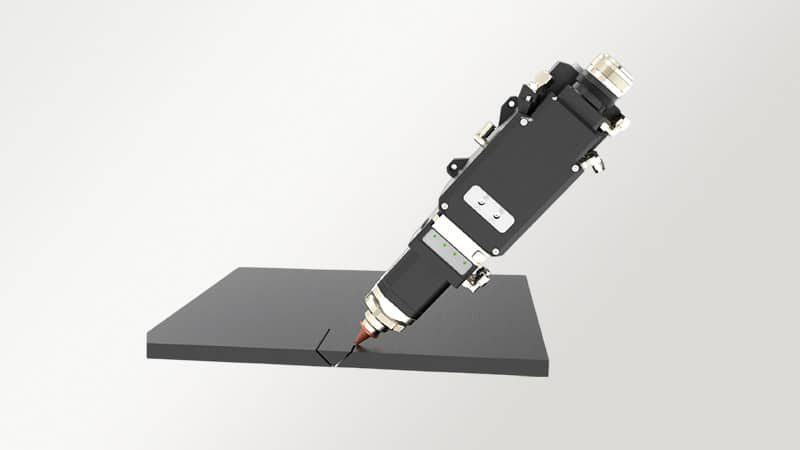
Flexible Beveling Cutting Device

The beveling cutting device enables laser cutting machines to produce angled edges by tilting the cutting head during operation. It allows precise control over bevel angles, improving weld preparation and fit-up quality. The structure expands cutting capabilities beyond straight cuts, supporting complex shapes and designs. Its stable adjustment mechanism ensures consistent accuracy and smooth performance in demanding industrial applications.
Flexible Beveling Cutting Device

Compared With Other Cutting Methods

Comparison Item Galvanized Steel Laser Cutting Plasma Cutting Waterjet Cutting Mechanical Cutting
Cutting Principle Uses a focused laser beam to melt and cut galvanized steel Uses a plasma arc to melt conductive metal Uses high-pressure water and abrasive to erode material Uses saws, shears, punches, milling tools, or blades
Material Suitability Suitable for galvanized sheets and plates with proper fume extraction Can cut galvanized steel, but coating fumes and edge quality need control Suitable for galvanized steel and many other materials Suitable, but tool contact may damage the zinc coating
Zinc Coating Protection Produces a narrow cut zone, reducing coating damage Wider heat zone can burn more zinc coating Best at preserving coating because it is cold cutting May scratch, peel, or deform the coating
Cutting Precision High precision for detailed galvanized steel parts Medium precision High precision, but slower Medium precision, depends on tooling and setup
Edge Quality Clean edges with minimal burrs when parameters are optimized Rougher edges with more dross Smooth, cold-cut edges May leave burrs, chips, or tool marks
Heat-Affected Zone Small heat-affected zone Larger heat-affected zone No heat-affected zone Minimal heat, but mechanical stress may occur
Fume Control Requires effective exhaust and filtration for zinc fumes Produces more smoke and fumes Produces no thermal fumes, but wastewater must be managed Produces little fume, but may create chips and dust
Cutting Speed Fast for thin and medium galvanized sheets Fast for rough cutting Slower than laser and plasma Moderate, often slower for complex shapes
Thin Sheet Performance Excellent for thin galvanized sheets, ducts, panels, and enclosures May cause warping or coating burn-off Good, but less efficient Possible, but thin sheets may deform under force
Thick Plate Performance Effective with suitable laser power and process control Good for thicker conductive steel Good for thick galvanized steel plates Limited by tool force and machine capacity
Kerf Width Narrow kerf, saving material Wider kerf Medium kerf Usually wider than laser cutting
Material Waste Low waste due to narrow cutting path Higher waste than laser Moderate waste from kerf and abrasive use Higher waste from chips and tool path
Burr Formation Minimal burrs with proper parameters More dross and edge cleanup needed Minimal burrs Burrs are common
Thermal Deformation Low with optimized parameters Higher risk due to heat input No thermal deformation Possible bending or stress from cutting force
Surface Finish Maintains a clean surface with limited coating damage near the edge May cause discoloration, oxide marks, and coating loss Preserves surface finish well May scratch or mark the galvanized surface
Secondary Processing Often little deburring or edge finishing needed Often requires grinding, slag removal, and coating repair Usually little secondary processing Often requires deburring and surface cleanup
Complex Shape Cutting Excellent for holes, slots, vents, brackets, and fine contours Good for simple and medium-complex shapes Good for complex shapes, but slower Limited for intricate designs
Automation Capability Highly suitable for CNC automation and repeatable batch production Suitable for CNC cutting Suitable for CNC cutting Automation possible, but tool changes may be needed
Best Use Cases HVAC ducts, electrical cabinets, roof panels, brackets, enclosures, automotive parts, and appliance components Rough cutting of galvanized steel plates where edge quality is less critical Heat-sensitive galvanized parts or thick plates Straight cuts, punching, drilling, shearing, and small-batch work
Overall Advantage Best balance of speed, precision, automation, edge quality, and material savings Good for fast rough cutting of conductive steel Best when coating protection and cold cutting are required Good for simple cuts, but less efficient for detailed galvanized steel parts

Product Application

The galvanized steel laser cutting machine is designed for precise, high-efficiency cutting of galvanized steel sheets and plates in demanding industrial environments. It is widely used in construction, automotive, HVAC, and metal fabrication industries, where high-quality, smooth, and accurate cuts are essential. Its high-performance aluminum alloy beam and heavy-duty plate welding bed ensure stability and precision, even during continuous high-speed operations. Advanced features like the precision laser cutting head, high-precision guide rails, and intelligent control system enable intricate patterns, optimized nesting, and reduced material waste. The machine can handle galvanized steel of varying thicknesses while maintaining edge quality and minimizing thermal distortion. Its robust construction and reliable components, including servo motors and stable gear reducers, provide long-term performance with consistent results. Ideal for mass production or customized industrial projects, this machine combines accuracy, speed, and durability to meet the challenges of modern metal processing.
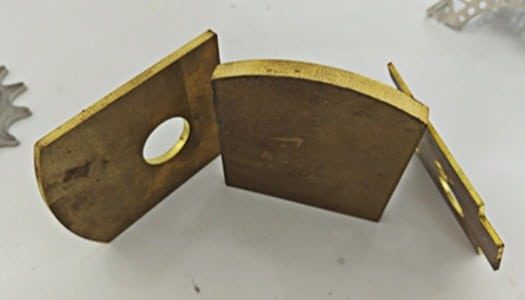
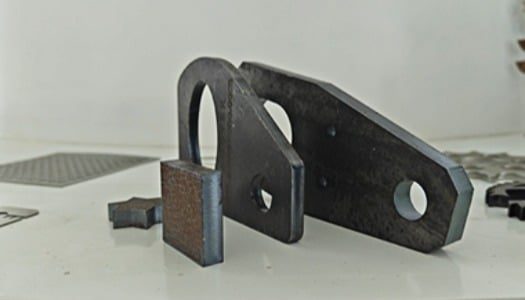
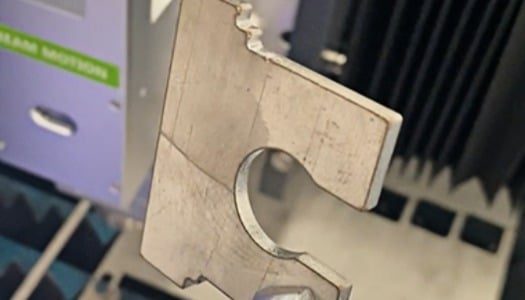
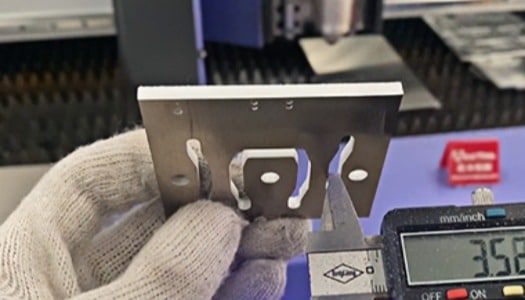
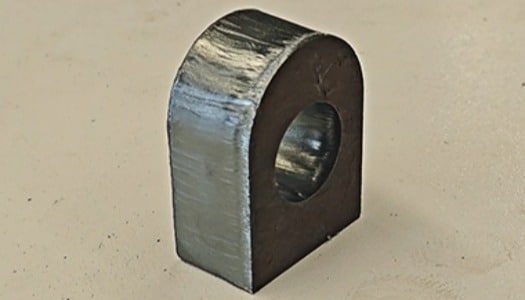
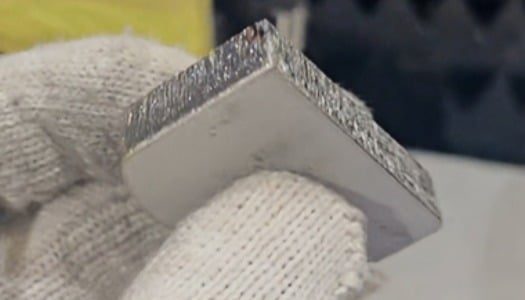
Sheet Fiber Laser Cutting Samples

Why Choose AccTek Laser

Advanced Laser Technology

AccTek Laser integrates advanced laser technology into its cutting machines to deliver high precision, stable performance, and efficient cutting results. Their systems use reliable laser sources and optimized control systems, ensuring that operators achieve consistent cuts with minimal material waste. This innovation also helps in enhancing material quality while reducing the risk of thermal damage during the cutting process.

Wide Range of Machine Options

AccTek Laser offers a broad selection of laser cutting machines with different power levels and configurations to suit diverse application requirements. Customers can choose from compact, portable systems for small-scale operations to large industrial machines for high-volume cutting tasks. This makes it easy to find the right solution for cutting metal sheets, plastics, ceramics, and more, ensuring versatility for various industries.

High-Quality Components

AccTek Laser machines are built using top-quality components sourced from globally recognized suppliers. This includes durable laser sources, cutting-edge scanning systems, and reliable control electronics. By using premium parts, AccTek Laser enhances machine stability, extends service life, and ensures consistent performance under demanding operating conditions, ultimately reducing maintenance needs.

Customization and Flexible Solutions

AccTek Laser provides flexible customization options to meet specific customer needs. Machine features like laser power, cutting speed, cooling systems, and automation integration can be tailored to suit different production environments and application requirements. This flexibility ensures that customers achieve optimal cutting performance, productivity, and cost-efficiency.

Professional Technical Support

AccTek Laser offers comprehensive technical support throughout the entire purchase and operation process. Their experienced team assists with machine selection, installation, operation training, and troubleshooting. This level of support helps customers seamlessly adapt to laser cutting technology, ensuring smooth operations and quick issue resolution when necessary.

Reliable Global Service

With years of experience serving customers globally, AccTek Laser provides dependable international service and support. They offer detailed documentation, remote assistance, and responsive after-sales service to help customers maintain their machines and minimize downtime. This ensures that customers can continue their operations with minimal disruptions, enhancing long-term productivity and customer satisfaction.

Related Resources

Are Chinese Laser Cutting Machines Good

Are Chinese Laser Cutting Machines Good?

This article mainly teaches you how to choose a suitable Chinese brand laser cutting machine. If you are also thinking of getting one, please read this article patiently; you will

Customer Testimonials

4 reviews for Galvanized Steel Laser Cutting Machine

  1. Andrew

    This machine has improved efficiency in our operations. It runs consistently and produces reliable results. The cutting speed is good, and the accuracy meets our requirements. The system is easy to use, which helps reduce training time. It also handles long production runs without issues. The build quality feels strong and durable. Overall, it’s a practical investment that supports our production goals.

  2. Matthew

    From a mechanical perspective, this machine is well designed and built for stability. The welded bed provides a strong foundation, which helps reduce vibration during operation. The motion system is precise, and the servo motor ensures accurate positioning. I’ve observed consistent performance across different cutting tasks. The machine also handles continuous operation well without overheating. Maintenance requirements are low, which is an added benefit. Overall, it’s a solid piece of equipment that meets industrial standards.

  3. Chloe

    I assist with daily production tasks, and this machine has been easy to work with. The controls are simple, and I can quickly set up jobs. It runs smoothly and doesn’t make too much noise. The cutting quality is good, and the edges come out clean. It also stays stable during operation, which makes it easier to manage. I haven’t experienced any major issues so far. Overall, it’s a reliable machine that supports our work well.

  4. Grace

    Since we started using this machine, our workflow has become more organized. It runs reliably, which helps us stick to schedules. The nesting feature reduces waste, which is important for cost management. The system is easy to operate, and training new staff is simple. It performs consistently, even during long shifts. Overall, it’s a dependable machine that improves efficiency.

Add a review

Your email address will not be published. Required fields are marked *

seventeen − 15 =

Frequently Asked Questions

What is The Initial Cost of Galvanized Steel Laser Cutting Machines?

The initial cost of galvanized steel laser cutting machines can range from $13,300 to $168,000 depending on several factors such as machine power, features, and the brand. Below is a more detailed breakdown of the price range:

  1. Entry-Level
  • Power Range: 1,000W to 2,000W
  • Price Range: $13,300 – $50,000
  • These machines are suitable for cutting thinner galvanized steel sheets (typically up to 5mm) and are commonly used by small or medium-sized businesses for less demanding tasks. They offer cost-effective options for companies just starting with laser cutting technology.
  1. Mid-Range
  • Power Range: 3,000W to 6,000W
  • Price Range: $50,000 – $100,000
  • This range covers machines that can cut through thicker sheets (up to 10-12mm) with better precision and speed. They are ideal for medium to large manufacturing operations, offering good flexibility in terms of material thickness and cutting speed.
  1. High-End
  • Power Range: 12,000W to 40,000W
  • Price Range: $100,000 – $168,000
  • These machines are designed for cutting galvanized steel sheets up to 20mm or more with high precision. They are typically used in large-scale operations that require high-volume, high-precision cutting for complex and thick materials.

It’s essential to balance the machine’s capabilities with your business needs and budget, as a more expensive machine may deliver better long-term efficiency and operational savings.

Galvanized Steel Laser Cutting Machines come in various power levels to suit different cutting needs, ranging from lower power options for thinner materials to high-power models for cutting thicker steel sheets. Here is a breakdown of the available power levels:

  1. 1,500W
  • Typical Applications: Thin materials up to 1-3mm
  • Best for: Small to medium-sized businesses or workshops with lighter cutting tasks. Offers high precision but limited to thinner galvanized steel sheets.
  1. 2,000W
  • Typical Applications: Cutting up to 2-4mm galvanized steel
  • Best for: Businesses needing a good balance of power and cutting speed for medium thickness materials.
  1. 3,000W
  • Typical Applications: Cutting materials up to 5mm
  • Best for: Mid-sized businesses that work with a variety of material thicknesses, providing faster cutting speeds and better efficiency.
  1. 4,000W
  • Typical Applications: Cutting up to 6mm galvanized steel
  • Best for: Industrial-grade cutting tasks. Suitable for businesses with higher production demands and thicker material needs.
  1. 6,000W
  • Typical Applications: Cutting up to 3mm or 8mm galvanized steel
  • Best for: Larger enterprises with high-volume production needs or those dealing with thicker materials that require greater cutting precision and speed.
  1. 12,000W
  • Typical Applications: Cutting materials up to 18mm
  • Best for: Large manufacturing plants and industries requiring heavy-duty, high-precision cuts. Capable of working with thick, high-strength galvanized steel sheets.
  1. 20,000W
  • Typical Applications: Cutting up to 25mm or more
  • Best for: High-end industrial applications, offering maximum cutting thickness with very high precision. Suitable for cutting large metal parts and heavy-duty tasks.
  1. 30,000W
  • Typical Applications: Cutting materials up to 30mm or more
  • Best for: Ultra-heavy industrial applications where maximum thickness and high cutting speeds are necessary. Often used in heavy metal fabrication.
  1. 40,000W
  • Typical Applications: Cutting up to 40mm galvanized steel
  • Best for: Specialized industries requiring extremely high power for cutting the thickest steel materials, such as in shipbuilding or large-scale construction.

Selecting the right power depends on your cutting thickness needs, production volume, and budget.

Choosing the right power for cutting Galvanized Steel depends primarily on the material thickness, cutting speed requirements, precision needs, and the specific application of your project. Here’s a detailed guide to help you select the optimal power for your needs:

  1. Consider Material Thickness

The thickness of the galvanized steel you need to cut is the most critical factor in determining the appropriate power. Thicker materials require higher power to achieve clean, precise cuts. Here’s a general breakdown:

  • Thin Sheets (Up to 5mm): For cutting thinner galvanized steel sheets, a 1,500W to 2,000W laser cutting machine is typically sufficient. These machines can provide the precision required for thinner materials and are ideal for light-duty tasks in small businesses or workshops.
  • Medium Thickness (5mm to 12mm): If you’re cutting medium-thickness galvanized steel, a 3,000W to 6,000W machine will be more appropriate. These machines provide a good balance of cutting speed and precision, making them suitable for moderate cutting tasks in industries like fabrication or automotive parts.
  • Thicker Materials (12mm to 20mm): For thicker sheets, you’ll need 8,000W to 12,000W of power. These higher-powered machines are designed for cutting thicker material at faster speeds, making them ideal for larger industrial operations.
  • Ultra-Thick Steel (20mm to 40mm or more): For very thick galvanized steel, such as in construction or heavy manufacturing, you’ll need 15,000W to 40,000W of power. These machines can handle extremely thick materials with high precision and speed, although they come at a significantly higher cost.
  1. Cutting Speed and Efficiency

Higher-powered laser cutters not only handle thicker materials but also provide faster cutting speeds. If your operation requires high-volume production or fast turnaround times, a higher-powered laser cutting machine will help optimize productivity. However, if your focus is on precision cutting of thinner materials, a mid-range power machine may provide better accuracy and cost-efficiency.

  1. Precision Requirements

For projects that demand high precision, such as prototypes or detailed designs, lower to mid-range power (around 3,000W to 6,000W) is often sufficient. These machines allow for finer, more detailed cuts. Higher-powered lasers tend to focus more on cutting speed and might not offer the same level of detail on thinner materials.

  1. Gas Types and Pressure Considerations

The choice of gas (oxygen, nitrogen, or compressed air) and gas pressure also influences the power needed. Higher pressure can improve cutting speed and quality, especially for thicker materials. If you are cutting thick galvanized steel, you’ll need a higher-pressure gas (often oxygen or nitrogen) to ensure smooth cuts. Ensure that the machine is compatible with the type of gas you intend to use, as this will affect cutting performance and the required laser power.

  1. Your Budget and Operational Costs

Higher-powered machines are more expensive upfront and generally incur higher operating costs (such as power consumption, maintenance, and consumables like laser heads). If your business doesn’t regularly deal with thick materials, a lower-powered laser cutter may be more cost-effective. For businesses that plan to scale up operations or handle a range of material thicknesses, investing in a higher-powered machine could prove beneficial in the long term.

  1. Future Scalability

Consider whether your business will need to cut thicker materials or handle larger volumes in the future. Opting for a higher-powered laser cutting machine (e.g., 12,000W or 20,000W) can provide flexibility if your needs change. Even if you currently deal with thinner materials, choosing a machine with more power might help accommodate future growth without requiring a new purchase.

To summarize, choosing the right power for cutting galvanized steel depends largely on material thickness, cutting speed needs, and the specific application. Smaller businesses or those working with thinner sheets will benefit from lower-powered machines, while larger industries dealing with thick steel or high-volume cutting will require higher-powered lasers. By carefully considering your cutting needs, precision requirements, and budget, you can select the right power for your operations.

When cutting galvanized steel with lasers, the type of gas used plays a critical role in the cutting process, affecting cutting speed, edge quality, and overall material properties. The most commonly used gases for laser cutting galvanized steel are oxygen, nitrogen, and compressed air. Each gas has distinct benefits and is suited for different applications depending on the desired outcomes.

  • Oxygen (O2): Oxygen is widely used for cutting thicker galvanized steel due to its ability to accelerate the cutting process. During the laser cutting operation, oxygen reacts with the steel, creating an exothermic reaction that generates extra heat, enabling faster cutting speeds. This makes it the ideal choice for cutting thicker materials (above 5mm) where speed is essential. Additionally, oxygen cutting results in cleaner cuts with minimal burr formation, which is crucial in high-volume production. However, a significant downside is that the oxidation caused by the oxygen can leave a rough edge, especially on galvanized steel where the zinc coating may be affected. This makes oxygen less suitable when a high-quality surface finish is needed. Despite this, oxygen remains a cost-effective option, especially for industries focused on production speed over edge finish quality.
  • Nitrogen (N2): Nitrogen is used primarily for high-quality, oxide-free cuts, especially when the edge appearance or material properties are critical. Unlike oxygen, nitrogen does not react with the steel, meaning it does not cause oxidation during the cutting process. This results in clean, smooth, and oxide-free edges, which is particularly important in applications where the cut edges must meet aesthetic standards or be used in high-precision industries such as aerospace or electronics. Nitrogen is particularly effective for cutting thinner galvanized steel sheets (under 5mm) at high speeds while maintaining a clean edge. However, nitrogen tends to slow down the cutting process compared to oxygen because it does not generate additional heat through exothermic reactions. It is also a more expensive gas than oxygen, making it less suitable for applications where cutting speed and cost-efficiency are the primary considerations.
  • Compressed Air: Compressed air is an affordable and widely available option for laser cutting, especially in situations where cost-effectiveness is a priority over cutting speed or edge quality. It is primarily used for light-duty cutting of thin galvanized steel sheets (typically up to 3mm thick). The use of air offers the advantage of being the most economical option among the cutting gases, and it is also environmentally friendly, as no specialized gas storage or disposal is required. However, the use of compressed air generally results in lower-quality cuts, especially when cutting thicker materials. The cuts tend to have more burrs and a rougher edge finish compared to oxygen or nitrogen. Additionally, air does not support the cutting process as efficiently as oxygen or nitrogen, which leads to slower cutting speeds. While compressed air is ideal for budget-conscious operations or simple applications where the quality of the cut is not as critical, it is not recommended for precision cutting or high-speed industrial operations.

The choice of gas for cutting galvanized steel depends largely on the material thickness, desired edge quality, cutting speed, and budget. Oxygen is the preferred choice for thicker steel and high-speed cutting, but it may leave oxidation on the cut edge. Nitrogen is best for oxide-free cuts and high-precision work but comes with higher costs and slower speeds. Compressed air is a cost-effective option for light-duty cuts but results in lower-quality edges and slower cutting speeds. Therefore, your specific requirements regarding speed, material thickness, and edge quality should guide the selection of the appropriate cutting gas.

Optimizing gas consumption when cutting galvanized steel is essential for reducing operational costs, maintaining cutting quality, and improving efficiency. Gas consumption can significantly impact the overall cost of laser cutting operations, so fine-tuning various factors such as gas type, pressure, flow rate, and cutting parameters can lead to more economical and effective cutting processes. Here are several strategies to optimize gas consumption:

  1. Choose the Right Gas for the Job

The first step in optimizing gas consumption is selecting the appropriate gas for your specific cutting task. As mentioned earlier, oxygen, nitrogen, and compressed air are commonly used for cutting galvanized steel, and each offers distinct advantages depending on the material thickness and required cut quality.

  • Oxygen is typically used for thicker materials (over 5mm) and high-speed cuts, but it also leads to higher consumption. It’s crucial to adjust cutting parameters to minimize unnecessary gas usage without compromising cutting quality.
  • Nitrogen is ideal for thin sheets where a clean, oxide-free edge is required, but it tends to be more expensive and less efficient for cutting thicker steel. Optimizing nitrogen flow rates and pressure will reduce excess gas usage.
  • Compressed air offers a cost-effective solution but should be used in situations where high-quality cuts are not essential. It consumes less gas than nitrogen or oxygen but may require higher flow rates to achieve the desired cutting speed.
  1. Optimize Gas Pressure and Flow Rate

The gas pressure and flow rate can greatly influence gas consumption. Setting these parameters too high will not only waste gas but can also result in suboptimal cutting quality, while setting them too low may slow down the cutting process and increase the likelihood of incomplete cuts.

  • Pressure: Ensure that the gas pressure is optimized based on the thickness of the steel and the gas type. For example, oxygen typically requires higher pressure for faster cutting, while nitrogen may need slightly lower pressure to avoid wastage.
  • Flow rate: Adjust the flow rate to match the cutting speed and material thickness. Higher flow rates may seem to improve cutting speed but often lead to gas wastage, especially if the nozzle is too large for the cutting application. Use the minimum flow rate that provides the desired cutting performance without compromising cut quality.
  1. Use the Correct Focus Position

The laser’s focus position is another critical factor affecting cutting quality and gas consumption. A correct focus position helps achieve a precise and clean cut, reducing the need for excessive gas to complete the cutting process.

  • If the focus is too high or too low, it can cause a wider kerf (the width of the cut), requiring more energy and gas to complete the cut.
  • Proper focusing helps to reduce the gas flow rate, as a more concentrated beam will penetrate the material more efficiently, cutting with less gas usage.
  1. Optimize Cutting Speed

While faster cutting speeds typically require higher gas consumption, achieving the right balance between cutting speed and gas flow rate is key to optimizing gas usage.

  • Slow cutting speeds can lead to increased gas consumption because the cutting process takes longer, requiring more gas to sustain the operation.
  • On the other hand, too fast cutting speeds might compromise the cut quality and lead to gas wastage.
  • Fine-tune the cutting speed for each specific material thickness to minimize gas use while maintaining the desired cut quality.
  1. Regular Maintenance of Equipment

Proper maintenance of your laser cutting machine and gas delivery system is essential for optimizing gas consumption. Over time, components like nozzles, regulators, and hoses may become clogged or worn, leading to inefficient gas flow. Regular checks and maintenance will ensure that the system operates at optimal efficiency.

  • Clean and replace nozzles: Worn or dirty nozzles can disrupt gas flow and lead to poor cutting quality, requiring more gas to maintain the same cutting speed.
  • Inspect regulators and hoses: Make sure gas pressure and flow rates remain stable and consistent throughout the cutting process.
  1. Use Intelligent Software for Process Control

Many modern laser cutting machines come equipped with advanced software systems that allow operators to optimize various cutting parameters automatically. These systems can adjust factors such as cutting speed, gas pressure, and flow rate in real-time to ensure the most efficient gas consumption.

  • Using adaptive process control allows the machine to adjust its parameters based on the material type, thickness, and even variations in gas quality, ensuring that gas consumption is minimized without sacrificing quality.
  • Simulation tools in CAD/CAM software can also help predict the most efficient cutting parameters before actual cutting begins.
  1. Proper Training for Operators

Ensuring that operators are properly trained to understand the nuances of laser cutting and gas optimization is one of the most effective ways to reduce gas consumption. Skilled operators can make real-time adjustments to parameters, avoid waste, and identify inefficiencies in the cutting process.

  • Training operators on the importance of gas efficiency and the relationship between cutting speed, pressure, and quality will help reduce unnecessary gas use.
  • Experienced operators can recognize when a process is suboptimal and adjust cutting parameters or switch to a more appropriate gas type or pressure.

To optimize gas consumption when cutting galvanized steel, it’s essential to choose the right gas type, fine-tune cutting parameters such as pressure, flow rate, and cutting speed, and maintain equipment for peak performance. By balancing gas efficiency with the necessary cutting quality, you can significantly reduce operating costs and improve overall cutting efficiency. Regular monitoring and adjustments based on the material thickness, desired cut quality, and machine capabilities will help ensure that the laser-cutting process remains both cost-effective and high-performing.

Setting the correct focus position is essential for optimizing the cutting quality and efficiency when working with galvanized steel. The focus position refers to the distance at which the laser beam is focused onto the surface of the material. The proper focus point ensures that the laser’s energy is concentrated in the right spot, maximizing cutting performance while minimizing gas consumption and edge roughness. Here’s how to set the correct focus position for cutting galvanized steel:

  1. Understand the Role of Focus Position

The focus position plays a critical role in determining the cutting efficiency, cut quality, and edge characteristics. If the focus is too high or too low, it will negatively affect the kerf width (the width of the cut), leading to inefficient use of energy and gas. A properly focused beam ensures that the energy is concentrated at the cutting point, leading to cleaner cuts with minimal heat-affected zones.

  • Focusing too high: This causes the beam to disperse, leading to a wider cut, inefficient energy use, and rougher edges.
  • Focusing too low: This results in poor penetration, potentially incomplete cuts, and excess heat accumulation that can distort the material or cause undesirable effects like burrs.
  1. Factors Influencing Focus Position

Several factors influence the ideal focus position for cutting galvanized steel:

  • Material Thickness: For thicker materials, the focus point should be closer to the material’s surface to ensure proper penetration and smooth cutting. For thin sheets, focusing slightly above the surface can help achieve finer, more precise cuts.
  • Laser Power: Higher-powered lasers generally require more focus adjustment to maintain cutting precision. A higher-power laser will need a finer focus to ensure that energy is distributed effectively.
  • Material Type: Galvanized steel has a thin zinc coating, which can react differently to the laser, requiring more careful focus adjustments to prevent oxidation and maintain a clean edge.
  1. Optimal Focus Position for Different Cutting Scenarios

For galvanized steel, the focus position typically depends on the thickness of the material and the laser power. Below are some general guidelines:

  • Thin Galvanized Steel (up to 3mm): For thin steel, the ideal focus position is usually slightly above the surface (about 0.5 to 1mm above). This helps to achieve precise cutting with minimal heat distortion and a smooth edge.
  • Medium Thickness Steel (3mm – 6mm): For medium thicknesses, the focus position is generally set at the surface level. This allows for good penetration while maintaining a stable cutting speed and minimizing burr formation.
  • Thicker Galvanized Steel (above 6mm): For thicker galvanized steel, the focus should be adjusted closer to the surface to improve the cutting process. This ensures a deeper focus on the material and reduces the formation of dross or rough edges.
  1. Use of Focusing Lens and Nozzles

The focusing lens and nozzle play a significant role in determining the focus position:

  • Lens focal length: Laser cutting machines often come with various lens options (e.g., 100mm, 150mm) that affect the focus depth. Shorter focal lengths (e.g., 100mm) tend to create a tighter focus, which is ideal for thin sheets. A longer focal length (e.g., 150mm) creates a slightly wider focus and is used for thicker materials.
  • Nozzle: The type of nozzle used also influences the focus. The nozzle’s diameter can impact the focus adjustment, as a larger nozzle often means a wider focus area and smaller nozzle results in a more concentrated beam.
  1. Adjusting the Focus Position Based on Material Behavior

Galvanized steel’s zinc coating can react differently compared to uncoated steel, especially when cutting with oxygen. This can lead to increased oxidation and heat buildup. By optimizing the focus position, you can minimize the potential issues:

  • The high focus will ensure the zinc coating is less likely to burn off during the process, but it may result in rougher edges.
  • Proper focus adjustment can reduce the risk of burr formation on the edges of the cut.
  1. Fine-Tuning Focus During the Cutting Process

Once the initial focus position is set, it’s important to fine-tune it during actual cutting, especially for galvanized steel, as its properties may cause slight changes in behavior due to its zinc coating. Regularly monitor the cut edge quality and adjust the focus position slightly if necessary:

  • If excessive heat or oxidation occurs, adjust the focus to lower the energy density.
  • If incomplete cuts or blowouts are seen, slightly raise the focus to improve penetration.
  1. Automated Focusing Systems

Modern laser cutting machines often come equipped with auto-focus systems that can automatically adjust the focus position based on real-time data from sensors. These systems ensure that the laser is always operating at the optimal focus point, adjusting as the cutting speed or material thickness changes.

Setting the correct focus position is crucial for achieving optimal cutting results when working with galvanized steel. By adjusting the focus based on material thickness, laser power, and cutting speed, you can improve cutting quality, reduce material distortion, and minimize waste. Regular monitoring and adjustments, combined with the use of advanced focusing lenses and auto-focus systems, will ensure consistent and high-quality cuts, especially when dealing with the unique properties of galvanized steel.

Our laser-cutting machine is backed by a comprehensive warranty designed to give you peace of mind and protect your investment:

  • 3-Year Warranty for the Entire Machine: This full warranty covers any defects or malfunctions in the machine as a whole, ensuring reliable performance and longevity over time.
  • 2-Year Warranty for the Laser Generator: The laser generator, a critical component of the machine, is covered for two years. This warranty assures that any issues related to the laser generator will be addressed, minimizing downtime and maintaining cutting quality.
  • 1.5-Year Warranty for Core Components: Key components essential for optimal machine operation are covered for 1.5 years. This includes parts that may experience wear and tear with regular use, ensuring you have support for the most vital parts of the machine.

Please note that this warranty excludes damage resulting from improper use, mishandling, or other artificial causes.

Our laser-cutting machine is certified with internationally recognized standards to ensure quality, safety, and compliance with industry requirements.

  • CE Certification: The CE mark is a mandatory certification for products sold within the European Economic Area (EEA). This certification confirms that our laser-cutting machine meets the health, safety, and environmental protection standards required by the EEA. It ensures that the machine is built and tested in compliance with European regulations, providing users with a high level of safety and reliability.
  • FDA Certification: For the U.S. market, our machine has FDA certification, verifying that it meets the standards set by the Food and Drug Administration for laser-emitting devices. This certification ensures the machine complies with laser safety regulations, providing users with peace of mind that the machine is safe to operate and meets the strict requirements set for laser equipment in the U.S.

If additional certifications are required for specific regions or industries, please let us know, and we can provide further information.

Get Laser Cutting Solutions

Finding the right laser cutting solution is crucial for improving efficiency, precision, and productivity in your operations. Whether you’re in manufacturing, aerospace, automotive, or another industry, laser cutting technology can provide a cost-effective and highly efficient way to handle a wide range of materials such as metals, plastics, wood, and composites. With its ability to create clean, precise cuts with minimal waste, laser cutting ensures that your production processes are streamlined and meet high-quality standards.
At AccTek Laser, we offer a variety of laser cutting machines designed to meet diverse needs. From compact systems for small-scale applications to large industrial machines capable of cutting thick materials, we provide solutions that can be customized to suit your specific requirements. Our machines are equipped with the latest technology to ensure optimal performance, speed, and precision.
Getting started with laser cutting is easy. Our team works closely with you to understand your needs, provide tailored recommendations, and guide you through the setup and operation process. Whether you need to improve cutting accuracy, reduce waste, or speed up production, we have the tools and expertise to help you achieve your goals. Explore our range of laser cutting machines today and discover how they can transform your manufacturing processes.
* We value your privacy. AccTek Laser is committed to protecting your personal information. Any details you provide when submitting the form will be kept strictly confidential and used only to assist with your inquiry. We do not share, sell, or disclose your information to third parties. Your data is securely stored and handled by our privacy policy.

Unlock Precision With AccTek Laser Solutions!

We can customize the design according to your requirements. You only need to tell us your requirements, and our engineers will provide you with turnkey solutions in the shortest possible time. Our laser equipment prices are very competitive, please contact us for a free quote. If you need other laser equipment-related services, you can also contact us.
Leave Your Details For A Tailor-Made Solution
*At AccTek Laser, we value and respect your privacy. Rest assured that any information you provide is strictly confidential and will only be used to deliver personalized solutions and quotes.