Stainless Steel Laser Welding Machine

The stainless steel laser welding machine with handheld precision welding, stable laser output, intelligent controls, and efficient cooling for clean, strong, and reliable stainless steel fabrication.
Home - Laser Welding Machine - Stainless Steel Laser Welding Machine
Stainless Steel Laser Welding Machine
(4 customer reviews)
$2,900 – $16,000
Model: AKH
Laser Power: 1500-6000W
Laser Genertor: Raycus, Max, BWT
Laser Welding Head: Au3tech
Fiber Cable Length: 10m
Chiller: S&A

Product Introduction

The stainless steel laser welding machine is a high-precision welding solution specially designed for efficient and reliable stainless steel fabrication. Featuring a flexible mobile design, the machine can be easily transported and quickly deployed across different work environments, making it suitable for both workshop production and on-site welding applications. Its compact structure improves operational flexibility while reducing installation time and improving workflow efficiency. Equipped with an ergonomic handheld laser welding head, the machine allows operators to perform accurate welding on complex joints and varied welding angles with stable control and smooth operation. The continuous laser generator delivers consistent energy output, ensuring clean weld seams, minimal deformation, and strong joint performance on stainless steel materials. Combined with an intelligent control system, the machine enables precise adjustment of welding parameters for improved efficiency and consistent weld quality. The reliable industrial chiller and precise beam transmission system support stable long-term operation and accurate laser delivery. In addition, the safety interlock and alarm devices ensure safe, dependable, and continuous welding performance in demanding industrial environments.

Product Configuration

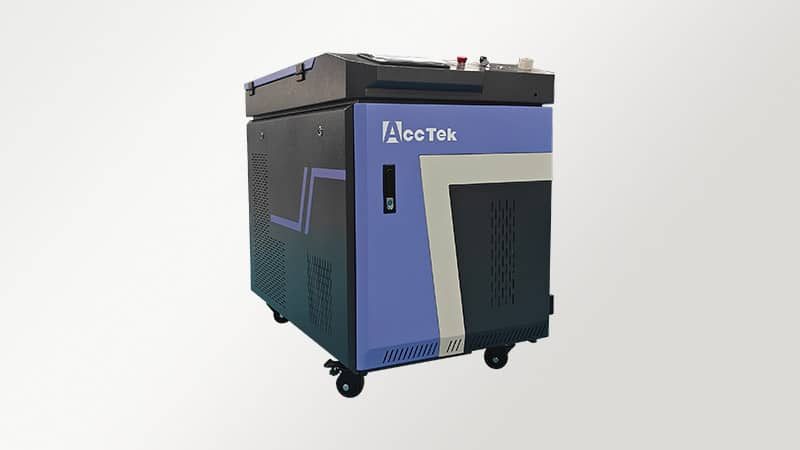
Flexible Mobile Design

Flexible Mobile Design

The mobile design allows the machine to be easily transported and used across different work locations. It features a compact structure with wheels or handles, enabling quick movement and setup. This design improves flexibility and efficiency, especially for on-site welding tasks. Its portable configuration supports convenient operation in various environments without complex installation.

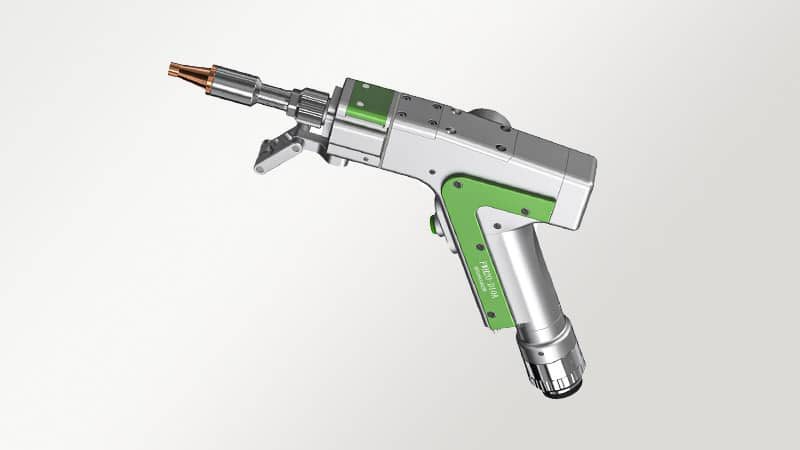
Ergonomic Handheld Laser Welding Head

The handheld laser welding head allows operators to manually control the welding process with precision. It features a comfortable grip and flexible movement, making it suitable for complex joints and varied angles. The structure enables accurate positioning and stable operation, improving weld quality and efficiency. Its design supports easy handling and adaptability across different welding applications.
Ergonomic Handheld Laser Welding Head
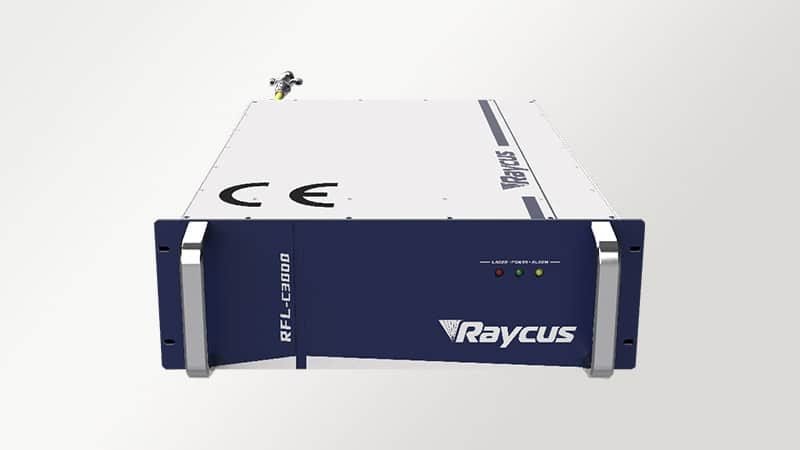
Stable Continuous Laser Generator

Stable Continuous Laser Generator

The continuous laser generator delivers a steady, uninterrupted beam for welding, providing consistent energy throughout the process. This ensures smooth heat input, resulting in uniform weld seams and strong joint formation. The structure supports stable operation over long periods, improving efficiency and productivity. Its reliable performance helps maintain consistent welding quality in demanding industrial applications.

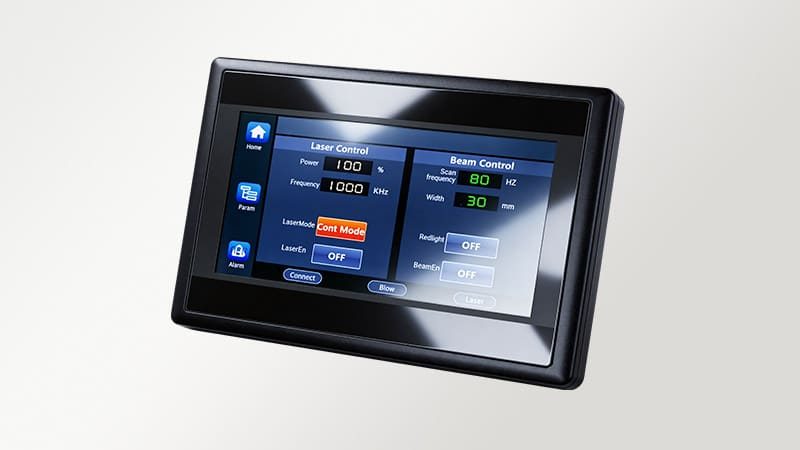
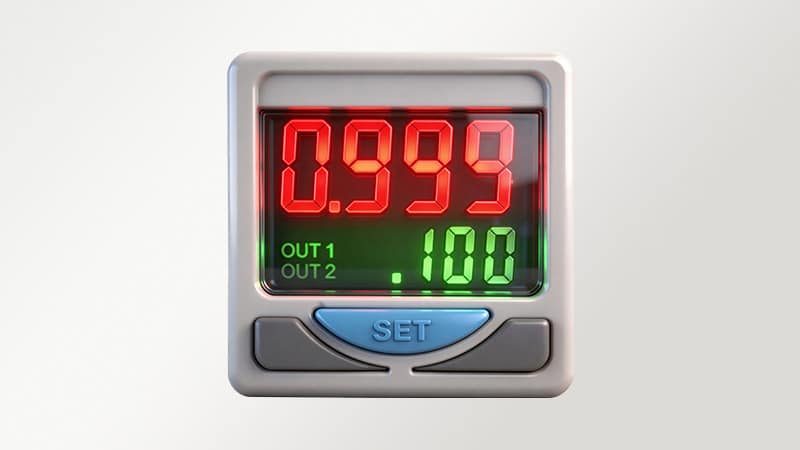
Intelligent Control System

The control system manages the operation of the machine by coordinating laser output, motion control, and welding parameters. It provides an interface for adjusting settings, monitoring performance, and ensuring precise execution of welding tasks. The structure supports stable operation, consistent weld quality, and efficient workflow. Its integrated functions help reduce errors and improve productivity in continuous production.
Intelligent Control System
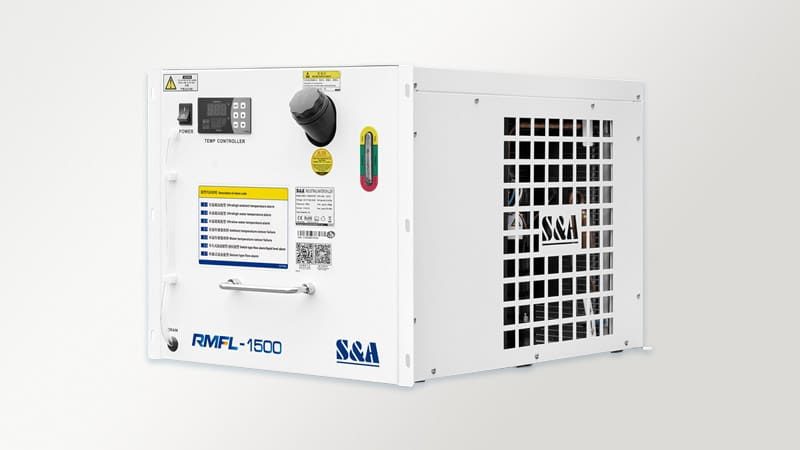
Dependable Industrial Chiller

Reliable Industrial Chiller

The industrial chiller cools the machine by circulating chilled fluid through heat-sensitive components. It maintains stable operating temperatures, preventing overheating and ensuring consistent laser output. The structure supports continuous operation and protects internal parts from thermal stress. Its effective cooling performance helps maintain welding quality and extends the lifespan of the equipment in demanding industrial environments.

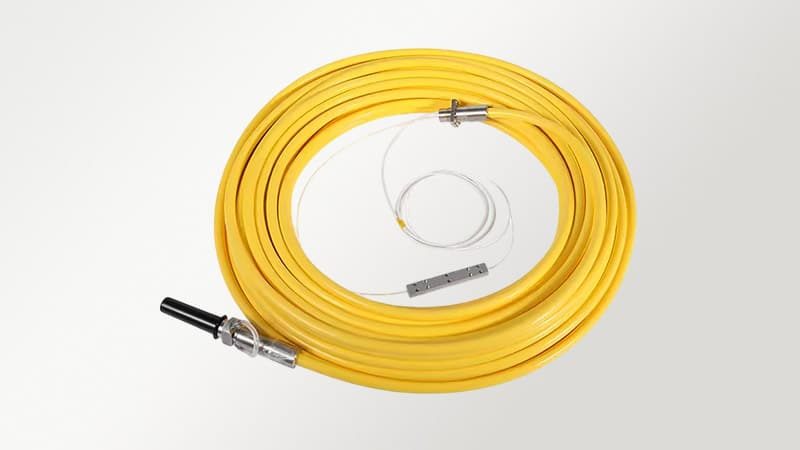
Precise Beam Transmission System

The beam transmission system delivers the laser beam from the source to the welding head with high accuracy and minimal energy loss. It uses optical fibers or reflective components to guide the beam along a controlled path. The structure ensures stable beam quality and consistent energy delivery, supporting precise welding performance and reliable results across different materials and applications.
Precise Beam Transmission System
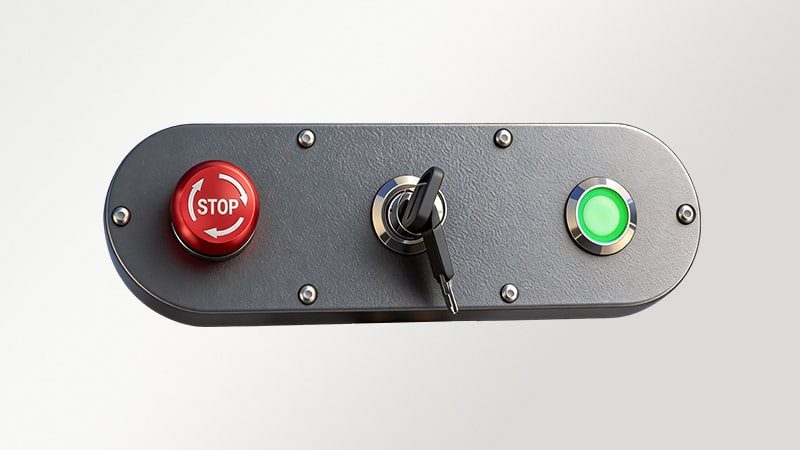
Reliable Safety Interlock Device

Protective Safety Interlock Device

The safety interlock device ensures that the machine operates only under safe conditions. It monitors system status and automatically stops operation if a fault occurs or a protective barrier is opened. The structure reduces the risk of accidents and prevents unintended laser exposure. Its responsive control supports a safe working environment and reliable machine operation.

Dependable Alarm Device

The alarm device monitors the operating condition of the machine and provides immediate alerts when abnormal situations occur. It uses audible or visual signals to notify operators of faults, overheating, or safety issues. The structure enables quick response, helping prevent equipment damage and minimize downtime. Its dependable warning function supports safe, stable, and continuous machine operation.
Responsive Alarm Device

Product Parameters

Model AKH-1500 AKH-2000 AKH-3000 AKH-6000
Laser Power 1500W 2000W 3000W 6000W
Laser Operating Modes Continuous Wave Laser
Laser Generator Raycus/Max/BWT
Laser Wavelength 1080nm±10nm
Laser Power Tunability 10-100%
Laser Welding Head Au3tech
Welding Gap Requirements ≤0.5mm
Control System Au3tech
Expected Focal Distance 160mm
Fiber Cable Length 10m (JPT: 15m)
Cooling Type Water Cooling
Pulse-Frequency Range 20-200 KHz
Voltage and Frequency 380V/220V 50/60H
Working Environment 10-40℃
Operating Humidity 5-95%

Optional Configuration

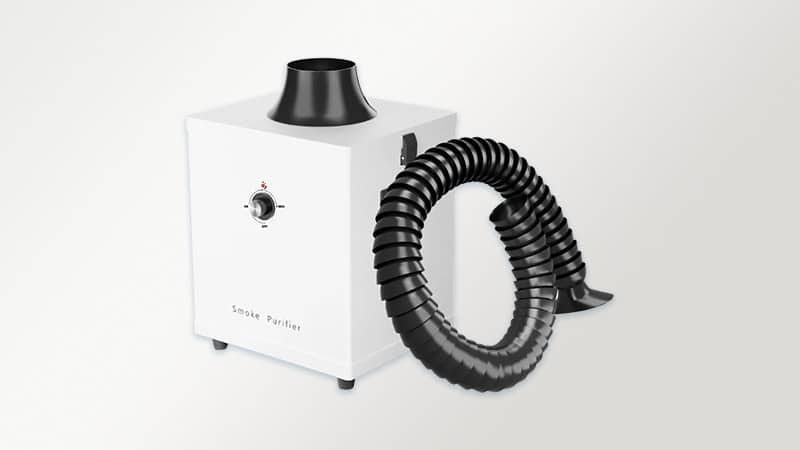
Eco-Friendly Fume Purifier

Eco-Friendly Fume Purifier

The fume purifier extracts and filters smoke, fumes, and fine particles produced during laser welding. It uses layered filtration to capture contaminants and release cleaner air back into the workspace. The structure improves operator safety, reduces environmental impact, and keeps the working area clean. Its reliable filtration system supports stable operation in continuous welding processes.

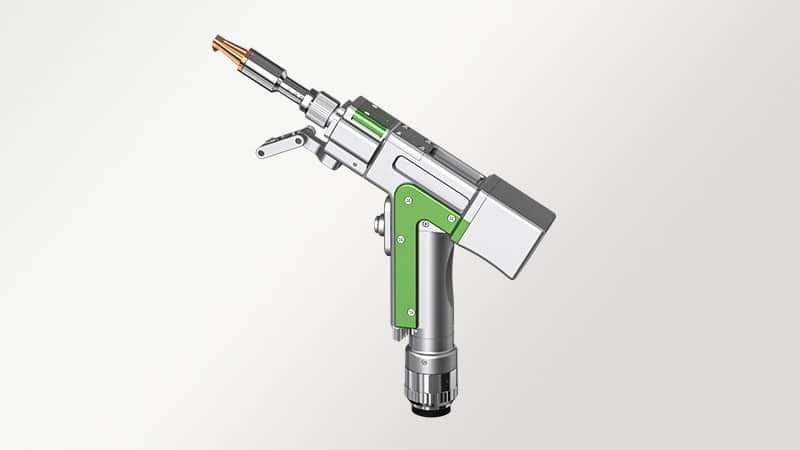
Uniform Double-Wobble Laser Welding Head

The double-wobble laser welding head uses dual-axis oscillation to move the laser beam across the joint in a controlled pattern. This creates a wider weld seam and distributes heat more evenly, reducing defects and improving joint strength. The structure enhances welding consistency and efficiency. Its adjustable motion allows precise control for different materials and welding requirements.
Uniform Double-Wobble Laser Welding Head
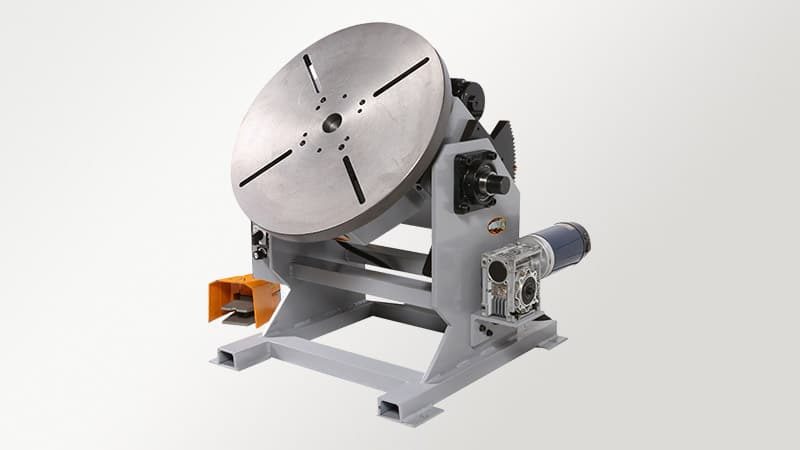
Adjustable Welding Positioner

Adjustable Welding Positioner

The welding positioner supports and rotates the workpiece to the optimal angle during laser welding. It allows precise control of position and orientation, improving accessibility and weld quality. The structure reduces manual handling and ensures consistent alignment throughout the process. Its stable and adjustable movement enhances efficiency and accuracy, especially for complex or multi-angle welding tasks.

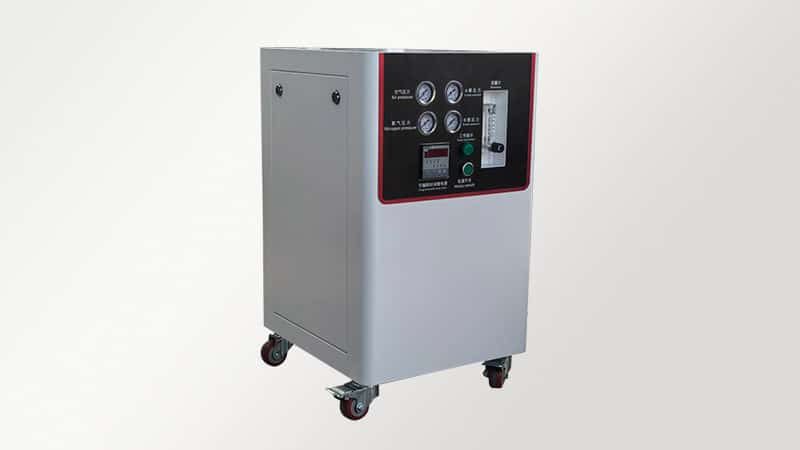
High-Purity Nitrogen Generator

The nitrogen generator produces nitrogen gas with high purity for use in laser welding. It delivers a steady flow of protective gas to shield the weld area from oxidation and contamination. The structure reduces reliance on external gas supplies and improves operational efficiency. Its stable output supports consistent welding conditions and enhances overall weld quality in continuous industrial applications.
High-Purity Nitrogen Generator

Compared With Other Welding Methods

Comparison Item Laser Welding TIG Welding MIG Welding Plasma Arc Welding
Welding Principle Uses a focused laser beam to melt and join materials Uses a tungsten electrode and shielding gas to create an arc Uses a continuously fed wire electrode and shielding gas Uses a constricted plasma arc to produce high heat
Heat Input Low and concentrated Moderate to high Moderate to high High and concentrated
Welding Speed Very fast Slow Fast Medium to fast
Weld Precision Very high High Medium High
Weld Seam Width Narrow and clean Fine but wider than laser welding Wider weld bead Narrower than MIG, but usually wider than laser
Heat-Affected Zone Small Larger than laser welding Larger than laser welding Medium to large
Material Distortion Low Medium Medium to high Medium
Welding Strength High with correct parameters High High High
Thin Metal Welding Excellent for thin sheets and precision parts Good, but requires skilled control Possible, but burn-through risk is higher Good, but setup is more complex
Thick Metal Welding Suitable with high-power systems and proper joint design Suitable but slower Very suitable for thicker materials Suitable for thick materials
Appearance of Weld Smooth, narrow, and clean Clean and attractive with skilled operation Rougher and may need finishing Clean, but may need finishing depending on settings
Filler Material Often no filler needed; filler can be added if required Filler rod often used manually Wire filler is continuously fed Filler may be used depending on the process
Skill Requirement Lower for handheld systems, higher for automation setup High operator skill required Medium skill requirement High skill and process knowledge required
Automation Capability Excellent for robots and production lines Possible, but slower and more complex Good for robotic and automated welding Good, but equipment setup is more complex
Production Efficiency Very high for batch and continuous production Lower efficiency High efficiency Medium to high efficiency
Spatter Very low Almost none More spatter, especially with poor settings Low to medium
Post-Weld Processing Usually little grinding or polishing needed May need light finishing Often requires cleaning, grinding, or spatter removal May require finishing depending on application
Equipment Cost Higher initial investment Lower to medium Medium Medium to high
Operating Cost Lower labor and finishing cost, but higher equipment cost Higher labor cost due to slower speed Moderate cost with wire and gas consumption Higher gas and equipment maintenance cost
Best Application Scenarios Precision metal parts, stainless steel, aluminum, sheet metal, battery parts, automotive parts, and automated production High-quality manual welding, thin stainless steel, pipes, and decorative parts Structural parts, fabrication, heavy-duty metalwork, and high-volume welding Aerospace, precision welding, thick sections, and applications needing stable deep penetration

Product Application

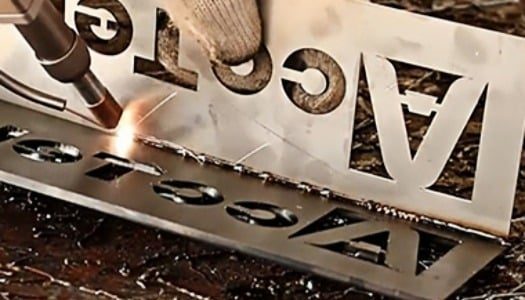
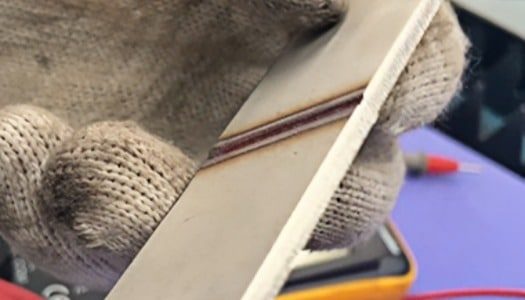
The stainless steel laser welding machine is widely used in industries that require precise, clean, and efficient stainless steel welding solutions. Its flexible mobile design allows easy transportation and quick setup, making it suitable for factory production, workshop fabrication, on-site installation, and maintenance applications. The machine is commonly applied in stainless steel furniture manufacturing, kitchen equipment production, sheet metal processing, hardware fabrication, elevator production, decorative engineering, and industrial equipment manufacturing. The ergonomic handheld laser welding head enables accurate welding on complex joints, corners, and different welding angles, improving operational flexibility and weld quality. Supported by continuous laser generators and precise beam transmission systems, the machine produces smooth weld seams with minimal deformation, low heat impact, and strong joint performance on stainless steel materials. The intelligent control system allows precise parameter adjustment for different thicknesses and welding requirements, improving efficiency and consistency. In addition, the industrial chiller, safety interlock device, and alarm system ensure stable, safe, and continuous operation in demanding industrial environments.
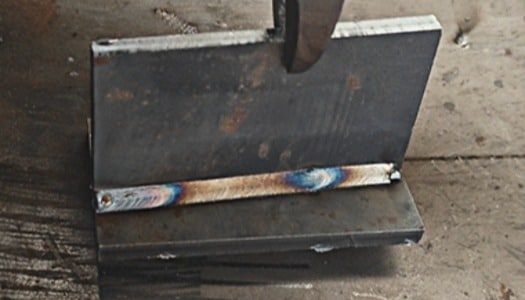
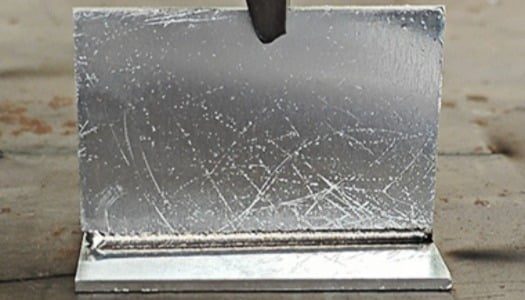
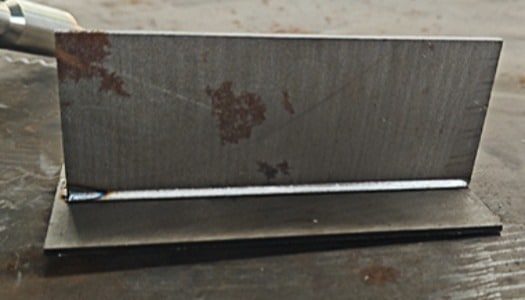
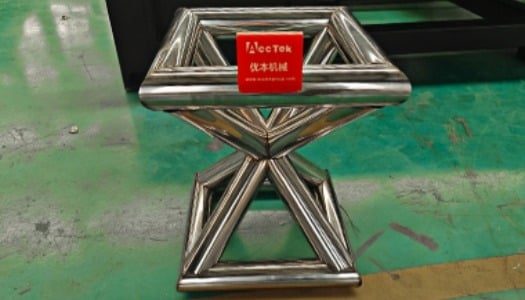
Laser Welding Samples

Why Choose AccTek Laser

Advanced Laser Technology

AccTek Laser integrates cutting-edge fiber laser technology into its welding machines to ensure high precision, deep penetration, and minimal heat input. Their systems are equipped with reliable laser sources and optimized control systems, enabling smooth and consistent welds while minimizing material distortion and providing strong, durable joints.

Wide Range of Machine Options

AccTek Laser offers a diverse range of laser welding machines tailored to various applications, from handheld solutions for small-scale repairs to high-power systems for large industrial production. Whether you need precision welding for thin sheet metals or robust joints for thick components, AccTek provides a solution that fits your specific requirements.

High-Quality Components

AccTek Laser welding machines are built with premium components sourced from trusted suppliers, including advanced fiber laser sources, scanning systems, and control electronics. These high-quality parts ensure exceptional performance, long-lasting durability, and minimal maintenance, even under demanding industrial conditions, ensuring your machine delivers consistent, high-quality results.

Customization and Flexible Solutions

AccTek Laser provides customizable solutions for various welding requirements, offering flexibility in laser power, cooling systems, welding width, and automation options. Their ability to tailor systems to suit specific production needs maximizes welding efficiency and productivity, ensuring that every weld is precise and optimal for your application.

Professional Technical Support

AccTek Laser offers comprehensive technical support to ensure smooth operation throughout the lifecycle of the equipment. Their experienced team assists with machine selection, installation, training, and troubleshooting. This ongoing support helps customers adapt quickly to laser welding technology, ensuring seamless operation and high-quality welds at every stage.

Reliable Global Service

AccTek Laser has extensive experience serving customers worldwide, providing global service and support. With remote assistance, detailed documentation, and responsive after-sales service, we ensures your machines stay up and running, minimizing downtime and maximizing productivity. Their reliable global presence guarantees long-term support for customers, ensuring satisfaction and high-performance results for years.

Related Resources

How to Select Laser Welding Power

How to Select Laser Welding Power?

This article explores the key factors for selecting laser welding power, including material properties, welding modes, thickness, beam quality, and practical parameter optimization strategies.

How to Determine Laser Welding Speed

How to Determine Laser Welding Speed?

This paper mainly analyzes the influence of laser welding speed on welding quality and efficiency, and systematically elaborates on the key factors and practical methods for determining the optimal welding

Customer Testimonials

4 reviews for Stainless Steel Laser Welding Machine

  1. Priya

    We added this stainless steel laser welding machine to improve consistency in our production line. The results have been positive so far. The continuous laser output helps maintain even weld seams, which has reduced rework. Operators like the handheld design because it allows them to adjust angles easily without struggling. The control system also helps keep settings consistent across shifts. Safety features like the interlock give us peace of mind, especially in a busy environment. It’s not overly complicated, which makes training new staff easier. Overall, it has improved both speed and quality in our process.

  2. Jorge

    I often work on different sites, so portability is very important for me. This machine’s mobile design is one of its best features. I can load it into a truck and set it up quickly wherever needed. The welding performance is stable, even in less controlled environments. The handheld head gives me flexibility when working on large structures or in awkward positions. I also noticed that the system runs smoothly for long periods without needing frequent adjustments. The safety and alarm features are useful on-site, where conditions can change fast. It’s been a reliable tool for my projects.

  3. Victor

    From a maintenance point of view, this machine is built with practical features. The chiller does a good job keeping the system at a stable temperature, which reduces wear on internal parts. I also appreciate the alarm system. It gives clear warnings when something is off, so we can fix issues before they turn serious. The beam transmission feels precise, and we don’t see much variation in weld quality. The setup was straightforward, and the controls are logical once you spend some time with them. It’s a dependable piece of equipment for daily industrial use.

  4. Melissa

    I run a small workshop, and flexibility matters a lot for my team. This laser welding machine fits our needs well. The compact size and wheels make it easy to shift between stations. The handheld head is simple to handle and works well on curved or uneven surfaces. One thing I noticed is how steady the welding results are, even when different workers use the machine. The cooling system seems reliable, too, as we haven’t had overheating issues during long hours. Overall, it’s helped us take on more detailed stainless steel jobs without slowing down production.

Add a review

Your email address will not be published. Required fields are marked *

two × 2 =

Frequently Asked Questions

Can a Laser Welding Machine Weld Stainless Steel?

Yes, laser welding machines are very effective at welding stainless steel. Stainless steel is one of the most commonly welded materials with laser welding techniques. Laser welding offers several advantages when working with stainless steel, making it a popular choice for a variety of industrial applications. The stainless steel laser welding machine utilizes fiber laser technology to produce a focused and precise laser beam. This concentrated energy enables deep penetration welding of stainless steel, ensuring a strong and reliable weld.

At present, laser welding has become the preferred method for joining stainless steel parts in automotive, aerospace, medical equipment, kitchenware, electronics, and other industries. Whether it is precision welding of small stainless steel parts or high-speed welding of large structural components, laser welding machines provide efficient and reliable solutions for the processing of stainless steel materials.

Laser welding carbon steel offers speed, precision, and low distortion, but it’s not without its drawbacks. The disadvantages often depend on the steel’s carbon content, joint design, and the specific laser system used. Here are the key limitations and risks of laser welding carbon steel:

  • Cracking Risk in High-Carbon Steels: Carbon steel with a higher carbon content becomes harder and more brittle when rapidly heated and cooled. This increases the risk of hot cracking or cold cracking in the heat-affected zone (HAZ), especially without preheating or post-weld heat treatment. Welding parameters must be tightly controlled to avoid defects.
  • Tight Fit-Up Requirements: Laser beams are highly focused, which means gaps between parts must be minimal. Poor joint preparation or inconsistent fit-up can lead to incomplete fusion, porosity, or weld failure. Precision fixturing is often required, especially in automated production.
  • High Equipment Costs: Laser welding systems—especially fiber lasers—are expensive to purchase and maintain. This makes them more suitable for high-volume manufacturing or precision-critical applications where their advantages can be fully leveraged. For small-scale or low-budget operations, traditional welding methods are often more economical.
  • Reflectivity and Surface Prep Issues: Carbon steel, especially if polished or coated, can reflect laser energy. This is more of a concern with CO2 lasers, which have lower absorption in metals. Surface preparation or the use of absorbent coatings may be needed to improve energy coupling.
  • Thickness Limitations Without Modifications: Laser welding is ideal for thin to medium-thickness materials (typically up to 6 mm). Welding thicker carbon steel sections often requires multiple passes, beam oscillation, or hybrid techniques that combine laser with arc welding, adding complexity and cost.
  • Safety Concerns: The high intensity of laser beams presents eye and skin hazards, along with risks of fume generation and fire. Carbon steel welding can produce metal oxides and other airborne particles that require proper ventilation and personal protective equipment.


Laser welding is a powerful process for carbon steel, especially in automated or high-precision environments. However, challenges like cracking susceptibility, tight joint tolerances, equipment cost, and safety requirements mean it’s not always the best fit for every application. Evaluating these trade-offs is key before committing to laser welding for carbon steel.

Carbon steel laser welding machines vary widely in cost depending on their configuration, power output, and level of automation. Here’s a breakdown of the typical price ranges and what you can expect at each level:

  • Handheld Laser Welding Machines: Handheld fiber laser welders are compact, user-friendly, and suitable for small to mid-scale operations. These machines are ideal for welding thin to medium-gauge carbon steel with good precision and flexibility.
  1. Low-end models ($3,500–$8,000): Basic 1000W–1500W units with limited automation. Suitable for light-duty jobs, repairs, and small shops.
  2. Mid-range models ($8,000–$13,000): Offer more stable power, better cooling, and improved beam control.
  3. High-end models ($13,000–$18,000): 3000W+ units with touchscreen controls, multiple safety features, and longer duty cycles for industrial use.
  • Automatic Laser Welding Machines: Automated systems are built for high-volume production and integration into robotic lines or CNC systems. These machines deliver consistent welds on carbon steel and often include fixtures, automation software, and closed-loop control systems.
  1. Entry-level automatic welders ($10,000–$16,000): Semi-automated tables or basic gantry systems, ideal for repeated welds on smaller parts.
  2. Mid-tier systems ($16,000–$24,000): Include programmable motion control, dual-axis positioning, and higher precision for complex geometries.
  3. Advanced systems ($24,000–$30,000): Designed for factory integration, with full robotics, custom fixturing, and multi-mode welding capability (e.g., seam tracking, hybrid welding).

Laser welding machines for carbon steel range from $3,500 to $30,000, depending on whether you need a handheld tool for flexible jobs or a fully automated system for industrial production. While initial costs are higher than traditional welding equipment, the long-term value in speed, precision, and reduced post-processing often justifies the investment.

In stainless steel laser welding, shielding gas is used to protect the weld pool and prevent oxidation and contamination during the welding process. The choice of shielding gas affects weld quality and overall weld performance. The gases most commonly used when laser welding stainless steel are:

  • Argon (Ar): Argon is the most widely used shielding gas for laser welding stainless steel. It is cost-effective, readily available, and provides good protection against atmospheric gases such as oxygen and nitrogen, which can negatively affect weld quality. Argon helps prevent oxidation of the molten metal during welding, reducing the risk of weld defects and improving overall weld quality.
  • Helium (He): Helium is often used in combination with argon or as an alternative shielding gas for laser welding stainless steel. Helium has better heat dissipation and higher energy density, making it beneficial for higher-power laser welding applications or welding thicker stainless steel materials. However, helium is generally more expensive than argon, which may affect its use based on cost considerations.
  • Nitrogen (N2): Nitrogen can be used as a shielding gas for laser welding stainless steel, especially ferritic stainless steel. While it’s not as common as argon or helium, it offers good protection against oxidation. It helps reduce the formation of chromium carbides during welding, which leads to the depletion of chromium and reduces corrosion resistance. Nitrogen is sometimes used in certain applications to achieve specific welding characteristics.
  • Oxygen (O2): While oxygen is not typically used as a shielding gas in laser welding stainless steel, in certain specific cases, controlled amounts of oxygen can be introduced to enhance the cutting or welding process. However, excessive oxygen content will lead to increased oxidation and adversely affect the welding quality and corrosion resistance of stainless steel.

The choice of gas depends on the specific requirements of the welding application, the grade of stainless steel being welded, and the desired weld quality and penetration. In some cases, gas mixtures such as argon-helium or argon-nitrogen can be used to achieve the desired welding results.

Proper gas flow rate and nozzle design are also important factors to consider to ensure effective gas coverage of the weld pool and avoid excessive turbulence during welding. Welding parameters, including gas flow rate and focus position, are typically adjusted during laser welding to achieve the best results for specific materials and joint configurations.

The maximum thickness of stainless steel that a laser welder can weld depends largely on the power of the laser. Here is a general breakdown based on laser power:

  • 1000W Laser: can weld stainless steel with a thickness of 0.5mm to 1.5mm.
  • 1500W Laser: capable of welding stainless steel from 0.5mm to 2mm thick.
  • 2000W Laser: can weld stainless steel with a thickness of 0.5mm to 3mm.
  • 3000W Laser: capable of welding stainless steel from 0.5mm to 4mm thick.

These specifications outline the thickness range over which stainless steel can be effectively welded at each laser power level. It is important to note that these are general guidelines only and actual performance may vary based on factors such as material composition, joint design, welding speed, and other process parameters.

Laser welding stainless steel requires precise heat control to maintain strength, avoid warping, and preserve corrosion resistance. Stainless steel is sensitive to thermal damage, so regulating the heat input is essential to ensure a clean, strong weld. Here are the main ways to control heat during the welding process:

  • Laser Power Settings: Laser power determines how much energy is delivered into the material. For stainless steel:
  1. 1000W-1500W is typically used for thin sheets up to 2-3 mm
  2. 2000W-6000W is suitable for thicker sections but requires careful tuning
  3. Excessive power can lead to overheating, discoloration, or burn-through
  4. Lowering power when possible minimizes the size of the heat-affected zone (HAZ)
  • Welding Speed: Travel speed directly influences how much heat accumulates in one spot.
  1. Faster welding speeds reduce heat input and help prevent distortion
  2. Slower speeds increase penetration but risk overheating or warping
  3. The optimal speed balances weld depth with minimal thermal damage
  • Focus Position and Beam Size: The focus point and spot diameter shape how concentrated the heat is on the workpiece.
  1. A sharp focus produces deeper welds but increases peak temperatures
  2. Slight defocusing spreads the heat and reduces intensity, ideal for thinner steel
  3. Adjusting focus depth can improve the quality of multi-layer or uneven joints
  • Pulse Settings (for Pulsed Lasers): Pulse control offers fine-grained control over energy delivery.
  1. Shorter pulses reduce total heat input while still achieving fusion
  2. Higher frequencies allow smoother welds without excess heat buildup
  3. Pulsed mode is effective for thin stainless parts or detailed work
  • Shielding Gas Flow: Shielding gas affects both weld protection and thermal dynamics.
  1. Use argon or helium to prevent oxidation and manage heat dispersion
  2. Proper flow rates avoid cooling the weld zone too rapidly
  3. Turbulent or poorly directed gas can cause uneven cooling or weld defects
  • Joint Design and Fit-Up: Good joint preparation minimizes unnecessary heat.
  1. Tightly fitted joints reduce energy loss and concentrate heat where needed
  2. Avoid large gaps or irregular edges that require excess energy to bridge
  3. Proper joint design helps maintain consistent weld quality and reduces HAZ size


To control heat input when laser welding stainless steel, adjust power, speed, focus, pulsing, gas flow, and joint preparation based on the material and part geometry. Stainless steel demands careful thermal management to maintain its corrosion resistance and mechanical properties, especially in precision or aesthetic applications.

Laser welding is a precise and efficient method for joining stainless steel, but it comes with several technical and safety risks that must be carefully managed. These risks stem from the high energy of the laser, the metallurgical properties of stainless steel, and the process environment.

  • Thermal Distortion and Warping: Even though laser welding has a narrow heat-affected zone, stainless steel is sensitive to rapid heating and cooling.
  1. Thin sheets are especially prone to warping or bending
  2. Uneven cooling can lead to dimensional inaccuracies
  3. Distortion control requires optimized parameters and sometimes fixturing
  • Cracking in Heat-Affected Zones: Certain stainless steel grades, particularly austenitic and martensitic types, can crack during or after welding.
  1. Hot cracking can occur due to high thermal stress or poor weld geometry
  2. Cold cracking may result from hardened structures forming during cooling
  3. Pre-weld and post-weld treatments may be needed for crack-prone alloys
  • Surface Oxidation and Discoloration: Without sufficient shielding gas, laser-welded stainless steel can oxidize at the weld surface or root.
  1. Oxidation reduces corrosion resistance and weakens the protective chromium oxide layer
  2. Discoloration is a concern for visible or sanitary welds
  3. Inert gases like argon or helium must be applied consistently, and sometimes, back shielding is required
  • Reflectivity Hazards: Stainless steel’s polished surface can reflect the laser beam, especially in fiber laser applications.
  1. Reflected energy may damage optics or pose eye hazards to operators
  2. Surface preparation or blackening may be needed to reduce reflection
  3. Proper machine shielding and safety interlocks are essential
  • Fume and Particle Emissions: Laser welding stainless steel generates fine metal fumes and vaporized particles, some of which are hazardous.
  1. Hexavalent chromium (Cr⁶⁺), a byproduct of welding stainless steel, is toxic and carcinogenic
  2. Adequate fume extraction and operator protection are mandatory
  3. Personal protective equipment (PPE) and well-ventilated environments are critical
  • Equipment Complexity and Safety Risks: Laser welding systems involve high-voltage components, powerful beams, and precision optics.
  1. Improper operation can lead to serious injury, eye damage, or fire
  2. Systems require trained personnel and strict safety protocols
  3. Maintenance must be handled with care to avoid misalignment or exposure to the beam


Laser welding stainless steel offers high-quality results, but risks like distortion, cracking, oxidation, reflection, and toxic fumes must be taken seriously. Controlling process parameters, using proper shielding gases, ensuring operator safety, and selecting the right material grade are all essential to safe and successful stainless steel laser welding.

Laser welding stainless steel generates smoke, fumes, and vaporized metal particles, including potentially hazardous substances like chromium and nickel oxides. Proper smoke management is essential not only for operator safety but also to maintain weld quality and protect sensitive equipment like optics and sensors.

  • Fume Extraction Systems: Installing a dedicated fume extraction system is the most effective way to remove smoke at the source.
  1. High-efficiency extraction hoods or arms should be placed near the weld zone
  2. Systems should include HEPA and activated carbon filters to capture fine particles and neutralize harmful gases
  3. Mobile or built-in extractors are available for both handheld and automated welding setups
  • Local Ventilation and Airflow Control: Good airflow design prevents smoke buildup and keeps the work area clear.
  1. Use localized exhaust vents to pull fumes away from the operator and beam path
  2. Ensure the airflow direction does not disrupt the shielding gas coverage
  3. Avoid placing weld stations in dead air zones where fumes can accumulate
  • Enclosed Welding Chambers: For automated or robotic laser welding, enclosed chambers with built-in ventilation provide controlled environments.
  1. Prevents the spread of fumes across the workspace
  2. Protects laser optics from contamination
  3. Allows safe recycling or filtering of extracted air
  • Personal Protective Equipment (PPE): Operators must wear proper safety gear, especially when working near open laser welding stations.
  1. Use welding helmets with fume-rated respirators or air-fed systems
  2. Gloves, goggles, and flame-resistant clothing help protect against particle exposure
  3. Ensure all PPE complies with industrial safety standards (e.g., OSHA, EN, ISO)
  • Routine Maintenance and Filter Replacement: Filters in extraction units lose effectiveness over time and must be maintained.
  1. Monitor airflow levels and pressure drop across filters
  2. Replace filters based on usage time or sensor alerts
  3. Clean or service ducts and extraction ports regularly to avoid clogs


To manage the smoke produced during stainless steel laser welding, use a combination of fume extraction systems, targeted ventilation, enclosed workspaces, PPE, and regular maintenance. These measures protect weld quality, safeguard worker health, and extend equipment life in both manual and automated welding environments.

Get Laser Welding Solutions

At AccTek Laser, we understand that every welding project is unique. To help you choose the perfect Laser Welding Machine, it’s essential to specify the type of material you’re working with, its thickness range, and your daily production volume. By providing this information, our team can offer a customized power recommendation to ensure optimal performance and efficiency for your specific welding needs.
Our machines are designed to offer a range of welding modes to suit various applications, including Spot Welding, Stitch Welding, and Continuous Welding. Whether you need quick, localized welds or longer, continuous seams, we offer flexible solutions to meet your requirements. Additionally, our wire feeding configurations are adaptable, allowing you to select the appropriate system for your materials and production goals. Choose from standard or advanced wire feeding options to ensure smooth, consistent feed and high-quality welds.
By specifying your material type, thickness, and production volume, we can recommend the optimal system to maximize your productivity while maintaining the highest standards of weld quality. At AccTek Laser, we are committed to providing tailored solutions that help your business succeed in laser welding. Reach out to us today for your customized laser welding solution!
* We value your privacy. AccTek Laser is committed to protecting your personal information. Any details you provide when submitting the form will be kept strictly confidential and used only to assist with your inquiry. We do not share, sell, or disclose your information to third parties. Your data is securely stored and handled by our privacy policy.

Unlock Precision With AccTek Laser Solutions!

We can customize the design according to your requirements. You only need to tell us your requirements, and our engineers will provide you with turnkey solutions in the shortest possible time. Our laser equipment prices are very competitive, please contact us for a free quote. If you need other laser equipment-related services, you can also contact us.
Leave Your Details For A Tailor-Made Solution
*At AccTek Laser, we value and respect your privacy. Rest assured that any information you provide is strictly confidential and will only be used to deliver personalized solutions and quotes.