Materials That Cannot Be Cut by Laser Cutting Machines
This guide identifies materials that should never be laser cut due to safety hazards or poor quality outcomes, explains why, and recommends safer alternative cutting methods for each.
| Model | AKJ1530F | AKJ1545F | AKJ1560F | AKJ2030F | AKJ2040F | AKJ2060F | AKJ2560F |
|---|---|---|---|---|---|---|---|
| Cutting Range | 1500*3000mm | 1500*4500mm | 1500*6000mm | 2000*3000mm | 2000*4000mm | 2000*6000mm | 2500*6000mm |
| Laser Power | 1500-40000W | ||||||
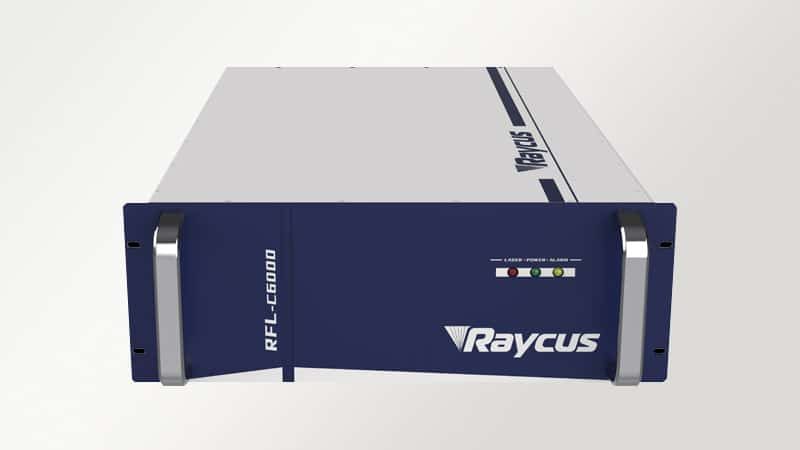
| Laser Generator | Raycus/Max/IPG | ||||||
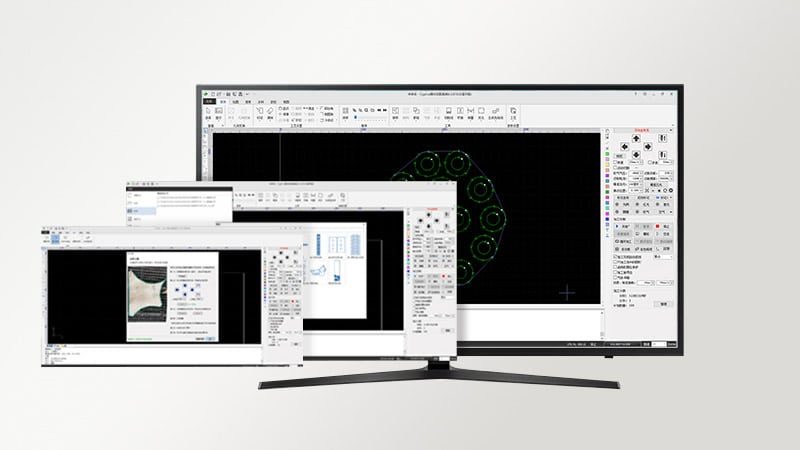
| Control System | Au3tech/Cypcut | ||||||
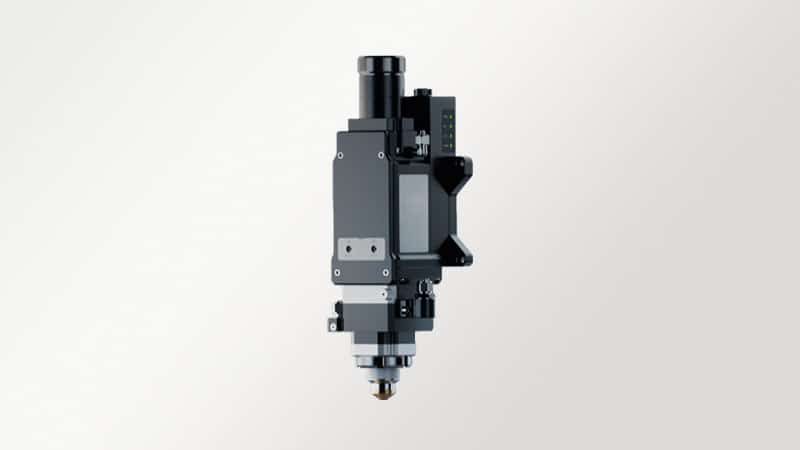
| Laser Cutting Head | Au3tech/Raytools/Boci | ||||||
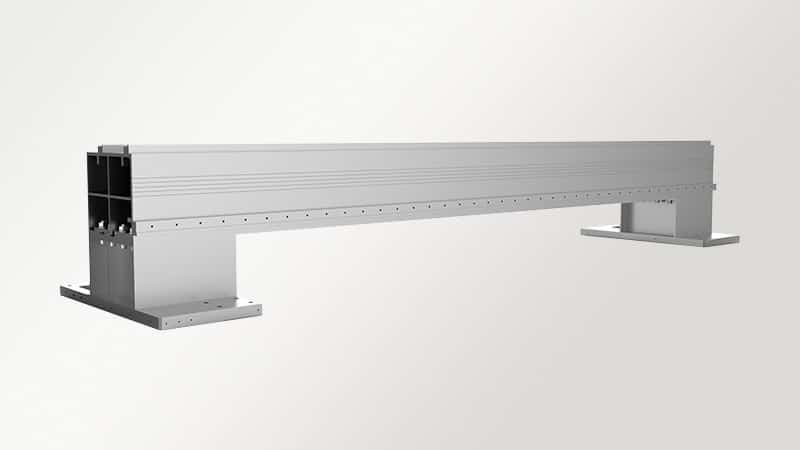
| Transmission System | Rack Drive | ||||||
| Rack | VASTUN/Apex/YYC | ||||||
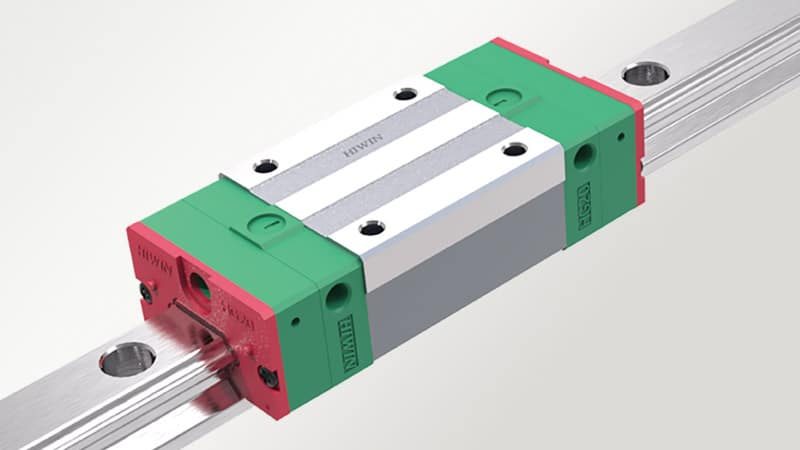
| Guide Rail | HIWIN | ||||||
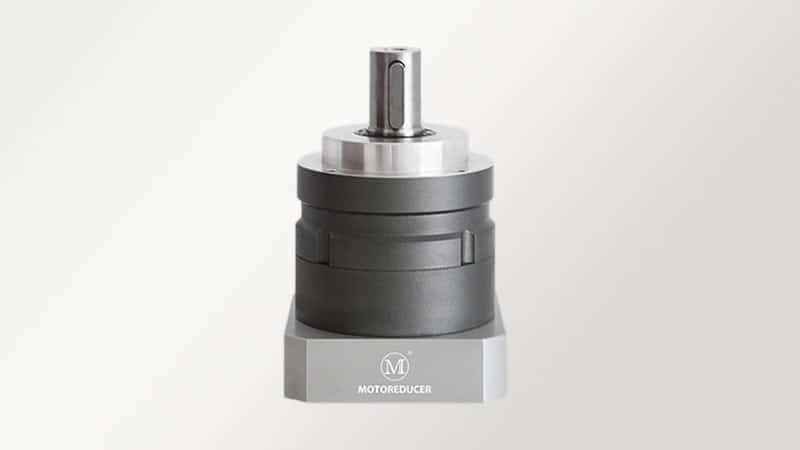
| Gear Reducer | Motoreducer | ||||||
| Ball Screw | TBI | ||||||
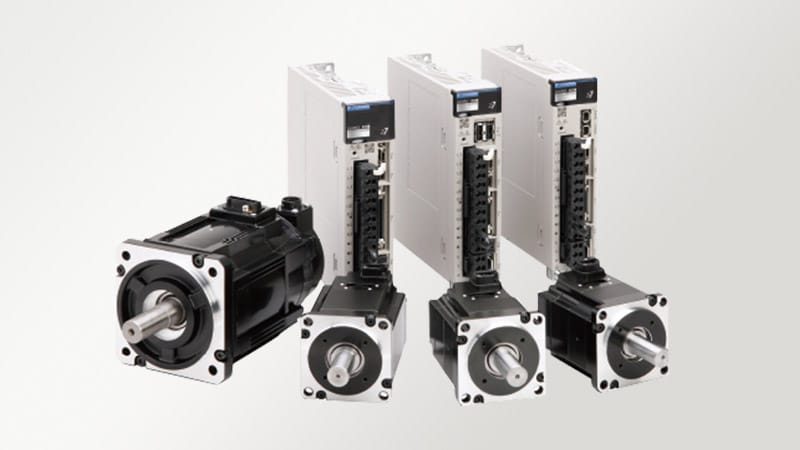
| Servo Motor | Delta/Yaskawa | ||||||
| Electronic Components | Schneider | ||||||
| Pneumatic Components | SMC/AirTAC | ||||||
| Water Chiller | S&A/Hanli | ||||||
| Maximum Moving Speed | 100m/min | ||||||
| Maximum Acceleration | 1.0G | ||||||
| Positioning Accuracy | ±0.01mm | ||||||
| Repeat Positioning Accuracy | ±0.03mm | ||||||
| Voltage and Frequency | 380V 50Hz/60HZ | ||||||
| Comparison Item | Laser Cutting | Plasma Cutting | Waterjet Cutting | Mechanical Cutting |
|---|---|---|---|---|
| Cutting Principle | Uses a focused laser beam to melt or oxidize carbon steel | Uses a plasma arc to melt conductive metal | Uses high-pressure water and abrasive to erode material | Uses saws, shears, punches, or milling tools |
| Cutting Precision | Very high precision for detailed carbon steel parts | Medium precision | High precision, but slower | Medium precision, depends on tool and machine |
| Edge Quality | Smooth, clean edges with limited burrs | Rougher edges with dross | Smooth, cold-cut edges | May leave burrs, tool marks, or deformation |
| Heat-Affected Zone | Small heat-affected zone when parameters are controlled | Larger heat-affected zone | No heat-affected zone | Minimal heat, but mechanical stress may occur |
| Cutting Speed | Fast, especially for thin and medium carbon steel sheets | Fast for medium and thick plates | Slower than laser and plasma | Moderate, often slower for complex shapes |
| Thin Sheet Performance | Excellent for thin carbon steel with fine details | May cause overheating or warping | Good, but less efficient | Possible, but deformation may occur |
| Thick Plate Performance | Effective with higher laser power | Good for thick carbon steel rough cutting | Very good for very thick plates | Limited by machine force and tool strength |
| Kerf Width | Narrow kerf, improves material utilization | Wider kerf | Medium kerf | Usually wider than laser cutting |
| Material Waste | Low waste due to narrow cutting path | Higher waste than laser | Moderate waste from kerf and abrasive use | Higher waste from chips and tool path |
| Burr And Slag | Minimal burrs with optimized settings | More slag and dross | Minimal burrs | Burrs are common |
| Thermal Deformation | Low with proper cutting parameters | Higher risk of warping | No thermal deformation | Possible bending or stress from cutting force |
| Surface Finish | Clean surface with less post-processing | Oxidation and discoloration may appear | Preserves original surface well | May scratch or press the surface |
| Secondary Processing | Often little deburring or grinding needed | Often requires grinding and slag removal | Usually little secondary processing | Often requires deburring or edge finishing |
| Complex Shape Cutting | Excellent for holes, slots, curves, and fine contours | Good for basic shapes | Good for complex shapes, but slower | Limited for intricate designs |
| Automation Capability | Highly suitable for CNC automation and batch production | Suitable for CNC cutting | Suitable for CNC cutting | Automation possible, but tool changes may be needed |
| Tool Wear | No physical cutting tool contacts the steel | Electrode and nozzle wear | Nozzle wear and abrasive consumption | Cutting tools wear during use |
| Operating Cost | Efficient for high-volume precision production | Lower initial cost, but more finishing work | Higher cost due to abrasive and pump maintenance | Low for simple cutting, but labor/tooling costs add up |
| Environmental Impact | Produces fumes that need extraction | Produces more smoke, sparks, fumes, and noise | Produces abrasive wastewater | Produces chips, noise, and coolant waste |
| Best Use Cases | Precision carbon steel parts, machinery frames, cabinets, brackets, automotive parts | Heavy plate cutting where edge quality is less critical | Thick plates or heat-sensitive applications | Straight cuts, simple profiles, drilling, sawing, and low-volume work |
| Overall Advantage | Best balance of speed, accuracy, edge quality, automation, and material savings | Good for rough cutting thick conductive steel | Best when cold cutting and no heat damage are required | Good for simple, low-cost cutting tasks |

AccTek Laser integrates advanced laser technology into its cutting machines to deliver high precision, stable performance, and efficient cutting results. Their systems use reliable laser sources and optimized control systems, ensuring that operators achieve consistent cuts with minimal material waste. This innovation also helps in enhancing material quality while reducing the risk of thermal damage during the cutting process.
AccTek Laser offers a broad selection of laser cutting machines with different power levels and configurations to suit diverse application requirements. Customers can choose from compact, portable systems for small-scale operations to large industrial machines for high-volume cutting tasks. This makes it easy to find the right solution for cutting metal sheets, plastics, ceramics, and more, ensuring versatility for various industries.
AccTek Laser machines are built using top-quality components sourced from globally recognized suppliers. This includes durable laser sources, cutting-edge scanning systems, and reliable control electronics. By using premium parts, AccTek Laser enhances machine stability, extends service life, and ensures consistent performance under demanding operating conditions, ultimately reducing maintenance needs.
AccTek Laser provides flexible customization options to meet specific customer needs. Machine features like laser power, cutting speed, cooling systems, and automation integration can be tailored to suit different production environments and application requirements. This flexibility ensures that customers achieve optimal cutting performance, productivity, and cost-efficiency.
AccTek Laser offers comprehensive technical support throughout the entire purchase and operation process. Their experienced team assists with machine selection, installation, operation training, and troubleshooting. This level of support helps customers seamlessly adapt to laser cutting technology, ensuring smooth operations and quick issue resolution when necessary.
With years of experience serving customers globally, AccTek Laser provides dependable international service and support. They offer detailed documentation, remote assistance, and responsive after-sales service to help customers maintain their machines and minimize downtime. This ensures that customers can continue their operations with minimal disruptions, enhancing long-term productivity and customer satisfaction.
This guide identifies materials that should never be laser cut due to safety hazards or poor quality outcomes, explains why, and recommends safer alternative cutting methods for each.
This guide covers all materials that CO2 and fiber laser cutting machines can process, explains how wavelength determines compatibility, and helps you choose the right laser generator for your application.
This article covers the essential safety precautions for operating a CO2 laser cutting machine, from radiation and fire risks to fume extraction, PPE, machine features, and routine maintenance checks.
This article explains how CO2 laser generator wattage from 60W to 600W affects cutting speed, depth, and material capability, and clarifies when higher power delivers real gains and when it
Yes, a laser can cut carbon steel. Laser cutting is one of the most effective methods for cutting carbon steel, especially when precision, clean edges, and minimal material waste are essential. The laser uses focused light to melt or vaporize the steel, allowing it to make precise cuts. Depending on the power of the laser and the thickness of the carbon steel, laser cutting machines can handle a wide range of applications, from thin sheets to thicker plates. Benefits of laser cutting carbon steel include:
Overall, laser cutting is a highly efficient and effective solution for cutting carbon steel in a wide range of industries, including automotive, aerospace, and construction.
Yes, fiber laser generators are commonly used in carbon steel laser cutting machines. Fiber lasers are the preferred choice for cutting carbon steel due to their high power, efficiency, and ability to deliver precise and clean cuts. Here’s a breakdown of why fiber lasers are ideal for this application:
Fiber laser generators are the most efficient and versatile choice for cutting carbon steel, making them the preferred option in modern laser cutting machines. Their high precision, energy efficiency, and ability to cut through a wide range of material thicknesses make them suitable for various industrial applications.
The price of a carbon steel laser cutting machine can vary significantly depending on several factors, including the machine’s size, cutting power, features, and brand. Generally, you can expect prices to fall within the range of $11,500 to $200,000, though some high-end models might go even higher. Here’s a more detailed breakdown:
The price will depend on your specific requirements, such as the material thickness, the volume of cuts, and the level of automation and precision needed for your application.
The speed at which you can laser-cut carbon steel depends on several factors, including laser power, material thickness, cutting quality requirements, and machine settings. Here’s a general overview:
The cutting speed can vary widely, from 10-30 meters per minute for thinner sheets to 1-5 meters per minute for thicker materials. Faster cutting speeds are typically achieved with higher-power lasers and optimized cutting settings. However, the balance between cutting speed and quality must be considered, especially for intricate or high-precision cuts.
Laser cutting is highly accurate and precise, especially when cutting materials like carbon steel. The accuracy of laser cutting for carbon steel typically depends on several factors, but here are some general points regarding its precision:
Laser cutting of carbon steel is one of the most precise methods available, with tolerances typically around ±0.1 mm. It’s capable of producing high-quality cuts with smooth edges and minimal post-processing, especially when the correct equipment and conditions are used.
The maximum thickness for laser cutting carbon steel depends on the power of the laser cutter used. Here’s a breakdown of the maximum thicknesses based on different power ranges:
These values can vary depending on factors such as laser technology, material quality, cutting speed, and assist gas used, but this is the general range for laser cutting carbon steel based on laser power.
When laser cutting carbon steel, several factors can contribute to poor edge quality. Addressing these factors is crucial for achieving clean, precise cuts. Below are the key factors that affect edge quality and potential solutions for each:
Achieving a high-quality edge finish when laser cutting carbon steel depends on controlling various factors, including material thickness, laser power, cutting speed, gas selection, nozzle condition, and machine calibration. By optimizing these factors and performing regular maintenance and monitoring, operators can reduce issues such as rough edges, distortion, and oxidation, leading to cleaner, more precise cuts.
Yes, laser cutting of carbon steel does produce harmful fumes and emissions, mainly due to the interaction between the laser beam, the material being cut, and the assist gases used during the process. These emissions can pose serious health risks if proper safety measures are not in place. The harmful substances produced during the laser cutting of carbon steel include:
Laser-cutting carbon steel does produce harmful fumes and emissions, including metal smoke, particulate matter, VOCs, ozone, and other gases. To protect workers’ health, it is crucial to implement effective fume extraction systems, use appropriate personal protective equipment, ensure proper training and machine maintenance, and optimize cutting parameters to reduce harmful emissions. By taking these measures, it is possible to minimize the health risks associated with laser-cutting operations.
4 reviews for Carbon Steel Laser Cutting Machine
Noah –
This machine has been a good addition to our shop. It handles sheet metal cutting smoothly, and the edges come out clean. The motion system feels stable, even when working on larger sheets. I noticed that the guide rails keep everything aligned, which improves repeatability. The control system is user-friendly, and I can quickly set up new jobs. It runs quietly and doesn’t vibrate much. I also appreciate that it doesn’t require frequent adjustments. It’s reliable for everyday work and helps us keep up with production demands.
Isabella –
From a planning perspective, this machine has improved workflow efficiency. The nesting function helps us maximize material usage, which reduces costs. The machine runs consistently, so scheduling jobs is easier. It rarely needs downtime, which keeps production moving. The cutting quality is reliable, and we don’t see many defects. Operators have given positive feedback about ease of use. It integrates well into our existing process. Overall, it has made production more predictable and efficient, which is important for meeting deadlines.
Lucas –
I’ve been responsible for maintaining this machine, and it’s been surprisingly low-maintenance. The components are well-built, and there’s little wear even after continuous use. The motion system operates smoothly, and the gear reducer helps maintain stable movement. I haven’t seen any major alignment issues. The design seems focused on durability, which is important for long-term use. It’s easy to access parts for routine checks. Overall, it’s a reliable machine that doesn’t require constant attention, which makes my job easier.
Ava –
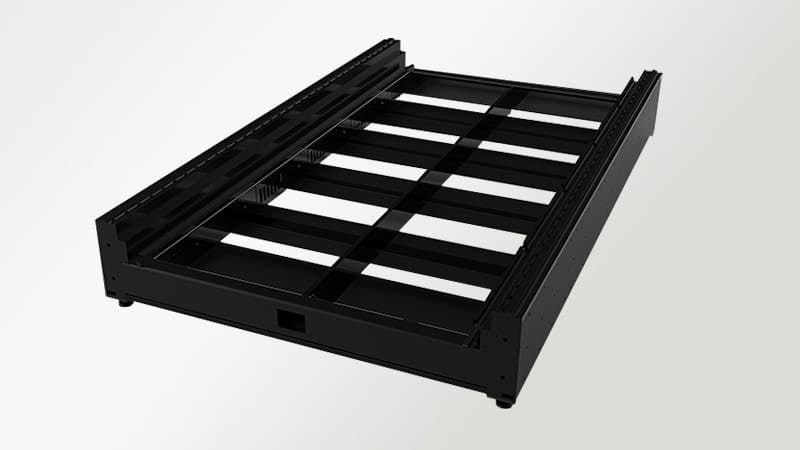
The build quality of this machine is impressive. The welded bed gives it a strong base, which helps maintain accuracy during long runs. I’ve tested it on different materials, and the results have been consistent each time. The laser generator performs steadily, without noticeable drops in power. The cooling and heat handling seem well designed. I also like how the control system helps optimize material usage. It’s reduced waste in our production. Overall, it’s a well-balanced machine that combines precision, speed, and durability practically.