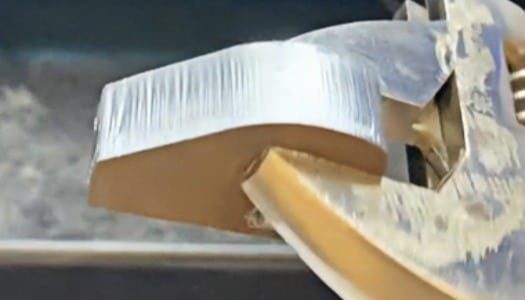
Brass Laser Cutting Machine

The brass laser cutting machine delivers precise, high-speed cutting with a rigid aluminum beam, heavy-duty bed, advanced laser head, and intelligent control for efficient industrial performance.
Home - Laser Cutting Machine - Brass Laser Cutting Machine
Brass Laser Cutting Machine
(4 customer reviews)
$11,500 – $168,000
Cutting Area: 1300*2500mm, 1500mm*3000mm, 1500*4000mm, 2000*4000mm, 2500*6000mm, 2500*12000mm
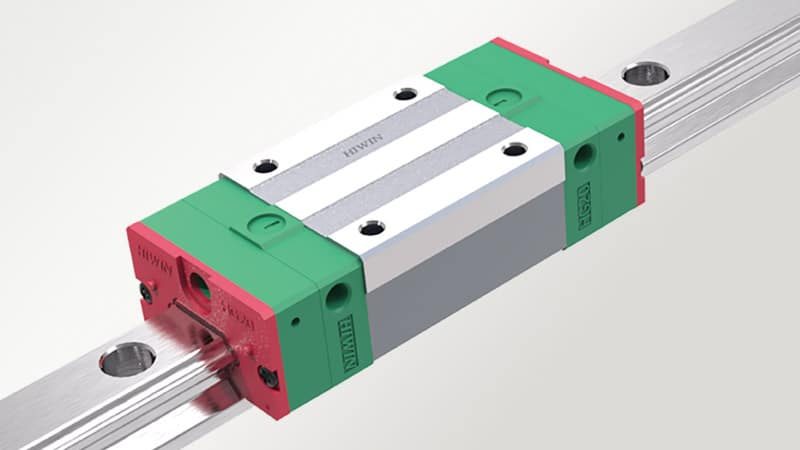
Guide Rail: HIWIN
Laser Power Range: 1500-40000W
Laser Generator: Raycus, Max, IPG
Laser Head: Raytools, Au3tech
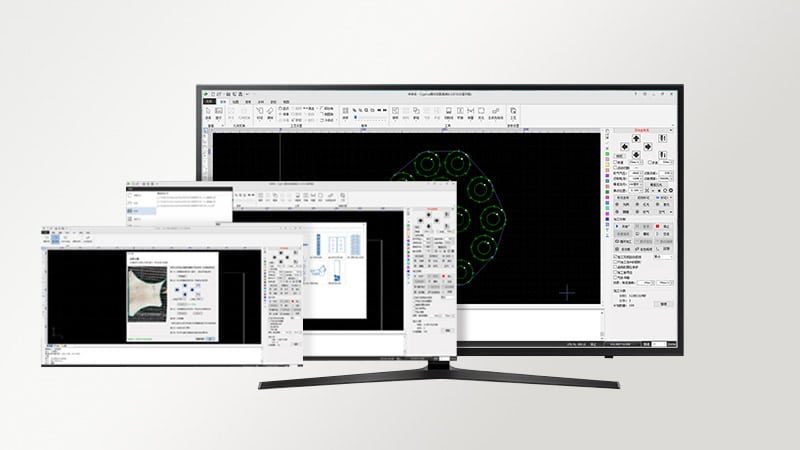
Control Software: Cypcut
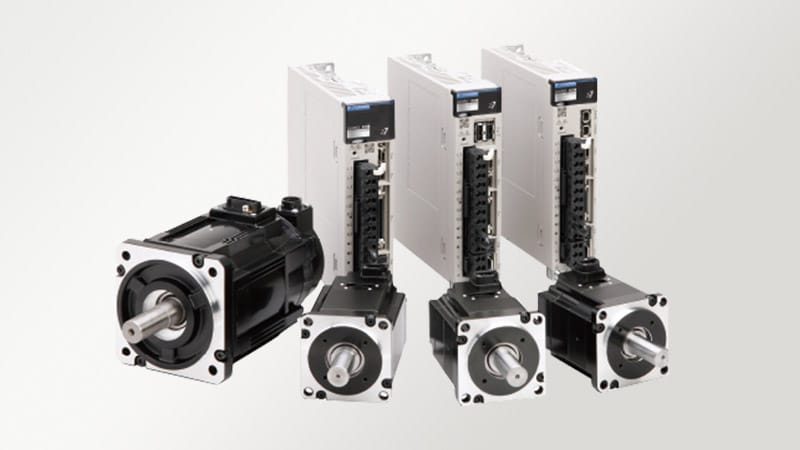
Servo Motor: Yaskawa, Delta

Product Introduction

The brass laser cutting machine is a high-precision industrial solution designed for efficient, clean, and reliable cutting of brass and other non-ferrous metals. Its high-efficiency laser generator produces a concentrated, stable beam capable of cutting sheets and plates with exceptional accuracy and minimal thermal distortion, ensuring smooth edges and superior surface quality. The machine’s high-performance aluminum alloy beam and heavy-duty plate welding bed provide outstanding rigidity, reducing vibration and deformation to maintain consistent cutting quality even during continuous operation. Equipped with high-precision guide rails, servo motors, and a stable gear reducer, it delivers smooth, controlled motion and rapid response at high speeds. The precision laser cutting head, featuring advanced optics and a capacitive height sensing system, ensures accurate focal positioning, clean cuts, and minimal defects. Managed by an intelligent control system, the brass laser cutting machine optimizes cutting paths, improves productivity, and reduces material waste, making it ideal for demanding industrial and manufacturing environments.

Product Configuration

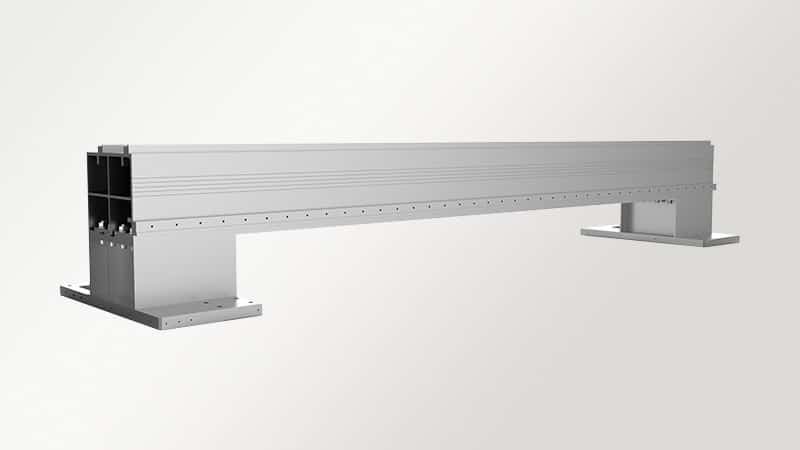
High-Performance Aluminum Alloy Beam

High-Performance Aluminum Alloy Beam

The aluminum alloy beam structure in the machine is lightweight yet rigid, allowing fast acceleration with minimal vibration. Its high strength-to-weight ratio improves motion precision and stability during cutting, while also resisting deformation over time. The material dissipates heat efficiently, helping maintain accuracy under continuous operation. Overall, this design enhances speed, durability, and cutting quality.

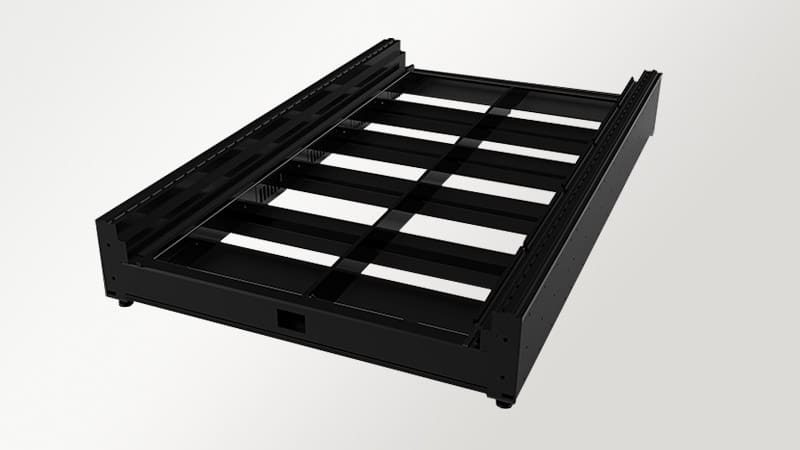
Heavy-Duty Plate Welding Bed

The plate welding bed is built from thick steel plates welded together to create a solid and stable machine base. This structure provides excellent rigidity and load-bearing capacity, reducing vibration and maintaining alignment during cutting. It supports accurate positioning and consistent performance. Its heavy-duty construction ensures durability and reliability in long-term, high-intensity industrial operations.
Heavy-Duty Plate Welding Bed
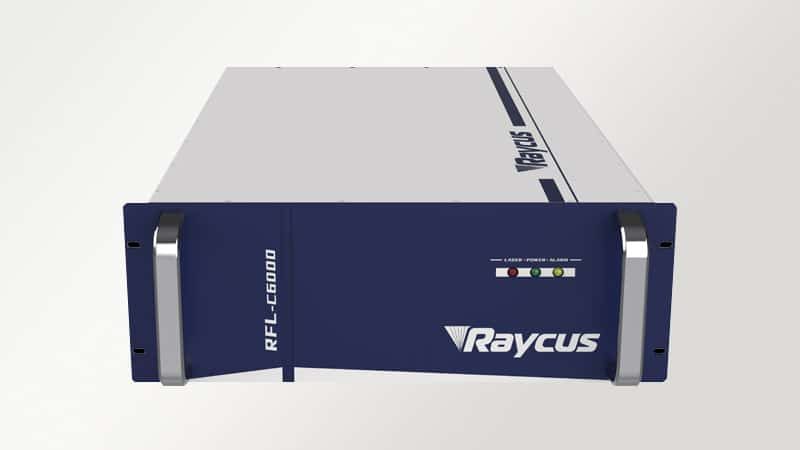
High-Efficiency Laser Generator

High-Efficiency Laser Generator

The laser generator is the core component of the machine, responsible for producing a high-energy, concentrated beam used for precise material processing. It delivers stable output, high electro-optical efficiency, and consistent performance over long operating periods. The design supports low maintenance requirements and reliable operation across different materials and thicknesses, ensuring accuracy and productivity in demanding industrial applications.

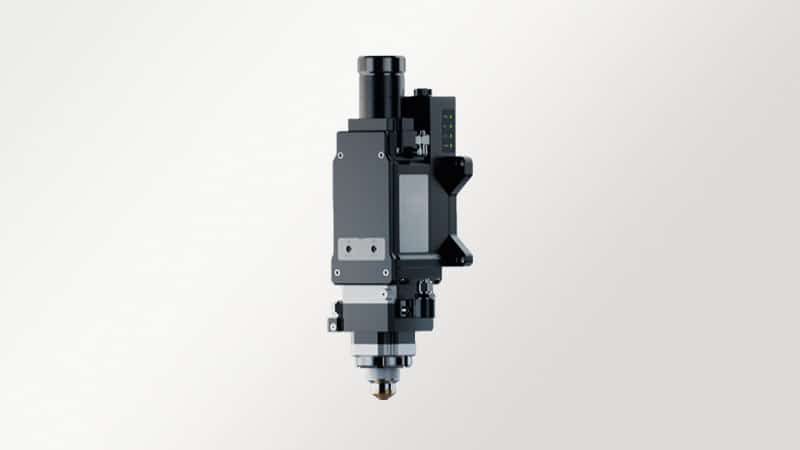
Precision Laser Cutting Head

The laser cutting head is a critical component that precisely directs and focuses the laser beam onto the workpiece. It integrates advanced optics, a capacitive height sensing system, and protective lenses to maintain accurate focal positioning during operation. This enables clean cuts, reduced defects, and stable performance across various materials and thicknesses. Its design supports high-speed processing while ensuring consistent cutting quality.
Precision Laser Cutting Head
Intelligent Control System

Intelligent Control System

The control system is the central unit of the machine, responsible for managing motion control, laser power, and cutting paths with high precision. It offers an intuitive interface, efficient nesting functions, and real-time process monitoring to optimize performance and reduce material waste. The system ensures stable operation, accurate positioning, and smooth execution of complex cutting tasks in continuous production environments.

High-Precision Guide Rail

The guide rail provides precise linear motion for the moving parts of the machine. It is engineered for high rigidity and smooth travel, ensuring accurate positioning and repeatability during operation. The structure minimizes friction and vibration, allowing stable, high-speed movement while maintaining cutting precision. Its durable design supports long-term use with minimal wear, even in demanding industrial environments.
High-Precision Guide Rail
High-Precision Servo Motor

High-Precision Servo Motor

The servo motor drives the movement of a laser cutting machine with exceptional precision and control. It continuously adjusts speed, position, and torque through real-time feedback, ensuring smooth and accurate motion. The system enables quick response, stable operation, and precise path tracking, even at high speeds. Its efficient design supports consistent cutting quality and reliable performance in demanding production environments.

Stable Gear Reducer

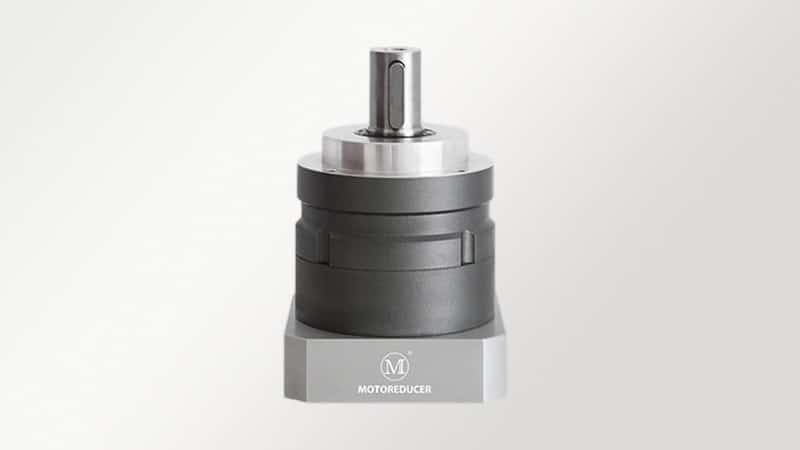
The gear reducer is used to decrease motor speed while increasing torque, enabling precise and stable movement in a laser cutting machine. It ensures smooth power transmission and improves positioning accuracy by minimizing vibration and backlash. The structure enhances control during acceleration and deceleration, supporting consistent cutting performance. Its durable construction allows reliable operation under continuous load and demanding industrial conditions.
Stable Gear Reducer

Product Parameters

Model AKJ1530F AKJ1545F AKJ1560F AKJ2030F AKJ2040F AKJ2060F AKJ2560F
Cutting Range 1500*3000mm 1500*4500mm 1500*6000mm 2000*3000mm 2000*4000mm 2000*6000mm 2500*6000mm
Laser Power 1500-40000W
Laser Generator Raycus/Max/IPG
Control System Au3tech/Cypcut
Laser Cutting Head Au3tech/Raytools/Boci
Transmission System Rack Drive
Rack VASTUN/Apex/YYC
Guide Rail HIWIN
Gear Reducer Motoreducer
Ball Screw TBI
Servo Motor Delta/Yaskawa
Electronic Components Schneider
Pneumatic Components SMC/AirTAC
Water Chiller S&A/Hanli
Maximum Moving Speed 100m/min
Maximum Acceleration 1.0G
Positioning Accuracy ±0.01mm
Repeat Positioning Accuracy ±0.03mm
Voltage and Frequency 380V 50Hz/60HZ

Optional Configuration

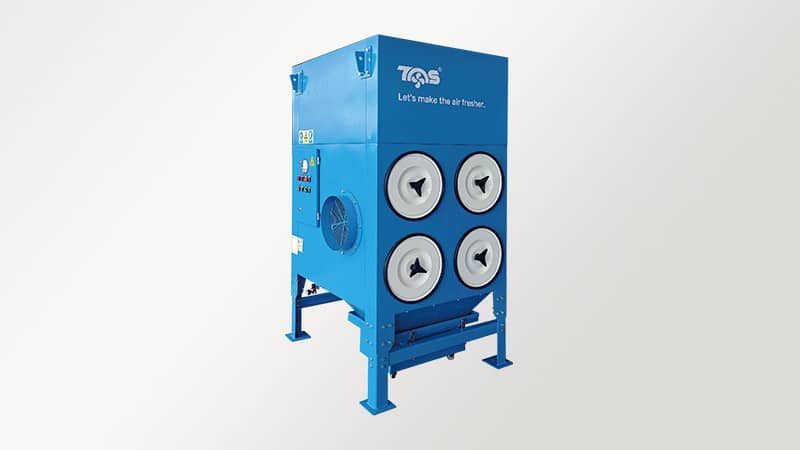
Eco-Friendly Fume Purifier

Eco-Friendly Fume Purifier

The fume purifier is designed to capture and filter smoke, dust, and harmful particles generated during laser cutting. It uses a multi-stage filtration system to remove contaminants from the air, improving workplace safety and environmental conditions. The structure helps maintain clean air, reduces operator exposure to pollutants, and supports compliance with industrial standards. Its efficient operation ensures a healthier and more controlled production environment.

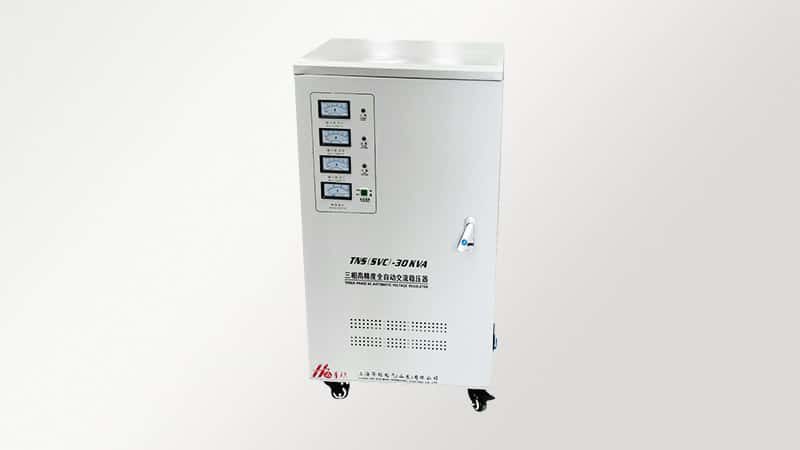
Stabilizing Voltage Regulator

The voltage regulator stabilizes the electrical supply to laser cutting machines, protecting it from fluctuations, surges, and drops in power. It ensures consistent voltage input, which helps maintain stable machine performance and prevents damage to sensitive components. The structure improves reliability, reduces the risk of downtime, and extends equipment lifespan. Its role is essential for maintaining precision and consistent output in varying power conditions.
Stabilizing Voltage Regulator
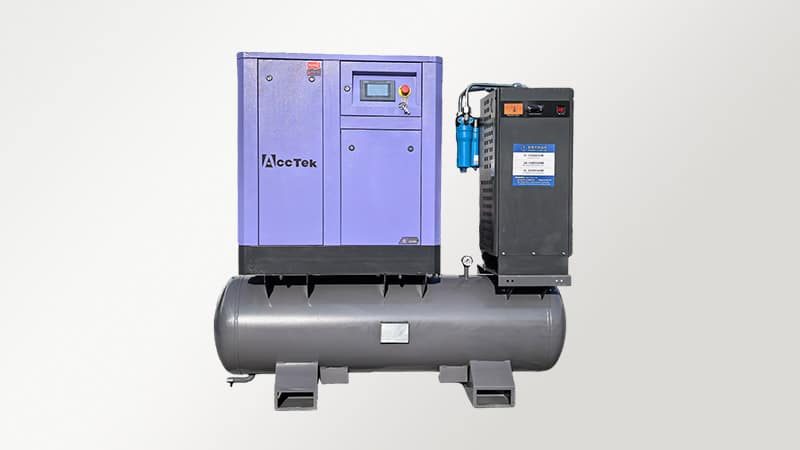
Reliable Air Compressor

Reliable Air Compressor

The air compressor supplies a continuous flow of compressed air to assist the laser cutting process. It helps expel molten material and debris from the cutting zone, improving edge quality and reducing oxidation. The system ensures stable pressure and reliable airflow, supporting consistent cutting performance. Its integration enhances efficiency and reduces operating costs, making it suitable for sustained industrial use.

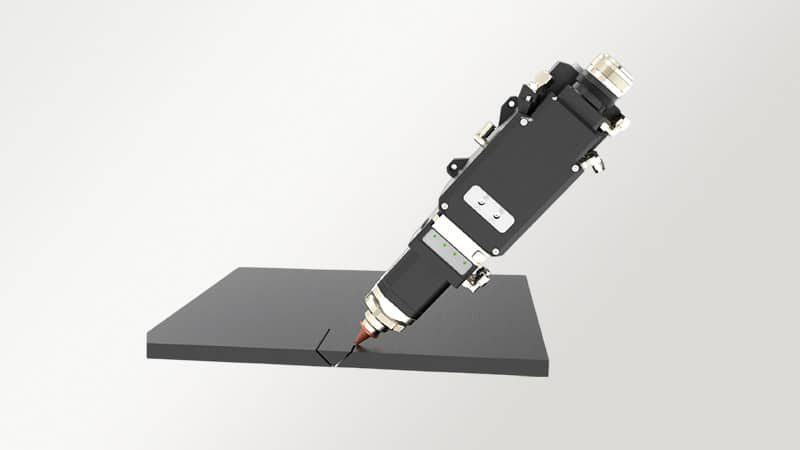
Flexible Beveling Cutting Device

The beveling cutting device enables laser cutting machines to produce angled edges by tilting the cutting head during operation. It allows precise control over bevel angles, improving weld preparation and fit-up quality. The structure expands cutting capabilities beyond straight cuts, supporting complex shapes and designs. Its stable adjustment mechanism ensures consistent accuracy and smooth performance in demanding industrial applications.
Flexible Beveling Cutting Device

Compared With Other Cutting Methods

Comparison Item Laser Cutting Plasma Cutting Waterjet Cutting Mechanical Cutting
Cutting Principle Uses a focused fiber laser beam to melt and cut brass Uses a plasma arc to melt conductive metal Uses high-pressure water and abrasive to erode material Uses saws, shears, punches, milling tools, or blades
Material Suitability Suitable for brass sheets and plates with proper laser settings Can cut conductive brass, but quality may vary Suitable for brass and many other materials Suitable for brass, but tooling must be well matched
Reflective Material Handling Modern fiber lasers can cut brass effectively with proper protection Not strongly affected by reflectivity Not affected by reflectivity Not affected by reflectivity
Cutting Precision High precision for detailed brass parts Medium precision High precision, but slower Medium precision, depends on tooling and machine rigidity
Edge Quality Clean edges with minimal burrs when parameters are optimized Rougher edges with more dross Smooth, cold-cut edges May leave burrs, chips, or tool marks
Heat-Affected Zone Small heat-affected zone Larger heat-affected zone No heat-affected zone Minimal heat, but mechanical stress may occur
Cutting Speed Fast for thin and medium brass sheets Fast for rough cutting, but less precise Slower than laser and plasma Moderate, often slower for complex shapes
Thin Sheet Performance Excellent for thin brass sheets, letters, signs, and fine contours May cause overheating or rough edges Good, but less efficient Possible, but thin sheets may deform
Thick Plate Performance Requires suitable laser power and stable process control Can cut thicker brass, but edge quality may be inconsistent Good for thick brass plates Limited by tool force and machine capacity
Kerf Width Narrow kerf, saving brass material Wider kerf Medium kerf Usually wider than laser cutting
Material Waste Low waste due to narrow cutting path Higher waste than laser Moderate waste from kerf and abrasive use Higher waste from chips and tool path
Burr Formation Minimal burrs with proper parameters More dross and edge cleanup needed Minimal burrs Burrs are common
Thermal Deformation Low with optimized cutting parameters Higher risk due to heat input No thermal deformation Possible bending or stress from cutting force
Surface Finish Helps maintain a clean decorative brass surface May cause oxidation, discoloration, or rough edges Preserves original surface well May scratch or mark the surface
Secondary Processing Often little deburring or polishing needed Often requires grinding or cleaning Usually little secondary processing Often requires deburring, polishing, or edge finishing
Complex Shape Cutting Excellent for holes, slots, logos, letters, curves, and fine patterns Good for simple and medium-complex shapes Good for complex shapes, but slower Limited for intricate designs
Automation Capability Highly suitable for CNC automation and batch production Suitable for CNC cutting Suitable for CNC cutting Automation possible, but tool changes may be needed
Tool Wear No physical cutting tool contacts the brass Electrode and nozzle wear Nozzle wear and abrasive consumption Cutting tools wear and may clog with brass chips
Best Use Cases Brass signs, decorative panels, electrical parts, nameplates, fittings, and precision components Rough cutting of conductive brass parts Thick brass plates or heat-sensitive parts Straight cuts, drilling, milling, sawing, and small-batch work
Overall Advantage Best balance of precision, speed, automation, edge quality, and material savings Good for rough conductive metal cutting Best when cold cutting and no heat effect are required Good for simple, low-cost brass processing tasks

Product Application

The brass laser cutting machine is designed for industrial applications requiring high precision, efficiency, and clean cutting of brass and other non-ferrous metals. It is widely used in industries such as electronics manufacturing, decorative metalwork, musical instrument production, electrical components fabrication, and metal signage. The machine’s high-performance aluminum alloy beam and heavy-duty plate welding bed provide superior stability, ensuring consistent and repeatable cuts even during continuous, high-speed production. Advanced features like the precision laser cutting head, high-precision guide rails, and intelligent control system allow for intricate shapes, detailed patterns, and efficient nesting while reducing defects and material waste. Its robust construction supports cutting brass sheets and plates of varying thicknesses with smooth edges and superior surface quality. With reliable, high-speed performance and precise motion control, the brass laser cutting machine is a valuable tool for manufacturers seeking accuracy, productivity, and consistent results in demanding industrial environments.
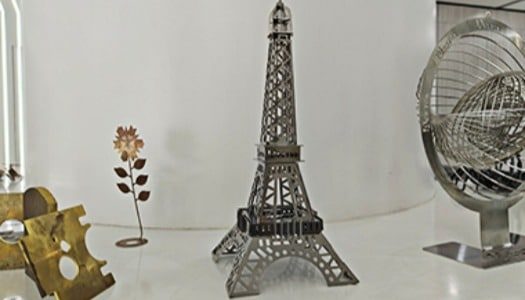
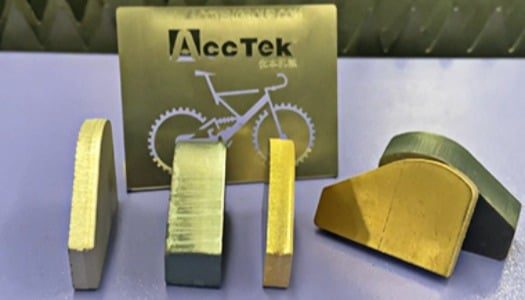
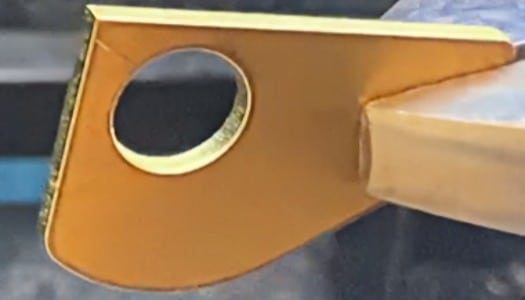
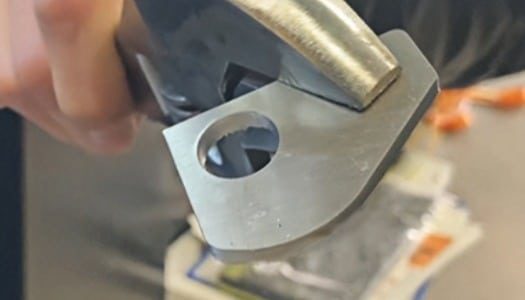
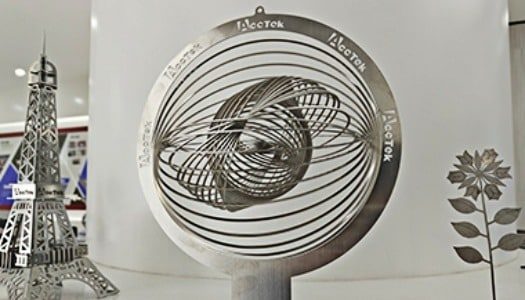
Sheet Fiber Laser Cutting Samples

Why Choose AccTek Laser

Advanced Laser Technology

AccTek Laser integrates advanced laser technology into its cutting machines to deliver high precision, stable performance, and efficient cutting results. Their systems use reliable laser sources and optimized control systems, ensuring that operators achieve consistent cuts with minimal material waste. This innovation also helps in enhancing material quality while reducing the risk of thermal damage during the cutting process.

Wide Range of Machine Options

AccTek Laser offers a broad selection of laser cutting machines with different power levels and configurations to suit diverse application requirements. Customers can choose from compact, portable systems for small-scale operations to large industrial machines for high-volume cutting tasks. This makes it easy to find the right solution for cutting metal sheets, plastics, ceramics, and more, ensuring versatility for various industries.

High-Quality Components

AccTek Laser machines are built using top-quality components sourced from globally recognized suppliers. This includes durable laser sources, cutting-edge scanning systems, and reliable control electronics. By using premium parts, AccTek Laser enhances machine stability, extends service life, and ensures consistent performance under demanding operating conditions, ultimately reducing maintenance needs.

Customization and Flexible Solutions

AccTek Laser provides flexible customization options to meet specific customer needs. Machine features like laser power, cutting speed, cooling systems, and automation integration can be tailored to suit different production environments and application requirements. This flexibility ensures that customers achieve optimal cutting performance, productivity, and cost-efficiency.

Professional Technical Support

AccTek Laser offers comprehensive technical support throughout the entire purchase and operation process. Their experienced team assists with machine selection, installation, operation training, and troubleshooting. This level of support helps customers seamlessly adapt to laser cutting technology, ensuring smooth operations and quick issue resolution when necessary.

Reliable Global Service

With years of experience serving customers globally, AccTek Laser provides dependable international service and support. They offer detailed documentation, remote assistance, and responsive after-sales service to help customers maintain their machines and minimize downtime. This ensures that customers can continue their operations with minimal disruptions, enhancing long-term productivity and customer satisfaction.

Related Resources

Are Chinese Laser Cutting Machines Good

Are Chinese Laser Cutting Machines Good?

This article mainly teaches you how to choose a suitable Chinese brand laser cutting machine. If you are also thinking of getting one, please read this article patiently; you will

Customer Testimonials

4 reviews for Brass Laser Cutting Machine

  1. Henry

    I’ve been working with this machine for several months, and I’m impressed by its stability during operation. The heavy base keeps everything aligned, even during high-speed cutting. The motion system is smooth, and accuracy remains consistent throughout the process. It doesn’t require frequent adjustments, which saves time during busy shifts. Maintenance has been minimal so far, and the machine continues to perform well. Overall, it’s a durable and dependable option for industrial use.

  2. Evelyn

    I’ve been working with this laser cutting machine on a daily basis, and it has been easy to get used to. The control system is simple and clear, which helps me set up jobs quickly without confusion. The machine runs smoothly, and I rarely notice any vibration during operation. The cutting results are consistent, even when switching between different materials. I also like that it doesn’t require constant adjustments once the settings are in place. It performs reliably during long shifts and doesn’t overheat. Overall, it’s a practical and dependable machine that supports our regular production tasks well.

  3. Alexander

    From an engineering standpoint, this machine delivers stable and predictable performance. The guide rail system ensures accurate movement, which is important when working on complex cutting paths. The servo motor responds quickly, allowing precise control even at higher speeds. I’ve tested it under different conditions, and it maintains consistent output throughout. The laser generator performs reliably during extended use, which helps maintain quality. The overall structure feels solid, especially the welded bed that reduces vibration. It’s a well-balanced machine that combines speed and accuracy, making it suitable for demanding production environments.

  4. Harper

    I mainly assist with machine setup and monitoring, and this laser cutter has been easy to work with. The interface is straightforward, so I can quickly understand the process and follow instructions. It runs smoothly without sudden movements, which makes it safer to operate. The cutting quality is good, and the edges come out clean most of the time. I also noticed that it stays stable during long working hours. It doesn’t require frequent attention, which allows me to focus on other tasks. Overall, it’s a reliable machine that fits well into our daily workflow.

Add a review

Your email address will not be published. Required fields are marked *

eleven − eleven =

Frequently Asked Questions

What Is the Price of Brass Laser Cutting Machines?

The price of brass laser cutting machines varies significantly depending on several factors, including the machine’s make, model, power, cutting area, and added features. Here’s a breakdown of the general pricing for these machines:

  1. Entry-Level Laser Cutting Machines:
  • Price Range: Around $15,000
  • These machines typically have lower power levels and smaller cutting areas. They are suitable for small-scale or personal use, with limitations in cut thickness and speed. Such machines are often used for lighter commercial tasks or prototyping.
  1. Mid-Range Laser Cutting Machines:
  • Price Range: $30,000 to $50,000
  • These machines offer more power and greater cutting capacity, with medium-sized cutting areas and faster speeds compared to entry-level models. They can handle moderately thick brass materials and are used by small to medium-sized businesses for more demanding tasks.
  1. Industrial-Grade Laser Cutting Machines:
  • Price Range: $50,000 to $300,000+
  • These machines are designed for professional and commercial use, with high power levels, larger cutting areas, and the ability to handle thicker brass materials. They can offer higher precision and greater throughput, making them ideal for industrial-scale production. Additional features like automatic loading and unloading systems, advanced control systems, and rotary attachments can drive the price even higher.

If you want to get an accurate price for a brass laser-cutting machine that fits your specific needs, you can contact us. AccTek Laser’s engineers will provide you with a customized cutting solution based on your needs and provide you with an accurate quote. In addition, when purchasing a laser cutting machine, you should consider not only the initial cost, but also the ongoing expenses, including maintenance, power consumption, and possible future upgrades.

The most commonly used type of laser for cutting brass is fiber lasers. These lasers are highly efficient, producing a focused beam of light that can cut through metals like brass with precision and speed. Here’s why fiber lasers are preferred for cutting brass:

  • Wavelength: Fiber lasers typically operate at wavelengths around 1000 to 1100 nanometers. Brass, being a highly emissive material, absorbs this wavelength well, allowing the laser energy to be effectively absorbed for cutting.
  • Power and Speed: Fiber lasers are available in various power levels, which makes them suitable for cutting different thicknesses of brass. Higher-power fiber lasers can achieve faster cutting speeds and increased productivity, which is crucial in industrial applications.
  • Beam Quality: Fiber lasers produce high-quality beams with small focal spot sizes, allowing for highly precise cuts with minimal heat-affected zones and reduced burr formation. This results in clean, sharp edges that are important for applications requiring high standards of quality.
  • Efficiency: Fiber lasers convert a higher percentage of electrical energy into laser energy compared to other types of lasers. This means lower operating costs and more efficient energy use, which is beneficial for both production speed and cost-effectiveness.
  • Reliability and Maintenance: Fiber laser machines are solid-state devices, meaning they have fewer moving parts compared to other laser systems like CO2 lasers. This makes fiber lasers more reliable and requires less maintenance, making them ideal for continuous industrial operations.

Other lasers like CO2 lasers and Nd: YAG lasers can also cut brass but with some limitations:

  • CO2 lasers: They are more commonly used for cutting non-metal materials or softer metals. While they can cut brass, they tend to be less efficient on metals, requiring more power and slower cutting speeds than fiber lasers.
  • Nd: YAG lasers: These lasers can be used for metal cutting, including brass, but they are typically slower and require more maintenance. They are not as efficient as fiber lasers, which makes them less ideal for high-speed cutting applications.

In summary, fiber lasers are the most effective and preferred choice for cutting brass due to their high efficiency, precision, faster speeds, and lower maintenance needs.

Brass is more difficult to cut with a laser than steel due to several inherent properties of the material that affect the laser-cutting process:

  • Thermal Conductivity: Brass has a higher thermal conductivity than steel. When a laser cuts through brass, the heat generated from the laser is quickly dispersed throughout the material. This rapid heat dissipation makes it harder to maintain the localized hot areas needed for efficient cutting. The result is slower cutting speeds, an increased heat-affected zone, and potential issues with the quality of the cut, as the heat spreads more widely.
  • Reflectivity: Brass has a relatively high reflectivity, especially for certain wavelengths of lasers (like CO2 lasers). This high reflectivity causes a significant amount of the laser energy to bounce off the surface rather than being absorbed by the material. As a result, the laser-cutting process becomes less efficient, and higher power levels may be required to achieve cuts comparable to those in steel. This is a key reason why brass often requires more laser power to cut efficiently.
  • Oxidation Sensitivity: Brass is an alloy of copper and zinc, and it is much more prone to oxidation at high temperatures compared to steel. Laser cutting generates intense heat, which can cause the brass to oxidize and form an oxide layer on the cut surface. This can lead to discoloration, rough edges, and possible compromised quality of the cut. To minimize oxidation, careful control of assist gas flow, such as using nitrogen instead of oxygen, is necessary to maintain the quality of the cut.
  • Material Hardness: Brass is softer and more malleable than steel, which can be both an advantage and a disadvantage. On one hand, the softness of brass makes it easier to machine in some cases. On the other hand, during laser cutting, softer materials tend to deform more easily under the pressure and heat of the laser. This can lead to issues such as burr formation, rough edges, and imprecise cuts, especially if the cutting parameters are not properly optimized for the material.
  • Material Composition Variability: Brass is a mixture of copper and zinc, and its composition can vary significantly. The zinc content in particular affects the cutting behavior, as it influences the material’s reflectivity, thermal conductivity, and oxidation potential. This variability means that the laser-cutting process must be fine-tuned based on the specific brass alloy being used. Different compositions may require adjustments to laser power, assist gas, or cutting speed to achieve the desired results.

While steel is easier to cut with a laser due to its lower thermal conductivity, lower reflectivity, and lower oxidation potential, brass presents additional challenges. To effectively cut brass, operators must carefully adjust laser parameters (such as power, focus, and speed), use proper assist gases to reduce oxidation, and sometimes experiment with cutting techniques to achieve clean and precise results.

Yes, higher laser power generally results in faster cutting speeds when cutting brass. Here’s why:

  1. Increased Energy Delivery

The laser power determines the amount of energy delivered to the brass material. With higher power, more energy is focused on the material, which heats and melts the brass more quickly. This increases the material removal rate, enabling the cutting process to be completed faster.

  1. Faster Cutting Speed

With more power, the laser can penetrate the material more efficiently. As a result, cutting speeds can be increased because the laser is able to melt and vaporize more material in a shorter time. This leads to higher productivity, especially when cutting thicker materials.

  1. Balance of Parameters

Although higher power leads to faster cutting, it is essential to balance it with other parameters such as laser focus, assist gas flow, and cutting speed. Proper adjustment ensures optimal cut quality and minimizes issues like overheating material deformation, and poor edge finish.

  1. Diminishing Returns

The relationship between laser power and cutting speed is not linear. For each specific brass material and thickness, there is an optimal power range. After reaching this optimal range, increasing the power further may not significantly improve cutting speed and could cause adverse effects like:

  • Increased heat input, leading to potential deformation.
  • Higher oxidation on the cut surface can degrade the quality.
  • Reduced cutting accuracy due to excessive heat affecting the material.
  1. Other Factors to Consider
  • Material Thickness: Thicker brass requires more power for effective cutting. However, the power required must also be adjusted for the specific composition and thickness of the brass.
  • Thermal Properties: Brass has high thermal conductivity and reflectivity, meaning that excess power might not always lead to proportional gains in cutting speed. Careful tuning is required to maintain efficiency.
  • Oxidation: High power can increase the chance of oxidation, affecting both the cut quality and appearance of the brass. Proper assist gas like nitrogen can help minimize this effect.

While higher laser power can accelerate the cutting speed of brass, it must be used within the optimal range for the material’s thickness and composition. Adjustments in laser focus, cutting speed, and assist gas are also necessary to maintain both cutting speed and quality.

When laser cutting brass, several common problems may arise due to its material properties and the nature of the cutting process. These issues can affect the quality and efficiency of the cut. Here’s a breakdown of the most common problems:

  1. Melting
  • Cause: Brass has a low melting point compared to other metals, making it more susceptible to melting during laser cutting. If the heat from the laser is too intense or not controlled properly, the brass may melt rather than be cleanly cut, leading to jagged edges and imprecise cuts.
  • Solution: Careful control of laser power, speed, and focus can help prevent melting. Reducing the cutting speed or increasing assist gas flow can also help manage the heat.
  1. Oxidation and Discoloration
  • Cause: Brass contains copper, which oxidizes easily when exposed to high temperatures and air. The oxidation forms an oxide layer that can impede the cutting process by reducing the absorption of laser energy, which leads to slower cuts and discoloration of the material.
  • Solution: The oxide layer must be minimized or removed during cutting. Using nitrogen as an assist gas can help reduce oxidation and achieve cleaner cuts with a better appearance.
  1. Material Warping
  • Cause: Brass is a good conductor of heat, which means it dissipates heat quickly. This can cause thermal deformation, such as warping or bending, especially on thinner brass sheets when exposed to intense heat from the laser.
  • Solution: Use proper fixation techniques and adjust cutting parameters, including laser power and speed, to minimize heat build-up. Cooling or pre-heating the brass material can also help manage warping.
  1. Material Emission (Reflection)
  • Cause: Brass has high reflectivity to certain wavelengths, particularly in the visible and near-infrared spectrum. This means that a significant portion of the laser energy reflects off the brass surface, reducing cutting efficiency. Additionally, this can cause the laser beam to diverge, leading to wider-than-expected cuts.
  • Solution: Use fiber lasers or specialized optics designed to optimize energy absorption. Adjusting the wavelength or increasing laser power can also improve efficiency.
  1. Burr Formation
  • Cause: Burrs are unwanted raised edges or roughness that form along the cut. This is common in the laser cutting of brass, especially if the cutting speed is too high, the focus is off, or molten material forms along the cut edge.
  • Solution: Proper focus, careful control of speed, and the use of assist gas like nitrogen can minimize burr formation. Using the right nozzle and cutting parameters is key to achieving clean edges.
  1. Dross Formation
  • Cause: Dross refers to a solidified metal residue that forms at the cut edge, which can affect the finish. During cutting, molten brass can drip down and solidify on the underside of the workpiece.
  • Solution: To reduce dross, adjust cutting speed and power. Employing assist gases like nitrogen or oxygen can help clear molten material, reducing dross formation.
  1. Material Thickness Limitations
  • Cause: Brass cutting has thickness limitations based on the power of the laser and the cutting speed. Cutting thicker brass sheets may result in incomplete cuts or slower processing times.
  • Solution: For thicker materials, use higher-powered lasers or opt for multiple passes to achieve a clean cut. Thicker materials may require specialized systems or modifications.
  1. Focus and Alignment Issues
  • Cause: Misalignment of the laser beam or incorrect focus can result in uneven cuts, inaccurate cuts, and a poor-quality finish.
  • Solution: Ensure proper beam alignment and focus adjustment for precision. Use automatic focus systems for better consistency.
  1. Heat-Affected Zone (HAZ)
  • Cause: The intense heat generated by the laser can create a heat-affected zone (HAZ) around the cut edge, which may alter the material properties such as hardness and ductility. In some cases, this can make the brass more brittle.
  • Solution: Minimize the size of the HAZ by fine-tuning laser power and speed. Consider post-processing methods like annealing or tempering to reduce material brittleness.
  1. Thermal Conductivity Issues
  • Cause: Brass has high thermal conductivity, meaning it dissipates heat quickly. While this is useful in some applications, it can also result in slower cutting or less precise cuts because the heat required to melt the material may spread too quickly.
  • Solution: To overcome this, increase the laser power or adjust the cutting speed to compensate for the fast heat dissipation.
  1. Laser Power and Speed Optimization
  • Cause: Finding the right balance between laser power and cutting speed is critical. Too much power or too slow a speed can lead to overheating, causing melting and poor cut quality, while too little power or too fast a speed may result in incomplete cuts.
  • Solution: Conduct test cuts and fine-tune both power and speed settings to match the specific brass material and thickness being cut. Adjusting other factors such as assisting gas flow can help optimize the cutting process.

By carefully managing these challenges, brass can be cut efficiently and with high-quality results using laser cutting.

To achieve successful laser cutting of brass, several key elements must be carefully optimized and controlled. These factors ensure the process runs smoothly, resulting in high-quality, precise cuts. Here are the critical elements to consider:

  1. Laser Parameters
  • Power: Brass requires higher laser power due to its high thermal conductivity and reflectivity. This ensures sufficient energy is delivered to overcome brass’s heat dissipation and melting point. The optimal laser power should be balanced with cutting speed to avoid issues such as excessive melting or incomplete cuts.
  • Pulse Duration and Frequency: Fine-tuning the pulse duration and frequency is crucial for achieving a clean, efficient cut. Shorter pulses may be needed for finer cuts, while longer pulses can handle thicker brass material.
  • Beam Pattern: Adjusting the beam pattern can help improve the overall quality of the cut. A focused, fine beam is critical for precision cutting, especially in thin materials, while a broader beam may be used for thicker materials.
  1. Focus and Beam Quality
  • Proper Focus: The laser beam must be tightly focused on the material’s surface to maximize energy absorption and material removal efficiency. Proper focus ensures clean, precise edges.
  • Beam Quality: The beam quality must be high to minimize deflection and divergence. Poor beam quality can cause inconsistent cutting and uneven edges, especially when dealing with highly reflective materials like brass.
  • Specialized Optics: Brass’s high reflectivity can cause a significant portion of the laser energy to be reflected away from the cutting surface. Using specialized optics, such as high-performance lenses and mirrors, can help minimize reflections and improve energy absorption.
  1. Assist Gas Selection
  • Inert Gases: During laser cutting, assist gases like nitrogen or argon are typically used to blow away molten material and reduce oxidation. These gases create a protective atmosphere around the cut, reducing the formation of an oxide layer, which can impair the cutting quality.
  • Flow Rate and Pressure: The assist gas’s flow rate and pressure must be optimized to effectively clear the cut path, prevent oxidation, and minimize the formation of slag or burrs.
  1. Material Preparation
  • Surface Cleaning: Brass should be cleaned thoroughly before cutting to remove oils, dirt, or other contaminants that may interfere with the laser cutting process. Common cleaning techniques include degreasing, acid cleaning, and surface passivation.
  • Anti-Reflective Coating: Brass’s high reflectivity can cause significant loss of laser energy. Applying an anti-reflective coating can help minimize this reflection and improve the efficiency of the cutting process.
  • Secure Positioning: Ensuring the brass is securely fixed during cutting is critical for preventing warping or misalignment. The material should be stable and well-supported to maintain precision and prevent material deformation due to heat.
  1. Machine Maintenance and Calibration
  • Optics and Beam Alignment: Regular cleaning and inspection of the laser optics are essential for maintaining beam quality and consistent cutting performance. Misalignment of the laser beam can lead to poor cut quality and reduced accuracy.
  • Airflow Systems: Proper functioning of the airflow and assist gas delivery systems is crucial for efficient cutting. Regular checks and maintenance of these components ensure they operate at the necessary pressure and flow rates.
  • Performance Monitoring: Routine machine calibration and performance checks can identify any issues that might affect the cutting process, such as inconsistent laser power or incorrect beam alignment.
  1. Post-Cutting
  • Deburring: After cutting, burrs or raised edges may form on the brass material. These need to be removed to ensure a clean, safe, and smooth finish. Common post-cutting methods include deburring, grinding, or polishing.
  • Edge Finishing: Additional post-processing may be needed to achieve the desired surface finish and edge quality, especially for precision applications.
  1. Fixtures and Workpiece Supports
  • Material Stability: Since brass expands and warps due to thermal effects, it is critical to ensure the material remains stable during the cutting process. Using fixtures or jigs to secure the material is vital for preventing deformation and maintaining precise cuts.
  • Support Structure: A stable support structure ensures the workpiece stays flat and does not shift during cutting. This is especially important when cutting thicker brass sheets or plates.
  1. Cutting Path and Design Considerations
  • Efficient Pathing: Planning efficient cutting paths can reduce cutting time and material wastage. Avoid excessive directional changes, which can increase cut time, and optimize the nesting of parts to maximize material usage.
  • Minimize Unnecessary Movement: Minimizing unnecessary travel distances or redundant cuts can improve productivity and reduce the risk of errors.
  • Design for Laser Cutting: Ensure the design is optimized for laser cutting by considering factors like kerf width and cutting order. Avoid sharp corners or overly complex shapes that may be difficult to cut precisely.
  1. Laser Power and Speed Optimization
  • Power Balance: The laser power should be balanced with cutting speed for optimal results. Too much power at a low speed can cause excessive heat buildup and material deformation, while too little power can lead to incomplete cuts.
  • Speed Adjustments: Adjusting the cutting speed based on material thickness and laser power can prevent issues such as excessive melting, dross formation, or incomplete cuts.

By optimizing these key elements—laser parameters, assist gas selection, material preparation, machine maintenance, and cutting path design—laser cutting of brass can be performed effectively and efficiently. Regular maintenance, careful adjustment of laser settings, and thoughtful design and preparation will contribute to achieving clean, precise cuts with minimal defects.

No, slower cutting speeds do not necessarily make brass cutting easier. While cutting speed is a key factor in the laser cutting process, slower speeds can introduce several challenges, especially when working with materials like brass. Here’s a breakdown of the potential issues and considerations when cutting brass at slower speeds:

  1. Increased Heat-Affected Zone (HAZ)
  • HAZ Expansion: Slower cutting speeds result in longer exposure to the laser beam, which can cause the heat-affected zone to expand. This leads to greater thermal diffusion, potentially causing warping or deformation of the material. The heat distribution can also alter the material’s properties near the cut edge, leading to inconsistencies.
  • Thermal Stress: Prolonged exposure to heat can induce thermal stress, which further increases the likelihood of material distortion.
  1. Overmelting
  • Excessive Melting: Cutting brass at slow speeds can cause the material to melt more than necessary, making it harder to achieve a clean, precise cut. Rather than cutting through the brass, the laser will melt the material, creating wider cuts and less precise edges.
  • Reduced Cut Quality: Overmelting results in jagged edges, poor dimensional accuracy, and a less clean cut, which can lead to the need for additional finishing processes.
  1. Increased Oxidation
  • Oxide Formation: Brass is prone to oxidation when exposed to high temperatures or air. At slower cutting speeds, the material is subjected to prolonged heat exposure, increasing the chance of forming an oxide layer.
  • Reduced Laser Absorption: The oxide layer forms on the surface of the brass, which can reduce the amount of laser energy absorption. This, in turn, can slow down the cutting process and lead to incomplete cuts.
  1. Longer Cutting Time
  • Decreased Productivity: Slower cutting speeds naturally result in longer cutting times, which can be a significant disadvantage in high-volume or time-sensitive production environments.
  • Efficiency Concerns: If cutting speed is too slow, it can affect overall productivity and increase operational costs. The challenge is finding the optimal balance between cutting speed and quality to avoid excessive delays.
  1. Heat Buildup
  • Excessive Heat Accumulation: Brass has a high thermal conductivity, meaning it dissipates heat quickly. However, when cutting at slower speeds, the heat from the laser beam can accumulate within the material. This localized heat buildup can cause:
  • Recast Layers: A thin layer of molten metal can solidify at the cut’s edge, creating a rough surface.
  • Burr Formation: Slow cutting can result in the formation of burrs or unwanted edges around the cut, which may require additional finishing.
  1. Balancing Speed with Other Parameters
  • Optimizing Laser Power: The optimal cutting speed depends on balancing it with other laser parameters such as power, focal point, assist gas and material thickness. Laser power needs to be adjusted to match the cutting speed—if the power is too high for a slow cutting speed, it can lead to the issues mentioned above. Conversely, if the power is too low for a faster speed, the laser may not cut effectively.
  • Cut Quality vs. Productivity: While slower speeds may improve cut quality in some instances, they often increase cutting time. Therefore, test cuts and parameter optimization experiments are crucial to determine the best combination for your application.

In summary, slower cutting speeds do not automatically make brass cutting easier. They can cause several problems, such as overheating, oxidation, and imprecise cuts while reducing efficiency. The key is to find an optimal cutting speed that works in harmony with other parameters, such as laser power, assist gas, and material thickness, to achieve both high-quality and efficient brass cuts. Therefore, it is advisable to perform test cuts and experiments to find the best cutting speed for your specific brass material and application.

When laser cutting brass, the choice of assist gas is crucial to achieving optimal cutting results. The assist gas helps to blow molten metal and debris away from the cutting area, which aids in improving cut quality, reducing oxidation, and enhancing overall cutting efficiency. The two most commonly used assist gases for laser cutting brass are nitrogen and compressed air. Here’s a breakdown of both options:

  1. Nitrogen (N2)

Nitrogen is a widely used inert gas for laser cutting, especially when working with brass. It offers several advantages for achieving high-quality cuts:

  • Reduced Oxidation: Nitrogen is an inert gas, which means it does not react with the molten brass. This creates an inert atmosphere around the cutting zone, significantly reducing the formation of an oxide layer on the cut edges. Since brass forms an oxide layer when exposed to air, nitrogen helps preserve cut quality and minimizes the need for post-cut cleaning or oxide removal.
  • Improved Cut Quality: The inert nature of nitrogen prevents undesirable chemical reactions with the molten material. As a result, it helps to achieve cleaner, smoother cuts, reduces burr formation, and minimizes adherence of molten material to the edges of the cut.
  • Enhanced Process Control: Nitrogen has predictable and consistent properties, making it easier to control the cutting process. Adjustments to assist gas flow and pressure can be made with greater precision, allowing for more reliable and efficient cutting.
  • Increased Cutting Speed: Due to its high thermal conductivity, nitrogen can absorb and dissipate heat more effectively, which increases the cutting speed. This allows for faster material removal, improving the overall efficiency of the cutting process.
  • Compatibility with Reflective Surfaces: Brass, like many metals, is highly reflective of laser light. Nitrogen is less affected by reflections compared to gases like oxygen or compressed air, making it ideal for cutting reflective materials such as brass.
  1. Compressed Air

Compressed air is another option for laser cutting brass, though it is typically used less frequently than nitrogen. It is widely available and can be more cost-effective in certain situations. However, there are several important considerations:

  • Increased Risk of Oxidation: Compressed air contains oxygen, which can lead to oxidation of brass during cutting. This results in the formation of an oxide layer on the cut edges, which may require additional post-processing steps to clean or remove. This makes compressed air a less ideal choice for applications where oxidation and cut quality are critical.
  • Reduced Cut Quality: The presence of oxygen in compressed air can slightly reduce cut quality compared to nitrogen. It can lead to rougher cut surfaces, more burr formation, and a higher chance of recast layers (molten brass that solidifies and sticks to the cut edges). This results in the need for more extensive finishing work.
  • Better for Thicker Materials: For thicker materials, compressed air might be advantageous. The higher oxygen content can help facilitate combustion of the molten material, which assists in removing debris more effectively. This can be particularly helpful for thicker brass sheets, where oxidation is less of a concern, and a slightly rougher finish is acceptable.

Ultimately, the best choice of assist gas will depend on your specific application, material thickness, desired cut quality, and budget. It’s recommended to consult with the manufacturer’s guidelines and perform test cuts to determine the optimal gas for your brass laser cutting needs.

Get Laser Cutting Solutions

Finding the right laser cutting solution is crucial for improving efficiency, precision, and productivity in your operations. Whether you’re in manufacturing, aerospace, automotive, or another industry, laser cutting technology can provide a cost-effective and highly efficient way to handle a wide range of materials such as metals, plastics, wood, and composites. With its ability to create clean, precise cuts with minimal waste, laser cutting ensures that your production processes are streamlined and meet high-quality standards.
At AccTek Laser, we offer a variety of laser cutting machines designed to meet diverse needs. From compact systems for small-scale applications to large industrial machines capable of cutting thick materials, we provide solutions that can be customized to suit your specific requirements. Our machines are equipped with the latest technology to ensure optimal performance, speed, and precision.
Getting started with laser cutting is easy. Our team works closely with you to understand your needs, provide tailored recommendations, and guide you through the setup and operation process. Whether you need to improve cutting accuracy, reduce waste, or speed up production, we have the tools and expertise to help you achieve your goals. Explore our range of laser cutting machines today and discover how they can transform your manufacturing processes.
* We value your privacy. AccTek Laser is committed to protecting your personal information. Any details you provide when submitting the form will be kept strictly confidential and used only to assist with your inquiry. We do not share, sell, or disclose your information to third parties. Your data is securely stored and handled by our privacy policy.

Unlock Precision With AccTek Laser Solutions!

We can customize the design according to your requirements. You only need to tell us your requirements, and our engineers will provide you with turnkey solutions in the shortest possible time. Our laser equipment prices are very competitive, please contact us for a free quote. If you need other laser equipment-related services, you can also contact us.
Leave Your Details For A Tailor-Made Solution
*At AccTek Laser, we value and respect your privacy. Rest assured that any information you provide is strictly confidential and will only be used to deliver personalized solutions and quotes.