Balsa Wood Laser Cutting Machine

The balsa wood laser cutting machine delivers precise, high-quality cutting of lightweight wood and non-metal materials, featuring a durable worktable, stable CO2 laser, smooth motion, and reliable control.
Home - Laser Cutting Machine - Balsa Wood Laser Cutting Machine
Balsa Wood Laser Cutting Machine
(4 customer reviews)
$2,700 – $8,000
Model: AKJ
Working Area: 600*400mm, 900*600mm, 1300*900mm, 1600*1000mm, 1800*1000mm, 1300*2500mm, 1500*3000mm
Guide Rail: HIWIN
Laser Tube: Reci, Yongli, EFR, SLW
Laser Power Range: 80-600W
Control Software: Ruida

Product Introduction

The balsa wood laser cutting machine is designed for precision, efficiency, and reliable performance in cutting and engraving lightweight wood and other non-metal materials. Its durable aluminum strip worktable supports sheets evenly while minimizing burn marks and heat buildup, allowing smoke and debris to pass through for cleaner, high-quality cuts. At its core, a stable CO2 laser tube generates consistent infrared laser output, directed through a precise cutting head and guided by dependable mirrors and lenses for accurate beam alignment and smooth edges. The reliable control system coordinates motion, laser power, and cutting paths, ensuring repeatable results even for intricate or detailed designs. Low-noise belt drives, smooth guide rails, and economical stepper motors provide stable, precise motion with minimal maintenance. Together, these features make the machine ideal for model-making, architectural prototypes, craftwork, hobby projects, and other applications requiring delicate, high-precision balsa wood cutting with consistent performance.

Product Configuration

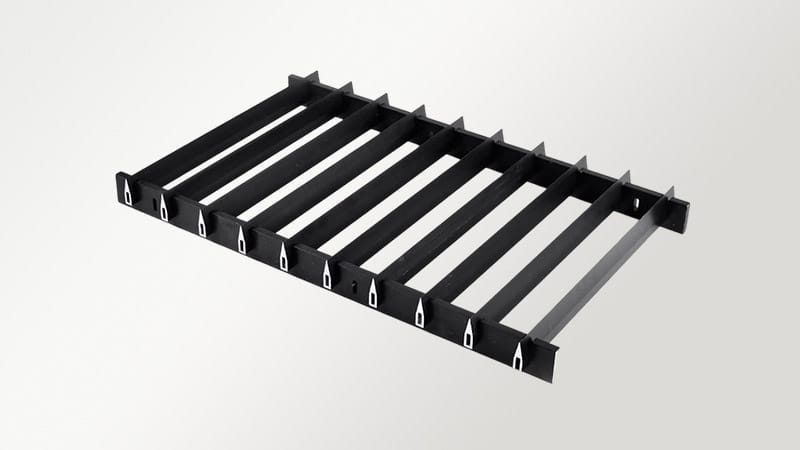
Durable Aluminum Strip Worktable

Durable Aluminum Strip Worktable

The aluminum strip worktable consists of evenly spaced aluminum slats that support materials during CO2 laser cutting. This design reduces surface contact, helping prevent burn marks and heat buildup on the underside of the workpiece. It also allows smoke and debris to pass through easily, improving cutting quality. The corrosion-resistant structure ensures durability and stable performance over extended use.

Reliable Control System

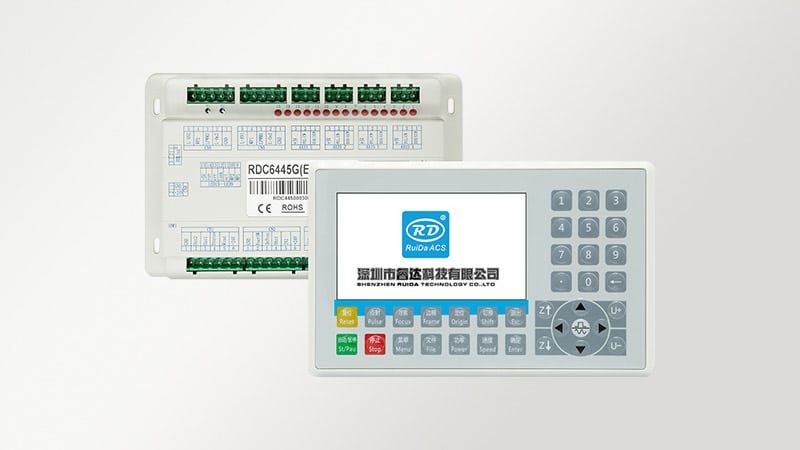
The control system manages the operation of the machine by coordinating motion, laser output, and cutting paths. It provides an interface for setting parameters, monitoring performance, and executing precise cutting tasks. The system ensures accurate positioning, smooth operation, and consistent results. Its integrated functions help optimize efficiency and reduce errors during complex or continuous production processes.
Reliable Control System
Stable CO2 Laser Tube

Stable CO2 Laser Tube

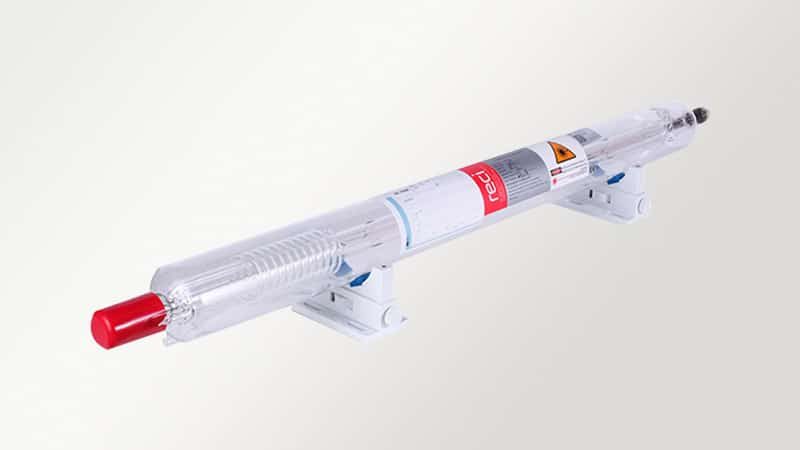
The CO2 laser tube is the core component that generates the laser beam for cutting and engraving. It uses a gas mixture excited by electrical discharge to produce a stable infrared laser. The structure ensures consistent output power, good beam quality, and efficient energy conversion. Its design supports precise processing of non-metal materials, delivering reliable performance in continuous operation.

Precise CO2 Laser Cutting Head

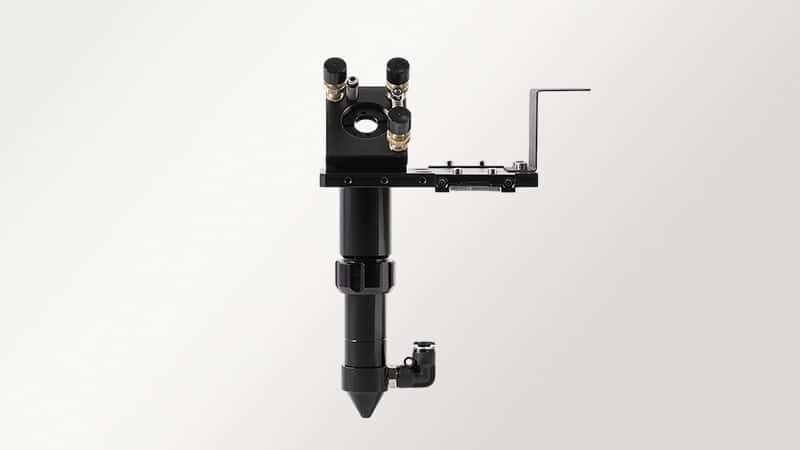
The CO2 laser cutting head directs and focuses the laser beam onto the material surface for precise cutting. It integrates focusing lenses, air assist nozzles, and adjustment mechanisms to maintain optimal cutting conditions. The structure ensures accurate beam alignment, smooth edges, and efficient material processing. Its stable design supports consistent performance across various non-metal materials and thicknesses.
Precise CO2 Laser Cutting Head
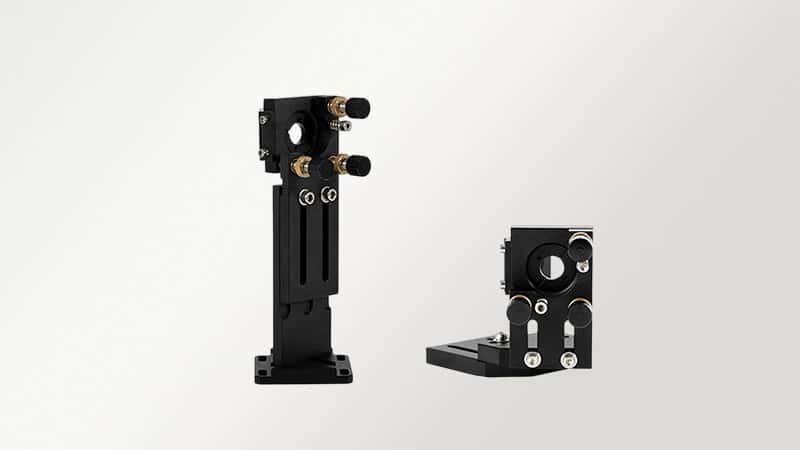
Dependable Mirror And Lens

Dependable Mirror And Lens

The mirror and lens guide concentrate the laser beam within the machine. Mirrors reflect the beam precisely along its path, while the lens focuses it into a fine point for accurate cutting. This structure maintains stable beam transmission, reduces energy loss, and ensures consistent processing quality. Its well-aligned design supports dependable performance in continuous and detailed applications.

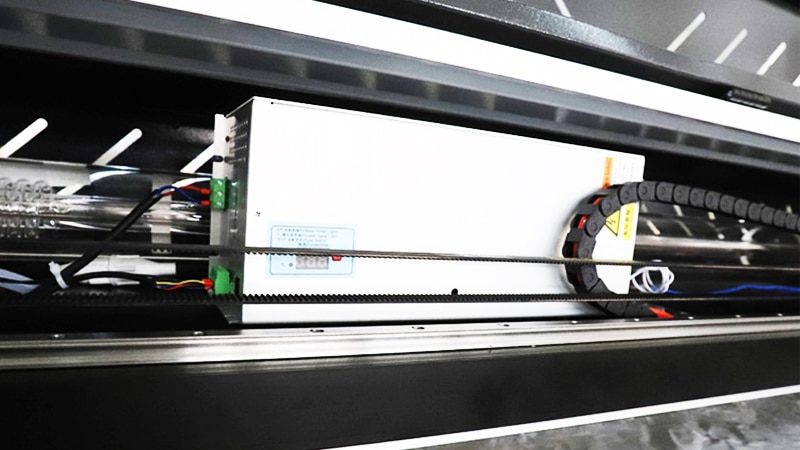
Low-Noise Belt Drive Device

The belt drive device transfers motion in the machine through a belt and pulley system. It enables smooth, low-noise movement and consistent speed during operation. The structure reduces vibration and simplifies maintenance, making it suitable for precise yet moderate-load applications. Its reliable transmission supports stable cutting performance and helps maintain accuracy in routine processing tasks.
Low-Noise Belt Drive Device
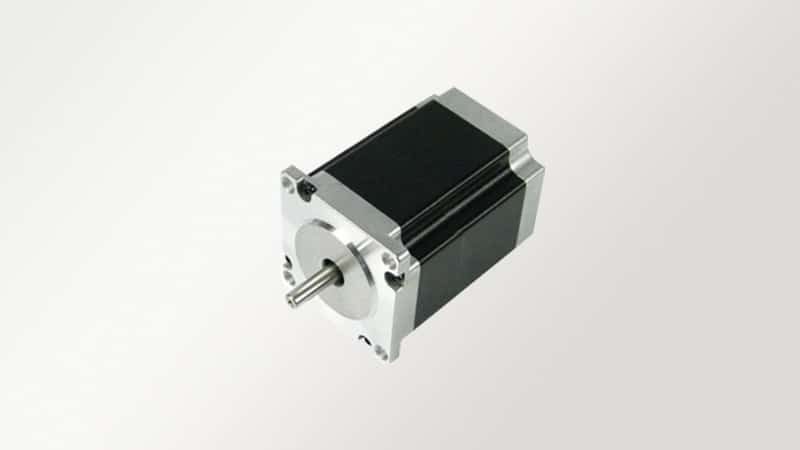
Economical Stepper Motor

Economical Stepper Motor

The stepper motor controls movement in the machine by advancing in fixed, precise increments. This enables accurate positioning and repeatable motion without complex feedback systems. The structure ensures stable performance at moderate speeds, making it suitable for detailed cutting work. Its straightforward design supports consistent operation, low maintenance, and reliable results in routine production tasks.

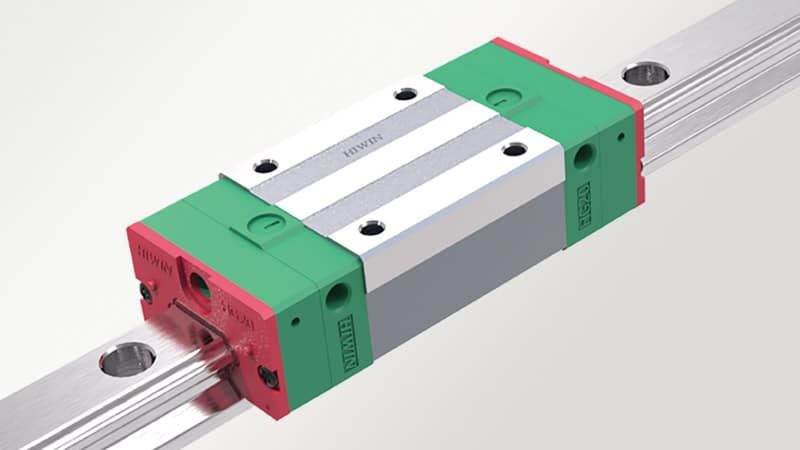
Smooth Guide Rail

The guide rail provides precise linear motion for the moving components of the machine. It ensures smooth travel and accurate positioning of the cutting head during operation. The structure reduces friction and vibration, improving stability and cutting accuracy. Its durable design supports long-term use and consistent performance, even under continuous working conditions.
Smooth Guide Rail

Product Parameters

Model AKJ6040 AKJ9060 AKJ1390 AKJ1610 AKJ1318 AKJ1325 AKJ1530
Cutting Range 600*400mm 900*600mm 1300*900mm 1600*1000mm 1300*1800mm 1300*2500mm 1500*3000mm
CO2 Laser Power 80-600W
CO2 Laser Tube Reci/Yongli/SLW/EFR
Transmission System Belt Drive
Linear Guide Rail HIWIN
Motor Type Stepper Motor
Control System RuiDa
Min line width ≤0.15mm
Position accuracy 0.01mm
Repetition accuracy 0.02mm
Max Cutting speed 150mm/s
Max Engraving Speed 300mm/s
Voltage and Frequency 220v/50HZ, 110V/60HZ
Graphic Format PLT, DXF, BMP, JPG, AI, etc
Working Environment 0-45℃
Operating Humidity 5-95%

Optional Configuration

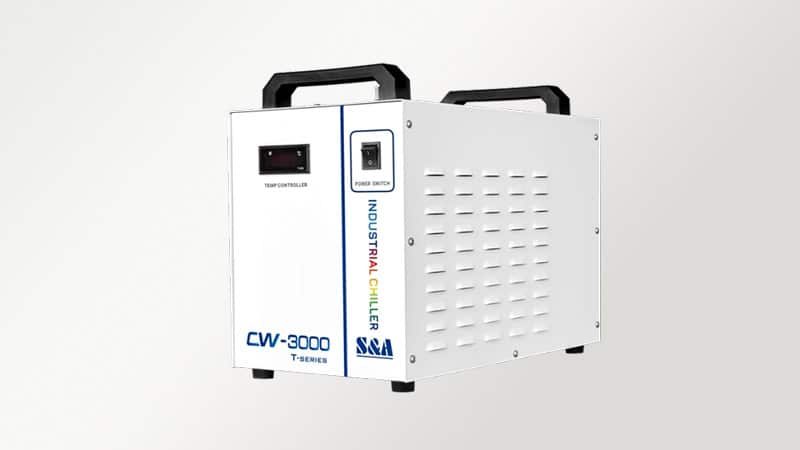
Consistent Industrial Chiller

Consistent Industrial Chiller

The industrial chiller removes heat from the machine by circulating cooled water through critical components. It keeps temperatures within a controlled range, preventing overheating and stabilizing laser output. The system supports long, continuous operation while protecting sensitive parts from thermal damage. Its consistent cooling performance helps maintain cutting accuracy and extends the machine’s service life.

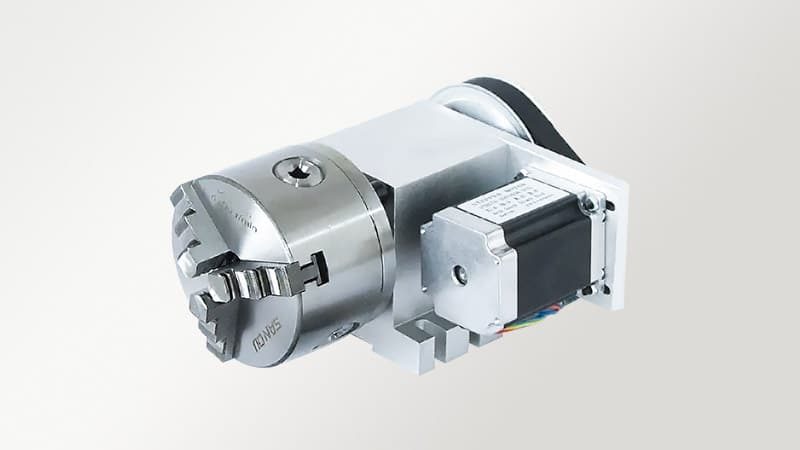
Versatile Rotating Device

The rotating device enables the machine to process cylindrical or tubular materials by rotating the workpiece during operation. It ensures even cutting around the surface, maintaining consistent accuracy and alignment. The structure supports stable rotation and precise control, improving cutting quality for round or curved objects. Its design expands the machine’s capabilities for diverse and specialized applications.
Versatile Rotating Device
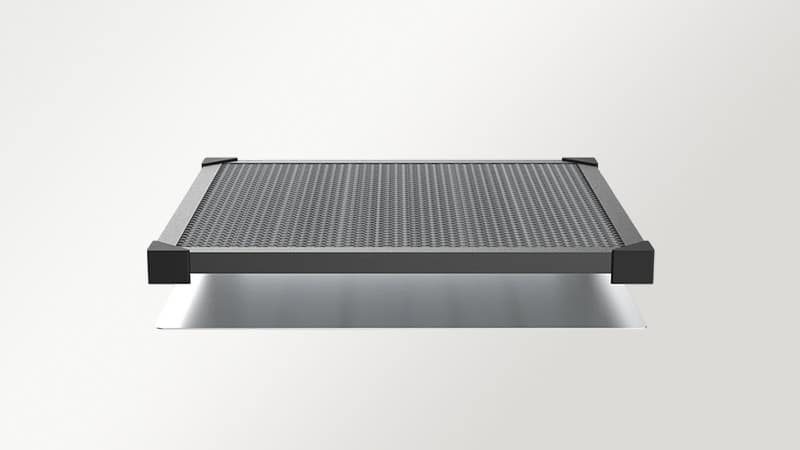
Ventilated Honeycomb Worktable

Ventilated Honeycomb Worktable

The honeycomb worktable features a grid structure that supports materials while minimizing contact during CO2 laser cutting. This design reduces heat buildup and helps prevent burn marks on the underside of the workpiece. Its open cells allow smoke and debris to pass through easily, improving airflow and cleanliness. The structure ensures stable support and consistent cutting results across various materials.

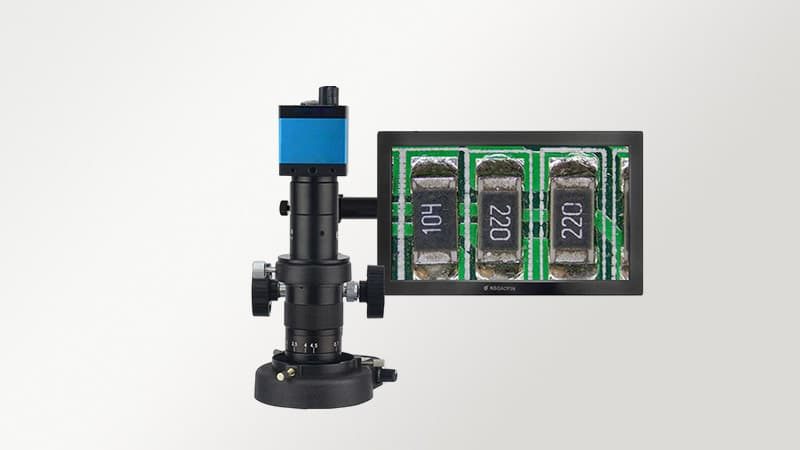
Accurate CCD Camera

The CCD camera provides real-time visual feedback for positioning in the machine. It captures images of the workpiece to detect edges, patterns, and registration marks, guiding accurate cutting paths. The structure reduces manual alignment and improves efficiency. Its precise image recognition ensures consistent results, especially in detailed and contour-based processing tasks.
Accurate CCD Camera

Compared With Other Cutting Methods

Comparison Item Laser Cutting CNC Routing Oscillating Knife Cutting Waterjet Cutting
Cutting Principle Uses a focused laser beam to cut or engrave balsa wood Uses a rotating bit to remove wood material Uses a vibrating blade to slice soft materials Uses high-pressure water, sometimes with abrasive, to erode material
Material Suitability Very suitable for thin and lightweight balsa sheets Possible, but cutting force may damage delicate balsa Suitable for some simple balsa shapes Can cut balsa, but rarely used because wood absorbs water
Cutting Precision High precision for small details and fine contours Medium precision, limited by tool diameter Medium precision for simple shapes High precision, but impractical for balsa
Edge Quality Clean edges, sometimes with light darkening May cause rough edges, crushing, or tool marks Clean edges if blade is sharp Smooth edge, but moisture may damage the wood
Heat-Affected Zone Small heat mark may appear along the cut edge Minimal heat No heat No heat
Cutting Speed Fast for thin balsa sheets and model parts Slower due to careful fixturing and fragile material Fast for simple shapes Slower and less cost-effective
Kerf Width Very narrow kerf, good for tight nesting Wider kerf due to router bit size Medium kerf Medium kerf
Thin Sheet Performance Excellent for thin balsa sheets, model kits, and craft parts Poor to limited because thin sheets may lift or break Good for simple thin balsa cutting Possible, but water damage risk is high
Thick Balsa Performance Good for thicker balsa with proper laser settings Possible, but requires gentle cutting and stable holding Possible for soft, simple cuts Possible, but rarely preferred
Complex Shape Cutting Excellent for ribs, slots, curves, letters, and detailed model parts Limited for small inner corners and fine patterns Good for simple curves, less ideal for tiny details Good, but slow and unnecessary for balsa
Surface Protection Non-contact cutting reduces crushing and pressure marks Tool contact and clamping may dent soft balsa Blade pressure may leave slight marks Water may stain, swell, warp, or weaken the wood
Chipping And Splitting Low risk when laser settings are optimized Higher risk of splitting, tearing, or breakout Possible splitting along the grain Low cutting force, but moisture damage risk remains
Dust And Smoke Produces smoke and fumes that need extraction Produces wood dust and chips Produces little dust Produces wet slurry and wastewater
Tool Wear No physical cutting tool touches the balsa Router bits wear and may become dull Blades wear and need replacement Nozzle wear and possible abrasive consumption
Secondary Processing May need light cleaning or sanding for smoke marks Often needs sanding or edge repair Usually needs little finishing May need drying, flattening, or repair
Automation Capability Highly suitable for CNC-controlled batch cutting and nested layouts Automated, but setup is harder for fragile balsa Suitable for automated simple-shape cutting Automated, but not practical for balsa production
Noise Level Low to medium High due to spindle noise Low to medium High due to pump pressure
Operating Cost Efficient for detailed balsa cutting and model production Tooling, fixturing, and finishing costs may increase Low for simple shapes, but less flexible for fine parts High due to water, pump maintenance, and cleanup
Best Use Cases Model aircraft parts, architectural models, crafts, prototypes, ornaments, and lightweight structures Thicker wood parts, grooves, pockets, and rigid boards Simple balsa shapes, foam, cardboard, fabric, leather, and soft sheets Stone, glass, metal, composites, and water-tolerant materials
Overall Advantage Best for precise, non-contact balsa cutting with high design flexibility Less suitable for delicate balsa, better for stronger wood boards Useful for simple balsa cuts, but less ideal for fine details Not commonly used for balsa because moisture, cost, and cleanup reduce practicality

Product Application

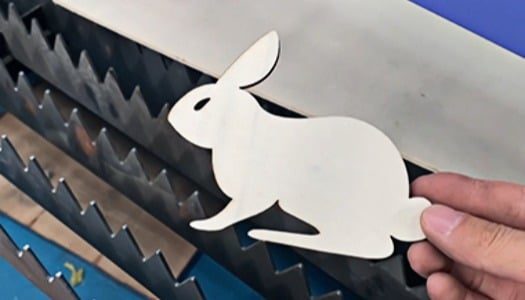
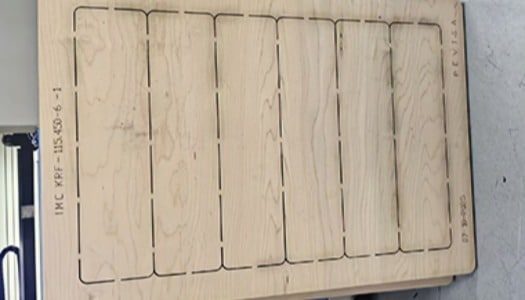
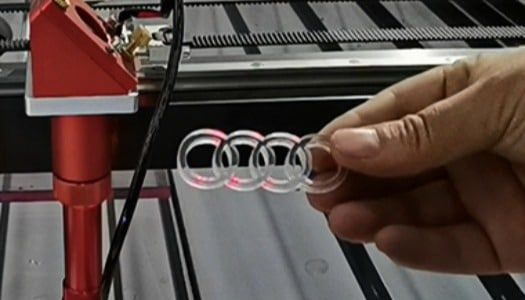
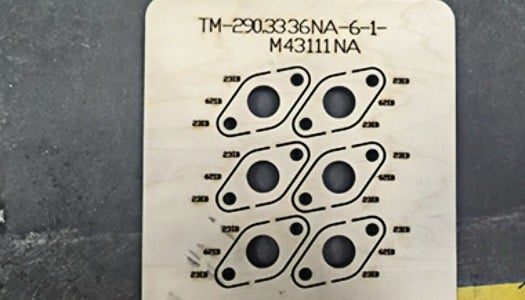
The balsa wood laser cutting machine is ideal for industries and workshops that require high-precision cutting of lightweight wood and other non-metal materials. Its durable aluminum strip worktable ensures even support and prevents burn marks, while the stable CO2 laser tube and precise cutting head deliver clean, smooth edges even for delicate or intricate designs. This machine is widely used in model-making, architectural prototypes, hobby and craft projects, decorative items, and educational applications, where accuracy and repeatable precision are essential. Dependable mirrors and lenses maintain precise laser guidance, and the low-noise belt drive, smooth guide rails, and economical stepper motors provide stable, reliable motion for continuous operation. Its control system enables complex patterns and batch processing with minimal errors, ensuring consistent, high-quality results. By combining efficiency, precision, and durability, the machine offers designers, hobbyists, and manufacturers a dependable solution for producing detailed balsa wood components and intricate designs at scale.
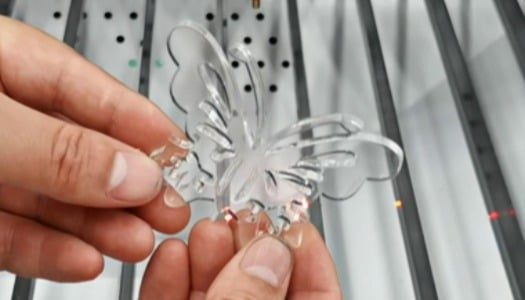
CO2 Laser Cutting Samples

Why Choose AccTek Laser

Advanced Laser Technology

AccTek Laser integrates advanced laser technology into its cutting machines to deliver high precision, stable performance, and efficient cutting results. Their systems use reliable laser sources and optimized control systems, ensuring that operators achieve consistent cuts with minimal material waste. This innovation also helps in enhancing material quality while reducing the risk of thermal damage during the cutting process.

Wide Range of Machine Options

AccTek Laser offers a broad selection of laser cutting machines with different power levels and configurations to suit diverse application requirements. Customers can choose from compact, portable systems for small-scale operations to large industrial machines for high-volume cutting tasks. This makes it easy to find the right solution for cutting metal sheets, plastics, ceramics, and more, ensuring versatility for various industries.

High-Quality Components

AccTek Laser machines are built using top-quality components sourced from globally recognized suppliers. This includes durable laser sources, cutting-edge scanning systems, and reliable control electronics. By using premium parts, AccTek Laser enhances machine stability, extends service life, and ensures consistent performance under demanding operating conditions, ultimately reducing maintenance needs.

Customization and Flexible Solutions

AccTek Laser provides flexible customization options to meet specific customer needs. Machine features like laser power, cutting speed, cooling systems, and automation integration can be tailored to suit different production environments and application requirements. This flexibility ensures that customers achieve optimal cutting performance, productivity, and cost-efficiency.

Professional Technical Support

AccTek Laser offers comprehensive technical support throughout the entire purchase and operation process. Their experienced team assists with machine selection, installation, operation training, and troubleshooting. This level of support helps customers seamlessly adapt to laser cutting technology, ensuring smooth operations and quick issue resolution when necessary.

Reliable Global Service

With years of experience serving customers globally, AccTek Laser provides dependable international service and support. They offer detailed documentation, remote assistance, and responsive after-sales service to help customers maintain their machines and minimize downtime. This ensures that customers can continue their operations with minimal disruptions, enhancing long-term productivity and customer satisfaction.

Related Resources

Are Chinese Laser Cutting Machines Good

Are Chinese Laser Cutting Machines Good?

This article mainly teaches you how to choose a suitable Chinese brand laser cutting machine. If you are also thinking of getting one, please read this article patiently; you will

Customer Testimonials

4 reviews for Balsa Wood Laser Cutting Machine

  1. Karla

    I work with acrylic displays, and this CO2 laser cutting machine has been performing reliably. The cuts come out smooth, and I don’t need to spend extra time polishing edges. The mirror and lens system seems stable, since the cutting quality remains consistent over time. The control system is straightforward, which helps when switching between different designs. The machine also runs quietly, making it more comfortable to work around. It has handled both small and larger projects without issues, and I use it regularly in my design work.

  2. Ivy

    I run a small craft studio, and this CO2 laser cutting machine has helped me expand my product range. The cutting head is precise, so I can create detailed designs with clean edges. The machine is easy to operate, even without a technical background. I also like how consistent the results are across different materials. It has been reliable for daily use, and I feel confident using it for both small and larger orders.

  3. Hector

    We added this machine to our production line a few months ago, and it has been performing well. The control system handles continuous work without many errors, which is important for us. The cutting quality remains consistent across different materials. I also like how stable the machine feels during operation. It doesn’t produce much vibration, and the noise level is low. It’s a solid piece of equipment that supports our daily output without requiring constant attention.

  4. Hector

    We added this machine to our production line a few months ago, and it has been performing well. The control system handles continuous work without many errors, which is important for us. The cutting quality remains consistent across different materials. I also like how stable the machine feels during operation. It doesn’t produce much vibration, and the noise level is low. It’s a solid piece of equipment that supports our daily output without requiring constant attention.

Add a review

Your email address will not be published. Required fields are marked *

10 + six =

Frequently Asked Questions

What Is Balsa Wood?

Balsa wood is a lightweight, soft, and versatile wood derived from the Balsa tree, scientifically known as Ochroma pyramidale. It is native to the rainforests of Central and South America but is also cultivated in other parts of the world, including Asia and Africa.

Balsa wood is a popular choice for model airplane construction due to its lightweight nature, ease of shaping, and excellent strength-to-weight ratio. It is also used in the creation of prototypes and mock-ups in various industries, including architecture, engineering, and product design. Additionally, balsa wood is employed in crafting for its versatility and ability to be painted, stained, or finished to achieve various decorative effects.

Yes, laser cutting is a very effective method of cutting balsa wood. The laser cutting machine equipped with the appropriate laser generator can easily and accurately cut balsa wood.

When using a laser cutting machine to cut balsa wood, you must choose the appropriate laser settings, such as laser power, cutting speed, and focal length, to obtain the desired results. Additionally, proper ventilation and well-ventilated workspace are crucial to help eliminate any smoke or fumes created during the cutting process.

Laser cutting is a popular choice for balsa wood processing because of its precision, speed, and versatility, making it suitable for a wide range of applications from model making and prototyping to crafts and architectural models.

Yes, laser cutting can produce precise, clean edges on balsa wood. The laser beam is focused to a fine point, allowing it to cut wood with incredible precision. As the beam passes through the material, it vaporizes the wood along the cutting path, creating a sharp edge without any chips or roughness.

Additionally, laser cutting allows excellent control over cutting parameters such as power, speed, and frequency. This control enables the operator to adjust settings to match the specific characteristics of the balsa wood used, ensuring optimal cutting performance and edge quality.

The narrow kerf width produced by laser cutting means minimal material loss and exceptionally clean edges, making it ideal for complex designs and delicate projects. Additionally, post-processing requirements are typically minimal because the heat generated by the laser beam seals the cut edges, leaving a smooth surface finish. Overall, laser cutting is a highly precise and efficient method of producing clean edges in balsa wood, suitable for a wide range of applications including handcrafting, model making, and prototyping.

Laser settings for cutting balsa wood may vary based on several factors, including the type and thickness of the balsa wood, the power of your specific laser cutting machine, and the cutting speed required. However, here are some general guidelines to help you get started laser cutting balsa wood:

  • Laser Power: The power setting usually depends on the thickness of the balsa wood and the wattage of the laser cutting machine. For thinner balsa wood (1/16 inch or smaller), you can start with a lower power setting, around 10 to 20 percent power. For thicker balsa wood (1/8 inch or more), you may need to increase the power, ranging from 20% to 60% or more. It is crucial to make test cuts to determine the power settings for your specific material and laser-cutting machine.
  • Cutting Speed: Cutting speed determines how fast the laser moves along the cutting path. Slower cutting speeds generate more heat and may produce cleaner cuts. However, cutting too slowly can result in excessive charring. It is recommended to start with a medium cutting speed and then adjust as needed for your specific laser and balsa wood thickness.
  • Focus: Make sure the laser cutting machine’s focus is set correctly. The focal point is where the laser beam is most concentrated and should be adjusted based on the thickness of the balsa wood. A properly focused laser will produce a cleaner cut. If your laser cutting machine has an autofocus feature, use it, which automatically adjusts the focus for different material thicknesses.
  • Auxiliary Gas: Depending on your laser system, you may be able to use an auxiliary gas, such as compressed air or nitrogen, to help remove debris and improve cut quality. The choice of assist gas and its pressure affects the cutting process.
  • Ventilation: Proper ventilation and extraction need to be ensured during the cutting process to eliminate fumes generated during the cutting process. Adequate ventilation helps achieve a safe, clean work environment.
  • Masking Tape: Applying masking tape or painter’s tape to the balsa wood surface before cutting will help reduce scorch and provide a cleaner edge.
  • Test Cut: Before cutting your final project, always make a test cut on a scrap piece of balsa wood. This allows you to make adjustments without wasting material and ensures clean and precise cuts.

Keep in mind that these settings are just general guidelines and the best settings may vary depending on your specific laser cutting machine and the unique characteristics of the balsa wood you are working with. Familiarizing yourself with your laser cutting machine’s capabilities and testing them can help determine the best settings for your specific application. Additionally, always put safety first when operating a laser cutting machine and follow the manufacturer’s guidelines and safety recommendations.

While laser cutting is a versatile and precise method for balsa wood processing, there are some drawbacks and challenges associated with the process. Here are some common disadvantages of laser cutting balsa wood:

  • Scorching: Due to the heat generated by laser cutting, balsa wood cutting surfaces may be scorched, especially if the laser settings are not adjusted properly. To achieve a clean edge, additional finishing or sanding may be required.
  • Material Ignition: Balsa wood is flammable and a high-powered laser beam may ignite the wood if the laser settings are not adjusted properly. Ensuring adequate ventilation and using appropriate laser settings can help mitigate the risk of combustion.
  • Material Thickness Limitations: Laser cutting may have limitations when cutting thicker balsa wood panels. Thicker materials may require higher laser power, slower cutting speeds, or multiple passes to achieve a clean cut, which increases production time and may result in more pronounced charring.
  • Material Waste: Laser cutting produces waste material in the form of cuts, which can be serious for complex designs. Proper disposal or recycling of waste materials may be required.
  • Complexity of Operation: Operating a CO2 laser cutting machine can be complex, especially for those new to the technology. Learning to set and adjust laser parameters, maintain the machine, and troubleshoot problems may require training and experience.
  • Ventilation and Fumes: Laser cutting produces fumes, especially when working with organic materials such as wood. Adequate ventilation and smoke extraction are necessary to maintain a safe and healthy work environment. Failure to do so may result in respiratory problems and contamination of the workspace.
  • Equipment Cost: Laser-cutting machines can be expensive, especially those with high power and precision features. When evaluating the feasibility of laser cutting for a balsa wood project, the initial investment and ongoing maintenance costs of the equipment should be considered.
  • Maintenance and Calibration: Laser cutting machines require regular maintenance and calibration to ensure consistent and precise cutting results. Neglecting maintenance may result in reduced cut quality.
  • Material Warping: Balsa wood is sensitive to humidity and temperature changes. The heat generated during laser cutting can cause balsa wood to warp or bend, especially when cutting thin or delicate workpieces. Proper handling and preparation of materials can help alleviate this problem.
  • Safety Issues: Laser-cutting machines emit high-power laser beams that can be dangerous if used improperly. Safety precautions, such as protective eyewear and proper machine operation, can help prevent accidents and injuries.

Despite these drawbacks, laser cutting remains a popular choice for balsa wood processing due to its precision, speed, and versatility. Many of these issues can be overcome with proper technique, equipment adjustments, and experience. Additionally, advances in laser technology continue to improve the quality of laser-cut balsa wood projects, making it a valuable tool for craftsmen, designers, and model makers.

There are a variety of potential hazards and safety considerations involved when laser cutting balsa wood. However, understanding these risks and taking appropriate precautions can ensure a safe work environment. Here are some potential dangers associated with laser cutting balsa wood:

  • Laser Radiation: The laser cutting machine uses high-power laser beams that emit concentrated radiation. Direct exposure to laser beams may cause serious eye injuries, burns, and skin damage. Using appropriate protective eyewear and following safety guidelines can help prevent accidental exposure.
  • Smoke and Particulates: Laser cutting produces smoke, especially when cutting organic materials like wood. These fumes can contain potentially harmful chemicals such as volatile organic compounds (VOCs) and particulate matter. Adequate ventilation and smoke extraction systems are required to remove these contaminants from the workspace and prevent respiratory problems.
  • Fire Hazard: Laser cutting generates intense heat that may ignite flammable materials such as balsa wood. If not managed properly, fires can result. Appropriate fire protection measures, such as fire extinguishers and fire alarms, must be taken and the laser machine should never be left unattended during operation.
  • Material Warping: Balsa wood is sensitive to temperature changes, and the heat generated during the laser cutting process can cause balsa wood and other materials to warp or bend. This can be dangerous if the material suddenly changes shape or if a warped part gets caught in the machine.
  • Electrical Hazards: Laser cutting machine uses high-voltage electrical systems and improper operation or maintenance may result in electrical hazards. Operators should follow safety protocols and avoid making unauthorized modifications to the machine.
  • Mechanical Hazards: Laser cutting machine has moving parts and assemblies that can create mechanical hazards if not properly maintained or safety features are bypassed. Always ensure that machine guards and safety interlocks are functioning properly.
  • Chemical Hazards: The use of auxiliary gases such as nitrogen or compressed air may present chemical hazards. Make sure the gas cylinder is properly secured and that the gas used is suitable for the process and does not pose a health risk.
  • Operator Error: Operator errors such as incorrect machine settings, failure to follow safety protocols, or using the wrong laser settings can lead to accidents and injuries. Proper training and compliance with safety procedures are critical to minimizing this risk.

To mitigate these dangers when laser cutting balsa wood, consider taking the following safety measures:

  • Provide operators with comprehensive training on the safe use of laser equipment.
  • Implement and follow strict safety protocols and procedures.
  • Regularly maintain and inspect the laser machine to ensure it is in good working order.
  • Use appropriate personal protective equipment including safety glasses, gloves, and respiratory protection.
  • Install appropriate ventilation and smoke extraction systems.
  • Take appropriate fire safety measures, including fire extinguishers and sirens.
  • Make sure your workspace is organized, clean, and well-lit.

By understanding and addressing these potential hazards and following safety precautions, you can significantly reduce the risks associated with laser cutting balsa wood and create a safer working environment.

The cost of a balsa wood laser cutting machine can vary greatly based on a variety of factors, including the machine’s size, power, features, brand, and additional features. Here is a rough price range for you to consider, but keep in mind that these prices may change over time and may vary depending on your location:

  • Entry-Level Laser Cutting Machine: The small entry-level laser cutting machine suitable for business enthusiasts and small projects will cost around $1,000 to $3,000. These machines typically have lower power (e.g. 40W to 80W) and limited cutting area.
  • Mid-Range Laser Cutting Machine: Mid-range laser cutting machines with more power and larger cutting beds typically range in price from $3,000 to $10,000. These machines are suitable for a wider range of applications and may include additional features and greater precision.
  • High-End Industrial Laser Cutting Machine: Industrial-grade laser cutting machines with high power ratings, large cutting areas, and advanced features range in price from $10,000 to $50,000 or more. These machines are specially designed for mass production and precision cutting tasks.

It’s important to note that in addition to the initial purchase price, there may be additional costs to consider, such as shipping, installation, training, maintenance, and any necessary accessories or software. The choice of laser cutting machine should fit your specific needs and budget. There are some factors you need to consider related to your project, such as the size of the project you will be working on, the material you will be cutting, the accuracy required, and any other features or functionality you require.

If you are planning to purchase a balsa wood laser cutting machine, you can contact us. Our engineers will provide you with a complete balsa wood cutting solution based on your specific needs and budget. Your support is our driving force to move forward!

Yes, the moisture content of balsa wood can affect its laser-cutting performance. Balsa wood is a lightweight, porous material that absorbs moisture from the environment, causing changes in its physical properties. Here are the effects of moisture content on laser cutting:

  • Excess Moisture: Balsa wood with a high moisture content will produce more fumes and smoke during the laser cutting process. This can result in poor cut quality, such as burnt edges or incomplete cuts, as excess moisture interferes with the laser beam’s ability to thoroughly vaporize the material.
  • Warping and Deformation: Balsa wood with uneven moisture distribution or high moisture content may warp or twist during the laser cutting process. Warpage can cause misaligned or irregular shapes in cuts, affecting the accuracy and precision of the cutting process.
  • Burning and Charring: Balsa wood with a high moisture content is more likely to burn and char during the laser cutting process. Excess moisture will cause the wood to burn more easily, leading to scorched edges and poor cut quality.
  • Reduced Cutting Efficiency: Laser cutting of wet or moisture-rich balsa wood may require adjustments to cutting parameters such as power and speed to compensate for the increased potential for burning and warping. This reduces cutting efficiency and results in longer processing times.

To mitigate the effects of moisture on laser cutting performance, it is critical to properly prepare balsa wood before cutting. This includes storing the wood in a dry environment to minimize hygroscopicity and acclimate it to the ambient humidity conditions of the cutting environment. Additionally, using proper ventilation and adjusting laser cutting parameters to compensate for moisture levels can help achieve cleaner, more accurate cuts when working with balsa wood.

Get Laser Cutting Solutions

Finding the right laser cutting solution is crucial for improving efficiency, precision, and productivity in your operations. Whether you’re in manufacturing, aerospace, automotive, or another industry, laser cutting technology can provide a cost-effective and highly efficient way to handle a wide range of materials such as metals, plastics, wood, and composites. With its ability to create clean, precise cuts with minimal waste, laser cutting ensures that your production processes are streamlined and meet high-quality standards.
At AccTek Laser, we offer a variety of laser cutting machines designed to meet diverse needs. From compact systems for small-scale applications to large industrial machines capable of cutting thick materials, we provide solutions that can be customized to suit your specific requirements. Our machines are equipped with the latest technology to ensure optimal performance, speed, and precision.
Getting started with laser cutting is easy. Our team works closely with you to understand your needs, provide tailored recommendations, and guide you through the setup and operation process. Whether you need to improve cutting accuracy, reduce waste, or speed up production, we have the tools and expertise to help you achieve your goals. Explore our range of laser cutting machines today and discover how they can transform your manufacturing processes.
* We value your privacy. AccTek Laser is committed to protecting your personal information. Any details you provide when submitting the form will be kept strictly confidential and used only to assist with your inquiry. We do not share, sell, or disclose your information to third parties. Your data is securely stored and handled by our privacy policy.

Unlock Precision With AccTek Laser Solutions!

We can customize the design according to your requirements. You only need to tell us your requirements, and our engineers will provide you with turnkey solutions in the shortest possible time. Our laser equipment prices are very competitive, please contact us for a free quote. If you need other laser equipment-related services, you can also contact us.
Leave Your Details For A Tailor-Made Solution
*At AccTek Laser, we value and respect your privacy. Rest assured that any information you provide is strictly confidential and will only be used to deliver personalized solutions and quotes.