| Cutting Principle |
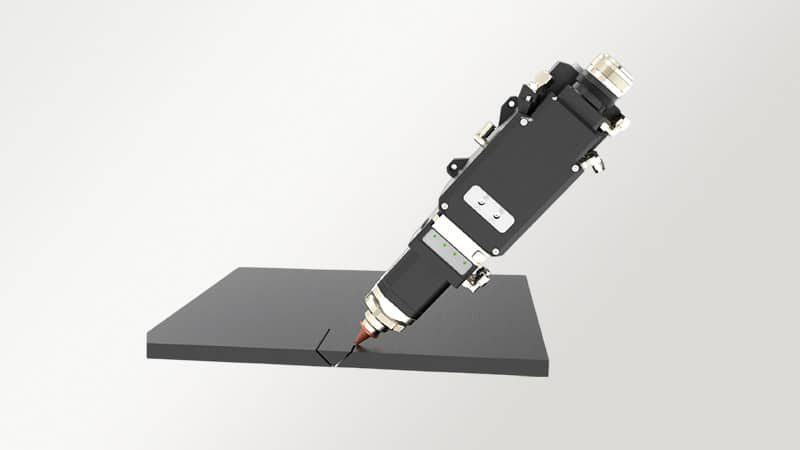
Uses a focused laser beam to melt and cut galvanized steel |
Uses a plasma arc to melt conductive metal |
Uses high-pressure water and abrasive to erode material |
Uses saws, shears, punches, milling tools, or blades |
| Material Suitability |
Suitable for galvanized sheets and plates with proper fume extraction |
Can cut galvanized steel, but coating fumes and edge quality need control |
Suitable for galvanized steel and many other materials |
Suitable, but tool contact may damage the zinc coating |
| Zinc Coating Protection |
Produces a narrow cut zone, reducing coating damage |
Wider heat zone can burn more zinc coating |
Best at preserving coating because it is cold cutting |
May scratch, peel, or deform the coating |
| Cutting Precision |
High precision for detailed galvanized steel parts |
Medium precision |
High precision, but slower |
Medium precision, depends on tooling and setup |
| Edge Quality |
Clean edges with minimal burrs when parameters are optimized |
Rougher edges with more dross |
Smooth, cold-cut edges |
May leave burrs, chips, or tool marks |
| Heat-Affected Zone |
Small heat-affected zone |
Larger heat-affected zone |
No heat-affected zone |
Minimal heat, but mechanical stress may occur |
| Fume Control |
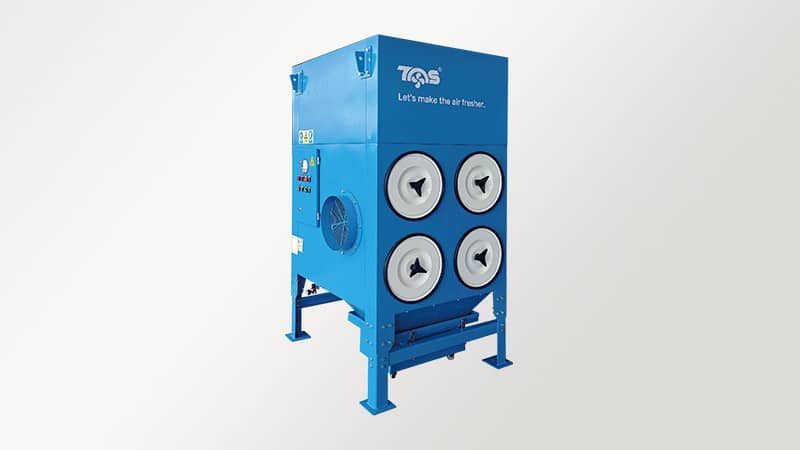
Requires effective exhaust and filtration for zinc fumes |
Produces more smoke and fumes |
Produces no thermal fumes, but wastewater must be managed |
Produces little fume, but may create chips and dust |
| Cutting Speed |
Fast for thin and medium galvanized sheets |
Fast for rough cutting |
Slower than laser and plasma |
Moderate, often slower for complex shapes |
| Thin Sheet Performance |
Excellent for thin galvanized sheets, ducts, panels, and enclosures |
May cause warping or coating burn-off |
Good, but less efficient |
Possible, but thin sheets may deform under force |
| Thick Plate Performance |
Effective with suitable laser power and process control |
Good for thicker conductive steel |
Good for thick galvanized steel plates |
Limited by tool force and machine capacity |
| Kerf Width |
Narrow kerf, saving material |
Wider kerf |
Medium kerf |
Usually wider than laser cutting |
| Material Waste |
Low waste due to narrow cutting path |
Higher waste than laser |
Moderate waste from kerf and abrasive use |
Higher waste from chips and tool path |
| Burr Formation |
Minimal burrs with proper parameters |
More dross and edge cleanup needed |
Minimal burrs |
Burrs are common |
| Thermal Deformation |
Low with optimized parameters |
Higher risk due to heat input |
No thermal deformation |
Possible bending or stress from cutting force |
| Surface Finish |
Maintains a clean surface with limited coating damage near the edge |
May cause discoloration, oxide marks, and coating loss |
Preserves surface finish well |
May scratch or mark the galvanized surface |
| Secondary Processing |
Often little deburring or edge finishing needed |
Often requires grinding, slag removal, and coating repair |
Usually little secondary processing |
Often requires deburring and surface cleanup |
| Complex Shape Cutting |
Excellent for holes, slots, vents, brackets, and fine contours |
Good for simple and medium-complex shapes |
Good for complex shapes, but slower |
Limited for intricate designs |
| Automation Capability |
Highly suitable for CNC automation and repeatable batch production |
Suitable for CNC cutting |
Suitable for CNC cutting |
Automation possible, but tool changes may be needed |
| Best Use Cases |
HVAC ducts, electrical cabinets, roof panels, brackets, enclosures, automotive parts, and appliance components |
Rough cutting of galvanized steel plates where edge quality is less critical |
Heat-sensitive galvanized parts or thick plates |
Straight cuts, punching, drilling, shearing, and small-batch work |
| Overall Advantage |
Best balance of speed, precision, automation, edge quality, and material savings |
Good for fast rough cutting of conductive steel |
Best when coating protection and cold cutting are required |
Good for simple cuts, but less efficient for detailed galvanized steel parts |


















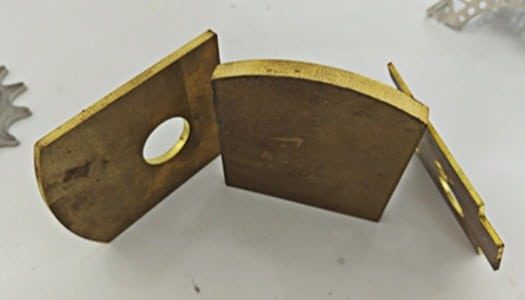
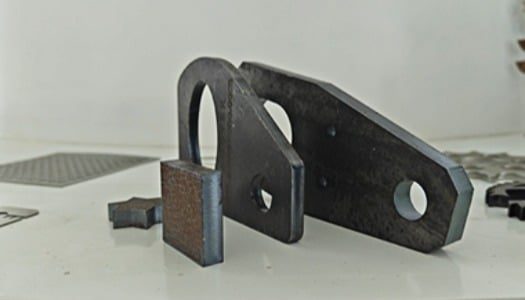
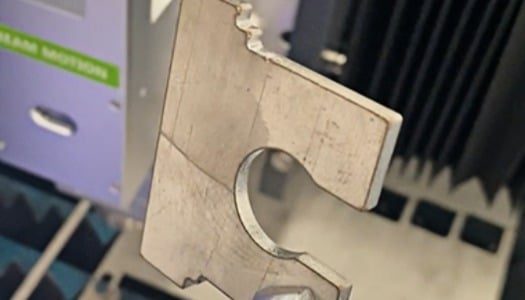
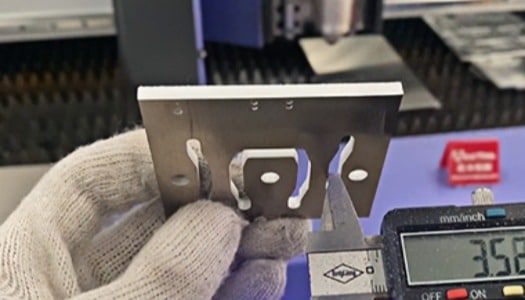


4 reviews for Galvanized Steel Laser Cutting Machine
Andrew –
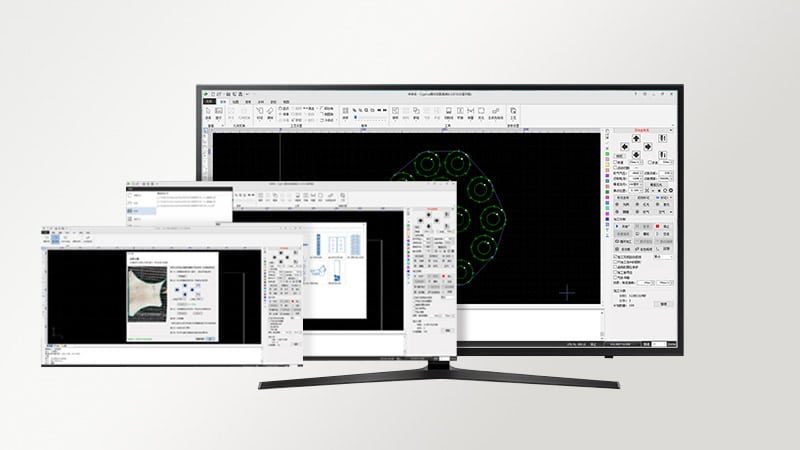
This machine has improved efficiency in our operations. It runs consistently and produces reliable results. The cutting speed is good, and the accuracy meets our requirements. The system is easy to use, which helps reduce training time. It also handles long production runs without issues. The build quality feels strong and durable. Overall, it’s a practical investment that supports our production goals.
Matthew –
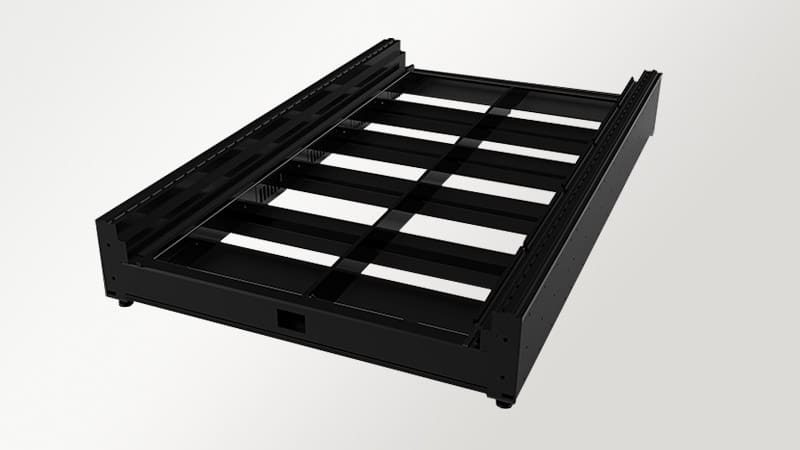
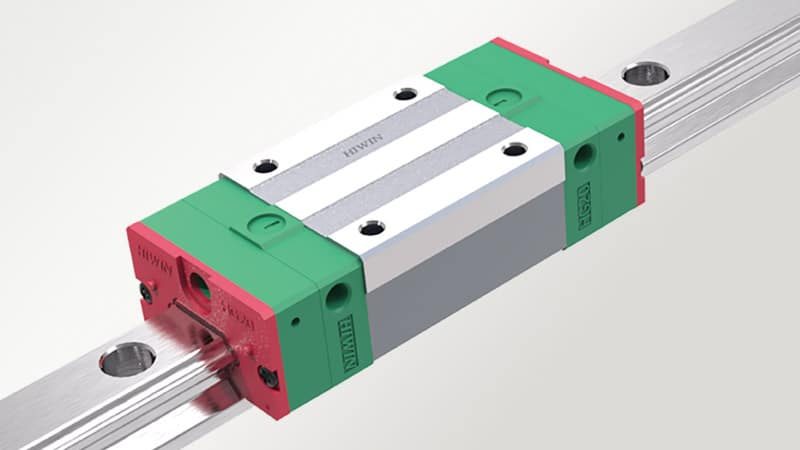
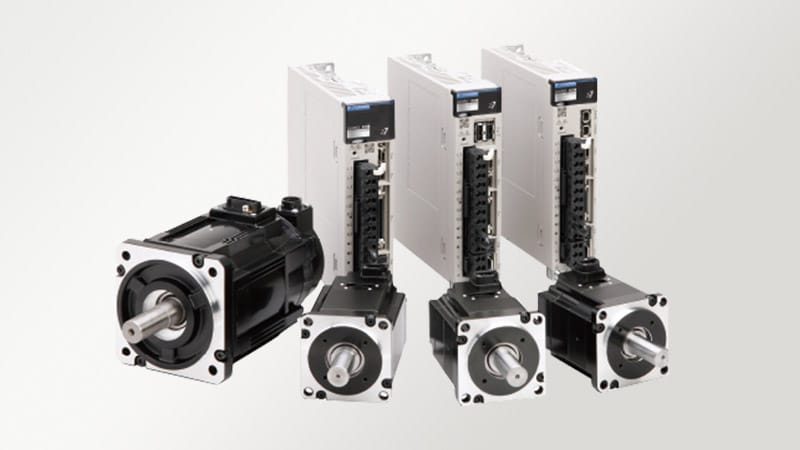
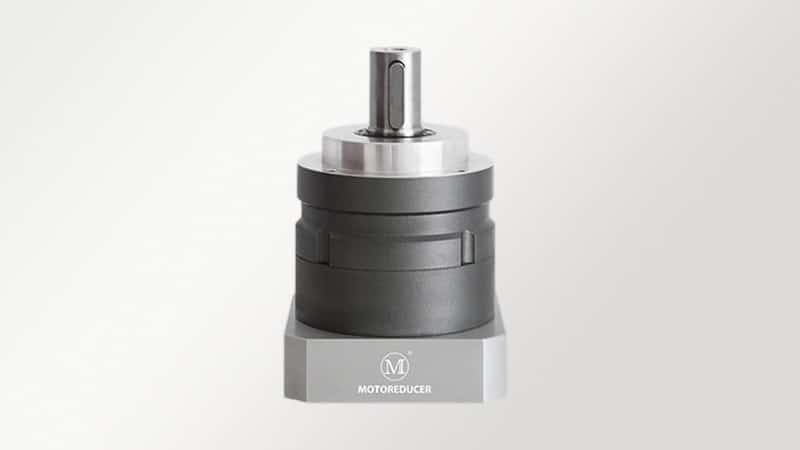
From a mechanical perspective, this machine is well designed and built for stability. The welded bed provides a strong foundation, which helps reduce vibration during operation. The motion system is precise, and the servo motor ensures accurate positioning. I’ve observed consistent performance across different cutting tasks. The machine also handles continuous operation well without overheating. Maintenance requirements are low, which is an added benefit. Overall, it’s a solid piece of equipment that meets industrial standards.
Chloe –
I assist with daily production tasks, and this machine has been easy to work with. The controls are simple, and I can quickly set up jobs. It runs smoothly and doesn’t make too much noise. The cutting quality is good, and the edges come out clean. It also stays stable during operation, which makes it easier to manage. I haven’t experienced any major issues so far. Overall, it’s a reliable machine that supports our work well.
Grace –
Since we started using this machine, our workflow has become more organized. It runs reliably, which helps us stick to schedules. The nesting feature reduces waste, which is important for cost management. The system is easy to operate, and training new staff is simple. It performs consistently, even during long shifts. Overall, it’s a dependable machine that improves efficiency.