

















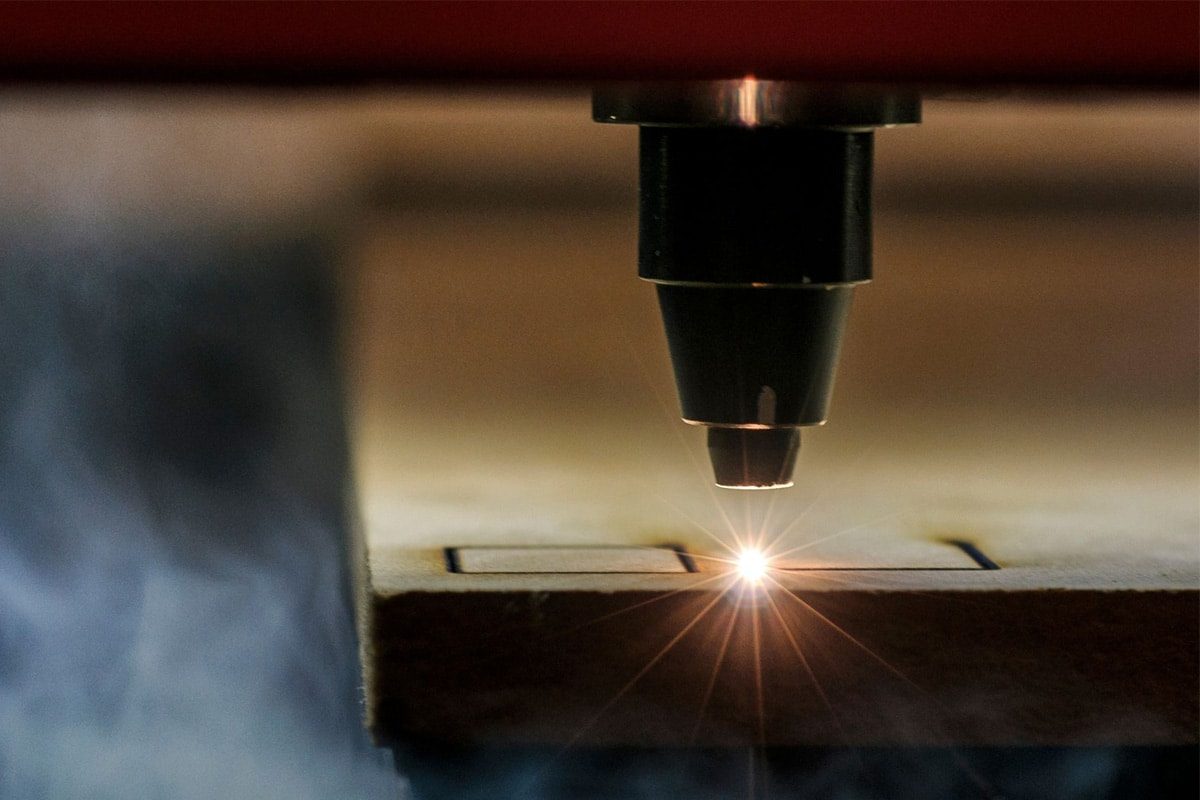
CO2 Laser Cutting Machine Safety Guidelines
CO2 laser cutting machines have earned their reputation as one of the most accessible, versatile, and user-friendly precision cutting tools available today. From sign shops and furniture studios to schools, makerspaces, and packaging facilities, operators around the world use these machines daily to cut wood, acrylic, leather, fabric, and dozens of other non-metallic materials — often with minimal technical background and a relatively short learning curve. Modern CO2 laser cutters are designed with safety built in: enclosed cutting areas, automatic interlock systems, temperature protection, and intuitive software interfaces mean that when the machine is used correctly and within its intended parameters, day-to-day operation is safe and routine.
That said, like any piece of industrial equipment that involves high-energy processes, CO2 laser cutting machines come with a specific set of hazards that every operator should understand clearly. These hazards are real but manageable — they do not make CO2 laser cutting dangerous in the general sense, but they do require that operators follow straightforward, well-established safety practices consistently. The good news is that the safety requirements for CO2 laser cutting are logical and learnable, and most of them align with basic good practice that any careful operator will adopt naturally once they understand the reasons behind them.
This article provides a comprehensive but practical guide to CO2 laser cutter safety. It is written with the working operator in mind — someone who wants to understand what the actual risks are, why specific precautions exist, and how to implement them without turning a productive cutting workflow into an overly complicated safety bureaucracy. The goal is informed, confident operation: knowing what to watch out for, what to do when something is not quite right, and how to set up the workspace and machine in ways that keep every session safe and productive.
Table of Contents
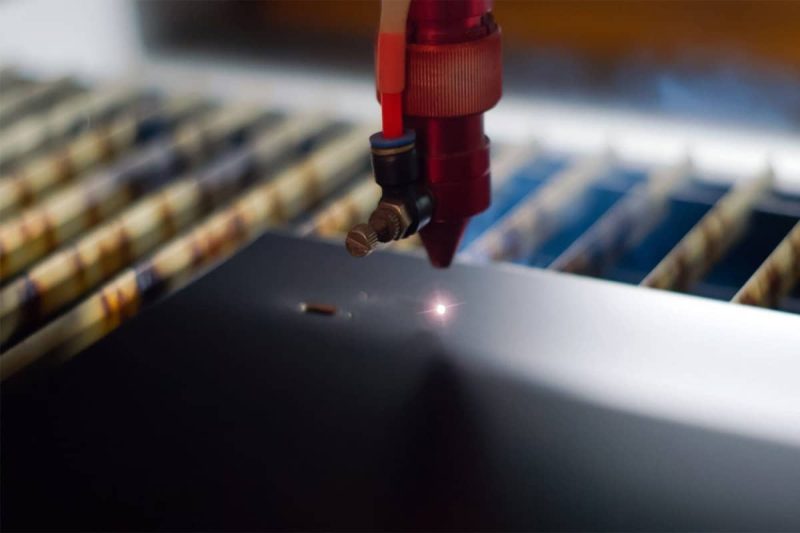
Understanding the Hazards of CO2 Laser Cutting
A solid understanding of where hazards actually come from in CO2 laser cutting is the foundation of sensible safety practice. Most hazards are predictable and controlled by the machine’s built-in safety systems during normal operation — the precautions that operators need to actively manage are relatively limited in number and straightforward in practice.
Laser Radiation Hazards
The CO2 laser generator produces infrared radiation at a wavelength of 10.6 micrometers, which is invisible to the naked eye. The beam can cause eye and skin burns if exposure occurs at close range, particularly during maintenance activities with the enclosure open. However, during normal enclosed operation — which is how most commercial CO2 laser cutting machines are used — the enclosure completely blocks the beam, and operators are not exposed to laser radiation at all. The radiation hazard is primarily relevant during setup, alignment, and maintenance when the beam path is open, and it is managed through appropriate eyewear and safe working procedures during those specific activities.
Fire and Combustion Risks
CO2 laser cutting works by heating material rapidly, and many of the materials processed — wood, acrylic, paper, leather, fabric — are combustible. Small flare-ups at the cutting zone are common and typically self-extinguishing under normal operating conditions, particularly when an air assist system is directing airflow at the cutting point. A sustained fire inside the machine is possible but unlikely when the machine is supervised and parameters are appropriate for the material being cut. This risk is managed primarily by never leaving the machine unattended during operation, keeping the cutting area clean of debris accumulation, and using appropriate power and speed settings.
Toxic Fumes and Airborne Particles
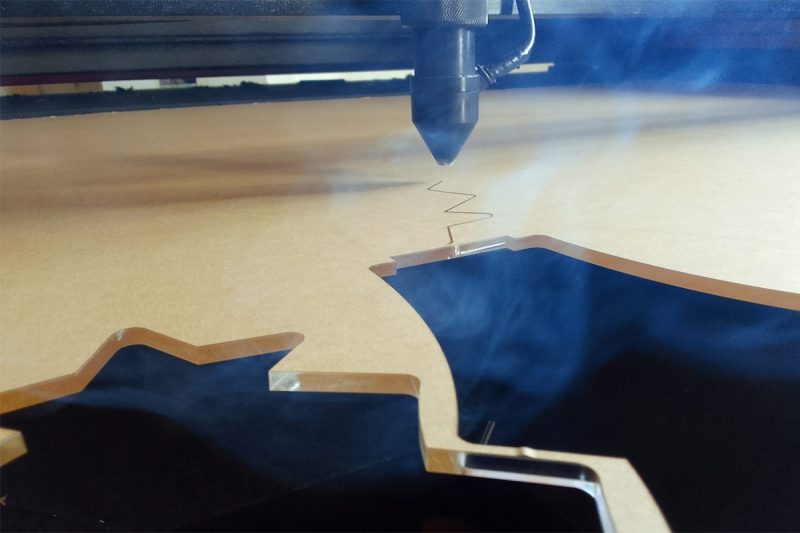
When laser cutting heats material, it generates smoke, fumes, and fine particles. The composition of these emissions depends entirely on what material is being cut — cutting natural wood produces wood smoke, cutting acrylic produces acrylic vapor, cutting leather produces organic fumes. Most materials used in CO2 laser cutting produce fumes that are manageable with a standard fume extraction system and are not acutely hazardous in a well-ventilated environment. The more important fume consideration is material selection: certain materials — PVC being the most important — generate genuinely hazardous decomposition products and must never be cut. For approved materials with adequate extraction in place, fume management is straightforward.
Electrical Hazards
CO2 laser generators operate at high voltages — the power supply that drives the laser tube produces several thousand volts. This high-voltage circuitry is enclosed within the machine cabinet and presents no hazard during normal operation. The electrical risk becomes relevant only during maintenance work inside the machine cabinet, which should be performed by qualified technicians who follow proper lockout/tagout procedures. For routine operator-level tasks — loading materials, adjusting settings, cleaning the lens and mirrors, replacing the protective window — there is no exposure to high-voltage components.
Mechanical and Motion System Risks
The cutting head moves at high speed across the working area during operation. In enclosed machines this presents no hazard, as the enclosure prevents access to the moving head during operation. In open-frame machines, operators should keep hands and loose clothing clear of the motion system during active cutting. The motion system is generally a minor risk category in CO2 laser cutting machines compared to the other hazards, but it is worth including in operator orientation for completeness.
CO2 laser cutting involves five principal hazard categories: laser radiation, fire, fume and particulates, electrical voltage, and motion system risks. During normal enclosed operation with approved materials, most of these hazards are managed automatically by the machine’s design. The active precautions that operators need to maintain are primarily supervision during cutting, material selection discipline, fume extraction management, and appropriate care during maintenance activities. None of these require extensive technical expertise — they are learnable, logical practices that become routine quickly.
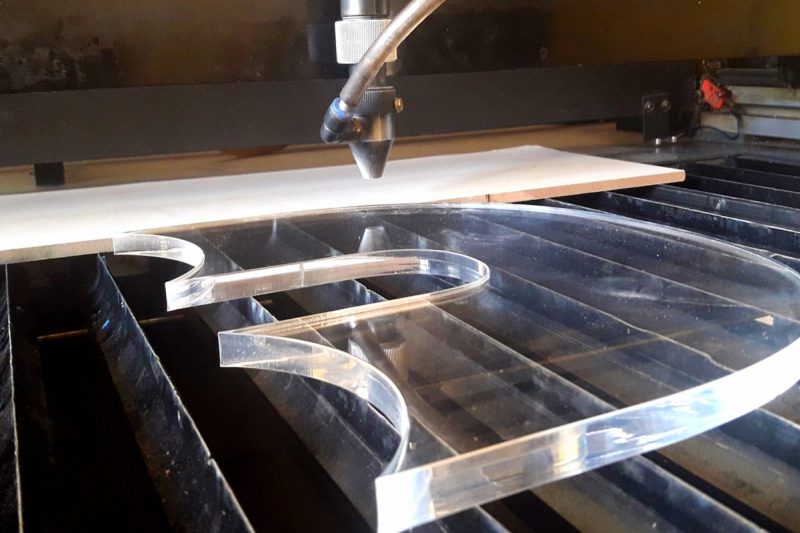
Laser Radiation Safety
Laser radiation is the hazard most associated with laser equipment in the public imagination, but in the context of enclosed CO2 laser cutting machines used normally, it is one of the most effectively controlled risks. The enclosure does the heavy lifting; operator responsibility is primarily limited to specific situations where the enclosure is open.
CO2 Laser Classification
CO2 laser generators used in cutting machines are classified as Class 4 laser devices — the highest classification — based on their potential to cause harm if the beam reaches the eye or skin directly. This classification sounds alarming out of context, but it refers to the output of the laser generator itself, not to the risk level during normal enclosed machine operation. Virtually all commercial CO2 laser cutting machines incorporate a fully enclosed cutting area that reduces the effective risk to the operator during normal operation to Class 1 — meaning the machine is safe during normal use without additional precautions beyond those built into the enclosure.
Eye and Skin Injury Mechanisms
The CO2 laser wavelength at 10.6 µm is strongly absorbed by the surface layers of biological tissue. Eye exposure to a direct or reflected beam can cause corneal burns, which are painful and require medical attention but are generally treatable — unlike the retinal burns associated with visible and near-infrared lasers, which can cause permanent vision loss. Skin exposure to the beam at close range causes surface burns similar to a concentrated heat source. Both injury types require direct beam or strong reflection exposure — they are not a risk from the diffuse scatter and ambient conditions of normal enclosed operation.
Beam Reflection and Scatter
Unlike visible lasers whose reflections from shiny surfaces are dramatically obvious, CO2 laser reflections are invisible. Polished metal surfaces, aluminum tape, and certain jewelry can produce specular reflections that redirect a significant fraction of the beam. For this reason, reflective objects should be kept away from the cutting area, and operators should not wear jewelry or watches when performing any alignment or maintenance task with the beam active.
Laser Safety Eyewear
When working with the enclosure open — for alignment, optical adjustment, or beam path maintenance — laser safety eyewear rated for the CO2 wavelength (10.6 µm) must be worn. This eyewear is specifically designed to block CO2 laser radiation and is readily available from safety equipment suppliers. Standard safety glasses or sunglasses do not provide protection against CO2 laser radiation. Laser safety eyewear for CO2 machines is typically specified by optical density (OD) rating — an OD of 5 or higher at 10.6 µm is standard for the power levels used in commercial CO2 laser cutting machines.
Safe Viewing Distances and Restricted Zones
During enclosed machine operation, no special viewing precautions are required — the enclosure window, if present, typically incorporates filtering that blocks laser radiation while allowing the operator to observe the cutting process. When the enclosure is open for maintenance, a designated laser working area should be established, clearly marked, and restricted to personnel wearing appropriate eyewear. In practice, most CO2 laser cutting facilities manage this simply by designating the area immediately around the open machine as a restricted zone during maintenance.
Laser radiation safety in CO2 laser cutting machines is primarily handled by the machine’s enclosure during normal operation. The active responsibility for operators focuses on two situations: using CO2-rated laser safety eyewear during any open-beam work, such as alignment and maintenance, and keeping reflective objects out of the cutting area. These are straightforward, low-burden precautions that do not complicate day-to-day operation.
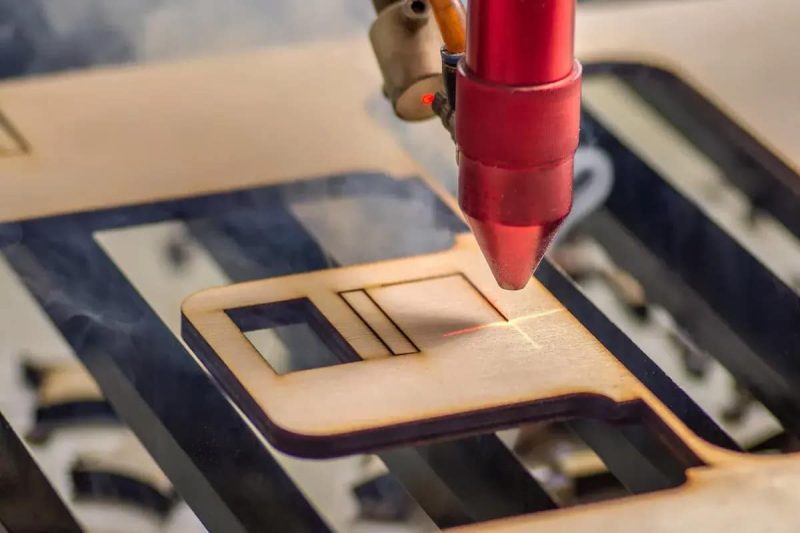
Fire Prevention and Control
Fire is a realistic risk in CO2 laser cutting because the process involves heating combustible materials. However, with appropriate supervision and correct operating parameters, fire incidents are uncommon and typically minor when they do occur. The key to fire safety is understanding the conditions that increase risk and avoiding them through sensible operating practice.
Materials Most Prone to Ignition
Not all materials carry equal fire risk. Dense, dry materials with low ignition temperatures — thin paper, dry cardboard, certain foams — are more prone to flare-ups than denser, moister materials. Settings that concentrate too much energy in one spot — very slow cutting speed with high power, or repeated passes over the same area — increase ignition risk on any combustible material. Accumulated debris on the cutting bed — offcuts, dust, and small fragments — can ignite from sparks or scattered energy during subsequent cutting jobs. Keeping the cutting bed and workspace clean is one of the most effective fire prevention measures available.
The Supervision Rule
The single most important fire safety practice for CO2 laser cutting is never leaving the machine unattended during active cutting. Small flare-ups that would be immediately noticed and extinguished by a present operator can develop into more significant fires if the machine runs unsupervised. Modern CO2 laser cutting machines are designed to run jobs automatically once started, which can create a temptation to step away — this temptation should always be resisted. Active supervision does not require the operator to stand and watch constantly; it simply means remaining in the room and checking on the machine regularly throughout the job.
Fire Suppression Equipment
A CO2 fire extinguisher or dry powder extinguisher appropriate for electrical equipment and combustible material fires should be readily accessible within the laser cutting workspace. Water-based extinguishers should not be used on or near the laser cutting machine due to the electrical components involved. The extinguisher should be inspected regularly and operators should know its location and operation before beginning any cutting session.
Machine Enclosure and Air Assist
The machine’s enclosure plays an important role in fire containment by limiting the oxygen available to any small flame that develops inside the cutting area. The air assist system — which directs a jet of compressed air at the cutting point — serves dual purposes: it helps eject cut material from the kerf and simultaneously blows out small flare-ups at the cutting zone before they can establish. Ensuring that the air assist system is operational before beginning a cutting session is a simple but effective fire prevention measure.
Safe Cutting Parameters
Incorrect cutting parameters — most often, power too high for the cutting speed used — are a common contributor to fire incidents. When power density at the cutting point exceeds what the material can absorb and eject efficiently, excess energy accumulates in the surrounding material and can initiate combustion. Starting new material-thickness combinations at conservative power levels and gradually optimizing toward the target settings is good practice both for cut quality and fire prevention. Most CO2 laser control software includes power presets for common materials that provide a safe and effective starting point.
Fire prevention in CO2 laser cutting comes down to three core practices: maintaining active supervision throughout every cutting session, keeping the cutting area clean of accumulated debris, and using appropriate power and speed settings for the material being processed. With these practices in place, fire incidents are uncommon and typically minor. A readily accessible fire extinguisher provides the last-resort backup for any situation that the primary precautions do not prevent.
Fume and Particulate Management
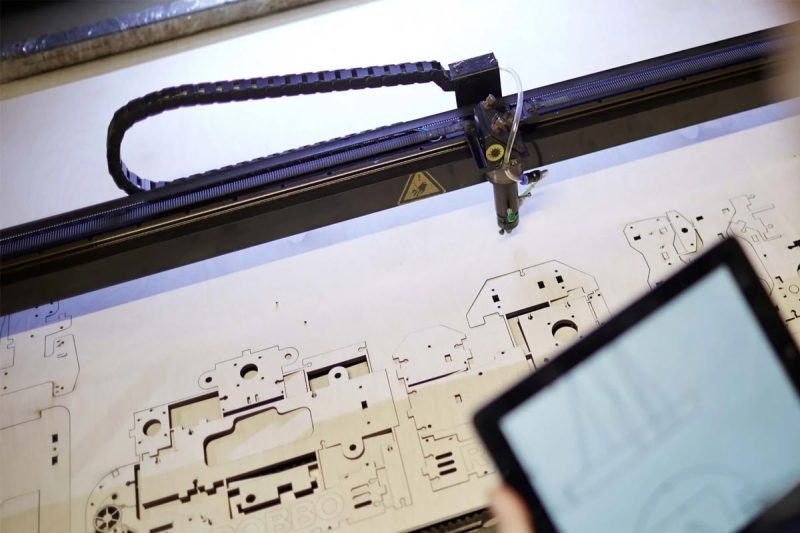
Every CO2 laser cutting operation generates some level of smoke, fume, and fine particulate as the cutting process vaporizes and pyrolyzes material. Managing these emissions through effective extraction is important both for operator comfort and health, and for maintaining the machine’s optical components in good condition. The good news is that fume management for standard CO2 cutting materials is straightforward with a properly set up extraction system.
What Cutting Generates
The composition of fumes generated during CO2 laser cutting depends entirely on the material being processed. Natural wood and MDF produce wood smoke and formaldehyde from the resin binders — irritating but manageable with standard extraction. Acrylic produces methyl methacrylate vapor — distinctively pungent and best captured at source. Leather produces organic smoke. Fabric produces fiber and thermal decomposition products that vary with fiber type. Paper and cardboard produce minimal and relatively benign emissions. For all of these standard CO2 cutting materials, a properly functioning fume extraction system is sufficient to maintain acceptable air quality in the workspace.
Materials That Must Never Be Cut
Material selection is the most consequential fume safety decision in CO2 laser cutting, and it has a clear and simple rule: never cut PVC (polyvinyl chloride) or any material containing chlorine compounds. PVC heated by the laser generator releases hydrogen chloride gas — a corrosive gas that is harmful to the respiratory system even at low concentrations, and that also rapidly corrodes the machine’s optical components and metalwork. PVC is found in vinyl films, some synthetic leathers, certain foams, and many flexible materials sold for cutting — it is not always clearly labeled, and its characteristic pungent smell during cutting is a warning sign that should immediately stop the operation. Materials such as ABS, polycarbonate, and nylon are generally acceptable for CO2 laser cutting, though they produce strong fumes that require effective extraction. When in doubt about a material’s composition, check the Safety Data Sheet before cutting.
Fume Extraction System Requirements
An effective fume extraction system should capture smoke and fumes at the cutting zone before they disperse into the room. The system should include a dedicated exhaust fan with sufficient airflow for the machine’s cutting area, ducting that routes fumes to the exterior of the building or through a multi-stage filter unit, and a filter system appropriate for the materials being cut — typically a pre-filter for larger particles, a HEPA filter for fine particulate, and activated carbon filtration for volatile organic compounds from plastics. Many CO2 laser cutting machines include or offer an integrated fume extraction system; for machines without built-in extraction, a separate fume extractor or inline fan and duct system should be installed before the machine enters production use.
Filter Replacement and Maintenance
Fume extraction filters accumulate captured material over time and must be replaced or cleaned on a schedule. A saturated filter provides increasingly reduced protection as it fills, and a completely blocked filter may cause the extraction system to bypass the filter entirely. Checking filter condition regularly — typically monthly for moderate-use machines — and replacing filters before they reach full saturation is the maintenance practice that keeps the extraction system performing as intended. The cost of replacement filters is modest, and their regular replacement is a straightforward operational discipline.
Fume management in CO2 laser cutting requires a functioning extraction system, appropriate filter maintenance, and disciplined material selection — particularly avoiding PVC and chlorine-containing materials. For standard CO2 cutting materials with a properly installed and maintained extraction system, fume-related exposure is well within manageable levels and does not require specialized industrial hygiene programs. Material selection discipline is the highest-leverage fume safety decision available to any CO2 laser operator.
Personal Protective Equipment (PPE)
One of the advantages of enclosed CO2 laser cutting machines is that they substantially reduce the PPE burden compared with many other industrial processes. During normal enclosed operation, the machine’s engineering controls provide the primary protection, and operator PPE requirements are relatively limited. PPE becomes more relevant during maintenance activities and when cutting materials that generate significant fumes.
Laser Safety Glasses
As discussed in the radiation safety section, CO2-wavelength laser safety eyewear is required during any open-beam work — alignment procedures, optical maintenance, and any situation where the beam path is accessible with the enclosure open. During normal enclosed operation, laser safety glasses are not required, as the enclosure provides complete beam containment. The eyewear should be clearly labeled with its OD rating at 10.6 µm and stored in a designated, accessible location near the machine. Operators should check eyewear for scratches or damage before each use in an open-beam situation, as damaged lenses provide reduced protection.
Respiratory Protection
For the majority of CO2 laser cutting operations with standard materials and a properly functioning extraction system, additional respiratory protection beyond what the extraction system provides is not required during normal cutting. Where respiratory protection does become relevant is during maintenance activities that involve disturbing accumulated filter media or cleaning the machine interior, where concentrated fume residue may be released; during cutting of materials with stronger fume profiles such as dense plastics or rubber; and in workspaces where the extraction system performance is uncertain or temporarily degraded. A half-face respirator with activated carbon/organic vapor cartridges is appropriate for these situations and should be available in the workspace even if it is not routinely used.
Protective Clothing and Gloves
Operators should wear close-fitting clothing without loose sleeves or dangling accessories that could interfere with the motion system on open-frame machines. Heat-resistant gloves are useful when handling freshly cut materials, which can retain significant heat for several minutes after cutting, particularly thick wood and dense acrylic. Cut-resistant gloves provide protection when handling freshly cut acrylic or metal-edged materials whose cut edges may be sharp. Closed-toe footwear protects against falling material and is good general workshop practice regardless of the specific machine being operated.
When Engineering Controls Are Sufficient
For the majority of CO2 laser cutting operations — enclosed machine, standard materials, functioning extraction, normal cutting parameters — the machine’s engineering controls are the primary and sufficient protective mechanism, and active PPE requirements are minimal. This is a significant advantage of well-designed CO2 laser cutting equipment and should be recognized as such. The PPE requirements described above are not daily burdens for most operators; they are situation-specific provisions that are available when needed and not required when they are not.
PPE requirements for CO2 laser cutting are modest during normal enclosed operation: laser safety eyewear for open-beam work, heat-resistant gloves for handling hot cut material, and appropriate respiratory protection as a situational backup. The machine’s enclosure and extraction system handle the primary safety load, leaving the operator’s active PPE requirements limited to specific maintenance and material-handling situations. This accessible PPE profile is one of the reasons CO2 laser cutting is suitable for a wide range of operators and environments.
Machine Safety Features and Interlock Systems
Modern CO2 laser cutting machines incorporate a range of built-in safety features that protect both operators and the machine itself during operation. Understanding these features — what they do and how to ensure they are functioning correctly — enables operators to rely on them confidently rather than working around them.
Enclosure Interlocks and Door Sensors
The enclosure interlock is the primary safety feature of any enclosed CO2 laser cutting machine. Door sensors detect when the enclosure lid or access door is opened during operation and immediately halt the laser generator output. This means that the laser beam cannot be active when the cutting area is accessible, eliminating the radiation hazard during part loading and unloading. The interlock should be tested regularly — typically as part of a weekly or monthly safety check — by opening the door during a simulated cutting operation and confirming that the laser generator stops immediately. Interlocks that are bypassed or defeated — a practice that should never occur — remove this critical protection layer entirely.
Emergency Stop Systems
Emergency stop buttons — typically large, red, mushroom-head buttons — are standard on all commercial CO2 laser cutting machines and immediately halt all machine functions, including the laser generator, motion system, and assist gas, when pressed. The location of the emergency stop button should be the first thing pointed out to any new operator, and it should remain clearly visible and unobstructed at all times. In multi-operator facilities, all personnel who work near the machine should know its location and function.
Cooling System Safety Cutoffs
CO2 laser generators require cooling to operate within their rated temperature range. Most machines incorporate a water chiller or water-cooling circuit with flow and temperature sensors that automatically halt the laser generator if the coolant flow drops below the minimum required level or if the coolant temperature rises above the maximum rated level. This protects the laser tube from thermal damage in the event of a cooling system failure. The cooling system should be checked before each production session — verifying that the coolant is at the correct level and that the chiller is operating at the correct setpoint temperature — as part of the startup procedure.
Software and Hardware Safety Limits
The machine’s control software incorporates parameter limits — maximum power, minimum speed, and travel boundary settings — that prevent the machine from operating outside its safe operating envelope. These software limits should not be overridden or circumvented in an attempt to exceed the machine’s rated capabilities. The control system’s position limits prevent the cutting head from traveling beyond the working area, protecting the machine from mechanical damage from out-of-bounds movement. Keeping the control software at its recommended firmware version ensures that these protective limits function as the manufacturer intended.
Built-in safety features — enclosure interlocks, emergency stops, cooling system cutoffs, and software parameter limits — are the foundation of safe CO2 laser cutting operation and handle a large proportion of the risk management automatically. Operators’ primary responsibility is to ensure that these features remain functional by testing them regularly, never bypassing them, and following the manufacturer’s operational guidelines. Machines with all safety systems functional and regularly verified are very safe tools for day-to-day production use.
Safe Material Handling and Workspace Setup
The workspace setup and material handling practices surrounding the CO2 laser cutting machine are often overlooked in safety discussions focused on the machine itself, but they have a meaningful impact on overall operational safety and on cut quality. A well-organized workspace makes safe operation natural and efficient.
Material Inspection Before Cutting
Before loading any material — particularly materials from unfamiliar suppliers or materials that are not clearly labeled — operators should confirm the material’s identity and suitability for CO2 laser cutting. For common, clearly labeled materials, this is straightforward; for unlabeled or mixed materials, checking the Safety Data Sheet for the specific product provides the necessary information. The burn test — briefly exposing a small sample to a lighter flame outside the machine and noting the color, odor, and smoke — provides a useful preliminary screen for PVC and chlorine-containing materials, which produce a distinctive sharp odor and yellow-green flame. Any material that fails this simple check should not be cut until its composition is confirmed.
Secure Fixturing and Workpiece Clamping
Materials should be secured on the cutting bed in a way that prevents movement during the cutting cycle. Warped sheet materials that do not lie flat against the bed will have varying standoff distances to the cutting head, degrading cut quality and potentially causing the head to contact the material if the height sensing system cannot fully compensate. Magnetic hold-downs, edge clamps, or simply the weight of the material sheet are typically sufficient for flat-cut materials. For small parts or intricate cuts where the offcut pieces may shift and cause problems, designing tab connections that hold parts in place until the full cut program is complete is a useful technique.
Workspace Layout and Clearance
The area around the CO2 laser cutting machine should be kept clear of flammable materials that are not immediately in use. Compressed gas cylinders, solvent containers, and large quantities of flammable sheet material should be stored away from the machine. The space immediately around the machine should allow free operator movement for loading, unloading, and inspection without awkward reaching or positioning. Adequate overhead clearance for fume exhaust ducting and adequate electrical clearance for the machine’s power supply connections should be verified during installation and maintained thereafter.
Housekeeping and Debris Management
Accumulated debris on the cutting bed — offcut scraps, dust, and fine particles from previous cutting jobs — can ignite during subsequent cuts and create small fires that would not occur on a clean bed. Cleaning the cutting bed at the end of each production session, or between jobs if processing combustible materials with significant debris generation, is a simple habit that meaningfully reduces fire risk. Cleaning the inside of the machine enclosure periodically — removing accumulated smoke residue and fine particulate from the interior surfaces and optical mounts — also keeps the machine in better operating condition and reduces the risk of ignition from accumulated deposits.
Safe material handling and workspace management for CO2 laser cutting are straightforward, common-sense practices: confirm material identity before cutting, secure materials properly on the bed, maintain a clear and organized workspace, and keep the cutting area clean of accumulated debris. These practices require minimal time investment and deliver measurable benefits in both safety and cut quality — they are the kind of habits that experienced operators adopt naturally and that new operators should build into their workflow from the first session.
Operator Training and Regulatory Compliance
CO2 laser cutting machines are accessible and learnable tools, and the training required to operate them safely is much less extensive than for many other industrial processes. A structured introduction covering the key principles and machine-specific procedures is sufficient to prepare most operators for safe day-to-day use.
Required Training Before Operating
Before operating a CO2 laser cutting machine independently, every operator should receive instruction covering the machine’s safe operating procedures (startup, shutdown, and emergency stop), the laser radiation hazard and the importance of the enclosure interlock, fire supervision requirements and the location of fire suppression equipment, the fume extraction system and the material restrictions — particularly the prohibition on PVC, the machine’s cooling system check procedure, and basic troubleshooting for the most common issues encountered in normal operation. This level of training can typically be delivered in a few hours of structured hands-on instruction by an experienced operator or the machine supplier’s application engineer. It is far from an overwhelming undertaking, and most operators find that it accelerates their confidence and productivity rather than complicating their relationship with the machine.
OSHA and Industry Standards
In the United States, CO2 laser cutting machine operations fall under OSHA’s General Duty Clause and reference the American National Standards Institute (ANSI) Z136.1 standard for laser safety programs. In practical terms for a commercial CO2 laser cutting facility, this means maintaining a basic laser safety program, designating a responsible person (often called the Laser Safety Officer) who is accountable for laser safety compliance, and keeping records of operator training. These requirements are not burdensome for most small and medium facilities, and many machine suppliers provide guidance documentation that simplifies compliance.
Laser Safety Officer Responsibilities
The Laser Safety Officer role does not require a formal qualification in most commercial CO2 laser cutting contexts — it is simply a designated responsible person who ensures that safety procedures are followed, new operators receive appropriate orientation, and the machine’s safety features are verified periodically. In a small facility, this is typically the business owner or senior operator. The Laser Safety Officer is also the contact for any incidents or near-misses and is responsible for investigating and addressing any safety concerns that arise.
Incident Reporting and Emergency Procedures
Any incident involving laser eye exposure, a fire that required extinguisher use, or an injury involving the machine should be documented and reviewed to understand the cause and prevent recurrence. Near-misses — situations where an incident could have occurred but did not — are equally valuable learning opportunities. A simple incident log, maintained consistently, provides the documentation that regulatory compliance may require and the organizational memory that prevents repeated incidents.
Operator training for CO2 laser cutting is practical and accessible — a few hours of structured instruction is sufficient to prepare most operators for safe independent use. Regulatory compliance requirements are modest for most commercial facilities and align naturally with good operational practice. The Laser Safety Officer designation is a straightforward accountability assignment that does not require specialized qualifications in small facilities.
Routine Safety Maintenance
Routine safety maintenance for CO2 laser cutting machines is both a safety discipline and a performance discipline — the same maintenance tasks that keep the machine’s safety systems functional also keep it cutting well. Most maintenance tasks are simple inspections and cleaning operations that experienced operators perform efficiently as part of a regular workflow.
Optical Component Inspection
The protective window at the exit of the cutting head is the optical component most directly exposed to the cutting environment. A contaminated or damaged protective window absorbs laser energy, heats up, and can degrade cut quality — and in extreme cases, a cracked window can spray debris onto the focusing lens above it. Inspecting the protective window before each production session and replacing it when any visible contamination or damage is present is a brief, inexpensive maintenance task with both safety and quality benefits. The focusing lens and mirrors should be inspected less frequently — typically monthly — and cleaned carefully with appropriate optical cleaning supplies when contamination is detected.
Ventilation System Checks
Before beginning any cutting session, confirming that the fume extraction system is operational — by verifying that the fan is running and that airflow is perceptible at the extraction point — takes only a few seconds and ensures that the primary fume management control is functioning. Filter condition should be assessed monthly and filters replaced before they reach full saturation. Exhaust ducting should be inspected periodically for any blockages, disconnections, or leaks that could compromise extraction efficiency.
Interlock and Emergency Stop Testing
The enclosure interlock and emergency stop button should be tested regularly to confirm they are functioning as designed. Testing the interlock is straightforward: with a cutting job ready to run, open the enclosure door and confirm that the laser generator stops immediately. Testing the emergency stop simply involves pressing the button and confirming that all machine functions halt. These tests should be performed at least monthly and the results logged briefly. A safety interlock that is found to be non-functional should be repaired before the machine returns to production use.
Maintenance Logbooks and Safety Records
Keeping a brief maintenance log — recording the date, tasks performed, any issues found, and corrective actions taken — provides documentation of safety system maintenance and creates an operational history that is valuable for troubleshooting. This log does not need to be elaborate; a simple paper or digital record that is updated consistently is sufficient. Training records for each operator, maintained alongside the machine’s maintenance log, provide the documentation that a Laser Safety Officer needs to demonstrate that all personnel have received appropriate instruction.
Routine safety maintenance for CO2 laser cutting machines is a modest investment of time that delivers consistent safety and performance dividends. Daily protective window inspection, monthly optical and filter checks, and regular interlock and emergency stop testing are the core maintenance activities that keep the machine’s safety systems reliable throughout its operating life. Simple record-keeping completes the program and provides the documentation baseline that regulatory compliance and good operational practice both require.
Conclusion
This article has provided a comprehensive and grounded guide to safety in CO2 laser cutting — covering the actual hazards involved, the engineering controls that manage most of them automatically, and the practical operator behaviors that address the remainder.
The overarching message is one of proportion: CO2 laser cutting machines, when used correctly with approved materials in a properly equipped workspace, are safe and reliable production tools. The hazards they present — laser radiation, fire risk, fume emissions, electrical voltage, and motion system exposure — are real, but they are well understood and effectively managed by the combination of built-in machine safety features and straightforward operator practices. The enclosure keeps laser radiation contained during normal operation. Active supervision and clean operating conditions keep fire risk at a manageable level. A functioning extraction system and disciplined material selection keep fume exposure within safe limits. Cooling system protection and software limits protect the machine from operating outside its safe envelope.
The operator practices that add the most safety value are not technically demanding: supervise the machine during operation, keep the cutting area clean, confirm material identity before cutting, verify that safety systems are functional, and follow the machine manufacturer’s operating guidelines. These practices require reasonable attention and consistency — not specialized expertise or significant time investment — and they become natural habits for any operator within the first few production sessions.
CO2 laser cutting machines are accessible, versatile, and genuinely safe when operated correctly. Understanding the hazards clearly — rather than either ignoring them or overestimating their severity — is the foundation of the confident, efficient, and safe operation that enables operators and businesses to get the most from this powerful and productive technology.
Get a CO2 Laser Cutting Solution
Safety begins with well-designed equipment. A CO2 laser cutting machine that incorporates robust engineering safety features — enclosure interlocks, cooling system protection, reliable fume extraction integration, and intuitive control systems — reduces the active safety burden on operators and makes safe operation the natural default of day-to-day use.
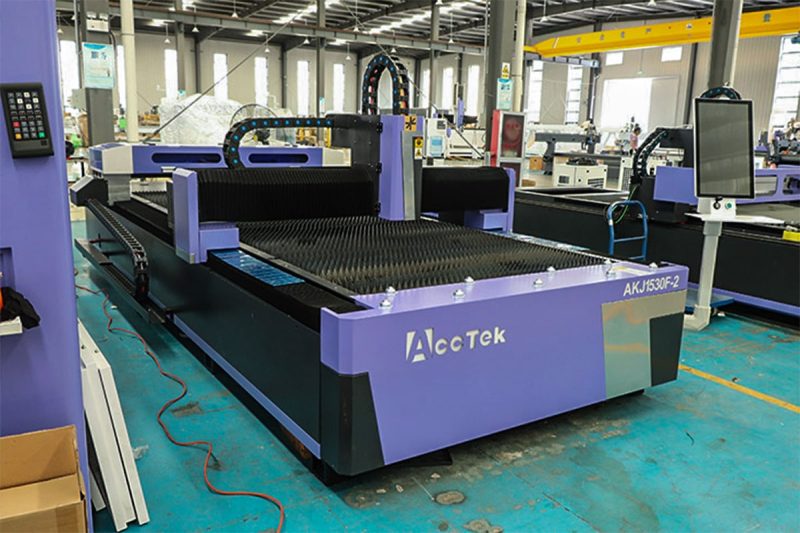
AccTek Laser is a professional CO2 laser cutting machine manufacturer offering a full range of systems from 60W to 600W, designed for precision cutting of wood, acrylic, leather, fabric, rubber, foam, paper, cardboard, and a wide range of other non-metallic materials. The product range includes standard flatbed systems, fully enclosed safety cabinets that contain both laser radiation and fumes within a managed enclosure, large-format machines for full-sheet material processing, double-head systems for parallel production, CCD camera-equipped machines for printed material contour cutting, and automatic feeding systems for continuous roll or sheet material processing. All systems are built around high-quality CO2 laser tubes from trusted brands including Reci, Yongli, EFR, and SLW, with integrated cooling systems, Ruida control systems with software safety limits, and high-quality ZnSe optical components — all certified to CE and FDA safety standards. For facilities that require both CO2 and fiber laser capability in a single platform, a mixed laser cutting machine combining CO2 non-metallic cutting with fiber metal cutting is also available. Pre-sales application consultation, professional installation and commissioning, comprehensive operator training covering both machine operation and safety practices, competitive spare parts supply, and responsive after-sales technical support are provided as part of a full-lifecycle service commitment — ensuring that every customer has the equipment knowledge and operational support needed to run their CO2 laser cutting operation safely and productively from day one.

Contact information
- [email protected]
- [email protected]
- +86-19963414011
- No. 3 Zone A, Lunzhen Industrial Zone,Yucheng City , Shandong Province.
Get Laser Solutions